Support

Jazan

About

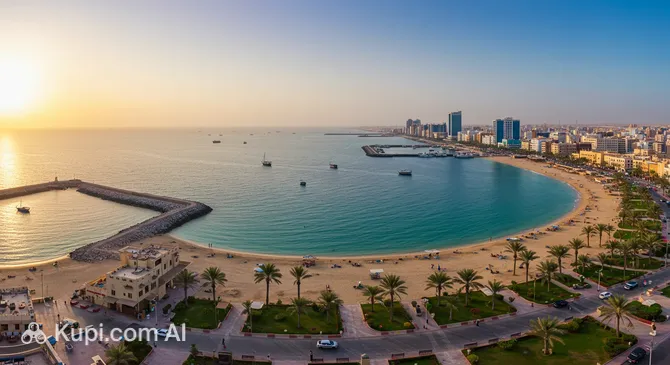
Welcome to Jazan, a vibrant port city located in the lush southwest corner of Saudi Arabia. Known as the "Pearl of the South," this coastal metropolis offers a unique blend of ancient traditions and modern development, set against the stunning backdrop of the Red Sea. With a population of approximately 127,000 residents, it serves as the capital of the Jazan Region and is celebrated for its warm hospitality and rich agricultural heritage.

Jazan. Source: Kupi.Binoculars

The city's geography is distinct, featuring a harmonious mix of coastal plains and nearby mountains that contribute to a climate different from much of the kingdom. While the summers can be hot and humid, the winters are mild and pleasant, making it an ideal destination for outdoor exploration. Those interested in the past will find the history of Jazan fascinating, as the city has long served as a crucial trade hub connecting the Arabian Peninsula with Africa and beyond.

Travelers are often drawn to Jazan as the primary gateway to the pristine Farasan Islands, a protected marine sanctuary famous for its coral reefs and diverse wildlife. Within the city itself, the Jazan Heritage Village stands out as a must-visit cultural landmark, offering a glimpse into the region's traditional architecture and lifestyle. Whether you are strolling along the scenic North Corniche or enjoying the local cuisine, Jazan promises an unforgettable experience full of discovery and charm.

Weather Overview

The climate in Jazan is characterized by warm to hot temperatures throughout the year, heavily influenced by its coastal location on the Red Sea. To pack appropriately for your trip, it is recommended to check the current forecast before your departure. Generally, the city experiences hot, humid summers and mild, comfortable winters, making it a welcoming destination for those who enjoy a tropical feel.

During the summer months, particularly from June to September, the heat intensifies. Average temperatures hover around 33°C, with June seeing daytime highs of up to 36°C. Even at night, the air remains warm, with minimum temperatures generally staying near 30°C, though they can occasionally drop just below this mark in August. Spring serves as a quick transition, with May already reaching average temperatures of 32°C.

Winter is widely considered the most pleasant season to visit. From December through February, the weather is much gentler, with average temperatures settling between 25°C and 27°C and daily highs typically reaching between 28°C and 29°C. Rainfall is extremely low, with most months recording negligible precipitation, though you might encounter occasional wet days, particularly in October, November, and December.

Interesting Facts

Beyond the main attractions, Jazan holds many fascinating secrets that reveal its deep connection to nature and history. From ancient fortifications to agricultural abundance, the city offers surprises for every visitor.

  • The Fruit Basket of the Kingdom: Jazan is famous for its incredibly fertile soil, earning it the title of Saudi Arabia's "fruit basket." The region is particularly renowned for producing over 30 varieties of high-quality mangoes, and the city hosts an annual Mango Festival to celebrate this sweet and abundant harvest.

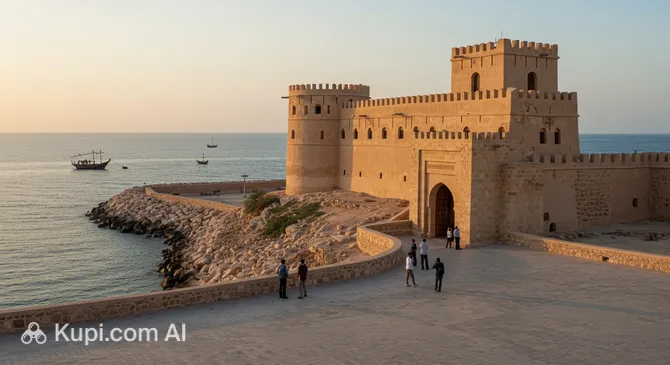
  • A Historic Vantage Point: The city is home to Ad Darasiyah Castle, also known as Dossari Castle, which sits atop a mountain in the center of Jazan. Built during the Ottoman era, this fortification was strategically positioned for military surveillance and now offers panoramic views of the city and the port.

  • The Hareed Festival: Jazan serves as the gateway to a unique ecological phenomenon known as the Hareed Festival. Occurring annually in the nearby waters, this event celebrates the mass migration of parrotfish to the shallow shores, where locals participate in a traditional fishing contest that has been passed down for generations.

  • Coffee Heritage: The mountainous hinterlands of the Jazan region are one of the few places in the country where coffee is cultivated. The Khawlani coffee beans grown here are prized for their quality, and the traditional cultivation methods are considered a significant part of the area's intangible cultural heritage.

Ad Darasiyah Castle. Source: Kupi.Binoculars

How to Get There

Planning a trip to this coastal gem is straightforward, with air travel being the most convenient option for most visitors. The city is well-connected to major hubs within the Kingdom, ensuring easy access for tourists. For a detailed guide on all available transport methods, you can read more about how to get to Jazan.

The primary gateway to the city is Jazan Regional Airport (GIZ), also known as King Abdullah bin Abdulaziz Airport. Conveniently located within Jazan itself, it is just 2.1 km from the city center. A taxi ride from the terminal to the heart of the city is very quick, typically taking only 5-10 minutes. This airport serves as a vital hub, handling a significant volume of passengers and offering frequent flights from cities like Riyadh, Jeddah, and Dammam.

Alternatively, travelers might consider flying into Abha Regional Airport (AHB) in the neighboring city of Abha. While it is a major regional hub, please note that it is located approximately 150 km from Jazan. The journey by car or taxi involves a drive from the mountains down to the coast, which generally takes 2.5 to 3 hours.

For clarity, here is a summary of the main airports serving the region:

Airport Name City Passenger Traffic Km from City
Abha Regional Airport Abha High 149.8
Jazan Regional Airport Jazan Medium 2.1
Najran Airport Najran Medium 212.2

Currently, Jazan is not connected to the national railway network, so arriving by train is not an option. Apart from flying, the most common way to reach the city is by road. An extensive network of highways connects Jazan to other parts of Saudi Arabia, making intercity buses and driving viable alternatives for those who prefer scenic routes along the Red Sea coast.

Main Attractions

Jazan is a city where history and modernity coexist, offering visitors a variety of experiences ranging from exploring ancient fortifications to enjoying contemporary leisure facilities. Whether you are interested in the region's rich heritage or looking for a place to relax and shop, the city's main attractions provide a perfect introduction to life in this coastal province.

One of the most prominent historical landmarks is Ad Darasiyah Castle. Situated on a mountain in the heart of the city, this Ottoman-era fortress serves as a testament to Jazan's strategic importance throughout history. Tourists are drawn here not only for the architectural intrigue of its stone walls and towers but also for the commanding views it offers. From the top, you can enjoy a panoramic sweep of the bustling port, the city streets, and the Red Sea horizon, making it an excellent spot for photography and sightseeing.

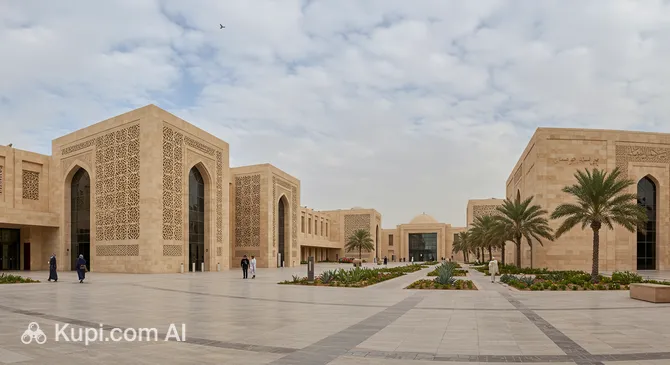
For those keen to delve deeper into the local arts and history, the Prince Sultan Cultural Center is a key destination. This facility acts as a hub for the region's cultural activities, frequently hosting exhibitions, events, and festivals that showcase the unique traditions of Jazan. The center's architecture itself is impressive, and it provides a comfortable, modern environment where visitors can learn about the social and historical fabric of the area.

Prince Sultan Cultural Center. Source: Kupi.Binoculars

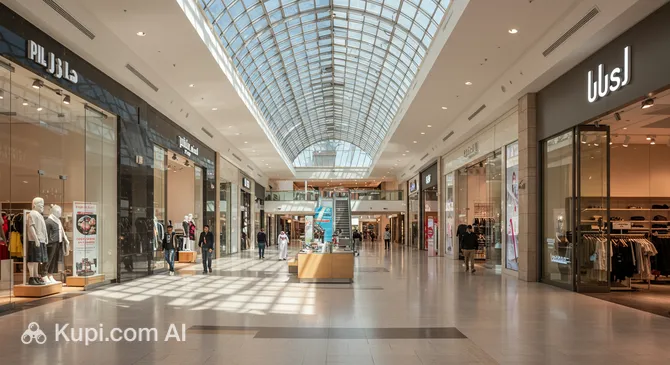
If you are looking to experience the modern side of the city, Al Rashid Mall Jazan is the place to go. As one of the premier shopping destinations in the region, it offers a wide array of international and local brands, making it a paradise for shoppers. Beyond retail, the mall features a variety of dining options and entertainment facilities, providing a cool and lively escape from the outdoor heat where families and friends can gather to relax.

Al Rashid Mall Jazan. Source: Kupi.Binoculars

Local Cuisine

Local Cuisine:

The culinary landscape of Jazan is as diverse as its geography, offering a distinct mix of flavors that reflect its status as a coastal trade hub and an agricultural powerhouse. Unlike the desert-influenced diets found elsewhere in the Kingdom, the local cuisine here is heavily defined by the bounty of the Red Sea and the region's fertile soil. Fresh seafood is a staple, with fish such as grouper and emperor fish often prepared in clay ovens or simmered in spicy, aromatic stews.

A true signature of the region is Marsah, a unique dish that fascinatingly blends savory and sweet elements. It consists of pieces of bread mashed with ripe bananas, topped generously with honey and ghee, and is traditionally enjoyed as a starter or alongside savory fish dishes. Another essential accompaniment is Mifa (or Khamir), a sour, fermented bread baked in a tandoor-like oven, perfect for dipping into the rich, spicy gravies that characterize Jazan's cooking.

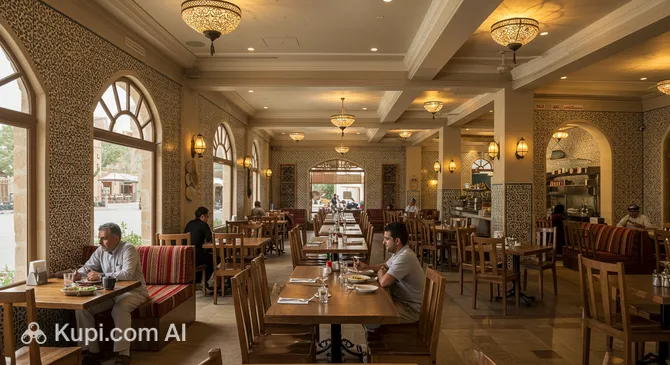
For those wishing to experience the local dining atmosphere, Kaya Restaurant is a popular destination. It offers a welcoming environment where visitors can enjoy a range of dishes that showcase the area's culinary traditions alongside modern favorites.

Kaya Restaurant. Source: Kupi.Binoculars

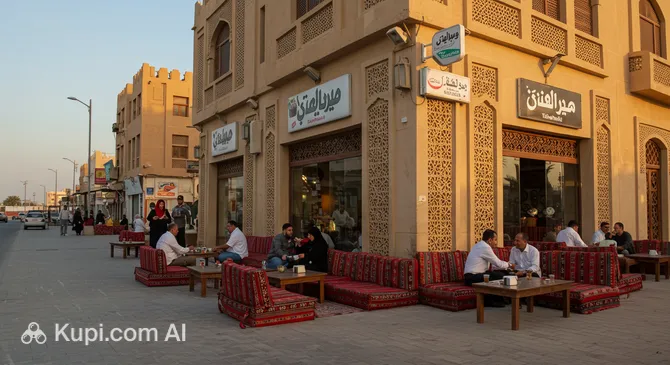
Another excellent spot to include in your culinary journey is Tahina. Whether you are looking for a hearty meal or a place to relax with friends, this restaurant provides a comfortable setting to savor the vibrant flavors of Jazan.

Tahina. Source: Kupi.Binoculars

Travel Tips

Preparing for a trip to Jazan ensures a smooth and enjoyable experience in this coastal region. Here are some essential practical tips to help you navigate local customs and logistics with ease.

  1. Clothing and Gear: Given Jazan's hot and humid coastal climate, pack lightweight, breathable fabrics like cotton and linen. While strict dress codes have relaxed, modesty is still highly valued; both men and women should cover their shoulders and knees. Women are not legally required to wear an abaya, but carrying a light scarf is useful for respecting local customs in more traditional areas.

  2. Transportation: Public transport options like buses or metros are not available in Jazan. The most convenient way to explore the city and the surrounding mountains is by renting a car. For travel within the city, ride-hailing apps like Uber and Careem are reliable and widely used.

  3. Finances: The local currency is the Saudi Riyal (SAR). Credit cards and digital payments (like Apple Pay) are widely accepted in malls, hotels, and modern restaurants. However, it is essential to carry cash if you plan to visit traditional souqs or smaller local shops. ATMs are plentiful throughout the city.

  4. Health and Safety: Jazan is a safe city for tourists. Pharmacies are common, with major chains often open 24/7 to assist with minor health needs. Due to the heat, staying hydrated is crucial; always drink bottled water instead of tap water and carry sunscreen for outdoor excursions.

  5. Communication: Arabic is the official language. While English is spoken in hotels and by younger generations, it is less common in rural areas or traditional markets. Learning basic greetings like "As-salamu alaykum" (Peace be upon you) is very helpful. Local SIM cards from providers like STC or Mobily can be easily purchased at the airport for reliable internet access.

  6. Local Etiquette: Hospitality is a cornerstone of Saudi culture. If invited to a local's home, remember to remove your shoes at the entrance. Always use your right hand for eating, drinking, or shaking hands, as using the left hand for these actions is considered impolite.

  7. What to Avoid: Avoid public displays of affection, as they are culturally inappropriate. Additionally, never take photographs of locals—especially women—or government buildings without asking for explicit permission first.

  8. Timing Your Day: Be aware that many local shops and smaller businesses may close for a mid-day break (typically from 1:00 PM to 4:00 PM) and briefly during prayer times. It is best to plan your shopping and dining activities for the mornings or evenings when the city comes alive.

By keeping these practical tips in mind, you will be well-prepared to embrace the warmth and culture of Jazan. Enjoy your journey through this unique and welcoming part of Saudi Arabia!

Entertainment & Nightlife

Entertainment in Jazan shifts gears as the sun sets, transforming the city into a lively hub of social activity. While you will not find Western-style nightclubs or bars serving alcohol due to local customs, the "nightlife" here is vibrant and centers around bustling cafes, late-night dining, and animated public spaces. The evening atmosphere is relaxed yet energetic, filled with the sounds of families and friends gathering to enjoy the cooler air and the coastal breeze.

The heartbeat of the city's evening scene is undoubtedly the North Corniche. This expansive waterfront promenade comes alive after dusk, drawing locals and tourists alike. It is the perfect place for a night walk, where you can find food trucks, open-air parks, and plenty of seating areas to watch the moon reflect off the Red Sea. The crowd here is diverse, ranging from young groups of friends to large families enjoying picnics, creating a safe and welcoming environment for everyone.

For a more modern entertainment experience, the city's shopping centers serve as major social hubs that stay open late into the night. Al Rashid Mall Jazan is a favorite destination, offering not just retail therapy but also cinema complexes, arcades for children, and a vast food court. It is a great spot to escape the humidity and enjoy a lively indoor atmosphere.

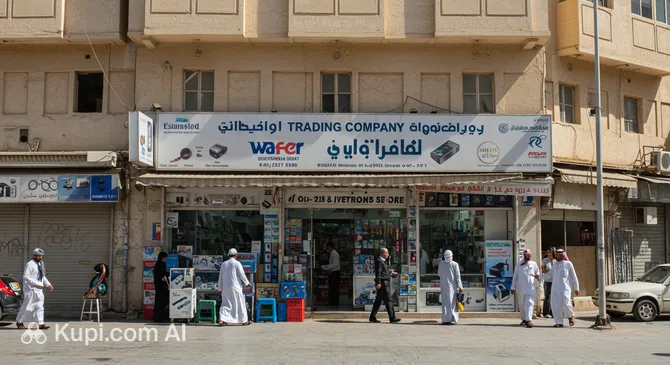
Another venue to explore for your evening shopping needs is the Wafer Trading Company. Places like this often bustle with activity until late, offering a glimpse into the local commercial lifestyle where shopping is often an evening leisure activity.

Wafer Trading Company. Source: Kupi.Binoculars

Dining is a crucial part of the night here, with many restaurants operating well past midnight. Instead of bars, you will find sophisticated lounges and coffee houses that serve specialty brews, mocktails, and desserts. For a delightful late dinner, Kaya Restaurant offers a chic setting where you can unwind and enjoy excellent food in a stylish environment. The dress code in these venues is generally smart-casual; while modesty is required, the vibe is trendy and comfortable.

Practical Advice: The best time to head out is after 8:00 PM, when the city truly wakes up. Most shops and entertainment venues remain open until 11:00 PM or midnight, and even later on weekends. Ride-hailing apps are the safest and most convenient way to get around at night. The city is very safe for walking, especially in well-lit areas like the Corniche and around major malls.

While the nights are for socializing, daytime entertainment in Jazan offers a different pace. Before the evening rush, you might spend your afternoon exploring local museums or visiting the heritage village to understand the region's history. However, most visitors prefer to save their energy for the cooler, more vibrant evening hours.

Parks & Museums

Jazan offers a delightful mix of coastal serenity and deep-rooted heritage, inviting visitors to explore its lush green spaces and rich cultural institutions. From breezy waterfront promenades to museums that safeguard the region's unique traditions, the city provides ample opportunities to connect with both nature and history.

The crown jewel of the city's green spaces is undoubtedly the North Corniche Park. Stretching along the Red Sea coast, this expansive area is more than just a park; it is the social heart of Jazan. With its well-maintained lawns, children's playgrounds, and walking paths, it offers a refreshing escape where families gather to enjoy the cool sea breeze. For nature enthusiasts, a trip to the nearby Farasan Islands is essential. Although technically an archipelago just off the coast, this protected marine sanctuary acts as a vast natural park, famous for its mangrove forests, pristine beaches, and the annual Hareed Festival.

To understand the local culture, a visit to the Jazan Heritage Village is a must. This open-air museum is a vibrant recreation of the region's traditional lifestyle, showcasing the distinct architecture of the coastal, mountain, and plain areas. Visitors can walk through stone and mud-brick houses, observe local artisans at work, and learn about the tools and crafts that defined daily life in the past. It serves as a living archive of the province's identity.

Another significant cultural venue is the Prince Sultan Cultural Center. This modern facility plays a pivotal role in the city's artistic and intellectual life. It frequently hosts exhibitions, conferences, and events that highlight the history and development of the Jazan region. The center provides a contemporary contrast to the traditional heritage village, offering tourists a comfortable environment to engage with the local arts scene.

History buffs will appreciate the city's architectural landmarks, most notably Ad Darasiyah Castle. Perched on a strategic hilltop, this Ottoman-era fortification offers a window into the military history of the region. Its sturdy stone walls and watchtowers have stood the test of time, and today it serves as a fascinating historical site where visitors can enjoy panoramic views of the city and the bustling port below.

For a lesser-known experience, consider visiting the Jazan Dam Lake Park located on the outskirts of the city. While often overlooked by short-term visitors, it offers a tranquil setting with stunning views of the dam and the surrounding mountains, making it a perfect spot for a quiet picnic away from the city center.

Getting Around

Navigating Jazan requires a slight shift in expectations compared to larger global metropolises. The city does not currently operate a metro, tram, or comprehensive public bus network within the urban center. Instead, the transport system is heavily reliant on road-based vehicles, making the city primarily car-centric. For tourists, this means that getting around involves a mix of taxi services, ride-hailing apps, and private vehicle rentals rather than hopping on and off trains or buses.

The most practical "public" transport option for visitors is the network of taxis and ride-hailing services. Green public taxis can be hailed from the street, particularly near the airport, large shopping malls, and the corniche. However, most travelers prefer using ride-hailing applications like Uber, Careem, or Kaiian. These apps offer the advantage of fixed pricing, eliminating the need to negotiate fares, and overcome potential language barriers since the destination is input digitally.

Regarding payment, the system is straightforward but varies by method. If you use ride-hailing apps, payment is handled automatically via the credit card linked to your account, or through digital wallets like Apple Pay. For traditional street taxis, cash in Saudi Riyals (SAR) is often the preferred method, though many drivers now accept card payments. There are no travel passes or "city cards" for transport in Jazan, as the infrastructure does not support a unified ticketing system.

A unique and vital feature of Jazan's transport network is the ferry service to the Farasan Islands. Operated by the government from the Jazan Port, these large ferries transport both passengers and vehicles to the archipelago. While the trip is often free of charge or very low-cost, tickets must be booked in advance at the terminal or via the official Ministry of Transport website/app. This maritime link is a highlight for many visitors, offering a scenic journey across the Red Sea.

For those seeking alternatives, renting a car is widely considered the most efficient way to explore the region. International and local rental agencies are plentiful at the airport and in the city center. Having your own vehicle provides the freedom to visit remote attractions like the mountains or the dam at your own pace. While walking is possible along the scenic North Corniche during the cooler evening hours, the city's layout and daytime heat make walking impractical for general transportation between districts.

Accommodation

Where to Stay:

Finding the right accommodation in Jazan is relatively straightforward, as the city caters to a mix of business travelers, families, and tourists exploring the southern coast. The hospitality sector here has grown significantly, offering a range of options from modern mid-range hotels and luxurious resorts to budget-friendly furnished apartments. While it may not have the sheer density of hotels found in Riyadh or Jeddah, Jazan provides comfortable and clean lodgings that suit various travel styles and budgets.

For most tourists, the most desirable area to stay is along the North Corniche. Hotels in this district often offer stunning views of the Red Sea and are located close to parks, walking promenades, and dining options. Staying here puts you right in the heart of the city's leisure activities, making it easy to enjoy a seaside stroll in the evenings. Alternatively, the city center (Downtown) offers more economical options and is convenient for those who want to be close to traditional markets and local shops. If you are visiting for a short transit or business trip, the area surrounding the airport provides practical and modern accommodations with quick access to the terminal.

A very popular accommodation type in Jazan, as in much of Saudi Arabia, is the furnished apartment or "apart-hotel." These are widely available throughout the city and are an excellent choice for families or longer stays. They typically offer more space than a standard hotel room, often including a kitchenette and a living area, providing a home-away-from-home experience at a competitive price.

Booking Tips: It is highly recommended to book your accommodation in advance, especially if you plan to visit during the winter months (November to February). This is the peak tourist season when the weather is mildest and the city hosts major events like the Jazan Winter Festival, causing demand for rooms to spike.

In terms of pricing, Jazan is generally affordable. Budget travelers can find decent furnished apartments or smaller hotels starting from around 150 to 250 SAR per night. Mid-range and upscale hotels typically range from 350 to 700 SAR, depending on the season and proximity to the sea. Most hotels and apartments are listed on major international booking platforms, making it easy to compare prices and secure your reservation online before arrival.

Nearby Cities

For those looking to explore the surroundings, Jazan serves as an excellent base for day trips to several interesting nearby locations:

City Population Distance (km)
Jeddah 3,976,000 626
Mecca 2,000,000 579
Taif 579,970 536
Al Qunfudhah 300,516 294
Abha 236,157 150

Among the most accessible destinations for a day trip is Abha, the capital of the neighboring Asir Province. Located approximately 150 kilometers away, it involves a scenic drive up into the mountains. Abha is famous for its mild climate, often misty peaks, and the stunning Green Mountain. It offers a refreshing escape from the coastal heat of Jazan, allowing visitors to experience the lush landscapes and traditional heritage of the highlands within a single day.

Another viable option for a coastal excursion is Al Qunfudhah, situated to the north along the Red Sea. Known as the "Pearl of the Coast," it features beautiful beaches and a relaxed atmosphere. While it requires a longer drive than Abha, it is a great spot for those who enjoy seaside road trips and exploring historic ports. Travelers looking to visit major urban centers like Jeddah or Taif will find them further afield, making them better suited for overnight stays rather than day trips.

These nearby destinations offer a glimpse into the diverse culture and landscapes of the region.

Shopping & Souvenirs

Shopping in Jazan offers a delightful mix of modern convenience and traditional charm, reflecting the city's status as a bustling port and agricultural hub. Visitors can easily navigate between gleaming, air-conditioned complexes featuring international brands and lively local markets filled with the scents of spices and perfumes. The city is particularly celebrated for its local produce, meaning that unique food items and regional crafts often top the shopping lists of travelers.

The heart of the city's traditional commerce lies in the downtown area. Here, the streets are lined with independent shops selling gold, textiles, and Arabian perfumes. Exploring these districts offers a more authentic atmosphere compared to the modern centers, allowing visitors to interact with local merchants and discover goods at competitive prices. It is the perfect place to find fabrics and traditional attire that reflect the local culture.

For a contemporary retail experience, Al Rashid Mall Jazan is the premier destination. As one of the largest centers in the region, it houses a vast collection of fashion boutiques, electronics stores, and lifestyle brands, making it a one-stop destination for modern necessities. Another notable spot is the Wafer Trading Company, which contributes to the city's diverse retail landscape. These indoor malls provide a cool respite from the outdoor heat and are popular gathering spots for families.

The region is also famous for its traditional souqs, which are deeply ingrained in the local way of life. While the massive weekly markets in the surrounding governorates are legendary, the city's daily markets offer an excellent selection of fresh produce, fish, and handicrafts. You can find vendors selling clay pottery and the region's distinctive aromatic plants. The atmosphere in these markets is vibrant, and bargaining is a common and expected practice.

When searching for souvenirs, the best choices are often edible or aromatic. Jazan is renowned for its premium Khawlani coffee beans, cultivated in the nearby mountains, which make for an authentic and prized gift. Local honey and ghee are also highly regarded for their quality. Additionally, you might encounter the traditional flower crowns worn by locals; while fresh ones are difficult to transport, dried herbs or related woven handicrafts serve as beautiful keepsakes.

Store hours in Jazan typically follow a split-shift schedule to accommodate the afternoon heat. Shops generally open from 9:00 AM to 12:00 PM, close for a break, and reopen from 4:00 PM until 11:00 PM or midnight. However, large shopping malls and supermarkets often remain open throughout the day. In terms of payment, credit cards and digital wallets like Apple Pay are widely accepted in malls and modern stores, though carrying cash is recommended for traditional souqs and smaller vendors.

Tourists visiting Saudi Arabia should be aware of the 15% Value Added Tax (VAT) applied to goods. Visitors may be eligible for a VAT refund on purchases made at participating retailers that display the "Tax Free" signage. To claim a refund, be sure to request a tax-free tag or receipt at the time of purchase and present your documents at the designated refund points at the airport before leaving the country.
Nearby cities

Reached the end of the page?

That means the route is fully explored