Support

Najran

About

Nestled in the southwestern corner of the country, Najran is a captivating city that offers a unique glimpse into the diverse cultural tapestry of Saudi Arabia. Serving as the capital of the Najran Region, this historic oasis sits on the edge of the vast Rub' al Khali, also known as the Empty Quarter. The city is renowned for its lush palm groves, traditional mud-brick architecture, and the striking contrast between its fertile valley and the surrounding golden desert dunes.
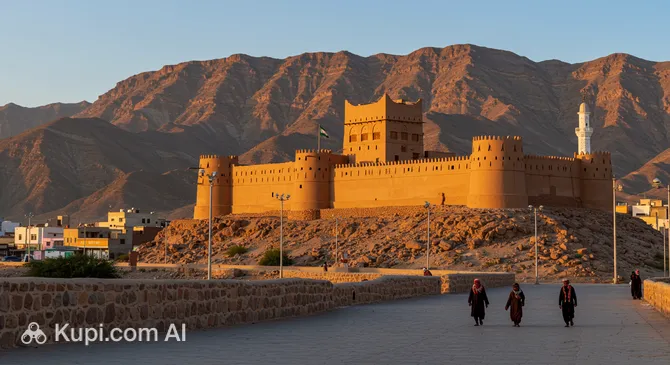
Najran. Source: Kupi.Binoculars

With a population of approximately 72,000 residents, the city maintains a welcoming community atmosphere while acting as a significant agricultural and commercial hub. The deep and fascinating history of Najran dates back thousands of years, to when it was a crucial stop on the ancient incense trade route. This rich heritage is woven into the daily life of the city, where modern developments stand alongside well-preserved historical landmarks.

Visitors are often drawn to the archaeological site of Al-Ukhdud, which contains ruins and inscriptions from pre-Islamic civilizations. Another architectural marvel is the Emarah Palace, a fortress that showcases the region's distinctive building style. For breathtaking views, the Najran Dam—one of the largest in the Kingdom—collects rainwater from the mountains and creates a scenic reservoir that is perfect for photography and relaxation.

Whether you are an archaeology enthusiast or a traveler seeking off-the-beaten-path adventures, Najran promises a memorable journey. Its blend of ancient mystery, natural beauty, and warm local hospitality makes it a truly special destination to explore on your trip to the Arabian Peninsula.
Weather Overview

The climate in this region is generally arid, offering sunny skies and distinct seasonal variations that are important to consider when planning your itinerary. For a comprehensive forecast and breakdown of conditions during your specific travel dates, you can check the current weather in Najran.

Summers, spanning from June to August, are typically hot, with average temperatures hovering around 28°C to 29°C and daily maximums reaching up to 36°C. Conversely, the winter season from December to February provides a much cooler respite, where average temperatures sit between 16°C and 19°C. Travelers visiting during winter should pack layers, as nights can be crisp with lows dipping to approximately 9°C.

Precipitation is quite scarce throughout the year, although the spring months of March and April may bring a brief change with up to 3 wet days per month. Overall, you can expect hot, dry summers and mild, clear winters with very little rainfall.

Interesting Facts

Beyond the main attractions, Najran holds many fascinating secrets that reveal its deep historical roots and unique environment. This city is a place where ancient traditions seamlessly blend with surprising natural abundance and modern touches.

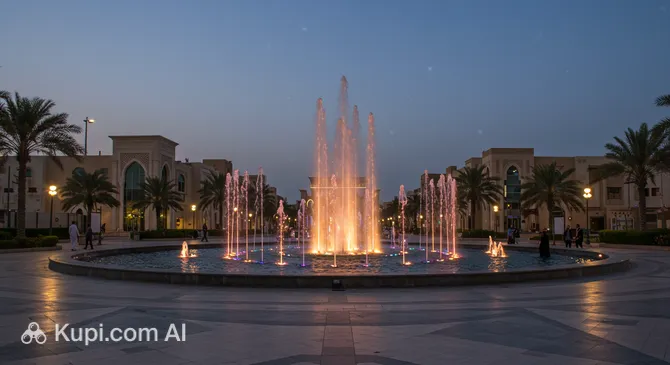
Dancing Fountain. Source: Kupi.Binoculars
  • Najran is famous for its distinctive traditional architecture known as "Midmakh." These remarkable mud-brick buildings can rise up to seven stories high and are ingeniously designed to remain cool even during the scorching desert summers, showcasing centuries-old engineering skills.

  • Despite sitting on the edge of the Empty Quarter, one of the driest deserts on Earth, the valley is a surprisingly fertile oasis. It is often celebrated as a "Kingdom of Citrus," producing thousands of tons of high-quality oranges, tangerines, and lemons annually thanks to its rich soil and ancient irrigation methods.

  • The region serves as an open-air library of ancient history, boasting one of the largest collections of rock art and inscriptions in the Arabian Peninsula. Visitors can find numerous engravings in the Musnad script, an ancient South Arabian writing system that provides clues about the civilizations that thrived here thousands of years ago.

  • While the city is steeped in history, it also embraces modern entertainment. Visitors can enjoy the vibrant Dancing Fountain, which offers a dazzling display of lights and water, creating a striking contrast against the traditional backdrop of the city.

How to Get There

Traveling to this historic region is an adventure in itself, with air travel being the most convenient method for most visitors. While the city is tucked away in the south, it remains well-connected to the rest of the kingdom. For a comprehensive guide on planning your journey, you can read more about how to get to Najran.

The most direct way to arrive is through Najran Airport (EAM), which is conveniently located within the city itself. It sits approximately 21 km from the city center, and a taxi ride to the downtown area is just a short drive. This regional hub handles a moderate volume of passengers and offers regular connections to major Saudi cities like Riyadh and Jeddah.

Alternatively, travelers may choose to fly into Abha Regional Airport (AHB), situated in the neighboring city of Abha. It is a larger transport hub located about 183 km from Najran. While it offers more flight options, the transfer by road is significant, taking a few hours by taxi or car rental. Another option is the Jazan Regional Airport (GIZ) in Jazan, roughly 190 km away, which also requires a longer drive to reach the city.

For clarity, here is a summary of the main airports:

Airport Name City Passenger Traffic Km from City
Abha Regional Airport Abha High 182.6
Jazan Regional Airport Jazan Medium 189.6
Najran Airport Najran Medium 20.8

Regarding rail transport, Najran does not currently have a railway station. Visitors wishing to reach the city by land usually rely on the extensive network of highways connecting it to Abha and Riyadh. Long-distance buses and private cars are the primary means of ground transportation for entering the region.

Main Attractions

Najran is a city where history is etched into the very stones and the desert landscape tells stories of ancient civilizations. One of the most significant sites is Al-Ukhdud, an archaeological treasure trove that dates back to around the 7th century BC. Visitors can walk among the ruins of this ancient city, observing the impressive stone walls and intricate carvings that bear witness to the "People of the Ditch" mentioned in the Quran. The site offers a profound connection to the region's pre-Islamic past and is a must-visit for history enthusiasts.

Another architectural gem is the Emarah Palace, located in the heart of the city. This historical fortress, built in the 1940s, is a perfect example of the region's traditional construction techniques. With its high mud-brick walls, circular watchtowers, and white-washed crenellations, the palace stands as a symbol of Najran's heritage. It now serves as a museum where travelers can explore the rooms and courtyards that once housed the governor and his administration, offering insight into the local way of life.

For a change of pace, the Dancing Fountain offers a delightful modern spectacle. Located in a popular public space, this attraction comes alive in the evenings with choreographed water jets moving to the rhythm of music and illuminated by colorful lights. It is a favorite spot for families and locals to gather, relax, and enjoy the cool evening air after a day of exploring the desert heat.

Dancing Fountain. Source: Kupi.Binoculars

Nature lovers should not miss the Najran Dam, one of the largest in the Kingdom. Nestled between towering mountains, the dam creates a stunning contrast with its vast reservoir of blue water against the rugged, arid backdrop. It is an ideal location for a scenic drive or a picnic, offering panoramic views of the valley and the lush palm groves that thrive downstream thanks to its waters.

After a day of sightseeing, visitors can experience the local culinary scene, which is an attraction in itself. You can savor traditional dishes at Al Zuki, a restaurant known for its authentic flavors and welcoming atmosphere. For those craving hearty rice dishes, Kabous Bukhari Rice Restaurant is a popular choice, serving generous portions of Bukhari rice and grilled meats that reflect the rich gastronomic culture of Saudi Arabia.

Local Cuisine

The culinary landscape of Najran is a reflection of its rich history and fertile environment, offering a distinct gastronomic experience that sets it apart from other regions in the kingdom. The local cuisine is heavily based on high-quality wheat, which is grown in the valley and forms the foundation of many hearty, traditional meals. Dining here is often a communal experience, with food served in unique stone pots called Madhan that are designed to retain heat and flavor.

One of the most celebrated dishes in the city is Al-Ruqsh. This signature meal consists of thin, hand-made sheets of whole-wheat bread that are baked and then torn into smaller pieces. These are layered in a stone pot and soaked in a savory meat broth, often topped with tender chunks of lamb or camel meat. Another staple is Al-Wafd, a dense and soft dough made from mashed wheat bread. It is traditionally shaped into a round mound and served alongside a bowl of rich broth or milk for dipping, making it a comforting choice for any traveler.

For meat lovers, Al-Hamisa is a must-try delicacy. It features small cubes of meat and fat that are slow-cooked until they are incredibly tender and flavorful, often preserved and eaten over several days during special occasions. To balance these savory flavors, the region offers an abundance of fresh fruit. Known as the "Kingdom of Citrus," Najran produces some of the finest oranges, tangerines, and lemons in Saudi Arabia, so be sure to try a glass of fresh local juice.

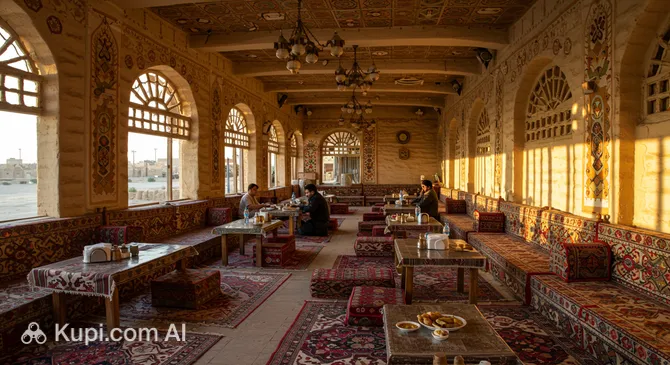
Al Zuki. Source: Kupi.Binoculars

No meal in Najran is complete without the traditional hospitality of Arabic coffee (Gahwa). The local preparation is lightly roasted and infused with cardamom, often served with a side of the region's famous dates. This ritual is a symbol of welcome and is likely the first thing you will be offered when visiting a local home or a traditional tent.

The dining scene in the city ranges from street-side stalls selling fresh fruit to established restaurants. For a reliable meal in a local setting, you can visit Al Zuki, which is a popular spot for residents. If you are craving a classic Saudi rice dish, Kabous Bukhari Rice Restaurant is an excellent choice, serving large platters of aromatic Bukhari rice topped with grilled chicken or meat that are perfect for sharing.

Travel Tips

Visiting Najran offers a fascinating look into the deep heritage of the Arabian Peninsula, but a little preparation is key to fully enjoying its desert landscapes and cultural depth. To ensure your journey through this historic valley is as smooth and respectful as possible, here are some practical travel tips to keep in mind.

  1. Clothing and Gear: As Najran is a culturally conservative city, modest dress is essential. Men should avoid shorts and sleeveless shirts in public, opting for long trousers instead. For women, wearing a loose-fitting abaya is highly recommended and appreciated as a sign of respect. Since you will likely be exploring outdoor sites like Al-Ukhdud, bring sturdy, comfortable walking shoes. Don't forget a hat, sunglasses, and high-SPF sunscreen to protect against the intense desert sun.
  2. Transportation: Public transport options like buses or metros are virtually non-existent for tourists within the city. The most practical way to explore Najran and its surrounding attractions, such as the dam or the Emarah Palace, is to rent a car. Ride-hailing apps like Uber or Careem may operate, but availability can be lower than in major hubs like Riyadh or Jeddah, so having your own vehicle gives you the necessary freedom.
  3. Finances: The local currency is the Saudi Riyal (SAR). While major hotels and modern restaurants accept credit cards, cash is still king in traditional souqs and smaller local eateries. It is wise to carry small denominations for buying fresh citrus fruits or souvenirs. ATMs are widely available throughout the city for withdrawing cash.
  4. Health and Safety: Najran is a very safe city for travelers. Pharmacies are plentiful and often marked with a green cross; many stay open late or 24/7. The main health concern is usually dehydration due to the arid climate, so always carry a bottle of water with you. If you plan to visit the desert dunes, ensure you go with a guide or a convoy for safety.
  5. Communication: Arabic is the primary language. While staff at the airport and major hotels will likely speak English, it is less widely spoken in local markets and by taxi drivers. It is highly recommended to download a translation app and learn a few basic greetings like "As-salamu alaykum" (Peace be upon you). Buying a local SIM card (STC, Mobily, or Zain) at the airport is the best way to stay connected.
  6. Local Etiquette: Hospitality is a cornerstone of Najran's culture. If you are invited for coffee (Gahwa) and dates, accept it graciously as it is a gesture of friendship. When greeting locals, a handshake is common among men, but men should wait for a woman to extend her hand first. Be mindful that many shops and businesses close briefly during the five daily prayer times.
  7. What to Avoid: Strictly avoid taking photographs of people, especially women, without their explicit permission, as this is considered very rude. Also, refrain from photographing government buildings or military installations. Public displays of affection are culturally inappropriate and should be avoided to prevent offending local sensibilities.
  8. Additional Tip: Don't miss the chance to visit the local fruit markets. Najran is famous for its citrus, and the vendors are often proud of their produce. Engaging with them about their harvest is a great way to break the ice and experience the city's warm hospitality firsthand.

By keeping these tips in mind, you will be well-equipped to navigate the unique cultural landscape of Najran with confidence and ease. Embracing the local customs will not only make your trip smoother but will also open doors to genuine interactions with the friendly residents of this historic oasis.

Entertainment & Nightlife

Nightlife in Najran offers a distinct and culturally immersive experience that differs significantly from Western concepts of evening entertainment. Since alcohol is prohibited in Saudi Arabia, you will not find traditional bars, nightclubs, or discos here. Instead, the city comes alive after sunset with a vibrant cafe culture, bustling markets, and social gatherings that last well into the night. The cool evening air invites locals and visitors alike to stroll through the streets, making it the perfect time to experience the true pulse of the city.

The heart of the evening activity is often found along King Abdulaziz Road and the surrounding downtown areas. This district is lined with brightly lit shops, modern coffee houses, and traditional tea lounges where friends gather to watch sports, chat, and enjoy high-quality Arabica coffee. The atmosphere is relaxed yet lively, often filled with the scent of cardamom-spiced coffee and the sound of animated conversation. Venues typically stay open late, often until midnight or 1:00 AM, accommodating the local custom of late-night socializing.

For a memorable evening, the Dancing Fountain is a central hub of entertainment. As mentioned, this spot transforms at night into a spectacle of light and sound, drawing families and groups of friends who gather to enjoy the show and the surrounding public space. It serves as a popular meeting point and a great place to observe local life in a cheerful, open-air setting.

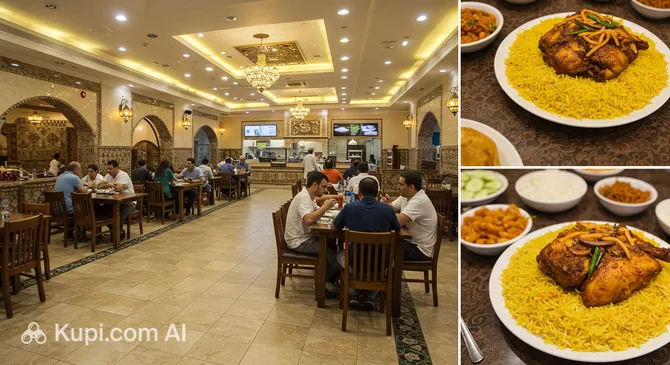
Dining is a major part of the nightlife here, with many restaurants operating as late-night social venues. If you are looking for a hearty meal after a long day, Kabous Bukhari Rice Restaurant, Al-Mafraq Branch 1 is a bustling spot known for its generous portions and lively crowd. It is an excellent place to experience the communal dining style that defines the region.

Kabous Bukhari Rice Restaurant, Al-Mafraq Branch 1. Source: Kupi.Binoculars

Another fantastic option for an evening out is Al Zuki. This restaurant offers a welcoming environment where you can savor traditional dishes in a setting that feels authentic to Najran. The dress code for these venues is casual but modest; men usually wear long trousers or thobes, while women wear abayas. The crowd is generally a mix of families, young professionals, and travelers, all enjoying the hospitality.

While the nights are for relaxation and food, daytime entertainment in Najran leans more towards cultural and historical exploration. Before the sun sets, visitors often spend their time exploring the local museums or wandering through the historic souqs. However, as the heat subsides, the city's parks become active with families picnicking and children playing, bridging the gap between day and night activities.

In terms of safety, Najran is very safe for night walks, particularly in well-lit main streets and commercial districts. Crime rates are low, and solo walking is generally fine, though staying in populated areas is always good practice. To get around at night, ride-hailing apps are the most convenient option, as finding a roaming taxi can sometimes be inconsistent late at night. Prices are reasonable, and drivers are usually familiar with all the popular evening spots.

Parks & Museums

Najran is a city where the golden hues of the desert meet the vibrant green of lush valleys, offering visitors a surprising array of parks and cultural institutions. While the region is famous for its archaeological roots, it also boasts well-maintained public spaces and museums that serve as custodians of its rich heritage, providing a comprehensive look into the life and history of this southern oasis.

For those seeking relaxation amidst nature, King Fahd Park stands out as one of the city's premier green spaces. This expansive park is a favorite among locals for family gatherings and evening strolls, offering vast manicured lawns, playgrounds for children, and shaded seating areas. It serves as a social hub where the community comes together, making it an excellent spot for tourists to observe local life while enjoying a peaceful break from sightseeing.

Another significant natural area is the vicinity of the Najran Dam. While primarily an infrastructure marvel, the area surrounding the reservoir functions as a scenic parkland. Visitors flock here to enjoy picnics with a view of the water set against the dramatic backdrop of rugged mountains. The contrast between the blue water and the arid peaks creates a photogenic landscape that is unique to this part of the Kingdom.

Delving into the city's past, the Najran Regional Museum is an essential stop for any history buff. Located near the archaeological site of Al-Ukhdud, this facility houses a fascinating collection of artifacts, including bronze statues, pottery, and inscriptions that date back to pre-Islamic civilizations. The museum provides crucial context to the ruins outside, explaining the story of the ancient trade routes and the diverse cultures that once thrived in the valley.

The Emarah Palace, often visited for its architecture, also functions as a living museum. Walking through its corridors offers a tangible connection to the region's administrative history. The exhibits inside showcase traditional tools, weapons, and household items, effectively recreating the atmosphere of the early 20th century. It is a place where the mud-brick walls speak of the governance and daily routines of a bygone era.

High above the valley, the Raum Castle (Qal'at Ra'um) offers a different kind of historical experience. Perched atop a mountain, this ancient mud-brick fortress rewards adventurous travelers with panoramic views of the city and the sprawling palm groves below. The hike up to the castle is a journey through time, allowing visitors to appreciate the strategic importance of the location and the ingenuity of traditional fortifications.

For a truly authentic experience, keep an eye out for private heritage museums run by local residents. Najran is known for individuals who passionately collect and display regional antiques in their own homes or small private halls. Visiting one of these intimate collections often comes with a personal tour by the owner, offering a warm and deeply personal perspective on the local culture that you won't find in larger institutions.

Getting Around

Navigating Najran requires a shift in expectations compared to major global metropolises, as the city does not possess an extensive public transport network. There are no metro systems, trams, or trolleybuses operating within the city limits. The infrastructure is primarily designed around private vehicle use, meaning that for the average tourist, the options for getting around without a car are quite limited.

While the Saudi Public Transport Company (SAPTCO) operates in the region, its services in Najran are largely focused on intercity travel rather than convenient intra-city commuting for tourists. You may see buses, but these generally connect Najran with other major cities like Riyadh, Abha, or Jeddah, rather than providing a hop-on-hop-off service between local attractions. Therefore, relying on buses to visit sites like the Emarah Palace or the dam is not a practical strategy.

The most common and effective alternative to public transport is the extensive network of taxis. You will find official taxis, which are typically green or white, stationed near shopping malls, the airport, and major hotels. For these street-hailed taxis, payment is almost exclusively in cash. While some newer vehicles may have meters, it is common practice to negotiate and agree on a fare with the driver before starting your journey to avoid any misunderstandings upon arrival.

For a more seamless experience, ride-hailing apps are highly recommended and widely used. Services like Uber and Careem operate within the city and offer a reliable way to get around without the language barrier or the need to haggle over prices. These apps allow you to pay via credit card directly through your phone, track your ride in real-time, and see the estimated cost upfront. They are particularly useful for evening outings or trips to the airport.

Given the layout of the city and the distance between attractions, renting a car is arguably the best advice for any visitor. Several international and local rental agencies are available at the airport and in the city center. Having your own vehicle gives you the freedom to explore the desert outskirts and historical sites at your own pace, which is invaluable in a region where the climate makes walking long distances difficult.

If you do choose to rent a car or use taxis, be aware that traffic in Najran is generally moderate compared to the capital, but driving styles can be assertive. Transport services, including taxis and ride-hailing apps, operate 24 hours a day, ensuring you can find a ride even late at night. However, during the peak heat of the afternoon, fewer pedestrians are out, and waiting for a street taxi might take longer than usual.

Accommodation

Finding a place to stay in Najran is generally a straightforward experience, offering a range of options that cater to both business travelers and tourists. The accommodation landscape is dominated by mid-range hotels and furnished apartments, known locally as "aparthotels." While you may not find the ultra-luxury international resorts typical of major global capitals, the city provides clean, comfortable, and spacious lodgings that reflect the generous hospitality of the region. Budget travelers and families, in particular, will appreciate the abundance of serviced apartments, which often include kitchenettes and living areas, providing a home-away-from-home atmosphere.

When choosing an area to stay, location is key depending on your mode of transport. The city center and the districts along King Abdulaziz Road are the most popular choices for visitors. Staying in these areas places you within easy reach of local restaurants, shopping centers, and the vibrant evening markets. For those prioritizing convenience, the area connecting the city to the airport offers newer establishments with modern amenities and easy access to the main highways, making it a strategic base for day trips to Al-Ukhdud or the Najran Dam.

In terms of cost, accommodation in Najran is generally affordable compared to Saudi Arabia's larger metropolitan hubs like Riyadh or Jeddah. Prices typically range from budget-friendly to mid-range, offering excellent value for money. Booking is easily done through major online travel platforms, which is recommended to ensure you get the best rates and can read recent reviews. However, for some smaller, locally-run furnished apartments, walk-ins or direct phone bookings are still common practice.

Booking Tip: While availability is usually good throughout the year, it is wise to book your accommodation in advance if you plan to visit during the cooler winter months or during national holidays. This is when the region sees an influx of domestic tourists eager to explore the desert and historical sites, and the best-rated properties can fill up quickly.

Nearby Cities

For those looking to explore the surroundings, Najran serves as an excellent base for day trips to several interesting nearby locations:

The most popular destination for a short visit is Abha, the capital of the neighboring Aseer Province. Located high in the mountains, Abha is famous for its mild climate, often misty peaks, and lush parks like the Green Mountain. It offers a refreshing contrast to the desert heat and is known for its vibrant traditional markets and the spectacular cable car rides that provide breathtaking views of the Sarawat Mountains.

For travelers willing to venture further towards the coast, Al Qunfudhah sits on the shores of the Red Sea. Known as the "Pearl of the Coast," it is a historic port city offering beautiful beaches and opportunities for water activities. While it requires a longer drive, the journey rewards visitors with scenic coastal views and fresh seafood dining experiences that differ significantly from the inland cuisine.

City Population Distance (km)
Mecca 2,000,000 630
Taif 579,970 574
Al Qunfudhah 300,516 375
Al Mubarraz 298,562 586
Abha 236,157 197

These nearby destinations offer a glimpse into the diverse culture and landscapes of the region.

Shopping & Souvenirs

Shopping in Najran is a delightful exploration of the city's dual identity, where modern commerce meets deep-rooted Bedouin traditions. The city is not just a place to buy necessities but a destination to discover unique local craftsmanship that is rare elsewhere in the kingdom. Visitors can expect a diverse experience ranging from air-conditioned modern complexes offering international brands to bustling traditional souqs filled with the scent of spices and the sound of bargaining.

The commercial heartbeat of the city is largely centered around King Abdulaziz Road and the downtown area. This main artery connects various districts and is lined with a multitude of shops selling everything from electronics and clothing to gold and fabrics. Walking along these busy streets offers a glimpse into the daily life of the locals and provides easy access to smaller boutiques and local eateries.

For a contemporary shopping experience, travelers should visit the city's modern malls. Najran Royal Center is one of the most prominent destinations, housing a variety of retail outlets, a food court, and entertainment options for families. Another popular spot is Al Othaim Mall, which offers a familiar mix of international fashion brands, supermarkets, and cafes, providing a comfortable retreat from the afternoon heat.

However, the true soul of shopping in Najran lies in its traditional markets. The most famous of these is the Souq Al-Janbiya (Dagger Market). This historic marketplace is dedicated to the sale of the Janbiya, the traditional curved dagger worn by men in the region as a symbol of honor and heritage. Even if you do not plan to buy one, wandering through this souq to watch artisans crafting leather sheaths and polishing silver hilts is a cultural experience in itself. Additionally, the local Fruit and Vegetable Market is worth a visit to see the region's famous citrus harvest, including oranges and tangerines, in abundance.

When it comes to souvenirs, Najran offers distinctive items that make for perfect keepsakes. Apart from the decorative Janbiya daggers, look for Madhan, the traditional stone cooking pots unique to the region. Leather goods, particularly belts and sandals, are also of high quality here. Foodies might want to bring back some of the local high-quality dates or a bottle of pure honey produced in the surrounding valleys.

Store hours in Najran generally follow the rhythm of the day and religious customs. Shops typically open around 9:00 AM or 10:00 AM, close for a mid-afternoon break, and reopen from 4:00 PM until late at night, often closing around 11:00 PM. It is important to remember that all businesses close briefly during the five daily prayer times. While modern malls and larger supermarkets accept credit cards and contactless payments, it is highly advisable to carry cash when visiting traditional souqs and smaller vendors.

Regarding taxes, Saudi Arabia applies a Value Added Tax (VAT) of 15% on most goods and services. Tourists may be eligible for a VAT refund on purchases made at participating retailers through the "Planet Tax Free" system. To qualify, look for the tax-free signage in store windows and ask for the necessary tax-free tags or invoices at the point of purchase to present at the airport upon departure.

Nearby cities

Reached the end of the page?

That means the route is fully explored