Support

Jeddah

About

Jeddah is often affectionately known as the "Bride of the Red Sea" and serves as a vibrant commercial hub in Saudi Arabia. As the principal gateway to the holy city of Makkah, it has welcomed travelers and pilgrims for centuries, creating a cosmopolitan atmosphere that feels distinctively open and diverse. With a population of approximately 4 million residents, it stands as the second-largest city in the kingdom and the major urban center of the Makkah Province.

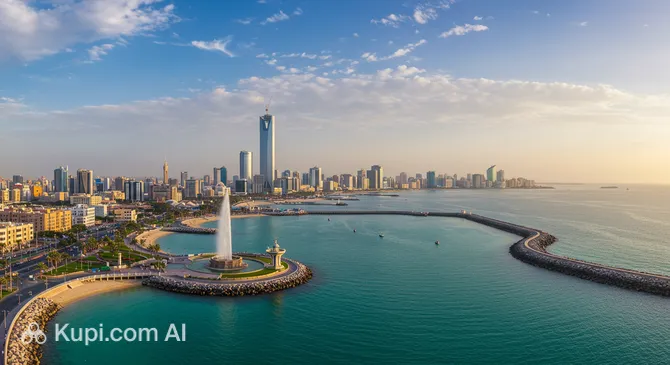
Jeddah. Source: Kupi.Binoculars

The city's location along the coast heavily influences its character and climate, offering warm, humid weather and stunning seaside views. Visitors interested in the past can explore the rich history of Jeddah in Al-Balad, the historic district recognized by UNESCO for its unique coral architecture and traditional souqs. In contrast to its ancient heritage, the city features modern landmarks such as King Fahd's Fountain—the tallest of its kind in the world—and the beautiful Jeddah Corniche, which stretches for miles along the waterfront.

Whether you are drawn by the allure of the Red Sea's coral reefs, the bustling shopping districts, or the delicious local cuisine, Jeddah offers a dynamic mix of the old and the new. It is a city that invites exploration, promising a memorable experience for anyone wishing to discover the cultural heart of the coast.

Weather Overview

The climate in Jeddah is typical of a hot desert environment, heavily influenced by its location on the Red Sea coast, which often brings significant humidity. Summers are consistently hot, particularly from June through September, when average temperatures stay around 32°C to 33°C and daily highs frequently exceed 36°C.

Winters provide a pleasant relief and are considered the best time to visit. During January and February, the weather becomes much milder with average temperatures cooling to approximately 24°C, while lows rarely drop below 20°C. Rainfall is scarce year-round; expect generally dry conditions with only occasional wet days, mostly occurring between November and January. For a detailed forecast and monthly breakdown, you can view the weather in Jeddah to help schedule your trip.

Interesting Facts

Beyond its bustling ports and modern skyline, Jeddah holds many fascinating secrets and urban legends that surprise even seasoned travelers. Here are some intriguing details that reveal the unique character and hidden history of this coastal city.

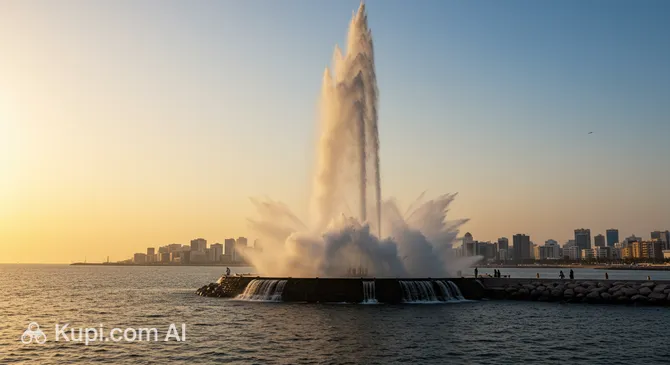
King Fahd's Fountain. Source: Kupi.Binoculars
  • The Grandmother of Humanity: Local folklore often links the city to Eve, the biblical "mother of humanity." A longstanding legend suggests she was laid to rest here, and many believe the name "Jeddah" is derived from the Arabic word Jaddah, which means grandmother.

  • A Record-Breaking Jet: The iconic King Fahd's Fountain is the tallest of its kind in the world. It propels saltwater from the Red Sea to a staggering height of roughly 312 meters—making it higher than the Eiffel Tower—at speeds exceeding 370 kilometers per hour.

  • Coral Architecture: The traditional buildings in Historic Jeddah (Al-Balad) were constructed using a distinct material known as mangabi stone. These are actually blocks of coral limestone harvested from the nearby reefs, chosen for their ability to keep homes cool during the intense summer heat.

  • An Open-Air Museum: Jeddah boasts one of the largest collections of public art in the world. During the oil boom of the 1970s and 80s, the city commissioned over 400 sculptures, including works by legendary artists like Henry Moore and Joan Miró, turning the city's roundabouts and corniche into a vast outdoor gallery.

How to Get There

As the primary gateway to Makkah and a bustling economic hub, the city is well-connected and accessible to travelers from around the globe. Most visitors arrive by air, landing at the region's major international hub, which handles millions of passengers annually. For a complete overview of transportation options, including road travel and public transit tips, you can read more about how to get to Jeddah.

The most convenient entry point is King Abdulaziz International Airport (IATA: JED), located directly in Jeddah, approximately 15.6 km from the city center. As the busiest airport in the kingdom, it serves as a massive international hub. A taxi or car ride from the terminals to the downtown area typically takes about 45 minutes, depending on traffic conditions.

Alternatively, some travelers might consider flying into Taif Airport (IATA: TIF). It is important to note that this airport is not in Jeddah itself but in the city of Taif, situated about 143 km away. While less common for direct access to the coast, it is a regional option. The journey from Taif to Jeddah takes approximately 2 to 2.5 hours by taxi or car, as the distance is only about 170 km by road.

For clarity, here is a summary of the main airports serving the region:

Airport Name City Passenger Traffic Km from City
King Abdulaziz International Airport Jeddah Very High 15.6
Taif Airport Taif Medium 143.4
Al-Aqiq Airport Al Baha Small 291.8

Main Attractions

Jeddah is a city where history and modernity blend seamlessly, offering visitors a wide range of experiences from ancient heritage sites to contemporary seaside leisure. Exploring these attractions provides a deep insight into the culture and vibrant lifestyle of the Red Sea coast.

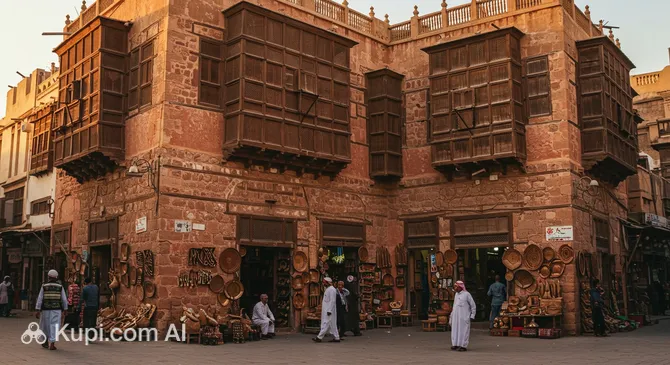
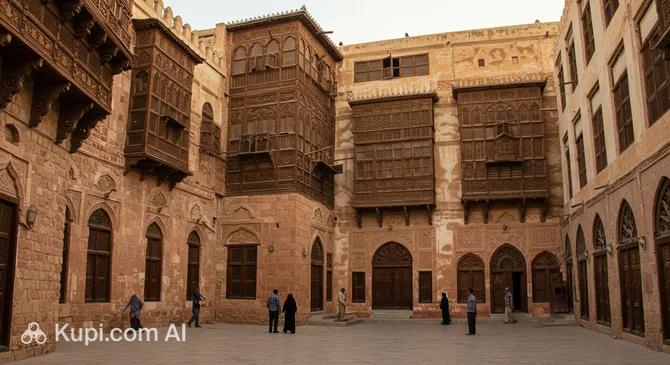
One of the most captivating places to visit is Historic Jeddah (Al-Balad), a UNESCO World Heritage site that serves as the city's historical core. Walking through its winding alleyways, you will be surrounded by ancient coral-stone houses adorned with intricate wooden lattice windows known as Roshan. This district is not only an architectural marvel but also a lively hub of culture, featuring traditional souqs where you can find spices, perfumes, and local crafts.

Historic Jeddah (Al-Balad). Source: Kupi.Binoculars

No trip to the city is complete without admiring King Fahd's Fountain, an iconic landmark visible from across the city. As the tallest of its kind in the world, it jets water to incredible heights, creating a majestic spectacle. It is particularly enchanting in the evening when illuminated by spotlights, making it a perfect backdrop for a sunset walk along the coast.

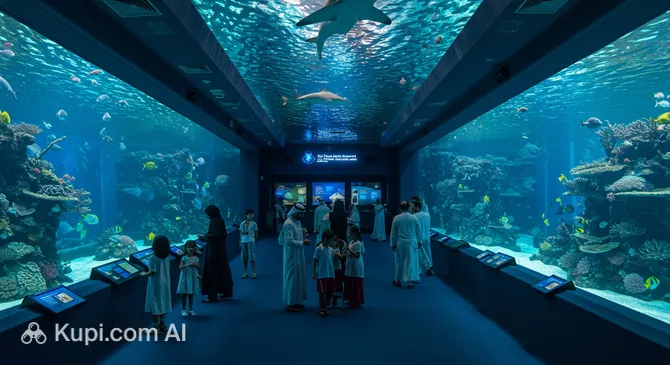
For families and marine life enthusiasts, the Fakieh Aquarium offers a window into the underwater wonders of the Red Sea. It is the only public aquarium in Saudi Arabia and features vast tanks filled with sharks, stingrays, and colorful reef fish. The venue also hosts entertaining dolphin and sea lion shows, providing both education and fun in a cool, indoor environment.

Fakieh Aquarium. Source: Kupi.Binoculars

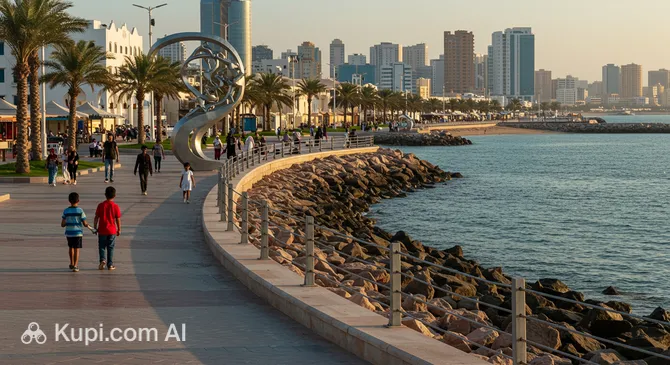
Those looking to relax by the sea should head to the Jeddah Waterfront. This extensive promenade has been transformed into a world-class recreational area featuring cycling paths, parks, and sculptures. It is a favorite spot for locals to jog, picnic, or simply enjoy the sea breeze, offering a modern and refreshing contrast to the busy city center.

Jeddah Waterfront. Source: Kupi.Binoculars

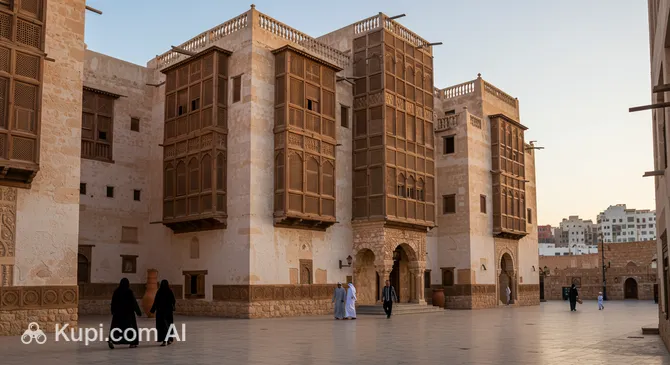
To delve deeper into the region's heritage, the Al Tayebat Museum is a must-visit destination. Housed in a stunning complex designed in traditional Hijazi style, the museum spans several floors and showcases a vast collection of Islamic manuscripts, coins, and costumes. It offers a comprehensive journey through the history of Jeddah and the wider Arabian Peninsula.

Al Tayebat Museum. Source: Kupi.Binoculars

Local Cuisine

Jeddah’s culinary scene is a delightful reflection of its history as a major port and gateway to Makkah, blending traditional Saudi flavors with influences from across the Islamic world. As a coastal city, seafood plays a starring role on many menus. One dish you simply must try is Sayadiah, a flavorful combination of white fish cooked with rice and caramelized onions, which gives the rice a distinctive brown color and rich taste. It is often served with spicy tomato salsa and tahini dip, perfectly embodying the maritime spirit of the region.

Another staple of the Hijazi region that offers a comforting taste of home is Saleeg. This creamy dish resembles a risotto and consists of white rice cooked in broth and milk, typically topped with tender chicken or meat. For those looking for a quick and savory bite while exploring, Mutabbaq is a favorite street food. It is a stuffed, pan-fried pancake often filled with minced meat, eggs, and leeks, served piping hot and cut into squares.

When it comes to beverages, the local culture is deeply rooted in hospitality. Traditional Arabic coffee, known as Gahwa, is ubiquitous and usually served with dates to balance the coffee's bitterness with natural sweetness. It is important to note that alcohol is prohibited in Saudi Arabia. Instead, dining tables are often graced with "Saudi Champagne," a refreshing and popular non-alcoholic drink made from a mix of apple juice and sparkling water, infused with slices of fresh oranges and apples.

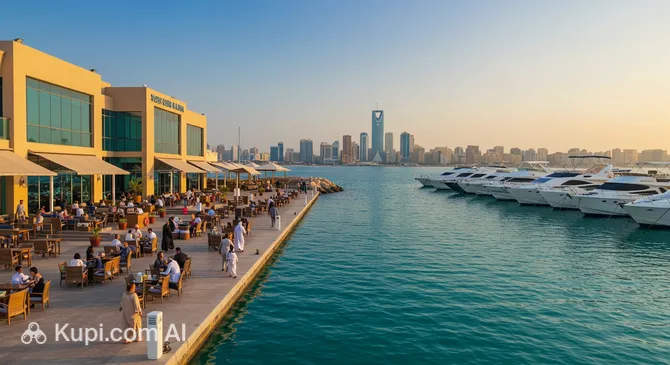
The dining atmosphere in Jeddah ranges from the authentic and traditional to the ultra-modern. You can find vibrant street food stalls in the historic districts, or enjoy a luxurious meal with a view at the Jeddah Yacht Club & Marina, which hosts a variety of upscale international restaurants. For those with a sweet tooth, a visit to B Laban is highly recommended; this popular spot is famous for its creative and indulgent dairy-based desserts that have become a local sensation.

Jeddah Yacht Club & Marina. Source: Kupi.Binoculars

Travel Tips

Visiting Jeddah is an exciting opportunity to experience the warm hospitality and rich heritage of the Red Sea coast, but a little preparation goes a long way. To help you navigate the city with ease and confidence, here are some essential practical tips for your journey.

  1. Clothing and Gear: Given the hot and humid climate, lightweight and breathable fabrics like cotton or linen are essential. While the dress code has relaxed, modesty is still highly valued in Saudi Arabia; both men and women should wear loose-fitting clothing that covers the shoulders and knees. Comfortable walking shoes are a must, especially if you plan to explore the uneven cobblestone streets of the historic Al-Balad district.

  2. Transportation: The most convenient way to get around Jeddah is by using ride-hailing apps like Careem or Uber, which are reliable and offer clear pricing. Public buses are available but may not cover all tourist areas efficiently. Renting a car is an option if you are comfortable with aggressive driving styles, but for most short visits, taxis and apps are stress-free alternatives.

  3. Finances: The local currency is the Saudi Riyal (SAR). Digital payments are extremely advanced here; you can use credit cards, Apple Pay, or Android Pay at almost every establishment, from malls to small cafes. However, it is wise to carry a small amount of cash for traditional souqs or small tips. ATMs are widely available throughout the city.

  4. Health and Safety: Jeddah is generally a very safe city for tourists. Pharmacies are abundant, with major chains like Nahdi often open 24/7 and staffed by English-speaking pharmacists. Dehydration is a real risk due to the heat, so always carry bottled water. In case of emergency, dial 911 for general help or 997 specifically for an ambulance.

  5. Communication: Arabic is the official language, but English is widely spoken, especially in the hospitality and service sectors. To stay connected, purchase a local SIM card (from providers like STC, Mobily, or Zain) at the airport upon arrival, as roaming charges can be high. WhatsApp is the primary mode of communication for many local businesses.

  6. Local Etiquette: Saudis are known for their hospitality. A common greeting is "As-salamu alaykum" (Peace be upon you). When eating with your hands or passing items to others, always use your right hand, as the left is considered unclean. Public displays of affection (PDA) are frowned upon and should be avoided to respect local norms.

  7. What to Avoid: Strictly avoid bringing or consuming alcohol, as it is completely prohibited by law. Additionally, be cautious with photography; never take photos of government buildings, military installations, or local residents—especially women—without their explicit permission.

  8. City Rhythm: Jeddah is a nocturnal city. Due to the daytime heat, many shops and streets are quieter in the afternoon but come alive after sunset. Malls, restaurants, and the Corniche are often bustling well past midnight, so adjust your schedule to enjoy the vibrant evening atmosphere like a local.

By keeping these simple guidelines in mind, you can focus on enjoying the stunning Red Sea views and the unique cultural blend that makes Jeddah so special. The city is incredibly welcoming to visitors, and a respectful approach will ensure you have a wonderful and memorable stay.

Entertainment & Nightlife

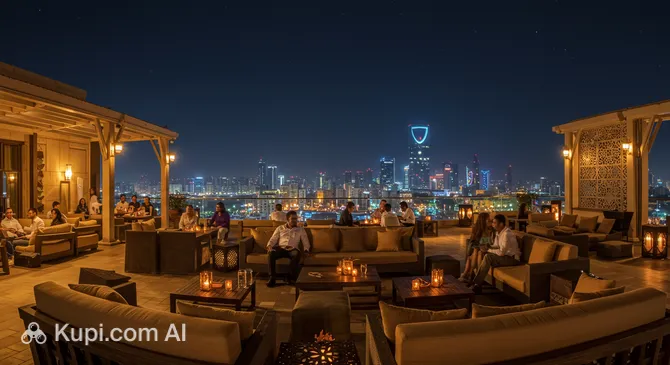
Jeddah is a city that truly comes alive after the sun sets. As the daytime heat dissipates, the streets fill with energy, lights, and people looking to socialize. The nightlife here is distinct from what you might find in Europe or the Americas; since alcohol is prohibited in Saudi Arabia, the evening scene revolves around vibrant lounges, upscale cafes, and late-night dining. The atmosphere is sophisticated and lively, with venues offering creative mocktails, aromatic shisha, and live music or DJ sets that keep the energy high well into the early morning hours.

One of the most popular districts for evening entertainment is Tahlia Street. This bustling avenue is the heart of Jeddah’s modern social life, lined with luxury boutiques and trendy cafes where locals go to see and be seen. For a more scenic experience, the Jeddah Corniche offers a refreshing sea breeze and a relaxed vibe, perfect for a late-night stroll or a visit to one of the many seaside venues.

For those seeking a dynamic atmosphere, Joz Hind Lounge is a standout destination. Known for its eclectic decor and energetic ambiance, it is a favorite spot for gathering with friends to enjoy great food and music. The crowd here is typically young and stylish, reflecting the modern spirit of the city.

Joz Hind Lounge. Source: Kupi.Binoculars

Another excellent venue to experience the local "nightlife" culture is Genres. This music-centric lounge offers a sophisticated setting where you can relax with artisanal beverages and enjoy a curated playlist. If you prefer a more laid-back environment, Queeze Café provides a cozy yet chic space to unwind, famous for its high-quality coffee and desserts.

Practical Advice for Night Owls: The city operates on a late schedule. Most lounges and entertainment venues don't start filling up until 10:00 PM or later, and they often stay open until 2:00 AM or 3:00 AM. The dress code is generally smart casual; while men have more flexibility, it is respectful to dress modestly. Prices in upscale lounges can be comparable to major international cities, so expect to pay a premium for the ambiance and location.

Safety and Transport: Jeddah is very safe at night, with bustling streets and families out until late. Walking in popular areas like the Corniche is secure and enjoyable. To get between districts, it is best to use ride-hailing apps like Uber or Careem, as flagging down a taxi on the street can sometimes be less reliable late at night.

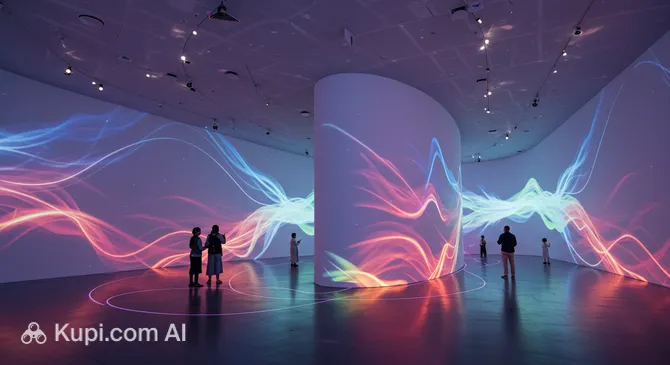
While the night dominates the social scene, daytime entertainment in Jeddah offers its own thrills. Families and thrill-seekers can head to TEKZONE, a futuristic indoor amusement park that blends gaming with physical activity. For a more artistic experience, the mesmerizing teamLab Borderless Jeddah creates a world of digital art without boundaries, perfect for escaping the afternoon sun. Additionally, shopping enthusiasts can explore the massive Red Sea Mall, which offers not just retail therapy but also dining and cinema experiences.

teamLab Borderless Jeddah. Source: Kupi.Binoculars

Parks & Museums

While Jeddah is famous for its coastal allure, the city also boasts an impressive array of green spaces and cultural institutions that offer a break from the bustling urban pace. From manicured waterfront promenades to historic homes turned into museums, the city provides ample opportunities to connect with both nature and the rich heritage of the Hijaz region.

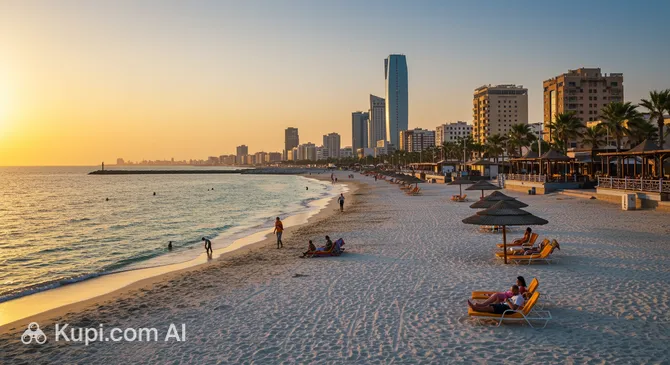
The crown jewel of the city's outdoor spaces is undoubtedly the New Jeddah Corniche. Stretching for 30 kilometers along the Red Sea, this waterfront resort area is divided into three distinct bays and features lush landscaped gardens, dancing fountains, and dedicated play areas for children. It is the perfect spot for a sunset picnic or a leisurely bike ride, offering stunning sea views and a refreshing breeze that attracts families and fitness enthusiasts alike.

New Jeddah Corniche. Source: Kupi.Binoculars

For those who enjoy art combined with an outdoor setting, the Jeddah Art Promenade is a must-visit destination. Located within the Jeddah Waterfront, this quiet and scenic area is lined with captivating sculptures and modern art installations. It provides a sophisticated atmosphere for strolling, with the calm waters of the sea on one side and a selection of upscale cafes on the other, making it a serene escape from the city center.

Delving into the city's history, the Nassif House Museum stands as a testament to Jeddah's architectural grandeur. Located in the heart of the historic Al-Balad district, this 106-room mansion was built in the late 19th century and once hosted King Abdulaziz, the founder of Saudi Arabia. Today, it serves as a cultural center and museum, showcasing traditional furniture, calligraphy, and the unique coral-stone construction that defines the region's old architecture.

Nassif House Museum. Source: Kupi.Binoculars

Another cultural gem is Beit Ward, a beautifully restored heritage house that offers an intimate look into the domestic life of Jeddah's past. Visitors can explore its intricate wooden interiors and historical artifacts, which paint a vivid picture of the social customs and daily routines of previous generations. It is an excellent place to appreciate the craftsmanship of the Hijazi style in a well-preserved setting.

For families traveling with children, a visit to the DJ Kennels Zoo Jeddah offers a fun and educational diversion. This facility allows visitors to interact with a variety of animals in a controlled environment, making it a popular weekend spot for locals. It provides a different kind of "wild" experience compared to the marine life found in the city's aquarium.

Insider Tip: To truly feel the pulse of the old city, take a walk near Bab Makkah, one of the original gates of Jeddah's defensive wall. While the area is bustling with local trade during the day, the evenings offer a magical atmosphere where you can see the illuminated gate standing proudly amidst the modern city, bridging the gap between the ancient past and the present.

Getting Around

Navigating Jeddah has historically relied heavily on private vehicles, but the city is currently undergoing a significant transformation in its public mobility infrastructure. While a comprehensive metro system is in the planning stages, the current public transport landscape is primarily defined by a rapidly expanding bus network and a strong reliance on taxis and ride-sharing services. For the average tourist, getting around requires a mix of modern apps and traditional road travel.

The backbone of the public transit system is the Jeddah Bus network. These distinct red buses are modern, air-conditioned, and designed to connect major districts, shopping malls, and healthcare facilities. They are a budget-friendly option for travelers looking to explore the city without driving. The network covers several key routes, and while it may not reach every backstreet, it serves the main arteries and popular areas efficiently.

Payment for the bus system is fully digitized to ensure a smooth experience. You cannot pay with cash on board. Instead, you should download the official Jeddah Bus app, which allows you to purchase tickets, plan your journey, and generate a QR code to scan upon boarding. Alternatively, physical recharge cards can be purchased from vending machines located at main bus stations. A single trip typically costs a very nominal fee, usually around 4 SAR, making it an extremely economical way to travel.

For most visitors, ride-hailing apps and taxis remain the most practical and popular way to navigate the city's sprawling layout. Services like Uber and Careem are ubiquitous, reliable, and overcome the language barrier since you can input your destination directly in the app. You will also see green public taxis on the streets; these are metered, but it is often easier and more transparent to use the apps. Taxis are available 24/7, which suits the city's late-night lifestyle perfectly.

A special feature of the region's transport is the Haramain High Speed Railway. While primarily an intercity train connecting to Makkah and Madinah, it serves as a crucial link for travelers arriving at the airport. The train station at the airport offers a sleek, ultra-modern, and comfortable ride into the city (stopping at the Al-Sulimaniyah station). It is one of the fastest trains in the Middle East and provides a luxurious alternative to airport taxis.

If you prefer more independence, car rental is a widely chosen option. The city is built for driving, with wide highways and ample parking at most malls and attractions. However, traffic can be heavy during peak hours and late evenings. For short distances along the Corniche, you might find electric scooters or bike rentals, but due to the heat and distances, these are used more for leisure than for serious commuting.

Accommodation

Jeddah offers a diverse array of accommodation options that reflect its status as both a major commercial hub and a leisure destination on the Red Sea. The city caters to every type of traveler, ranging from pilgrims and budget backpackers to business executives and luxury vacationers. Whether you are looking for an opulent palace with panoramic sea views or a functional apartment near the historic district, the city's hospitality sector is well-equipped to meet your needs.

The choice of location largely depends on the purpose of your visit. For those seeking relaxation and luxury, the Corniche area is the prime choice. This waterfront strip is home to high-end international hotel chains and resorts that offer private beaches and stunning sunsets. Travelers interested in culture and history might prefer staying near Al-Balad, where budget-friendly hotels and serviced apartments provide easy access to the ancient souqs. Meanwhile, the Al-Hamra district is a popular mid-range option, centrally located near commercial areas and the famous King Fahd's Fountain.

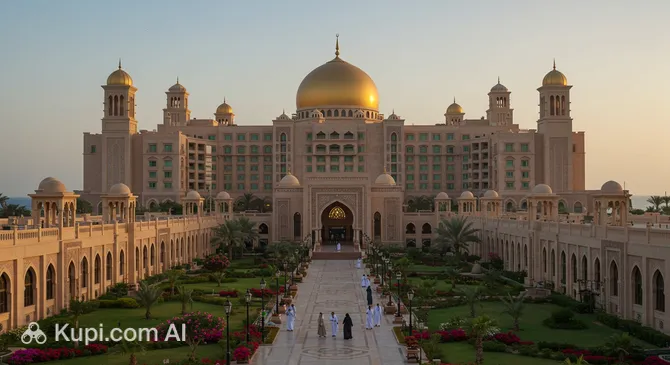
For a truly lavish experience, the city boasts some of the most impressive properties in the region. Qasr Al Sharq, or "Palace of the Orient," is a standout example of Arabian luxury. This hotel is renowned for its Italian furnishings, gold-leaf ceilings, and exceptional service, often hosting royalty and VIPs. Another notable option for those seeking a resort-style atmosphere is Villa Miami, which offers a distinct blend of comfort and leisure facilities suitable for families and groups.

Qasr Al Sharq. Source: Kupi.Binoculars

Booking Tip: Jeddah can get extremely busy during specific times of the year, particularly during the Hajj and Umrah seasons, as well as during the annual Jeddah Season festival. It is highly recommended to book your accommodation well in advance if you plan to visit during these peak periods to secure the best rates and availability.

The price range for accommodation varies significantly. Budget hotels and furnished apartments can be found for as little as 150 to 300 SAR per night, while mid-range options typically cost between 400 and 800 SAR. Luxury resorts and five-star hotels can easily exceed 1,500 SAR per night. Booking is straightforward, with major international online platforms and local apps being widely used and reliable. Many hotels also offer direct booking through their websites, occasionally providing special packages for extended stays.

Nearby Cities

For those looking to explore the surroundings, Jeddah serves as an excellent base for day trips to several interesting nearby locations:

Located high in the Sarawat Mountains, Taif is a favorite summer retreat known for its pleasant, cooler climate and fragrant rose farms. The scenic drive up the escarpment offers breathtaking views, and the city itself is famous for its fruit orchards and historical palaces. It provides a refreshing contrast to the coastal humidity and is perfect for nature lovers.

Just a short distance away lies Mecca, the holiest city in Islam. While entry is strictly restricted to Muslims, its proximity makes it the spiritual heart of the region. For a longer excursion, the coastal industrial city of Yanbu offers some of the best diving spots in the Red Sea, featuring pristine coral reefs and a more relaxed, quiet atmosphere compared to the bustling metropolis.

City Population Distance (km)
Mecca 2,000,000 69
Medina 1,180,770 329
Taif 579,970 134
Al Qunfudhah 300,516 333
Yanbu 250,000 305

These nearby destinations offer a glimpse into the diverse culture and landscapes of the region.

Shopping & Souvenirs

Shopping in Jeddah is a vibrant experience that perfectly mirrors the city’s blend of ancient tradition and modern luxury. As the commercial capital of Saudi Arabia, the city offers everything from gleaming, air-conditioned mega-malls featuring international high-street brands to bustling, centuries-old souqs filled with the scent of spices and incense. Whether you are looking for the latest designer fashion or authentic local handicrafts, the city provides a diverse retail landscape that caters to every taste and budget.

For those seeking luxury and high-end fashion, Tahlia Street (officially Prince Mohammed bin Abdulaziz Street) is the place to be. This famous thoroughfare is the city's fashion runway, lined with upscale boutiques, international department stores, and chic offices. It is a popular district not just for shopping but for strolling in the evening, as the street is dotted with trendy cafes and restaurants where shoppers relax after a day of therapy.

The city is renowned for its massive shopping centers, which serve as community hubs for entertainment and dining as well as retail. One of the most popular destinations is the Red Sea Mall, located near the waterfront. It is a sprawling complex that houses hundreds of stores, a cinema, and family entertainment zones, making it a favorite for both locals and tourists. Another modern addition to the scene is the Atelier La Vie Center, a lifestyle destination that combines upscale shopping with wellness centers and gourmet dining options.

To experience the traditional side of commerce, you must visit the markets in Historic Jeddah (Al-Balad). The narrow alleyways here are home to some of the oldest souqs in the region, such as Souq Al Alawi. As you navigate through the historic district, you will find vendors selling colorful fabrics, aromatic spices, and intricate jewelry. The area around Bab Makkah is particularly lively, serving as a gateway to a world of traditional trade that has existed for generations.

When it comes to souvenirs, Jeddah offers plenty of unique items to take home. High-quality dates, particularly the Ajwa variety, are a classic choice. Oud and oil-based perfumes are also quintessential purchases, reflecting the region's rich olfactory heritage. For something more lasting, the city is famous for its gold markets, where you can find intricate designs sold by weight at competitive prices. Traditional Bedouin jewelry and hand-woven carpets are also treasured finds.

Most shopping malls in Jeddah operate from around 10:00 AM until late at night, often closing between 11:00 PM and midnight. On Fridays, shops typically open in the afternoon after the Jumu'ah prayer. It is important to note that some smaller shops and traditional market stalls may close briefly for prayer times throughout the day, though this practice is becoming more flexible in larger commercial centers. Payment methods are highly modernized; credit cards and digital wallets like Apple Pay are widely accepted, even in many smaller kiosks, though carrying some cash is useful for the traditional souqs.

Tourists visiting Saudi Arabia can benefit from the Tax-Free shopping scheme. The Value Added Tax (VAT) is currently 15%, but visitors can claim a refund on qualifying purchases made at participating stores. Look for the "Tax Free" signage in shop windows and request a tax-free tag or receipt upon purchase, which can then be validated at airport terminals before departure.
Reached the end of the page?

That means the route is fully explored