Support

Port Sudan

About

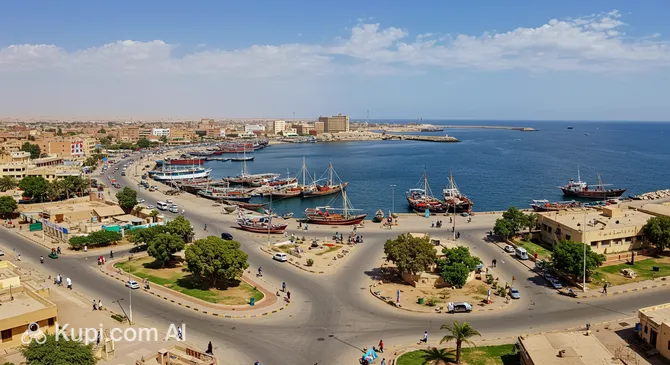
Welcome to Port Sudan, the vibrant capital of the Red Sea State and the principal maritime gateway for Sudan. As a bustling port city, it offers a unique blend of commercial energy and coastal charm, serving as a vital link between the country and the rest of the world. With its strategic location on the western coast of the Red Sea, the city has developed a distinct atmosphere that differs from the inland regions, characterized by sea breezes and a lively waterfront.

Geographically, the city is situated in a hot desert climate zone, known for its warm temperatures year-round and extremely low rainfall. Despite the arid environment, it supports a significant population of approximately 580,000 residents, making it one of the largest and most important urban centers in the nation. The city was established in the early 20th century to replace the older harbor at Suakin, and you can discover more about its development and strategic importance by exploring the history of Port Sudan.

Port Sudan. Source: Kupi.Binoculars

For travelers, the city is primarily known as a premier destination for scuba diving and snorkeling. It serves as the launching point for expeditions to some of the most pristine and untouched coral reefs in the Red Sea, including the famous Sanganeb Atoll. Back on land, the Corniche offers a pleasant promenade where visitors can enjoy views of the harbor, watch ships dock, and sample fresh local seafood at nearby restaurants. The city's markets also provide a glimpse into local life, offering everything from spices to traditional handicrafts.

Whether you are a diving enthusiast eager to explore the underwater wonders of the Red Sea or a traveler looking to experience a different side of the region, Port Sudan provides a welcoming and fascinating destination. Its combination of maritime heritage and natural beauty makes it a highlight of any journey to the coast.

Weather Overview

The climate in Port Sudan is defined by its coastal desert setting, resulting in extremely hot summers and mild, pleasant winters. During the peak summer months of June through September, temperatures soar, with average highs frequently exceeding 40°C, making it the hottest time of the year. Visitors planning a trip during this season should be prepared for intense heat and very few wet days.

In contrast, the winter season offers much more comfortable conditions for exploration. From November to February, the weather cools down significantly, with average temperatures hovering around 22°C to 26°C and nighttime lows dipping to a refreshing 17°C in January. While precipitation is generally low year-round, you might encounter occasional wet days during the late autumn and winter months. For more specific forecasts and monthly averages, you can consult the weather in Port Sudan page to help plan your activities.

Interesting Facts

Beyond its role as a bustling shipping hub, Port Sudan holds several fascinating secrets that highlight its unique position on the Red Sea coast. From underwater history to geological marvels, the city offers intriguing stories for those willing to look deeper.

  • Jacques Cousteau's Underwater Village: Just off the coast of Port Sudan lies Sha'ab Rumi, the site where the famous oceanographer Jacques Cousteau conducted his Precontinent II experiment in 1963. He built an underwater village where oceanauts lived for a month, and divers can still visit the remains of the futuristic "shark garage" today.

  • Replacing an Ancient Legend: The city is relatively young compared to its neighbors, having been founded in 1905 specifically to replace the historic port of Suakin. The ancient harbor of Suakin had become too narrow and choked with coral for modern, large-hulled vessels to navigate safely.

  • A Unique Geological Feature: Port Sudan serves as the gateway to Sanganeb, which is widely recognized as the only true atoll in the Red Sea. Rising from deep waters, this ring-shaped reef is distinct from the typical fringing reefs found along the rest of the coastline and hosts a historic lighthouse.

How to Get There

Reaching this coastal hub is relatively straightforward, with air travel being the most efficient method for international and domestic visitors. As the main maritime gateway of the country, the city is well-connected to the capital and key regional destinations. For a complete overview of transportation options, including road routes, you can read more about how to get to Port Sudan.

The primary point of entry is Port Sudan Airport (PZU), located approximately 18 km south of the city center. It is a key transport hub for the Red Sea State, handling a steady flow of travelers. Upon arrival, the journey to the downtown area or the coastal hotels typically takes about 45 to 50 minutes by taxi or shuttle bus. The airport facilitates both domestic connections and select international flights, making it a vital link for tourists visiting the Red Sea coast.

For clarity, here is a summary of the main airport serving the city:

Airport Name City Passenger Traffic Km from City
Port Sudan Airport Port Sudan Medium 18.0

While flying is the most common choice for comfort and speed, the city is also accessible by road. A paved highway connects Port Sudan to the interior of the country, allowing for travel by private car or long-distance bus services. These buses offer a more economical alternative for those traveling from other major cities, providing a scenic route through the varied landscapes of eastern Sudan.

Main Attractions

Port Sudan offers a compelling mix of natural wonders, historical intrigue, and lively local culture. While the city is primarily known as a commercial hub, it serves as the perfect base for exploring the pristine waters of the Red Sea and the unique heritage of the region. Visitors will find that the best experiences here range from underwater adventures to relaxing evenings by the harbor.

One of the most spectacular sights is the Sanganeb Marine National Park. Located about 25 kilometers offshore, this coral atoll is a UNESCO World Heritage site and a paradise for divers and snorkelers. It is renowned for its crystal-clear waters, vibrant coral reefs, and diverse marine life, including sharks and manta rays. The atoll is also home to a historic lighthouse, which visitors can climb for a breathtaking panoramic view of the turquoise sea.

Back on the mainland, the Corniche is the heartbeat of the city's social life. This waterfront promenade is the ideal place to take an evening stroll, watch the ships docking in the harbor, and enjoy the cooling sea breeze. It is lined with cafes and tea stalls where you can sit on small stools and sip traditional Sudanese tea or coffee spiced with ginger, immersing yourself in the relaxed local atmosphere.

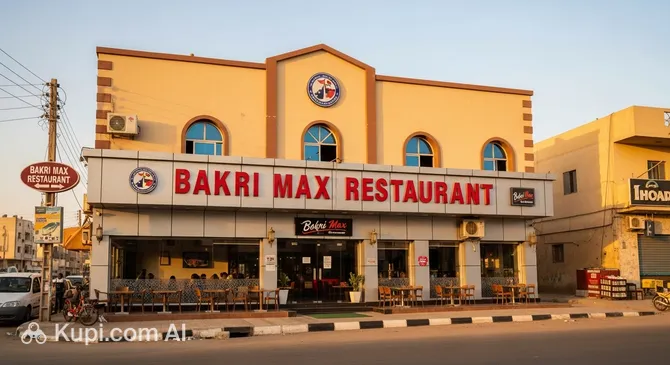
Bakri Max Restaurant. Source: Kupi.Binoculars

For those looking to experience the local dining scene, Bakri Max Restaurant is a notable stop. It offers a chance to taste delicious meals in a welcoming setting. Whether you are looking for fresh seafood caught daily from the Red Sea or other regional specialties, this spot provides a comfortable environment to refuel after a day of sightseeing.

Just a short drive south of the city lies the historic port of Suakin. Although technically a separate town, it is a must-visit attraction for anyone staying in Port Sudan. Once a major trading hub of the Ottoman Empire, the old island city is now a fascinating collection of ruins built from coral blocks. Walking through its abandoned streets offers a hauntingly beautiful glimpse into the past and the region's rich maritime history.

Local Cuisine

The culinary scene in Port Sudan is heavily influenced by its location on the Red Sea coast, setting it apart from the meat-centric diet of the country's interior. Here, the star of the table is undoubtedly fresh seafood. Visitors should not miss the opportunity to try the local catch, particularly the highly prized Najil (coral trout) or hamour. These fish are typically seasoned with simple spices, fried or grilled over charcoal to perfection, and served with lime and fresh chili to enhance their natural flavors. Dining on fish in the "Sigala" area, near the fish market, is a quintessential local experience where you can choose your fish and have it cooked on the spot.

Beyond seafood, traditional Sudanese staples remain a significant part of the daily diet. Gurasa, a thick, spongy wheat flatbread, is commonly eaten with various stews or simply dipped into sauces. For breakfast, the ubiquitous Ful Medames—slow-cooked fava beans seasoned with oil, cumin, and sometimes cheese—is the standard way to start the day. It offers a hearty and authentic taste of Sudanese culture that fuels the locals for their daily activities.

When it comes to beverages, the coffee culture is vibrant and serves as an important social ritual. You will often see locals gathering around tea ladies along the Corniche or in the markets to enjoy Jabana, a strong coffee spiced with ginger or cardamom and brewed in a traditional clay pot. Karkade (hibiscus tea) is another refreshing, non-alcoholic favorite, often served cold to combat the desert heat. Travelers should be aware that Sudan is a dry country with strict laws prohibiting alcohol, so you will not find alcoholic drinks in restaurants or hotels; instead, the focus is on fresh juices, tea, and coffee.

For a comfortable dining environment where you can sample a variety of these local flavors, Bakri Max Restaurant is a popular choice among both locals and visitors. It provides a reliable setting to explore the regional cuisine, from fresh marine dishes to classic Sudanese plates, offering a welcoming introduction to the city's gastronomic heritage.

Travel Tips

Preparing for a trip to Port Sudan requires a bit of local know-how to ensure your journey is as relaxing as the sea breeze. Here are some essential practical tips to help you navigate the city with confidence and respect for local customs, ensuring a smooth and memorable experience.

  1. Dress Modestly and Lightly: Given the hot desert climate, lightweight and breathable fabrics like cotton or linen are essential. However, Sudan is a conservative society, so it is important to dress modestly. Men should generally wear long trousers, while women are advised to wear loose-fitting clothing that covers the shoulders and knees. A lightweight scarf is a useful accessory for women to have on hand, especially if visiting religious sites.

  2. Transportation Options: The most popular and convenient way to get around the city for short distances is by rickshaw (tuk-tuk). They are affordable and widely available. For longer trips or airport transfers, taxis are preferable. Note that meters are rarely used, so it is standard practice to negotiate and agree on the fare with the driver before starting your journey.

  3. Cash is King: International credit and debit cards are generally not accepted in Sudan due to banking restrictions. You must bring sufficient hard currency (preferably US Dollars or Euros) in cash for the entire duration of your trip. Ensure your banknotes are clean, crisp, and issued recently (after 2009 for USD), as worn or old notes may be refused by exchange bureaus.

  4. Health and Hydration: Due to the heat, staying hydrated is crucial, but you should stick to sealed bottled water and avoid tap water. It is also wise to pack mosquito repellent to protect against insect bites, especially in the evenings. Pharmacies (marked as "Saydaliya") are common in the city center and can provide basic over-the-counter medications.

  5. Communication and Connectivity: The official language is Arabic. while English is spoken by some educated locals and staff in major hotels, it is not universally understood. Learning a few basic Arabic phrases like Salam Alaykum (Peace be upon you) goes a long way. To stay connected, you can purchase a local SIM card from providers like Zain or Sudani at the airport or city shops using your passport.

  6. Local Etiquette: Sudanese people are incredibly hospitable and polite. When greeting, a handshake is common, but always use your right hand for shaking hands, eating, or passing items, as the left hand is considered unclean. If you are invited for tea or coffee, accepting is a sign of respect and friendship.

  7. Strict Rules on Photography: Be extremely cautious with your camera. It is strictly forbidden to take photos of government buildings, military personnel, police stations, bridges, or the airport. Doing so can lead to serious trouble with the authorities. Always ask for permission before taking photos of local people.

  8. Respect the Alcohol Ban: Sudan is a dry country with strict laws prohibiting the sale, possession, and consumption of alcohol. Do not attempt to bring alcohol into the country or ask for it in restaurants. Instead, enjoy the local Jabana coffee or fresh fruit juices.

By keeping these practical tips in mind, you will be well-prepared to embrace the unique rhythm of life in this Red Sea city. Enjoy the warm hospitality of the locals, the incredible underwater sights, and the peaceful evenings along the coast.

Entertainment & Nightlife

Nightlife in Port Sudan offers a distinct cultural experience that differs significantly from the club-centric scenes found in many Western cities. Due to strict local laws, alcohol is prohibited, so you will not find traditional bars, nightclubs, or discos here. Instead, the evening entertainment revolves around socializing, dining, and enjoying the cooling sea breeze after a hot day. The atmosphere is incredibly laid-back and family-friendly, with the city coming alive after sunset as locals gather in open-air venues to converse until late into the night.

The heartbeat of the city's evening activity is the Corniche, the main waterfront promenade. This area transforms into a bustling social hub once the heat of the day subsides. It is lined with open-air cafes and simple seating areas where the famous "tea ladies" serve aromatic mint tea and Jabana (spiced coffee). This is the best place to experience the local vibe, where groups of friends and families sit on plastic stools by the water, watching the ships in the harbor and enjoying the lively, communal environment.

Dining out is the primary form of nightly entertainment, and the city offers several spots to enjoy a long, leisurely meal. Bakri Max Restaurant is a well-known venue that provides a comfortable setting for a late dinner, popular with both locals and visitors. For a more rustic and energetic experience, head to the Sigala area, which serves as a massive open-air fish market and dining district. Here, you can choose your fresh catch and have it grilled on the spot, surrounded by a noisy, happy crowd of diners. Another popular spot for a relaxed evening coffee is the terrace at the Coral Hotel, which offers a slightly more upscale atmosphere compared to the street-side stalls.

From a practical perspective, evening outings are quite affordable. A cup of tea or coffee costs very little, and even a hearty seafood meal is reasonably priced. The best time to head out is after 8:00 PM, when the temperature is most pleasant. Getting around is easy; rickshaws (tuk-tuks) are everywhere and are the standard mode of transport for short hops between the Corniche and restaurants. In terms of safety, the main tourist areas and busy streets are generally safe for night walks, but it is advisable to stay in well-lit zones and take a taxi or rickshaw rather than walking alone in quieter neighborhoods late at night.

While the nights are dedicated to relaxation and social gatherings, daytime entertainment in Port Sudan is largely focused on the sea. The city is the premier launching pad for scuba diving and snorkeling trips to the Red Sea's pristine coral reefs. For those staying on land, exploring the central markets or visiting the small museums dedicated to marine life and local history provides a nice contrast to the leisurely pace of the evenings.

Parks & Museums

While Port Sudan is situated in an arid coastal desert environment where lush green parks are rare, the city finds its natural beauty in the turquoise waters of the Red Sea and the vibrant social spaces along the waterfront. The concept of a "park" here is redefined by the coastline, where the sea breeze provides respite from the heat, and the cultural heritage is preserved not just in buildings, but in the living history of the region.

The most significant natural area is undoubtedly the Sanganeb Marine National Park. Although located offshore, it serves as the region's primary nature reserve and a UNESCO World Heritage site. Unlike a traditional city park, this protected atoll offers an underwater garden of vibrant coral reefs and diverse marine life. It is a sanctuary for nature lovers, where one can observe the complex ecosystems of the Red Sea in their purest form, making it a critical area for environmental conservation and a stunning visual experience for visitors.

Within the city limits, the Corniche functions as the main public promenade and green space. Stretching along the harbor, it is the city's communal living room where families and friends gather to enjoy the outdoors. While it is paved rather than grassy, the Corniche offers the refreshing ambiance of a seaside park, complete with cooling winds and scenic views of the water. It is the perfect spot for a leisurely afternoon walk, offering a connection to the sea that defines the local lifestyle.

For those interested in the region's history and ecology, the Red Sea Museum (often referred to as the Marine Museum) is a key stop. Located near the harbor, this facility focuses on the underwater world that sustains the local economy. The exhibits typically feature a vast collection of seashells, preserved marine specimens, and information about the Red Sea's unique biodiversity. It provides a fascinating educational insight into the creatures that inhabit the coastal waters, making it particularly interesting for those who may not be diving.

While not a museum in the traditional sense, the nearby Old Town of Suakin serves as a magnificent open-air museum of history and architecture. Just a short drive from Port Sudan, this ancient island port is filled with the crumbling remains of buildings constructed from coral blocks. Walking through its deserted streets offers a poignant look at the region's Ottoman and colonial past. The intricate carvings and unique architectural style reflect a time when this was the hub of trade for Northeast Africa.

For a truly authentic natural experience, consider a visit to Flamingo Bay located just north of the city. This shallow lagoon is often frequented by flocks of pink flamingos and other migratory birds, offering a serene contrast to the bustling port. It is a quiet, lesser-known spot where you can appreciate the subtle beauty of the coastal desert landscape and observe wildlife in its natural habitat.

Getting Around

The public transport system in Port Sudan is informal, decentralized, and relies entirely on road vehicles. Unlike major international capitals, you will not find a metro, tram, or complex railway network here. Instead, the city moves to the rhythm of small, agile vehicles that navigate the streets with ease. For a tourist, getting around is an experience in itself, offering a closer look at the local way of life and the city's vibrant energy.

The most ubiquitous and popular form of transport is the auto-rickshaw, locally known as a "tuk-tuk." These three-wheeled, motorized vehicles are everywhere and serve as the primary means of travel for short to medium distances. They are perfect for navigating the city's streets and can drop you off right at the doorstep of your destination. For longer distances or travel along main avenues, shared minibuses are the standard option. These buses typically follow set routes connecting key neighborhoods, markets, and the city center, picking up and dropping off passengers along the way.

When it comes to payment, cash is the only accepted method. There are no travel cards, mobile apps, or electronic ticketing systems in Port Sudan. Fares are generally very low by international standards. For minibuses, the price is fixed and is usually collected by a conductor or the driver during the journey. For rickshaws and taxis, there are no meters; the fare is determined by the distance and your bargaining skills. It is essential to carry small denominations of the local currency, as drivers often do not have change for large banknotes.

Taxis serve as a more comfortable alternative, particularly if you are traveling with luggage or heading to the airport. While they offer more privacy than a rickshaw, they are less common on the streets and may need to be arranged in advance or found at specific taxi stands near major hotels and markets. Ride-sharing apps and car rental services for self-driving are virtually non-existent for tourists, so relying on taxis or rickshaws is the most practical choice.

For a smooth journey, tourists should always follow one golden rule: negotiate the price before you get in. This applies strictly to rickshaws and taxis. State your destination clearly, ask for the price, and be prepared to haggle slightly if the initial quote seems high. Transport generally operates from early morning until late evening, mirroring the city's social habits. However, finding a ride can be more difficult late at night, so it is wise to arrange your return transport if you plan to stay out late.

Accommodation

Accommodation in Port Sudan ranges from functional budget lodgings to more comfortable, mid-range hotels that cater to business travelers and tourists. While the city does not offer the ultra-luxury resorts found in some other Red Sea destinations, visitors can find clean and convenient places to stay. The options generally include standard city hotels, government-run guesthouses, and a few establishments specifically geared towards scuba divers who use the city as a base for their expeditions.

The most popular area for tourists to stay is along the Corniche or near the waterfront. Hotels in this location often offer pleasant views of the harbor and the Red Sea, along with the benefit of the cooling sea breeze. Staying here also places you within walking distance of the evening social scene, where cafes and tea sellers set up along the promenade. Alternatively, the city center (Downtown) offers more budget-friendly options and is convenient for accessing the souks (markets), banks, and transportation hubs, though it can be noisier and hotter than the coastal strip.

When planning your stay, it is important to note that the booking process in Sudan can differ from international standards. Many smaller hotels do not have a strong online presence on major booking platforms. While a few top-tier establishments may allow online reservations, it is often more effective to book via phone or email directly with the hotel. For budget travelers, finding accommodation upon arrival is possible, but having a reservation is highly recommended, especially during the cooler winter months when the diving season is at its peak.

Price Range and Payment: Accommodation prices are generally reasonable. Budget options are very affordable, while the few upper-mid-range hotels charge rates comparable to international standards. A critical tip for all travelers is regarding payment: due to banking restrictions and the lack of credit card infrastructure, you must be prepared to pay for your hotel in cash. Most hotels will expect payment in US Dollars or Euros, although some may accept local currency at the current exchange rate. Always confirm the accepted payment method and currency before you arrive to avoid any inconvenience.

Nearby Cities

For those looking to explore the surroundings, Port Sudan serves as an excellent base for day trips and short excursions to several interesting nearby locations:

The most popular destination for a true day trip is the historic port town of Suakin, located just an hour's drive south. Known for its hauntingly beautiful ruins built from coral blocks, it offers a glimpse into the region's Ottoman past and maritime heritage. For travelers willing to venture further for a short visit, Kassala provides a dramatic change of scenery. Situated at the foot of the striking Taka Mountains, it is famous for its unique tribal culture and fruit gardens, making it a rewarding destination for a longer excursion away from the coast.

City Population Distance (km)
Khartoum 7869000 663
Omdurman 2805396 663
Kassala 536009 465
Gedaref 354927 646
Wad Medani 345290 694

These nearby destinations offer a glimpse into the diverse culture and landscapes of the region.

Shopping & Souvenirs

Shopping in Port Sudan is an authentic experience that revolves less around glitzy shopping malls and more around bustling traditional markets and lively street vendors. As a major port city, it receives a constant flow of goods from across the Red Sea and beyond, creating a vibrant commercial atmosphere. Visitors will find that the shopping scene offers a fascinating glimpse into local culture, where the transaction is often accompanied by conversation and the goods range from imported electronics to locally crafted treasures.

The heart of the city's commercial activity is located in the Downtown area (often referred to as the City Center). Here, the streets are lined with small shops and stalls selling everything from textiles and clothing to household items. This district is the primary destination for both locals and tourists, offering a dense concentration of stores where you can find almost anything you need. Walking through these streets provides a sensory overload of sights and sounds, with the aroma of spices and roasting coffee often wafting through the air.

Unlike many modern cities, Port Sudan does not feature large, Western-style shopping malls. Instead, the retail experience is defined by smaller shopping centers and standalone boutiques. While you may find some multi-story buildings housing various shops, they function more like indoor markets than the sprawling entertainment complexes found elsewhere. For most visitors, the charm lies in exploring the open-air venues rather than seeking out international luxury brands.

The most interesting places to visit are undoubtedly the local souks (markets). The Grand Souq is the main market where the pulse of the city beats strongest. It is a labyrinth of stalls where you can buy fresh produce, aromatic spices, and colorful fabrics. Another unique spot is the fish market in the Sigala district. While primarily a place for buying fresh catch to be cooked on the spot, it is a spectacle in itself, showcasing the bounty of the Red Sea and the daily life of local fishermen.

When looking for souvenirs, the best items to bring back are those that reflect Sudanese culture and the flavors of the region. Spices are a top choice, particularly the high-quality cumin, chili, and coriander used in local cuisine. Karkade (dried hibiscus flowers) is another popular purchase, used to make the refreshing national drink. Traditional handicrafts, such as woven baskets and leather goods, make for excellent gifts. You may also see seashells and coral for sale; however, tourists are strongly advised not to purchase these items to protect the fragile marine ecosystem and to avoid legal issues at customs.

Opening hours in Port Sudan are dictated by the climate and religious customs. Shops typically open around 8:00 AM or 9:00 AM and stay open until the early afternoon (around 1:30 PM or 2:00 PM). Most businesses then close for a siesta during the hottest part of the day and reopen in the evening, staying active until 9:00 PM or 10:00 PM. On Fridays, the holy day, most shops remain closed until the late afternoon or evening.

Regarding payment, it is crucial to remember that Sudan is a cash-based economy. International credit and debit cards are generally not accepted in shops or markets. You must carry sufficient local currency (Sudanese Pounds) to cover your purchases. Bargaining is a common practice in the souks and with street vendors; do not hesitate to negotiate the price politely, as it is part of the local shopping etiquette.

Tax-free shopping and VAT refunds for tourists are not currently available in Sudan. The price you agree upon or see on the tag is the final price you pay. Travelers should focus on the value and uniqueness of the goods rather than looking for tax rebates.
Nearby cities

Reached the end of the page?

That means the route is fully explored