Support

Sudan

About the Country

Sudan, located in northeastern Africa, is one of the largest countries on the continent by area. This land of rich history holds traces of ancient civilisations, particularly the powerful Nubian Kingdom, which left behind impressive pyramids that are in some cases older than the famous ones in Egypt. A journey to Sudan is an opportunity to connect with the origins of human civilisation and see unique archaeological sites.

The culture of Sudan is a remarkable blend of African and Arab traditions, which is reflected in its music, dance, crafts and, of course, the renowned hospitality of its people. The country's life is intrinsically linked to the great River Nile, on the banks of which lies the capital, Khartoum. This bustling city is not only the administrative but also the cultural centre, where you can delve deeper into the country's history by visiting the National Museum of Sudan.
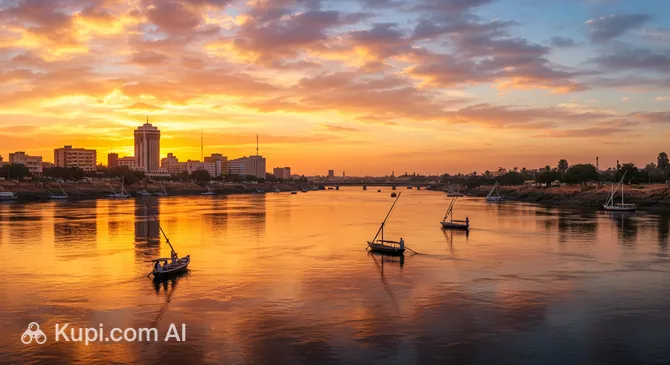
Khartoum. Source: Kupi.com Binoculars

Sudan's natural landscapes are diverse, from the vast sands of the Nubian and Libyan deserts to the picturesque coast of the Red Sea, which is especially appealing around the city of Port Sudan, known for its diving opportunities. The climate here is predominantly hot and arid. Sudan leaves the impression of a country with a deep historical heritage, striking natural contrasts, and a unique atmosphere that awaits explorers ready to discover something new and unexplored.

Currency

The national currency of Sudan is the Sudanese Pound (SDG). Banknotes are in circulation in various denominations and often feature images that reflect the country's rich culture, history, and nature. It is highly advisable to carry a sufficient amount of cash, as the use of credit cards in Sudan is extremely limited. Acceptance may be found in some large, international hotels in Khartoum and other major cities, but you should not rely on widespread availability.

Exchanging foreign currency for Sudanese Pounds is best done at official banks or licenced exchange bureaus. For travellers from the UAE, it is preferable to carry US dollars or euros for exchange. These exchange points are typically located in airports, major cities, and hotels. Avoid exchanging money with street money changers, as this carries the risk of receiving an unfavourable rate or encountering fraud. Before your trip, it is also wise to check the current customs regulations regarding the import and export of foreign and local currency.

Visa Requirements

When planning a trip to Sudan, it is essential to familiarise yourself with the visa requirements in advance. For residents and travellers from the UAE, the entry rules differ based on nationality.

UAE citizens holding an Emirati passport do not require a visa for short-term stays in Sudan. However, other UAE residents must obtain a visa before travelling. For all travellers, a valid passport is the primary document required for entry.

As a rule, non-exempt travellers should apply for a tourist visa in advance at the Embassy of the Republic of the Sudan in Abu Dhabi or the Consulate General in Dubai. This typically requires a standard set of documents, which may include proof of travel purpose, return tickets, and hotel reservations. Given that visa regulations can change, we strongly recommend that you always check the most up-to-date information on the official websites of Sudan's diplomatic missions before you begin your travel preparations.

We'll tell you if you need a visa

Specify where you are going, or
Your citizenship
Destination

Time Zones

When planning a trip to Sudan, you will not need to worry about changing time zones within the country. The whole of Sudan operates on a single time zone. It observes Central Africa Time (CAT), which is UTC+2. For travellers from the UAE, this means Sudan is two hours behind Gulf Standard Time (UTC+4). This consistency simplifies planning transfers and activities, as the time is the same in all regions, including the capital, Khartoum.

How to Get There

The most straightforward way to get to Sudan is by air. However, travellers must be aware that due to the ongoing conflict, the country's main international gateway, Khartoum International Airport (KRT), has experienced significant disruptions. Following its closure in April 2023, the airport's operations have been severely impacted. While there have been reports of domestic flights resuming, the situation remains volatile and international services are suspended. All travellers are strongly advised to check the latest travel advisories from the UAE Ministry of Foreign Affairs and with airlines for the most current information before making any plans.

For international arrivals, Port Sudan International Airport (PZU) on the Red Sea coast is currently the primary entry point for the country. Airlines such as Turkish Airlines, Egyptair, and Ethiopian Airlines have been operating flights to Port Sudan, providing vital links to the region. From the UAE, reaching Sudan typically involves connecting flights through these or other regional hubs. Sudan has extensive land borders, but overland travel for tourists is not well-developed and is considered extremely hazardous due to the security situation. The country's main seaport is in Port Sudan, which primarily handles cargo, though some regional ferry services may be available. It is essential to book any available flights well in advance and to confirm visa requirements before your journey, noting that visa services can also be subject to suspension.

For your information, here is a summary of the main airports:

Airport Name City Passenger Traffic
Khartoum International AirportKhartoumMajor (International services suspended)
Port Sudan New International AirportPort SudanMedium (Main international gateway)
El Fasher AirportEl FasherSmall
El Geneina AirportEl GeneinaSmall
Kassala AirportKassalaSmall

Sudan is a country with an ancient history and a unique culture, offering travellers the chance to discover a wealth of interesting places. From bustling urban centres to historical treasures, there is something here for everyone. The main starting point for many is the capital, Khartoum. This dynamic city, located at the confluence of the White and Blue Nile, is not only the administrative but also the cultural heart of the country, where you can explore the region's rich heritage.

Khartoum. Source: Kupi.com Binoculars

Among other significant cities is Port Sudan, the country's main seaport on the Red Sea. This city is attractive not only for its economic role but also for its opportunities to explore the underwater world. Near the capital lies Omdurman, one of Sudan's largest cities, known for its traditional souqs where you can immerse yourself in an authentic atmosphere, and for historical monuments such as the Mahdi's Tomb.

For those fascinated by ancient civilisations, a visit to Karima is a must. This small town is the gateway to the famous Nubian pyramids and temples at Jebel Barkal, a UNESCO World Heritage site. And the city of Kassala, situated at the foot of the picturesque Taka Mountains, will charm you with its unique landscapes and distinctive culture. Each of these cities reveals a different facet of the amazing country of Sudan, inviting travellers to make new discoveries.

Top Attractions

Sudan, a country with a rich history and culture, offers travellers a number of interesting places to visit. Among them are both historical monuments and modern sites that reflect the life of the country.

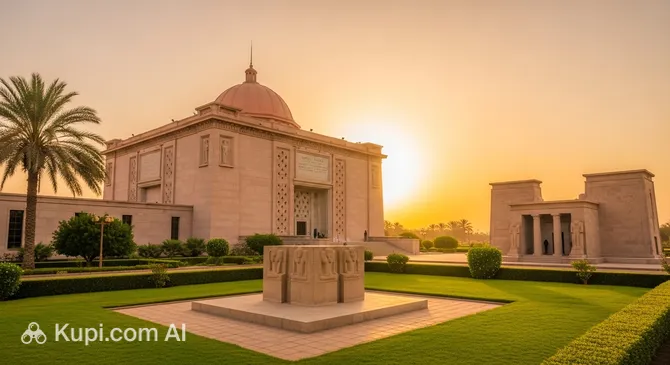
One of the main cultural treasures is the National Museum of Sudan in Khartoum. It houses the richest collection of artefacts that narrate the history of the region from ancient times to the present day. Visitors can see unique exhibits from the Nubian civilisation, frescoes from submerged temples, and much more, which provides a deeper understanding of the country's rich past. When visiting, it is advisable for both men and women to dress modestly, with loose-fitting clothing that covers the shoulders and knees, as a sign of respect for local customs.

Sudan National Museum. Source: Kupi.com Binoculars

For those interested in the modern life of the capital and shopping, a visit to the Al-Waha Shopping Centre is worthwhile. This is a popular spot in Khartoum where you can find a variety of shops, cafés, and entertainment. It is a great place to buy souvenirs and local goods, or simply to spend time in a modern environment. The centre is equipped with prayer rooms for visitors.

Al-Waha Mall. Source: Kupi.com Binoculars

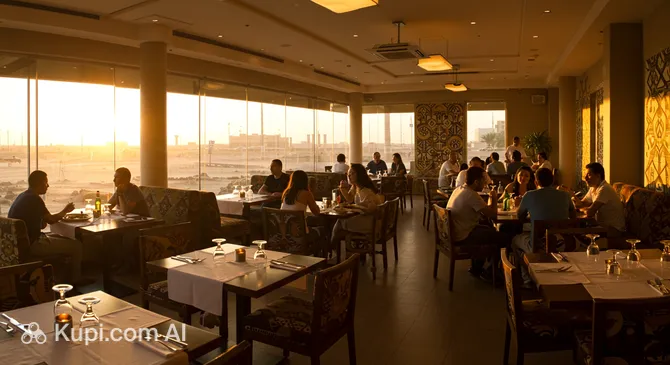
For a delightful culinary experience, we recommend visiting the Ozone Restaurant, also located in Khartoum. This venue is known for its pleasant atmosphere and a diverse menu offering both local and international dishes, with a wide range of halal options available. It is an excellent choice for dinner after a full day of exploring the city.

Ozone Restaurant. Source: Kupi.com Binoculars

Best Time to Visit

When planning a trip to Sudan, it is important to consider its hot desert climate. The best time to visit the country is considered the high season, which runs from approximately November to March. During these months, the air temperature is more moderate, especially in the northern and central regions, including Khartoum, making sightseeing and travel around the country more comfortable. The days are generally sunny and dry. Although Sudan is not a mass-tourism destination, you can expect a slightly higher number of travellers during this period, and perhaps marginally higher prices for some services.

The low season, or off-season, falls between April and October. This period is characterised by very high temperatures, which can reach extreme levels, especially just before the rainy season begins. The rainy season is most pronounced in the south and central areas, typically lasting from June to September or October. During this time, heavy downpours are possible, which can make travel on some roads difficult. Dust storms, known as 'haboobs', which create walls of sand and dust, also occur, particularly between May and July. The advantages of travelling in the low season include fewer tourists and potentially lower prices. However, you should be prepared for the intense heat and potential weather-related disruptions.

Sudan's climate varies significantly by region, ranging from an arid desert in the north to a more humid savannah in the south. Therefore, when choosing when to travel, it is advisable to check the specific weather conditions for the areas you plan to visit. Major international festivals that influence tourist numbers are not common in Sudan. However, it is always worthwhile to check for local events and public holidays that may coincide with your visit. Keep in mind that major Islamic holidays, such as Eid al-Fitr and Eid al-Adha, may affect the opening hours of shops and services, but can also offer a unique cultural experience.

Traditions

Sudanese culture is deeply rooted in the traditions of hospitality and respect. Greetings are an important part of communication here. Men usually exchange a handshake with their right hand, which can be quite prolonged, symbolising warmth and respect. Women more often greet each other verbally or with a light touch. During conversation, politeness, a calm tone, and moderate eye contact are valued. Hospitality is sacred for the Sudanese people. If you are invited for tea or to share a meal, refusing may be seen as impolite. A small souvenir from your country or some sweets as a gift for the hosts will be gratefully accepted, although they are not obligatory. It is important to remember that the left hand is traditionally considered 'unclean', so always use your right hand for greetings, passing items, and especially for eating.

When visiting Sudan, it is important to be mindful of local dress codes, which reflect predominantly conservative views. It is advisable to choose modest attire that covers the shoulders and knees; this applies to both men and women in public places. When entering a mosque, women must cover their heads and wear clothing that also covers their arms and legs. At the dining table, if you are eating with local people, it is customary to use your right hand, especially if the dishes are served on a communal platter. Do not be quick to refuse a second helping – it is part of the ritual of hospitality. The main holidays include the Islamic celebrations of Eid al-Fitr, which marks the end of Ramadan, and Eid al-Adha, the festival of sacrifice. Independence Day (1 January) is also celebrated. To show respect, always ask for permission before photographing people, especially women. Avoid public displays of affection between men and women and try not to engage in heated arguments on religious or political topics.

Entertainment

Sudan offers tourists a variety of recreational opportunities, though they may differ from typical European resorts. Fans of active recreation can explore the unique desert landscapes or head to the Red Sea coast, especially around Port Sudan, where diving and snorkelling are popular thanks to the rich underwater world. For those who appreciate cultural entertainment, the country offers an immersion into ancient history and local traditions. In Khartoum, you can visit the National Museum of Sudan, which houses artefacts from different eras, and explore local arts and crafts at exhibitions or in small galleries.

Evening entertainment in Sudan is mainly centred around restaurants and cafés, where you can enjoy local and international cuisine in a relaxed atmosphere. When dining out, you will find that most restaurants serve halal food, respecting Islamic principles. Some hotels also offer evening programmes. A bustling club scene is less common here, with the emphasis placed on socialising and unhurried relaxation. As for shopping, Sudan is notable for its vibrant markets, such as the famous souq in Omdurman, where you can buy handmade crafts, spices, textiles, gold and silver jewellery, and traditional souvenirs. In major cities like Khartoum, modern shopping centres such as Al Waha are also emerging, often equipped with prayer facilities.

For a family holiday, Sudan can offer leisurely strolls through city parks or an introduction to local culture by visiting museums and ethnographic villages, if they are part of your travel itinerary. Although specialised theme parks or water parks are few and far between, the hospitality of the local people and the country's unique atmosphere can make a family trip memorable. It is important to plan your route and activities in advance, especially if you are travelling with children, to take into account all the local customs and the climate.

Currency rates

Planning a trip? Excellent! To ensure the financial aspects of your journey don't come as a surprise, it's important to remember that currency exchange rates are constantly changing. Therefore, we strongly advise you to monitor the latest rates both before you fly and throughout your trip. You can use the data provided below for this purpose—we monitor currency rates 24/7 and strive to provide the most up-to-date information.

Reached the end of the page?

That means the route is fully explored