Support

El Geneina

About

El Geneina, the capital of West Darfur State, is a city defined by its unique blend of cultures and its strategic importance as a commercial hub. Known for its lively atmosphere and traditional architecture, it serves as a gateway between nations, fostering a rich exchange of goods and traditions. The city's name, which translates to "The Little Garden," reflects its potential for greenery and agriculture, particularly along the seasonal watercourses that shape the local landscape.

Situated in the far west of Sudan, close to the border with Chad, El Geneina sits at an elevation of approximately 800 meters, offering a climate that can be distinct from other parts of the country. The city is built on the banks of Wadi Kaja, a seasonal river that becomes a focal point of life during the rainy season. With a population of over 250,000 residents, it is a bustling urban center where diverse communities coexist, contributing to a vibrant local heritage.
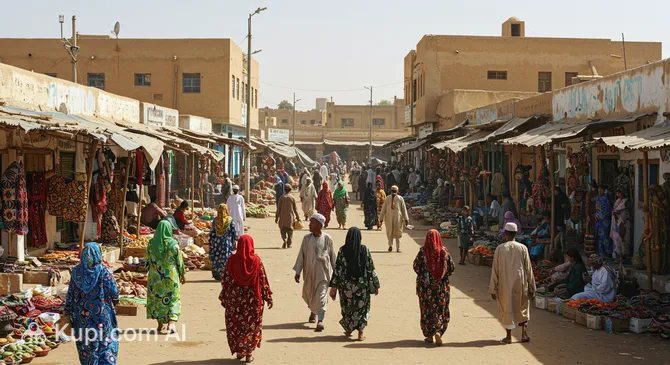
El Geneina. Source: Kupi.Binoculars

The city holds a significant place in the region's chronicles, serving as the traditional seat of the Masalit Sultanate. Travelers interested in the past can explore the history of El Geneina to understand its role as a powerful administrative and cultural center over the centuries. This deep-rooted legacy is still visible today in the respect shown for traditional leadership and the preservation of local customs.

For visitors, the city offers an authentic glimpse into western Sudanese life. The local souq (market) is a hive of activity where one can find local handicrafts, textiles, and agricultural produce, reflecting the area's trade connections. Another notable feature is the Sultan's Palace, a symbol of the region's historical governance. The surrounding landscape, characterized by rocky hills and the wadi, provides scenic backdrops for exploration.

El Geneina welcomes travelers looking to discover a different side of the country, away from the Nile Valley. Its combination of historical depth, cultural diversity, and geographic beauty makes it a noteworthy destination for those seeking to understand the broader tapestry of the region.

Weather Overview

The climate in this region is characterized by distinct seasonal changes, shifting between long dry periods and a specific rainy season. To plan your visit effectively, it is helpful to check the weather in El Geneina, which generally remains warm to hot throughout the year. The city experiences its highest temperatures in April and May, where daily averages often exceed 30°C and maximums can reach near 38°C.

From June to September, the weather patterns change significantly with the arrival of the rainy season. August is typically the peak of this period, recording up to 24 wet days, which brings cooler average temperatures of around 24.7°C. Conversely, the winter months from November to March are very dry, with January offering the coolest conditions, featuring pleasant average temperatures of approximately 21.9°C and refreshing nights.

Travelers should expect hot and arid conditions for the majority of the year, particularly during the spring months. However, if you are visiting during mid-summer, be prepared for frequent precipitation and a greener landscape as the seasonal rains transform the surroundings.

Interesting Facts

Beyond its role as a regional capital, El Geneina holds several fascinating details that reveal its deep historical roots and unique geographic position. Here are a few intriguing facts about this vibrant city:

  • A Historic Pilgrim Gateway: For centuries, El Geneina served as a vital resting point on the Darb al-Hajj and other trans-African pilgrimage routes used by devotees from West Africa traveling to Mecca. This constant flow of travelers contributed to the city's diverse cultural tapestry long before modern borders were drawn.

  • An Oasis of Fruit: Despite the arid surroundings of the wider region, the city lives up to its name ("The Little Garden") thanks to the fertile soils along the seasonal Wadi Kaja. The area is surprisingly famous for producing high-quality mangoes, guavas, and citrus fruits, which are a source of local pride and a refreshing treat for visitors.

  • A City of Two Worlds: Located less than 30 kilometers from the border, El Geneina shares deep cultural and linguistic ties with neighboring Chad. It is common to hear a blend of dialects and music that reflects a seamless fusion of traditions from Sudan and Chad, making the local culture distinct from that of the Nile Valley.

  • Traditional Justice Lives On: The Sultan of the Masalit does not merely hold a ceremonial title; the Sultanate continues to play an active role in the community. The Sultan’s palace often functions as a venue for traditional conflict resolution and community gatherings, operating in parallel with modern civic administration.

How to Get There

Reaching El Geneina, located in the far west of Sudan, requires some planning due to its significant distance from the capital, Khartoum. The most practical and time-efficient method for travelers is by air. The city is served by El Geneina Airport (EGN), which is situated close to the town center. This airport acts as the primary gateway for the region, with flights typically connecting to Khartoum International Airport, bridging the vast expanse of the country in a few hours.

For those interested in overland adventures, the journey involves traveling long distances across the diverse landscapes of western Sudan. Road networks connect El Geneina to other major towns in Darfur and extend towards central Sudan, although the trip can be lengthy. Due to its location near the border, the city also serves as a hub for routes leading into neighboring Chad. To plan your trip effectively, it is recommended to check more about how to get to El Geneina, including the latest travel logistics.

There are no railway services currently operating to El Geneina. Consequently, road transport, such as buses and lorries, remains the main alternative to flying for moving goods and people. Travelers opting for ground transport should be prepared for a robust journey and are advised to arrange reliable private transport or use established bus services that navigate the regional routes.

Main Attractions

The Palace of the Masalit Sultan stands as a profound symbol of the region's historical heritage and traditional leadership. As the seat of the Masalit Sultanate, this architectural landmark reflects the enduring legacy of the local rulers who have governed the area for centuries. Visitors are often captivated by the significance of the palace, which serves not only as a residence for the Sultan but also as a center for customary justice and community gatherings, offering a unique window into the administrative traditions of West Darfur.

A defining natural feature of the city is Wadi Kaja, a seasonal watercourse that breathes life into the arid landscape. The wadi is the reason behind the city's name, which translates to "The Little Garden," as its banks support lush orchards and groves during the rainy season. For tourists, the wadi offers a picturesque setting for walks and picnics, particularly when the waters flow and the surrounding greenery is at its most vibrant, creating a stark and beautiful contrast with the sandy terrain.

The El Geneina Grand Mosque is another key site, serving as the spiritual heart of the city. Its architecture is representative of the Islamic influence in the region, providing a serene atmosphere for worship and reflection. The mosque is not just a religious building but a community hub where residents gather, making it an excellent place for visitors to observe the peaceful daily rhythms of local life and the deep-rooted faith that shapes the culture of the city.

For a taste of local commerce and culture, the El Geneina Souq is an essential stop. Due to the city's proximity to the border, this bustling market acts as a vibrant trading post between Sudan and Chad. Travelers can wander through the stalls to find a diverse array of goods, from traditional handicrafts and colorful textiles to fresh produce like the region's famous mangoes. It is a lively spot to interact with friendly locals and experience the cross-cultural energy that defines this border city.

Local Cuisine

The cuisine of El Geneina offers a flavorful journey that reflects the city's position as a cultural crossroads between Sudan and neighboring Chad. The local diet is hearty and relies heavily on locally grown grains, particularly millet and sorghum. A staple at almost every meal is Asida, a thick, dough-like porridge that is typically enjoyed by hand. It is served with a variety of rich, savory stews known as mullah, which can be made from dried meat, okra, or yogurt, often seasoned with aromatic local spices that give the food a distinct and comforting character.

For meat lovers, the street food scene in El Geneina is defined by Agashe. This popular dish consists of skewered meat—usually beef, lamb, or chicken—that is marinated in a spicy peanut and spice mixture before being grilled over charcoal. It is a beloved evening snack, often served with raw onions and lime, offering a smoky and spicy taste of West African influence. Additionally, thanks to the fertile soil along the wadi, visitors should not miss the opportunity to try the region's fresh fruits, particularly the sweet and juicy mangoes and guavas, which are abundant during the harvest season.

When it comes to beverages, the culture is entirely non-alcoholic, in adherence to local laws and customs. Instead, the city boasts a vibrant culture of refreshing natural juices and hot drinks. Tabaldi, made from the fruit of the baobab tree, is a creamy, tangy, and nutrient-rich drink that is a local favorite. You will also find plenty of Aradaib (tamarind) and Karkade (hibiscus) juice. Coffee drinking is a ritual here; the traditional Jabana (coffee) is spiced with ginger or cardamom and served from a special clay pot, often accompanied by popcorn or dates.

Dining in El Geneina is often a communal and social affair. While there are simple restaurants, the true essence of the local food culture is found in the open-air markets and at the stands of the "tea ladies" who set up chairs under the shade of trees. Here, locals and travelers alike gather to sip tea, discuss the day's news, and enjoy the warm hospitality that defines the region. Sharing a large platter of food is common, symbolizing friendship and trust, making every meal an opportunity to connect with the local community.

Travel Tips

Visiting El Geneina offers a rare opportunity to experience the authentic culture of West Darfur, but it is a destination that requires thoughtful preparation and cultural awareness. To ensure your journey is as comfortable and respectful as possible, here are some practical tips to help you navigate local life with ease.

  1. Clothing and Gear: Due to the hot semi-arid climate and conservative local customs, modesty is key. Wear loose-fitting, breathable fabrics like cotton or linen that cover your shoulders and knees. Women should carry a lightweight scarf to cover their heads when visiting religious sites or traditional areas. Comfortable, closed-toe shoes are essential for walking on sandy or unpaved streets, and a universal travel adapter (types C or D) is recommended for charging electronics.
  2. Transportation: The most common way to get around the city is by auto-rickshaws (locally known as "rakshas"). They are affordable and perfect for short distances, though you should agree on the fare before starting the ride. There is no metro or tram system. For excursions outside the city center or to the surrounding wadis, hiring a private 4x4 vehicle with a local driver is necessary due to the terrain.
  3. Finances: Sudan is predominantly a cash-based economy, and international credit cards (Visa/Mastercard) generally do not work due to banking restrictions. You must bring sufficient cash in hard currency (USD or Euros) and exchange it for Sudanese Pounds (SDG) at official banks or exchange bureaus upon arrival. Carry small bills for daily purchases in the souq, as change can sometimes be hard to find.
  4. Health and Safety: Always drink bottled water and avoid tap water or ice in drinks to prevent stomach issues. Pharmacies are available in the city center, but it is wise to bring a personal medical kit with essentials, including mosquito repellent, as malaria can be a concern. Regarding safety, it is highly advisable to travel with a local guide who knows the area well; avoid walking alone in unlit areas at night and stick to main bustling streets.
  5. Communication: Arabic is the primary language spoken in El Geneina, alongside local dialects like Masalit. English is not widely spoken outside of government or higher education circles, so learning a few basic Arabic phrases like "Salam Alaykum" (Peace be upon you) and "Shukran" (Thank you) will go a long way. Buying a local SIM card (Sudani, Zain, or MTN) is easy and recommended for staying connected, as Wi-Fi in public places can be sporadic.
  6. Local Etiquette: Greetings are a significant social ritual here; take the time to shake hands and ask about well-being before starting a transaction or conversation. When eating communal meals—often served on large trays—always use your right hand, as using the left is considered unclean. If invited into a home, remember to remove your shoes at the door.
  7. What to Avoid: Strictly avoid taking photographs of government buildings, military installations, police stations, or bridges, as this is prohibited and can lead to serious legal trouble. Additionally, never take photos of people, especially women, without asking for their explicit permission first. Public displays of affection are culturally inappropriate and should be avoided.
  8. Local Insight: Do not miss the "Tea Lady" culture. Sitting on low stools under the shade of a tree for tea or coffee is not just a break; it is the center of social life. It is the best place to relax, observe the city's rhythm, and interact with locals in a casual, friendly setting.

By keeping these practicalities in mind, you can focus on the warmth of the hospitality and the unique heritage of the city. El Geneina rewards those who travel with an open heart, patience, and a deep respect for its enduring traditions.

Entertainment & Nightlife

Entertainment in El Geneina differs significantly from the nightlife found in many Western or coastal cities. Due to strict local laws and cultural customs, you will not find nightclubs, discos, or bars serving alcohol here. Instead, the "nightlife" is centered around vibrant social interaction, outdoor gatherings, and the enjoyment of the cool evening air after a hot day. The atmosphere is communal and relaxed, offering a unique opportunity to connect with the local population in a safe and friendly environment.

The heart of the evening activity is undoubtedly the culture of the Tea Ladies (Sitt al-Shai). These women set up open-air stalls under trees or on street corners, arranging low plastic stools where locals gather in large numbers. This is the Sudanese equivalent of a pub or a lounge. The atmosphere is lively, filled with the sounds of animated conversation, laughter, and the clinking of glasses. Visitors can enjoy spicy Jabana (coffee with ginger) or sweet mint tea while observing the city's social dynamics. The dress code is casual but conservative; men typically wear long trousers or traditional jalabiyas, and women should dress modestly.

For those looking for a bustling environment, the area surrounding the El Geneina Souq remains active into the early evening. While the main trade slows down, food vendors and juice bars light up, offering fresh fruit smoothies—particularly mango and guava—and grilled meats like Agashe. It is a great place to grab a late bite and soak in the energy of the city. Another popular activity is visiting local Social and Sports Clubs. Unlike dance clubs, these are community centers where residents, mostly men, gather to watch international football matches on large screens, play cards, and socialize. They are welcoming to respectful visitors who share a passion for sports.

The banks of Wadi Kaja also transform in the evenings, especially during the dry season when the water levels are manageable or non-existent. Families and groups of friends often stroll along the edges to enjoy the breeze and the starry sky, making it a peaceful alternative to the busy market streets. It is a perfect spot for a quiet evening walk, provided you stick to well-lit or populated sections.

Practical Advice for the Evening:

  • Timing: The city comes alive after the sunset prayer (Maghrib). The peak time for socializing is between 7:00 PM and 10:00 PM. Most places close relatively early compared to international standards, with streets becoming quiet by midnight.
  • Getting Around: The best way to navigate at night is by auto-rickshaw (raksha). They are plentiful and can be hailed from the street. Always agree on the price before getting in. Walking is safe in the main market areas and busy streets, but avoid wandering into unlit residential alleyways or the outskirts of the city after dark.
  • Safety: El Geneina is generally welcoming, but it is wise to remain in groups and ideally with a local guide who knows the area. Avoid carrying large amounts of cash or flashing expensive electronics.

During the daytime, entertainment options focus on cultural immersion and nature. While there are no large amusement parks or modern cinemas, visitors can explore the rich heritage of the region. A visit to the Sultan’s Palace offers insight into the history of the Masalit Sultanate, and the bustling morning markets provide a sensory overload of colors and scents. For nature lovers, hiking the rocky hills surrounding the city offers panoramic views of the landscape, which is particularly striking during the green rainy season.

Parks & Museums

El Geneina, whose name beautifully translates to "The Little Garden," offers a refreshing blend of natural beauty and deep-rooted heritage. While the city may not possess the manicured botanical gardens found in major metropolises, its landscape is defined by lush seasonal greenery and agricultural richness that provide a serene escape for visitors. The cultural history of the region is not hidden away in glass cases but is alive in the architecture, the markets, and the daily traditions of its people.

Wadi Kaja is undoubtedly the city's most significant natural asset and serves as the primary recreational space for locals and tourists alike. During the rainy season, this seasonal river transforms the arid surroundings into a vibrant ribbon of green, teeming with life. The banks of the wadi become a picturesque spot for picnics and leisurely walks, offering a cool respite from the heat. It is here that the "garden" aspect of the city is most visible, with the flowing water reflecting the blue sky and the surrounding vegetation creating a peaceful atmosphere.

Complementing the wadi are the extensive Fruit Orchards that border the watercourses and dot the outskirts of the city. El Geneina is famous across Sudan for its high-quality produce, particularly its mango and guava trees. Walking near these groves offers a sensory delight, filled with the scent of ripening fruit and the shade of dense canopies. While these are working agricultural areas rather than formal parks, they function as the city's green lungs and offer a unique opportunity to see the traditional farming methods that have sustained the population for generations.

In terms of museums, El Geneina operates differently from cities with dedicated exhibition halls; here, the city itself acts as a living museum. The most prominent custodian of local history is the Palace of the Masalit Sultan. While primarily a residence and administrative center, it is the focal point of the region's cultural identity. The architecture and the traditions upheld within its walls offer a direct link to the past, preserving the artifacts, regalia, and customary laws of the Masalit Sultanate more effectively than any static display could.

For those interested in religious history and architecture, the El Geneina Grand Mosque stands as a key monument. It is not only a place of worship but also a center for learning and community cohesion. The structure reflects the Islamic heritage of West Darfur, characterized by distinct local design elements that differ from the styles seen in the Nile Valley. Visitors can appreciate the intricate details of its exterior and the peaceful ambiance that surrounds this spiritual landmark.

Another site of cultural significance is the Old Souq area. While technically a market, it functions as an open-air gallery of local craftsmanship. Here, you can observe artisans creating leather goods, basketry, and traditional tools using techniques that have remained unchanged for centuries. It provides an authentic insight into the material culture of the region, allowing travelers to witness the creation of art in real-time rather than viewing finished products in a museum setting.

For a truly authentic experience, venture slightly out of the city center to the surrounding rocky hills just before sunset. These natural vantage points offer panoramic views of El Geneina and the winding Wadi Kaja. It is a favorite activity for those seeking a moment of reflection and a chance to see the landscape bathed in golden light, revealing the unique geography that has made this city a crossroads of cultures for so long.

Getting Around

The public transport system in El Geneina is informal and decentralized, reflecting the city's traditional character and layout. Unlike major international capitals, you will not find a metro system, trams, or large municipal bus networks here. Instead, the city relies on a fleet of smaller, more agile vehicles that navigate the unpaved streets and bustling markets with ease. For a visitor, understanding this local network is key to getting around efficiently.

The most ubiquitous form of transport is the auto-rickshaw, locally known as a "Raksha." These three-wheeled vehicles are the backbone of urban mobility in the city. They are perfect for short to medium distances and can maneuver through narrow alleyways where larger vehicles might struggle. You can hail them from almost anywhere on the street. For longer distances or travel between specific neighborhoods, shared minibuses or vans are common. These usually follow set routes along the main arterial roads and depart only when they are full.

Payment for all forms of public transport is strictly cash-based. There are no travel cards, mobile apps, or electronic ticketing systems. Passengers pay the driver directly, usually at the end of the trip for rickshaws or upon boarding for minibuses. Prices are generally low but can vary depending on fuel availability and the time of day. It is essential to carry small denominations of the local currency, as drivers often struggle to make change for large bills.

For tourists, the most important piece of advice is to negotiate the fare before getting into a Raksha or taxi. Since vehicles are rarely metered, the price is subject to agreement. Ask a local or your hotel reception for the approximate going rate to your destination so you have a baseline for bargaining. Once a price is agreed upon, it is fixed. For shared minibuses, the fare is usually standard and non-negotiable.

Operating hours are dictated by the rhythm of the city rather than a fixed schedule. Transport is most abundant from early morning until sunset. After dark, the availability of Rakshas and buses drops significantly, and it can be difficult to find a ride. If you plan to be out in the evening, it is highly recommended to arrange a return trip with a driver beforehand or rely on private transport organized by your accommodation.

Alternatives to public transport include regular taxis, though these are less common than Rakshas and often function more like private car hires. There are no international car-sharing apps or official bike rental stations. Walking is a viable and pleasant option for exploring the central market areas and the immediate surroundings of the palace, but due to the heat and sandy terrain, motorized transport is preferred for any significant distance.

Accommodation

Where to Stay:

Accommodation in El Geneina is primarily functional and geared towards regional traders, government officials, and humanitarian workers rather than leisure tourists. As a result, visitors will not find large international hotel chains or luxury resorts. Instead, the city offers a selection of locally run establishments that range from basic guesthouses to modest mid-range hotels. These places are known for their warm hospitality, offering a comfortable and authentic base for exploring the region.

For those seeking convenience and a lively atmosphere, the city center near the main market (Souq) is the most strategic area to stay. Accommodation here places you within walking distance of shops, local eateries, and transport hubs. However, this area can be bustling and noisy during the day. Travelers looking for a quieter environment often prefer hotels located along the main roads leading to the airport or near the government administrative district, where the setting is more spacious and tranquil.

Budget travelers can find very affordable options in the form of traditional "Lokandas"—simple guesthouses that offer basic amenities. These often feature shared bathrooms and communal courtyards, providing a great way to meet locals and other travelers. For those requiring more comfort, the mid-range hotels typically offer private en-suite bathrooms, air conditioning (essential during the hot months), and on-site restaurants serving local Sudanese dishes.

Booking and Prices:

The cost of accommodation in El Geneina is generally low compared to international standards, fitting comfortably within a budget to mid-range price bracket. It is important to note that very few local hotels have an online presence on major booking platforms. Booking in advance is usually done by phone or through a local contact. Payment is almost exclusively in cash (Sudanese Pounds), so ensure you have sufficient local currency upon arrival, as credit cards are rarely accepted.

Nearby Cities

For those looking to explore the surroundings, El Geneina serves as an excellent base for day trips to several interesting nearby locations:

One of the most striking natural features in the vicinity is Jebel Mun (often spelled Jebel Moon), located to the north of the city. This mountainous area is renowned for its rugged beauty and unique geological formations, offering a dramatic contrast to the surrounding plains. It is a popular destination for those interested in hiking and outdoor adventures, where the rocky terrain provides panoramic views of the landscape. The area is also known for its rich birdlife and the traditional communities that live in the foothills, maintaining a lifestyle deeply connected to the land.

For a more extensive excursion, the Jebel Marra massif represents the crown jewel of the Darfur region's geography. Although it requires a longer journey to reach the central volcanic range, it is often cited as a must-see for its temperate climate, waterfalls, and volcanic lakes, such as the Deriba Caldera. Closer to El Geneina, the seasonal tributaries and green valleys leading towards the mountain range offer picturesque spots for picnics and nature walks, particularly after the rainy season when the flora is at its most vibrant.

Travelers interested in regional connectivity often look towards major hubs that link West Darfur to the rest of the country. While some of these cities require more than a day trip to explore fully, they are vital waypoints for understanding the broader geography of Sudan.

City Population Distance (km)
Khartoum 7869000 1115
Omdurman 2805396 1110
Al Mijlad 985000 636
Nyala 492984 306
El Obeid 418280 844

These nearby destinations offer a glimpse into the diverse culture and landscapes of the region, ranging from the mountainous highlands to the bustling trade centers that connect western Sudan with the wider continent.

Shopping & Souvenirs

Shopping in El Geneina is a vibrant, sensory experience that revolves almost entirely around traditional open-air markets rather than modern shopping malls. As a key trade hub near the border with Chad, the city acts as a commercial bridge, offering a unique mix of goods from Sudan and West Africa. For visitors, the markets are not just places to buy necessities but are cultural centers where the pulse of the city is most palpable.

The heart of the retail scene is the El Geneina Souq. This bustling marketplace is a maze of stalls and small shops where you can find everything from household goods to colorful fabrics. Walking through the souq, you will encounter the rich aromas of local spices and the sounds of lively negotiation. It is the best place to observe the diversity of the region, as traders from various communities gather here to sell their wares.

When looking for souvenirs, the region is particularly renowned for its leather craftsmanship. You can find beautifully handmade items such as sandals, bags, and amulets, often decorated with intricate geometric patterns that are distinct to Darfur. Another popular local craft is basketry, particularly the colorful woven food covers and mats made from palm leaves. These items are not only practical but also serve as artistic representations of local heritage.

Food items also make for excellent purchases. Thanks to the fertile lands along the wadi, El Geneina is famous for its high-quality mangoes and guavas. While fresh fruit is best enjoyed on the spot, you can also buy dried versions or local spices to take home. Look out for Karkade (dried hibiscus flowers) and Gum Arabic, both of which are high-quality local staples that are easy to pack.

Practicality is key when shopping here. The economy is entirely cash-based, so you must carry sufficient Sudanese Pounds, as credit cards are not accepted in the markets. Bargaining is an essential part of the shopping culture. Prices are rarely fixed, and engaging in a friendly negotiation is expected and respected. It is often a social interaction as much as a transaction, so take your time, smile, and enjoy the process.

Nearby cities

Reached the end of the page?

That means the route is fully explored