Support

Zalingei

About

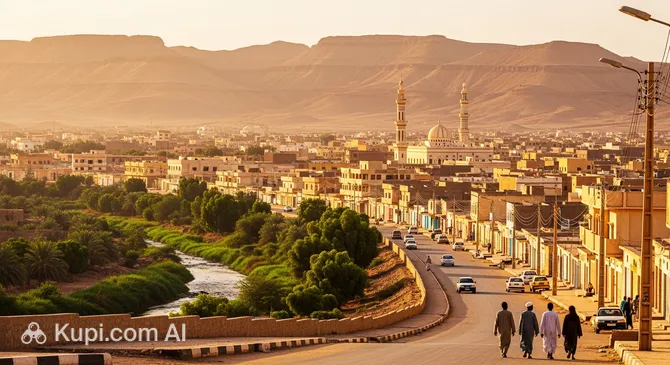
Zalingei is a significant city located in the western part of Sudan, serving as the capital of the Central Darfur State. Nestled in a region known for its dramatic landscapes, the city is home to approximately 27,000 inhabitants and acts as a bustling hub for trade and administration. Its unique position near the mountains gives it a distinct character, setting it apart from the vast desert plains often associated with the country.

Zalingei. Source: Kupi.Binoculars

The geography of the area is dominated by its proximity to the spectacular Jebel Marra mountain range. This volcanic massif influences the local climate, often making it more temperate and suitable for agriculture. The seasonal Wadi Azum runs through the city, creating a green and fertile environment during the rainy season that contrasts beautifully with the surrounding terrain.

Travelers exploring the history of Zalingei will discover its role as an educational and cultural center, anchored by the local university. The city offers an authentic glimpse into regional life, with lively markets where visitors can observe local craftsmanship and daily commerce. Its location makes it a strategic starting point for adventurers looking to witness the rugged beauty of the western highlands.

Zalingei invites visitors to experience a different side of the nation, characterized by scenic mountain views and a welcoming community. It is a destination that promises a genuine connection with the land and its people, making it a memorable stop on any journey through the region.

Weather Overview

Zalingei experiences a climate defined by distinct wet and dry seasons, influenced significantly by its location near the Jebel Marra mountains. The year typically begins with a dry and relatively mild winter, where daytime temperatures are pleasant, though nights can be cool with minimums dropping to around 13°C. As the season progresses into spring, the heat intensifies, making the pre-monsoon months the warmest time of the year.

The hottest conditions are usually felt in April and May, when average daily highs can reach up to 38°C. Travelers should be prepared for high temperatures during this dry spell. However, the weather in Zalingei undergoes a refreshing transformation with the arrival of the rainy season, which generally spans from June to September. August is typically the wettest month, seeing precipitation on most days, which brings average temperatures down to a more comfortable 24°C.

By October, the rains subside, and the region transitions back to drier conditions. The end of the year offers some of the best weather for visiting, as clear skies return and temperatures moderate. December and January are particularly pleasant, with average temperatures hovering around 22°C to 23°C, providing ideal conditions for outdoor activities.

Interesting Facts

Beyond its role as a regional capital, Zalingei holds many fascinating aspects that reveal the city's unique character and connection to the land. From its surprising greenery to its academic significance, there is much to discover about this highland city.

  • A Green Oasis: Contrary to the arid landscapes often associated with Sudan, Zalingei is renowned for its fertile soil and lush vegetation. Its location in the foothills of the Jebel Marra mountains allows for the cultivation of citrus fruits and mangoes, earning it a reputation as a significant agricultural hub.

  • Life-Giving Waters: The city is situated along the banks of Wadi Azum, a major seasonal river. During the rainy season, this wadi transforms the surrounding area into a vibrant landscape, sustaining the local ecosystem and providing a picturesque backdrop that is distinct from the desert plains.

  • Center of Learning: Zalingei is not just a trade center but also an intellectual hub, home to the University of Zalingei. Established in the 1990s, this institution plays a vital role in the educational development of the western region, drawing students and scholars to the city.

  • Volcanic Heritage: The city's unique geography is directly influenced by the ancient volcanic activity of the nearby Jebel Marra range. This geological history has created a distinct microclimate that is often cooler and more temperate than the surrounding areas.

How to Get There

Traveling to Zalingei is a journey that typically starts at Khartoum International Airport (KRT), the primary entry point for international visitors to Sudan. Since Zalingei is located in the Central Darfur State, approximately 1,100 kilometers west of the capital, the most practical way to bridge this distance is by air. Domestic flights connect Khartoum to the western regions, significantly reducing travel time compared to overland routes.

The city has its own facility, Zalingei Airport, although scheduled commercial services may be limited or seasonal. Consequently, many travelers choose to fly into larger regional airports in cities such as Nyala or El Fasher and then complete the trip by road. For a comprehensive overview of routes and transport modes, you can check more about how to get to Zalingei before finalizing your plans.

Once in the region, road transport is the primary means of navigating between towns. Buses and private taxis operate on the roads leading to Zalingei, offering a scenic drive through the foothills of the Jebel Marra mountains. While the journey can be long, it provides a unique opportunity to witness the diverse landscapes of western Sudan.

Main Attractions

While Zalingei is often viewed as a gateway to the western highlands, the city and its surroundings offer several compelling sites for travelers interested in nature and local culture. The area is defined less by built monuments and more by its stunning geography and vibrant daily life.

Undoubtedly, the most significant draw for visitors to this region is the Jebel Marra mountain range. Looming near the city, this ancient volcanic massif provides a dramatic backdrop and a playground for outdoor enthusiasts. The higher altitudes create a temperate climate that supports diverse flora, including rare orchards and waterfalls. Adventurous trekkers often use the area as a base to explore the rugged terrain, which hides spectacular features like the Deriba Crater, home to two serene volcanic lakes.

Running through the heart of the landscape is the Wadi Azum. As a seasonal watercourse, it transforms completely during the rainy season, becoming a lush, green corridor that contrasts sharply with the arid surroundings. For tourists, the banks of the wadi offer a picturesque setting for walks and a chance to observe local birdlife. It is a popular spot for residents to gather and relax, providing a glimpse into the social fabric of the city against a beautiful natural canvas.

For a taste of local commerce and culture, the Zalingei Market is an essential stop. This bustling souq is the economic heartbeat of the town, where farmers from the fertile foothills bring their produce, including the region's famous citrus fruits and mangoes. Wandering through the stalls, visitors can find traditional handicrafts, colorful fabrics, and spices, making it an excellent place to experience the hospitality and vibrant atmosphere of Central Darfur.

Local Cuisine

The local cuisine of Zalingei offers a flavorful journey that reflects the agricultural abundance of the Central Darfur State. Thanks to the fertile soil near the Jebel Marra mountains, the city is known for its fresh produce, which forms the backbone of many traditional meals. Food here is hearty, simple, and deeply rooted in the customs of western Sudan, focusing on locally grown grains, meats, and seasonal fruits.

One of the most essential dishes to try is Asida, a thick porridge that serves as a staple across the region. In Zalingei, it is often made from millet (dukhun) or sorghum, giving it a distinctive earthy flavor. It is typically served with a savory stew known as mullah, which can be prepared with dried meat, okra, or yogurt. Another culinary highlight for meat lovers is Agashe, a popular street food consisting of skewered meat marinated in a spicy peanut and spice mixture, then grilled to perfection over open coals.

When it comes to beverages, the options are refreshing and entirely non-alcoholic, in adherence to local laws and customs. The region is famous for its natural juices derived from indigenous trees. Tabaldi, made from the fruit of the baobab tree, is a creamy, nutrient-rich drink that is incredibly popular. Aradaib (tamarind juice) is another tangy favorite that offers a cooling respite from the heat. The traditional coffee ceremony, known as Jabana, is also a central part of social life, featuring strong coffee spiced with ginger and cardamom.

The food culture in Zalingei is defined by hospitality and communal dining. Locals often eat from a shared large tray, using their right hand, which fosters a sense of community and connection. For an authentic experience, tourists should visit the bustling local markets. Here, you can not only taste freshly cooked street snacks but also sample the region's renowned citrus fruits and mangoes, which are considered some of the best in the country.

Travel Tips

Preparing for a trip to Zalingei requires a bit of foresight, given its location in the heart of Central Darfur and its unique cultural landscape. To help you navigate the city with ease and respect for local traditions, here are some essential practical tips to keep in mind before you pack your bags.

  1. Clothing and Gear: Due to the conservative nature of the region, modest clothing is essential. Men should wear long trousers, while women should opt for loose-fitting clothes that cover arms and legs; carrying a lightweight scarf is also highly recommended. Since Zalingei can get dusty and the terrain near the wadi is uneven, bring sturdy, closed-toe walking shoes. Don't forget a universal travel adapter, though a portable power bank is also useful due to occasional power fluctuations.

  2. Transportation: Public transport in the Western sense (like metros or large buses) does not exist within the city. The most common way to get around is by raksha (auto-rickshaw) or tuk-tuk, which are affordable and readily available. For excursions to the outskirts or the Jebel Marra foothills, hiring a private 4x4 vehicle with a local driver is necessary, as road conditions can be challenging.

  3. Finances: The local currency is the Sudanese Pound (SDG). It is crucial to bring enough cash (USD or EUR) for your entire trip, as international credit and debit cards are generally not accepted in ATMs or shops due to banking restrictions. Exchange your money at official bureaus or banks upon arrival in larger cities or at the airport, and always carry small denominations for market purchases.

  4. Health and Safety: Pharmacies are available in the town center, but stock for specific prescription medications may be limited, so bring your own supply. Malaria is a risk in the region, especially during the rainy season, so pack strong insect repellent and consider prophylaxis. Always drink bottled or purified water and avoid tap water to prevent stomach issues.

  5. Communication: The primary language is Arabic. While you might find some English speakers at the university, it is not widely spoken in the markets or by taxi drivers. Learning a few basic phrases like "Salam Alaikum" (Peace be upon you) and "Shukran" (Thank you) will go a long way. Buying a local SIM card (Zain or Sudani) is the best way to stay connected, as Wi-Fi availability can be sporadic.

  6. Local Etiquette: Sudanese hospitality is legendary, and you may be invited for tea or coffee. Always accept food or drink with your right hand, as using the left is considered unclean. When greeting people, a handshake is common among men, but wait for a woman to extend her hand first; if she doesn't, a polite nod and a hand over the heart is the respectful gesture.

  7. What to Avoid: Strictly avoid possessing or consuming alcohol, as it is prohibited by law throughout the country. Additionally, refrain from taking photographs of government buildings, military personnel, or infrastructure like bridges, as this can lead to serious legal trouble and confiscation of your equipment.

  8. Market Insight: If you visit the local markets, don't be afraid to bargain, but do so with a smile and a sense of humor. It is more of a social interaction than a battle over price. Also, try to visit in the morning when the fresh produce, especially the region's famous mangoes and citrus, is at its best.

By keeping these practicalities in mind, you will be well-equipped to enjoy the warm hospitality and rugged beauty of Zalingei. A little preparation allows you to focus less on logistics and more on the authentic experiences that this fascinating highland city has to offer.

Entertainment & Nightlife

Entertainment and nightlife in Zalingei offer a distinct cultural experience that differs significantly from Western concepts of evening leisure. Due to strict local laws and customs throughout Sudan, you will not find nightclubs, bars, or venues serving alcohol. Instead, the "nightlife" here is centered around socialization, hospitality, and the vibrant street culture of tea and coffee drinking. The atmosphere is relaxed and communal, providing a unique opportunity to engage with the local population in a respectful and authentic setting.

The heart of evening activity is typically found around the Zalingei Main Market (Souq) and the streets surrounding the University of Zalingei. As the heat of the day subsides, these areas come alive with makeshift cafes and tea stalls run by the famous Sit al-Shay (tea ladies). These women are the pillars of social life, setting up plastic chairs and low tables where locals gather to discuss politics, sports, and daily life. The crowd is predominantly male in the later hours, though families and students also frequent these spots earlier in the evening.

For a visitor, the best way to experience this is to pull up a chair at a roadside stall and order a glass of Shai (tea) flavored with fresh mint or milk, or a cup of Jabana (spiced coffee). The dress code is conservative; men should wear long trousers, and women should dress modestly. These venues usually operate until around 10:00 PM or 11:00 PM. Prices are incredibly affordable, often costing just a few hundred Sudanese Pounds for a drink, making it an accessible way to spend an evening.

When it comes to safety and logistics, it is advisable to stick to well-lit, populated areas like the market district. While the tea circles are generally welcoming, wandering into unlit or residential outskirts late at night is not recommended. Public transport options like buses stop running early, so the best way to get around or return to your accommodation is by hiring a Raksha (auto-rickshaw). It is common practice to agree on the fare before starting your journey, as meters are not used.

During the daytime, entertainment options focus on the region's natural beauty and local culture rather than commercial amusement parks or theaters. A walk along the banks of the seasonal Wadi Azum offers a peaceful retreat and is a popular recreational spot for residents. For a more immersive cultural experience, spending time in the bustling souqs allows travelers to witness the trade of local handicrafts and produce, which serves as the city's primary form of daily entertainment.

Parks & Museums

Parks and Museums:

Zalingei offers a distinct travel experience where the lines between formal attractions and the natural environment are beautifully blurred. While the city may not possess manicured botanical gardens or large national museums in the traditional sense, it compensates with breathtaking natural landscapes and a vibrant "living culture" that permeates its streets and institutions. Visitors here are invited to explore the outdoors and immerse themselves in the daily artistic expressions of the Central Darfur region.

The most significant natural recreational area in the city is undoubtedly the seasonal wetland created by Wadi Azum. During and shortly after the rainy season, the banks of this watercourse transform into a lush, green corridor that functions much like a linear park. It is a favorite gathering spot for locals seeking shade under the indigenous trees and a cool breeze away from the city heat. For tourists, it offers a serene setting for walking and birdwatching, providing a stark, beautiful contrast to the drier terrain further afield.

Just beyond the city limits lie the foothills of the Jebel Marra mountains, which serve as a vast, open-air nature reserve for the adventurous. While not a fenced city park, this area is the primary destination for hiking and nature appreciation. The volcanic soil supports a variety of flora not seen elsewhere in Sudan, including wild orchards and dense shrubs. It is an ideal location for those who prefer rugged, untouched nature over paved pathways, offering panoramic views of the state's dramatic geography.

In terms of cultural heritage, the University of Zalingei stands as a key intellectual and cultural beacon. As a center for learning in the region, it often hosts academic and cultural events that reflect the history and traditions of Darfur. While it is an educational institution rather than a public museum, its campus is a hub for the preservation of regional knowledge, and visitors interested in the scholarly side of the city's history may find it a fascinating place to visit and engage with local students and faculty.

For a look at the region's artistic heritage, the city's traditional markets effectively serve as galleries of local craftsmanship. Central Darfur is renowned for its leatherwork, basketry, and pottery. Walking through the artisan sections of the souq allows visitors to observe master craftsmen at work, creating intricate items that have been produced here for centuries. These bustling stalls offer a more interactive and authentic experience than glass display cases, allowing you to touch, smell, and purchase the art that defines the local culture.

For a truly authentic experience, look for the small, informal nurseries or fruit gardens often maintained by local farmers on the city's outskirts. These private green spaces, filled with mango and citrus trees, are sometimes open to respectful visitors who wish to see the agricultural bounty of the region up close. It is a quiet, intimate way to understand the deep connection the people of Zalingei have with their fertile land.

Getting Around

Navigating Zalingei requires shifting expectations away from complex, scheduled public transport networks found in major global metropolises. The city does not possess a metro system, trams, or large municipal bus fleets. Instead, the local transport infrastructure is informal, decentralized, and heavily reliant on smaller, versatile vehicles that are well-suited to the local terrain and street layout.

The most ubiquitous and convenient form of transport within the city is the Raksha, a three-wheeled auto-rickshaw or tuk-tuk. These vehicles are the backbone of urban mobility in Zalingei, offering a door-to-door service that acts as a hybrid between a taxi and a private car. They are agile enough to navigate narrow or unpaved streets and are readily available in market areas, near the university, and along main roads. For slightly longer journeys or fixed routes connecting different neighborhoods, you may encounter shared minibuses or vans. These wait at informal "stations" or busy intersections until they are full before departing.

The payment system is straightforward and entirely cash-based. There are no travel cards, electronic passes, or mobile apps for booking rides. You will need to pay the driver directly in the local currency. For shared minibuses, the fare is usually a fixed, low amount. However, for Rakshas, the price is not metered and must be negotiated before you get in. It is highly advisable to carry small denominations of cash, as drivers often do not have change for large bills.

For tourists, using the system is an interactive experience. To catch a Raksha, simply flag one down from the side of the road; if it is empty, the driver will stop. When negotiating the fare, it helps to ask a local shopkeeper or your hotel reception beforehand what a reasonable price for your destination should be. Transport generally operates from early morning until sunset. After dark, finding a ride becomes significantly more difficult, so it is wise to plan your return journeys while it is still light.

Alternatives to these motorized options are limited but practical. Given the relatively compact size of the city center, walking is often the best way to explore the markets and nearby attractions. There are no official car-sharing services, bike rental schemes, or app-based taxi companies like Uber. If you plan to travel outside the city limits or visit the foothills of the mountains, the only viable alternative is to hire a private car with a driver for the day, which can usually be arranged through local contacts or accommodation providers.

Accommodation

Accommodation options in Zalingei are generally modest and utilitarian, reflecting the city's status as a regional administrative center rather than a mainstream tourist destination. Visitors should adjust their expectations accordingly, as the international luxury chains and resort-style hotels found in global capitals are absent here. Instead, the hospitality landscape is dominated by small, locally-run hotels and traditional guesthouses known as Lokandas. These establishments offer basic amenities and provide a genuine insight into local life, prioritizing function and shelter over opulence.

The most convenient areas to stay are typically located in the city center, close to the main market (Souq) and government buildings. Staying in this central zone places travelers within walking distance of essential services, transport hubs for auto-rickshaws, and food stalls. Being near the heart of the town also ensures better access to electricity and water supplies, which can be less reliable on the outskirts.

In terms of pricing, accommodation in Zalingei is generally very affordable, falling into the budget to lower mid-range categories by international standards. Payment is almost exclusively accepted in cash (Sudanese Pounds), and credit cards are virtually useless. Unlike in major tourist hubs, booking platforms like Booking.com or Expedia rarely list properties in this region. Reservations are typically made via phone if you have a local contact, or simply by walking in upon arrival, which is a common practice for domestic travelers.

Booking Tip: Since online booking is not an option, it is highly advisable to arrange your accommodation through a local guide or contact before you arrive, especially if you are visiting for work or research. Travelers should also come prepared with personal essentials; bringing a sleeping bag liner, a mosquito net, and your own toiletries can significantly improve comfort levels in basic guesthouses where amenities may be minimal.

Nearby Cities

For those looking to explore the surroundings, Zalingei serves as an excellent base for day trips to several interesting nearby locations:

One of the most scenic excursions is to the town of Nertiti, located in the heart of the Jebel Marra mountains. A relatively short drive from the city, Nertiti is famous for its lush landscapes, including the beautiful Nertiti Waterfall. The area is known for its cool climate and abundant fruit orchards, making it a refreshing retreat for nature lovers and those wishing to hike in the green foothills.

For visitors willing to venture a bit further to experience a major regional hub, Nyala offers a vibrant contrast to the quieter atmosphere of Zalingei. As a significant commercial center to the southeast, it features bustling markets where traders from across Darfur gather. A visit here provides a deeper insight into the economic life and diverse cultural tapestry of western Sudan.

City Population Distance (km)
Khartoum 7,869,000 1,022
Omdurman 2,805,396 1,018
Al Mijlad 985,000 509
Nyala 492,984 179
El Obeid 418,280 732

These nearby destinations offer a glimpse into the diverse culture and landscapes of the region.

Shopping & Souvenirs

Shopping in Zalingei offers travelers a genuinely authentic experience that stands in stark contrast to the polished retail environments of global capitals. The city does not feature high-end luxury boutiques or sprawling department stores. Instead, commerce here is driven by traditional trade, local craftsmanship, and the agricultural bounty of the Central Darfur region. Visitors will find that shopping is less about acquiring international brands and more about engaging with the local culture, bargaining for unique handmade items, and discovering the rich flavors of the land.

The primary shopping activity is concentrated in the central district of the city. This area serves as the commercial heart of Zalingei, where the main roads are lined with small, family-run shops and stalls. Here, you can find everything from fabrics and household goods to mobile phone accessories. Walking down these bustling streets provides a window into the daily lives of the residents, with the sound of haggling and the scent of spices filling the air.

Travelers looking for modern shopping malls should adjust their expectations, as Zalingei does not possess Western-style shopping centers or air-conditioned retail complexes. The concept of a "mall" is replaced here by the open-air marketplace, which functions as the community's central hub for both commerce and social interaction. If you need specific imported goods or electronics, options may be limited, so it is best to come prepared with essentials.

The undisputed highlight of the local shopping scene is the Zalingei Main Market (Souq). This vibrant and colorful marketplace is where the true spirit of the city comes alive. It is particularly famous for its fresh produce, thanks to the fertile soil of the nearby Jebel Marra mountains. Visitors can wander through stalls overflowing with the region's renowned mangoes, citrus fruits, and vegetables. Beyond food, the market is a treasure trove for traditional items, including livestock, spices, and grains, offering a sensory overload that is a photographer's delight.

For those seeking souvenirs, the region offers distinct local handicrafts that make for meaningful keepsakes. Central Darfur is well-known for its skilled leatherwork, so look for durable leather sandals, bags, and amulets. Intricately woven straw baskets and mats are also popular and easy to transport. Additionally, purchasing a bag of locally grown spices or dried hibiscus (karkade) allows you to bring a taste of Sudan back home. Traditional fabrics, such as the colorful wraps worn by local women, are also widely available and make for beautiful gifts.

When planning your shopping trips, keep in mind that opening hours generally follow the rhythm of the sun. Shops and market stalls typically open around 8:00 AM and remain active until sunset, often closing for a break during the hottest part of the afternoon and for prayer times. Friday is the holy day, so many businesses may be closed or have significantly reduced hours, particularly in the morning. Payment is almost exclusively in cash. Credit cards are not accepted in markets or small shops, so it is essential to carry sufficient Sudanese Pounds in small denominations.

Regarding tax-free shopping, Sudan does not have a VAT refund scheme for tourists. The price you negotiate is the final price you pay, and visitors should not expect to claim any taxes back at the airport upon departure.
Nearby cities

Reached the end of the page?

That means the route is fully explored