Support

South Sudan

Cities in the country

About the Country

South Sudan is one of the world's youngest nations, located in the heart of East Africa. It is a vast land where endless savannas give way to dense tropical forests and the famous Sudd wetlands, fed by the waters of the White Nile. The country's capital, the lively Juba, is situated on the banks of this great river and serves as the main gateway for exploring this remarkable and as-yet little-explored destination.
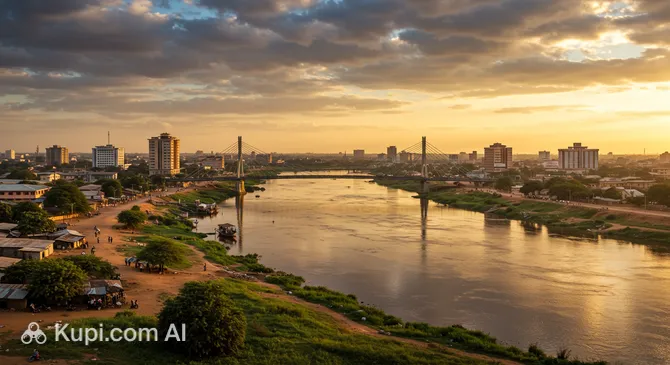
Juba. Source: Kupi.com Binoculars

South Sudan's cultural heritage is incredibly rich and diverse, with more than sixty ethnic groups residing here, each carefully preserving its own unique traditions, languages, and customs. This country is a true kaleidoscope of cultures. Its natural treasures are equally impressive: national parks such as Bandingilo, renowned for the world's largest antelope migration, and the Southern National Park offer unique opportunities for observing wildlife. Besides the capital, other cities of interest include Wau, an important commercial and cultural hub, and Bor, which plays a significant role in the region's history.

South Sudan is a destination for adventurous and curious travellers ready to discover untouched corners of Africa and immerse themselves in an authentic atmosphere. The country is gradually developing, and while its tourism infrastructure is still emerging, it offers a rare opportunity to see a world just beginning to reveal its treasures to visitors. Here, you will be met with genuine hospitality and unforgettable experiences from encounters with wild nature and a distinctive culture.
Currency

The official currency of South Sudan is the South Sudanese Pound (SSP). The banknotes of this young African nation often feature images related to its culture, history, and rich wildlife, such as portraits of the late national leader, John Garang de Mabior, and various local animals. It is advisable to familiarise yourself with the appearance of the current banknotes beforehand to avoid any misunderstandings.

It is recommended to exchange foreign currency, primarily US dollars, for South Sudanese Pounds exclusively at official banks or licensed exchange bureaus, which can be found in the capital, Juba, and other major cities. Travellers from the UAE are advised to carry US dollars for exchange, as the UAE Dirham may not be readily accepted. You should avoid exchanging money with street vendors due to the high risk of fraud and receiving an unfavourable exchange rate. It is important to know that the use of credit cards in South Sudan is extremely limited, and cash is necessary for most transactions. Although a government directive states all transactions must be in the local currency, some large hotels and establishments may still accept US dollars; however, it is best to have South Sudanese Pounds for daily expenses and purchases at local markets.

Visa Requirements

To visit South Sudan, both UAE citizens and residents are required to obtain a visa in advance of their travels. A visa on arrival service is not available for UAE nationals. The most common method is to apply for an e-Visa online, which simplifies the process and removes the need to visit an embassy in person.

For the e-Visa application, you will generally need a passport with at least six months' validity, a recent passport-style photograph, and a copy of your UAE residence visa. Depending on the purpose of your visit, you may also be asked for an invitation letter, proof of sufficient funds, return flight tickets, and hotel booking confirmations. The standard e-Visa for tourists typically allows a single entry for a stay of up to 30 days. It is also highly recommended to have a valid Yellow Fever vaccination certificate, as this is a mandatory health requirement for entry.

While the e-Visa is the primary method, visa services are also offered through the Embassy of South Sudan in Abu Dhabi. As visa regulations and application procedures can change, it is essential to verify the latest information and the complete list of required documents directly with the embassy or on the official e-Visa portal before you travel.

We'll tell you if you need a visa

Specify where you are going, or
Your citizenship
Destination

Time Zones

When planning a trip to South Sudan, you will not need to worry about changing time zones within the country. The entire territory of South Sudan observes a single time zone, UTC+2, which corresponds to Central Africa Time (CAT). For travellers from the UAE, it is useful to know that South Sudan's time is two hours behind the UAE's Gulf Standard Time (GST, UTC+4).

This means the time in the nation's capital, Juba, is the same as in any other part of South Sudan. This makes it easier to plan your travel and activities during your visit.

How to Get There

For travellers based in the UAE, the most convenient way to reach South Sudan is by air. Direct flights to the country's main international hub, Juba International Airport, are available from Dubai. These flights are operated by airlines such as flydubai and Emirates. The airport is located in the capital city, Juba. For those travelling from other emirates like Abu Dhabi, one-stop flights are readily available on carriers including Etihad Airways and Ethiopian Airlines. Travellers from other parts of the world will likely need to connect through a major regional hub such as Dubai, Addis Ababa, or Cairo.

Land travel to enter South Sudan is less common and can present significant challenges. Although the country shares land borders with several nations, scheduled international bus and rail services are poorly developed. Before planning an overland journey, it is essential to research the current situation at the borders and the viability of available routes. As South Sudan is a landlocked country, arrival by sea is not an option.

Regardless of your chosen method of travel, it is highly advisable to book tickets well in advance, particularly if your trip coincides with peak travel seasons or major local events. You should also confirm the latest visa requirements for your nationality and review current government travel and security advisories before you depart.

For your reference, here is a summary of the main airport:

Airport Name City Passenger Traffic
Juba International AirportJubaMedium

South Sudan, a country of authentic culture and impressive natural landscapes, offers travellers the chance to discover unique corners of Africa. Its main points of interest are its cities, each with its own distinct character and atmosphere. The nation's capital, Juba, serves as the main economic, political, and cultural centre. It is a dynamic city where you can feel the rhythm of modern South Sudanese life, learn about its administrative structure, and begin your exploration of the country. For visitors from the UAE, it is useful to know that there is a Muslim minority in South Sudan, and mosques and halal food options, such as the Chicking franchise which originated in Dubai, can be found in the capital.

Juba. Source: Kupi.com Binoculars

Besides the capital, South Sudan has other cities that are interesting to visit. For example, Wau, one of the country's largest cities, is known for its lively atmosphere and is an important hub for trade and transport. The city of Bor, located on the banks of the White Nile, has historical significance and offers opportunities to experience the local culture and the nature of the river region. Yei, in the south of the country, is attractive for its fertile lands and can be a starting point for exploring the agricultural traditions and daily life of local communities. Each of these cities reflects the diversity of South Sudan in its own way.

Top Attractions

South Sudan, a country of unique culture and impressive natural landscapes, is gradually opening its doors to travellers seeking unexplored routes. Although its tourism infrastructure is still developing, there are already interesting places to be found, especially in the capital, Juba, which offer a closer look at the local character.

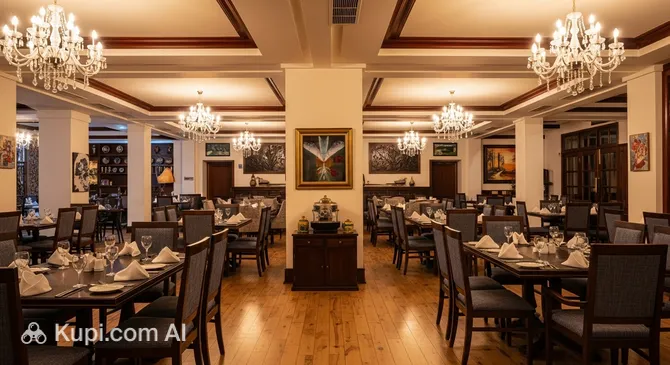
One such place is the Phenicia restaurant, a popular spot for authentic Lebanese and Middle Eastern cuisine. Visitors can enjoy a wide range of familiar dishes, from hot and cold mezza like hummus and mouhammara to char-grilled specialities such as shish taouk, kafta, and mixed grills. With its hospitable atmosphere and extensive menu of halal options, it is an excellent place to dine and experience the rhythm of life in South Sudan's capital.

Phoenicia. Source: Kupi.com Binoculars

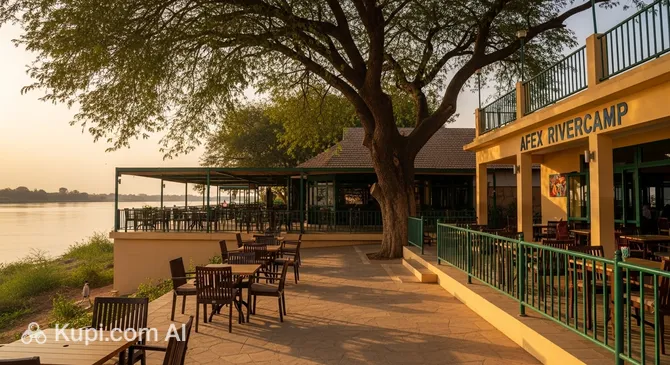
Another establishment in Juba worthy of attention is AFEX Rivercamp. Popular with the expatriate community, this venue offers a tranquil setting on the banks of the Nile River, providing a peaceful escape from the bustling city. The restaurant serves a comprehensive international menu that includes African, Mediterranean, and grilled dishes, with themed dinner nights being a regular feature. It is a superb location to relax and unwind after a busy day of exploration or business meetings, with beautiful river views and lush, shaded grounds.

AFEX Rivercamp. Source: Kupi.com Binoculars

Best Time to Visit

When planning a trip to South Sudan, it is important to consider its tropical climate, which has distinct wet and dry seasons. The high season, and the best time to visit, is usually during the dry period – from approximately November-December to March-April. During this time, the weather is predominantly hot and sunny, which makes travelling around the country much easier as the roads become more passable. This can also be the best time for wildlife viewing in the national parks, as animals tend to gather at the remaining water sources. However, you should be prepared for high air temperatures, which can reach 37°C (98°F) in the warmest month of March.

The low season, or rainy season, lasts from approximately April-May to October-November. This period sees heavy rainfall, which leads to increased humidity and makes many roads difficult or completely impassable due to flooding. Although nature comes to life and becomes lush and green during this time, and there are typically very few tourists, travelling can present significant logistical challenges. There is little information on major festivals that might significantly influence the timing of a trip for international tourists, so the main factor to consider is the weather conditions. Given the country's size, it is advisable to check the weather conditions for the specific regions you plan to visit, as there can be local climatic variations.

Traditions

The culture of South Sudan is rich and diverse, and understanding local customs will help you to gain a deeper appreciation of the country and its people. Greetings play an important role: handshakes are common and can be quite lengthy, and it is customary to greet elders first. Hospitality is a sacred concept here; declining a refreshment that is offered may be seen as disrespectful. A small souvenir from your home country for your hosts would be a thoughtful gesture, although it is not always expected. When interacting, passing items, and eating, it is customary to use your right hand, as the left hand is traditionally considered 'unclean'.

When choosing your attire, especially outside the capital, Juba, and in rural areas, opt for modest clothing: women are advised to cover their shoulders and knees. For visiting places of worship, whether churches or mosques, the dress code is even stricter. At the dining table, especially if food is served from a communal dish, it is also customary to eat with your right hand. Always try to ask for permission before photographing local people, as this is a sign of respect. Public displays of strong emotion or loud arguments are considered impolite. One of the key national holidays is Independence Day, celebrated on the 9th of July, which symbolises the nation's unity and pride and is marked by various official ceremonies and events.

Entertainment

South Sudan offers travellers unique opportunities to experience authentic African culture and nature, although its tourism infrastructure is still in a developmental stage. Active recreation is mainly centred on exploring the national parks and reserves, where you can observe wildlife, as well as hiking through picturesque landscapes, especially in the southern regions of the country. Organised sports facilities, such as for diving or skiing, are not available, but nature itself provides numerous options for active pursuits.

Cultural entertainment in South Sudan is closely interwoven with the daily life of local communities. Instead of traditional theatres and galleries, you can immerse yourself in the local atmosphere by visiting villages and experiencing traditional dances, music, and crafts. In the capital, Juba, cultural events and festivals are sometimes held, reflecting the diversity of the country's ethnic groups. While traditional museums are rare, history and culture come alive through the stories of local people and in the artefacts found within communities.

Evening entertainment in South Sudan is mostly found in Juba and a few other large towns, such as Wau or Bor. Here you can find restaurants offering both local and international cuisine, and it is advisable to seek out establishments that serve halal food. There are also social spots where residents and international visitors gather in a calm and friendly atmosphere. For shopping, the best souvenirs from South Sudan are items made by local artisans: woven baskets, wooden statuettes, beaded jewellery, and traditional clothing. These can be purchased at local markets, which are present in most towns. Specialised family entertainment, such as theme parks, is not yet widespread; however, engaging with nature and learning about the local culture can be a fascinating experience for families with children.

Currency rates

Planning a trip? Wonderful! To ensure you avoid any financial surprises during your travels, it is important to remember that currency exchange rates are constantly changing. Therefore, we strongly advise you to monitor the latest rates, both before your departure and throughout your trip. You can use the data provided below for this — we monitor exchange rates 24/7 and strive to provide the most up-to-date information.

Reached the end of the page?

That means the route is fully explored