Support

Kenya

About the Country

Kenya, located in East Africa, is a country of incredible contrasts and breathtaking landscapes. From vast savannas teeming with wildlife to majestic mountains and idyllic Indian Ocean beaches, Kenya offers unique experiences for every traveller. Its capital, Nairobi, is a dynamic, modern city that serves as a gateway to many adventures and a starting point for exploring the country's wonders. Travel from the UAE is convenient, with several daily direct flights to Nairobi.
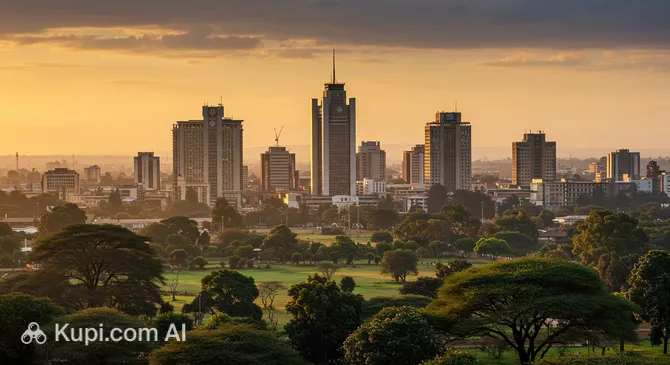
Nairobi. Source: Kupi.com Binoculars

Kenya is world-renowned for its rich cultural heritage, especially the colourful traditions of the Maasai people, and is rightly considered one of the best safari destinations on the planet. A visit to the famous Maasai Mara National Reserve provides a unique opportunity to see the "Big Five" and witness the spectacular Great Wildebeest Migration. The country is also home to part of the Great Rift Valley, with its picturesque lakes and volcanic formations creating truly stunning landscapes.

For Muslim travellers, Kenya offers a welcoming environment. Halal food is widely available, particularly in major cities like Nairobi and the coastal region of Mombasa, which has a deep-rooted Islamic heritage. Numerous restaurants, from local eateries to international chains, offer halal-certified menus, including Indian, Pakistani, and traditional Swahili cuisine. Major cities also have prominent mosques and prayer facilities, such as the historic Jamia Mosque in Nairobi. Beyond thrilling safaris, Kenya offers magnificent holidays on the Indian Ocean coast. For example, the historic city of Mombasa attracts visitors with its unique Swahili culture, ancient forts, and beautiful sandy beaches. The atmosphere in the country is very hospitable, and the local people are famous for their friendliness, making a trip through Kenya even more pleasant and memorable. It is a destination that promises not only adventure and discovery but also a deep immersion into an amazing world of wildlife and distinct culture.
Currency

The national currency of Kenya is the Kenyan Shilling (international code KES). Banknotes are adorned with images of the country's prominent figures and its rich fauna, such as lions, elephants, and rhinos, making them a unique souvenir. The coins also frequently depict local animals. It is advisable to pay attention to the year of issue on banknotes, as older series may be withdrawn from circulation.

You can exchange currency at banks and licensed forex bureaus in airports and major cities like Nairobi. It is recommended to avoid exchanging money with street vendors due to the risk of fraud or receiving counterfeit notes. Credit cards (mainly Visa and Mastercard) are widely accepted in major hotels, restaurants, supermarkets, and tour companies, especially in popular tourist areas. However, it is always useful to carry a certain amount of cash for small purchases, taxi fares, or when in remote areas.

Visa Requirements

When planning a trip to Kenya, it's important to know that visa rules have recently changed. Previously, many nationalities required an eVisa, but Kenya has now introduced a new Electronic Travel Authorisation (eTA) system for all foreign visitors, including those from the UAE. This means that while UAE passport holders do not get visa-free access, they must apply for an eTA online before travelling. The process is designed to be simpler and faster than traditional visa applications. It is recommended to apply for the eTA well in advance of your trip.

In addition to the eTA, you will need a valid passport with at least six months' validity from your planned date of entry into Kenya. You may also be asked to provide proof of return or onward flights, confirmation of your accommodation, and evidence that you have sufficient funds for your stay. It is crucial to check the latest entry requirements and the full list of necessary documents on the official Government of Kenya eTA portal before your trip, as regulations and procedures can change.

We'll tell you if you need a visa

Specify where you are going, or
Your citizenship
Destination

Time Zones

When planning your trip to Kenya, you will not need to worry about changing time zones within the country. The whole of Kenya is in a single time zone: East Africa Time (EAT), which is UTC+3. For travellers from the UAE, it is useful to know that Kenya is one hour behind Gulf Standard Time (UTC+4). This means the time in the capital, Nairobi, will be the same as in any other part of the country, whether you are on the Indian Ocean coast or in the national parks.

A single time zone makes planning your transfers and excursions across Kenya much simpler, saving you from the need to constantly adjust your watch or check the local time in different regions.

How to Get There

Getting to Kenya, the pearl of East Africa, is most convenient for travellers from the UAE by air. The country has several international airports, with the main gateway being Jomo Kenyatta International Airport (NBO) in Nairobi. It serves as a major hub for flights from the Middle East, Asia, Europe, and other African nations. Major UAE-based airlines, including Emirates, Etihad Airways, Air Arabia and flydubai, offer direct flights or convenient connections, making the journey to Kenya straightforward. Another key entry point is Moi International Airport in Mombasa, which serves the popular coastal resorts.

For those interested in overland travel or combining a trip with other African countries, it is possible to enter Kenya by bus or car from neighbouring states like Tanzania or Uganda. International bus services connect Nairobi and other major towns with cities in adjacent countries. While the region's rail network is less developed for international journeys, it can be an option for domestic travel within Kenya. Sea travel is less common for arriving in Kenya, although some cruise liners may dock at the port of Mombasa.

When planning your trip to Kenya, especially during the peak tourist seasons (July-September and December-February), it is advisable to book flights and accommodation well in advance. This not only helps in securing better prices but also guarantees availability for your desired dates. Additionally, UAE residents should check the latest visa requirements before travelling. An Electronic Travel Authorisation (eTA) is required, which should be obtained online prior to departure.

For your reference, here is a summary of the main airports:

Airport Name City Passenger Traffic
Jomo Kenyatta International AirportNairobiMajor
Moi International AirportMombasaMajor
Kisumu AirportKisumuMedium
Malindi AirportMalindiMedium
Eldoret AirportEldoretMedium

Kenya offers travellers an amazing variety of destinations, from bustling metropolises and historic port cities to world-famous national parks and serene resorts on the Indian Ocean. With convenient direct flights from the UAE, it is an accessible destination for an unforgettable African adventure. Whether you are seeking modern African culture, a deep dive into Swahili history, thrilling safaris, or a relaxing beach holiday, Kenya has something for everyone.

A great place to start your journey is the capital, Nairobi. It is a dynamic city that serves not only as Kenya's economic and political centre but also as the gateway to its natural wonders. For visitors from the UAE, Nairobi offers numerous halal-certified restaurants, from authentic Somali and Swahili cuisine to international options. Nearby, you can visit the Nairobi National Park, where wild animals roam against a backdrop of city skyscrapers. Another iconic city is Mombasa, an ancient port on the coast with a rich history, beautiful beaches, and a unique Swahili culture. Given its deep-rooted Islamic heritage, finding halal food and mosques for prayer is effortless here. Its narrow streets in the Old Town and the majestic Fort Jesus attract those who appreciate history and an authentic atmosphere. When visiting the coast, modest attire is recommended out of respect for the local culture.

Nairobi. Source: Kupi.com Binoculars

For wildlife enthusiasts, Kenya is a true paradise. The Masai Mara National Reserve is world-renowned for the Great Migration of wildebeest and zebras, as well as being home to the "Big Five". A trip here promises an unforgettable safari experience. You should also visit Nakuru, famous for its eponymous lake that attracts thousands of pink flamingos, creating a truly fantastic spectacle. Besides flamingos, you can also see rhinos, giraffes, and other animals in the lake's vicinity. These and many other places make Kenya one of the most fascinating destinations in Africa.

Top Attractions

Kenya is a country that captures the imagination with its diverse range of attractions. From vast savannas teeming with wildlife to historic forts and unique conservation centres, there is something for everyone to make their journey unforgettable.

One of the most famous places in Kenya is undoubtedly the Maasai Mara National Reserve. It is an iconic location for spotting the "Big Five"—the lion, leopard, elephant, rhinoceros, and buffalo—and for witnessing the Great Wildebeest Migration, one of the most spectacular natural events on the planet. A safari in the Maasai Mara offers a truly unforgettable experience that will last a lifetime.

Maasai Mara National Reserve. Source: Kupi.com Binoculars

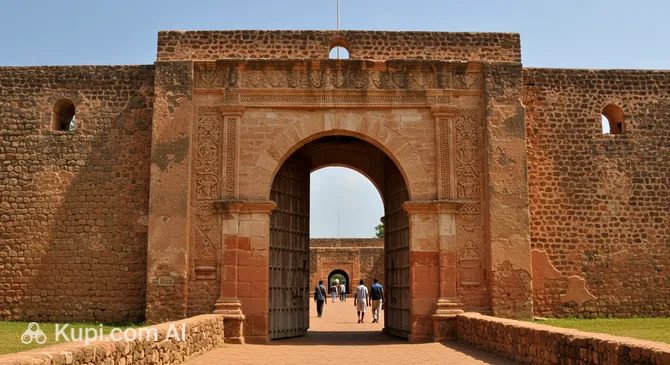
For history enthusiasts, a visit to the Fort Jesus Museum in Mombasa is a must. This impressive fortress, built by the Portuguese in the late 16th century, is a UNESCO World Heritage Site. The fort tells the story of the region's rich and often turbulent history as a major trading post on the Indian Ocean coast.

Fort Jesus Museum. Source: Kupi.com Binoculars

For an unforgettable experience, especially for families with children, the Giraffe Centre near Nairobi is a wonderful choice. Here, you can not only learn about the endangered Rothschild's giraffes but also feed these graceful giants by hand from a special platform. It is a unique opportunity to get up close with these amazing animals.

Giraffe Centre. Source: Kupi.com Binoculars

Best Time to Visit

When planning a trip to Kenya, choosing the right time of year is the key to an unforgettable experience. As a popular and accessible destination with direct flights from the UAE, Kenya offers distinct seasons for travel. The high tourist season traditionally falls into two main periods: from June to October and from December to March. These months are characterised by predominantly dry, sunny weather, creating ideal conditions for a safari, as animals gather more frequently around waterholes, making them easier to spot. The period from July to October is particularly noteworthy, as this is when you can witness the spectacular Great Wildebeest Migration in the famous Masai Mara reserve—a truly unique spectacle. The key advantages of this time are the superb opportunities for wildlife viewing and a comfortable holiday on the coast. However, it is worth noting that the high season sees the largest influx of tourists, and prices for accommodation and excursions can be significantly higher.

The low season in Kenya coincides with the rainy periods. The "long rains" usually occur from April to May (sometimes extending into early June), while the "short rains" fall from November to early December. During this time, the weather can be changeable, with frequent but generally brief downpours. The main advantages of travelling in the low season are noticeably fewer tourists, more attractive prices for accommodation and services, and incredibly lush, emerald-green scenery after the rains. This period is also considered excellent for birdwatching, as many migratory species arrive in Kenya. Possible downsides include potential difficulties with travel on washed-out roads in national parks; additionally, some smaller hotels or camps may temporarily close. It is important to remember that Kenya's climate is diverse: on the Indian Ocean coast (for example, in the Mombasa area), it is always warmer and more humid, while the central highland regions (near Nairobi or Nakuru) have a cooler climate. Coastal cities like Mombasa have a rich Islamic heritage, and halal food is widely available in restaurants and hotels. Many establishments are accommodating to Muslim travellers, often providing prayer facilities. Therefore, when choosing a time for your trip, it is always useful to check the current weather conditions for the specific regions on your itinerary.

Traditions

When travelling to Kenya, you will immerse yourself in a world of rich cultural traditions, where respect and hospitality play a key role. Greetings are an important part of communication here. It is usually a handshake with the right hand, which can be quite lengthy, especially when meeting someone for the first time. Elders or those in positions of authority are greeted with special reverence, sometimes with a slight nod of the head or by supporting the right wrist with the left hand as a sign of respect. Kenyans are very hospitable, and it is a great honour to be invited into their home. A small gift for the hosts, such as tea, sugar, or something for the children, is a welcome gesture, though not always expected. Refusing offered food or drink may be perceived as impolite, so it is best to graciously accept their hospitality. For Muslim travellers, it is worth noting that halal food is widely available in Kenya, particularly in cities and coastal areas with significant Muslim populations.

In daily life and when visiting public places, it is wise to be mindful of certain norms of behaviour. In general, Kenyans dress quite conservatively, especially in rural areas and when visiting religious sites like mosques and churches, where both men and women should cover their shoulders and knees. At the table, particularly in a traditional setting, it is customary to eat with the right hand; the left hand is often considered unclean and is not used for eating or passing items. This practice aligns with Islamic etiquette and will be familiar to many visitors from the UAE. Before photographing people, always ask for their permission as a sign of respect for their personal space. Avoid public displays of affection and do not point at people or objects with your index finger—it is better to use an open palm or a nod of the head. Significant holidays for Kenyans that reflect their history and culture include Madaraka Day (1 June), which commemorates the achievement of internal self-rule, and Jamhuri Day (12 December), which is Republic Day. Learning a few simple phrases in Swahili, such as "Jambo!" (Hello!) and "Asante!" (Thank you!), will undoubtedly endear you to the local people and make your interactions even more pleasant.

Entertainment

Kenya is a country that offers so much more than just thrilling safaris. For lovers of active recreation, there are vast opportunities here: from climbing majestic mountains like Mount Kenya to diving and snorkelling in the crystal-clear waters of the Indian Ocean off the coast of Mombasa or Malindi. Hiking through numerous national parks, such as the famous Maasai Mara National Reserve, and water sports on lakes like Naivasha are also popular.

The cultural life of Kenya is concentrated in its major cities, especially in the capital, Nairobi. Here, you can visit various museums that introduce the country's history and culture, art galleries with works by local artists, and occasionally attend concerts of traditional or contemporary music. In Mombasa, for example, you can explore historic sites like the Fort Jesus Museum, delving into the region's rich past. When visiting cultural and religious sites, it is advisable to dress modestly, with clothing that covers the shoulders and knees.

As darkness falls in cities like Nairobi and Mombasa, the evening entertainment comes to life. Visitors can enjoy a multitude of restaurants offering both local and international cuisine, with many providing halal options. The coastal areas, in particular, have a strong Islamic heritage, making halal food widely available. For those seeking evening leisure, there are also numerous lounges and clubs with diverse music and atmospheres. In terms of shopping, traditional souvenirs from Kenya include handmade crafts by Maasai artisans, wooden sculptures, batiks, jewellery, and the famous Kenyan coffee and tea. The main shopping areas and markets can be found in the centres of large cities and tourist districts.

For a family holiday, Kenya offers unique experiences, primarily centred around the world of wildlife. In addition to safaris, which will be of interest to both adults and children, there are specialised centres such as the Giraffe Centre in Nairobi, where you can get up close with the animals. Many hotels and lodges offer family-friendly programmes and amenities, making a holiday with children both comfortable and exciting. Prayer facilities are also available in major airports like JKIA in Nairobi and in many hotels and public places throughout the country.

Currency rates

Planning a trip? Excellent! To ensure the financial aspects of your journey don't come as a surprise, it's important to remember that currency exchange rates are constantly changing. The official currency in Kenya is the Kenyan Shilling (KES). Therefore, we strongly advise you to monitor the current exchange rates for the UAE Dirham (AED) to the Kenyan Shilling (KES) both before you depart and throughout your trip. You can use the data provided below for this purpose — we monitor currency rates 24/7 to provide the most up-to-date information.

KES currency exchange rate as of 02.01.2026

1 AED
~ 34.96 KES
2.97 AMD
~ 1 KES
1 AUD
~ 85.69 KES
1 AZN
~ 75.53 KES
1 BYN
~ 43.68 KES
1 CAD
~ 93.55 KES
1 EUR
~ 150.83 KES
1 GBP
~ 172.99 KES
2.55 HUF
~ 1 KES
1 INR
~ 1.43 KES
1 KGS
~ 1.47 KES
11.25 KRW
~ 1 KES
3.95 KZT
~ 1 KES
1 PLN
~ 35.77 KES
1 RUB
~ 1.63 KES
1 SAR
~ 34.24 KES
1 SGD
~ 99.87 KES
1 TRY
~ 2.99 KES
1 UAH
~ 3.04 KES
1 USD
~ 128.39 KES
93.56 UZS
~ 1 KES

Reached the end of the page?

That means the route is fully explored