Support

Samburu

About

Samburu is a captivating destination located in the rugged northern rangelands of Kenya. Far removed from the more crowded tourist circuits in the south, this region offers a raw and authentic atmosphere that appeals to adventurers and nature lovers alike. It serves as a gateway to the wild, characterized by vast, open landscapes and a sense of serenity that is hard to find elsewhere. The area is named after the Samburu people, pastoralists whose vibrant culture and traditions are deeply interwoven with the land.

Geographically, Samburu is situated north of the equator in a semi-arid zone, featuring dramatic vistas of dry plains, rocky outcrops, and distant mountain ranges. The lifeblood of this dusty landscape is the Ewaso Ng'iro River, which winds through the terrain, creating a lush oasis that attracts a high concentration of wildlife. The climate here is generally hot and dry, making the river banks the primary focus for game viewing.
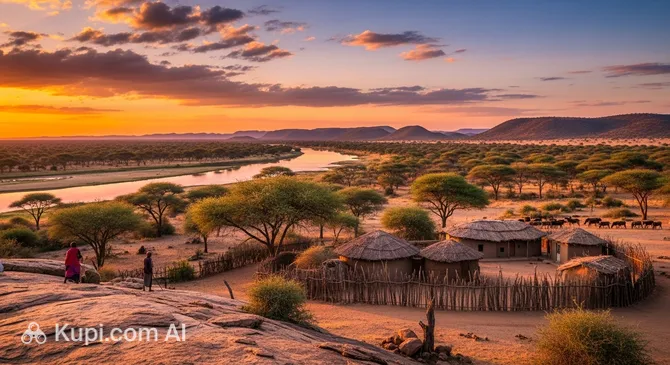
Samburu. Source: Kupi.Binoculars

While the region is famous for its natural beauty, it also holds a rich cultural heritage. Learning about the history of Samburu and its indigenous communities reveals a fascinating story of resilience and adaptation in a harsh environment. The local tribes have maintained their traditional nomadic lifestyle for centuries, herding cattle, goats, and camels through the scrubland, living in harmony with the wildlife.

For visitors, the main draw is the Samburu National Reserve, which offers exceptional game viewing opportunities. The reserve is renowned for being the home of the "Samburu Special Five"—rare northern species that include the Grevy's zebra, Somali ostrich, reticulated giraffe, gerenuk, and beisa oryx. Additionally, the park is a sanctuary for large herds of elephants and big cats, including lions and leopards, often seen resting in the shade of doum palms.

Whether you are seeking a unique safari experience or a chance to immerse yourself in a distinct cultural setting, Samburu promises an unforgettable journey. Its unique blend of arid beauty, rare wildlife, and welcoming local communities makes it a must-visit destination for anyone exploring East Africa.

Weather Overview

Travelers planning a trip should consider the weather in Samburu, which is generally warm and inviting year-round. The region enjoys a consistent climate with average monthly temperatures hovering between 21°C and 23°C, making it suitable for safaris and outdoor exploration at almost any time.

Days in Samburu are typically sunny and hot, with maximum temperatures peaking around 29.1°C in February and staying above 26°C even in the cooler months like July. Nights offer a refreshing contrast, with minimum temperatures dropping to approximately 16°C to 18°C, so packing a light layer for early morning game drives is advisable.

Rainfall patterns are distinct, characterized by two main wet seasons. April is the wettest month, experiencing about 16 wet days, followed by November with 14 wet days. In contrast, the start of the year is significantly drier; January and February see very little rainfall with only about 3 wet days each. Expect warm days throughout the year with cooler nights and distinct rainy periods in April and November.

Interesting Facts

Beyond its dusty plains and wildlife sightings, Samburu holds fascinating stories that deepen the mystery of this northern frontier. From heartwarming animal tales to ancient cultural traditions, the region offers intriguing secrets that go far beyond the standard safari experience.

  • The Miracle Lioness: In the early 2000s, the reserve became world-famous for a lioness named Kamunyak, or "The Blessed One." Defying all predatory instincts, she famously adopted and protected at least six baby oryx antelopes, treating them as her own cubs. This baffling behavior captivated zoologists and touched hearts globally, becoming a local legend of compassion in the wild.

  • The Singing Wells: One of the most enchanting cultural practices here occurs during the dry season. Samburu warriors dig deep wells into dry riverbeds and sing rhythmic, low-tone songs to their cattle while hauling water. Remarkably, the livestock recognize their specific owners' voices among the chorus and come forward to drink, demonstrating an incredible bond between the herders and their animals.

  • A "Born Free" Legacy: This rugged ecosystem served as the dramatic backdrop for the real-life adventures of conservationists George and Joy Adamson. It was in this wider region that they raised Elsa the lioness, whose story was immortalized in the classic book and movie Born Free, cementing the area's significance in global conservation history.

  • The River that Never Reaches the Sea: The vital Ewaso Ng'iro River, whose name translates to "River of Brown Water," is unique in its journey. Instead of flowing into the ocean, it travels hundreds of kilometers before spreading out and disappearing into the vast Lorian Swamp, creating a critical wetland habitat in the middle of an arid landscape.

How to Get There

Reaching this northern frontier is an adventure in itself, with air travel being the most popular and time-efficient method for tourists. For a comprehensive guide on planning your journey, you can read more about how to get to Samburu. The region is served by several airstrips that cater to safari flights, connecting travelers directly to the wilderness.

The primary local entry point is the Samburu airport (IATA: UAS), located within the region. While the data indicates it is about 99 km from the administrative center, this airstrip is crucial for accessing the national reserves. For international arrivals or domestic connections, the major hub is Wilson Airport (WIL) in the city of Nairobi, situated approximately 281 km away. Flights from Wilson Airport to Samburu take about an hour, saving significantly on travel time compared to driving. Another option is Nanyuki airport (NYK) in Nanyuki, located about 142 km from Samburu; from here, visitors often continue by road to enjoy the scenic drive north.

For clarity, here is a summary of the main airports:

Airport Name City Passenger Traffic Km from City
Wilson Airport Nairobi Large 281.0
Eldoret Airport Eldoret Medium 210.9
Nanyuki Nanyuki Medium 142.0
Samburu Samburu Small 99.2
Mulika Lodge Airport Meru Small 180.7

The city of Samburu does not have a railway station, and the rail network does not currently extend to this part of Kenya. Most travelers who do not fly opt for a road trip from Nairobi, which takes approximately 5 to 6 hours. The drive passes through the central highlands and Isiolo, offering beautiful views, though a sturdy 4x4 vehicle is recommended for navigating the terrain once you reach the reserve areas.

Main Attractions

The primary allure of this region lies in its spectacular wildlife and rugged landscapes. While the area is remote, it hosts a cluster of incredible destinations that offer a unique alternative to the busier southern parks. Here are the main attractions that make a trip to Samburu unforgettable.

Samburu National Reserve is undoubtedly the centerpiece of the region's tourism. Situated along the banks of the Ewaso Ng'iro River, this reserve is famous for its distinct biodiversity. It is one of the few places where you can easily spot the "Special Five"—rare species like the reticulated giraffe and Grevy's zebra that are endemic to this northern ecosystem. The reserve offers excellent game viewing against a backdrop of doum palms and acacia forests, providing a photogenic setting that feels truly wild.

Just across the river lies Buffalo Springs National Reserve, often visited in conjunction with its northern neighbor. The reserve gets its name from a natural spring of crystal-clear water that forms a permanent pool, attracting a steady stream of wildlife and birdlife even during the dry season. It offers a slightly different terrain, featuring rolling plains and old lava flows, and is a fantastic spot for seeing leopards and large herds of elephants cooling off in the water.

For those interested in conservation and community, the Reteti Elephant Sanctuary is a must-visit. Located in the nearby Mathews Range, this community-owned sanctuary is dedicated to rescuing and rehabilitating orphaned and abandoned elephant calves. Visitors can watch the keepers feed and care for the young elephants, gaining intimate insight into the efforts to protect these majestic giants before they are eventually released back into the wild.

To the east of the main reserves is Shaba National Reserve, known for its dramatic and rugged volcanic scenery. This area is famously associated with conservationist Joy Adamson, who spent her final years here rehabilitating a leopard named Penny, a story chronicled in her book Queen of Shaba. Shaba is generally greener than Samburu and Buffalo Springs, with riverine forests and scattered springs. It offers a more secluded safari experience, perfect for travelers seeking solitude and stunning landscapes dominated by the towering Shaba Hill.

Dominating the horizon is the sacred Mount Ololokwe, a distinctive flat-topped mountain that holds deep spiritual significance for the Samburu people. Rising abruptly from the plains, it serves as a major landmark and a beacon for adventurers. Hiking up the mountain offers breathtaking panoramic views of the vast northern frontier, making it a rewarding challenge for those looking to stretch their legs outside the safari vehicle.

Local Cuisine

The culinary experience in Samburu offers a fascinating contrast between the traditional diet of the pastoralist communities and the sophisticated fare served in safari lodges. While the region is remote, food plays a central role in the hospitality shown to visitors. For the most authentic taste of Kenya, you must try Nyama Choma, which translates to "roasted meat." In this cattle-rearing region, the meat—typically goat or beef—is incredibly fresh, slow-roasted over an open fire, and served with a pinch of salt. It is often a communal meal, perfectly reflecting the social nature of the local culture.

Accompanying the roasted meat, you will frequently find Ugali, a dense maize porridge that is the staple starch across the country. It is traditionally eaten with your hands and used to scoop up savory stews or sides like Sukuma Wiki (collard greens) and Kachumbari, a refreshing salsa made from diced tomatoes, onions, and chili. While the local Samburu diet traditionally revolves heavily around milk and meat due to their nomadic lifestyle, the camps and lodges in the reserve have adapted these local ingredients into delicious, hearty meals that cater to international palates.

When it comes to beverages, the "Sundowner" tradition is an integral part of the food culture here. As the sun sets over the savannah, it is customary to enjoy a cold drink while watching the landscape change colors. The most iconic local beer is Tusker, a crisp lager that pairs well with the heat of the day. For something non-alcoholic but equally popular, try Chai, a rich, milky tea brewed with spices and plenty of sugar, often served early in the morning before a game drive.

Dining in Samburu is as much about the setting as it is about the food. Most travelers eat within their lodges or tented camps, where the concept of the "Bush Dinner" turns a meal into an unforgettable event. Tables are set up in the wild, illuminated by lanterns and campfires, allowing you to dine under a canopy of stars surrounded by the sounds of the African night. For those venturing into administrative towns like Maralal, small local eateries known as "hotels" offer simple, affordable plates of stew and chapati, providing a glimpse into the everyday life of the residents.

Travel Tips

Visiting Samburu offers a rare opportunity to experience the raw beauty of Kenya's northern frontier, but the remote and rugged nature of this region requires some specific preparation. To ensure your adventure among the "Special Five" is as smooth and enjoyable as possible, here are some essential practical tips to keep in mind before you travel.

  1. Clothing and Gear: Pack lightweight, breathable clothing in neutral colors like khaki, beige, or green to blend in with the bush; avoid bright colors or dark blues and blacks, which can attract tsetse flies. Since temperatures drop significantly at night and during early morning game drives, bringing a warm fleece or jacket is essential. Don't forget a wide-brimmed hat, sunglasses, and a good pair of closed-toe shoes or boots for walking safaris.

  2. Transportation: The terrain in Samburu is rough and dusty, making a sturdy 4x4 vehicle absolute necessary for getting around, whether you are self-driving or hiring a driver-guide. Public transport (matatus) is available between towns like Isiolo and Maralal but is not suitable for accessing the reserves or game viewing. For convenience, many tourists prefer flying into local airstrips and using lodge vehicles for transfers and safaris.

  3. Finances: The local currency is the Kenyan Shilling (KES). While most lodges and camps accept major credit cards (Visa and Mastercard), it is crucial to carry sufficient cash in smaller denominations for tipping staff, buying souvenirs from local villages, or paying for minor services. ATMs are scarce and mostly found in larger towns like Isiolo or Nanyuki, so withdraw cash before heading into the wilderness.

  4. Health and Safety: Samburu is a malarial zone, so consult your doctor about prophylaxis before your trip and use insect repellent diligently. Always drink bottled or filtered water to avoid stomach issues. In terms of safety, never walk around your camp or lodge unescorted at night, as wild animals often roam freely through these unfenced properties; always listen to the safety briefings given by the staff.

  5. Communication: English is widely spoken by guides, lodge staff, and in the tourism industry generally. The national language is Swahili, and learning a few phrases like "Jambo" (Hello) or "Asante" (Thank you) goes a long way. Wi-Fi is standard in most lodges but can be intermittent; for mobile data, a Safaricom SIM card typically offers the best coverage in these remote areas.

  6. Local Etiquette: The Samburu people are incredibly welcoming, but it is deeply disrespectful to take photographs of them or their livestock without asking for permission first; often, a small fee is negotiated for photos. When greeting locals, a handshake is common, but it is polite to wait for an elder to extend their hand first. Always use your right hand for eating, greeting, or passing items.

  7. What to Avoid: Do not wear camouflage clothing, as it is strictly reserved for the military and police in Kenya and can lead to uncomfortable questioning by authorities. Additionally, never attempt to feed the wildlife or make loud noises during a game drive, as this disturbs the animals and ruins the experience for others.

  8. Support Local Artisans: Samburu women are famous for their intricate and colorful beadwork. If you wish to buy souvenirs, purchasing directly from local village markets or women's groups is a fantastic way to support the community economy. Be prepared to bargain politely, as it is part of the trade culture here.

By packing the right gear and respecting the local customs, you will be well-equipped to fully embrace the magic of Samburu. Prepare for dusty roads, warm smiles, and breathtaking sunsets that make every bit of the journey worth it.

Entertainment & Nightlife

Entertainment and nightlife in Samburu offer a stark and refreshing contrast to the bustling energy of a metropolis. Here, the "clubs" are the open savannahs under a canopy of stars, and the "music" is the distant roar of a lion or the chirping of crickets. While you will not find neon-lit districts or thumping discos, the evenings come alive with a unique blend of safari elegance, cultural vibrancy, and relaxed social gatherings centered around the region's lodges and camps.

The primary hub for evening entertainment is within the safari lodges and tented camps scattered along the Ewaso Ng'iro River. These venues serve as the social heart of the region after dark. The atmosphere is sophisticated yet laid-back, often referred to as "safari chic." Guests typically gather at open-air bars or around roaring fire pits—known as "bush TV"—to share stories of the day's sightings. The dress code is almost exclusively casual; comfortable safari gear or light evening wear is the norm, with a warm fleece essential for the cooling night air.

For a quintessential Samburu evening, the Elephant Bedroom Camp offers an intimate setting where dinner is often served on private decks overlooking the river. It is not uncommon for elephants to wander close to the camp boundaries, providing thrilling live entertainment that no nightclub could match. Another notable venue is the Sarova Shaba Game Lodge in the neighboring Shaba reserve. Its Chemi Chemi Bar and the riverside dining areas are perfect for enjoying a cocktail while watching crocodiles glide through the water below. For those seeking a panoramic view with their drink, the Samburu Sopa Lodge features a bar and lounge area strategically positioned to overlook a floodlit waterhole, allowing guests to continue wildlife viewing well into the night.

If you are looking for a more local and rustic experience, the town of Maralal serves as the administrative center and offers a glimpse into local life. Here, small local pubs and eateries play Kenyan pop music and serve cold beers to residents. However, this is far removed from the tourist circuit. The vibe is gritty and authentic, but it is generally recommended only for seasoned travelers accompanied by a local guide. The "nightlife" in town winds down relatively early compared to major cities, with most places closing before midnight.

Practical advice for enjoying evenings in Samburu revolves heavily around safety and timing. The best time to head to the lodge bar is immediately after your afternoon game drive, just in time for a "Sundowner"—a cherished safari tradition of watching the sunset with a drink in hand. Prices for drinks and meals in lodges are comparable to international hotel standards. Getting around at night is strictly limited to walking within your lodge grounds, and even then, you must be escorted by a Maasai or Samburu guard (askari). Never walk alone at night, as wild animals frequently move through the unfenced camp grounds.

During the daylight hours, entertainment shifts towards cultural and educational experiences. Beyond the game drives, visitors can explore traditional Samburu Manyattas (villages) to learn about the tribe's beadwork, dances, and way of life. For the active traveler, hiking excursions up the sacred Mount Ololokwe provide a physical challenge with rewarding views. In towns like Archers Post, you can visit local markets during the day to see the bustle of trade, which offers a colorful and lively atmosphere distinct from the serenity of the reserves.

Parks & Museums

While Samburu is not a city of manicured gardens and enclosed parks, it is essentially one vast, living nature reserve. The concept of "green space" here translates to ancient forests and dramatic escarpments that rise from the arid plains, while its cultural heritage is preserved not just in buildings, but in the living traditions of its people and significant historical landmarks in the administrative center, Maralal.

One of the most spectacular natural areas beyond the main game reserves is the Mathews Range, often referred to as a "sky island." Rising out of the dry desert floor, this mountain range is covered in dense, lush indigenous forest that hosts species found nowhere else in the region. It is a hiker’s paradise, offering cool, shaded trails through ancient cycads and cedar trees. The forest is also a sanctuary for melanistic (dark-coated) leopards and forest elephants, providing a completely different ecological experience from the open savannahs below.

For those venturing near the town of Maralal, the Kirisia Forest (also known as the Leroghi Plateau) offers a serene escape. This extensive forest reserve is a vital water catchment area and a haven for birdwatchers and nature walkers. The landscape features rolling hills and open glades that are perfect for trekking. It provides a rare opportunity to walk freely in a high-altitude forest environment, often accompanied by guides who explain the medicinal uses of the local flora.

In terms of history and culture, the most significant landmark is the Kenyatta House located in Maralal. This modest bungalow is a National Monument of great historical importance to Kenya. It was here that the country's founding father, Jomo Kenyatta, was detained by the colonial administration in 1961 before his release. The house has been preserved as a museum, displaying original furniture, personal effects, and photographs from that era, offering visitors a tangible connection to the nation's journey toward independence.

While there are no formal art galleries, the Cultural Manyattas (traditional homesteads) scattered across the region function as living museums. Visiting these communities allows tourists to appreciate the artistry of the Samburu people, particularly their world-renowned beadwork. The intricate necklaces and headdresses are not merely decorative but tell stories of age, social status, and marital standing. These visits offer an immersive cultural education that rivals any static museum exhibit.

For a truly breathtaking natural viewpoint, insiders recommend a trip to the Losiolo Escarpment, situated on the edge of the Kirisia Forest. Often dramatically called "World's End," this sheer drop offers one of the most stunning panoramic views in the Great Rift Valley. Standing on the edge, you can gaze out over the Suguta Valley miles below, a sight that captures the raw, rugged majesty of this northern frontier.

Getting Around

The public transport system in Samburu differs significantly from the structured networks found in major metropolitan cities. As a region defined by its vast wilderness and scattered settlements rather than a dense urban center, there are no metros, trams, or trains. Instead, the local transportation network is informal, road-based, and designed primarily to connect the main administrative towns, such as Maralal and Archers Post, with neighboring regions.

The most ubiquitous form of transport is the matatu. These are privately owned minibuses, typically 14-seaters, which serve as the main mode of travel for the local population. They operate on set routes between towns but do not follow a strict timetable. A matatu departs from the designated "stage" (bus terminal) only when it is completely full, which can sometimes require a bit of patience. They are an affordable and authentic way to travel between towns, often playing lively music and decorated with colorful art.

For short distances within towns or to reach off-road locations where cars struggle, boda-bodas (motorcycle taxis) are the standard solution. You will find riders waiting at street corners, market entrances, and near bus stages. They are agile, cheap, and capable of navigating the rough, unpaved terrain common in the area. While they offer a quick way to get around, they are best suited for short trips and adventurous travelers.

When it comes to payment, the system is simple and cash-based. There are no electronic travel cards, season passes, or ticketing apps. You pay the conductor or driver directly in cash (Kenyan Shillings) once the journey begins or upon arrival. While cash is king, M-Pesa, Kenya's mobile money service, is widely accepted even by boda-boda riders. It is advisable to carry small denominations, as drivers frequently do not have change for large banknotes. Fares for matatus are generally fixed for specific destinations, whereas boda-boda prices should be negotiated and agreed upon before you hop on.

For tourists, it is important to note that public transport is not suitable for game viewing or accessing the National Reserves. Matatus are strictly for transit between towns and are not permitted inside the parks. The most practical alternative—and the standard for visitors—is hiring a private 4x4 safari vehicle or using transfer services provided by lodges. These vehicles are designed to handle the rugged landscape and offer the safety and visibility needed for wildlife observation.

If you decide to use local transport for inter-town travel, aim to travel during daylight hours, typically between 6:00 AM and 6:00 PM. Transport availability drops sharply after dark, and night travel is generally discouraged due to road conditions and the presence of wildlife. Always board vehicles at official stages to ensure safety and avoid the confusion of unmarked cars.

Accommodation

Accommodation in Samburu is largely defined by the safari experience, offering a distinct range of options that cater primarily to nature lovers and adventure seekers. The choices generally fall into two main categories: luxury lodges and tented camps located within or on the borders of the national reserves, and budget guesthouses found in the nearby administrative towns. Unlike a typical city with high-rise hotels, the "hotels" here are often low-impact structures designed to blend seamlessly with the arid landscape.

The most coveted area to stay is undoubtedly along the banks of the Ewaso Ng'iro River. This vital water source runs through the Samburu, Buffalo Springs, and Shaba reserves, acting as a magnet for wildlife. Staying here means you can often view elephants, crocodiles, and various bird species right from the deck of your room or tent. For those on a tighter budget or looking for a mere stopover, the towns of Archers Post and Maralal offer simple, no-frills lodgings, though these lack the scenic immersion of the reserve-based properties.

For visitors seeking comfort in the wild, the region boasts several well-known establishments that combine rustic charm with modern amenities. Places like the Samburu Sopa Lodge are architecturally designed to reflect the local heritage while providing swimming pools and spacious cottages. Similarly, the Sarova Shaba Game Lodge in the neighboring Shaba National Reserve offers a resort-style experience in a rugged setting. These properties typically feature open-air dining and lounge areas that allow guests to remain connected to nature throughout their stay.

When planning your trip, it is crucial to understand the booking dynamics. The high-end lodges and camps are in high demand, particularly during the peak dry seasons (June to October and December to March). It is highly recommended to book several months in advance to secure your preferred spot, as the best locations with river views fill up quickly. Conversely, town guesthouses usually accept walk-ins, though their quality can vary significantly.

In terms of pricing, the gap is substantial. The safari lodges and luxury tented camps fall into the mid-range to luxury price bracket, often charging international rates that include full board and game drives. These are best booked via online travel platforms or through tour operators. On the other end of the spectrum, the town "hotels" are strictly budget, often costing very little, but they offer only basic amenities and are typically paid for in cash (Kenyan Shillings) upon arrival.

Nearby Cities

For those looking to explore the surroundings, Samburu serves as an excellent base for day trips to several interesting nearby locations:

Meru is a vibrant town situated on the northeastern slopes of Mount Kenya. A trip here offers a refreshing change of scenery from the arid plains of Samburu, as the region is characterized by lush greenery and rich agricultural land. It is a major hub for the production of miraa (khat) and serves as a gateway for those wishing to explore the diverse ecosystems of the Meru National Park or the foothills of Mount Kenya.

Located in the central highlands, Nyeri provides a deep dive into Kenya's colonial history and agricultural heritage. It is famous for its sprawling coffee and tea plantations that carpet the rolling hills. Visitors often stop here to visit the grave of Lord Baden-Powell, the founder of the Scout movement, located at the Paxtu cottage. Nyeri is also the primary jumping-off point for the Aberdare National Park, known for its waterfalls and dense mountain forests.

Although it requires a longer drive, Nakuru is a significant destination in the Great Rift Valley. It is globally renowned for Lake Nakuru National Park, a sanctuary that protects large populations of black and white rhinoceroses. The park surrounds a picturesque soda lake, often dotted with pink flamingos, offering a spectacular wildlife experience that complements the sightings in Samburu.

City Population Distance (km)
Meru 1,833,000 150
Nakuru 307,990 194
Eldoret 193,830 203
Molo 156,732 211
Nyeri 98,908 183

These nearby destinations offer a glimpse into the diverse culture and landscapes of the region.

Shopping & Souvenirs

Shopping:

Shopping in Samburu is a unique cultural experience rather than a typical retail therapy session. You will not find high-end fashion boutiques or sprawling department stores here. Instead, the region offers a chance to engage directly with local artisans and discover authentic handcrafted treasures. The shopping scene is informal, colorful, and deeply connected to the traditions of the Samburu people, making every purchase a direct contribution to the local community.

The main shopping hubs are centered around the small towns that serve as gateways to the reserves. Archers Post, located just outside the Samburu National Reserve, is the primary stop for tourists. Here, the roadside is lined with small curio shops and open-air stalls run by local women. These stalls are vibrant displays of color, offering everything from traditional jewelry to hand-carved wooden items. Another key area is the town of Maralal, the administrative capital, which offers a more utilitarian shopping experience with shops selling supplies, fabrics, and general goods used by the residents.

Travelers looking for modern shopping complexes or international brands should be aware that there are no shopping malls in Samburu. The region is remote and rural. The nearest modern shopping centers are located in Nanyuki, several hours' drive south, or back in the capital, Nairobi. In Samburu, the "malls" are the dusty, lively streets where commerce happens under the open sky.

The local markets are the heartbeat of trade in the region. In Maralal, the daily market is a sensory overload of sights and sounds, selling fresh produce, livestock, and household wares. It provides a fascinating glimpse into the daily lives of the pastoralist communities. Occasionally, you may encounter weekly livestock markets in smaller settlements, where cattle, goats, and camels are traded—a spectacle that is central to the local economy, though not a place for tourist souvenirs.

When it comes to souvenirs, Samburu beadwork is the undisputed highlight. The women of the tribe are renowned for their intricate beading skills, creating stunning multi-colored necklaces, bracelets, and headpieces that hold significant cultural meaning. Other popular items include the Shuka, a durable checkered fabric worn by locals which makes for a great blanket or scarf, and the Rungu, a traditional wooden throwing club or baton. You can also find beautifully carved wooden animals and locally harvested wild honey.

Most shops and stalls operate generally during daylight hours, typically from around 8:00 AM to 6:00 PM. However, stalls near the reserve gates often stay open as long as there are tourists passing through. Cash is king in Samburu. While some larger curio shops might accept US dollars, it is highly recommended to carry Kenyan Shillings (KES) in smaller denominations for bargaining. Credit cards are rarely accepted outside of the major lodges. Mobile money, specifically M-Pesa, is widely used and accepted even by small vendors.

Tax-free shopping or VAT refunds are not applicable in the informal markets and small shops of Samburu. The prices are generally low, and bargaining is an expected part of the transaction. Approach it with a smile and a sense of humor to get a fair price while respecting the artisan's work.

Reached the end of the page?

That means the route is fully explored