Support

Samburu

About the Airport

Imagine that your safari adventure begins even before the landing gear touches the ground. Samburu Airport is not just a runway, but your gateway to the very heart of the wildlife of Kenya. Located directly within the territory of the national reserve of the same name, this airfield offers a unique arrival experience. Here, instead of the usual terminals and the bustle of megacities, you are greeted by the endless expanses of the savannah and, perhaps, even the first giraffes or zebras watching your plane land.
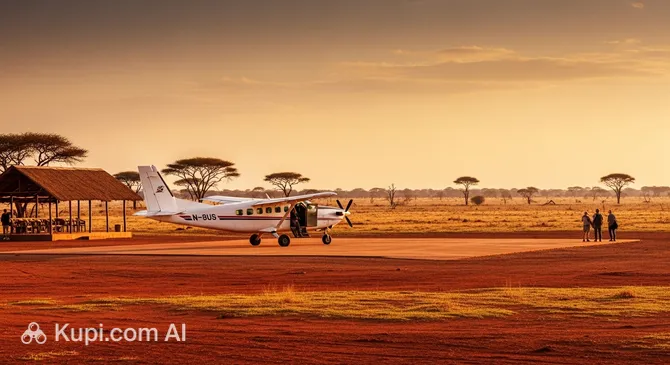
Samburu. Illustration.
Source: Kupi.com AI
PropertyValue
IATA CodeUAS
ICAO CodeHKSB
CitySamburu
CountryKenya
TimezoneAfrica/Nairobi
ScheduleOnline Timetable

The main feature of Samburu Airport is its unique location. It is situated right inside the Samburu National Reserve, allowing tourists to reach their lodges and camps as quickly and comfortably as possible, bypassing long overland transfers. It is not a full-fledged airport in the usual sense, but rather an airstrip serving small propeller planes that are ideal for flights over the savannah. Landing here becomes part of the adventure itself, as breathtaking views of wildlife open up from the window. Immediately after landing, you are usually met by representatives of your safari operator, and you set off without delay to explore the amazing animal world of the region.

Contact Information

Samburu Airport (UAS) is essentially an airstrip serving mainly tourists arriving at the national reserve of the same name. Consequently, it does not have such an extensive contact infrastructure as major international airports. In most cases, all questions should be addressed directly to the airline operating your flight.

  • Official Website: Samburu Airport does not have its own official website. It is managed by the Kenya Airports Authority (KAA), on whose website you can find general information about regional airfields.
  • Help Desk Phone: There is no direct public telephone line for the airport. For operational information, it is recommended to contact your airline (e.g., Safarilink, AirKenya).
  • Airport Address: The airstrip is located directly within the territory of the Samburu National Reserve, Kenya. There is no exact postal address with a street and house number.
  • Email: There is no specialized email address for contacting the airport. All communications are conducted through air carriers.
  • Social Media: The airport does not have official accounts on social networks.
  • Lost Luggage Information: Issues regarding lost or damaged luggage are handled exclusively by the airline on whose flight you traveled. Please contact your carrier's baggage tracing service.
  • Passenger Support Contacts: Passenger support at the airport is provided by airline staff who meet and check in passengers for flights.

How to Get to the Airport

Samburu Airport (UAS) is essentially an airstrip serving the Samburu National Reserve. Therefore, the ways to get here differ significantly from the transport systems of major cities. Route planning is an important part of preparing for your safari in Kenya.

Transfers from Lodges and Tour Operators

The most common and convenient way to get to your accommodation from the airport is a pre-arranged transfer. Almost all safari lodges, camps, and tour operators meet their guests upon arrival. The transport is usually a safari jeep. The cost of this service is often included in the accommodation package or agreed upon when booking. This is the most reliable and safe option, as the drivers know the area well.

Car Rental

For independent and experienced travelers, car rental is possible. Given the condition of the roads in the reserve, it is strongly recommended to choose a four-wheel drive SUV (4x4). It is better to rent a car in major cities, for example, in Nairobi, and set off from there. Remember that the trip from the capital may take more than 6 hours. Parking spaces near the runway are extremely limited, so this issue should be agreed upon with your lodge in advance.

Taxi and Public Transport

There are no standard metered taxis in the Samburu Airport area. Regular public transport (buses, trains) is also absent. Movement is mainly carried out on transport belonging to hotels and travel companies. The use of local "matatu" minibuses is possible for travel between cities, but not for direct access to the airstrip in the reserve.

Travel Time and Recommendations

The travel time from the airstrip to your lodge or camp can range from 15 minutes to an hour, depending on its location within the reserve. The main recommendation is to always arrange transport in advance, before your arrival in Samburu. If you are planning the route yourself, note that you can fly into larger airports, such as Nanyuki (NYK) or Mulika Lodge Airport (JJM), and organize a car transfer to the reserve from there.

Terminals and Map

Samburu Airport (UAS) is essentially a small regional airfield that serves as the main air gateway to the famous national reserve of the same name in Kenya. Do not expect huge complexes here like in international hubs. The airport consists of one small and functional terminal, which serves all domestic flights, primarily for tourists arriving for a safari.

The airport layout is extremely simple. A single building combines both the arrival and departure zones. Typically, this is one common space where the check-in counter, a small waiting area, and the exit to the runway are located. There are no long corridors or complex transitions here — everything is within walking distance. Navigation is intuitive, and getting lost here is practically impossible.

Going through all pre-flight procedures at Samburu Airport takes a minimum of time. Check-in and security screening usually pass very quickly, as the airport serves small aircraft with few passengers. The entire process from arrival at the airport to boarding the plane rarely takes more than 30-40 minutes. This allows travelers to avoid the stress and long waits characteristic of major aviation hubs.

The main recommendation for navigating Samburu Airport is not to worry. Thanks to its compact size, you will immediately see everything you need. The airfield staff is usually very friendly and always ready to help and advise. In essence, your experience at this airport is already the beginning of your adventure in the African savannah, where everything is simple, authentic, and close to nature.

History of the Airport

The history of Samburu Airport (UAS) is closely intertwined with the development of tourism in Kenya and the establishment of the national reserve of the same name as one of the leading destinations for safaris. The airport was founded in the second half of the 20th century to ensure fast and convenient access for travelers to this remote region rich in wildlife. Initially, it was a simple airstrip serving small private and charter planes delivering the first wildlife enthusiasts.

The main stages of Samburu Airport's development were aimed not at turning it into a major transport hub, but at maintaining its functionality and safety. Instead of building giant terminals, efforts were focused on improving the runway surface and navigation equipment to accommodate light and medium propeller aircraft, which are the main mode of transport in the Kenyan savannah. Each modernization was a response to the growing popularity of the reserve, allowing more guests to comfortably begin their adventure immediately upon arrival.

Unlike many airports, the history of Samburu is not a chronicle of records and massive construction projects, but rather a collection of thousands of unforgettable journeys. The most significant events here are every landed plane, from which the travelers' acquaintance with the unique "Samburu Special Five" began. An interesting fact: the airport has preserved its authentic charm. There is no hustle and bustle of large hubs here, and the "terminal" building often represents a simple but cozy structure that instantly immerses you in the atmosphere of a real African adventure even before you get into the safari jeep.

Services and Amenities

Samburu Airport (UAS) is essentially an airstrip serving as the main gateway to the famous Samburu National Reserve in Kenya. It is important to understand that this is not a large commercial airport, but a small and functional airfield designed to serve tourists arriving for safaris. Therefore, the level of amenities here is minimal and corresponds to its status.

In the airport building, you will not find the usual restaurants, cafes, or duty-free shops. Infrastructure is generally limited to a small waiting area under a canopy, where passengers can shelter from the sun before boarding their flight or transfer to a lodge. Basic soft drinks may be offered here, but one should not count on full meals. There are no business lounges or VIP lounges at the airport. Access to Wi-Fi and charging stations for electronic devices is generally unavailable, so it is recommended to bring a portable power bank.

There are no banks, ATMs, or currency exchange points on the airfield territory. All financial transactions should be made in advance in major cities, such as Nairobi. There is also no medical point; in case of need, first aid can be provided by staff or organized through your safari lodge. Specialized services for passengers with children or people with disabilities are not provided. Passengers requiring assistance need to arrange this in advance with their airline or tour operator.

There are no hotels directly at the airport, as its main function is to deliver tourists to their places of accommodation for the duration of the safari. All accommodation options are safari lodges and campsites located within the Samburu National Reserve, to which transfers are organized from the airstrip. Conference rooms or business centers are also absent at the airport.

Where to Eat

When planning a trip through Samburu Airport (UAS), it is important to consider its specifics. It is a small airfield that mainly serves tourists heading to the Samburu National Reserve and nearby conservation areas. Its infrastructure is designed for the quick and convenient transfer of travelers to their lodges and safari camps.

Due to its compact size and functional purpose, there are no restaurants, cafes, or dining lounges in the traditional sense at Samburu Airport. There are no food court zones, separate establishments in departure or arrival areas, or specialized food outlets. The airfield infrastructure is minimal and focused on handling takeoff and landing operations for small aircraft.

The main place where travelers can have a full meal is at their safari lodges and campsites. Almost all of them operate on a full board basis, offering breakfast, lunch, and dinner. It is there that you can try local Kenyan cuisine, as well as order food according to your dietary preferences (Halal, vegetarian, vegan, gluten-free dishes). Lodge staff usually clarify all guest requests in advance.

For your convenience, we recommend:

  • Have a full lunch or breakfast at your lodge before leaving for the airport.
  • Take bottled water and light snacks (snacks, fruits, nuts) with you for the journey, especially if you are traveling with children. This will help you wait comfortably for boarding your flight or the transfer to your accommodation.

Thus, when planning meals, rely not on the infrastructure of the airfield itself, but on the opportunities provided by your hotel or safari camp in Samburu.

Travel Tips

Flying through Samburu Airport is the gateway to famous national reserves and an excellent start to your safari adventure in Kenya. To ensure your journey goes as smoothly as possible, use these tips adapted specifically for small savannah airfields.

Arrival Time and Check-in. The airport in Samburu is essentially a runway with a small terminal, so there are no long queues here. Check-in procedures are very quick. Arriving here 1 hour before the departure of a domestic flight is more than enough to check in luggage and pass through control without rushing.

Luggage: Top Priority. Airlines operating safari flights impose very strict rules. Typically, the total weight of luggage (including hand luggage) must not exceed 15 kg per person. Even more important is the type of bag. Hard-shell suitcases with wheels are not allowed. You will need a soft bag (duffel), as luggage compartments in small planes are limited in size and shape. Be sure to clarify the exact requirements with your air carrier before the trip.

Seat Selection on the Plane. Flights to and from Samburu are usually operated on small propeller planes that fly at low altitudes. This is your chance to see incredible landscapes from the air! Feel free to choose a window seat to enjoy the panorama of the savannah, rivers, and perhaps even spot herds of animals.

Hand Luggage and Safety. It is worth taking the essentials in your hand luggage: documents, a camera, binoculars, and medication. Remember that its weight counts towards the total luggage limit. Standard security rules also apply: liquids in containers up to 100 ml must be packed in a transparent bag, and sharp or cutting objects are prohibited.

Convenience and Essentials. To stay comfortable, bring an empty reusable water bottle with you — it may be possible to fill it after security checks if facilities allow. Keep your passport and boarding pass handy to speed up the already fast check-in process. In such a compact airport, everything is within walking distance.

If the Flight is Delayed. Flight delays are possible, most often due to changeable weather conditions in the savannah. In such a case, remain calm and contact the airline representative. Ensure your phone and power bank are charged, and have a book or something in your bag to help pass the waiting time.

Reached the end of the page?

That means the route is fully explored