Support

Nanyuki

About

Nanyuki is a captivating town situated in Laikipia County, serving as a crucial gateway to the northern frontier of Kenya. Known for its cosmopolitan atmosphere and scenic backdrop, it offers a unique blend of adventure and relaxation. The town acts as a central hub for travelers heading north or seeking to explore the diverse landscapes of the region.
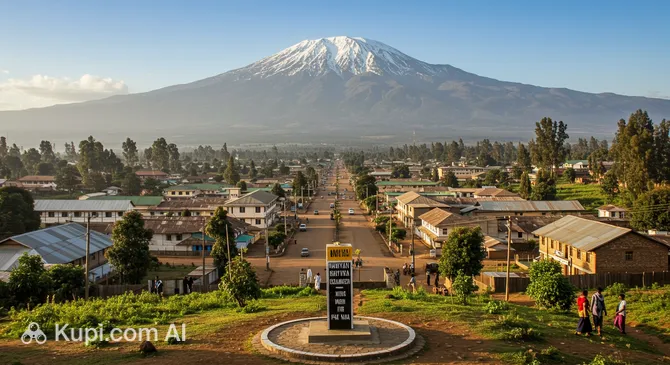
Nanyuki. Source: Kupi.Binoculars

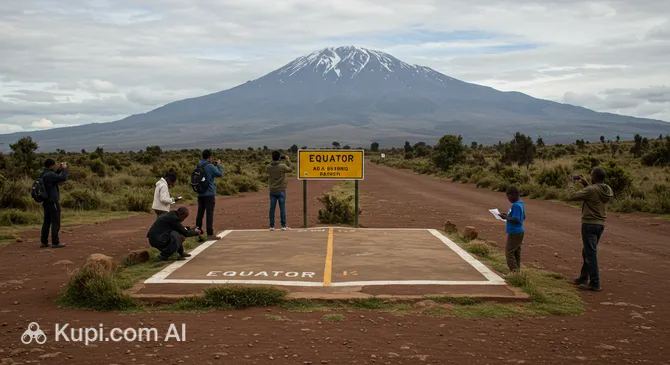
One of the most defining features of Nanyuki is its location directly on the Equator. Visitors can experience the unique novelty of standing with one foot in the northern hemisphere and the other in the southern. Despite its equatorial position, the town sits at a high altitude, which ensures a pleasant, temperate climate year-round. With a population of approximately 31,500 residents, it retains a welcoming, community-focused feel while providing essential amenities for tourists.

The town was established in the early 20th century and has since grown significantly. Those interested in the past can delve into the history of Nanyuki to understand its origins as a market center for settlers and its evolution into a modern tourism hub. Today, it still maintains some of its colonial-era charm mixed with vibrant local culture.

Nanyuki is primarily famous as the main base for climbers preparing to tackle Mount Kenya, the country's highest peak, which dominates the skyline to the southeast. The area is also surrounded by world-class wildlife destinations, such as the renowned Ol Pejeta Conservancy, where visitors can see the "Big Five" and the last remaining northern white rhinos.

Whether you are planning an arduous mountain trek or a relaxing safari, Nanyuki provides the perfect starting point. Its mix of natural beauty, geographical significance, and warm hospitality makes it a must-visit destination on any Kenyan itinerary.
Weather Overview

Thanks to its high altitude and equatorial location, Nanyuki enjoys a mild and temperate climate that remains relatively consistent throughout the year. Visitors can generally expect comfortable days with average maximum temperatures ranging from 20°C to 24°C, while nights are refreshingly cool, often dipping to around 12°C. This makes the town a pleasant destination for exploration regardless of the season, though carrying warm clothing for the evenings is always a good idea.

Precipitation patterns are distinct, with the region experiencing two main wet seasons characterized by frequent showers. The months of April, May, October, and November typically see the highest number of wet days, whereas January and February are generally the driest times of the year. For travelers looking to time their ascent of Mount Kenya or plan a safari, checking the detailed forecast for the weather in Nanyuki can help ensure the best conditions for your adventure.

Interesting Facts

Beyond the main attractions, Nanyuki holds many fascinating secrets that add depth to its character. From curious geographical phenomena to the origins of its name, there is much to discover in this highland town.
Equator Marker (Nanyuki). Source: Kupi.Binoculars
  • At the Equator Marker (Nanyuki), locals frequently demonstrate the Coriolis effect to visitors. This popular experiment involves showing water draining in different directions—clockwise and counter-clockwise—just a few meters apart on either side of the equator line, a captivating experience that has become a local tradition.

  • The town's name is rooted in the Maasai language, derived from the phrase "Enkare Nanyukie," which translates to "Red River." This moniker refers to the local river that often turns a reddish-brown hue due to the iron-rich ochre soil found in the region.

  • Nanyuki serves as the primary gateway for the Sirimon Route up Mount Kenya. This trail is distinct because it is considered the driest approach to the peak, allowing for trekking opportunities even during the rainy seasons when other routes may become difficult to navigate.

  • The town was originally established in 1907 as a central market for settlers, which has left a lasting impact on its layout and atmosphere. Today, this legacy blends with modern development, resulting in a surprisingly cosmopolitan hub with amenities like Cedar Mall serving a diverse international community.

How to Get There

Reaching this equatorial town is relatively straightforward, with options ranging from direct flights to scenic road trips through the Kenyan highlands. Whether you are arriving from an international destination or traveling from within the country, you can find more about how to get to Nanyuki to suit your itinerary and budget.

The most convenient way to arrive is by flying directly into Nanyuki Airport (NYK), which is located just 9.3 km from the town center. This small airfield primarily serves domestic flights and private charters, making it a popular choice for tourists heading to nearby conservancies. A taxi or transfer from the airstrip to the town center typically takes around 35 minutes.

For international travelers, the main point of entry is usually Jomo Kenyatta International Airport (NBO) in Nairobi. Situated approximately 148.8 km away, it is the busiest transport hub in the region. From here, visitors can connect to a domestic flight or embark on a road journey to Nanyuki, which takes about 4 hours by taxi or shuttle. Another key hub in Nairobi is Wilson Airport (WIL), located about 149.7 km from Nanyuki. Wilson Airport is the primary departure point for domestic scheduled flights, offering quick and scenic connections directly to the Nanyuki airstrip.

For clarity, here is a summary of the main airports:

Airport Name City Passenger Traffic Km from City
Jomo Kenyatta International Airport Nairobi High 148.8
Wilson Airport Nairobi Medium 149.7
Nanyuki Nanyuki Small 9.3
Samburu Samburu Small 77.5
Mulika Lodge Airport Meru Small 126.1

Main Attractions

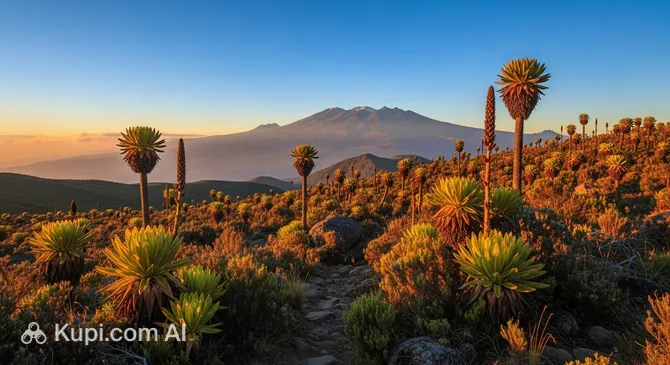
For outdoor enthusiasts and trekkers, the Sirimon Route is undoubtedly the highlight of the region. As one of the most popular paths to the summit of Mount Kenya, it offers a scenic and gradual ascent through diverse vegetation zones, from dense forests to heath and moorland. It is favored for its accessibility and the high chance of spotting wildlife such as elephants and buffaloes along the lower slopes, making it a rewarding experience even for those not aiming for the technical peaks.

Sirimon Route. Source: Kupi.Binoculars

A visit to Nanyuki would not be complete without stopping at the famous Equator Marker (Nanyuki). Located right along the main highway, this iconic signpost marks the imaginary line dividing the northern and southern hemispheres. It is a classic photo opportunity for travelers passing through the town. Visitors can engage with locals who demonstrate the Coriolis effect and browse the nearby curio shops for authentic Kenyan souvenirs.

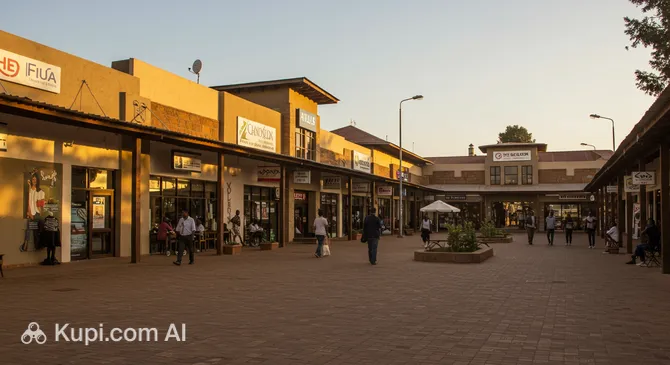
Travelers looking for a modern shopping and dining experience will find Cedar Mall to be a convenient hub. As one of the town's premier commercial centers, it houses a large supermarket, banking services, and stylish coffee shops. It is an excellent place to restock on supplies before a safari or to simply relax and enjoy a meal in a comfortable, contemporary setting that attracts a mix of locals, expats, and tourists.

Cedar Mall. Source: Kupi.Binoculars

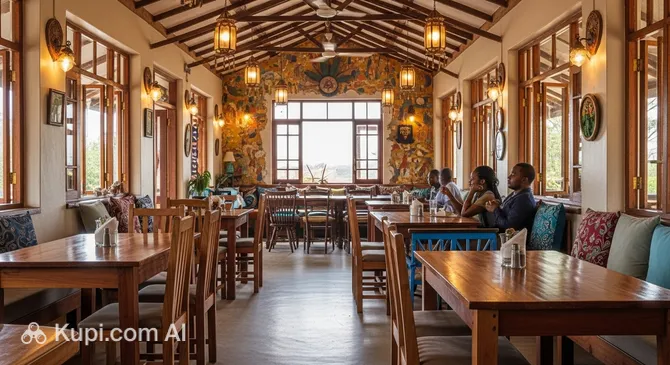
For a taste of the local social scene and excellent food, The Nook Cafe & Bar is a must-visit. Known for its eclectic menu and vibrant atmosphere, this establishment has earned a reputation as a favorite hangout spot in town. Whether you are looking for a hearty breakfast, a casual lunch, or evening drinks with friends, it offers a welcoming environment that captures the cosmopolitan spirit of Nanyuki.

The Nook Cafe & Bar. Source: Kupi.Binoculars

Local Cuisine

Nanyuki’s culinary scene is a delightful reflection of its cosmopolitan character, blending traditional Kenyan flavors with international influences. Thanks to the fertile farmlands of Laikipia and the cool waters of nearby Mount Kenya, the town is renowned for its fresh produce and high-quality meats. Visitors can expect everything from hearty local staples to refined bistro dining, making it a surprisingly diverse destination for food lovers.

One dish you simply cannot miss while in Nanyuki is Nyama Choma, Kenya's signature roasted meat. Usually made from goat or beef, it is grilled over an open fire and served with kachumbari (a fresh tomato and onion salad) and ugali (a dense maize meal porridge). For those looking for something unique to the highland region, fresh mountain trout is a local specialty. Sourced from the cold rivers flowing off Mount Kenya, it is often prepared grilled or fried and is a favorite in many local lodges and restaurants.

When it comes to beverages, the local culture is equally vibrant. Start your day with a cup of Kenyan Chai, a rich and milky tea spiced with ginger, which is a staple in almost every household. For an alcoholic option, the famous Tusker beer is the national favorite, perfect for cooling off after a day of exploration. You might also try a Dawa, a popular cocktail made with vodka, honey, lime, and crushed ice, often stirred with a sugar cane stick.

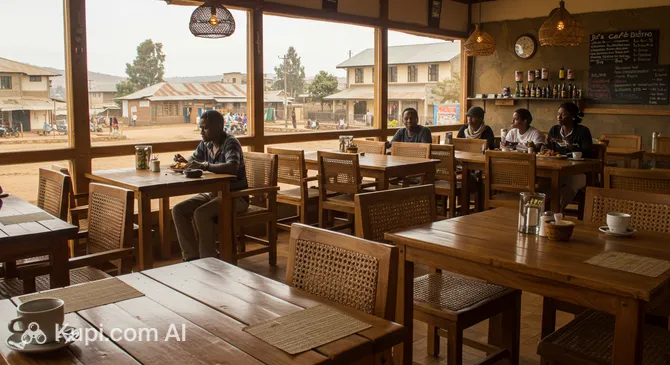
The town offers a mix of dining environments, from casual roadside eateries serving quick bites to modern establishments catering to a global palate. For a relaxed atmosphere with a great menu, Jib's Café Bistro is a fantastic choice. It is well-regarded for its coffee and diverse food options, making it a popular meeting spot for both locals and travelers passing through the town.

Jib's Café Bistro. Source: Kupi.Binoculars

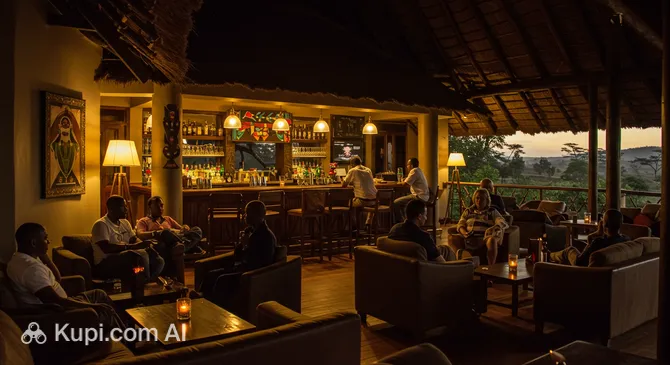
If you are looking to experience the town's nightlife or enjoy a drink in a lively setting, Moran Lounge Nanyuki offers a vibrant ambiance. It is a great place to mingle with residents and enjoy local music while sampling a variety of beverages. Additionally, for those who prefer a variety of dining choices in one location, Nanyuki Mall hosts several eateries and food courts, providing a convenient stop for families and shoppers.

Moran Lounge Nanyuki. Source: Kupi.Binoculars

Travel Tips

Welcome to Nanyuki, the gateway to the northern frontier and Mount Kenya! To help you navigate this high-altitude town with ease and make the most of your adventure, here are some practical tips to keep in mind.

  1. Pack for All Weather. Due to Nanyuki's high altitude and equatorial location, the weather can change rapidly. Bring layers: lightweight clothes for the warm, sunny days and a warm fleece or jacket for the evenings, which can get surprisingly chilly. Comfortable walking shoes are essential, especially if you plan to explore the town on foot or visit nearby conservancies.
  2. Master Local Transportation. Getting around the town center is easy on foot, but for longer distances, boda-bodas (motorcycle taxis) are the most common and affordable option; always agree on the price before hopping on. Taxis are available, particularly near major shopping centers like Cedar Mall, but they may not be as ubiquitous as in Nairobi. If you plan to explore the surrounding Laikipia plateau, renting a sturdy 4x4 vehicle is highly recommended.
  3. Embrace Mobile Money. While the local currency is the Kenyan Shilling (KES), the mobile money service M-Pesa is the preferred payment method almost everywhere, from supermarkets to roadside stalls. It is wise to register for a SIM card upon arrival to access this service. International credit cards are accepted at major hotels, malls, and restaurants, but carrying some cash is necessary for smaller vendors and tips.
  4. Health and Hydration. Nanyuki has reputable medical facilities, including the well-known Nanyuki Cottage Hospital, and pharmacies are readily available in the town center. However, you should strictly avoid drinking tap water; stick to bottled or filtered water. Since the town sits at a high elevation, stay hydrated to prevent mild altitude sickness, especially if you have just arrived from sea level.
  5. Stay Connected. English is widely spoken and is the official business language, so communication is rarely an issue. Swahili is the national language, and locals appreciate it if you learn a few basics like "Jambo" (Hello) and "Asante" (Thank you). Wi-Fi is available in most hotels and cafes, but buying a local SIM card (Safaricom has the best coverage in this region) is best for reliable internet access.
  6. Respect Local Etiquette. Kenyans are generally polite and conservative. Greetings are important; a handshake and a friendly inquiry about one's well-being often precede business interactions. When visiting markets or interacting with members of local communities like the Maasai or Samburu, always ask for permission before taking photographs, as snapping pictures without consent is considered rude.
  7. Safety Precautions. Nanyuki is generally safe and welcoming, but standard travel precautions apply. Avoid walking alone in unlit areas at night and keep valuables secure in crowded places. Be cautious of "beach boys" or overly persistent touts who may offer tours or souvenirs; it is better to book excursions through reputable agencies or your accommodation.
  8. Watch Out for Wildlife. Even within the town's outskirts, it is not uncommon to encounter wildlife, particularly baboons or zebras near the boundaries of conservancies. Keep a safe distance and never feed wild animals, as they can be unpredictable and aggressive.

With these tips in hand, you are ready to enjoy the unique charm of Nanyuki. Whether you are here to climb mountains or relax on a safari, a little preparation will ensure your trip is safe, comfortable, and truly memorable.

Entertainment & Nightlife

Entertainment in Nanyuki offers a vibrant mix of outdoor activities, social leisure, and lively nightlife, reflecting the town's diverse and cosmopolitan character. Whether you are looking to play a round of golf with a view of the mountains or dance the night away, the town provides plenty of options to keep visitors engaged after a day of exploration.

For sports enthusiasts, the local social scene often revolves around the historic Nanyuki Sports Club. This colonial-era establishment is open to visitors and features a scenic nine-hole golf course that claims to be one of the few in the world situated exactly on the equator. Beyond golf, it offers facilities for tennis and squash, making it a perfect spot for active relaxation in a disciplined yet welcoming environment.

Travelers seeking modern leisure facilities will find Cedar Mall to be a central hub for entertainment. Apart from its retail outlets, the mall is home to a cinema where visitors can catch the latest international and local films. It serves as a popular gathering place for families and groups of friends looking to unwind in a comfortable, contemporary setting.

When the sun sets, Nanyuki’s nightlife comes alive, fueled by a mix of tourists, expatriates, and locals. The town is dotted with various pubs and lounges that offer everything from quiet drinks to energetic dance floors. Moran Lounge Nanyuki is a well-known venue in this circuit, frequently hosting DJs and themed nights that capture the energetic spirit of the region.

For a lighter, quick diversion during the day, a stop at the Equator Marker (Nanyuki) provides a unique form of entertainment. Here, enthusiastic locals perform physics demonstrations to show the Coriolis effect, offering a fun and educational break for travelers passing through the heart of the town.

Parks & Museums

While Nanyuki is not defined by traditional urban parks or vast indoor museums, it serves as a gateway to some of Kenya's most spectacular natural "galleries" and conservation areas. The town's cultural heritage is best experienced through its living landscapes, community-driven art centers, and historical landmarks rather than static exhibits.

The most significant natural area surrounding the town is undoubtedly Mount Kenya National Park. Dominated by the imposing peaks of the country's highest mountain, this UNESCO World Heritage site offers breathtaking scenery ranging from bamboo forests to alpine moorlands. Visitors can access the park via the Sirimon Route, which provides a scenic and accessible path for hikers wishing to explore the diverse flora and fauna of the slopes without necessarily aiming for the summit.

Just a short drive from the town center lies the Ol Pejeta Conservancy. Although technically a private reserve, it functions as a premier wildlife park where visitors can witness the "Big Five" and visit the only chimpanzee sanctuary in Kenya. It is a world-renowned conservation success story, particularly famous for protecting the last northern white rhinos, offering a more intimate and educational nature experience than many larger national parks.

For a touch of local culture and craftsmanship, the Nanyuki Spinners and Weavers is a highlight. This women's self-help group creates beautiful hand-woven rugs, shawls, and cardigans using local sheep's wool. It operates like a living gallery where tourists can watch the traditional spinning and weaving processes and purchase authentic, high-quality textiles directly from the artisans who made them.

Art lovers should also stop by the Lily Pond Arts Centre. Set in a tranquil garden environment, this venue serves as a creative hub for the community. It often showcases local art and offers a relaxing atmosphere where visitors can appreciate the region's creative spirit, often accompanied by good food and a peaceful ambiance.

History enthusiasts can pay their respects at the Nanyuki War Cemetery. Maintained by the Commonwealth War Graves Commission, this solemn and beautifully landscaped site honors the soldiers who fought in the East African campaign during the World Wars. It stands as a poignant reminder of the town's strategic historical importance and offers a quiet space for reflection.

Insider Tip: If you have time for a day trip, venture to the Ngare Ndare Forest nearby. It is famous for its striking azure blue waterfalls and a canopy walkway that allows you to walk high among the trees, offering a unique perspective of the indigenous forest ecosystem away from the usual safari crowds.

Getting Around

Navigating Nanyuki is a distinct experience compared to larger metropolitan areas, as the town does not rely on complex metro or tram networks. Instead, the public transport system is road-based, informal, and highly flexible, perfectly suited to the town's compact layout. For most visitors, moving around is straightforward, with options ranging from walking in the central business district to utilizing local vehicles for slightly longer distances.

The most common form of collective transport is the Matatu. These vibrant, graffiti-decorated minibuses serve as the backbone of local commuting. While they do not have strict timetables, they ply specific routes connecting the town center to residential estates and neighboring market centers. They are an affordable way to travel, though they can be loud and somewhat chaotic. You simply board at a designated "stage" (bus stop) or flag one down along the main road, and the vehicle departs once it is full.

For a faster and more direct way to get around, Boda-bodas (motorcycle taxis) are ubiquitous. They are the most convenient option for "last-mile" connectivity, capable of navigating traffic and reaching areas where cars might struggle. Tuk-tuks (three-wheeled auto-rickshaws) are also available and are a better choice if you are carrying groceries or luggage, as they offer more stability and protection from the weather than a motorcycle.

The payment system in Nanyuki is almost entirely cash-based or digital via mobile money. There are no travel cards, passes, or ticket machines. Fares for matatus are generally fixed, while prices for boda-bodas and tuk-tuks should be negotiated and agreed upon before you start your journey. While carrying small denominations of the local currency is useful, most drivers prefer payment via M-Pesa, the mobile money service, as it solves the problem of finding exact change.

For tourists who prefer more comfort and privacy, taxis are readily available. Unlike in major capital cities where global ride-hailing giants dominate, Nanyuki relies more on local taxi apps and traditional dial-a-ride services. Apps like Wasili are popular in this region, offering a reliable and safe way to book a cab with transparent pricing. Alternatively, many visitors hire a trusted driver for the duration of their stay, which can be arranged through hotels or local tour operators.

If you plan to explore the surrounding conservancies or the slopes of Mount Kenya independently, renting a car is highly recommended. A sturdy 4x4 vehicle is essential for tackling the rough terrain outside the town limits. However, within the town center itself, walking is often the best option. The streets are relatively flat and easy to navigate, allowing you to soak in the local atmosphere at your own pace without the need for a vehicle.

Accommodation

Accommodation in Nanyuki is as diverse as its landscape, catering to a wide spectrum of travelers ranging from budget-conscious backpackers and mountaineers to luxury safari enthusiasts. The town serves as a major tourism hub, meaning visitors can find everything from simple, affordable guesthouses and hostels to exclusive tented camps and historic country clubs. Whether you are looking for a quick stopover before climbing Mount Kenya or a lavish retreat in the wild, the region offers plenty of choices.

For those prioritizing convenience and budget, the town center is the most practical area to stay. Hotels here are generally affordable and located within walking distance of supermarkets, transport hubs, and restaurants. This is an ideal base for climbers organizing their gear or travelers relying on public transport. Conversely, the outskirts and the surrounding Laikipia plains are home to high-end lodges and eco-cottages. Staying in these areas offers tranquility, stunning views of Mount Kenya, and often the chance to spot wildlife right from your veranda, though you will likely need a private vehicle or a taxi to reach the town center.

Booking Tip: Nanyuki is a year-round destination, but accommodation can fill up quickly during peak tourist seasons, particularly around Christmas, Easter, and the dry months favorable for climbing and safaris. If you plan to visit during these times, it is highly recommended to book your stay well in advance to secure your preferred lodging.

The price range varies significantly depending on the type of experience you seek. Budget travelers can find decent rooms and campsites for a modest fee, often payable via mobile money. Mid-range options, such as serviced apartments and standard hotels, offer good value with amenities like Wi-Fi and secure parking. On the luxury end, private conservancy lodges command higher prices but provide all-inclusive packages and exclusive game drives. While major hotels and lodges are listed on international booking platforms, many smaller, locally-run establishments are best booked by contacting them directly.

Nearby Cities

For those looking to explore the surroundings, Nanyuki serves as an excellent base for day trips to several interesting nearby locations:

Located just a short drive to the east, Meru is a vibrant agricultural hub nestled on the northeastern slopes of Mount Kenya. It offers a lush, green landscape that contrasts with the semi-arid plains of Laikipia and serves as the gateway to the remote and beautiful Meru National Park. Visitors can also explore the Meru National Museum to gain insights into the rich cultural heritage of the Ameru people.

To the west lies Nakuru, a famous city in the Great Rift Valley. It is best known for Lake Nakuru National Park, a sanctuary renowned for its rhino population and the vast flocks of flamingos that often line its shores. The city also sits near the Menengai Crater, where hikers can enjoy spectacular views of the caldera and the valley floor, making it a perfect destination for nature lovers.

City Population Distance (km)
Nairobi 5,545,000 146
Meru 1,833,000 64
Kikuyu 323,881 145
Nakuru 307,990 116
Molo 156,732 152

These nearby destinations offer a glimpse into the diverse culture and landscapes of the region, ranging from bustling agricultural centers to world-famous wildlife sanctuaries.

Shopping & Souvenirs

Shopping in Nanyuki offers a practical and diverse experience, reflecting its status as a major supply hub for the Laikipia region and a gateway to the north. The town provides a mix of modern retail convenience and traditional local commerce, making it the perfect place to stock up on safari essentials, camping gear, or unique handcrafted souvenirs. Visitors will find that the town caters well to both the local community and the steady stream of tourists passing through.

For a contemporary shopping experience, the town boasts a couple of well-equipped shopping centers. Cedar Mall is the premier destination for those seeking international standards. It houses a large, well-stocked supermarket, a pharmacy, and several clothing boutiques, along with coffee shops where shoppers can relax. It is widely considered the best place to buy high-quality groceries and imported goods before heading into the conservancies.

Nanyuki Mall. Source: Kupi.Binoculars

Another key commercial spot is Nanyuki Mall, located centrally within the town. This complex is a bustling hive of activity, featuring a major supermarket, banking halls, and various smaller shops selling electronics and apparel. It is a convenient stop for travelers who need to access financial services or purchase general supplies in a central location.

For a more authentic local vibe, the main open-air market near the bus stage is a must-visit. Here, the atmosphere is energetic and colorful, with vendors selling mounds of fresh fruits and vegetables sourced from the fertile slopes of Mount Kenya. It is also a great place to browse for "mitumba" (second-hand clothes) and observe the daily rhythm of life in the town. Additionally, the streets surrounding the market are lined with hardware stores and general merchants supplying everything from farming tools to household items.

When it comes to souvenirs, Nanyuki is famous for its high-quality handicrafts. The area around the Equator Marker (Nanyuki) is dotted with curio shops offering a wide array of Kenyan artifacts. Popular items to bring back include colorful Maasai "shukas" (blankets), intricate beaded jewelry, hand-woven baskets (kiondos), and soapstone carvings. For textiles, look out for locally spun wool products, which are a specialty of the region due to the sheep farming heritage of the highlands.

Most shops in Nanyuki typically open around 8:00 AM and close between 6:00 PM and 8:00 PM, although the major supermarkets in the malls may stay open later. Payment methods are flexible; while major malls and tourist-oriented shops accept credit cards, cash is still widely used in smaller stalls and markets. The mobile money service, M-Pesa, is the most ubiquitous and preferred payment method across the board, accepted by everyone from roadside vendors to high-end boutiques.

Reached the end of the page?

That means the route is fully explored