Support

Garissa

About

Welcome to Garissa, a lively and culturally rich city located in the eastern part of Kenya. As the capital of Garissa County, this urban center serves as a vital commercial hub and a gateway to the vast North Eastern Province. With a population of over 65,000 residents, the city offers a unique blend of traditional lifestyles and modern development, set against a backdrop of stunning semi-arid landscapes.
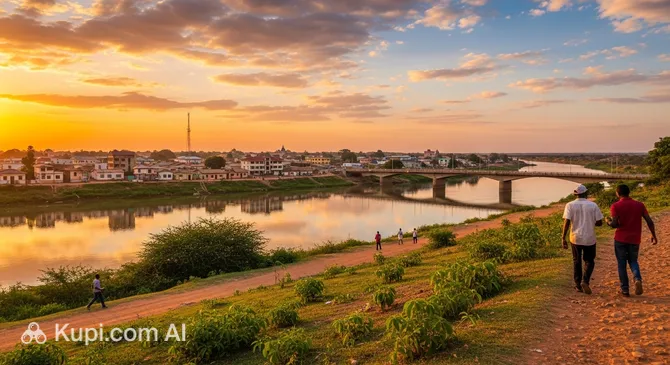
Garissa. Source: Kupi.Binoculars

Geographically, Garissa is situated along the banks of the majestic Tana River, which provides a lush lifeline amidst the region's generally hot and dry climate. The river is not only crucial for local agriculture but also creates a picturesque setting for visitors. Those interested in the past can explore the history of Garissa to understand its evolution from a small trading post to a significant regional center. The city is known for its warm hospitality and the distinct Somali cultural influence that permeates its cuisine, architecture, and daily life.

Travelers visiting the area should not miss the Bour-Algi Giraffe Sanctuary, a remarkable conservation effort located just outside the city. It is home to a large population of reticulated giraffes and other wildlife, offering excellent opportunities for photography and nature walks. Additionally, the local markets are vibrant places to experience the local trade and purchase unique handicrafts. Whether you are passing through on a safari adventure or looking to experience a different side of the country, Garissa welcomes you with open arms.

Weather Overview

Garissa is known for its consistently hot and semi-arid climate, offering warm temperatures year-round. The city experiences its highest heat levels from January to March, where average temperatures often exceed 30°C and daily highs can reach up to 35.6°C. The months of July and August are slightly cooler but still warm, with average temperatures dipping to around 26.7°C. For travelers planning their visit, checking the detailed weather in Garissa is recommended to prepare for the heat.

Precipitation in the region follows a distinct pattern, with the highest frequency of wet days occurring in April and November. While rainfall volume is generally low, November can see up to 14 wet days, contrasting sharply with the dry season. From June through September, the weather is exceptionally dry, often recording zero wet days. Overall, visitors should expect hot, sunny days with occasional rain during the wet seasons and mild nights where temperatures rarely fall below 21°C.

Interesting Facts

Beyond its role as a commercial hub, Garissa hides intriguing details that highlight its ecological and economic importance. Here are some fascinating aspects of the city and its surroundings that are often overlooked.

  • Garissa is home to the largest grid-connected solar power plant in East and Central Africa. The massive 50MW facility covers a vast area and has significantly reduced the region's reliance on fossil fuels, marking a major milestone in the green energy initiatives of Kenya.

  • The region serves as a critical sanctuary for the Hirola, which is considered the world's rarest antelope. Often referred to as the "four-eyed antelope" due to its distinct large preorbital glands, this critically endangered species is endemic to this part of the country and is a true treasure for wildlife conservationists.

  • The city hosts one of the most significant livestock markets in the entire East African region. It acts as a primary trading ground where thousands of camels, cattle, and goats are bought and sold, reflecting the deep-seated pastoralist culture and economic vitality of the area.

  • Despite the semi-arid environment, the Tana River creates a unique gallery forest ecosystem nearby that supports rare biodiversity. This narrow strip of lush vegetation provides the only known habitat for the Tana River Red Colobus and the Tana River Mangabey, two highly endangered primate species found nowhere else on Earth.

How to Get There

Reaching this bustling commercial hub in eastern Kenya typically involves a journey by road, as it serves as the primary gateway to the North Eastern Province. While the city is well-connected by bus services from major urban centers like Nairobi, travelers looking for faster options might consider flying into regional airstrips in neighboring counties and completing the journey by car. You can find comprehensive information on all available routes and transport modes in our guide on how to get to Garissa.

The city of Garissa does not have a major commercial airport listed in the immediate vicinity, so visitors often fly into airports located in other towns. The closest option provided is Mulika Lodge Airport (IATA: JJM), situated in Meru, approximately 175 km away. From there, travelers can arrange ground transport to reach their final destination. Another option is to fly into Lamu (IATA: LAU) in the coastal city of Lamu. However, this is located at a distance of about 244 km, requiring a subsequent transfer by road. Alternatively, Wajir Airport (IATA: WJR) in Wajir serves the northern region and is located about 247 km from Garissa.

For clarity, here is a summary of the main airports in the wider region that can serve as entry points:

Airport Name City Passenger Traffic Km from City
Mulika Lodge Airport Meru Small 175.3
Lamu Lamu Small 243.8
Wajir Airport Wajir Medium 246.8
Samburu Samburu Small 259.3
Nanyuki Nanyuki Small 294.0

There are no railway stations in the immediate vicinity of Garissa, as the railway network does not currently extend to this part of the country. Most visitors arriving by public transport utilize the extensive network of buses and matatus (minibuses) that connect Garissa to Nairobi and Mombasa. The road journey offers a chance to see the changing landscapes of Kenya, transitioning from the highlands or coast into the semi-arid terrain of the north-east.

Main Attractions

While Garissa is primarily known as a commercial center, it offers a distinct set of attractions that provide a deep dive into the culture and natural beauty of North Eastern Kenya. Visitors here can step off the beaten path to experience unique wildlife encounters and vibrant local traditions that are unlike anywhere else in the country.

Bour-Algi Giraffe Sanctuary is undoubtedly the crown jewel of the area's tourism. Managed by the local community, this sanctuary is a heartwarming success story of conservation and coexistence. It is home to a thriving population of reticulated giraffes that roam freely and are remarkably comfortable around humans. Tourists flock here for the rare opportunity to walk relatively close to these gentle giants in their natural habitat, making it a dream location for wildlife photographers and nature lovers seeking an intimate experience with African fauna.

The majestic Tana River offers a refreshing contrast to the arid surroundings of the city. As Kenya's longest river, it creates a lush green belt that sustains a variety of birdlife and animals. Visitors can enjoy the scenic views along the riverbanks, which are perfect for peaceful walks and birdwatching. The riverine ecosystem is a haven for biodiversity, and lucky observers might spot hippos or crocodiles in the water, adding a thrill to the serene landscape.

For a truly immersive cultural experience, the Garissa Livestock Market is a must-visit. It is one of the largest markets of its kind in East Africa and serves as the economic heartbeat of the region. The sight of hundreds of camels, cattle, and goats being traded is a spectacular display of the local pastoralist lifestyle. The energy here is palpable, offering tourists a fascinating glimpse into the traditional commerce and daily life of the Somali community that calls this region home.

Local Cuisine

The culinary landscape of Garissa is a vibrant reflection of its rich Somali heritage, offering a distinct flavor profile that sets it apart from other regions in Kenya. The food here is hearty, aromatic, and deeply rooted in pastoralist traditions. Dining in the city is a communal affair, where meals are often served on large platters meant to be shared among friends and family, symbolizing the warm hospitality of the local people.

A visit to Garissa is incomplete without trying camel meat, which is the region's signature delicacy. It is lean, nutritious, and widely available in local eateries. One of the most popular preparations is suqaar, consisting of small cubes of meat fried with onions, peppers, and a blend of spices. This is typically served alongside mounds of fragrant, spiced rice known as bariis or spaghetti (baasto), a culinary staple adopted from historical Italian influences in the Horn of Africa. Visitors will often find a fresh banana served with their savory meal; the local custom is to slice it into the rice or pasta to add a sweet contrast to the spices.

For breakfast, the town wakes up to the smell of anjero, a spongey, pancake-like flatbread made from fermented dough. It is similar to Ethiopian injera but smaller and usually eaten with sesame oil and sugar, or scooped up with a side of liver or goat stew. This provides a high-energy start to the day, suitable for the hot climate of the North Eastern Province.

The beverage culture in Garissa is dominated by Shaah, a sweet and milky Somali tea infused with aromatic spices like cardamom, cloves, and cinnamon. Tea shops are vital social hubs where locals gather to discuss news and business. For a truly authentic experience, adventurous travelers should try fresh camel milk. It is a prized drink in this semi-arid region, known for its rich nutrients and slightly salty, smoky taste. Since Garissa is a predominantly Muslim city, alcohol is not part of the traditional local diet, and the social scene focuses heavily on tea, coffee, and fresh juices.

Travel Tips

To ensure a smooth and enjoyable visit to Garissa, it is helpful to understand the local customs and environmental conditions of this unique region. These practical tips will help you navigate the city with confidence, respecting the local culture while making the most of your travel experience.

  1. Clothing and Gear: Due to the hot, semi-arid climate, lightweight and breathable fabrics like cotton or linen are essential to stay cool. However, Garissa is a predominantly Muslim city with conservative values, so modesty is key. Women should wear loose-fitting clothes that cover the shoulders and knees, and a headscarf is respectful when walking in public areas. Men should generally wear long trousers rather than shorts. Don't forget a wide-brimmed hat, sunglasses, and high-SPF sunscreen to protect against the intense equatorial sun.

  2. Transportation: The most convenient way to get around the city center is by tuk-tuk (three-wheeled auto-rickshaw) or boda-boda (motorcycle taxi). They are affordable and readily available. Taxis are also an option for longer distances or more comfort. It is important to agree on the fare with the driver before starting your journey, as meters are rarely used. Car rental is possible but generally not necessary within the town itself unless you plan to travel to remote surrounding areas.

  3. Finances: The official currency is the Kenyan Shilling (KES). While major banks and ATMs are available in the city center, cash is still king in local markets and smaller eateries. International credit cards may be accepted at larger hotels, but they are not widely used elsewhere. A highly recommended "life hack" for Kenya is to register for M-Pesa, a mobile money service that is ubiquitous; you can pay for almost anything, from a bottle of water to a hotel room, using your phone.

  4. Health and Safety: Garissa gets extremely hot, so staying hydrated is your top priority; always carry bottled water and avoid tap water. The region is a malaria zone, so bring strong insect repellent and consider taking prophylaxis. Pharmacies are available in the town center for basic needs. As in any city, keep your valuables secure and avoid walking alone in poorly lit areas at night. Stick to main streets and bustling areas where locals are present.

  5. Communication: English and Swahili are official languages, but given the city's demographics, the Somali language is widely spoken. Most people in the service industry will speak English or Swahili. Buying a local SIM card (Safaricom or Airtel) is easy and affordable, providing you with reliable 4G data coverage in the city. Learning a few words like "As-salamu alaykum" (Peace be upon you) or "Habari" (Hello in Swahili) will go a long way in breaking the ice.

  6. Local Etiquette: Greetings are an important part of the social fabric here. It is polite to greet people before asking a question or starting a transaction. Always use your right hand for eating, greeting, or passing items to others, as the left hand is considered unclean in local custom. If you are invited into a home, remember to remove your shoes at the door.

  7. What to Avoid: Avoid public displays of affection, such as holding hands or kissing, as this is culturally frowned upon. Additionally, do not take photographs of government buildings, police officers, or military personnel, as this is strictly prohibited. Always ask for permission before taking photos of local residents.

  8. Additional Tip: Embrace the local schedule to beat the heat. The city is most active in the early mornings and late afternoons. Plan your outdoor activities or market visits before 11:00 AM or after 4:00 PM. During the peak heat of the day, take a cue from the locals: find a shady spot, enjoy a cup of spiced tea, and rest.

By keeping these simple guidelines in mind, you will find it easy to connect with the friendly residents of Garissa and enjoy the city's distinct charm. A little cultural awareness and preparation will ensure your journey to this fascinating part of Kenya is both safe and memorable.

Entertainment & Nightlife

Entertainment and nightlife in Garissa differ significantly from the bustling party scenes found in Nairobi or Mombasa. Due to the city's predominantly Muslim population and conservative cultural values, the nightlife here is more understated and revolves around social connection rather than nightclubs or loud bars. The evening atmosphere is characterized by a relaxed pace, where locals and visitors gather to enjoy the cooler night air after the heat of the day subsides.

The heart of the city's social life beats in its tea shops and open-air eateries, particularly along Kismayu Road and the main town center. As the sun sets, the streets remain lively with people shopping and socializing. The culture of drinking spiced tea, known as Shaah, is central to the evening experience. Groups of friends sit for hours at roadside stalls or restaurant terraces, engaging in animated conversations. For a visitor, joining this tradition offers a genuine taste of local hospitality and a chance to observe the community's vibrant social fabric.

For tourists seeking a more conventional evening out, the major hotels serve as the primary venues for entertainment. These establishments provide a secure and comfortable environment for dining and relaxing. Almond Resort is one of the most popular spots in the city, featuring a pleasant restaurant and lounge area where guests can unwind by the pool. Nomad Palace Hotel is another key venue, known for its excellent cuisine and upscale atmosphere. While alcohol is not widely available in the city due to local customs, some hotel lounges may cater to travelers, though it is always best to check in advance. Lantern Resort also offers a quiet retreat for an evening meal under the stars.

When planning a night out, timing is everything. The city comes alive after 6:00 PM when the temperature drops. The dress code is conservative; even in the evening, it is respectful to dress modestly, covering shoulders and knees. Prices for food and drinks are generally very affordable compared to the capital. For transportation, tuk-tuks are the most common and convenient way to get around at night. They are inexpensive and can drop you right at your hotel gate.

Safety is an important consideration for nightlife in Garissa. It is highly recommended to stick to well-lit main roads and the secure grounds of major hotels. Avoid walking alone in quiet or unlit areas late at night. If you need to move between venues, ask your hotel reception to arrange a trusted taxi or use a known tuk-tuk driver. The city center is generally safe during the early evening when it is crowded, but caution is advised as the night progresses.

While the focus here is on the evening social scene, daytime entertainment in Garissa offers its own charm. Visitors can explore the local culture through the architecture of the town's mosques or take a trip to the nearby riverbanks for a scenic view. Although the city lacks large amusement parks or theaters, the natural beauty of the surrounding landscapes and the bustling activity of the daily markets provide plenty to see before the sun goes down.

Parks & Museums

Garissa offers a distinct experience where green spaces are defined by wild riverine ecosystems rather than manicured lawns, and cultural heritage is observed in daily life rather than enclosed in glass cabinets. While the city does not boast traditional botanical gardens or large national museums, its natural landscapes and vibrant street culture serve as open-air exhibits for travelers willing to explore.

The most significant natural area is the Tana River Green Belt. As the city's primary lifeline, the riverbanks form a lush, narrow strip of vegetation that contrasts sharply with the surrounding semi-arid terrain. This area functions as a natural park where locals and visitors can find shade under acacia and riverine trees. It is an excellent spot for birdwatching, as the water attracts numerous species, including kingfishers and storks, making it a peaceful retreat from the dusty city center.

Another key natural site is the Bour-Algi Giraffe Sanctuary. Although often categorized as a wildlife attraction, it effectively serves as a protected nature reserve. Managed by the local community, this sanctuary allows visitors to walk among the acacia woodlands that host a large number of reticulated giraffes. It offers a raw, immersive nature experience that rivals traditional parks, providing a unique opportunity to connect with the environment without fences or barriers.

In terms of museums and galleries, Garissa does not currently have a dedicated public museum. However, the Garissa Bridge stands as a monumental piece of engineering and history. Spanning the Tana River, it is not just a transport link but a symbolic gateway to North Eastern Kenya. For architecture enthusiasts, the bridge offers a vantage point to view the river and the city's layout, representing the connection between the developed central regions and the vast northern frontier.

The city's cultural history is best experienced as a "living museum" through its numerous Mosques and Islamic Architecture. Garissa is dotted with beautiful mosques that reflect the deep-rooted Islamic faith of the Somali community. The distinctive minarets and arched doorways provide insight into the region's spiritual and architectural heritage. While entry for non-Muslims may be restricted in prayer halls, the exteriors are photogenic and culturally significant landmarks.

For an authentic insider experience, look for the small, informal craft workshops near the main market area. Here, you can observe artisans creating traditional Somali headrests (borkin), woven mats, and leather goods. These workshops act as informal galleries where the artistic traditions of the pastoralist communities are preserved and displayed, offering a genuine connection to the local history that no formal museum could replicate.

Getting Around

Navigating Garissa is a straightforward and authentic experience, though it differs significantly from the structured public transport systems found in major global metropolises. The city does not have a metro, tram, or large municipal bus network. Instead, the local transport system relies heavily on informal, flexible modes of travel that are well-suited to the region's climate and urban layout. For most visitors, the primary way to move around the town center is by using tuk-tuks (auto-rickshaws) and boda-bodas (motorcycle taxis).

Tuk-tuks are the most popular and convenient option for tourists. These three-wheeled vehicles are covered, offering much-needed shade from the intense sun while allowing a breeze to pass through. They are abundant, affordable, and can be hailed easily from the roadside in any busy area. For faster, short-distance trips, boda-bodas are the standard choice. They are agile and can weave through traffic, but they offer less comfort and safety than tuk-tuks. If you choose a motorcycle taxi, always ensure the rider provides a helmet for your safety.

The payment system in Garissa is almost exclusively cash-based or digital via mobile money. There are no travel cards, passes, or ticket machines. The local currency is the standard medium of exchange, and it is advisable to carry small denominations (coins and smaller notes) as drivers often struggle to find change for large bills. Alternatively, M-Pesa, the mobile money service, is widely accepted by tuk-tuk and boda-boda operators. Paying with your phone is often preferred as it eliminates the hassle of finding exact change.

Practical advice for using transport here centers on negotiation. Since vehicles do not have meters, you must agree on the fare with the driver before you start your journey. Ask a local or your hotel receptionist for the approximate price to your destination to avoid being overcharged. Transport is readily available from early morning until around 9:00 PM. Late at night, finding a ride on the street becomes difficult, so it is best to arrange transport in advance if you plan to be out late.

For those seeking alternatives to the open-air options, traditional taxis are available but are not as commonly seen cruising the streets for passengers. They are usually parked at specific stands near major hotels, the main market, or bus stations. Ride-hailing apps are generally not active or reliable in this specific region, so relying on hotel-arranged taxis or trusted local drivers is the best strategy. Walking is possible for very short distances, but due to the high temperatures, it is often more comfortable to hop into a tuk-tuk even for a few blocks.

Accommodation

Accommodation in Garissa is primarily tailored to meet the needs of business travelers, government officials, and NGO workers, but the sector has expanded to offer comfortable stays for tourists as well. While the city does not host large international luxury chains, visitors will find a selection of locally managed hotels that pride themselves on cleanliness, security, and warm hospitality. The options range from modern resorts with business facilities to smaller, budget-friendly guesthouses.

One of the most prominent establishments in the city is the Almond Resort. It is widely considered a top choice for travelers seeking a blend of comfort and leisure. The resort is particularly famous for its swimming pool—a rare and highly appreciated amenity in the region's intense heat. Guests here can enjoy spacious rooms and a restaurant that serves a variety of cuisines, making it a self-contained oasis within the bustling town.

Another excellent option is the Nomad Palace Hotel, known for its upscale atmosphere and modern architecture. It is a favorite venue for conferences and events, offering reliable services and well-appointed rooms. The hotel’s restaurant is also a highlight, offering delicious Somali and international dishes in a refined setting. For those seeking a quieter environment, Lantern Resort offers a peaceful retreat with decent lodging and dining facilities, suitable for a restful night after exploring the city.

When choosing where to stay, prioritizing air conditioning is essential due to the consistently high temperatures in this part of Kenya. Most reputable hotels provide AC, Wi-Fi, and en-suite bathrooms as standard amenities. Additionally, since the city is located near the Tana River, mosquitoes can be present; ensure your room is equipped with a mosquito net or that the hotel provides adequate pest control measures.

Hotels in Garissa are generally very affordable compared to major tourist hubs like Nairobi or Mombasa. However, availability can sometimes be tight during regional government meetings or large NGO workshops. It is advisable to book your accommodation in advance. While larger hotels may accept credit cards, it is highly recommended to have M-Pesa (mobile money) or cash on hand for incidental expenses and smoother transactions.

Nearby Cities

Garissa serves as the primary gateway to North Eastern Kenya, and due to the vastness of the region, it is located at a considerable distance from other major urban centers. However, the road network connects the city to several key towns that act as regional headquarters and commercial hubs. Travelers willing to venture further can reach the agricultural highlands and bustling trade centers that lie to the west and north.

Below is a list of cities located within a reachable distance, offering a variety of environments from semi-arid landscapes to lush green hills:

City Distance (km) Population
Habaswein 163 174,134
Meru 230 1,833,000
Machakos 290 114,109
Muranga 292 123,000
Thika 293 99,322

Habaswein is the closest significant town, situated to the northeast, and shares a similar semi-arid climate and cultural backdrop. In contrast, traveling towards Meru and Thika brings visitors closer to the central highlands, where the climate becomes cooler and the scenery transforms into rich agricultural land known for coffee and tea production.

Shopping & Souvenirs

Shopping in Garissa offers a vibrant immersion into the commercial life of North Eastern Kenya. Unlike the mall-centric culture of the capital, the retail experience here is dominated by bustling open-air markets, independent traders, and busy shopping streets. As a major trading post, the city attracts merchants from across the region, creating a lively atmosphere where visitors can find everything from traditional textiles to modern electronics.

The heart of the local trade is the Garissa Main Market (often referred to locally as Suq Mugdi). This sprawling marketplace is a sensory delight, packed with stalls selling colorful fabrics, clothing, and household goods. It is the best place to purchase traditional Somali attire. Women can find beautiful diracs (long, loose-fitting dresses) and scarves, while men can shop for macawis (sarongs) and kofias (hats). The variety of patterns and textiles available here is impressive, making it a perfect spot to pick up a unique and wearable souvenir.

For those interested in jewelry, Garissa is renowned for its gold souks. Gold holds significant cultural value in the Somali community, and the city is home to numerous goldsmiths and jewelry shops offering intricate designs. The craftsmanship is distinct, often featuring elaborate filigree work. Visitors can browse these shops to admire the artistry or purchase high-quality pieces, though it is important to have some knowledge of current gold prices and to purchase from reputable dealers.

Beyond clothing and jewelry, the city is an excellent place to buy authentic Somali incense and perfumes. Known locally as uunsi, the incense is a blend of aromatic resins, sugar, and essential oils, traditionally burned in a clay pot called a dabqaad to fragrance homes. Buying a packet of uunsi along with a burner makes for a culturally rich gift to take home. Additionally, the markets are stocked with fresh produce, including the region's famous watermelons and mangoes, as well as fresh camel milk for the adventurous shopper.

Modern conveniences are also available, with several supermarkets and shopping plazas located along the main roads, such as Kismayu Road. These establishments stock general groceries, toiletries, and bottled water at fixed prices. When shopping in the open markets, bargaining is part of the culture. It is expected that you will negotiate the price, especially for clothing and crafts. While cash is widely accepted, M-Pesa (mobile money) is the preferred payment method for almost all vendors, from small stalls to larger shops.

Reached the end of the page?

That means the route is fully explored