Support

Lamu

About

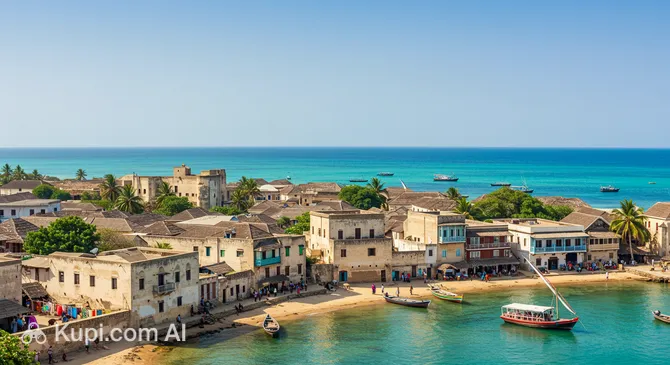
Lamu is a captivating destination that offers a unique glimpse into the past, renowned for its relaxed pace of life and rich cultural heritage. Located off the northern coast of Kenya, this island town is a place where time seems to stand still, inviting travelers to immerse themselves in a truly authentic atmosphere.

As part of the Lamu Archipelago, the city enjoys a warm tropical climate and is home to a population of approximately 25,000 residents. It serves as the administrative center of Lamu County and remains a significant hub for Swahili culture, maintaining traditions that have evolved over centuries.

Lamu. Source: Kupi.Binoculars

The history of Lamu is deeply woven into its architecture and daily life, distinguishing it as the oldest and best-preserved Swahili settlement in East Africa. One of the most striking features of the town is the almost complete absence of motorized vehicles within the old section; instead, transport is primarily by foot, boat, or donkey, which preserves the tranquility of its narrow, winding streets.

Visitors are often drawn to the stunning Lamu Old Town, a UNESCO World Heritage site characterized by coral stone houses with intricately carved wooden doors. Beyond the historic center, the pristine white sands of Shela Beach offer a perfect spot for relaxation and watching traditional dhows sail across the Indian Ocean.

If you are looking for an unforgettable cultural experience combined with beautiful coastal scenery, Lamu is a destination that welcomes you with open arms and a serene spirit.

Weather Overview

Lamu experiences a warm, tropical climate year-round, making it an inviting destination regardless of the season. To plan your trip effectively, it is helpful to check the detailed weather in Lamu, as conditions vary noticeably between dry and wet periods.

Temperatures are generally high, with the warmest months being February and March, seeing averages around 29°C and highs reaching up to 33°C. The coolest period occurs around July and August, though it remains comfortable with average temperatures near 26°C. While the start of the year is predominantly dry, particularly in January and February, expect frequent rainfall during April and May, which can see over 20 wet days per month.

Interesting Facts

Beyond the well-known charm of its stone streets and dhow-filled waters, Lamu holds fascinating secrets that often surprise visitors. This ancient settlement is full of quirks and legends that add depth to its UNESCO World Heritage status.
  • The Donkey Sanctuary: While it is well known that the island has no cars, the reliance on donkeys is so profound that there are over 3,000 of them living here. To care for these hardworking animals, the island hosts a dedicated Donkey Sanctuary, which serves as a fully equipped hospital and retirement home, ensuring the well-being of the town's primary mode of transport.

  • Royal Felines: The cats of Lamu are quite distinct from the average stray. They are believed to be direct descendants of the sacred cats of ancient Egypt, having lived in relative isolation on the archipelago for centuries. With their long, lean bodies and high cheekbones, they are considered a unique genetic lineage.

  • The Chinese Connection: A fascinating local legend, supported by some archaeological and DNA evidence, suggests that shipwrecked sailors from Zheng He's Chinese fleet settled in the archipelago in the 15th century. It is said they intermarried with the locals, and to this day, traces of this heritage can be found in the features of some residents and the ancient porcelain fragments washed ashore.

  • Doors Built First: The famous Swahili doors are not merely decorative afterthoughts. Traditionally, a home's massive, intricately carved front door was often the very first structure to be erected. It stood as a bold statement of the owner's wealth and social status before the rest of the house was even constructed around it.

How to Get There

Getting to Lamu is an adventure in itself, often involving a scenic flight over the coastline or a journey by road and boat. For a detailed breakdown of routes and travel tips, you can read more about how to get to Lamu. The most convenient entry point is the local airstrip, though many visitors also arrive via major transport hubs in the region.

The closest facility is Lamu (IATA: LAU), located on Manda Island just 2.3 km from the town. Since the airport is separated from the main town by a channel, the final leg of your journey will involve a short boat ride. It is a small regional airport, handling light aircraft primarily from domestic locations.

For international travelers, the primary gateway is often Moi International Airport (IATA: MBA) in the city of Mombasa. It is situated approximately 243 km from Lamu. From Mombasa, you can catch a connecting domestic flight or take a bus, though the road trip is lengthy, taking roughly 6 to 7 hours. Another viable option is Malindi Airport (IATA: MYD) in Malindi, which is about 139 km away. A taxi or bus transfer from Malindi typically takes around 4 hours.

For clarity, here is a summary of the main airports:

Airport Name City Passenger Traffic Km from City
Moi International AirportMombasaLarge243.3
Malindi AirportMalindiMedium138.9
Ukunda AirportUkundaMedium268.2
LamuLamuSmall2.3
KismayuKismayo271.8

The city of Lamu does not have a railway station, and the Kenyan railway network does not currently extend to the northern coast. Visitors wishing to travel by train can take the Madaraka Express (SGR) to Mombasa, but they would still need to transfer to a bus or a connecting flight to complete the journey to Lamu. Given the distances, flying remains the most popular and time-efficient method for reaching the archipelago.

Main Attractions

Exploring Lamu is like stepping into a living museum where history breathes through the coral stone walls and winding alleyways. The town's attractions are less about modern entertainment and more about immersing yourself in centuries-old Swahili culture, architecture, and pristine natural beauty. Here are some of the most captivating places to visit during your stay.

One of the most prominent landmarks in the town is the Lamu Fort, dominating the central square. Built between 1813 and 1821 by the Sultan of Pate, it later served as a prison under British rule. Today, it stands as a cultural community center and a library. Visitors can explore its massive courtyard and climb to the upper levels for a panoramic view of the town square, which is often bustling with local life and markets.

For a deeper understanding of the region's heritage, the Lamu Museum is an essential stop. Located on the waterfront in a grand building that once belonged to a wealthy merchant, the museum houses an impressive collection of Swahili artifacts. Exhibits range from traditional furniture and jewelry to maritime history, offering fascinating insights into the trade routes and diverse influences that shaped the archipelago.

Just a short boat ride or a scenic walk from the main town lies Shela Beach, a stark contrast to the narrow streets of the old town. This spectacular stretch of white sand runs for about 12 kilometers and is backed by towering sand dunes. It is the perfect spot for swimming, collecting shells, or simply relaxing in a tranquil environment away from the busy harbor.

History enthusiasts should not miss a trip to the Takwa Ruins, located on the neighboring Manda Island. These remains of a flourishing 15th and 16th-century Swahili trading town are nestled among baobab trees and mangroves. The site features the well-preserved ruins of a Great Mosque and a pillar tomb, offering a quiet and atmospheric reflection on the civilizations that once thrived on this coast.

Local Cuisine

The culinary landscape of Lamu is a tantalizing reflection of its rich Swahili heritage, blending African, Arabian, and Indian influences into a unique gastronomic experience. The food here is characterized by the generous use of coconut milk, fresh seafood, and aromatic spices like cardamom, cloves, cinnamon, and cumin, creating flavors that are both exotic and comforting.

Given its location on the Indian Ocean, seafood is the star of the local diet. You simply cannot visit without trying the fresh catch of the day, which often includes lobster, crab, giant prawns, and snapper. A signature dish to look out for is Samaki wa Kupaka, a delicious grilled fish coated in a rich, spicy coconut sauce. It is typically served with rice or chapati and offers a perfect introduction to the island's flavor profile.

Rice dishes are a staple in Lamu, with Pilau and Biryani being the most popular. Pilau is a fragrant, one-pot dish where rice is cooked with meat and spices, while Biryani is often more colorful and served with a separate meat sauce. For a simpler but equally authentic side, try Wali wa Nazi, rice cooked in fresh coconut milk, which pairs wonderfully with fish curries.

For breakfast or an evening snack, the locals favor Mahamri, which are sweet, hollow, cardamom-spiced doughnuts. These are traditionally eaten with Mbaazi za Nazi, pigeon peas cooked in coconut milk. This combination is a beloved comfort food and can often be found at street food stalls or small local eateries known as "hoteli."

When it comes to beverages, fresh juices are abundant. Madafu (fresh coconut water) is refreshing and sold straight from the coconut by street vendors. For something with a bit more tang, try Ukwaju, a juice made from tamarind. Coffee culture is also significant here; in the evenings, you will see men gathering to drink Kahawa Chungu, a concentrated, bitter spiced coffee usually served in tiny cups and accompanied by sweet halwa or dates to balance the bitterness.

Dining in Lamu ranges from casual street food stands along the seafront to elegant rooftop restaurants in Shela that offer breezy views of the ocean. It is important to note that because Lamu is a predominantly Muslim town, alcohol is generally not served in local restaurants within the Old Town. However, tourists can find alcoholic beverages at hotels, resorts in Shela, or at the famous floating bar located in the channel.

Travel Tips

Welcome to Lamu, a place where the pace of life slows down and ancient traditions seamlessly blend with island tranquility. To ensure your visit to this unique car-free settlement is as smooth and enjoyable as possible, we have compiled a list of essential practical tips to help you navigate the local customs and logistics.

  1. Clothing and Gear: Since Lamu is a conservative Muslim town, modesty is highly appreciated. While swimwear is perfectly fine on the beaches of Shela or Manda, you should cover your shoulders and knees when walking through Lamu Old Town. Lightweight, breathable fabrics like cotton or linen are ideal for the tropical heat. Bring comfortable walking sandals or flip-flops, as you will be navigating sandy paths and uneven cobblestones. Don't forget a high-SPF sunscreen, sunglasses, and a hat, as the equatorial sun can be intense.
  2. Transportation: Prepare for a unique travel experience: there are no cars in Lamu Old Town. Your main modes of transport will be walking, riding a donkey, or taking a boat. Dhows and speedboats act as the local taxis, ferrying passengers between Lamu, Shela, and Manda Island. It is advisable to agree on the price before hopping onto a boat or a donkey to avoid confusion later.
  3. Finances: The local currency is the Kenyan Shilling (KES). While high-end hotels and restaurants in Shela often accept credit cards, cash is king in Lamu Old Town. Small shops, local eateries, and boat captains usually only deal in cash. There are a few ATMs on the island, primarily near the seafront in the Old Town, but they can occasionally be out of service, so arriving with some cash is a smart move. Tipping is customary and appreciated for good service.
  4. Health and Safety: Lamu is generally safe, but standard travel precautions apply. The island is in a malarial zone, so carrying mosquito repellent and sleeping under treated nets is crucial. Stick to bottled or filtered water for drinking to avoid stomach upsets. There is a district hospital on the island and several pharmacies for basic needs, but for serious medical emergencies, evacuation to Mombasa or Nairobi may be required.
  5. Communication: Swahili is the heart of the island's culture, but English is widely spoken, especially by those in the tourism industry. Learning a few local phrases will go a long way in building rapport; a friendly "Jambo" (Hello) or "Asante" (Thank you) is always well-received. Wi-Fi is available in most hotels and cafes, but buying a local SIM card (Safaricom is popular for its coverage) is recommended for reliable connectivity.
  6. Local Etiquette: Greetings are a significant part of Swahili culture; it is polite to exchange pleasantries before asking a question or starting a transaction. When it comes to photography, always ask for permission before taking pictures of locals, as many value their privacy highly. Public displays of affection should be kept to a minimum out of respect for local norms.
  7. What to Avoid: Do not walk through the narrow streets of the Old Town in bikinis or shirtless; this is considered disrespectful to the local community. Additionally, avoid drinking alcohol in public spaces within the Old Town. Alcohol is generally restricted to hotels, private resorts, and the floating bar, so keep your consumption within these designated areas.
  8. Embrace "Pole Pole": This popular Swahili phrase means "slowly, slowly," and it perfectly encapsulates the island's philosophy. Service in restaurants or boat departures might take longer than you are used to. Instead of getting frustrated, embrace this relaxed rhythm—it is, after all, one of the main reasons people fall in love with Lamu.

By keeping these tips in mind, you will be well-prepared to respect the local culture while fully enjoying the magic of the archipelago. We hope your journey to Lamu is filled with unforgettable sunsets, warm hospitality, and the peaceful serenity that this historic island is famous for.

Entertainment & Nightlife

Entertainment and nightlife in Lamu offer a refreshing departure from the bustling, neon-lit scenes of typical tourist cities. Here, the evenings are defined by a relaxed, barefoot elegance and the soothing sounds of the Indian Ocean. Due to the conservative Islamic culture of the island, alcohol is generally restricted within the historic Old Town, meaning the "party" scene is geographically specific and significantly more laid-back than in Mombasa or Nairobi.

The epicenter of social life after dark shifts away from the narrow streets of the main town towards the waterfront and neighboring Shela Village. The atmosphere is sophisticated yet unpretentious, often characterized by travelers and locals mingling over cold drinks while watching the moon rise over the channel. The dress code is casual—think linen shirts and sandals—but always respectful of the local culture.

For a truly unique experience, you must visit the famous Floating Bar. Located right in the middle of the channel between Lamu Town and Manda Island, this wooden structure built on pontoons is the only place of its kind in the area. It was created specifically to provide a space for merrymaking outside the restrictions of the town. Accessible only by boat, it offers a breezy, memorable setting for enjoying a Tusker beer or a cocktail while surrounded by water.

Another hub of evening activity is the Peponi Hotel in Shela. Its terrace is legendary among visitors and expatriates alike. It serves as the island's unofficial social club where you can enjoy excellent bitings (snacks) and drinks under the baobab trees. The vibe here is convivial and buzzing, making it the perfect place to swap stories with fellow travelers. Occasionally, beach parties or full moon gatherings are organized on Manda Island across the channel, often at places like the Diamond Beach Village, featuring bonfires and music.

In contrast, evenings in Lamu Old Town are much quieter and revolve around conversation and tea. The town square comes alive after sunset with men gathering to drink kahawa chungu (spiced coffee) and discuss local affairs. For a non-alcoholic night out, you can join the locals at the seafront juice bars or enjoy a late dinner at one of the rooftop restaurants that offer stunning views of the harbor lights, even if they serve only soft drinks.

Practical Advice for the Night:

  • Transport: Since there are no cars, your "taxi" is a boat. Speedboats and dhows operate between Lamu, Shela, and the Floating Bar. It is essential to arrange a pick-up time with your boat captain or have their phone number, as finding a ride late at night can sometimes be tricky.
  • Prices: Expect to pay premium prices for alcohol compared to the mainland, due to transport costs and scarcity. Boat rides at night also carry a higher surcharge than daytime trips.
  • Safety: The areas around Shela and the main waterfronts are generally safe for walking, but the narrow, unlit alleys of the Old Town can be disorienting and empty at night. It is advisable to stick to the seafront or take a boat directly to your destination. Always ensure your boat has navigation lights if traveling in the dark.

While the nights are for relaxation, daytime entertainment in Lamu is steeped in history and culture. Visitors can explore the Lamu Museum to understand the archipelago's past, visit the traditional Donkey Sanctuary, or take a dhow sailing trip to explore the mangrove forests and the ruins of Takwa. For those seeking active leisure, deep-sea fishing and windsurfing are popular activities off the coast of Shela.

Parks & Museums

Lamu is not a city of manicured lawns and botanical gardens; rather, its "green spaces" are the wild, untamed landscapes of the Indian Ocean coast. The region's natural beauty is defined by dense mangrove forests and protected marine reserves, while its cultural heritage is preserved in specialized museums that offer intimate looks into the archipelago's storied past.

While the town itself is dense with stone architecture, the surrounding waters host the spectacular Kiunga Marine National Reserve. Located to the north of Lamu, this ecosystem is a paradise for nature lovers, encompassing a chain of about 50 islands and coral reefs. It is renowned for its rich biodiversity, serving as a sanctuary for sea turtles and the elusive dugong. For tourists, a boat trip here offers world-class snorkeling and the chance to witness untouched coastal wilderness.

Closer to the town, the extensive Mangrove Forests that line the channels between Lamu and Manda Island act as the region's vital green lungs. These aren't typical parks, but they are essential natural areas that can be explored by silent dhow or kayak. Navigating these twisted waterways allows visitors to observe a variety of bird species, including herons and kingfishers, in a serene environment that contrasts sharply with the busy waterfront.

For those interested in history beyond the main fort, the German Post Office Museum offers a fascinating niche experience. Established in the building that once served as the first German post office in East Africa in the late 1800s, the museum highlights the brief but significant period of German influence on the coast. It contains photographs and memorabilia that tell the story of European contact before the British colonial era fully took hold.

Another cultural gem is the Swahili House Museum. Unlike the larger public museums, this venue provides a glimpse into domestic life during the 18th century. It is a beautifully restored home that allows visitors to walk through the traditional courtyards and living quarters, offering insight into the private lives, architecture, and intricate plasterwork that defined the homes of the wealthy merchant class.

In terms of historical landmarks outside the immediate town, Siyu Fort on the nearby Pate Island is a remarkable structure worth the journey. Unlike other coastal forts built by foreigners, Siyu is unique because it was constructed by the locals themselves to resist Omani domination. Its rugged architecture and remote location give it an adventurous appeal for those willing to travel further into the archipelago.

For a truly authentic experience, ask a local boat captain to take you to the Matondoni Dhow Building Yards. While not a formal museum, this village is where the traditional art of crafting dhows by hand is still practiced. Watching the craftsmen shape wood using centuries-old techniques is a living history lesson that connects the modern visitor to the ancient maritime culture of the Swahili coast.

Getting Around

The public transport system in Lamu is completely unique compared to almost any other city in the world. Due to the narrow, winding streets of the UNESCO-listed Old Town, there are no buses, trams, trains, or metros. Instead, the city relies on a combination of maritime transport and traditional animal power. For a tourist, "public transport" here effectively means boats and donkeys.

The primary mode of transit between Lamu Town, Shela Village, Manda Island (where the airport is located), and the mainland jetty at Mokowe is the boat. There are two main types: traditional dhows and modern speedboats. Speedboats function like water taxis; they are fast, efficient, and widely used for airport transfers or quick trips to Shela. Dhows are slower, powered by wind or small engines, and offer a more scenic, leisurely journey, often favored for sunset cruises rather than commuting.

Within the narrow alleys of the Old Town, the donkey is the equivalent of a truck or a taxi. While locals primarily use donkeys to transport heavy goods like coral stone, sand, and groceries, it is possible for tourists to ride them. However, for most visitors, walking is the most practical and enjoyable way to navigate the town. The distances are short, and the pedestrian-friendly nature of the streets makes exploring on foot effortless.

Regarding payment, there is no integrated ticketing system, travel cards, or mobile apps for transport in Lamu. Cash is the standard method of payment. The local currency (Kenyan Shilling) is required, and small denominations are highly recommended as boat captains often do not have much change. Mobile money (M-Pesa) is also widely accepted by boat operators if you have a local SIM card, but cash remains the most reliable option for short trips.

Fares depend on whether you take a "shared" boat or a "private" charter. Shared speedboats, which wait until they are full before departing, are very affordable, typically costing between 100 to 200 KES for a trip between Lamu Town and Shela. If you do not wish to wait, you can hire the entire boat as a private taxi, which will cost significantly more, usually starting from 500 to 1,000 KES depending on your negotiation skills and the time of day.

Operating hours for water transport are generally from sunrise to sunset. While boats are available 24/7, trips taken after dark are considered private charters and command a higher price. Additionally, navigation lights are required at night, so not all boats operate then. It is advisable to arrange your evening transport in advance or get the phone number of a reliable boat captain to ensure a ride back to your hotel.

Alternatives like standard car taxis or ride-sharing apps do not exist on the island. However, on the mainland at Mokowe, and increasingly on the outskirts of the town where streets are wider, you may find bodabodas (motorcycle taxis). These are affordable and fast but are strictly prohibited from entering the conservation area of the Old Town to preserve its structural integrity and atmosphere.

For a smooth experience, always agree on the price before boarding a boat or mounting a donkey to avoid misunderstandings upon arrival. If you are traveling with heavy luggage from the airstrip, "beach boys" or porters with wheelbarrows will often offer to carry your bags to the boat jetty; a small tip is expected and appreciated for this service.
Accommodation

Finding the perfect place to stay in Lamu is largely about choosing between the historic charm of the town center and the breezy relaxation of the beaches. The accommodation options are diverse, ranging from budget-friendly hostels and authentic Swahili guesthouses to mid-range hotels and exclusive, high-end luxury resorts. Whether you prefer the atmosphere of a living museum or a secluded seaside escape, the archipelago caters to a wide variety of tastes and budgets.

For travelers who want to be in the heart of the culture, Lamu Old Town is the ideal location. Here, you will find numerous restored stone houses converted into boutique hotels and guesthouses. Staying in the Old Town offers immediate access to the markets, the fort, and the museum, making it convenient for history buffs and backpackers. These accommodations often feature traditional Swahili architecture, including open courtyards and rooftop terraces, providing an authentic experience at a generally more affordable price point.

If your priority is beaches and luxury, Shela Village is the most popular choice. Located a short boat ride or a scenic walk from the Old Town, Shela is known for its stunning beachfront villas and upscale resorts. This area is quieter, cleaner, and more oriented towards leisure travelers seeking sun and sand. Across the channel, Manda Island offers even more exclusivity, hosting some of the region's most luxurious and secluded resorts, perfect for honeymooners or those looking to disconnect completely.

Booking Tips: Lamu is a highly sought-after destination, especially during the peak tourist seasons of December to January and July to August. During these times, the best properties—particularly the private villas in Shela—can be booked out months in advance. It is highly recommended to secure your reservation well ahead of your trip to guarantee your preferred spot.

In terms of pricing, the gap can be significant. Guesthouses in the Old Town can be quite budget-friendly, while the private villas and resorts in Shela and Manda fall into the luxury category with international standard rates. While major hotels and resorts can be booked via standard online travel platforms, many of the smaller, family-run guesthouses and private villa rentals operate better through direct contact or specialized local agents.

Nearby Cities

For those looking to explore the surroundings, Lamu serves as an excellent base for day trips to several interesting nearby locations:

One of the most popular destinations along the coast is Malindi. Located relatively close to the archipelago, it is renowned for the Malindi Marine National Park, which offers exceptional snorkeling and diving opportunities. The town is also famous for its historic Vasco da Gama Pillar and a unique blend of Swahili and Italian cultures, reflected in its cuisine and architecture.

Further south lies the bustling city of Mombasa, the region's major economic and cultural hub. While it requires a longer journey, it is worth the visit for its rich history, including the UNESCO-listed Fort Jesus and the vibrant Old Town. Visitors can explore colorful spice markets and enjoy a more urban coastal atmosphere compared to the quiet islands.

For a more relaxed vibe, Kilifi is an excellent choice. Situated on a beautiful creek, it is a haven for sailing enthusiasts and those seeking tranquility. The town is known for its stunning limestone cliffs, the Mnarani Ruins, and the magical bioluminescence found in the creek waters at night.

City Population Distance (km)
Mombasa 1,208,333 239
Habaswein 174,134 396
Kilifi 122,899 176
Malindi 119,859 136
Machakos 114,109 413

These nearby destinations offer a glimpse into the diverse culture and landscapes of the region.

Shopping & Souvenirs

Shopping in Lamu is a delightful journey back in time, far removed from the world of glossy department stores and international chains. The experience here is intimate and cultural, focused on craftsmanship, heritage, and locally sourced materials. Instead of browsing through racks of mass-produced items, you will find yourself exploring small, family-run boutiques and open-air stalls tucked away in the winding alleyways, where the act of buying is often accompanied by a friendly conversation with the artisan.

The Main Street of Lamu Old Town, locally referred to as Usita wa Mui, is the primary commercial artery. It runs parallel to the seafront and is bustling with activity. Here, narrow shops spill out onto the street, offering everything from vibrant textiles to spices. Another key area is the Seafront (Harambee Avenue), where you can find curio shops catering specifically to visitors, as well as galleries showcasing local art. For a more upscale and curated shopping experience, the village of Shela offers several chic boutiques selling high-quality resort wear and jewelry.

It is important to note that there are no shopping malls in Lamu. The town’s infrastructure preserves its ancient Swahili character, which does not accommodate large modern commercial complexes. The charm of shopping here lies entirely in the individual character of independent stores and the vibrant atmosphere of the traditional bazaars.

The heart of the local trade is the Lamu Market, located near the fort. This is a functional market for residents rather than a tourist trap, bustling with vendors selling fresh tropical fruits, vegetables, and the catch of the day. While it is primarily a food market, it is a fantastic place to soak up the local atmosphere and perhaps buy some fresh mangoes, coconuts, or spices to take back to your accommodation.

When it comes to souvenirs, Lamu is famous for its exquisite craftsmanship. The most iconic item to buy is a Lamu door or a smaller carved wooden item; the woodcarving skills here are legendary, passed down through generations. Other popular purchases include Kikois (colorful woven cotton sarongs), handmade leather sandals, and intricate silver jewelry. You may also find unique art made from recycled flip-flops, a creative local initiative to clean up the beaches.

Shops in Lamu typically open around 8:00 AM or 9:00 AM and stay open until evening, often taking a break during the hottest part of the day or for prayer times, especially on Fridays. As for payment, Cash (Kenyan Shilling) is the absolute standard. While some high-end boutiques in Shela may accept credit cards, most shops in the Old Town do not. Mobile money (M-Pesa) is widely used, but carrying cash is the safest bet for tourists.

Tax-free shopping or VAT refund schemes are generally not available in the small shops and markets of Lamu. The prices are usually fixed in boutiques, but polite bargaining is expected and accepted in the markets and curio stalls.

Reached the end of the page?

That means the route is fully explored