Support

Kismayo

About

Kismayo is a vibrant port city situated in the southern part of Somalia. As the commercial capital of the Lower Juba region, it is known for its bustling atmosphere and significant maritime role. The city offers a unique blend of coastal charm and cultural diversity, serving as a gateway to the fertile Juba River valley and the Indian Ocean.

Geographically, the city is positioned near the mouth of the Juba River, approximately 528 kilometers southwest of Mogadishu. With a population of around 358,000 residents, it is a major urban center that benefits from a warm, tropical climate. The ocean breezes often temper the heat, making the weather pleasant for those exploring the scenic coastline.

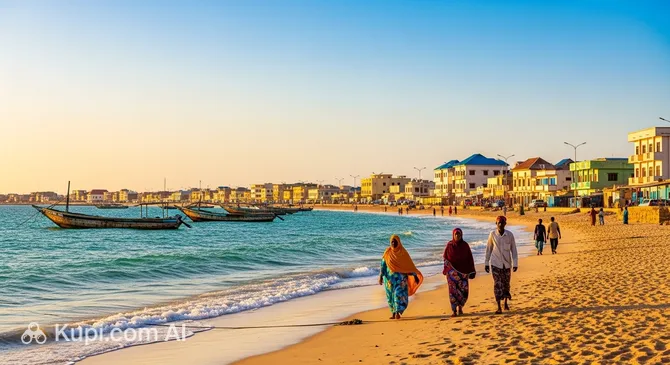
Kismayo. Source: Kupi.Binoculars

The rich history of Kismayo is deeply intertwined with trade along the Swahili Coast, influencing its architecture and local traditions. One of the city's main draws is its stunning white sand beaches and turquoise waters, which are considered some of the most beautiful in the region. Nearby, the Kismayo National Park offers a glimpse into the area's natural biodiversity, home to various native species.

Whether you are interested in the lively port activity or seeking a quiet spot by the sea, Kismayo provides an authentic experience for adventurous travelers. Its welcoming spirit and potential for eco-tourism make it a fascinating destination to discover in the Horn of Africa.

Weather Overview

Travelers planning a trip to this coastal city can expect a consistently warm tropical climate. The weather in Kismayo remains pleasant for most of the year, with average temperatures hovering between 26°C and 30°C. March and April are typically the hottest months, reaching average highs of around 32.8°C, while July offers slightly cooler conditions with an average temperature of 26.5°C.

Precipitation patterns are quite distinct, though the overall rainfall volume is remarkably low. The year begins with a dry spell in January and February, where zero wet days are recorded. In contrast, the months of April and May see a significant increase in atmospheric moisture, with up to 21 wet days in May, despite the recorded precipitation amount remaining very low. Expect warm, sunny days year-round with a chance of light moisture or frequent overcast intervals during the late spring.

Interesting Facts

Beyond its bustling port and sandy shores, Kismayo holds fascinating secrets rooted in its unique geography and history. This coastal city is not just a commercial hub but a place where diverse cultures and natural wonders converge in unexpected ways.

  • The Meeting of Waters at Gobweyn: Just a short distance north of the city lies Gobweyn, a spectacular geographical point where the massive Juba River empties into the Indian Ocean. It is one of the few places in Africa where you can clearly see the distinct line where the reddish, nutrient-rich river water meets the deep blue of the sea.

  • Gateway to the Bajuni Islands: Kismayo serves as the primary access point to the Bajuni Islands, a captivating archipelago stretching south towards the Kenyan border. These islands are steeped in history, home to ancient stone ruins and a distinct culture that reflects centuries of maritime trade along the Swahili Coast.

  • A Name Rooted in Water: The name "Kismayo" is widely believed to be derived from the Swahili word kisima, which means "well" or "water source." This etymology highlights the city's historical origins as a vital watering stop for nomadic pastoralists and traveling merchants traversing the coastal dunes.

  • The Banana Capital: Thanks to the fertile lands of the nearby Juba Valley, the city acts as a major agricultural outlet for Somalia. It is particularly famous for its banana exports, as the region produces some of the sweetest and most high-quality bananas in the world, which have been a cornerstone of the local economy for decades.

How to Get There

Reaching this coastal destination is most efficiently achieved by air, as the city is served by its own transport hub. For a comprehensive guide on travel logistics, you can read more about how to get to Kismayo. The primary entry point is Kismayu (IATA: KMU), which is conveniently located within the city limits, just 10 km from the center. A transfer by taxi or bus from the airport to the downtown area typically takes approximately 35 minutes, offering a quick and direct link for visitors.

Travelers may also find flight options to Lamu (IATA: LAU), situated in the city of Lamu. However, it is important to consider that this airport is about 277.5 km away from Kismayo. Due to the significant distance, a ground transfer from here would be a major undertaking, estimated to take over 7 hours. Therefore, this airport is usually considered only as a regional alternative or for those planning a multi-stop journey along the coast.

For clarity, here is a summary of the main airports:

Airport Name City Passenger Traffic Km from City
LamuLamuSmall277.5
KismayuKismayo10.0

Main Attractions

While Kismayo is primarily known as a commercial hub, it possesses a wealth of natural beauty and historical sites that appeal to adventurous travelers. The city's location, where the river meets the sea, creates a unique landscape filled with pristine beaches, lush greenery, and opportunities to explore the untouched wilderness of the Horn of Africa.

One of the most remarkable sites to visit is Gobweyn, located a short drive north of the city center. This geographical marvel marks the exact point where the freshwater of the Juba River flows into the salty Indian Ocean. Visitors are treated to a spectacular visual contrast, as the reddish hues of the river water merge with the deep turquoise of the sea. It is a serene spot ideal for photography and witnessing the raw power of nature in a tranquil setting.

For nature enthusiasts, the Kismayo National Park offers a glimpse into the region's diverse ecosystem. Situated to the southwest of the city, this protected area was historically home to a variety of East African wildlife, including antelopes, zebras, and lions. Today, it remains a significant area for biodiversity, attracting birdwatchers and those interested in the native flora of southern Somalia. The park provides a rugged, authentic safari experience distinct from the more commercialized reserves in neighboring countries.

The city is also the gateway to the enchanting Bajuni Islands. This string of islands stretches along the coast towards the Kenyan border and is famous for its coral reefs and crystal-clear waters. The archipelago is a paradise for those who love the ocean, offering potential for diving, snorkeling, and exploring ancient stone ruins that hint at the region's rich maritime history. The islands provide a peaceful escape and a chance to experience the traditional coastal culture of the Bajuni people.

Finally, no trip to Kismayo is complete without spending time on its White Sand Beaches. The coastline here is celebrated for its untouched beauty, featuring long stretches of soft, powdery sand bordered by palm trees and the warm ocean. Unlike crowded tourist resorts, the beaches in Kismayo offer a quiet and private atmosphere, perfect for swimming, sunbathing, or simply enjoying a sunset walk by the water.

Local Cuisine

The culinary scene in Kismayo is defined by its enviable location on the Indian Ocean, making it a true paradise for seafood lovers. Unlike the meat-heavy diets found in the interior of the country, the local table here is dominated by the catch of the day. The cuisine is a flavorful blend of traditional Somali recipes, Italian colonial influences, and the aromatic spices of the Swahili Coast, resulting in dishes that are both hearty and exotic.

The undisputed star of Kismayo's gastronomy is its fresh seafood, particularly the renowned Somali lobster. Often considered a luxury elsewhere, it is a staple here, typically grilled to perfection and served with a squeeze of lemon or a light garlic sauce. Visitors should also try Bariis Iskukaris, a fragrant rice dish cooked with a colorful mix of vegetables and spices like cardamom, cloves, and cinnamon. In Kismayo, this national favorite is frequently paired with tender chunks of Kingfish or tuna rather than the usual goat meat. Another must-try is Baasto, the Somali take on pasta, which is often served with a rich, spicy stew known as suugo, showcasing the region's historical Italian connection.

Since alcohol is not consumed in accordance with local customs, the beverage culture focuses on refreshing and social alternatives. The most popular drink is Shaah, a sweet, milky tea infused with aromatic spices such as ginger and cardamom, which serves as a symbol of hospitality. Thanks to the fertile lands of the nearby Juba Valley, the city is also famous for its incredible fruit juices. Freshly squeezed mango, papaya, and especially the sweet grapefruit juice (liin) are widely available and provide a perfect way to cool down in the tropical heat.

Dining in Kismayo is a communal and relaxed affair, often enjoyed in open-air settings that take advantage of the ocean breeze. Locals and tourists alike gather at seaside eateries where the atmosphere is unpretentious, and the focus is entirely on the freshness of the ingredients. For a more immersive experience, the bustling markets offer a chance to see the daily catch being brought in, while small tea shops provide a cozy spot to engage with residents and enjoy the slow, rhythmic pace of coastal life.

Travel Tips

Visiting Kismayo offers a unique glimpse into life on the Swahili Coast, but it requires careful planning to ensure a comfortable and hassle-free experience. These practical tips will help you navigate local customs and logistics, allowing you to focus on the beauty of the region.

  1. Clothing and Gear: Due to the warm tropical climate, lightweight and breathable fabrics like cotton or linen are ideal. However, Kismayo is a conservative city, so modesty is essential. Men should wear long trousers, and women should dress in loose-fitting clothing that covers the arms and legs, along with a headscarf. Comfortable sandals are perfect for the sandy terrain, and a universal power adapter is recommended for charging devices.
  2. Transportation: There is no formal public transport system like a metro or bus network. The most common way to get around for short distances is by Bajaj (auto-rickshaw), which is affordable and efficient. For longer trips or greater comfort, it is best to hire a private taxi through your hotel or a trusted local contact. Renting a car without a local driver is generally not recommended for tourists.
  3. Finances: The economy is heavily dollarized, so bringing US Dollars (USD) is highly advisable; ensure bills are clean and printed after 2009. The local currency is the Somali Shilling, mostly used for very small transactions. Credit cards are rarely accepted, and ATMs for international cards are virtually non-existent. Mobile money services like EVC Plus are widely used by locals, even for small purchases.
  4. Health and Safety: Always drink bottled water and avoid tap water or ice cubes. Pharmacies are available in the city center, but it is wise to bring a personal supply of essential medications and a basic first-aid kit. Stick to well-populated areas and always travel with a knowledgeable local guide who can navigate the city's specific safety protocols. Mosquito repellent is a must, especially in the evenings.
  5. Communication: The primary language is Somali, and while Arabic is also understood, English proficiency is generally limited to hotels and business circles. Learning a few basic phrases like "Assalamu Alaikum" (Peace be upon you) goes a long way. To stay connected, you can purchase a local SIM card from providers like Hormuud, which offers reliable 4G coverage in the city.
  6. Local Etiquette: Somalis are hospitable and polite. When greeting someone of the same gender, a handshake is common, but it is respectful to wait for the other person to extend their hand first, especially with the opposite sex. Always use your right hand for eating, greeting, or exchanging money, as the left hand is considered unclean.
  7. What to Avoid: Strictly avoid bringing or consuming alcohol, as it is prohibited by law and religious custom. Additionally, be very cautious about photography; never take photos of government buildings, military personnel, police officers, or checkpoints, as this can lead to serious misunderstandings.
  8. Friday Schedule: Keep in mind that Friday is the weekly holy day. Most businesses, markets, and government offices will be closed or have very limited operating hours until the late afternoon. Plan your shopping and errands for other days of the week.

By keeping these practicalities in mind, you can show respect for the local culture and enjoy a smoother trip. Kismayo’s charm lies in its people and its coast, and a little preparation ensures you can experience both with confidence.

Entertainment & Nightlife

Nightlife in Kismayo offers a distinct departure from the bustling club scenes found in many other parts of the world. In this conservative coastal city, the evening atmosphere is defined by relaxed social gatherings, culinary exploration, and the enjoyment of the cooling Indian Ocean breeze. Alcohol is strictly prohibited throughout the region, so entertainment here revolves around tea culture, dining, and conversation rather than bars or nightclubs. The pace is slow and inviting, allowing visitors to experience the genuine hospitality of the Somali people.

The heart of the city's evening social life beats in its numerous tea shops and open-air restaurants. As the sun sets, locals gather to enjoy Shaah, a spiced Somali tea that is a staple of daily life. The most vibrant areas for these evening gatherings are typically found in the city center and along the roads leading towards the port. Here, the air is filled with the scent of cardamom and cloves, and the sound of lively discussions dominates the scene. For tourists, joining these gatherings offers a unique window into the local community spirit.

For a reliable and comfortable evening out, hotel restaurants are the primary venues. The Agan Palace Hotel is a well-regarded establishment known for its welcoming environment and diverse menu. It serves as an excellent spot for travelers to sample local flavors, such as goat meat stews or fresh seafood, in a setting that meets international standards. These hotel-based eateries provide a secure and relaxed atmosphere where visitors can enjoy the region's culinary heritage without navigating the more chaotic street stalls.

If you are looking for a place to relax with a view, the Kismayo Palace Hotel offers a more upscale setting. Its lounge area provides stunning views of the city skyline and the seashore, making it a perfect location to unwind with a cold fruit juice or coffee after a day of exploration. These venues typically operate until around 10:00 PM or 11:00 PM, as the city tends to sleep relatively early compared to western standards.

Practical advice is essential for enjoying Kismayo after dark. The dress code remains conservative; men should wear long trousers, and women should ensure they are modestly covered. Prices are generally very affordable, with a hearty meal and drinks costing significantly less than in major international cities. Cash is king, and US dollars are widely accepted alongside the local shilling. For transportation, Bajaj (auto-rickshaws) are available, but for safety and convenience at night, it is highly recommended to arrange a private taxi through your hotel.

Safety is a critical consideration for any night activity. While the city has seen improvements, it is not advisable for tourists to walk alone at night, especially in unlit or outlying areas. Stick to well-known venues and always travel with a trusted local guide. The beachfront areas can be beautiful at dusk, but it is safer to enjoy the sea views from the security of a hotel terrace rather than wandering the shoreline after dark.

During the daylight hours, the entertainment options shift towards historical and cultural exploration. Visitors can explore the bustling activity of the port, witness the vibrant trade at the local fish markets, or visit the remnants of the old town's architecture which hints at the city's rich history as a trade hub. These daytime excursions provide the context that makes the quiet, communal evenings feel even more rewarding.

Parks & Museums

While Kismayo is not defined by manicured botanical gardens or vast modern museum complexes, the city's charm lies in its raw natural landscapes and deep-rooted historical heritage. Visitors here will find that the region's "parks" are wild, untouched expanses of East African wilderness, and its "museums" are the ancient stone structures and living quarters that tell the story of centuries of trade and tradition along the Swahili Coast.

Kismayo National Park stands as the region's premier natural sanctuary. Located just southwest of the city limits, this expanse of land captures the rugged beauty of the Somali bush. Unlike the fenced and highly managed parks found elsewhere, this area offers a more authentic glimpse into the local ecosystem. The landscape is dotted with acacia trees and scrubland, providing a habitat for various native species. While large game sightings can be rare compared to the past, the park remains a vital area for birdwatching and observing smaller wildlife like warthogs and monkeys in their natural environment.

Another significant natural area is the lush Juba River Valley near Gobweyn. While not a formal city park, this zone functions as the green lung of the region. Where the massive Juba River approaches the ocean, the arid coastal terrain gives way to dense palm groves, rich agricultural patches, and riverine forests. It is a favorite spot for locals to escape the city heat, offering a stark and beautiful contrast between the red river waters, the green vegetation, and the nearby sandy dunes. The area is excellent for nature photography and witnessing the intersection of river and marine ecosystems.

In terms of cultural history, the Kismayo Fort serves as the city's most prominent historical landmark. Although it is not a traditional museum with curated exhibits, the structure itself is a monument to the region's turbulent and strategic past. Originally constructed to guard the port and the city, the fort's imposing stone walls and architecture reflect the various powers that have influenced this coastal hub. Walking near its perimeter allows visitors to appreciate the military engineering of the era and understand the city's historical importance as a gateway to the Horn of Africa.

The Old Town of Kismayo effectively operates as an open-air museum. In the absence of formal galleries, the narrow streets and coral-stone buildings of the oldest districts preserve the artistic and architectural heritage of the Bajuni and Somali people. Visitors can observe intricate masonry and traditional designs that date back to the height of the Swahili city-state trade network. This area offers a tangible connection to the past, where the culture is preserved not in glass cases, but in the daily lives and enduring structures of the community.

For a truly authentic experience, take a moment to explore the coastal dunes at the edge of the city during the late afternoon. These natural formations offer a quiet retreat and a panoramic vantage point. It is a lesser-known activity, but sitting atop a dune to watch the sunset over the Indian Ocean provides a peaceful and scenic end to the day, far removed from the bustle of the commercial port.

Getting Around

Public transport in Kismayo operates quite differently from the structured systems found in many major international cities. There is no metro, tram, or large municipal bus network with scheduled stops and fixed timetables. Instead, the city relies on a highly flexible, informal system dominated by smaller vehicles that weave through the streets, offering a convenient and authentic way to get around.

The most popular and ubiquitous mode of transport is the Bajaj, or auto-rickshaw. These three-wheeled vehicles are the backbone of local mobility, perfect for navigating the city's roads and reaching destinations quickly. They function essentially as low-cost taxis, able to drop you off exactly where you need to go. For longer distances or travel between specific districts, you may encounter shared minibuses, locally often referred to as Caasi or simply buses, which follow roughly fixed routes but will stop on demand to pick up or drop off passengers.

Payment is almost exclusively cash-based, and there are no electronic travel cards, ticket machines, or transport apps to download. While the local Somali Shilling is used for very small fares, US Dollars are widely accepted and often preferred. A unique aspect of the local economy is the widespread use of mobile money services like EVC Plus, which locals use even for small transport fees, though as a tourist, carrying small denominations of cash is the most practical option. Fares for a Bajaj ride are generally very affordable but are not fixed, so it is standard practice to negotiate and agree on the price with the driver before you step inside.

For those seeking more comfort or privacy, traditional private taxis are available, though they are not as easily hailed on the street as the auto-rickshaws. It is best to arrange these through your hotel or a local contact. Ride-sharing apps like Uber or Bolt do not operate here, and car rental services for self-driving are not a standard option for visitors due to the complex driving environment. Walking is a viable alternative for short distances within the city center or near the port, allowing you to soak in the atmosphere at a slower pace.

Travelers should be aware that public transport operates primarily during daylight hours. As evening approaches, the availability of Bajajs and minibuses decreases significantly. For safety and convenience, it is highly recommended to complete your travel before sunset or rely on pre-arranged private transport for night excursions. Always ensure you have small bills, as drivers may not always have change for larger denominations.

Accommodation

Accommodation in Kismayo is primarily geared towards business travelers, returning diaspora, and development workers, meaning the options are generally functional rather than tourist-focused. The city does not host international hotel chains or sprawling luxury resorts. Instead, visitors will find a selection of mid-range hotels and basic guesthouses that offer comfortable, clean, and secure environments. These locally owned establishments are known for their hospitality and typically provide essential amenities such as air conditioning, Wi-Fi, and on-site dining.

The most convenient areas to stay are located within the city center and along the main arterial roads connecting the airport to the downtown district. Staying in these central zones offers easy access to local markets, restaurants, and business hubs. For those who prefer a more scenic atmosphere, there are a few establishments situated closer to the coastline. These locations allow guests to enjoy the cooling Indian Ocean breeze and sea views while remaining just a short drive away from the heart of the city.

Among the most well-known and reliable options for international visitors are the Kismayo Palace Hotel and the Agan Palace Hotel. These establishments are frequently recommended because they meet higher standards of comfort and security. They often serve as social hubs where travelers can enjoy meals and access reliable internet, making them practical bases for anyone visiting the Lower Juba region.

When it comes to costs and payments, the market operates almost exclusively in US Dollars. Prices typically fall into the mid-range category; while the facilities may seem modest, rates often reflect the cost of providing private security, electricity generators, and water services. Credit cards are rarely accepted, so it is crucial to carry sufficient cash in small to medium denominations to cover your entire stay.

Booking Tip: Online booking engines are not commonly used in Kismayo. The most effective way to secure a room is through direct contact via phone or WhatsApp, or by having a local contact make arrangements on your behalf. It is highly advisable to book well in advance, as popular hotels can fill up quickly with conference guests or delegations, and having a confirmed reservation is often necessary for airport protocols.

Nearby Cities

For those looking to explore the surroundings, Kismayo serves as an excellent base for day trips to several interesting nearby locations. While distances in the region can be significant, these destinations offer unique insights into the diverse geography and culture of Southern Somalia.

One notable destination is Bardera, situated along the banks of the Juba River. It serves as a vital agricultural hub and offers visitors a chance to see the lush riverine landscapes that contrast sharply with the coastal plains. For those interested in history and architecture, Marka (Merca) is a historic coastal town famous for its traditional white coral stone buildings and pristine beaches, reflecting the rich heritage of the Swahili Coast. Further inland, Baidoa is often celebrated as the "City of Springs," known for its refreshing natural water sources and scenic surroundings.

City Population Distance (km)
Mogadishu 4,249,083 408
Baidoa 950,000 403
Bardera 755,500 299
Marka 499,000 337
Buurhakaba 360,795 388

These nearby destinations offer a glimpse into the diverse culture and landscapes of the region.

Shopping & Souvenirs

Shopping in Kismayo offers a raw and authentic glimpse into the commercial heart of the Jubaland region. Unlike destinations defined by high-end luxury boutiques or sprawling retail complexes, the shopping scene here is traditional, bustling, and deeply connected to the city's status as a major port. Visitors will find that commerce revolves around vibrant open-air markets and small, family-run enterprises where the interaction with local traders is just as important as the goods being purchased.

The city's Main Shopping Districts are concentrated in the downtown area, particularly along the arterial roads leading toward the port. Here, the streets are lined with small shops and stalls selling everything from imported electronics and household goods to colorful textiles. Walking through these busy thoroughfares allows tourists to experience the daily rhythm of the city, where merchants display their wares on sidewalks and the air is filled with the sounds of negotiation and trade.

Travelers looking for Western-style Shopping Malls should adjust their expectations. Kismayo does not currently host large, multi-story shopping centers with international brand chains or entertainment complexes. Instead, retail is organized into smaller shopping plazas and arcades. These compact centers typically house a collection of independent boutiques offering clothing, shoes, and mobile accessories, providing a more intimate and localized retail experience.

The true highlight of the city's commercial life lies in its Markets. The Kismayo Central Market is the primary hub for daily necessities, offering a sensory overload of fresh produce, spices, and grains. For a unique cultural experience, the Livestock Market on the outskirts of the city is fascinating, where camels, goats, and cattle are traded in a tradition that has sustained the Somali economy for centuries. Additionally, the Fish Market near the beach is a must-visit to see the day's fresh catch, including the region's famous lobsters and yellowfin tuna, being brought in directly from the ocean.

When it comes to Souvenirs, the best items to bring back are those that reflect the region's rich natural resources and heritage. Frankincense and Myrrh are top choices; these aromatic resins are harvested locally and are of world-class quality. Traditional Somali fabrics, such as the colorful Dirac for women or the plaid Macawis sarongs for men, make for beautiful and practical gifts. You may also find high-quality raw honey and sesame oil, both of which are agricultural staples of the Juba Valley.

Regarding Opening Hours and Payment, most shops operate from around 8:00 AM to 6:00 PM, Saturday through Thursday. It is important to remember that Friday is the holy day, so many businesses will be closed or have very limited hours, particularly around prayer times. Cash is the primary method of payment. While the Somali Shilling is used for small change, US Dollars are the preferred currency for most significant purchases. Mobile money services like EVC Plus are ubiquitous and used for everything, but as a tourist, carrying small denominations of cash is the most reliable strategy.

Tax-Free shopping facilities and VAT refund schemes for tourists are not available in Kismayo. All prices quoted usually include any applicable local costs, and bargaining is a common and expected practice in markets and smaller shops, so do not hesitate to negotiate for a fair price.
Nearby cities

Reached the end of the page?

That means the route is fully explored