Support

Mogadishu

About

Mogadishu, often referred to as the "White Pearl of the Indian Ocean," is the vibrant capital and most populous city of Somalia. This historic port city serves as a vital economic and cultural hub, offering a unique blend of ancient tradition and modern energy that captivates visitors.

Located in the coastal Banadir region, Mogadishu sits just north of the Equator, enjoying a warm, semi-arid climate that is moderated by the ocean breeze. With a population exceeding 4 million people, it is a dynamic metropolis where the vastness of the African continent meets the sparkling waters of the Indian Ocean.
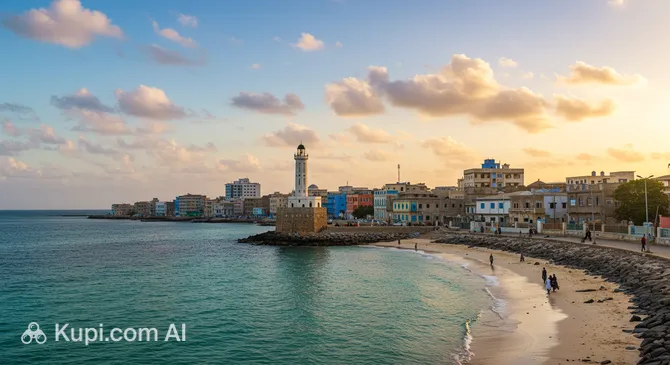
Mogadishu. Source: Kupi.Binoculars

The history of Mogadishu is deeply rooted in maritime trade, stretching back centuries when it was a prosperous center of commerce connecting Africa, Arabia, and Asia. This rich past is reflected in the city's architectural heritage, which showcases diverse influences and stands as a testament to its long-standing significance in the region.

Travelers to the city can explore several key attractions, including the scenic Lido Beach, a popular destination for relaxation and enjoying fresh seafood by the turquoise waters. The city also boasts historical landmarks such as the Arba-Rucun Mosque, one of the oldest Islamic worship sites in the area, and the lush Peace Garden (Beerta Nabada), which provides a pleasant green space for leisure and social gatherings.

Whether you are drawn by its pristine coastline, its bustling markets, or its cultural resilience, Mogadishu offers a truly distinct experience. It is a city that invites exploration and offers a warm welcome to those venturing to the Horn of Africa.
Weather Overview

Mogadishu features a warm, coastal climate that remains invitingly tropical year-round. Visitors can expect consistent warmth, with average temperatures generally staying between 25°C and 29°C. The city rarely experiences extreme cold, making it suitable for outdoor activities and beach visits at almost any time.

The warmest conditions are usually felt in March and April, when daily maximums can reach up to 32.7°C. By contrast, the months of July and August offer slightly cooler weather, with average temperatures dipping to around 25.8°C. This period provides a refreshing atmosphere, particularly along the coast where the ocean breeze moderates the heat.

Precipitation in the city varies by season, though heavy rainfall volume is generally low. The driest period occurs at the start of the year, with January and February seeing virtually no rain. From April through November, the frequency of wet days increases, bringing occasional light showers. To help you choose the best time for your trip, you can view the detailed forecast for the weather in Mogadishu. Even during the wetter months like May and November, the rain is typically manageable.

Interesting Facts

Beyond the main attractions, Mogadishu holds many fascinating secrets that reveal its depth as a historic cultural crossroads. From ancient maritime legends to unique culinary traditions, the city offers surprising details that often escape the casual observer.
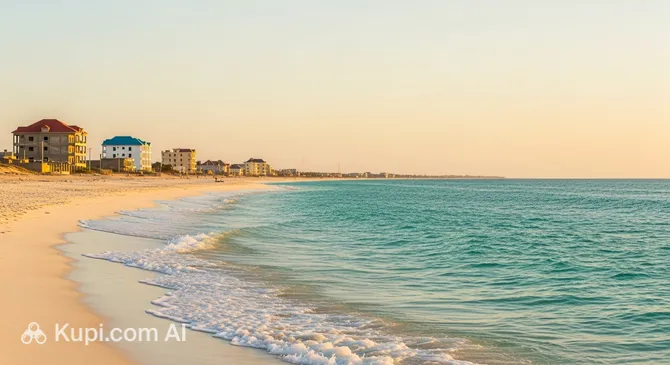
Liido Beach. Source: Kupi.Binoculars
  • Ancient Origins: Many historians believe that Mogadishu is the modern-day location of Sarapion, an ancient port city described in the first-century Greek navigation text, the Periplus of the Erythraean Sea. This suggests the city has been a pivotal trade hub connecting Africa to the wider world for over two millennia.

  • A Unique Culinary Fusion: Due to its historical connections, the local cuisine features a surprising Italian influence with a distinct Somali twist. It is quite common to be served a plate of spiced pasta accompanied by a fresh, sweet banana, a beloved combination that perfectly balances savory and sweet flavors.

  • The Cloth of Kings: In the Middle Ages, the city was famous for its textile industry. The "Mogadishu cloth" was a high-quality woven fabric exported as far as Egypt and Syria, and the famous traveler Ibn Battuta specifically praised the city's fabrics during his visit in the 14th century.

  • The Heartbeat of the Coast: The pristine white sands of Liido Beach serve as more than just a scenic spot; they are the center of the city's social life. On weekends, the beach transforms into a lively community hub where locals play football, enjoy fresh seafood, and watch the sunset, embodying the city's vibrant spirit.

How to Get There

The most direct and common way for international travelers to reach the capital is by air. You can read more about how to get to Mogadishu on our dedicated page, but the primary gateway is Mogadishu International Airport (MGQ). Conveniently situated within the city limits, it is located just 4.4 km from the center. This proximity makes transfers relatively quick; a taxi ride to the downtown area typically takes about 20 to 30 minutes, depending on traffic conditions.

For clarity, here is a summary of the main airport serving the city:

Airport Name City Passenger Traffic Km from City
Mogadishu International Airport Mogadishu Medium 4.4

Currently, there are no operational passenger railway services connecting to Mogadishu. The city does not have a functioning train station, so visitors rely primarily on air travel and road transport to navigate the region. Local buses and taxis are the standard means of moving around the city and traveling to nearby areas.

Main Attractions

Mogadishu offers a fascinating mix of historical depth and coastal beauty. While the city is still developing its tourism infrastructure, there are several key spots that showcase its vibrant culture, architectural heritage, and stunning location along the Indian Ocean.

One of the most famous destinations in the city is Liido Beach. This sprawling stretch of white sand is much more than just a place to swim; it is the social heart of Mogadishu. Locals and visitors alike gather here to play football, walk along the shore, and enjoy fresh seafood at the beachside restaurants. The turquoise waters provide a beautiful backdrop for relaxation, making it a perfect spot to witness the city's lively atmosphere.

For those interested in architecture and spiritual landmarks, the Islamic Solidarity Mosque (Masjidka Isbaheysiga) is a must-see. Constructed in 1987, this iconic white building stands proudly overlooking the ocean. Its clean lines and grand minaret make it one of the most photographed structures in the city, symbolizing the resilience and faith of the community. Visitors are often impressed by its serene ambiance and commanding location.

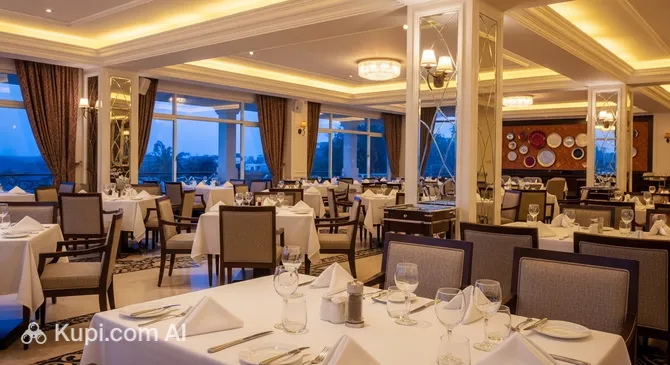
Decale Hotel. Source: Kupi.Binoculars

Travelers looking for a modern dining and leisure experience often visit the Decale Hotel. Situated near the airport, this establishment is renowned for its high standards and excellent restaurant. It serves as a comfortable oasis where guests can enjoy a mix of international and Somali cuisine in a refined setting, making it a popular meeting point for international visitors and locals seeking a premium experience.

To truly understand the city's connection to the sea, a trip to the Mogadishu Fish Market is essential. This bustling marketplace is a sensory experience, teeming with energy as fishermen bring in their daily catch of tuna, swordfish, and shark. It offers a raw and authentic glimpse into the daily lives of the residents and the maritime economy that has sustained the city for centuries.

Local Cuisine

The culinary scene in Mogadishu is a vibrant reflection of its history as a trade hub, blending indigenous Somali traditions with rich influences from the Arab world, Italy, and India. The result is a flavorful fusion where aromatic spices like cardamom, cinnamon, and cloves play a central role in almost every meal. Visitors will find that food here is not just sustenance but a warm, communal experience often shared from a large central platter.

One of the most iconic dishes to try is Bariis Iskukaris, a fragrant rice dish cooked with a mixture of spices, vegetables, and often served with tender goat meat or lamb. Another staple that surprises many travelers is the local take on pasta, known as Baasto. A legacy of the Italian colonial period, it is typically served with a rich, spiced meat sauce. In true Somali fashion, it is almost always accompanied by a fresh, sweet banana, which is eaten alongside the savory pasta to create a unique balance of flavors.

Given its location on the Indian Ocean, Mogadishu is a paradise for seafood lovers. Fresh catches arrive daily, including lobster, jumbo prawns, swordfish, and tuna. For the most authentic experience, travelers often head to the restaurants along Liido Beach. Here, you can enjoy grilled fish seasoned with tamarind and chili while looking out over the turquoise waters, making it a favorite spot for both locals and tourists to unwind.

Breakfast in the city typically features Canjeero, a fermented, pancake-like bread that is thinner and smaller than Ethiopian injera. It is often eaten with liver, eggs, or simply drizzled with sesame oil and sugar. For a quick snack on the go, Sambuusa (samosas) filled with spiced minced meat or vegetables are widely available at street food stalls and markets throughout the city.

When it comes to beverages, the local culture is strictly non-alcoholic. Instead, the social drink of choice is Shaah, a spiced Somali tea brewed with milk, ginger, cardamom, and plenty of sugar. Fresh fruit juices are also incredibly popular and widely available, with mango, papaya, and guava being freshly pressed and served ice-cold to combat the heat.

Dining options range from casual open-air stalls to more formal establishments. For those seeking a refined atmosphere with a mix of international and local menu options, the Decale Hotel offers a high-standard dining experience. Whether you are eating at a bustling market or a quiet hotel restaurant, the hospitality in Mogadishu is generous, and guests are always welcomed with open arms.

Travel Tips

Visiting Mogadishu is a unique adventure that rewards the prepared traveler with genuine hospitality and rich cultural experiences. To ensure your trip to Somalia is smooth and respectful of local customs, here are some essential practical tips to keep in mind.

  1. Dress Conservatively and Comfortably: Due to the warm, tropical climate, breathable fabrics like cotton and linen are ideal. However, modesty is paramount in this deeply traditional society. Men should wear long trousers rather than shorts. Women should dress modestly, covering their arms, legs, and hair with a headscarf (hijab) while in public spaces to respect local norms.

  2. Transportation and Mobility: There is no formal public transport system like a metro or scheduled bus service for tourists. While three-wheeled auto-rickshaws, known locally as Bajaj, are ubiquitous and popular for short trips, most international visitors rely on private vehicles with a trusted local driver or guide. It is highly recommended to arrange your transport through your hotel or a reputable travel agency before arrival.

  3. Managing Your Finances: The US Dollar is widely accepted and functions as a de facto currency alongside the Somali Shilling. Credit cards are rarely used outside of a few top-tier hotels, so carrying sufficient cash is essential. Ensure your dollar bills are clean and printed after 2009, as older or damaged notes may be rejected. Mobile money services are extremely popular among locals, but as a short-term visitor, cash is your best option.

  4. Health and Hygiene: Pharmacies are available in the city, but it is wise to bring a personal supply of essential medications and a basic first-aid kit. Tap water is not suitable for drinking; always opt for sealed bottled water for drinking and brushing your teeth. Sun protection is also a must given the city's proximity to the Equator.

  5. Communication and Connectivity: The main languages are Somali and Arabic. While English is spoken by many educated locals and those in the hospitality industry, learning a few basic Somali phrases like "Asc" (Hello) and "Mahadsanid" (Thank you) goes a long way. To stay connected, you can purchase a local SIM card from providers like Hormuud, which offers reliable 4G coverage throughout the city.

  6. Local Etiquette: Somalis are known for their friendliness, but social interactions follow specific codes. Greetings are important; a handshake is common among men, but it is polite to wait for a woman to extend her hand first. Always use your right hand for eating, greeting, or exchanging money, as the left hand is considered unclean.

  7. What to Avoid: Strictly avoid bringing or consuming alcohol, as it is prohibited by law and religious custom. Additionally, be very cautious with photography. Do not take photos of government buildings, security checkpoints, or military personnel, and always ask for explicit permission before photographing locals to avoid causing offense.

  8. Weekend Vibes: Remember that the weekend in Mogadishu falls on Thursday and Friday. Friday is the main day of rest and prayer, but it is also when the city comes alive in the late afternoon. It is the best time to see families enjoying the outdoors, particularly around the beach areas, offering a glimpse into the joyful local lifestyle.

By planning ahead and respecting these local guidelines, you can navigate Mogadishu with confidence. The city's resilience and the warmth of its people make for an unforgettable journey, offering a perspective on the Horn of Africa that few travelers get to see.

Entertainment & Nightlife

Entertainment and nightlife in Mogadishu offer a unique cultural experience that differs significantly from the typical Western concept of clubs and bars. Due to strict local laws and religious customs, alcohol is prohibited, and there are no nightclubs in the traditional sense. Instead, the city's evening energy is channeled into a vibrant café culture, lively beachside promenades, and social dining, where conversation and community take center stage.

The most bustling district after dark is undoubtedly the area around Liido Beach. As the sun sets, this coastline transforms into the city's primary social hub. The beachfront is lined with open-air restaurants and tea lounges that stay open late, attracting families, young people, and the diaspora community. The atmosphere here is electric yet relaxed, with the sound of the ocean mixing with animated conversations. It is the perfect place to enjoy fresh seafood or a cup of spiced tea under the stars.

For those seeking a more upscale and serene environment, hotel restaurants provide a popular alternative. The Decale Hotel is a prime example of a venue that offers a refined evening experience. It is a favorite spot for international visitors and locals looking for a secure and comfortable setting to enjoy a high-quality dinner. These venues often serve as the city's "lounges," offering mocktails, fresh juices, and a sophisticated ambiance for socializing late into the night.

When planning a night out, timing is everything. Thursday nights (the start of the weekend) and Friday evenings are the busiest and most vibrant times to explore. The dress code is consistently modest; men typically wear long trousers and shirts, while women should dress conservatively, covering their arms and hair. Prices are generally affordable at local beach spots, while hotel venues will charge international rates.

Safety is a crucial consideration for any night time activity. It is highly advisable to stick to well-lit, popular areas like the Liido district and secure hotel zones. Walking around random neighborhoods at night is not recommended for tourists. For transportation, avoid hailing random vehicles on the street. Instead, arrange a private taxi or a trusted driver through your hotel. Three-wheeled Bajajs are common for short distances, but a private car is safer for night travel.

While the nights are for socializing, daytime in Mogadishu offers its own set of diversions. Visitors can explore the city's historical architecture, visit bustling local markets to shop for fabrics and spices, or view the landmarks that tell the story of this ancient port city. Although formal museums and amusement parks are still in the developmental stage, the vibrant street life and coastal beauty provide ample entertainment for the adventurous traveler.

Parks & Museums

While Mogadishu is primarily known for its coastal beauty and bustling markets, the city is also home to a growing number of green spaces and cultural institutions that celebrate its rich heritage. As the city undergoes revitalization, its parks and museums are becoming central gathering spots for locals and insightful destinations for visitors looking to understand the Somali spirit.

Among the city's most cherished green spaces is the Peace Garden (Beerta Nabada). Located near the city center, this park serves as a lush oasis amidst the urban environment. With its manicured lawns, vibrant flowers, and shaded seating areas, it is a favorite spot for families and students to relax, study, and enjoy picnics. The garden symbolizes the city's resilience and offers a tranquil atmosphere where the community comes together to unwind.

For those seeking a natural area defined by the ocean, Liido Beach remains the crown jewel of Mogadishu's landscape. Although famous as a beach, it functions as the city's largest natural recreational park. The expansive stretch of white sand and the rhythmic sound of the Indian Ocean provide a refreshing escape from the city heat. It is a place where nature and culture merge, offering a perfect setting for a scenic walk along the water's edge.

Liido Beach. Source: Kupi.Binoculars

Culturally, the National Museum of Somalia stands as a beacon of history. Recently rehabilitated and reopened, the museum is dedicated to preserving the nation's artifacts and cultural memory. Visitors can view a collection that includes traditional Somali tools, ancient pottery, numismatic displays, and artwork that tell the story of the region's trade and traditions. It provides a crucial educational experience, offering deep insights into the way of life that has thrived here for centuries.

Another significant site is the Daljirka Dahsoon (Tomb of the Unknown Soldier). This imposing monument is a key historical landmark honoring the men and women who died in defense of the country. The obelisk stands in a prominent square and is often the site of national commemorations, making it a poignant stop for those interested in the nation's history.

For architecture enthusiasts, the historic district of Hamar Weyne serves as an open-air gallery of the city's past. This ancient quarter is characterized by its whitewashed coral stone buildings, narrow alleyways, and intricate doorways that reflect Arab and Persian influences. Wandering through these streets offers a glimpse into the medieval grandeur of Mogadishu when it was a powerful hub of maritime trade.

Insider Tip: To truly appreciate the architectural heritage, try to visit the area near the Old Port and the ruins of the Mogadishu Lighthouse. While access can sometimes be restricted, the view of the crumbling yet majestic structures against the backdrop of the blue ocean is strikingly photogenic and evocative of the city's layered history.

Getting Around

The public transport system in Mogadishu is largely informal and decentralized, differing significantly from the structured networks found in many other capital cities. There is no metro, tram, or large municipal bus service. Instead, the city relies heavily on a vast network of privately owned minibuses, locally known as Caasi or sometimes referred to as "BL". These vehicles serve as the backbone of daily commuting, running on specific routes that connect the city center with outlying districts and major markets.

Complementing the minibuses is the ubiquitous Bajaj, a three-wheeled auto-rickshaw that functions as a flexible taxi service. The Bajaj has transformed mobility in the city due to its ability to navigate narrow streets and traffic congestion with ease. They are brightly colored, usually yellow or red, and are the most popular choice for short to medium-distance trips where a specific drop-off point is required. They offer a more private experience than the shared minibuses but are less expensive than traditional private taxis.

When it comes to payment, the system is strictly "pay-as-you-go." There are no travel passes, magnetic cards, or transport apps for ticketing. Fares are paid directly to the driver or the conductor (in minibuses). While cash (Somali Shillings or small denomination US Dollars) is accepted, the most prevalent method of payment is mobile money. Services like EVC Plus are widely used even for very small transport fares. Prices are generally very low; a minibus ride typically costs the equivalent of a few cents, while a Bajaj ride across town might range from $2 to $5 depending on the distance and your negotiation skills.

For tourists considering these options, practical knowledge is essential. Minibuses do not have fixed stops marked by signs; passengers simply flag them down along the main roads and shout their destination to the conductor. To get off, you signal the driver by tapping the roof or telling the conductor. Operations usually run from early morning until sunset. It is important to note that public transport becomes scarce and less safe after dark, so planning your movements during daylight hours is crucial.

Despite the availability of these local options, most international visitors are strongly advised to use private taxis or car rental services that come with a local driver. This is the primary alternative and is considered the safest and most reliable way to navigate the city. Private vehicles offer air conditioning and the security of a driver who knows the safest routes and current road conditions. These can be arranged easily through hotels or reputable travel agencies, ensuring a hassle-free experience.

While there are no historic cable cars or river ferries, the sheer volume and vibrant culture of the Bajaj drivers constitute a unique feature of the city's streetscape. Riding in one offers a visceral connection to the city's energy, with the ocean breeze often flowing through the open sides of the vehicle. However, for those unfamiliar with the local language and geography, hiring a dedicated private driver remains the gold standard for comfort and ease of travel.

Accommodation

Accommodation in Mogadishu is primarily defined by security considerations and location. Unlike typical tourist destinations with a vast array of hostels and bed-and-breakfasts, the options here are concentrated in specific, well-guarded zones. The range generally spans from basic guesthouses used by locals to fortified, high-end hotels designed to host international diplomats, business travelers, and the diaspora community. Visitors will not find standard backpacking hostels; instead, the focus is on secure compounds that offer comprehensive amenities within their walls.

The most popular and convenient area for international visitors is the vicinity of the Aden Adde International Airport, often referred to as the "Green Zone" or Halane base area. This district is heavily secured and hosts many embassies and international organizations, making it the safest choice for foreign travelers. Another notable area is along the coastline near Liido Beach, which offers scenic ocean views and a lively atmosphere, though travelers should prioritize establishments with robust security measures when staying outside the airport perimeter.

For those seeking a blend of modern comfort and high security, the Decale Hotel is a standout example. Located within the protected airport zone, it is widely regarded as one of the premier accommodation options in the city. It offers international-standard rooms, reliable Wi-Fi, and dining facilities, making it a preferred base for visitors who want to experience Somali hospitality without compromising on safety or convenience.

Booking Tip: It is essential to book your accommodation well in advance. Spontaneous "walk-ins" are not feasible due to security protocols; most hotels require a confirmed reservation to clear the checkpoints leading to the property. Additionally, having a local contact or sponsor who can verify your stay is often helpful.

Regarding costs, travelers should be prepared for a price range that is higher than the regional average. The cost of providing 24-hour private security, electricity generators, and imported goods drives up room rates. Budget options are scarce for international visitors, so expect to pay mid-to-luxury prices for a safe and comfortable stay. Payment is almost exclusively in cash (US Dollars), as credit card facilities are limited to a few top-tier establishments.

Nearby Cities

Mogadishu serves as the primary gateway to the Banadir region and the southern provinces of Somalia. The capital is surrounded by a network of historic towns and agricultural hubs, ranging from coastal ports to key inland centers. Understanding the geography of these neighboring locations provides a broader context of the area's population distribution and economic connections.

The following table outlines significant cities in the vicinity, including their estimated populations and distances from Mogadishu:

City Name Population Distance (km)
Marka 499,000 73
Ceel Baraf 384,630 138
Buurhakaba 360,795 163
Baidoa 950,000 222
Jilib 125,000 332

Among these locations, Marka is one of the closest and most historically rich coastal towns, sharing a similar maritime heritage with the capital. Further inland, Baidoa stands out as a major urban center and a critical hub for the southwestern region. Travelers planning to visit these cities should be aware that road conditions vary, and logistics often require careful arrangement, with air travel being a common alternative for longer distances.

Shopping & Souvenirs

General Overview: Shopping in Mogadishu offers a vibrant mix of ancient tradition and emerging modernity. The city has long been a commercial hub, and today’s visitors can explore everything from historic open-air souks filled with aromatic spices to newly built shopping centers that reflect the capital's development. It is a place where trade is conducted with energy and hospitality, offering a genuine glimpse into the daily life of the Somali people.

Main Shopping Streets: The commercial heartbeat of the city is undoubtedly Maka Al-Mukarama Road. This major thoroughfare is lined with a diverse array of businesses, ranging from electronics shops and fashion boutiques to furniture stores and cafes. It is a bustling area where tourists can find essential goods and observe the city's rapid modernization in real-time.

Shopping Malls: For a more contemporary retail experience, the Mogadishu Mall is the premier destination. As one of the first modern shopping complexes in the city, it offers a clean, air-conditioned environment featuring a well-stocked supermarket, clothing stores, electronics retailers, and a food court. It provides a comfortable contrast to the heat of the outdoor markets and is a popular spot for local families.

Markets: To experience the authentic soul of the city, a visit to the Hamar Weyne Market is essential. Located in the historic district, this market is a labyrinth of narrow alleys and vibrant stalls. It is famous for its skilled goldsmiths, leather workers, and tailors. Here, you can watch artisans crafting jewelry or weaving fabrics using traditional methods that have been passed down for generations.

Souvenirs: When looking for unique gifts to take home, frankincense and myrrh top the list; Somalia is known as the "Land of Punt" and produces some of the world's finest aromatic resins. Other excellent souvenirs include Alindi (a colorful, hand-woven cotton fabric), intricate gold and silver jewelry from the local smiths, and pure sesame oil, which is a staple of the local economy.

Opening Hours and Payment: Stores typically open around 8:00 AM and close by 6:00 PM or later. Friday is the Islamic day of rest, meaning many shops will be closed in the morning and may only open in the late afternoon. Regarding payment, cash is king, particularly the US Dollar, which is accepted everywhere. However, the most common payment method for locals is mobile money (EVC Plus); while tourists usually rely on cash, carrying small denominations of dollars is highly recommended as credit cards are rarely accepted.

Tax-Free: There is currently no formal tax-free shopping refund system for tourists in Mogadishu. Visitors should expect the listed price to be the final cost, although friendly bargaining is a common and expected practice in traditional markets.

Reached the end of the page?

That means the route is fully explored