Support

Somalia

About the Country

Somalia, a country located on the Horn of Africa, has one of the longest coastlines on the continent, bordered by the Indian Ocean and the Gulf of Aden. It is a land with an ancient history, once an important centre of trade that connected Africa with the Arabian Peninsula and Asia. Somalia's rich cultural heritage is evident in its traditional poetry, music, and crafts, passed down through generations.
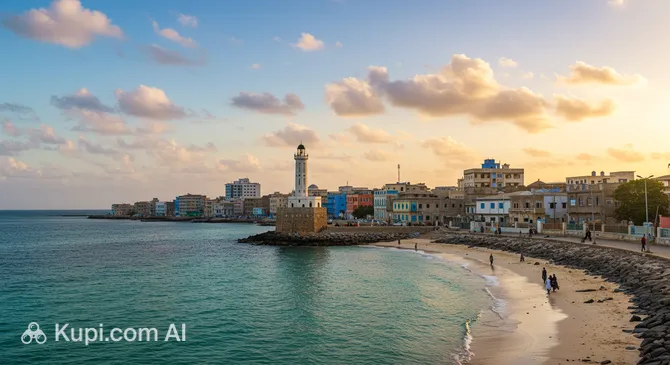
Mogadishu. Source: Kupi.com Binoculars

The nation's capital, Mogadishu, is a historic city with ancient mosques and bustling markets, gradually restoring its former appearance. Somalia's natural beauty includes picturesque beaches, such as the famous Lido Beach in the capital, and the potential to explore uncharted landscapes. The climate here is predominantly hot and dry, with two rainy seasons.

Beyond the capital, other cities may be of interest to travellers, such as Hargeisa, known for its camel markets. Somalia is a destination for those seeking something truly different—an opportunity to connect with a unique culture and see a country that, despite its challenges, retains its identity and hospitality. A trip here requires thorough preparation and an understanding of local customs, but it can offer an unforgettable experience.
Currency

The official currency of Somalia is the Somali Shilling (SOS). Banknotes of various denominations are in circulation. It is worth noting that due to the country's economic situation, in addition to the national currency, US dollars are also widely accepted, especially for larger transactions. The condition of local banknotes can vary greatly.

Exchanging currency for Somali Shillings should be done with extreme caution. It is advisable to enquire about exchange options at banks or official exchange offices in major cities, such as the capital Mogadishu, provided they are operational and trustworthy. It is strongly recommended to avoid street money changers due to the high risk of fraud or receiving counterfeit notes. The use of credit cards in Somalia is extremely limited and practically impossible outside of a very small number of establishments that cater to foreigners. Therefore, travellers must rely almost exclusively on cash. It is wise to carry US dollars in small denominations, as they are easier to exchange or even use for direct payment in some cases.

Visa Requirements

When planning a trip to Somalia, it is important to arrange your visa matters in advance. According to the UAE Embassy in Mogadishu, holders of regular UAE passports can obtain a visa on arrival at the airport for a fee. However, other sources suggest that all UAE residents, regardless of nationality, must obtain a visa before travelling. There are also reports of a new electronic visa (e-visa) system being enforced for all foreign travellers. Given the conflicting information, relying on visa on arrival is not advisable.

To enter the country, you will need a valid passport with at least six months of validity remaining from your date of arrival. Other standard supporting documents that may be required include return flight tickets, proof of accommodation, and a medical insurance policy. For UAE residents, a copy of your UAE residence visa and Emirates ID, as well as a No-Objection Certificate (NOC) from your employer, may also be necessary. As visa regulations can change, it is strongly recommended to check the most up-to-date information with the Somali Consulate in Dubai or other official diplomatic missions before planning your trip.

We'll tell you if you need a visa

Specify where you are going, or
Your citizenship
Destination

Time Zones

When planning a trip to Somalia, you will not have to worry about changing time zones within the country. The whole of Somalia operates on a single time zone – East Africa Time (EAT), which is UTC+3. This means the time is the same in all regions of the country, including the capital, Mogadishu. For travellers from the UAE, it is useful to know that Somalia is one hour behind the UAE's Gulf Standard Time (GST), which is UTC+4.

How to Get There

Getting to Somalia is easiest by air. The country has several international airports, with the main gateway being the Mogadishu International Airport (Aden Adde) in the capital, Mogadishu. It serves as the primary hub for international flights. Direct air connections to Somalia are limited, but there are regular flights and convenient connections from the UAE and through major hubs in East Africa (such as Nairobi and Addis Ababa) and the Middle East (such as Dubai and Istanbul). Airlines like flydubai, Emirates, and Air Arabia offer flights from the UAE to Somalia. Ethiopian Airlines, Qatar Airways, and Turkish Airlines also provide key connections to the country.

Although Somalia shares land borders with neighbouring countries, crossing them can present significant difficulties and security concerns for tourists. Therefore, overland travel is not a common method of entry for most visitors. Sea routes are mainly used for cargo, and regular passenger services to other countries are limited or non-existent. It is highly recommended to plan your trip well in advance, book flights early, especially during peak seasons, and carefully review current travel advisories before your journey.

For clarity, here is a summary of the main airports:

Airport Name City Passenger Traffic
Mogadishu International AirportMogadishuLarge
Bender Qassim International AirportBosasoMedium
Egal International AirportHargeisaMedium
Kismayo AirportKismayoSmall
Galkayo AirportGalkayoSmall

Somalia is a country with an ancient history and culture, offering travellers an introduction to unique coastal cities and distinctive regional centres. The capital, Mogadishu, despite its complex modern history, holds traces of a centuries-old past when the city was a major trading port on the Indian Ocean coast. Here, you can see ancient mosques and bustling markets that reflect the spirit of this historic city.

Mogadishu. Source: Kupi.com Binoculars

Among other notable cities is Hargeisa, a major economic and cultural centre in the north of the country. This city is known for its vibrant atmosphere and offers an opportunity to experience local traditions. Coastal cities such as Berbera, with its historic port, and Bosaso, another key maritime hub, reveal a different side of Somalia connected to the sea and trade. Each of these cities has its own unique character, offering a glimpse into the multifaceted life of the country.

Top Attractions

Somalia can offer travellers several noteworthy places that reflect the country's culture and daily life. These include natural beauty spots as well as popular establishments where you can experience the local atmosphere.

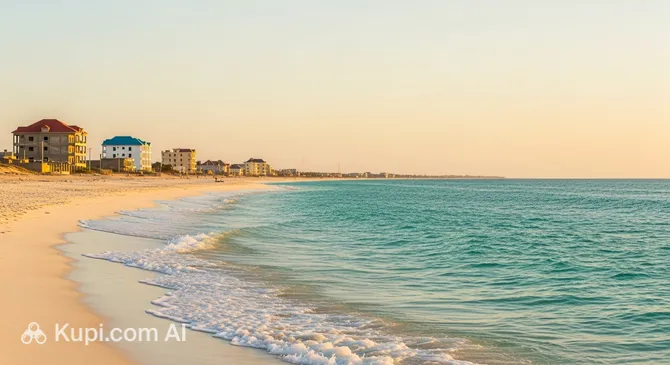
One such place is Lido Beach in Mogadishu. This beach attracts both locals and the few tourists with its white sand and the opportunity to relax by the shores of the Indian Ocean. It is a popular spot for socialising, especially on weekends, where you can observe the daily life of the capital.

Liido Beach. Source: Kupi.com Binoculars

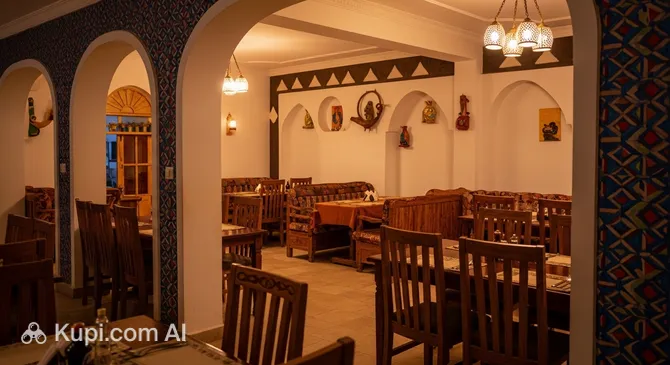
If you find yourself in Hargeisa, it is worth visiting Damal Restaurant. This establishment is known for its local, halal cuisine and is a popular meeting place. Here, you can try traditional Somali dishes and immerse yourself in the city's atmosphere. Somali cuisine is inherently halal, featuring fresh vegetables and lean meats.

Damal Restaurant. Source: Kupi.com Binoculars

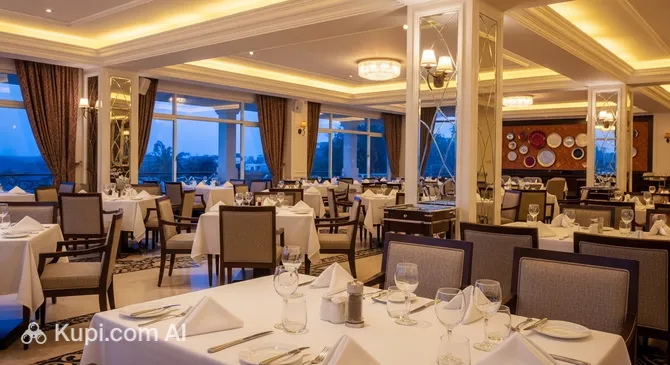
In the capital, Mogadishu, the Decale Hotel is also worthy of mention. It is not just a place to stay but also a popular restaurant. It offers guests local and international dishes, including Turkish flavours, and serves as a focal point for those wishing to spend time in a comfortable and secure environment.

Decale Hotel. Source: Kupi.com Binoculars

Best Time to Visit

When planning a trip to Somalia, it is important to consider the local climate, which is predominantly hot and dry with distinct rainy and dry seasons. Choosing the best time to visit will help make your journey more comfortable.

The 'high' season in Somalia can be divided into two main dry periods. The first, known as the 'Jilal', lasts from December to March. During this time, the weather is extremely hot and dry, and rainfall is unlikely, which makes travelling easier. The second dry season, the 'Hagaa', occurs from July to September. It is characterised by more moderate temperatures, especially on the coast, thanks to the south-westerly monsoon winds, although it can be quite windy. The advantages of these periods are the predictable sunny weather, which is ideal for most activities. The disadvantages include the intense heat during the 'Jilal' and potentially strong winds during the 'Hagaa'.

The 'low' season, or off-season, coincides with the two rainy seasons: the main 'Gu' season (from April to June) and the shorter 'Deyr' season (from October to November/early December). During these months, the weather becomes humid with frequent, sometimes heavy, downpours that can make travelling around the country difficult, especially on unpaved roads. On the plus side, the heat subsides slightly after the rain and, in theory, there may be fewer visitors and lower prices. However, the unpredictable weather and potential transport difficulties are significant drawbacks. It is also important to note that the dates of major Islamic holidays, such as Eid al-Fitr and Eid al-Adha, are based on the lunar calendar and can occur at different times of the year. This adds to the cultural experience but may affect the opening hours of some establishments. Given the country's size, the climate can vary slightly between regions, so it is advisable to check the forecast for your specific destination before you travel.

Traditions

The culture of Somalia is rich in tradition, and knowing some of its customs will help you to show respect to the local people. Greetings play an important role: a handshake between men is common, accompanied by warm words and enquiries about one's well-being. When greeting women, it is best to wait for them to offer their hand first, should they feel it is appropriate. Hospitality (Soomaalinimo) is a cornerstone of Somali culture. If you are invited into a home, it is a great honour, and while gifts are not always required, a small token of appreciation, such as tea or sweets, will be gratefully accepted. Always use your right hand for handshakes, passing items, and eating, as the left hand is traditionally considered unclean.

Modesty in dress is highly valued, especially when visiting public and religious places. Women are advised to wear clothing that covers their shoulders, arms, and legs, and to cover their head with a scarf, particularly when entering a mosque. Men should also dress conservatively, avoiding shorts in most situations. During meals, especially when sharing food, it is customary to eat with the right hand. The main holidays, such as Eid al-Fitr, which marks the end of the fasting month of Ramadan, and Eid al-Adha, the festival of sacrifice, are significant events filled with family gatherings and religious observances that offer insight into deep cultural values.

To avoid misunderstandings and show respect, try not to point at people with your finger; it is better to use an open hand. Always ask for permission before taking photographs of local people, especially women and children. Public displays of affection between men and women are not customary and may be met with disapproval. Showing patience and understanding towards the local pace of life will also be appreciated. Learning a few simple phrases in Somali, such as "Salaam aleikum" (peace be upon you) or "Mahadsanid" (thank you), will open many doors and demonstrate your respect for the local culture.

Entertainment

In Somalia, travellers will discover opportunities to explore a unique culture and natural landscape, although the range of entertainment here has its own specific character. The country's extensive Indian Ocean coastline attracts beach lovers, offering a chance to enjoy the sun and sea breeze. In some areas, it may also be possible to partake in water sports such as surfing, kayaking, and snorkelling in a tranquil setting. The nation's cultural life is reflected in its local traditions, music, and crafts; engaging with these offers a deeper understanding of the history and daily life of the Somali people. While large, European-style museums or theatres may not be widely available, the cultural experience here is centred on immersing oneself in the authentic atmosphere and interacting with local residents.

Shopping in Somalia is primarily about its colourful local markets, such as those in cities like Mogadishu or Hargeisa, where you can find original handmade crafts, traditional fabrics like Alindi, incense, and spices, which make for excellent souvenirs. Evening entertainment is typically calm and informal. Locals and visitors can visit restaurants serving national cuisine, which is naturally halal, and enjoy aromatic Somali tea or coffee in local cafés. There are few large, dedicated entertainment centres for families with children or a bustling nightlife in the conventional sense. However, the hospitality of the local people and the opportunity to spend time in nature or engage with the local culture can be a pleasant and memorable experience for all travellers.

Currency rates

Planning a trip? Excellent! To avoid any financial surprises on your journey, it is important to remember that currency exchange rates are constantly changing. The official currency of Somalia is the Somali Shilling (SOS), but the US Dollar is widely used for most transactions, especially via mobile money services. Due to the prevalence of counterfeit notes and the fact that new banknotes have not been printed since the civil war began in 1991, many vendors, particularly in cities like Mogadishu, may not accept the local currency. Therefore, we strongly advise you to monitor the current rates, both on the eve of your departure and throughout your trip. For this, you can use the data provided below—we monitor currency rates 24/7 and strive to provide the most up-to-date information.

Reached the end of the page?

That means the route is fully explored