Support

Garowe

About

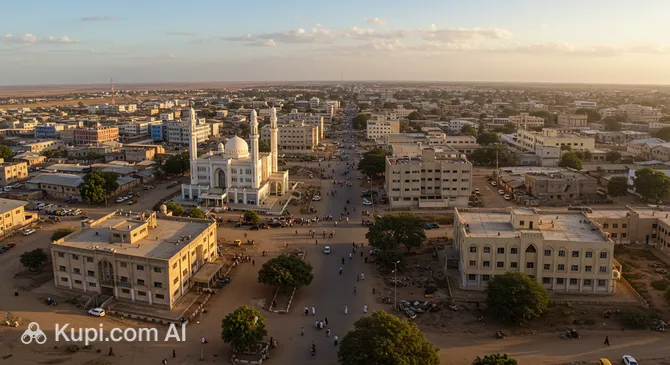
Garowe is a dynamic and rapidly developing city serving as the administrative capital of the Puntland state in northeastern Somalia. Known for its welcoming atmosphere and significant growth in recent years, it has become a vital hub for commerce, education, and politics in the region. The city stands as a testament to resilience, offering a distinct urban experience in the Horn of Africa.

Garowe. Source: Kupi.Binoculars

Located centrally in the Nugaal Valley, the city is surrounded by high plateaus and traversed by dry riverbeds that shape the local landscape. With a population of approximately 385,000 residents, Garowe experiences a hot desert climate, making it a sun-drenched destination throughout the year. Its strategic location on the main highway connecting the northern and southern parts of the country adds to its importance as a transit and trade center.

Those interested in the local heritage can delve into the history of Garowe to understand its transformation from a modest settlement into a modern urban center. The city takes pride in its educational institutions, such as the impressive Garowe Public Library, and its bustling markets where visitors can observe the daily rhythm of local life. The surrounding Nugaal region also offers opportunities to appreciate the rugged, semi-arid beauty typical of this part of the continent.

Whether you are passing through on a journey across the region or visiting to experience its unique culture, Garowe offers a fascinating glimpse into the hospitality of its people. It is a destination that continues to evolve, welcoming travelers with an interesting blend of traditional Somali culture and modern aspirations.

Weather Overview

Garowe is characterized by a hot, arid climate that ensures warm temperatures and abundant sunshine throughout the year. The city typically experiences hot days and milder nights, making it a destination where sun protection is essential regardless of when you visit. For those planning their itinerary, checking the weather in Garowe is recommended to pack appropriately for the specific season.

Temperatures remain consistently high, with the coolest month, January, seeing an average of 23.4°C and lows around 16.7°C. In contrast, the heat peaks in months like June and September, where daily maximums can reach up to 34.2°C. While the region is predominantly dry with zero precipitation for many months, travelers should expect brief wet spells in April, May, and October, which typically feature about 6 to 7 wet days each.

Interesting Facts

Beyond its role as a bustling administrative capital, Garowe holds many fascinating secrets that reveal its deep cultural roots and resilience. From its surprising agricultural origins to its modern achievements in education, the city offers a unique perspective on life in the Horn of Africa.

  • A Name Rooted in Abundance: Despite its current semi-arid environment, the name "Garowe" is believed to derive from a Somali term meaning "a place of rich sorghum grain." This linguistic heritage hints at the Nugaal Valley's historical significance as a grazing and agricultural hub for the region's pastoral communities.

  • A Beacon of Knowledge: The city is home to the Puntland Library and Resource Center, one of the most significant educational institutions in the area. Established as a community-led project, it stands as a powerful symbol of post-conflict reconstruction, providing thousands of residents with access to books, technology, and a space for cultural exchange.

  • Land of Frankincense: Garowe sits in the heart of the Nugaal Valley, a region famous for the wild growth of frankincense and myrrh trees. For centuries, these precious resins have been harvested from the surrounding high plateaus and dry riverbeds, connecting the city to ancient global trade routes.

  • Unique Tableland Geography: The city is visually defined by its location within a valley bordered by dramatic, flat-topped plateaus. These table-like formations rise between 500 and 1,000 meters above sea level, creating a striking natural amphitheater that shelters the city and offers breathtaking views for adventurous hikers.

How to Get There

Reaching Garowe, the administrative center of Puntland, involves navigating the unique geography of the region. As a growing hub in Somalia, the city is accessible primarily by road networks connecting it to other major urban centers, though air travel remains the most efficient method for covering long distances in the Horn of Africa. For a comprehensive guide on routes and travel tips, you can read more about how to get to Garowe.

Regarding air travel options in the wider region, travelers may consider the Galcaio (GLK) airport. It is important to note that this airport is not located in Garowe itself but in the city of Galkayo, which is approximately 213 km away. Due to the distance, a subsequent journey by taxi or bus is necessary to reach your final destination. This road trip typically takes approximately 4 to 5 hours, depending on road conditions. Galcaio serves as a regional transport node with a medium volume of annual passenger traffic, connecting the area to various domestic and potentially international routes.

For clarity, here is a summary of the regional airport mentioned:

Airport Name City Passenger Traffic Km from City
GalcaioGalkayoMedium212.9

Currently, there are no operational railway stations in Garowe or the surrounding province. The region relies entirely on road transport for ground movements, so visitors should not expect to arrive by train. The primary way to travel between cities is via the main paved highways that link Garowe to Bosaso in the north and Galkayo in the south.

Main Attractions

Garowe offers a distinct selection of landmarks that reflect both its cultural heritage and its modern development. While it may not be crowded with traditional tourist monuments, the city’s charm lies in its vibrant public spaces and community hubs. Visitors will find that the best way to experience the local atmosphere is to explore the places where residents gather, learn, and celebrate.

One of the most significant stops for any traveler is the Puntland Library and Resource Center. More than just a repository for books, this institution serves as a beacon of education and community resilience. The facility is a hub for students and intellectuals, often hosting cultural events and workshops. For visitors, it offers a quiet space to read and a unique opportunity to witness the city's dedication to literacy and learning in a welcoming environment.

For those interested in the local passion for sports, the Mire Aware Stadium is a central landmark. This facility is the heart of the city's athletic life, frequently hosting regional football tournaments that draw enthusiastic crowds. Attending a match here provides a thrilling glimpse into the local spirit, where the energy is contagious and the sense of community is palpable. Even on non-match days, the stadium stands as a symbol of the city's reconstruction and youth engagement.

To experience the daily rhythm of Garowe, a visit to the Main Market is essential. This bustling area is a sensory experience filled with the sights and sounds of Somali commerce. Here, travelers can find everything from colorful textiles to fresh produce. Given the region's reputation as a source of frankincense and myrrh, the market is also an excellent place to find these aromatic resins, often sold by local traders who can share stories about their harvesting in the surrounding Nugaal Valley.

A vital custodian of the region's traditions is the Hiddo Raac Cultural Center. This establishment is dedicated to preserving and showcasing local heritage through various mediums, including traditional artifacts, literature, and performance arts. It frequently serves as a venue for cultural gatherings and events where visitors can observe traditional dances or poetry recitals. A visit here provides a deeper understanding of the rich history and artistic expressions that define the identity of the province.

Local Cuisine

The culinary landscape of Garowe offers a flavorful journey that reflects the pastoral heritage of the Nugaal Valley blended with historical trade influences. The food here is hearty, aromatic, and deeply rooted in Somali traditions, relying heavily on locally sourced ingredients like livestock and grains. Visitors will find that dining is a communal and hospitable experience, where generous portions and rich spices are the norm.

Meat plays a central role in the local diet, with goat and camel being the most prized staples. A must-try dish is Hilib Ari, roasted goat meat that is incredibly tender and typically served with rice or pasta. The rice, known as Bariis Iskukaris, is a fragrant masterpiece cooked with a mix of spices such as cardamom, cinnamon, and cloves, often garnished with raisins. Another popular option is Suqaar, small cubes of beef or camel meat sautéed with vegetables and spices, offering a savory taste of the region's everyday cuisine.

Due to historical influences, pasta, locally called Baasto, is surprisingly prevalent and beloved in Garowe. Unlike the Italian original, the Somali version is often served with a heavier, spiced stew and is frequently eaten with a side of banana. This unique custom of eating a slice of fresh banana with rice or pasta adds a sweet contrast to the savory, spicy flavors of the main dish and is a quintessential part of the dining etiquette here.

Breakfast is an important meal, often featuring Canjeero, a fermented, pancake-like flatbread that is smaller and thinner than Ethiopian injera. It is traditionally eaten with sesame oil and sugar or dipped into a savory stew made from liver or jerky. For a lighter start to the day, locals might enjoy it with a cup of tea, showcasing the simplicity and nutritional focus of the pastoral lifestyle.

When it comes to beverages, the culture is strictly non-alcoholic, in line with Islamic traditions. The social drink of choice is Shaah, a sweet, milky tea infused with aromatic spices like cardamom and ginger. It is available everywhere, from street stalls to formal meetings. For a truly authentic local experience, adventurous travelers should try fresh camel milk, which is revered for its nutritional properties and is widely available in the city's markets.

Travel Tips

Visiting Garowe offers a unique opportunity to experience the hospitality and culture of the Puntland region, but like any destination in the Horn of Africa, it requires a bit of preparation to ensure a smooth trip. These practical tips are designed to help you navigate the city comfortably, respectful of local customs and ready for the climate.

  1. Clothing and Gear: Due to the hot desert climate and conservative Islamic culture, modesty is key. Men should wear long trousers and shirts, while women are expected to wear loose-fitting clothes that cover the arms and legs, along with a headscarf. Lightweight, breathable fabrics like cotton or linen are ideal for handling the heat. Don't forget sunglasses, a hat, and sturdy sandals or comfortable walking shoes.

  2. Transportation: There is no formal public metro or bus system for tourists. The most common way to get around is by bajaj (auto-rickshaw) for short distances or taxi for longer trips. It is advisable to arrange transportation through your hotel or a trusted local contact rather than hailing rides on the street. Car rentals typically come with a driver, which is highly recommended for navigation and safety.

  3. Finances: The official currency is the Somali Shilling, but the US Dollar is widely accepted and often preferred for larger purchases. Credit cards are rarely used, and ATMs accepting international cards are virtually non-existent. Bring sufficient cash in USD (small, clean bills). Mobile money payments (like EVC Plus) are ubiquitous among locals, but as a short-term visitor, cash is your best option.

  4. Health and Safety: Pharmacies are available in the city center, but it is smart to bring your own supply of essential medications and a basic first-aid kit. Dehydration is a real risk, so always drink bottled water and avoid tap water. Regarding safety, always consult with your host or hotel about safe areas to walk; it is generally best to avoid wandering alone at night and to stay updated on local guidance.

  5. Communication: The primary language is Somali. While government officials and business owners often speak English, it is not universally spoken on the street. Learning a few basic Somali phrases will be greatly appreciated. To stay connected, you can easily purchase a local SIM card from providers like Golis, which offers reliable 4G data coverage in the city.

  6. Local Etiquette: Greetings are important; a polite "As-salamu alaykum" goes a long way. When greeting someone of the opposite gender, wait to see if they extend their hand; often, a verbal greeting with a hand over the heart is preferred. Always use your right hand for eating, shaking hands, or handing money to someone, as the left hand is considered unclean.

  7. What to Avoid: Strictly avoid taking photographs of government buildings, military installations, police checkpoints, or soldiers, as this can lead to serious legal trouble and confiscation of equipment. Also, never drink alcohol or bring it into the country, as it is strictly prohibited by law and religious custom.

  8. Plan for the Afternoon: Garowe follows a rhythm dictated by the sun. Between 1:00 PM and 4:00 PM, when the heat is at its peak, many shops and businesses close for lunch and rest. Plan your activities for the cooler mornings or late afternoons, and use the midday break to relax just like the locals do.

By keeping these tips in mind, you can focus on the rich history and vibrant daily life of Garowe without unnecessary stress. The city is known for its resilience and community spirit, and a respectful, well-prepared visitor is sure to be met with warm smiles and genuine Somali hospitality.

Entertainment & Nightlife

Entertainment and nightlife in Garowe offer a cultural experience that is vastly different from the typical Western concept of bars and nightclubs. In this conservative city, strict Islamic laws are observed, meaning that alcohol is prohibited and there are no discos or dance clubs. Instead, the "nightlife" is defined by vibrant social gatherings, lively conversations, and late-night dining under the stars. The atmosphere is welcoming and community-focused, with the cooler evening hours being the prime time for residents to step out, socialize, and enjoy the city's hospitality.

The heart of evening activity is often found along the main paved roads and in the city center, where shops and cafes stay open late. As the sun sets and the desert heat dissipates, the streets come alive with people. The local culture revolves around fadhi ku dirir, a Somali tradition of sitting together to discuss current events, politics, and social issues over endless cups of spiced tea. For a visitor, joining these gatherings at a local tea shop is the best way to immerse oneself in the true spirit of the city.

For those looking for a place to dine and relax in the evening, the city's major hotels and restaurants serve as the primary entertainment venues. Mart Soor is a well-known establishment where families and friends gather to enjoy traditional meals in a comfortable setting. Another popular spot is the restaurant area within the Gacayte Hotel, which offers a secure and relaxed environment for an evening meal. Additionally, the Hiddo Raac Cultural Center occasionally hosts evening events that showcase traditional folklore, poetry, and arts, providing a deep dive into the region's heritage.

When planning a night out, timing is everything. The city typically livens up after the Maghrib (sunset) prayer and stays active until around midnight. The dress code remains conservative even at night; men should wear long trousers, and women should continue to dress modestly. Prices for dining and tea are generally very affordable. To get around, it is highly recommended to use a bajaj (auto-rickshaw) or a private taxi arranged by your accommodation, rather than walking long distances alone.

Safety is a priority for any traveler in the region. While the central areas near major hotels and government buildings are well-lit and patrolled, it is advisable to avoid unlit backstreets and the outskirts of the city after dark. Always carry a form of identification and keep a low profile. If you need to move between venues, a trusted taxi driver is your safest option.

During the daylight hours, entertainment in Garowe is more low-key and educational. Visitors can explore the Garowe Public Library to see the city's academic side or visit the local markets which are bustling centers of trade. While there are no large amusement parks, the natural landscape surrounding the city offers opportunities for scenic walks and photography before the sun becomes too intense.

Parks & Museums

While Garowe may not be famous for manicured botanical gardens or sprawling national museums found in older capitals, it offers a distinct cultural landscape defined by its rugged natural beauty and community-driven heritage centers. The city’s green spaces are often seasonal, dependent on the rains that transform the arid terrain, while its cultural venues serve as vital repositories for the history and traditions of the Puntland region.

The most significant natural feature functioning as a recreational area is the Togga Garowe (Garowe Riverbed). Although dry for much of the year, this wide wadi bisects the city and serves as a natural corridor. During and after the rainy seasons, the river flows, and the banks become greener, attracting residents for walks and picnics. Even in the dry season, the surrounding Nugaal Valley offers a stark, majestic beauty with its flat-topped plateaus, providing a dramatic backdrop for those who enjoy hiking and desert photography.

For a deep dive into the region's history, the Hiddo Raac Cultural Center is the city’s premier destination. It functions as a living museum, meticulously designed to preserve Somali nomadic traditions. Visitors can explore traditional grass huts (aqal), view displays of historical artifacts, and examine tools used by pastoralists for centuries. It is not just a gallery but an immersive experience where the architecture itself reflects the ingenuity of the local ancestors.

Another cornerstone of culture is the Puntland Library and Resource Center. While primarily an educational hub, it holds a significant place in the city's cultural preservation efforts. It houses archives and collections that document the region's social history and literary heritage. For tourists, it offers a quiet environment to appreciate the local drive for knowledge and reconstruction, often hosting exhibitions that showcase local art and community projects.

In terms of landmarks, the city is dotted with monuments that celebrate its growth and stability. The Globe Monument, located at a central roundabout, is perhaps the most photographed structure in Garowe. Held up by strong hands, the globe symbolizes the city's connection to the world and its aspirations. Nearby, the architecture of the state administrative buildings reflects a blend of modern functionality and traditional Islamic influences, marking the city's status as a political capital.

For a truly authentic experience, head to the outskirts of the city towards the table mountains just before sunset. The changing light over the red earth and the silhouette of the plateaus create a breathtaking natural gallery that no museum can replicate. It is a peaceful moment that captures the timeless essence of the Horn of Africa.

Getting Around

Public transport in Garowe differs significantly from the structured systems found in many large global cities. Travelers should not expect to find metros, trams, or extensive public bus networks with scheduled stops and printed timetables. Instead, the city relies on a highly flexible, informal network of vehicles that serve the daily needs of the population. For a visitor, navigating this system offers a genuine slice of local life, though it requires a bit of adaptability and local knowledge.

The most ubiquitous and convenient mode of transport is the bajaj, or auto-rickshaw. These three-wheeled vehicles are the heartbeat of the city's transit, zipping through streets and offering door-to-door service. They are brightly colored, often decorated, and can be hailed almost anywhere in the city center. For short trips within the city limits, the bajaj is unbeatable in terms of availability and price, allowing you to bypass traffic more easily than larger vehicles.

For longer distances or travel between specific neighborhoods, minibuses (often referred to locally as caasi or simply "bus") are the standard option. These operate on roughly fixed routes, usually connecting the city center with outlying residential areas. They do not have official stops marked by signs; instead, passengers simply flag them down along the main roads or board them at informal gathering points near markets. While they are the most economical way to travel, they can be crowded and may wait to fill up with passengers before departing.

The payment system in Garowe is entirely informal, with no travel cards, passes, or ticket machines. Fares are paid directly to the driver or a conductor upon boarding or reaching your destination. While cash in the local currency or small denominations of US dollars is accepted, the region is a global pioneer in mobile money technology. Many drivers prefer or readily accept payments via mobile services like EVC Plus. If you do not have a local SIM card set up for mobile payments, carrying exact cash is highly recommended to avoid issues with change.

For tourists seeking more comfort and privacy, taxis are available, though they are less common on the streets than bajajs. Unlike in some cities where you can flag a cab down, in Garowe it is customary and safer to arrange a taxi through your hotel or a local contact. Ride-sharing apps are not currently part of the local transport landscape. Instead, standard car rentals almost exclusively come with a local driver. This is considered the best alternative for visitors, as it provides a reliable navigator who understands the roads and local driving etiquette.

When using public transport, particularly the bajaj, it is essential to agree on the price before you start your journey, as vehicles lack meters. Operating hours are generally dictated by the sun; transport is most plentiful from early morning until sunset. While you can find rides in the evening, availability drops significantly after dark, and prices may increase. For safety and ease, it is advisable for tourists to complete their travel during daylight hours or rely on pre-arranged private transport for night outings.

Accommodation

Accommodation in Garowe has seen significant development in recent years, driven largely by the city's role as a political and administrative capital. While you will not find major international hotel chains, the city offers a growing selection of locally owned establishments that range from budget-friendly guesthouses to comfortable mid-range hotels. These facilities generally cater to government officials, business travelers, and visiting members of the diaspora, ensuring a standard of service that prioritizes security and essential amenities.

For most visitors, the most convenient area to stay is within the city center or along the main paved arteries, such as the road leading to the government ministries. Staying in this central zone places you close to key landmarks like the State House and the main markets, minimizing travel time. Hotels located near the "Jidka Wasaaradaha" (Ministries Road) are particularly popular due to their proximity to administrative offices and their enhanced security measures.

Among the well-known options in the city is the Martisoor Hotel, which is often cited as one of the premier places to stay. It is favored for its location near government institutions and offers facilities suitable for conferences and business meetings. Another notable establishment is the Cadduun Hotel Plaza, a newer addition to the hospitality scene that blends modern architecture with local hospitality, often attracting families and international visitors looking for reliable comfort.

When planning your stay, it is important to note that booking methods differ from those in many Western destinations. While some newer hotels may have a web presence, the most effective way to secure a room is often by contacting the property directly via telephone or WhatsApp. It is highly recommended to book in advance, especially during government conferences or peak summer months when the city receives a high volume of visitors.

In terms of pricing, accommodation in Garowe is generally affordable. A decent room with air conditioning, Wi-Fi, and a private bathroom typically falls within the mid-range price bracket, costing between $30 and $60 per night. Payment is almost exclusively made in cash (US Dollars) or via local mobile money services like EVC Plus; credit cards are rarely accepted, so travelers should ensure they have sufficient cash on hand upon arrival.

Nearby Cities

For those looking to explore the surroundings, Garowe serves as an excellent base for day trips to several interesting nearby locations. The region offers a mix of historical towns and bustling trade centers that provide a deeper understanding of life in Puntland.

The most accessible destination for a day trip is Qardho, located approximately 139 kilometers to the north. As one of the oldest cities in the area, it is steeped in history and culture, serving as a traditional seat of governance for local sultanates. Visitors here can explore a city that retains a strong sense of heritage and view architecture that reflects the region's long-standing past.

For a longer excursion or a short visit, Galkayo is a significant urban center situated to the south. It acts as a vital commercial gateway connecting different parts of Somalia. The city is known for its vibrant markets and entrepreneurial spirit, offering travelers a chance to witness the energetic trade that drives the local economy.

Although further away, the coastal city of Bosaso is a key destination for those interested in the maritime aspects of the region. As a major port on the Red Sea, it offers a distinct atmosphere compared to the inland cities, with bustling docks and a warmer, humid climate. It is the commercial capital of the state and serves as a window into the country's international trade connections.

City Population Distance (km)
Qardho 365,000 139
Galkayo 950,000 213
Cadaado 534,023 324
Bosaso 2,000,000 326
Burao 750,211 348

These nearby destinations offer a glimpse into the diverse culture and landscapes of the region.

Shopping & Souvenirs

Shopping in Garowe offers a vibrant window into the commercial life of Puntland, characterized by a mix of traditional trading practices and emerging modern retail. Unlike global fashion capitals, the city does not focus on high-end luxury brands but excels in offering authentic local goods, textiles, and essential commodities. Visitors will find that commerce here is personal and interactive, often involving a friendly chat and a bit of bargaining.

The primary retail activity is concentrated along the Main Road (often referred to as the Laami), which serves as the city's commercial spine. Walking along this paved artery, travelers will encounter a continuous row of shops selling electronics, clothing, and household goods. This area is the most accessible for tourists, providing a safe and bustling environment where one can find almost anything needed for daily life.

While Garowe does not feature massive Western-style shopping malls, the city has seen the development of several multi-story shopping plazas and business centers. These modern buildings typically house a variety of smaller boutiques, fabric shops, and offices under one roof. They offer a more structured and often air-conditioned shopping experience compared to the open-air stalls, reflecting the city's modernization.

For a truly authentic experience, the Garowe Main Market is an unmissable destination. This sprawling marketplace is a sensory overload of sights and smells, where stalls are piled high with fresh fruits, vegetables, and colorful spices. It is the best place to observe the daily rhythm of the city and to see staples of the local diet, such as fresh camel milk, being traded daily.

When searching for souvenirs, the region's most famous export is the top choice: Frankincense and Myrrh. Since Puntland is historically known as the "Land of Aromatics," buying these high-quality resins directly from the source is a unique opportunity. Additionally, visitors often purchase Dirac (colorful, lightweight dresses worn by women) or Macawis (traditional sarongs for men), as well as intricate gold jewelry, which is widely available and sold by weight in specialized shops.

Shopping hours in Garowe are heavily influenced by the climate and religious customs. Stores typically open early around 8:00 AM, close for a long lunch and rest period during the hottest part of the day (from roughly 1:00 PM to 4:00 PM), and then reopen until late in the evening, often staying active until 10:00 PM. On Fridays, the Islamic holy day, most businesses remain closed until the late afternoon.

Regarding payment, the economy is highly digitized despite the cash-based appearance. While the US Dollar is widely accepted and preferred for larger purchases, the most prevalent method is mobile money, particularly services like EVC Plus. This system is used for everything from buying a cup of tea to paying for groceries. Credit cards are rarely used in local shops, so tourists are advised to carry small denominations of US cash if they do not have access to local mobile payment systems.

Travelers should be aware that Tax-Free shopping or VAT refund schemes for tourists are not currently available in Garowe. The price negotiated at the counter is the final price, making the skill of polite bargaining in the markets a useful asset.

Nearby cities

Reached the end of the page?

That means the route is fully explored