Support

Galkayo

About

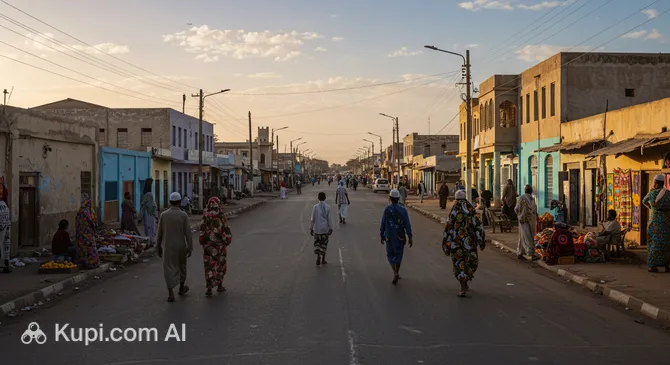
Galkayo is a bustling and significant city located in the heart of the Mudug region. As a pivotal urban center in central Somalia, it serves as a vital commercial crossroad connecting different parts of the nation. The city's strategic location has fostered a diverse and vibrant atmosphere, where trade, culture, and tradition blend seamlessly against the backdrop of the semi-arid plains typical of the area.

Galkayo. Source: Kupi.Binoculars

With a population estimated at around 950,000 residents, Galkayo is a major metropolitan area that pulses with energy. Those interested in the region's development will find the history of Galkayo fascinating, as it traces the city's evolution from a settlement near water wells into a thriving economic hub. The city is particularly known for its enterprising spirit and serves as a key marketplace for livestock and goods in the Horn of Africa.

Travelers visiting Galkayo can immerse themselves in the authentic local lifestyle by exploring its lively markets. These bustling bazaars offer everything from colorful fabrics to aromatic spices, providing a sensory introduction to Somali culture. The city also features local eateries where visitors can taste traditional dishes and experience the warm hospitality for which the region is known. Galkayo offers a unique and memorable perspective on life in this dynamic part of the world.

Weather Overview

Galkayo experiences a consistently hot and arid climate throughout the year, making it a destination characterized by warmth and sunshine. The city sees relatively stable temperatures, with average highs typically fluctuating between 32°C and 35°C. Even during the cooler months like January, the weather remains pleasant, while the heat tends to peak around June and September, offering ideal conditions for those who thrive in sunny environments.

Travelers should be prepared for dry conditions, as significant rainfall is rare. However, when checking the weather in Galkayo, you might notice two distinct periods with a higher frequency of wet days: the months of April through May and October through November. Despite these brief seasons of increased activity, the overall precipitation volume remains very low, ensuring that the skies stay mostly clear and blue for the majority of the year.

Interesting Facts

Beyond its reputation as a bustling commercial hub, Galkayo holds several intriguing distinctions that set it apart from other cities in the region. From its unique political geography to the legends surrounding its origins, there are many fascinating layers to uncover in this central metropolis.

  • A City of Two Administrations: Galkayo is one of the rare cities in the world that functions under two distinct administrative entities. The northern portion of the city is administered by the Puntland state, while the southern part falls under the Galmudug administration, making it a unique symbol of political duality within Somalia.

  • A Name Rooted in History: The name "Gaalkacyo" is steeped in local lore and is widely believed to translate to "where the foreigner fled." Historical accounts suggest this refers to the early 20th century, commemorating a significant event where local forces successfully repelled colonial troops or foreign invaders from the area.

  • The Geographic Heart: The city is located almost exactly in the geographical center of the country. This strategic position makes Galkayo the critical land gateway that connects the northern coastal regions with the southern agricultural heartlands, serving as the nation's primary transit point.

  • Origins in Water: Unlike coastal cities established for maritime trade, Galkayo's foundation is deeply rooted in the interior's pastoral lifestyle. It originally began as a collection of vital water wells for nomads, eventually growing around these life-sustaining sources into the major urban center it is today.

How to Get There

Reaching this central hub is relatively straightforward, primarily due to its strategic position connecting the northern and southern parts of the country. While road travel is an option for those already in the region, most international and distant domestic travelers choose to fly. You can find comprehensive information and plan your journey by reading more about how to get to Galkayo.

The city is served directly by Galcaio (IATA: GLK), which is the primary gateway for visitors. This airport handles a significant portion of the regional traffic and is conveniently located just 1.9 km from the city center. Due to this close proximity, the transfer to downtown is quick and efficient, typically taking about 5 to 10 minutes by taxi. The airport is essential for connecting the city with other major urban centers in the Horn of Africa.

For clarity, here is a summary of the main airport serving the area:

Airport Name City Passenger Traffic Km from City
Galcaio Galkayo Medium 1.9

There are currently no railway stations servicing Galkayo or the immediate vicinity. Travelers looking for alternative ground transportation typically rely on the network of buses and private 4x4 vehicles that traverse the main highways connecting the Mudug region to the rest of the country.

Main Attractions

Galkayo Central Market is the vibrant commercial heart of the city and a must-visit for travelers seeking an authentic Somali experience. As a major trading hub connecting the northern and southern regions of the country, this bustling marketplace offers a sensory overload of sights, sounds, and scents. Visitors can wander through narrow alleys lined with stalls selling everything from colorful textiles and traditional garments to aromatic spices and fresh livestock, providing a unique window into the daily lives and entrepreneurial spirit of the local residents.

For a relaxing escape from the city's energetic pace, Berta Bilan serves as a popular leisure spot for families and tourists alike. This recreational garden features lush greenery and a peaceful atmosphere, making it an ideal location for an afternoon picnic or a quiet stroll. The park is also home to a small variety of local wildlife, including hyenas, foxes, and tortoises, offering visitors a rare chance to observe these animals up close in a safe and well-maintained environment.

Sports enthusiasts and history buffs will find Awale Stadium to be a significant landmark in Galkayo. Named in honor of Mohammed Awale Liban, the nationalist credited with designing the Somali flag, the stadium is more than just a venue for football matches; it is a symbol of national pride. On match days, the atmosphere is electric as locals gather to cheer on their favorite teams, providing a fantastic opportunity for visitors to mingle with the community and witness the local passion for sports.

To delve deeper into the region's rich heritage, the Galkayo Museum offers a fascinating collection of cultural artifacts and historical exhibits. The museum showcases traditional Somali handicrafts, including intricate wood carvings, woven mats, and historical tools that trace the evolution of the Mudug region. It serves as an educational center where tourists can learn about the nomadic traditions, poetry, and resilience that define the local culture.

Local Cuisine

The culinary scene in Galkayo is a vibrant reflection of Somali culture, characterized by rich flavors, aromatic spices, and a heavy emphasis on Halal ingredients. As a major trading hub, the city offers high-quality meat, particularly camel and goat, which serves as the cornerstone of many local meals. The food here is hearty and unpretentious, designed to fuel the energetic lifestyle of its residents while offering a warm welcome to visitors.

One of the most iconic dishes to try is Bariis Iskukaris, a flavorful rice dish cooked with a mix of spices like cardamom, cinnamon, and cloves, often served with a side of tender goat meat or lamb. Due to the historical Italian influence in the region, Baasto (pasta) is also incredibly popular and is typically served with a savory meat sauce and sometimes a banana on the side—a unique Somali tradition that adds a sweet contrast to the savory meal. For a true taste of the region, adventurous eaters should try camel meat, which is prized for its lean texture and nutritional value.

Breakfast in Galkayo usually centers around Canjeero (also known as Lahooh), a spongy, fermented flatbread similar to a pancake. It is often eaten with sesame oil and sugar or dipped into a stew. For a quick snack on the go, Sambusa is a favorite street food. These triangular fried pastries are filled with spiced minced meat, onions, and chili peppers, making them a perfect savory treat to enjoy while exploring the city.

When it comes to beverages, the local culture is strictly non-alcoholic in observance of Islamic traditions. The most popular drink is Shaah, a sweet and milky tea infused with aromatic spices such as ginger, cardamom, and cloves. It is a staple of social life and is enjoyed throughout the day. Visitors should also take the opportunity to taste fresh camel milk, a traditional drink believed to have numerous health benefits, or enjoy freshly squeezed fruit juices like mango and guava, which are widely available in local cafes.

Dining in Galkayo is often a communal affair, emphasizing hospitality and connection. You will find numerous maqaayads (local restaurants) scattered throughout the city, ranging from casual open-air eateries to more formal dining halls. In these establishments, it is common to eat with your right hand, sharing a large platter with others. The atmosphere is typically lively and welcoming, offering tourists a genuine insight into the daily social fabric of this bustling city.

Travel Tips

Visiting Galkayo offers a unique opportunity to experience the heart of the Mudug region, but like any destination off the beaten path, it requires a bit of preparation to ensure a smooth journey. To help you navigate the local customs and logistics with ease, we have compiled a set of essential guidelines that will help you blend in and make the most of your stay.

  1. Clothing and Gear: Due to the hot and arid climate, pack lightweight, breathable fabrics like cotton or linen. However, modesty is paramount in local culture. Both men and women should wear loose-fitting clothing that covers arms and legs. Women are expected to cover their hair with a scarf and wear long skirts or dresses. Don't forget high-SPF sunscreen, sunglasses, and a sturdy pair of walking shoes, as the terrain can be dusty.

  2. Transportation: There is no formal public transport system like a metro or bus network in Galkayo. For short distances within the city, the most common and convenient option is the Bajaj (auto-rickshaw). For longer trips or airport transfers, it is best to hire a private taxi or a 4x4 vehicle with a driver. Walking is possible in central market areas, but having a vehicle is safer and more comfortable due to the heat.

  3. Finances: The economy is heavily digitized, but cash is still useful. The US Dollar is widely accepted and often preferred for larger purchases, while the Somali Shilling is used for small change. International credit cards are rarely accepted, and ATMs can be scarce or unreliable for foreign cards. A fascinating local quirk is the widespread use of mobile money systems (like EVC Plus or Sahal); if you stay long-term, setting this up can be very convenient.

  4. Health and Safety: Always drink bottled water and avoid tap water to prevent stomach issues. Pharmacies are available in the city center, but it is highly recommended to bring a sufficient supply of any prescription medications you need. For safety, avoid walking alone at night and stick to well-lit, populated areas. Hiring a reputable local guide is the best way to navigate the city securely and understand the local dynamics.

  5. Communication: The primary language is Somali, and while you may find some English speakers in business circles or at the airport, it is not widely spoken on the street. Learning a few basic phrases like "Assalamu Alaikum" (Peace be upon you) will go a long way. To stay connected, buy a local SIM card from providers like Golis or Somtel upon arrival; mobile data coverage is generally quite good within the city.

  6. Local Etiquette: Somalis are known for their hospitality and oral culture. When greeting someone of the same gender, a handshake is common, but men should wait for a woman to extend her hand first, or simply nod respectfully. It is customary to remove your shoes before entering a home or a mosque. Always use your right hand for eating and greeting, as the left hand is considered unclean.

  7. What to Avoid: strictly avoid taking photographs of government buildings, checkpoints, or military personnel, as this is prohibited. Additionally, always ask for permission before taking photos of locals, especially women and elders. Public displays of affection are culturally inappropriate and should be avoided entirely to respect local norms.

  8. Afternoon Routine: Be aware that life in Galkayo often slows down significantly in the afternoon, typically between 1:00 PM and 4:00 PM. Many shops and businesses close during the hottest part of the day for lunch and rest. Plan your shopping and sightseeing for the cooler morning hours or late afternoon/evening when the city comes alive again.

By keeping these practical tips in mind, you will be well-equipped to navigate Galkayo with confidence and respect. Embracing the local way of life, from the dress code to the afternoon rest, will not only make your trip smoother but also deepen your connection with the welcoming people of this vibrant city.

Entertainment & Nightlife

Entertainment and nightlife in Galkayo offer a distinct cultural experience that differs significantly from the typical Western scene of nightclubs and bars. In adherence to local Islamic traditions and laws, alcohol is strictly prohibited, and you will not find dance clubs or pubs in the city. Instead, the "nightlife" here revolves around vibrant social interaction, late-night dining, and the deeply rooted tradition of drinking spiced tea (Shaah) in bustling open-air cafes.

The evening atmosphere is centered on connection and conversation. As the sun sets and the heat of the day subsides, the streets come alive with locals gathering to discuss news, poetry, and daily life. The most active districts for this social scene are typically found along the main arterial roads and around the central market areas. Here, tea shops and juice bars serve as the local equivalent of pubs, where the crowd is predominantly male, and the vibe is animated yet relaxed. The dress code is modest and casual; men usually wear trousers and shirts or traditional macawis (sarongs), while women, who are less visible in public street gatherings late at night, adhere to conservative Islamic dress.

For visitors looking to experience the local evening flavor, the Galkayo Central Market area transforms as dusk falls. While the main trade slows down, food vendors and tea stalls light up, offering fresh snacks and a lively environment. It is a great place to witness the city's energy, though it is best explored with a local guide. Another popular way to spend the evening is dining at hotel restaurants, which serve as the primary social hubs for travelers and business people. Places like the restaurant at the Global Hotel or the dining halls in other major accommodations offer a safe and comfortable setting to enjoy Somali cuisine late into the night.

If you are looking for a more serene evening experience, Berta Bilan remains a favored spot. While often visited during the day, its garden setting provides a pleasant backdrop for an early evening tea or juice, allowing you to unwind in a greener environment away from the dusty streets. For sports fans, passing by Awale Stadium can be entertaining if there is a late afternoon match extending into the twilight, as the local passion for football creates an electric atmosphere in the surrounding neighborhood.

Practical advice is essential for navigating Galkayo at night. The best time to head out is immediately after the Maghrib (sunset) prayer, when the city cools down. Prices for tea and snacks are incredibly low, often costing less than a dollar, while a full dinner at a hotel might range from $5 to $15. Transportation is key; do not walk around randomly at night. Always use a Bajaj (auto-rickshaw) recommended by your host or a private taxi. Safety is a priority: stick to well-lit areas, avoid the outskirts, and be mindful that the city has a history of division, so crossing between the northern and southern administrative zones at night is not recommended for tourists without a security escort.

Regarding daytime entertainment, the options are modest but culturally enriching. While there are no large amusement parks or grand theaters, the Galkayo Museum is a cultural gem worth visiting to understand the region's heritage before the sun sets. The city's charm lies less in manufactured attractions and more in its raw, authentic daily rhythm, which transitions seamlessly from the busy trade of the day to the communal tea circles of the night.

Parks & Museums

While Galkayo is primarily recognized as a bustling commercial crossroads in the arid heart of the Mudug region, the city offers distinct pockets of greenery and cultural heritage that provide a respite from the desert heat. Visitors can find spaces dedicated to leisure and reflection, as well as institutions committed to preserving the rich nomadic traditions and history of Somalia.

Berta Bilan remains the city's premier designated green space. Since it is a well-known recreational hub, the focus here for the returning visitor is often on the tranquility provided by its mature shade trees. In a region characterized by dry plains, the garden's network of neem and acacia trees creates a microclimate that feels significantly cooler than the surrounding streets, making it a simple yet vital sanctuary for escaping the midday sun.

Beyond the city limits, the Mudug Plains offer a unique natural experience that contrasts sharply with the urban center. While not a manicured park, this vast, open semi-arid landscape possesses a stark, rugged beauty that appeals to nature enthusiasts. The flat terrain, dotted with resilient thorny bushes and grazing camels, provides an authentic backdrop for sunset viewing. Travelers often venture a short distance from the built-up areas to witness the dramatic colors of the African sky meeting the endless horizon, a sight that captures the raw essence of the region's geography.

For those interested in the preservation of local heritage, the Galkayo Museum stands as a cultural anchor. While its collection of artifacts is a primary draw, the institution itself serves a broader purpose as a center for education and memory. It acts as a guardian of the region's oral history and folklore, ensuring that the stories of the pastoral ancestors are passed down to the younger generations amidst the rapid modernization of the city.

Awale Stadium is another landmark that serves as a community pillar. Beyond the excitement of football matches, the stadium grounds function as a vital public assembly point where the city's social cohesion is visible. It represents a space of unity and resilience, often hosting significant community gatherings that go beyond sports, reflecting the strong collective spirit of Galkayo's residents.

Among the architectural highlights, the city's Central Mosques dominate the skyline with their tall minarets and whitewashed facades. These religious sites are central to the daily rhythm of Galkayo. While entry for non-Muslims may be restricted in the prayer halls, the exterior architecture is worth admiring for its geometric simplicity and imposing presence. The call to prayer echoing from these minarets across the flat city creates an atmospheric experience that is deeply characteristic of the Somali urban landscape.

For a truly authentic experience of local leisure, look for the smaller, informal Tea Gardens often found within the courtyards of older hotels or family-run establishments. These hidden gems are where the real pulse of the city beats. Sitting on a woven mat under the shade of a tree, sipping spiced tea while listening to local poetry or news, provides an intimate glimpse into the oral traditions and hospitality that the region is famous for.

Getting Around

The public transport system in Galkayo operates quite differently from the structured networks found in many international cities. There is no metro, tram, or formal municipal bus service with fixed schedules and designated stops. Instead, the city relies on a highly flexible, informal network of privately operated vehicles that provide essential mobility for residents and visitors alike. Understanding how this organic system works is key to navigating the city efficiently.

The most ubiquitous form of transport in Galkayo is the Bajaj, a three-wheeled auto-rickshaw that functions as a convenient and affordable taxi service. You will see these colorful vehicles buzzing through every street, offering a quick way to travel short to medium distances. They are ideal for navigating the city's sometimes narrow or busy roads where larger vehicles might struggle. For longer trips across town or to the outskirts, shared minibuses, often referred to locally as Caasi, are the standard option. These vans ply specific routes, picking up and dropping off passengers along main arterial roads.

When it comes to payment, physical tickets, travel cards, or passes do not exist. The system operates entirely on a pay-as-you-go basis. Cash is widely accepted, with the US Dollar preferred for fares of $1 or more, and the Somali Shilling used for smaller change. However, the most prevalent and convenient method is mobile money. Services like EVC Plus or Sahal are deeply integrated into daily life, and most drivers prefer receiving an instant transfer via mobile phone over handling cash. Fares are generally very low, with a typical Bajaj ride within the city costing between $0.50 and $1.50.

For tourists, using this system requires a bit of interaction. To catch a Bajaj, simply wave one down from the side of the road; they are plentiful and easy to find during daylight hours. Since there are no meters, it is standard practice to negotiate and agree on the fare with the driver before you get in. For minibuses, you typically board at informal gathering points or major intersections. There is no need to validate a ticket; you simply pay the conductor or driver directly, usually upon disembarking or during the journey.

Transport generally operates from early morning, around 6:00 AM, until late evening. However, availability drops significantly after sunset, and it is less common to find public transport late at night. If you need to travel after dark, it is advisable to arrange a ride in advance or use a private taxi service rather than relying on hailing a vehicle on the street.

Alternatives to the public system include private taxis, which are standard sedans or 4x4 vehicles. These are more comfortable than Bajajs and are recommended for airport transfers or carrying luggage. They do not roam the streets looking for fares as frequently as rickshaws, so it is best to have your hotel or a local contact call one for you. Car rentals are available but almost exclusively come with a hired driver; self-driving is not a common practice for visitors due to the unique local driving customs and road conditions.

While walking is a viable option for exploring compact areas like the central market, the heat and dust often make motorized transport preferable for anything beyond a few blocks. There are no bike rental schemes or electric scooter apps currently operating in the city. The transport experience in Galkayo is utilitarian and direct, offering a raw but effective way to get from point A to point B while immersing yourself in the local rhythm.

Accommodation

Finding accommodation in Galkayo is a relatively straightforward process, although the options differ significantly from the extensive hospitality networks found in major tourist capitals. The city's hotel scene is primarily designed to cater to business travelers, NGO workers, and the diaspora community returning for visits. As a result, the focus is often on functionality, security, and essential comforts rather than opulent luxury. Most establishments are located near the city center or along the main arterial roads, providing easy access to the commercial districts and the airport.

One of the most well-known and established options in the city is the Al Jazeera Hotel. It is frequently recommended for international visitors due to its modern amenities and focus on guest comfort. The hotel typically offers air-conditioned rooms—a necessity in the region's heat—along with reliable Wi-Fi and 24-hour room service. It also serves as a social hub, featuring a popular restaurant where guests can enjoy local Somali dishes in a secure environment. Another notable establishment is the Five Star Hotel, which, despite its ambitious name, serves as a solid mid-range option known for its decent facilities and hospitality.

For those interested in unique local character, the Taar City Hotel is another venue that travelers might encounter. Like many hotels in Galkayo, it often functions as a multi-purpose venue, hosting meetings and local events. Accommodations in the city generally provide en-suite bathrooms and television, but travelers should manage their expectations regarding internet speeds, which can vary. Many of the better hotels also have their own generators to ensure a constant power supply, which is a critical feature to look for when booking your stay.

When planning your visit, keep the following practicalities in mind regarding accommodation in Galkayo:

  • Booking Methods: Online booking platforms are rarely used here. The most effective way to secure a room is often through a phone call, email, or by having a local contact or host make the reservation on your behalf.
  • Payment: Credit cards are not widely accepted. You should be prepared to pay for your hotel bill in cash, preferably in US Dollars. Ensure you have small denominations for easier transactions.
  • Security: Safety is a top priority for hotels in the region. You will likely see private security personnel at the entrances of major hotels, and guests may be subject to security checks upon entry. This is a standard procedure intended to ensure the safety of all residents.
  • Dining: Most reputable hotels have their own on-site restaurants. It is highly advisable to eat breakfast and dinner at your hotel, especially if you are new to the city, as it offers both convenience and a high standard of food hygiene.

Travelers should also be aware of the city's administrative geography when choosing a place to stay. Since Galkayo is divided into northern and southern administrative zones, it is often practical to choose a hotel located in the part of the city where your primary business or host is located. This minimizes daily travel across the city and simplifies logistics, especially in the evenings.

Nearby Cities

For those looking to explore the surroundings, Galkayo serves as an excellent base for day trips to several interesting nearby locations:

City Population Distance (km)
Burao 750,211 368
Cadaado 534,023 115
Garowe 385,000 213
Qardho 365,000 352
Barwaaqo 90,000 227

While the vast distances in the region mean that some locations require a full day of travel, there are key destinations within reach that offer a deeper understanding of the Somali landscape and culture. Here are a few notable stops for travelers venturing out of Galkayo:

Cadaado is the closest major town, located approximately 115 kilometers to the south. As a significant commercial center in the Galmudug region, it offers visitors a chance to experience a bustling local economy that contrasts with the larger metropolis of Galkayo. The town is known for its traditional Somali hospitality and vibrant markets, where trade in livestock and local goods thrives. The journey there takes you through the characteristic flatlands of central Somalia, offering scenic views of the semi-arid terrain.

Garowe, situated about 213 kilometers to the north, is the administrative capital of the Puntland state and stands as one of the most rapidly developing cities in the region. Known for its relatively modern infrastructure, clean streets, and educational institutions like Puntland State University, Garowe provides a glimpse into the area's urban growth. The city is nestled in the Nugaal Valley, providing a picturesque backdrop of rocky hills and seasonal riverbeds that appeal to nature lovers and photographers alike.

These nearby destinations offer a glimpse into the diverse culture and landscapes of the region, making them rewarding excursions for those wishing to see more of the Horn of Africa.

Shopping & Souvenirs

Shopping in Galkayo is a vibrant and authentic experience that reflects the city's status as a major commercial crossroads in central Somalia. Unlike destinations dominated by high-end luxury boutiques or sprawling retail complexes, the retail scene here is driven by traditional trade and bustling marketplaces. Visitors will find a city that thrives on commerce, where goods from the northern ports meet the agricultural produce of the south, creating a unique variety of products ranging from electronics and textiles to livestock and spices.

The primary shopping districts are concentrated in the heart of the city, radiating outwards from the main central market. The streets in the downtown area are lined with small shops, wholesalers, and stalls that sell everything imaginable. Walking through these busy thoroughfares offers a glimpse into the local entrepreneurial spirit, with merchants selling imported goods alongside locally crafted items. It is a high-energy environment where bargaining is part of the culture and interaction with shopkeepers is expected.

While Galkayo does not host large western-style shopping malls, the city has seen the development of several modern shopping centers and multi-story plazas in recent years. These establishments offer a more curated shopping experience with air-conditioned stores selling fashion, mobile phones, and home goods. They provide a comfortable alternative to the outdoor heat and are often where you can find higher-quality imported clothing and electronics.

The Galkayo Central Market is the undisputed highlight of the local shopping scene and a must-visit for any traveler. This sprawling bazaar is a sensory overload of colors and scents, organized into different sections. You can explore areas dedicated to fresh produce, aromatic spices, and colorful fabrics. For a truly unique experience, the livestock market on the outskirts of the city is fascinating to observe, as it is one of the largest in the Horn of Africa, where camels and goats are traded daily in a lively atmosphere.

For those looking to take a piece of Somalia home, Galkayo offers excellent opportunities to purchase authentic souvenirs. The region is famous for high-quality frankincense and myrrh, which are harvested locally and make for aromatic and meaningful gifts. Traditional Somali textiles are also popular; look for the colorful dirac (long dresses) for women or the plaid macawis (sarongs) for men. Additionally, intricate gold jewelry and hand-woven baskets are widely available and showcase the craftsmanship of local artisans.

Store hours in Galkayo typically follow the rhythm of the day and religious customs. Most shops open early, around 7:00 AM or 8:00 AM, and close for a midday break during the hottest hours and prayer times, roughly between 1:00 PM and 4:00 PM. Business resumes in the late afternoon and continues until about 9:00 PM or 10:00 PM. On Fridays, the Islamic holy day, most businesses remain closed until the late afternoon.

Payment methods in the city are quite specific. While US Dollars are widely accepted and even preferred for larger purchases, the most common way to pay is via mobile money services. Platforms like EVC Plus are ubiquitous, used by everyone from street vendors to hotel managers. Credit cards are rarely accepted in local shops, so it is essential to carry cash (small denominations of USD are best) or set up a local mobile money account if you plan to stay for an extended period.

Tourists should be aware that formal tax-free shopping or VAT refund schemes for visitors are not available in Galkayo. The price you negotiate is the final price, and haggling is a standard and expected practice in markets and smaller shops, though fixed prices are becoming more common in the newer shopping centers.
Nearby cities

Reached the end of the page?

That means the route is fully explored