Support

Cadaado

About

Welcome to Cadaado, a bustling and significant urban center located in the Galguduud region of central Somalia. Known for its strategic location and vibrant atmosphere, the city serves as a vital commercial hub connecting various parts of the country. With a reported population of over 530,000 residents, it is a lively community where traditional Somali culture blends seamlessly with the energetic pace of daily trade and social interaction.

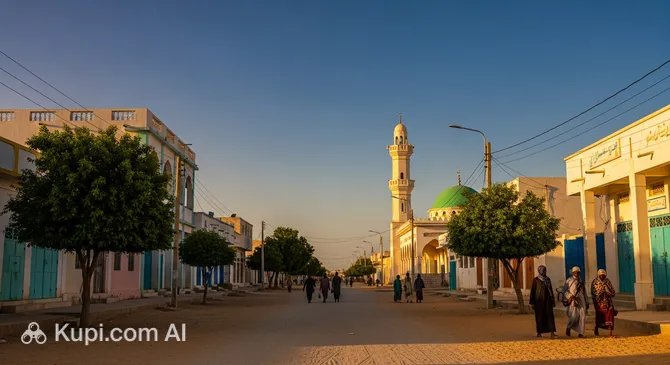
Cadaado. Source: Kupi.Binoculars

The city is situated in a semi-arid landscape characterized by red sands and open savannas, offering a unique backdrop for travelers. Those interested in the past will find that delving into the history of Cadaado reveals a narrative of resilience and community spirit. It has long been a place of gathering and exchange, playing an important role in the social fabric of the region.

Visitors to Cadaado can immerse themselves in the local lifestyle by exploring the central markets, which are teeming with colorful goods, livestock, and fresh produce. The city is also known for its warm hospitality; enjoying a cup of spiced Somali tea at a local cafe is a must-do experience that allows for genuine interaction with the friendly locals. Whether you are passing through or planning a longer stay, Cadaado offers an authentic glimpse into the heart of the nation.

Weather Overview

Cadaado experiences a consistently warm and semi-arid climate, characterized by sunny days and stable temperatures throughout the year. Visitors can generally expect average temperatures to hover around 26°C to 29°C, with daytime highs frequently reaching into the mid-30s. The evenings offer a comfortable respite, as minimum temperatures rarely dip below 20°C, making the nights pleasant for social gatherings.

Rainfall in the region is seasonal and generally sparse. The year typically features two brief periods where the likelihood of precipitation increases: from April to May and again in October and November. During these months, travelers might encounter several wet days, although the actual accumulation of rain is usually minimal. For the rest of the year, particularly from June to September and January to February, the city is notably dry. To help plan your visit around these patterns, you can view the detailed forecast for the weather in Cadaado.

Interesting Facts

Beyond its bustling markets, Cadaado holds intriguing details that paint a picture of a resilient and organized society. Travelers delving deeper into the local culture will discover unique aspects of daily life and history that are often overlooked.

  • A Sanctuary of Stability: Cadaado is widely respected in the region as a historical center for peace and dialogue. It has traditionally served as a neutral venue for major community gatherings and conferences, earning it a distinct reputation as a hub of stability in central Somalia.

  • Distinctive Urban Design: Unlike many older settlements characterized by winding alleyways, the city is noted for its relatively wide and straight streets. This deliberate planning facilitates the smooth flow of both modern vehicle traffic and the large herds of livestock that are central to the local economy.

  • Indigenous Engineering: To thrive in the semi-arid environment, the local population relies on an extensive network of barkads. These traditional underground reservoirs are impressive feats of engineering, designed to harvest and store precious rainwater to sustain the community through dry seasons.

  • The Red Landscape: The city is visually defined by the vibrant red sands of the Galguduud region. This unique soil gives the local architecture and surrounding scenery a warm, distinctive hue that is particularly striking during the golden hours of sunrise and sunset.

How to Get There

Reaching Cadaado involves traveling through the heart of the Galguduud region. Visitors can choose from various routes depending on their starting point. For detailed logistics and route planning, you can read more about how to get to Cadaado.

For those considering air travel, Galcaio airport (GLK) in the neighboring city of Galkayo is a practical option. Situated approximately 116 km from Cadaado, it serves as a gateway for travelers visiting central Somalia. From Galcaio, the final leg of the journey is completed by road. The drive typically takes around 3 hours and 15 minutes, offering a chance to see the unique landscapes of the province.

Here is an overview of the nearby airport:

Airport Name City Passenger Traffic Km from City
GalcaioGalkayoMedium116.1

Road travel is the principal mode of transportation for moving between cities in the area. Visitors usually rely on 4x4 vehicles or regional taxi services to navigate the route connecting Cadaado to Galkayo and other neighboring towns, ensuring a reliable journey across the terrain.

Main Attractions

While Cadaado is primarily known as a commercial and political hub rather than a traditional tourist destination, it offers visitors a genuine insight into the daily life and culture of central Somalia. The city's attractions are centered around its vibrant community, bustling trade, and the unique natural environment of the Galguduud region. Here are some of the key places and experiences that define the city.

Adado Central Market
The heart of the city's economic activity beats strongest at the central market. As a crucial transit point connecting northern and southern Somalia, this market is a hive of activity where travelers can witness the region's trade in action. It is particularly famous for its livestock section, where camels and goats are traded in large numbers—a sight that is central to the Somali pastoral way of life. For visitors, walking through the stalls offers a chance to buy colorful local fabrics, fresh produce, and traditional handicrafts while engaging with friendly local merchants.

Al-Huda Mosque
Standing as a spiritual and architectural landmark, the Al-Huda Mosque is one of the most prominent structures in the city. Beyond its religious significance, the area surrounding the mosque serves as a major social hub. In the late afternoons and evenings, the streets nearby come alive with residents gathering to discuss community affairs. It is a peaceful place to observe the local architecture and feel the rhythm of the city's daily prayers and social gatherings.

The Red Sand Dunes and Outskirts
Just beyond the city limits, the landscape transforms into the striking red semi-arid savanna that defines the Galguduud province. These open plains are not just beautiful to look at; they are often dotted with Aqal Soomaali, the traditional portable houses used by nomadic herders. A short trip to the outskirts allows tourists to experience the serene beauty of the red dunes, especially at sunset when the sand glows with a deep, warm hue, offering excellent opportunities for photography.

Local Tea Shops and Cafes
To truly experience the "City of Peace," one must visit the local tea shops scattered throughout the town center. These establishments are the social living rooms of Cadaado, where elders, business people, and visitors sit together on low stools to enjoy spiced Somali tea (shaah) or coffee. It is here that the city's reputation for hospitality is most evident, offering a welcoming atmosphere for conversation and cultural exchange.

Local Cuisine

The local cuisine in Cadaado offers a flavorful journey that reflects the region's pastoral heritage and historical trade connections. Visitors will find that the food scene is dominated by hearty, fresh ingredients, with a particular emphasis on high-quality meat sourced directly from the surrounding rangelands. The culinary style is a delightful blend of traditional Somali flavors with subtle Italian and Arab influences, resulting in dishes that are both comforting and aromatic.

For a main meal, you cannot miss trying Bariis Iskukaris, a fragrant rice dish cooked with a mixture of spices like cumin, cardamom, and cloves, often served with tender goat meat or lamb. Given Cadaado's status as a livestock hub, camel meat is also a local delicacy and is widely regarded for its unique taste and nutritional value. Another staple is Baasto, a pasta dish that serves as a nod to the country's colonial past, typically served with a rich, savory meat sauce and sometimes a banana on the side—a classic Somali accompaniment.

Mornings in the city usually begin with Canjeero, a fermented, pancake-like flatbread that is soft and slightly sour. It is traditionally eaten with sesame oil and sugar or dipped into a stew (maraq) made from liver or meat cubes known as suqaar. For a quick snack while exploring the markets, look for Sambusas, triangular fried pastries filled with spiced minced meat, onions, and hot peppers, which are popular street food items throughout the day.

When it comes to beverages, the city runs on Shaah, a sweet and milky tea infused with aromatic spices such as cardamom, cinnamon, and ginger. It is the defining drink of social life in Cadaado. For the adventurous traveler, tasting fresh camel milk is a must; it is a prized drink in this region and is often sold fresh in the markets. It is important to note that alcohol is not available in the city, and all drinks served are non-alcoholic.

Dining in Cadaado is a communal and hospitable experience. Most locals eat at open-air restaurants or small eateries known as maqayad, where the atmosphere is casual and welcoming. It is common to see large platters shared among friends and family, often eaten by hand in the traditional style. Whether you are sitting in a busy market stall or a quiet cafe, the warmth of the local hospitality makes every meal memorable.

Travel Tips

Traveling to Cadaado offers a unique opportunity to witness the heart of the Galguduud region, but it requires some preparation to ensure a smooth journey. These practical tips are designed to help you navigate the local customs and logistics, ensuring your visit is both respectful and enjoyable.

  1. Clothing and Gear: Given the semi-arid climate, pack lightweight, breathable fabrics like cotton or linen to stay cool. However, modesty is paramount in local culture. Men should wear long trousers rather than shorts, while women are expected to wear loose-fitting clothing that covers the arms and legs, along with a headscarf. A pair of sturdy, comfortable sandals is ideal for walking on the sandy terrain.
  2. Transportation: There is no formal public transport system like a metro or bus network in the city. The most reliable way to get around is by hiring a 4x4 vehicle with a local driver, which is essential for navigating the unpaved roads and sandy surroundings. Ride-hailing apps are not standard here; instead, rely on arrangements made through your host or hotel.
  3. Finances: The economy is heavily digitized through mobile money services, such as EVC Plus. While the Somali Shilling is the official currency, the US Dollar is widely accepted and often preferred for larger transactions. Credit cards and ATMs are virtually non-existent in Cadaado, so it is crucial to bring sufficient cash in small denominations or set up a local mobile money account upon arrival.
  4. Health and Safety: Medical facilities in the city are basic, so bring a well-stocked first-aid kit and any prescription medications you need. Drink only bottled or treated water to avoid stomach issues. For safety, it is highly recommended to travel with a trusted local guide who knows the area well, and always avoid walking alone at night.
  5. Communication: The primary language is Somali. While some business people and younger residents may speak basic English, it is not widely spoken. Buying a local SIM card (e.g., Hormuud) is easy and affordable, providing you with reliable internet access. Learning a few local phrases like "Asc" (Hello) or "Mahadsanid" (Thank you) will go a long way in building rapport.
  6. Local Etiquette: Somalis are known for their hospitality, but social norms are conservative. Always use your right hand for eating, greeting, or exchanging money, as the left is considered unclean. When entering a home or a carpeted area of a restaurant, remember to remove your shoes. Greetings between opposite genders usually involve a verbal nod rather than a handshake.
  7. What to Avoid: Strictly avoid public displays of affection, as this is culturally inappropriate. Additionally, never take photographs of people, especially elders or women, without their explicit permission. Photographing government buildings, checkpoints, or security personnel is strictly prohibited and can lead to serious misunderstandings.
  8. Local Insight: Embrace the afternoon "siesta." Due to the midday heat, many shops and businesses close for a few hours in the afternoon and reopen in the evening when the temperature drops. Plan your activities for the early morning or late afternoon to align with the local rhythm.

By keeping these tips in mind, you will be well-equipped to experience the warmth and tradition of Cadaado. Respecting local customs will not only ensure a hassle-free trip but also open doors to genuine connections with the welcoming residents of this resilient city.

Entertainment & Nightlife

Nightlife in Cadaado offers a distinct and culturally rich experience that differs significantly from the club-centric entertainment found in many other parts of the world. In this conservative and traditional city, the concept of "nightlife" revolves around social connection, dining, and relaxation rather than alcohol or loud music. As dusk falls, the heat of the day dissipates, and the streets come alive with residents enjoying the cooler air, making it the perfect time for travelers to witness the authentic community spirit of the Galguduud region.

The atmosphere in the evenings is calm yet vibrant, centered primarily along the main thoroughfares and the bustling areas surrounding the marketplaces. The dress code is modest and respectful of local customs; men typically wear long trousers and shirts or the traditional macawis (sarong), while women are expected to dress conservatively. The social scene is dominated by lively conversations in open-air settings, where locals gather to discuss news, trade, and daily life over steaming cups of spiced tea.

For visitors looking to experience the local evening culture, the Adado Central Market is a focal point of activity. While the main trade slows down after sunset, the area remains energetic with food stalls and vendors selling fresh produce and local snacks. It is an excellent place to take a guided walk, observe the night trade, and sample freshly made sambusas or sweet halwa under the glow of streetlights.

Dining out is the primary form of entertainment, and the Central Hotel serves as one of the city's key social hubs for travelers and business people. Its restaurant offers a comfortable setting to enjoy a hearty dinner of camel meat or pasta al sugo while engaging in quiet conversation. It is a safe and welcoming venue where you can relax after a day of travel and mingle with other visitors in a secure environment.

Another quintessential experience is visiting the numerous City Center Tea Shops that line the main streets. These establishments, often simple open-air cafes, are where the true pulse of the city beats at night. You can sit on low stools, sip on shaah (Somali spiced tea) or camel milk, and soak in the friendly ambiance. These spots usually remain open late, offering a glimpse into the relaxed and communal lifestyle of the residents.

Safety is a priority when exploring Cadaado at night. While the city is generally stable, it is highly recommended to avoid walking alone in unlit or remote areas. The best way to get around is by arranging a private car or taxi through your host or hotel. Always travel with a trusted local guide who knows the area well, and stick to the populated, well-lit districts near the city center.

During the day, entertainment options are more limited but equally interesting. Visitors can explore the unique red sand dunes on the outskirts of the city or visit the local livestock markets to see the region's economic engine in action. While there are no large museums or amusement parks, the natural beauty of the surrounding savanna offers a peaceful retreat for nature enthusiasts.

Parks & Museums

While Cadaado does not boast the manicured botanical gardens or grand national museums found in major global capitals, it offers a different kind of richness found in its raw natural landscapes and living cultural heritage. The city itself acts as an open-air exhibit of Somali pastoral life, where the "parks" are vast, open savannas and the "museums" are the bustling markets and community gathering spots where history is preserved through oral tradition and daily practice.

The Galguduud Savanna
In place of traditional city parks, the expansive semi-arid savanna that surrounds Cadaado serves as the primary natural escape for residents and visitors. This unique landscape is defined by its striking red sands and scattered acacia trees, which provide essential shade and contrast against the vibrant earth. It is a serene environment ideal for walking and observing the resilience of nature in a dry climate. The open plains are particularly beautiful during the cooler morning hours when the local flora is most lively.

City Outskirts and Picnic Areas
The immediate outskirts of the city function as informal recreational areas where locals go to enjoy fresh air away from the town center's dust and activity. These open spaces are popular for impromptu picnics and social gatherings, especially on Fridays. Visitors can experience the tranquility of the region here, watching herds of camels grazing in the distance—a scene that captures the essence of the nomadic lifestyle central to the local identity.

Cultural Heritage and "Living Museums"
Cadaado does not currently have formal indoor museums or art galleries. Instead, the culture is best experienced dynamically within the community. The city's marketplaces act as living galleries of Somali craftsmanship, displaying hand-woven mats, traditional wood carvings, and colorful fabrics. For those interested in history, the stories held by the local elders are more detailed than any guidebook; respectful engagement in local tea shops often reveals the deep historical narratives of the region.

Sites of Historical Significance
The city is renowned as a center for peace and reconciliation in central Somalia. The venues and halls used for major community conferences hold significant historical value, representing the area's dedication to dialogue and stability. Additionally, the traditional Aqal Soomaali (nomadic huts) seen on the periphery of the town are architectural marvels in their own right. These portable structures, made from bent branches and woven mats, represent centuries of engineering adapted to the mobile pastoral life and are a testament to the ingenuity of the Somali people.

Insider Tip
For a truly authentic experience, ask a local guide to take you to a camel farm just outside the city limits near sunset. Watching the livestock return from grazing against the backdrop of the darkening red dunes is a visually stunning moment that offers a profound connection to the land and its culture, far more impactful than a visit to a standard museum.

Getting Around

The public transport system in Cadaado is informal and relies primarily on road-based vehicles rather than a centralized network like a metro or tram. The most common way for locals to get around is by using minibuses, which operate on set routes connecting the city center with residential neighborhoods. Alongside these, three-wheeled auto-rickshaws, locally known as Bajaj, are ubiquitous and serve as a flexible, low-cost option for shorter trips or door-to-door service.

There is no formal ticketing system with travel cards or passes. Instead, payment is handled directly with the driver or conductor. While cash is accepted, the digital payment ecosystem is highly developed here; many drivers prefer and expect payments via mobile money services. It is practical to have a local mobile payment app set up on your phone, as it simplifies transactions and eliminates the need to carry small change.

For tourists, navigating this system requires a bit of local know-how. Minibuses do not have designated stops with signs; you simply wave one down from the roadside and tell the driver your destination. Fares are generally fixed and very affordable for minibuses, whereas prices for auto-rickshaws should be agreed upon before starting the journey. Transport services are most active during daylight hours, with frequency dropping significantly after sunset.

If you prefer more comfort or privacy, hiring a private taxi or a car with a driver is a popular alternative. This is often the safest and most convenient choice for visitors, allowing for a customized schedule without the hassle of navigating unmarked routes. Walking is also feasible for exploring the immediate market areas, but the heat and dusty streets make motorized transport preferable for longer distances.

While the city lacks historic trams or cable cars, the fleet of colorful auto-rickshaws provides a distinct travel experience. Zipping through the wide, sandy streets in a Bajaj offers an authentic perspective of the city's energy and is the fastest way to maneuver through the bustling market traffic.

Accommodation

Accommodation options in Cadaado are designed primarily to serve the needs of business travelers, regional traders, and visiting diaspora rather than leisure tourists. Consequently, visitors should not expect international luxury chains or all-inclusive resorts. Instead, the city offers a selection of locally managed hotels and guesthouses. These establishments are generally modest but comfortable, focusing on providing essential amenities and a secure environment for their guests.

The most practical area for tourists to stay is in the city center. Being located near the main thoroughfares and the central market offers the advantage of proximity to local eateries, tea shops, and transport links. Hotels in this central zone are typically situated within walled compounds, offering a layer of privacy and security that is standard for accommodation in the region. This setup also creates a quiet atmosphere, separating guests from the bustle of the dusty streets outside.

Most rooms in Cadaado fall into the budget to mid-range category. Standard amenities usually include a clean bed, a fan, and a private bathroom. While electricity is generally available, it is worth noting that some smaller guesthouses may run on generators with specific operating hours. Higher-tier rooms in the better-known local hotels may offer air conditioning and reliable Wi-Fi, which are considered premium features in this semi-arid environment.

Booking and Payment Tips:
Unlike in major global cities, booking accommodation in Cadaado is rarely done through international online platforms. The most reliable way to secure a room is through local contacts or by calling the hotel directly if you can find a number. It is also common to arrange accommodation upon arrival, although having a local guide assist you is highly recommended. Be prepared to pay for your stay in cash (US Dollars are widely accepted) or via local mobile money services, as credit card facilities are virtually non-existent.

Nearby Cities

For those looking to explore the surroundings, Cadaado serves as an excellent base for day trips and excursions to several interesting nearby locations:

Galkayo
Located approximately 115 kilometers from Cadaado, Galkayo is one of the most significant commercial and cultural hubs in central Somalia. It is a vibrant city where visitors can experience the energy of one of the region's largest livestock and retail markets. The city serves as a crossroads for trade, offering a unique opportunity to witness the blending of different local traditions and the bustling daily life of the Somali people. It is an ideal destination for those wishing to see a larger urban center with a distinct historical character.

Barwaaqo
For travelers seeking a quieter experience closer to the rural heart of the province, the town of Barwaaqo offers a peaceful retreat. Situated roughly 119 kilometers away, it provides a glimpse into the traditional pastoral lifestyle that defines much of the Galguduud region. A visit here allows for a deeper appreciation of the open savanna landscapes and the hospitality of smaller communities, making it a stark but refreshing contrast to the busy streets of the larger cities.

Garowe
Although a bit further afield, making it better suited for a short visit rather than a quick day trip, Garowe is a rapidly developing city known for its administrative importance and cultural institutions. It features modern amenities, libraries, and well-planned infrastructure. Travelers willing to make the journey are rewarded with a look at a city that emphasizes education and public service, offering a different perspective on the region's development.

City Population Distance (km)
Galkayo 950000 115
Garowe 385000 324
Ceel Baraf 384630 338
Barwaaqo 90000 119
Buhoodle 83747 234

These nearby destinations offer a glimpse into the diverse culture and landscapes of the region.

Shopping & Souvenirs

General Overview
Shopping in Cadaado offers a raw and authentic glimpse into the commercial life of central Somalia. Unlike international destinations defined by luxury boutiques and sprawling department stores, the retail experience here is deeply rooted in traditional trade and community interaction. As a strategic transit hub, the city is a bustling center for commerce where goods from the coast and the interior meet. Visitors will find that shopping is less about browsing high-end brands and more about discovering local necessities, traditional textiles, and witnessing the vibrant exchange of commodities that drives the regional economy.

Main Shopping Areas
The primary shopping activity is concentrated along the main thoroughfares in the City Center. These wide, sandy streets are lined with small, family-run shops and open-fronted stalls that sell everything from electronics and household items to clothing and dry goods. Walking down these busy strips allows tourists to experience the energetic atmosphere of the town, where merchants display their wares directly on the roadside and bargaining is a friendly and expected part of the transaction.

Shopping Centers
Travelers should note that Cadaado does not feature large, western-style shopping malls. Instead, the city has several small commercial plazas and multi-story buildings that house a variety of specialized shops under one roof. These centers typically contain mobile phone vendors, tailors, and wholesale outlets. They offer a cooler, shaded environment compared to the open streets and are good places to find imported goods or utilize services like money exchange.

Local Markets
The absolute heart of the city's shopping scene is the Adado Central Market (Suuq). This sprawling marketplace is essential for anyone wanting to understand local culture. It is segmented into different areas, with specific zones for fresh produce, grains, and meat. The livestock market, located on the periphery, is particularly famous and lively, serving as a major trading ground for camels and goats. For a visitor, the market is the best place to observe the daily rhythm of life, smell the aroma of exotic spices, and see the colorful display of fruits and vegetables sourced from across the region.

Souvenirs and Local Goods
For those looking to take a piece of Cadaado home, there are several unique local products to consider. Frankincense and Myrrh are top choices, as Somalia is known for producing some of the world's highest quality resins; you can find them sold in bulk in the markets. Traditional Somali fabrics are also excellent souvenirs; look for the colorful Dirac for women or the plaid Macawis (sarong) for men. Additionally, hand-woven baskets and mats made from palm leaves demonstrate the intricate craftsmanship of local artisans and make for lightweight, authentic gifts.

Opening Hours and Payment
Shops in Cadaado generally open early, around 7:00 AM or 8:00 AM, and stay open until late in the evening. However, it is common for businesses to close for a few hours in the afternoon, typically between 1:00 PM and 4:00 PM, to escape the peak heat and allow for rest and prayers. Friday is the holy day, so expect many shops to be closed or have reduced hours, especially during the midday Jummah prayers. regarding payment, Cash is King, specifically US Dollars and Somali Shillings. However, the most ubiquitous payment method is mobile money (such as EVC Plus); even small street vendors often prefer digital transfers over physical cash.

Tax-Free Information
There is no formal tax-free shopping or VAT refund system for tourists in Cadaado. Prices are generally inclusive of any local levies, and the price you agree upon after bargaining is the final amount you pay. Visitors should not expect to find duty-free shops outside of international transit zones, which are not present in this inland city.

Nearby cities

Reached the end of the page?

That means the route is fully explored