Support

Kebri Dahar

About

Kebri Dahar is a prominent city located in the eastern part of Ethiopia, serving as a significant urban center within the Somali Region. Known for its bustling atmosphere and strategic location, the city acts as a vital commercial hub connecting various parts of the region. With a population of approximately 300,000 people, it stands as one of the larger settlements in the area, offering visitors a glimpse into the dynamic daily life and distinct cultural heritage of this part of the country.
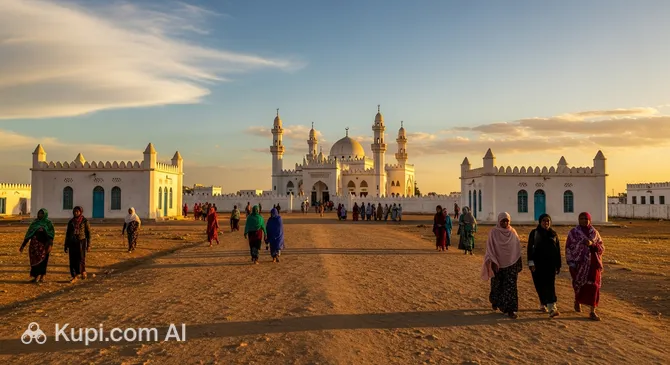
Kebri Dahar. Source: Kupi.Binoculars

The city is situated in a semi-arid zone, characterized by a warm climate and unique landscapes that define the geography of eastern Africa. While the modern city is a center of trade and activity, the history of Kebri Dahar runs deep, marking it as a long-standing settlement that has evolved over generations. The surrounding terrain offers a rugged beauty, with open plains and distinctive vegetation that appeal to those interested in the natural environment of the Horn of Africa.

For travelers venturing to Kebri Dahar, the experience is centered around immersion in the local culture. The city's markets are particularly vibrant, where traders gather to sell livestock, spices, and traditional goods, providing a colorful and authentic sensory experience. The local architecture, often reflecting the traditions of the Somali people, and the hospitality of the residents make it a fascinating stop for those looking to explore off the beaten path.

Whether you are passing through on a larger journey across the region or stopping to appreciate the local customs, Kebri Dahar offers a unique perspective on life in this corner of the world. Its blend of traditional commerce and growing urban energy makes it a noteworthy destination for adventurous explorers.

Weather Overview

Kebri Dahar experiences a consistently warm climate throughout the year, making it a destination where light clothing and sun protection are essential regardless of when you visit. The city generally sees average temperatures ranging from 26°C to 29°C, with the heat peaking in months like March and February when daily highs can climb up to 35°C. Even during the cooler evenings, temperatures remain mild and comfortable, rarely dipping below 20°C.

Rainfall in the region is seasonal and distinct, following a pattern typical of this semi-arid zone. The weather in Kebri Dahar is characterized by long dry spells interspersed with two primary rainy periods. The wettest months are typically April and October, which can see frequent showers, while months like January, June, and December are extremely dry with virtually no precipitation. Travelers can generally expect hot, sunny days for most of the year, with occasional rain concentrated in the spring and autumn months.

Interesting Facts

Beyond the main attractions, Kebri Dahar holds many fascinating secrets that reveal its strategic and cultural importance. This city offers more than meets the eye, with a history and lifestyle deeply rooted in the resilience of the region.

  • Historical Fortifications: During the 1930s, the city served as a crucial defensive line in the eastern part of the country. It was heavily fortified with trenches and defensive structures to protect the interior regions, marking it as a site of significant historical military strategy during the early 20th century.

  • A Hub for Higher Learning: Despite its location in a remote semi-arid zone, the city is home to Kebri Dahar University. This institution stands as a modern beacon of education, drawing students from across the Somali Region and contributing significantly to the urbanization and development of the area.

  • Vital Aerial Link: Unlike many settlements in the vast eastern plains, the city boasts its own airport, Kabri Dar Airport. This facility is essential for connecting this distant urban center with the capital and other major cities, bridging the gap across the challenging terrain of the Ogaden plateau.

  • The Camel Economy: The city acts as a major nexus for the livestock trade, which is the backbone of the local economy. It is particularly famous for its bustling markets where camels are traded, reflecting the deep-rooted pastoral traditions that have sustained the local population for centuries.

How to Get There

Reaching this distinct part of the Somali Region requires some planning, as the distances in Ethiopia can be vast. The most practical and time-efficient method for travelers is to fly. The city is served by its own facility, Kabri Dar Airport (IATA: ABK), which provides a vital link to the rest of the country. International visitors will typically arrive first at Addis Ababa Bole International Airport (IATA: ADD) in the capital, which is the major hub for the region. From there, you can catch a domestic flight directly to Kebri Dahar, turning what would be a multi-day road trip into a short and comfortable journey.

For those who prefer overland travel or are already exploring the eastern part of the country, road transport is an option, though it is a long endeavor. Buses and private vehicles connect the city to regional hubs like Jijiga and Dire Dawa. The drive from the capital is significant and traverses remote, semi-arid landscapes, requiring a sturdy vehicle and plenty of time. For a complete guide on logistics and routes, you can read more about how to get to Kebri Dahar on our detailed page.

Main Attractions

While Kebri Dahar is primarily a commercial and administrative center rather than a traditional tourist resort, it offers authentic experiences for travelers keen on exploring the unique culture of the Somali Region. The city's attractions are deeply rooted in the daily lives of its residents, offering a genuine glimpse into the traditions and rhythms of eastern Ethiopia.

The most vibrant spot in the city is undoubtedly the Kebri Dahar Market. This bustling hub is the economic heartbeat of the area, where traders from across the region gather. It is particularly famous for its livestock section, where visitors can witness the trade of camels, goats, and cattle—a scene that has remained largely unchanged for generations. Beyond livestock, the market stalls are filled with colorful fabrics, aromatic spices, and household goods, making it an excellent place to observe local commerce and perhaps purchase unique traditional items.

For a look at the modern development of the region, Kebri Dahar University stands as a significant landmark. As a center for higher learning, the university campus brings a youthful energy to the city. Its modern architecture contrasts with the traditional buildings of the town, symbolizing the growth and future aspirations of the community. A walk near the campus offers a different perspective on the city's evolving identity.

Travelers looking to immerse themselves in the local atmosphere should spend time in the City Center. Here, the culture of communal tea drinking is alive and well. Small tea shops line the streets, serving spiced tea and coffee, which are staples of Somali hospitality. Sitting in one of these establishments provides a perfect opportunity to interact with friendly locals and soak in the relaxed, welcoming vibe of the town.

Finally, the Surrounding Landscapes of the Ogaden plateau offer a rugged natural beauty for nature enthusiasts. The semi-arid terrain, dotted with acacia trees and unique shrubland, is ideal for those who appreciate vast, open horizons. Short excursions to the outskirts of the city reveal the stark, peaceful environment that characterizes this part of the Horn of Africa, offering a quiet counterpoint to the busy market streets.

Local Cuisine

The culinary landscape of Kebri Dahar reflects its location in the Somali Region, offering a distinct flavor profile that differs from the highland traditions found in other parts of Ethiopia. While traditional injera is available, the daily diet here is heavily centered around rice and pasta, a nod to both local customs and historical influences in the Horn of Africa. Visitors should definitely try Bariis Iskukaris, a fragrant, spiced rice dish often cooked with raisins and vegetables, then served with tender portions of goat or lamb. Baasto (pasta) is another staple, typically served with a rich, savory red sauce and meat, providing a comforting and hearty meal for travelers.

Given the city's status as a major livestock hub, meat plays a central role in almost every meal. For a truly authentic experience, adventurous eaters should try camel meat, a local delicacy prized for its unique texture and flavor, often served roasted or in rich stews. For a lighter bite or a quick street snack, look for Sambusas. These crispy, triangular fried pastries are filled with spiced ground meat, lentils, or vegetables and are perfect for eating on the go while exploring the bustling markets.

The beverage culture in Kebri Dahar is dominated by hot, aromatic drinks that serve as a backdrop for social interaction. Shaah, or Somali tea, is the most popular drink; it is brewed strong and infused with aromatic spices like cardamom, cinnamon, and cloves, then sweetened generously and often served with milk. Coffee is also widely available, prepared in traditional ceremonies that fill the air with the scent of roasting beans. It is important to note that alcohol is generally not part of the local dining culture due to religious customs, so fresh fruit juices and soft drinks are the standard accompaniments to meals.

Dining in Kebri Dahar is a communal and informal affair. You will rarely find formal luxury dining; instead, the city is dotted with small, family-run eateries and open-air stalls known as maqayads. These spots offer a welcoming atmosphere where locals gather to discuss news and business. The service is known for its warm hospitality, and eating with one's hands—specifically the right hand—is a common practice for traditional dishes, adding to the authentic cultural immersion.

Travel Tips

Planning a trip to Kebri Dahar offers a unique opportunity to experience the authentic lifestyle of the Somali Region, but the remote location and distinct cultural norms require some specific preparation. These practical tips will help you navigate local customs and logistics to ensure a smooth, respectful, and enjoyable visit.

  1. Clothing and Gear: Due to the hot, semi-arid climate, pack lightweight, breathable fabrics like cotton or linen. However, modesty is key in this conservative region; both men and women should wear clothing that covers shoulders and knees. Women specifically should consider bringing a scarf to cover their hair when necessary. Don't forget high-SPF sunscreen, a wide-brimmed hat, and sturdy sandals or walking shoes for the dusty streets.

  2. Transportation: The most common and convenient way to get around the city is by Bajaj (three-wheeled auto-rickshaw). They are affordable and readily available for short trips within town. For longer distances or excursions outside the city, you will need to hire a private 4x4 vehicle with a driver, as standard car rental agencies are not available. Walking is feasible in the city center but can be tiring in the midday heat.

  3. Finances: The local currency is the Ethiopian Birr (ETB), and cash is absolute king here. International cards are rarely accepted at shops or restaurants. While there are a few banks with ATMs in the city, they can be unreliable or out of cash, so it is crucial to bring a sufficient supply of cash from Addis Ababa. Small denominations are useful for markets and Bajaj fares.

  4. Health and Safety: Medical facilities are limited to basic hospitals and clinics, so bring a well-stocked personal first-aid kit. Pharmacies may not be open late, so carry essential medications with you. Always drink bottled water and avoid tap water to prevent stomach issues. As the area is hot, stay hydrated. In terms of safety, avoid walking alone in unlit areas at night and keep valuables secure in crowded market areas.

  5. Communication: The primary language spoken is Somali, though Amharic is also understood by many. English is not widely spoken outside of the university and government offices, so learning a few basic Somali phrases like "Asc" (Hello) and "Mahadsanid" (Thank you) will go a long way. Purchase an Ethio Telecom SIM card in Addis Ababa or at a local branch upon arrival for connectivity, as Wi-Fi is scarce.

  6. Local Etiquette: Greetings are very important; a warm handshake (using the right hand) is the standard welcome, often followed by asking about one's health. Always use your right hand for eating, greeting, or passing items, as the left hand is considered unclean. If invited into a home, remember to remove your shoes at the door.

  7. What to Avoid: Do not take photographs of people, especially women and elders, without asking for explicit permission first, as this can be considered offensive. Additionally, avoid public displays of affection and the consumption of alcohol in public spaces, as these behaviors do not align with local conservative norms.

  8. Local Insight: Embrace the local tea culture. Spending time in a roadside tea shop sipping spiced Shaah is the best way to soak up the atmosphere and is often where you will find the most helpful locals willing to share stories or directions.

By keeping these simple guidelines in mind, you will be well-equipped to connect with the friendly residents of Kebri Dahar and appreciate the rugged beauty of this fascinating corner of Ethiopia. A little preparation goes a long way in making your journey both comfortable and culturally enriching.

Entertainment & Nightlife

Entertainment and nightlife in Kebri Dahar offer a distinct departure from the bustling club scenes found in larger metropolitan areas. In this conservative and culturally rich city in the Somali Region, the concept of "nightlife" revolves around community, conversation, and relaxation rather than loud music or dance floors. The evenings here are characterized by warm breezes and the hum of social interaction, providing a peaceful and authentic experience for visitors looking to unwind after a day of travel.

The heart of the city's evening activity is undoubtedly the City Center. As the sun sets, the main streets come alive with residents gathering at open-air tea shops and small eateries. This is where the true social pulse of Kebri Dahar beats. The atmosphere is welcoming and laid-back, with groups of friends sitting on low stools, discussing the day's events over cups of spiced tea or coffee. Alcohol is generally not part of the local culture due to religious observances, so you will not find western-style bars or nightclubs. Instead, the "buzz" comes from the lively chatter and the aroma of roasting coffee beans that fills the air.

For those seeking a specific venue to enjoy a quiet evening meal, the Qebri Dahar Hotel is one of the few established spots in town that offers a comfortable setting for dining. It serves as a gathering place for travelers and business people, offering a menu of local and international dishes in a relaxed environment. It is an ideal location to enjoy a hearty dinner of rice and goat meat while soaking in the local hospitality without the chaotic energy of a busy street stall.

Another focal point for evening activity is the area surrounding the Kebri Dahar Market. While the frenetic trade of the day slows down, many food vendors remain open into the night. This is the best place to sample street food delicacies like sambusas or fresh fruit juices. The area is illuminated by the soft glow of shop lights, creating a safe and vibrant environment for a night walk. Visitors can stroll through these lanes to observe the winding down of the city's commercial life, often engaging in friendly exchanges with the local traders.

When planning a night out, timing is flexible, but the streets are most active between 7:00 PM and 10:00 PM. Prices are incredibly affordable, with a cup of tea or a light snack costing very little. For transportation, the ubiquitous three-wheeled Bajajs are the best way to get around; they are safe, cheap, and easy to flag down until late in the evening. While the city is generally safe for pedestrians, it is advisable to stick to well-lit main roads and avoid wandering into the outskirts alone after dark.

During the daytime, entertainment options shift towards exploring the local culture and environment. The Kebri Dahar University campus offers a look at modern architectural developments in the region, while the surrounding semi-arid landscapes provide opportunities for short nature walks to appreciate the unique flora of the Somali Region. Whether day or night, the charm of Kebri Dahar lies in its slow pace and the genuine warmth of its people.

Parks & Museums

While Kebri Dahar may not boast the manicured botanical gardens or grand national museums found in larger capital cities, it offers a different kind of cultural and natural immersion. The city's "green spaces" are defined by the raw, rugged beauty of the Somali Region's landscape, and its historical heritage is often found etched into the land itself rather than displayed behind glass cases. For travelers, exploring these areas provides a genuine connection to the environment and the resilience of the local community.

Key Parks and Green Spaces

One of the few organized green environments in the city is the Kebri Dahar University Campus. As a modern hub for education and development, the university grounds stand out with their maintained courtyards and planting efforts that contrast with the surrounding arid terrain. It serves as a peaceful oasis where students and visitors can find shade under neem and acacia trees. The campus architecture combined with its open spaces offers a pleasant area for a quiet walk, representing the city's aspirations and its greener future.

For a more immersive natural experience, the Surrounding Ogaden Plains function as the region's vast, open-air park. Just a short distance from the city center, the urban sprawl gives way to the characteristic semi-arid savannah of eastern Ethiopia. This landscape, dotted with flat-topped acacia trees and hardy shrubs, is starkly beautiful, especially during sunrise or sunset when the red earth glows under the changing light. It is an excellent area for nature enthusiasts to observe local birdlife and experience the profound silence of the Ethiopian lowlands.

Museums and Cultural Sites

Formal museums are scarce in this commercial outpost, but Kebri Dahar University again plays a pivotal role as a custodian of culture. The institution often serves as a center for regional research and cultural preservation. While it may not have a public museum wing in the traditional sense, the university environment is where the intellectual and cultural history of the Somali Region is most actively engaged. Visitors interested in the local heritage may find libraries or student-led cultural events that offer deep insights into the traditions and history of the area.

History buffs can explore the Historical Fortifications located on the city's periphery. These are not museums with ticket counters, but rather significant historical sites that date back to the 1930s when the city was a strategic defensive point. Remnants of trenches and old defensive lines can still be identified in certain areas. Viewing these sites offers a tangible link to the past, allowing visitors to visualize the strategic military importance Kebri Dahar held during the conflicts of the early 20th century.

Authentic Experiences

For a truly local perspective, take a walk to the edge of the town in the late afternoon. The transition zone between the city and the bush offers a unique vantage point where you can watch camel herds returning from grazing. This daily rhythm is a living exhibit of the pastoral lifestyle that has defined the region for centuries, offering a photo opportunity that is far more evocative than any static museum display.

Getting Around

Navigating Kebri Dahar is a straightforward and authentic experience, quite different from the complex transit networks found in major global capitals. The city does not possess a metro, tram, or large municipal bus system. Instead, the public transport landscape is dominated by informal, flexible, and highly efficient small-scale vehicles that are perfectly suited to the local terrain and urban layout.

The undisputed king of the road here is the Bajaj, a three-wheeled auto-rickshaw that serves as the primary mode of transport for residents and visitors alike. These vehicles are ubiquitous, colorful, and can be found on nearly every street corner. They function as both private taxis and shared transport. You can hail one for a private ride to a specific destination, or hop into a shared one that picks up multiple passengers along a set route. They are nimble, allowing them to navigate through busy market streets where larger vehicles might get stuck.

For longer distances connecting the city center to the outskirts or neighboring settlements, minibuses are the standard option. These white vans typically wait at designated "stations" or informal gathering points until they are full before departing. They are less about comfort and more about utility, offering a very inexpensive way to travel if you are heading to the university area or the airport. There are no fixed timetables; the schedule is dictated by passenger demand.

The payment system in Kebri Dahar is strictly cash-based. There are no travel cards, mobile apps, or electronic ticket machines. Passengers must pay the driver or the conductor (known as a weyala in minibuses) directly. It is essential to carry small denominations of the local currency, as drivers often struggle to make change for large bills. Fares for shared Bajaj routes and minibuses are generally fixed and very low, while a private Bajaj hire requires you to negotiate the price before you get in.

Travelers should be aware that public transport operates primarily during daylight hours, starting as early as 6:00 AM and winding down shortly after sunset. While you can still find a Bajaj in the early evening, they become scarcer as the night progresses. A practical tip for visitors is to ask a local or your hotel receptionist for the standard rate to your destination beforehand; this knowledge gives you confidence when agreeing on a fare with a driver.

Alternatives to public transport are limited but functional. Walking is a viable and pleasant option for exploring the compact city center, especially around the market areas. Standard taxi sedans are rare; if you require a conventional car for a day trip or a comfortable ride to the airport, it is best to arrange a private car hire with a driver through your accommodation. Ride-sharing apps like Uber or Bolt do not operate in this region, so relying on the local Bajaj network or your own two feet is the best way to experience the rhythm of the city.

Accommodation

Accommodation in Kebri Dahar is reflective of its status as a remote commercial hub in the Somali Region. Visitors should not expect international luxury chains or sprawling resorts. Instead, the city offers a selection of functional and modest lodging options, primarily consisting of locally run hotels, guesthouses, and pensions. These establishments are designed to cater to traders, NGO workers, and transit passengers, focusing on providing basic amenities and a safe place to rest.

The most convenient area to stay is undoubtedly the City Center. Choosing accommodation here places you within walking distance of the bustling markets, tea shops, and transport stops for Bajajs and minibuses. Being central allows travelers to easily immerse themselves in the local atmosphere and access essential services like pharmacies and shops. There are also a few options located near the main road leading to the airport, which are suitable for those on a quick stopover or with early morning flights.

While specific "famous" hotels are few, the Qebri Dahar Hotel is widely recognized as one of the primary establishments in the city. It serves as a standard reference point for comfort in the area, offering a restaurant and relatively modern facilities compared to smaller guesthouses. Most other accommodations are smaller, family-owned pensions that offer a bed and basic facilities, often with shared bathrooms, providing a very authentic but no-frills experience.

Booking Tip: Online booking platforms are rarely used in this part of Ethiopia. The most effective way to secure a room is simply to show up and inquire, or to have a local contact call ahead for you. During major religious holidays or university events, the limited number of quality rooms can fill up, so arriving early in the day is advisable if you haven't made prior arrangements.

In terms of cost, accommodation in Kebri Dahar is generally very affordable for international travelers, falling firmly into the budget to lower mid-range categories. Payment is almost exclusively expected in cash (Ethiopian Birr), as credit card facilities are virtually non-existent at hotel reception desks. Prices are often negotiable, especially for longer stays, but the standard rates are already quite low compared to the capital.

Nearby Cities

For those looking to explore the surroundings, Kebri Dahar serves as an excellent base for day trips or short excursions to several interesting nearby locations:

Gode is the closest major urban center, situated on the banks of the Wabi Shebelle River. A visit here offers a refreshing change of scenery from the arid plains, as the river supports lush agricultural strips and provides a vital lifeline to the region. It is a great place to witness the resilience of the local community and the unique riverine ecosystem of the Somali Region.

Further afield lies Jijiga, the capital of the Somali Region. This city is a bustling cultural and political hub, known for its proximity to the Karamara Mountains. Travelers can explore its vibrant markets and learn about the rich history of the area. It serves as a significant crossroads for trade and offers a deeper insight into the administrative and social life of eastern Ethiopia.

For those willing to travel a bit longer, the historic city of Harar is a must-see destination. Recognized as a UNESCO World Heritage site, Harar is famous for its ancient city walls, colorful maze-like alleyways, and the unique tradition of the "Hyena Men" who feed wild hyenas by hand. It stands as a beacon of Islamic culture and history in the Horn of Africa.

City Population Distance (km)
Gode 980,782 117
Ferfer 133,521 206
Jijiga 159,300 332
Harar 174,994 371
Dire Dawa 277,000 414

These nearby destinations offer a glimpse into the diverse culture and landscapes of the region, ranging from river valleys to historic walled cities.

Shopping & Souvenirs

Shopping in Kebri Dahar offers a raw and authentic experience that stands in stark contrast to the polished retail therapy of modern metropolises. As a key commercial hub in the Somali Region, the city functions as a trading post where functionality meets tradition. You will not find high-end boutiques or international chain stores here; instead, the retail landscape is dominated by bustling open-air stalls, small family-run shops, and vibrant trading zones. For tourists, it is a chance to engage directly with local merchants and discover goods that are essential to the daily life and culture of the area.

The primary retail activity is concentrated in the City Center, particularly along the main thoroughfares that crisscross the town. These streets are lined with small concrete storefronts and corrugated iron shacks selling everything from electronics and mobile phones to household plasticware and clothing. Walking down these dusty, lively streets allows you to see the commercial heartbeat of the city, where goods imported from neighboring regions and countries make their way to local consumers.

Travelers looking for large, air-conditioned shopping complexes will find that shopping malls are non-existent in Kebri Dahar. The retail culture here is decentralized and informal. "Shopping centers" are typically just clusters of small shops within a single building or arcade, rather than the sprawling malls found in Addis Ababa. These clusters are often great places to find fabric sellers and tailors who can stitch custom garments on site.

The true highlight of the shopping scene is the Kebri Dahar Market. While it is famous for its livestock trade, the sections dedicated to dry goods and produce are equally fascinating. Here, the air is thick with the scent of spices and incense. It is the best place to find fresh local produce, grains, and the vibrant, patterned textiles that are characteristic of the region. The market is chaotic, loud, and incredibly colorful, offering a sensory overload that is a photographer’s delight—provided you ask for permission before snapping photos of people or their stalls.

When it comes to souvenirs, the best items to bring back are those that reflect the Somali heritage of the region. Look for Uunsi, a traditional incense blend that is a staple in local homes, often sold with a burning vessel called a dabqaad. Colorful fabrics, particularly the lightweight and brightly patterned materials used for women's diracs, make for beautiful and practical gifts. Additionally, traditional wooden milk containers, often hand-carved and smoked to preserve the milk, are unique artifacts that speak to the pastoral history of the area.

Opening hours in Kebri Dahar are generally dictated by the sun and prayer times. Most shops open around 8:00 AM and stay open until sunset, roughly 6:00 PM or 7:00 PM. However, it is common for businesses to close briefly during the midday heat and for prayer intervals, particularly on Fridays, which is the holy day. Visitors should plan their shopping trips for the morning or late afternoon to avoid closed doors.

Payment is strictly a cash affair. Credit cards are almost never accepted in markets or small shops, so carrying a sufficient amount of Ethiopian Birr (ETB) is essential. Small denominations are particularly useful for bargaining, which is a standard practice in the markets. There is no tax-free refund system for tourists in this region, so the price you negotiate is the final price you pay.

Nearby cities

Reached the end of the page?

That means the route is fully explored