Support

Dire Dawa

About

Dire Dawa is a captivating urban center that offers a distinct contrast to the ancient historical routes found elsewhere in the region. Often referred to as the second-largest city in Ethiopia, it boasts a unique cosmopolitan atmosphere shaped by its diverse population and colonial-era influences. The city is renowned for its relaxed pace of life, tree-lined avenues, and a harmonious blend of cultures that create a welcoming environment for travelers.
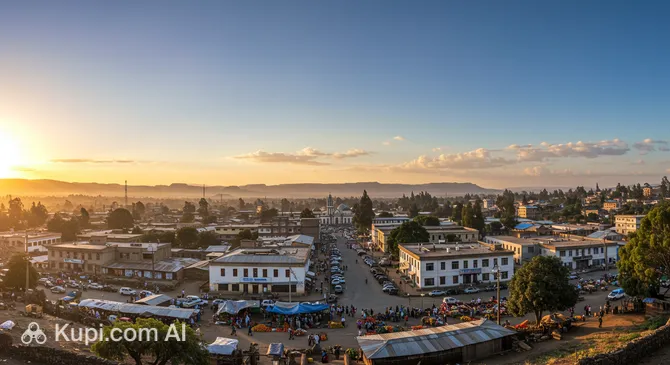
Dire Dawa. Source: Kupi.Binoculars

Geographically, Dire Dawa is situated in the eastern part of the country, resting at the foot of the Ahmar Mountains on the edge of the Great Rift Valley. With a population of approximately 277,000 residents, it serves as a vital commercial and industrial hub. The climate here is typically warm and dry, offering a pleasant change for those arriving from the cooler highlands.

The city's existence is intrinsically linked to the construction of the railway line connecting Addis Ababa to Djibouti. Founded in 1902, it quickly grew into a major trading post. Visitors interested in the past can explore the fascinating history of Dire Dawa to understand how the railway shaped its unique grid layout and architectural heritage, which differs significantly from other Ethiopian towns.

One of the city's most charming features is its division into two distinct quarters: Kezira, the planned area featuring European-style buildings and broad streets, and Megala, the lively traditional quarter. Tourists often enjoy visiting the historic Railway Station to see old rolling stock or wandering through the vibrant Kefira Market, where a colorful array of goods and traditional attire showcases the region's cultural diversity.

Whether you are using it as a gateway to the walled city of Harar or exploring it as a destination in its own right, Dire Dawa promises an engaging experience. Its blend of architectural styles, warm hospitality, and bustling markets make it a memorable stop on any itinerary.

Weather Overview

Travelers visiting this region can generally expect warm conditions year-round, as the city sits at a lower elevation compared to the Ethiopian highlands. The weather in Dire Dawa is typically characterized by consistent warmth, with average temperatures fluctuating between 20.5°C in December and 26.0°C in June. Daytime highs frequently reach up to 32.0°C during the hottest months, while nights remain mild, rarely dropping below 14.0°C even in the coolest season.

Precipitation patterns are distinct, offering travelers clear windows for outdoor activities. The winter months, particularly from December to February, are very dry with almost no rainfall and clear skies. Conversely, the period from July to September sees more frequent moisture, with August experiencing up to 14 wet days, though the rain is often short-lived. Overall, visitors should expect warm sunny days with occasional rain showers during the wetter season and dry, pleasant conditions during the winter.

Interesting Facts

Beyond the bustling markets and colonial architecture, Dire Dawa holds several intriguing secrets that surprise many visitors. This unique urban center is not just a transit hub but a place with deep archaeological roots and a distinctive administrative status.

  • The "Accidental" City: The city’s location was chosen out of pure engineering necessity. Originally, the railway line was intended to reach the ancient walled city of Harar, but the steep ascent proved too difficult for the steam trains of the early 20th century to climb. As a result, the station was built in the plains below, creating "New Harar," which eventually became Dire Dawa.

  • Prehistoric Neighbors: Just a few kilometers from the modern city center lies the Porc-Epic Cave, a significant archaeological site. It houses rock paintings and stone tools dating back to the Middle Stone Age, revealing that this area has been a home to humans for tens of thousands of years, long before the railway arrived.

  • Unique Political Status: Along with the capital, Addis Ababa, this is one of only two cities in Ethiopia designated as a Chartered City. This special status grants it a high level of administrative autonomy and a separate government, distinct from the surrounding Oromia region.

How to Get There

Reaching this eastern Ethiopian hub is relatively straightforward, with options ranging from direct flights to overland travel. As a significant commercial center, the city is well-connected to the capital and neighboring regions. For a detailed overview of all transport options and routes, you can read more about how to get to Dire Dawa.

The most convenient way to arrive is by flying directly into Aba Tenna D Yilma Airport (DIR). Located just 2.2 km from the city center, it serves as the primary gateway for air travelers. A taxi or shuttle from the terminal to the downtown area is very quick, typically taking around 25 minutes. This airport handles a steady flow of domestic traffic, connecting the city efficiently with Addis Ababa and other regional destinations.

If direct flights are unavailable, travelers might consider flying into Jijiga Airport (JIJ), situated in the city of Jijiga. It is approximately 119.5 km away from Dire Dawa. The journey by road from Jijiga takes about 3 hours and 20 minutes via taxi or bus. Another significant regional hub is Djibouti-Ambouli International Airport (JIB) in Djibouti City. Although it is about 257.7 km away and involves crossing an international border, it is a major entry point for the wider Horn of Africa region.

For clarity, here is a summary of the main airports serving the region:

Airport Name City Passenger Traffic Km from City
Djibouti-Ambouli International Airport Djibouti City Medium 257.7
Aba Tenna D Yilma Airport Dire Dawa Medium 2.2
Hargeisa Airport Hargeisa Medium 244.6
Semera Airport Semera Small 224.8
Jijiga Airport Jijiga 119.5

Train travel is another historically significant and popular method for reaching Dire Dawa. The city is a major station on the Ethio-Djibouti Railway, which connects Addis Ababa to the port of Djibouti. The modern standard-gauge railway offers a comfortable and scenic journey, cutting through the diverse landscapes of the Great Rift Valley. Tickets can usually be purchased at the respective stations in Addis Ababa or Djibouti, providing a reliable alternative to road and air transport.

Main Attractions

Dire Dawa offers a unique blend of cultural heritage and historical intrigue, making it a fascinating stop for travelers exploring eastern Ethiopia. While the city serves as a major transit hub, it possesses its own distinct charm, defined by the contrast between its traditional markets and colonial-era planning. Here are the main attractions that showcase the diverse character of this vibrant city.

Kefira Market is the beating heart of the city's traditional Megala quarter and a must-visit for anyone seeking an authentic cultural experience. This sprawling open-air market is a sensory delight, bustling with traders from the surrounding rural areas, including Oromo, Somali, and Afar people. Visitors can wander through colorful stalls selling everything from exotic spices and fresh produce to livestock. It is particularly famous for its camel market, offering a glimpse into the centuries-old trading practices that still thrive in the region today.

For history enthusiasts, the Dire Dawa Railway Station stands as a monument to the city's origins. As the midpoint of the historic Ethio-Djibouti Railway, the station is surrounded by French-style workshops and colonial buildings that give the Kezira quarter its European flair. Although modern trains now run on a new track, the old station area remains a nostalgic site where you can appreciate the engineering history that birthed the city. The architecture here provides a stark, fascinating contrast to the organic layout of the older neighborhoods.

Just a short distance from the urban center lies the Porc-Epic Cave, a significant archaeological site that draws visitors interested in prehistory. Perched on a hill offering panoramic views of the surrounding landscape, the cave is renowned for its ancient rock art and Middle Stone Age deposits. The paintings, depicting various human and animal figures, provide a captivating window into the lives of the early humans who inhabited this region thousands of years ago.

Kezira, the planned European quarter, serves as an attraction in itself, perfect for a leisurely walking tour. Unlike the winding alleys of the old town, Kezira features broad, tree-lined avenues laid out in a grid pattern. Here, tourists can admire well-preserved colonial villas, the old palace, and various religious buildings, including the distinct St. Michael's Catholic Church. The relaxed atmosphere of this district offers a pleasant break from the heat and bustle of the market areas.

Local Cuisine

The culinary landscape of Dire Dawa is as diverse as its population, offering a unique fusion of flavors that sets it apart from other Ethiopian cities. Situated at the crossroads of trade routes and influenced by the historic railway connection to Djibouti, the local cuisine blends traditional Ethiopian staples with Somali, Arab, and even lingering French colonial influences. Visitors can expect a gastronomic journey that ranges from spicy highlands stews to savory lowland dishes suited for the warmer climate.

While the ubiquitous Injera (a sour fermented flatbread) served with spicy stews like Doro Wat (chicken) or Shiro (chickpea flour stew) remains a staple, the city's eastern location introduces distinct variations. Rice dishes and pasta are far more common here than in the central highlands, often served with grilled meats or vegetables, reflecting the Italian and Somali influences in the wider region. A true local specialty to try is Camel Meat, often served as Tibs (sautéed meat chunks). Due to the arid climate and the presence of pastoralist communities like the Somali and Afar, camel meat is a prized delicacy known for its lean texture and rich flavor.

Street food plays a vital role in the daily life of the residents, particularly in the bustling Megala quarter. Here, the air is filled with the aroma of Sambusas (fried pastry triangles filled with lentils or meat) and Fasolia (green beans with carrots and onions). These snacks are perfect for fueling a walk through the vibrant markets. In the mornings, fresh pastries and baguettes can still be found, a subtle nod to the French engineers who once lived in the city during the railway's construction.

No culinary exploration of Dire Dawa is complete without diving into its beverage culture. The region is close to Harar, the birthplace of coffee, making the traditional Coffee Ceremony an essential social ritual. Locals sit on small stools around a charcoal brazier to roast fresh beans, filling the air with aromatic smoke before serving the strong, rich brew in small cups. For those preferring something cooler in the desert heat, spiced tea (Shay) infused with cinnamon and cloves is incredibly popular, as are fresh fruit juices made from mangoes and avocados grown in the nearby orchards.

The dining atmosphere in Dire Dawa is split between two distinct worlds. In the tree-lined European quarter of Kezira, you can find relaxed garden restaurants and cafes that offer a quiet respite and a mix of international and local dishes. Conversely, the Megala district offers a more raw and energetic experience, where open-air eateries serve hearty meals to traders and travelers alike. Whether you are dining in a colonial-era villa or grabbing a quick bite at a market stall, the city's food scene is welcoming and full of character.

Travel Tips

Planning a trip to Dire Dawa offers the chance to explore one of the most culturally distinct cities in the region, but a smooth journey requires a bit of local know-how. These practical tips are designed to help you navigate the city's unique climate, customs, and logistics with confidence.

  1. Clothing and Gear: Due to the warm, semi-arid climate, pack lightweight, breathable fabrics like cotton or linen to stay cool. However, modesty is highly valued here; both men and women should avoid very short shorts or sleeveless tops, especially when visiting the traditional Megala quarter or religious sites. A hat, sunglasses, and high-SPF sunscreen are essential to protect against the strong sun, and comfortable, closed-toe shoes are best for navigating the dusty market streets.
  2. Transportation: The most popular and convenient way to get around Dire Dawa is by Bajaj (three-wheeled auto-rickshaw). They are abundant, affordable, and perfect for short trips between Kezira and Megala. Always agree on the fare before starting your journey, as meters are rarely used. Blue-and-white taxis are also available for longer distances, but walking is a pleasant option within the tree-lined streets of the European quarter.
  3. Finances: The local currency is the Ethiopian Birr (ETB), and cash is definitely king. While a few high-end hotels may accept international credit cards, most shops, restaurants, and markets deal strictly in cash. ATMs are available, primarily in the Kezira area near banks, but they can occasionally be out of service, so it is wise to carry enough cash for your daily needs.
  4. Health and Safety: Dire Dawa is located at a lower altitude where mosquitoes can be active, so bringing insect repellent and wearing long sleeves in the evening is recommended to prevent malaria. Stick to bottled water for drinking and brushing your teeth. Pharmacies are generally well-stocked in the city center, but for any serious medical issues, seek clinics recommended by your hotel or embassy.
  5. Communication: Amharic is the official working language, though Oromo and Somali are also widely spoken due to the city's diverse demographics. English is understood by staff in major hotels and some educated locals, but it is less common in the markets. Learning a few basic phrases like "Selam" (Hello) and "Ameseginalehu" (Thank you) will go a long way. A local SIM card from Ethio Telecom is inexpensive and useful for data access.
  6. Local Etiquette: Greetings are taken seriously; a handshake followed by touching your right hand to your heart is a common and respectful gesture. If invited to share a meal, always use your right hand for eating, as using the left is considered unclean. It is polite to accept a cup of coffee or tea if offered, as hospitality is a core part of the culture.
  7. What to Avoid: refrain from taking photographs of people, especially in the markets, without asking for explicit permission first, as this can cause offense. Additionally, avoid public displays of affection, which are culturally frowned upon. Be cautious about photographing government buildings, bridges, or military personnel, as this is strictly prohibited.
  8. The "Siesta" Rhythm: Be aware that the city often slows down significantly during the hottest part of the day, typically between 1:00 PM and 3:00 PM. Many shops and local businesses may close for a lunch break and rest period to escape the afternoon heat. Plan your outdoor activities for the cooler mornings or late afternoons to align with this local rhythm.

By keeping these practicalities in mind, you will be well-prepared to immerse yourself in the vibrant atmosphere of Dire Dawa. Embracing the local pace and customs will not only make your trip easier but also open doors to warmer interactions with the city's friendly residents.

Entertainment & Nightlife

As the sun sets and the desert heat subsides, Dire Dawa transforms into a lively city with a relaxed and welcoming atmosphere. Unlike the frenetic energy of the capital, the nightlife in this eastern corner of Ethiopia is characterized by warm breezes, open-air terraces, and a distinct cultural blend. The evening social scene is primarily concentrated in the Kezira district (the European Quarter), where the broad, tree-lined avenues are safe for walking and buzzing with the sound of three-wheeled bajajs.

For those looking to experience the local bar culture, the historic Ras Hotel is an institution in itself. Its outdoor terrace is a favorite gathering spot for locals and expatriates alike to enjoy a cold draft beer and conversation under the stars. The vibe here is laid-back and nostalgic, reflecting the city's colonial history. Another popular venue is the Samrat Hotel, which is well-known for its nightlife facilities. It often hosts a younger crowd and features a club atmosphere where visitors can dance to a mix of modern Ethiopian pop and international hits.

If you prefer a more vibrant street atmosphere, the areas bridging Kezira and the older Megala quarter offer plenty of activity. In the evenings, the streets fill with vendors selling chat (a mild stimulant leaf socially chewed in the region) and street food. While chewing chat is a dominant part of the local evening culture, tourists can simply enjoy the bustling environment and try local snacks like grilled meats. For a pleasant evening out, Efficient Bar provides a welcoming setting with good service, making it a reliable choice for travelers seeking a comfortable place to unwind.

Practicality is key when enjoying a night out in Dire Dawa. The dress code is generally casual, though people tend to dress smartly for clubs. Prices for drinks and cover charges are very affordable compared to Western standards. The best time to head out is after 8:00 PM, when the air is coolest. For transportation, Bajajs (auto-rickshaws) are the most convenient and safe way to hop between venues; they are available late into the night. While Kezira is generally safe for evening strolls, it is advisable to take a bajaj if you are heading into the Megala district after dark.

During the daylight hours, entertainment in Dire Dawa leans towards cultural and historical appreciation. The city is home to the Cinema Empire, a historical building that is an architectural gem worth visiting even if you don't catch a movie. While the city lacks large amusement parks, the slow-paced exploration of its unique railway heritage and the vibrant markets offers plenty of engagement before the sun goes down.

Parks & Museums

Dire Dawa is frequently celebrated as an oasis of greenery in the arid eastern lowlands of Ethiopia. Unlike many other cities in the region, it was designed with a focus on urban planning and landscaping, resulting in a destination where culture and nature intertwine. While it may not be packed with conventional museums, the city itself serves as a living exhibition of railway history and colonial garden design.

Kezira (The European Quarter) functions as the city's most significant green space. Designed with the "garden city" concept in mind, this entire district acts as an open-air park. The broad, paved avenues are lined with magnificent flamboyant trees that burst into bright red blooms, providing shade and a picturesque canopy for pedestrians. Walking here offers a refreshing escape from the heat and a chance to admire the lush gardens that surround the colonial-era villas, making it a favorite area for a relaxing evening stroll.

For a more traditional park experience, Millennium Park is a popular gathering spot for residents and visitors alike. Located centrally, it offers a well-maintained space with seating areas and greenery where families come to socialize. It provides a glimpse into the local leisure culture and is often bustling on weekends. Just outside the city limits, the foothills of the Ahmar Mountains offer a natural playground for outdoor enthusiasts. These rugged hills provide excellent opportunities for hiking and offer panoramic views over the city and the vast Rift Valley plains below.

The cultural highlight of the city is undoubtedly the Railway Museum, situated within the historic train station complex. This site is the custodian of Dire Dawa's identity, preserving the legacy of the Ethio-Djibouti Railway that birthed the city. Visitors can explore a collection of retired steam locomotives, vintage carriages, and antique signaling equipment. It is an atmospheric place that transports you back to the early 20th century, offering a tangible connection to the engineering marvels that connected Ethiopia to the sea.

Art and contemporary culture find a home at the Alliance Ethio-Française. As a vibrant cultural hub, it frequently hosts art exhibitions showcasing works by local painters and sculptors, as well as film screenings and musical performances. It serves as a bridge between the city's French heritage and modern Ethiopian artistic expression. For a quieter cultural experience, the gardens and architectural grounds of the historic Ras Hotel serve as an informal gallery of the city's colonial past, where the ambiance speaks volumes about the history of the region.

For an authentic insider experience, try visiting the seasonal riverbed of the Dechatu River (when dry) or the smaller green pockets near the Chat Market. While not formal parks, these areas are where the pulse of the city is most palpable. Additionally, keep an eye out for the occasional pop-up cultural festivals often held in the public squares of Kezira, which bring the city's diverse Somali, Oromo, and Afar traditions to life through dance and music.

Getting Around

The public transport system in this city is informal, lively, and heavily reliant on road-based vehicles rather than complex rail or metro networks. For a visitor, getting around is relatively simple once you understand the local hierarchy of vehicles. There is no metro, tram, or large municipal bus system in the Western sense; instead, the streets are dominated by three-wheeled auto-rickshaws and distinctively colored taxis that provide efficient point-to-point service.

The most iconic and ubiquitous mode of transport is the Bajaj. These three-wheeled auto-rickshaws are the lifeblood of local mobility, buzzing through the streets of both the Kezira and Megala quarters. They are perfect for short to medium distances and can navigate the narrower streets with ease. You can generally use them in two ways: as a "contract" (private hire) where you rent the whole vehicle for a specific trip, or as a shared service where you hop in with other passengers going in the same direction along main roads.

For slightly longer journeys or for those carrying luggage, blue-and-white taxis are the standard alternative. These are typically older model sedans that operate similarly to the Bajajs but offer more comfort and protection from the heat. While they are less frequent than the rickshaws, they are easily found near major hotels, the airport, and the old railway station. Minibuses also operate on fixed routes along main avenues, primarily serving local commuters heading to the outskirts, but they can be crowded and somewhat confusing for first-time visitors.

Payment across the entire city transport network is exclusively in cash. There are no travel cards, digital passes, or mobile ticketing apps currently in use. Fares are generally very affordable, but they are not always fixed for tourists. When hailing a Bajaj or a taxi for a private trip, it is essential to negotiate and agree on the price before you get in to avoid misunderstandings later. For shared routes, the fare is usually a fixed small amount, and you simply hand the money to the driver.

Walking is a viable and pleasant alternative, particularly within the planned Kezira district. The area's grid layout, wide sidewalks, and ample shade from flamboyant trees make it one of the most walkable urban environments in the region. However, for travel between Kezira and the bustling market area of Megala, or to get to the airport, motorized transport is recommended due to the distance and midday temperatures.

A unique historical feature worth noting is the continued presence of Garis (horse-drawn carts). While they have largely been replaced by motorized vehicles for general passenger transport, you may still see them in operation, particularly for transporting goods or in the older parts of town. They add a nostalgic charm to the streets, serving as a living reminder of the city's earlier days before modern engines took over the roads.

Accommodation

Finding accommodation in Dire Dawa is generally a straightforward experience, offering visitors a selection that reflects the city's status as a commercial and transit hub. The range of options typically spans from budget-friendly pensions and guesthouses to mid-range hotels that provide modern amenities. While the city does not feature an abundance of ultra-luxury resorts found in major international tourist destinations, travelers can find comfortable, clean, and historically charming places to stay that suit various budgets.

For the majority of tourists, the most convenient and pleasant area to stay is Kezira, also known as the European Quarter. This district is characterized by its grid-like street pattern, abundance of shade trees, and relatively quiet atmosphere. Staying here places you within walking distance of the main banks, the post office, and the railway station, making it an ideal base for exploration. In contrast, the Megala quarter offers cheaper, more basic accommodation, but it can be noisy and chaotic due to the bustling markets, making it less suitable for those seeking a relaxing retreat.

The city is home to a few notable establishments that are part of its history. The Ras Hotel is perhaps the most famous, known for its colonial architecture and garden setting that evokes the early days of the railway era. It serves not just as a place to sleep, but as a landmark of the city's past. Other modern hotels in the Kezira area cater to business travelers and tourists alike, offering facilities such as swimming pools and Wi-Fi, which can be a welcome relief in the warm climate.

When planning your stay, a useful booking tip is to secure your accommodation in advance if you are visiting during major Ethiopian holidays or the peak dry season. While room availability is generally good throughout the year, the better hotels with air conditioning—a highly desirable feature in this warm region—can fill up quickly.

Regarding costs and booking methods, Dire Dawa is generally quite affordable compared to the capital, Addis Ababa. Prices typically fall into the budget to mid-range categories. While the larger, more established hotels appear on major online booking platforms, many smaller guesthouses and budget hotels still rely on direct telephone bookings or walk-in customers. It is also worth noting that payment is often expected in cash (Ethiopian Birr), so it is essential to have local currency on hand upon arrival.

Nearby Cities

For those looking to explore the surroundings, Dire Dawa serves as an excellent base for day trips to several interesting nearby locations. The region offers a mix of historical depth and natural wonders that contrast sharply with the urban environment of the city.

Harar is undoubtedly the most popular destination for a short excursion, located just a scenic drive up the mountains. Known as the "City of Saints," this UNESCO World Heritage site is famous for its ancient defensive walls and maze-like alleyways containing over 80 mosques. Visitors can explore the colorful markets of the walled city (Jugol), visit the house of the French poet Arthur Rimbaud, and witness the unique tradition of feeding wild hyenas at night, a practice that has existed for generations.

Further east lies the town of Babile, which offers a completely different experience. It is renowned for the Valley of Marvels (Dakata Valley), a landscape defined by precarious balancing rock formations that seem to defy gravity. The area is also home to the Babile Elephant Sanctuary, where travelers might catch a glimpse of the rare Abyssinian elephant, although the striking geological features alone make the trip worthwhile.

City Population Distance (km)
Harar 174,994 43
Jijiga 159,300 107
Debre Birhan 139,724 255
Babile 100,000 67
Adigala 80,440 100

These nearby destinations offer a glimpse into the diverse culture and landscapes of the region, providing a perfect complement to your stay in Dire Dawa.

Shopping & Souvenirs

Shopping in Dire Dawa offers a vibrant reflection of its status as a major commercial hub in eastern Ethiopia. Situated at a crossroads of trade routes connecting the highlands to the ports of Djibouti, the city has long been a center for the exchange of goods. Visitors will find a fascinating contrast between the availability of imported modern items, often brought in via the railway corridor, and the rich array of traditional local products. While it is not a destination for high-end luxury fashion, it provides an authentic and bustling retail experience that is deeply embedded in the local culture.

The city's shopping scene is geographically divided, much like its architecture. The Kezira district (European Quarter) is the place to go for a more relaxed shopping experience. Here, along the broad, tree-lined avenues, you can find boutiques and shops selling imported clothing, electronics, and shoes. In contrast, the Megala quarter offers a more chaotic and traditional atmosphere. This area is a maze of narrow streets and alleyways lined with small stalls and traders, perfect for those looking to immerse themselves in the local way of life.

Travelers accustomed to massive, modern shopping complexes should adjust their expectations. Dire Dawa does not feature large Western-style shopping malls. Instead, the retail landscape in the modern parts of the city is characterized by smaller commercial buildings and arcades, particularly in Kezira. These centers often house a variety of independent shops under one roof, offering everything from mobile phones to fashion accessories, but they function more as practical trading posts than leisure destinations.

The undisputed highlight of the city's commercial life is the Kefira Market. Located in the Megala district, this open-air market is an assault on the senses in the best possible way. It is the primary trading ground for the region's diverse ethnic groups, including the Oromo, Somali, and Afar people. Here, you can wander through sections dedicated to fresh produce, vibrant spices, and grains. It is also famous for its livestock area, where camels and goats are traded, offering a unique spectacle for visitors, even if you aren't in the market to buy animals.

When it comes to souvenirs, Dire Dawa serves as an excellent gateway to the treasures of the east. The region is close to Harar, making it a great place to purchase high-quality Harar coffee beans, known worldwide for their distinct flavor. Spices are another top buy; look for authentic Berbere (chili spice blend) or Mitmita to take the taste of Ethiopia home. Additionally, the city's Somali influence means you can find beautiful, colorful fabrics and shawls, as well as traditional incense burners and high-grade frankincense or myrrh, which are abundant in this semi-arid region.

Practicality is key when planning your shopping trips. Most shops open around 8:00 AM or 9:00 AM and stay open until early evening, around 7:00 PM. However, it is crucial to remember the local "siesta" culture; due to the afternoon heat, many businesses close for a lunch break between 1:00 PM and 3:00 PM. As for payment, cash is king. Credit cards are rarely accepted outside of major hotels, so ensure you have plenty of Ethiopian Birr in small denominations, especially when bargaining in the markets.

Regarding tax refunds, tourists should be aware that there is currently no established tax-free shopping scheme or VAT refund system available for visitors in Dire Dawa. The prices you see or negotiate are final, so it is best to focus on the experience and the value of the goods rather than expecting a refund at the airport.

Reached the end of the page?

That means the route is fully explored