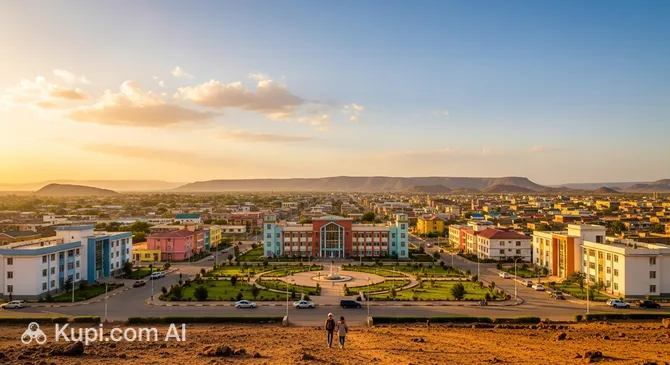
Shopping in Semera offers a distinctively local experience that stands in contrast to the polished retail therapy of larger global cities. As a functional administrative capital and a transit hub, the city does not boast luxury boutiques or sprawling department stores. Instead, the shopping scene here is authentic and practical, catering primarily to the daily needs of the Afar people and the travelers passing through. Visitors will find a range of small shops and open-air stalls that provide a fascinating glimpse into the region's trade and material culture.
The commercial heartbeat of the city is concentrated along the main asphalt highway that runs through Semera, connecting Ethiopia to Djibouti. This strip serves as the primary shopping district, lined with small grocery stores, pharmacies, and general trading posts. Travelers can find essential supplies here, from bottled water and dry food to basic clothing and electronics. The area around Airport Road also features a cluster of shops and service providers, making it a convenient stop for those staying in the nearby hotels.
Travelers looking for large, modern shopping complexes will not find them in Semera. The city lacks Western-style shopping malls or branded retail chains. Retail activity is conducted in single-story buildings or small commercial plazas that house independent vendors. This absence of global franchises preserves the local character of the economy, ensuring that your purchases directly support small business owners and families in the community.
The most vibrant and interesting place to shop is undoubtedly the local Semera Market. This open-air marketplace is the center of social and economic life in the city. Here, the atmosphere is lively and colorful, filled with the scents of spices and the sounds of bargaining. It is a general market selling everything from fresh produce and grains to household goods. In the surrounding areas, you may also witness the trade of livestock, including goats and camels, which is a cornerstone of the Afar pastoralist economy and a unique sight for visitors.
For those seeking souvenirs, Semera offers unique items that reflect the heritage of the Afar people. The most iconic local object is the Gile, a traditional curved dagger worn by Afar men. These are often beautifully crafted with leather scabbards and make for a striking, albeit sharp, memento (be sure to pack this in checked luggage). Other worthwhile purchases include intricate woven grass mats and baskets, which are used in traditional mobile homes, as well as locally harvested incense and frankincense. You might also find blocks of salt brought up from the Danakil Depression, representing the region's "white gold."
Store opening hours in Semera generally run from around 8:00 AM to 6:00 PM. However, it is important to note that many smaller shops may close or operate with reduced staff during the peak heat of the day, typically between 12:00 PM and 3:00 PM. Regarding payment, cash is the absolute rule. Credit cards are virtually useless for shopping in markets or roadside stores. Ensure you have ample Ethiopian Birr in smaller denominations, as vendors often struggle to make change for large banknotes.
Tax-free shopping or VAT refund schemes for tourists are not available in Semera. The prices you see are final, although bargaining is expected and encouraged in the open markets and with street vendors. Approach negotiations with a smile and a friendly attitude, as the interaction is often just as important as the transaction itself.