Support

Dessie

About

Dessie is a vibrant and bustling city located in the north-central highlands of Ethiopia. Situated in the Amhara Region, it serves as a vital commercial hub and a major transportation corridor connecting the capital to the northern parts of the country. With a population of approximately 200,000 residents, the city is known for its energetic atmosphere, blending urban activity with the stunning natural beauty of the surrounding mountains.
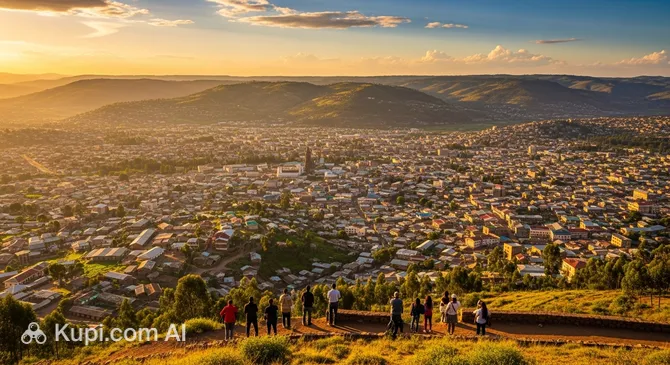
Dessie. Source: Kupi.Binoculars

Geographically, Dessie is perched at a high altitude along the western escarpment of the Great Rift Valley, which gifts the city with a pleasantly cool climate and dramatic landscapes. The history of Dessie is deeply intertwined with the cultural heritage of the Wollo province, having served as an important administrative center for over a century. This rich past has fostered a welcoming environment where diverse traditions and cultures coexist harmoniously.

Travelers visiting Dessie can explore several unique attractions. The city sits at the foot of Mount Tossa, which offers adventurous hiking opportunities and panoramic views of the urban sprawl and valleys below. For those interested in culture, the Dessie Museum provides fascinating insights into local artifacts and the region's heritage. Additionally, the city is an excellent base for visiting the nearby Lake Hayq, a serene crater lake known for its ancient monastery and lush surroundings.

Whether you are a history buff, a nature enthusiast, or simply a traveler looking to experience the authentic rhythm of Ethiopian life, Dessie is a destination that deserves a spot on your itinerary. Its combination of warm hospitality, scenic beauty, and cultural depth makes it a memorable stop on any journey through the highlands.

Weather Overview

Dessie benefits from a pleasant highland climate, characterized by moderate temperatures throughout the year. Due to its elevation, the city avoids the extreme heat found in the Ethiopian lowlands, making it comfortable for visitors at almost any time. To plan your trip effectively, it is helpful to check the detailed weather in Dessie before you pack.

The temperatures typically range from average lows of around 8°C in the cooler months to highs reaching up to 25°C during the warmest periods. June tends to be the warmest month with an average temperature of 18.9°C, while December is generally the coolest. In terms of precipitation, the city experiences a significant increase in rainfall frequency during July and August, with August seeing rain on up to 26 days. Conversely, the months from November through January are quite dry. Expect mild, pleasant days year-round, with frequent showers in late summer and crisp, dry conditions during the winter season.

Interesting Facts

Beyond the main attractions, Dessie holds many fascinating secrets that reveal its historical depth and cultural significance. Here are a few intriguing facts that shed light on the unique character of this highland city.

  • The name "Dessie" translates to "My Joy" in Amharic. Legend has it that Emperor Yohannes IV bestowed this name upon the place in 1882 after witnessing a comet streak across the sky while camping there, an event he interpreted as a sign of divine happiness.

  • The Dessie Museum offers a double dose of history, as the building itself is a significant heritage site. Rather than a modern structure, the museum is housed in the former residence of Dejazmach Yoseph Birru, allowing visitors to explore local artifacts within the walls of a historic home.

  • Dessie has historically acted as a crucial cultural and commercial bridge in Ethiopia. It served as the major meeting point where salt caravans traveling from the hot, arid Afar depression would trade with merchants from the cool central highlands, creating a diverse melting pot of traditions.

  • The city is dramatically sheltered by Mount Tossa to the west, which creates a natural barrier. This imposing mountain not only defines the city's skyline but is also locally celebrated for protecting the urban area from strong winds and influencing the pleasant microclimate.

How to Get There

Reaching Dessie is a journey into the heart of the Ethiopian highlands, offering travelers a chance to witness the country's dramatic landscapes. While the city itself is tucked away in the mountains, it is well-connected to the rest of the country by air and road. For a detailed breakdown of all available routes and travel tips, you can read more about how to get to Dessie to help plan your itinerary.

The most convenient way to reach the city is by flying into the nearby Combolcha (IATA: DSE) airport. Located in the neighboring town of Kombolcha, this airport serves as the primary gateway for the area. Combolcha airport is situated just 10 km from the center of Dessie. Upon arrival, a taxi or shuttle bus can take you to the city center in approximately 35 minutes. Although it is a smaller regional hub, it handles regular domestic flights, connecting the region efficiently to the capital.

For international travelers, the journey typically begins at Addis Ababa Bole International Airport (IATA: ADD). Located in the capital city of Addis Ababa, this is the country's main aviation hub, roughly 255 km from Dessie. Addis Ababa Bole International Airport welcomes flights from all over the world. From here, most visitors choose to catch a connecting domestic flight to Combolcha. However, if you prefer an overland adventure to see the countryside, a trip by car or bus from Addis Ababa to Dessie takes approximately 6 to 7 hours.

For clarity, here is a summary of the main airports facilitating travel to the region:

Airport Name City Passenger Traffic Km from City
Addis Ababa Bole International AirportAddis AbabaLarge254.9
Bahar Dar AirportBahir DarMedium258.0
CombolchaDessieMedium10.0
Lalibela AirportLalibelaSmall117.8
Semera AirportSemeraSmall181.2

Dessie does not currently have a railway station, and there are no train services operating directly to the city. The mountainous terrain of the region makes road transport the primary alternative to flying. Visitors often rely on the extensive network of buses and minibuses that connect Dessie with Addis Ababa and other major towns in the Amhara Region. The drive offers scenic views, though travel times can vary depending on road conditions.

Main Attractions

Dessie offers a captivating mix of historical heritage and natural wonders, making it a rewarding stop for travelers exploring the Ethiopian highlands. While the city is a bustling commercial center, its key sights provide a peaceful retreat into the region's culture and geography. Here are the most significant places to visit during your stay.

Dessie Museum is a must-visit for history enthusiasts, offering a deep dive into the cultural fabric of the Wollo province. Housed in the former palace of Dejazmach Yoseph Birru, the building itself is an architectural gem that reflects the city's aristocratic past. Inside, visitors can explore a well-curated collection of royal garments, ancient weaponry, and household items that illustrate the daily life and traditions of the region's diverse communities. It provides a tangible connection to the history that has shaped this part of the country.

For those seeking outdoor adventure and spectacular vistas, Mount Tossa is the city's defining landmark. Rising steeply behind the urban area, this mountain offers excellent hiking trails that challenge active travelers. The climb is rewarded with breathtaking panoramic views of Dessie, the neighboring town of Kombolcha, and the vast valleys stretching out below. It is arguably the best spot in the city to watch the sunset, as the fading light casts dramatic shadows over the rugged landscape.

Just a short drive north of the city lies Lake Hayq, a serene freshwater crater lake that serves as a perfect day-trip destination. Known for its lush vegetation and abundant birdlife, the lake is an oasis of calm compared to the busy city streets. It is also home to the historic Hayq Estifanos Monastery, founded in the 13th century, which played a pivotal role in the religious history of the Ethiopian Orthodox Church. While the monastery is traditionally accessible only to men, the lake's shores and the surrounding scenery can be enjoyed by all visitors.

Another site of interest is the Borkena River Valley, which offers scenic beauty and a glimpse into the agricultural life of the area. The river winds through the landscape, creating green pockets that contrast with the rocky hills. A walk along the outskirts of the city near the river provides a chance to see local farming practices and enjoy the cooler, fresh highland air away from the dense city center.

Local Cuisine

The local cuisine in Dessie offers a savory journey into the heart of the Amhara Region's culinary traditions. Food here is not just about sustenance but is a communal experience deeply rooted in hospitality. The foundation of almost every meal is Injera, a sour, spongy flatbread made from teff flour. It serves as both the plate and the utensil, upon which various spicy stews and vegetable dishes are artistically arranged. Visitors should prepare for a flavor profile that is often rich, spicy, and aromatic, utilizing a unique blend of spices known as Berbere.

When it comes to main dishes, Doro Wat is the crowning jewel you must try. This spicy chicken stew, slow-cooked with onions, berbere, and clarified butter (niter kibbeh), is traditionally served with a hard-boiled egg and is a staple for celebrations. For a hearty lunch or dinner, Tibs is incredibly popular; it consists of sliced beef or lamb sautéed with garlic, onions, and rosemary, often served sizzling in a clay pot. Vegetarians will find plenty of options as well, with Shiro—a smooth, flavorful chickpea powder stew—being a delicious and ubiquitous comfort food found in almost every local eatery.

No culinary exploration in Dessie is complete without diving into the local beverage culture. Ethiopia is the birthplace of coffee, and the traditional coffee ceremony is an integral part of daily life here. It is a slow, ritualistic process where the beans are roasted and brewed in front of you, filling the air with a mesmerizing aroma. For something stronger, try Tej, a traditional honey wine that is widely consumed in the highlands. It is sweet, potent, and typically served in a flask-like glass vessel called a berele. You may also encounter Tella, a traditional home-brewed beer made from teff and barley.

The food culture in Dessie is vibrant and informal. While there are hotel restaurants offering international menus, the most authentic experiences are found in the smaller, local establishments. It is customary to eat with your right hand, tearing off pieces of injera to scoop up the stews. Sharing a meal from a common plate, or gebeta, is standard practice and signifies friendship and loyalty. Don't be surprised if a local host offers you a "gursha"—placing a morsel of food directly into your mouth—as a gesture of respect and hospitality.

Travel Tips

Visiting Dessie offers a unique glimpse into the heart of the Ethiopian highlands, blending rich history with stunning mountain scenery. To ensure your journey is as smooth and enjoyable as the local coffee, here are some practical tips to help you navigate the city with confidence.

  1. Clothing and Gear: Due to Dessie's high elevation, the weather can change rapidly. Bring layers—while days can be warm, evenings often get quite chilly, so a fleece or light jacket is essential. Sturdy walking shoes are a must, as the city is hilly and pavements can be uneven. If you plan to visit churches or monasteries like those at Lake Hayq, dress modestly by covering your shoulders and knees.
  2. Transportation: The most popular and convenient way to get around Dessie is by Bajaj (three-wheeled auto-rickshaws). They are affordable and perfect for short distances; just be sure to agree on the fare before hopping in. For longer trips, minibuses are the standard, though they can be crowded. Walking is a great way to explore the city center, but be prepared for steep inclines.
  3. Finances: The local currency is the Ethiopian Birr (ETB). While there are ATMs in the city, they can occasionally be out of service or run out of cash, so it is wise to carry enough cash for daily expenses. Credit cards are rarely accepted outside of major hotels. Small tips are appreciated in restaurants and for service staff.
  4. Health and Safety: Dessie is generally a safe city for tourists, but it is always prudent to keep an eye on your belongings in crowded areas like markets. Pharmacies are available in the town center, but you should bring any specific prescription medications you need. Always drink bottled or purified water, as tap water is not safe for consumption.
  5. Communication: The primary language spoken is Amharic. While staff at larger hotels may speak English, it is less common among the general public and taxi drivers. Learning a few basic phrases like "Selam" (Hello) and "Ameseginalehu" (Thank you) will go a long way. Buying a local SIM card from Ethio Telecom is recommended for reliable internet access, as Wi-Fi can be intermittent.
  6. Local Etiquette: Ethiopians are known for their politeness. When greeting someone, a handshake is common, often accompanied by touching your right elbow with your left hand as a sign of respect. If you are invited to a home, remember to remove your shoes at the door. When eating traditional food, use your right hand only.
  7. What to Avoid: Avoid taking photographs of people without asking for their permission first; some locals may find it intrusive. Additionally, avoid public displays of affection, as the culture is quite conservative, and such behavior is considered inappropriate in public spaces.
  8. Market Day Tip: If your schedule allows, try to be in Dessie on a Wednesday or Saturday. These are the main market days when the city comes alive with traders from the surrounding countryside, offering a vibrant atmosphere and a chance to buy local spices, textiles, and crafts.

By keeping these practicalities in mind, you will be well-prepared to embrace the warmth and culture of Dessie. Enjoy the breathtaking views, the delicious cuisine, and the unforgettable hospitality of this highland gem.

Entertainment & Nightlife

Entertainment in Dessie offers a distinct change of pace from the frantic energy of the capital. While you won't find sprawling mega-clubs here, the city boasts a lively social scene centered around hotel bars, restaurant-lounges, and traditional cultural houses. The nightlife in Dessie is characterized by a warm, communal atmosphere where locals gather to unwind, enjoy music, and share conversation. The vibe is generally relaxed and welcoming, making it easy for visitors to mingle with residents and experience the genuine hospitality of the Amhara Region.

The heart of the action typically lies along the main thoroughfare, often referred to as the Piazza or the areas branching off Melaku Dessalegn Road. Here, the evenings come alive as friends meet up after work. For a reliable night out, Dolphin Bar & Restaurant is a popular choice among both locals and travelers. It offers a comfortable setting where you can enjoy cold beverages and a bustling atmosphere well into the evening. Another well-regarded spot is the Blue Nile Bar & Restaurant, known for its decent food and vibrant crowd, making it an excellent place to start your night.

For a truly authentic Ethiopian experience, you should seek out a local Tej Bet (honey wine house). These traditional venues are the soul of highland nightlife, serving Tej—a potent honey wine—in flask-like glass vessels called berele. Often, these houses feature Azmaris, traditional wandering minstrels who play the masinko (a single-stringed fiddle) and improvise witty songs about the audience. It is a spirited and interactive form of entertainment that provides a deep dive into the local culture.

When planning your evening, keep in mind that the dress code is almost exclusively casual; there is no need for formal attire. Prices in Dessie are very affordable compared to larger cities. For safety and convenience, it is best to avoid walking alone in poorly lit areas late at night. instead, rely on the ubiquitous blue three-wheeled Bajajs (auto-rickshaws) or taxis to get back to your accommodation. Most venues close by midnight or shortly after, so it is advisable to start your evening early.

During the daylight hours, entertainment shifts towards cultural and natural exploration. Before the sun sets, you can immerse yourself in history at the Dessie Museum, which houses artifacts from the Wollo province's royal past. Alternatively, a hike up Mount Tossa offers not just exercise but a panoramic view of the city that is particularly stunning in the late afternoon light, providing a perfect transition into the evening's activities.

Parks & Museums

Dessie offers a fascinating blend of rugged highland landscapes and deep-rooted cultural heritage, making it a rewarding destination for those who look beyond the surface. While the city does not feature manicured botanical gardens in the traditional sense, its "green spaces" are dramatic natural features that define the region's geography, complemented by museums that preserve the rich history of the Wollo province.

For nature lovers, the most significant green area is Mount Tossa. Looming over the city, this mountain serves as Dessie's primary natural playground. It is covered in dense eucalyptus forests and offers a network of hiking trails that are popular with both locals and visitors. A climb here is not just about the exercise; it rewards hikers with sweeping views of the city nestled in the valley and the endless mountain ranges beyond. It is an ideal spot for a picnic or a peaceful escape from the bustling urban center below.

Although located a short drive from the city limits, Lake Hayq is the region's premier natural attraction and functions as a vast, serene park for Dessie's residents. The lake is rimmed with lush vegetation and is a haven for birdwatchers, hosting numerous species of water birds. The grounds surrounding the ancient Hayq Estifanos Monastery offer a tranquil environment where visitors can walk among century-old trees and enjoy the cooling breeze off the water. It provides a perfect contrast to the rocky terrain typical of the highlands.

When it comes to culture, the Dessie Museum is the city's crowning jewel. Housed in a historic residence, the museum is as much an architectural landmark as it is a gallery. The collection inside is a treasure trove of Wollo culture, featuring royal regalia, traditional combat weaponry, and intricate handicrafts that span generations. The exhibits provide a comprehensive narrative of the region's past rulers and the diverse ethnic groups that have coexisted here for centuries.

In terms of historical architecture, the Palace of Negus Mikael, often referred to as Ayteyefe Hall, stands as a distinct testament to Dessie's political significance in the late 19th and early 20th centuries. This compound served as the seat of power for King Mikael of Wollo and remains a crucial site for understanding the city's royal past. The structure reflects the grandeur of the era and offers a glimpse into the lives of the nobility who once walked its halls.

Separate from the royal compounds, the city center features another layer of history in the area known as Piazza. This neighborhood showcases remnants of the Italian occupation, with stone buildings that display a distinct European architectural influence. These structures blend strangely but harmoniously with the local highland style, serving as an open-air museum that narrates a brief but impactful chapter in the city's urban development.

For a truly authentic experience, take a walk through the older quarters of the city towards the Azwa Gedel ridge. This area offers a raw, unfiltered look at the city's geology and is often less crowded than the main Tossa trails. It is an excellent spot for photography, especially during the golden hour when the sun dips behind the mountains, casting long shadows over the colorful houses of Dessie.

Getting Around

Public transport in Dessie is straightforward and relies entirely on road-based vehicles, as the city does not have a metro, tram, or train system. The most iconic and ubiquitous mode of transport is the Bajaj, a three-wheeled auto-rickshaw that zips through the streets. These small vehicles are the backbone of local mobility, perfect for navigating the city's hilly terrain and narrow roads. They function essentially as private taxis but are much more affordable and agile than standard cars.

For slightly longer distances or travel along major avenues, minibuses are the standard option. These shared vans operate on fixed routes, connecting key neighborhoods, markets, and the bus station. They do not have numbered lines or digital displays; instead, a conductor (locally known as a weyala) leans out of the window and shouts the destination. While they can be crowded, they are an extremely authentic and inexpensive way to move around the city alongside the locals.

The payment system in Dessie is exclusively cash-based. There are no travel cards, mobile apps, or electronic ticketing machines for intra-city transport. You must pay the driver or the conductor directly in local currency. For minibuses, the fare is fixed and very low, usually collected during the ride. For Bajajs, however, the price is not metered. It is crucial to negotiate and agree on the fare with the driver before you step inside the vehicle to avoid any misunderstandings at the end of your trip.

Tourists should keep small denominations of cash on hand, as drivers often struggle to make change for large bills. Transport generally operates from early morning, around 6:00 AM, until the evening. Unlike larger capital cities, public transport options dwindle significantly after dark, so it is advisable to plan your movements during daylight hours. If you are unsure about a minibus route, simply ask a local or the conductor; people are generally very helpful in pointing you to the right van.

Alternatives to public transport are somewhat limited. Traditional four-door taxis exist but are far less common than Bajajs and are typically found parked near major hotels or the bus station. Ride-hailing apps and car-sharing services are not widely available or reliable in Dessie, so street-hailing is the norm. Walking is a viable option for exploring the immediate city center (Piazza), but be prepared for steep inclines and high altitude, which can make even short walks feel like a workout.

Accommodation

Accommodation in Dessie primarily caters to business travelers, traders, and those passing through the highlands, rather than luxury tourists. As a result, the city offers a wide selection of functional and affordable options, ranging from basic guesthouses (locally known as "pensions") to comfortable mid-range hotels. While you will not find high-end international resort chains here, there are several reputable establishments that provide clean rooms, private bathrooms, and reliable service, ensuring a pleasant stay for visitors.

The most convenient area to stay is in the city center, particularly around the Piazza and along the main arterial road. Staying in this zone places you within walking distance of the best restaurants, cafes, and banks. It also makes transportation effortless, as Bajajs and taxis are readily available right outside your door. For those seeking a quieter environment, there are a few hotels located slightly further up the hills, offering better views of the valley and a retreat from the noise of the busy commercial streets.

When choosing a hotel in Dessie, it is important to consider amenities that international travelers might take for granted. The best mid-range hotels are equipped with backup generators and private water tankers. This is a crucial feature, as power outages and water shortages can occur in the region. Checking for these facilities beforehand can make a significant difference in the comfort of your stay. Additionally, Wi-Fi is available in most better hotels, though speeds can vary, so having a mobile data backup is always a good idea.

In terms of pricing, accommodation in Dessie is generally very affordable compared to the capital. Budget travelers can find clean pensions for a very low cost, while the higher-end local hotels remain reasonably priced by international standards. Booking in advance is recommended if you are visiting during major religious festivals or holidays, but for most of the year, it is often possible to find a room upon arrival. However, note that many smaller establishments do not have a strong online presence; direct phone calls or walk-ins are often the most effective way to secure a room. Be prepared to pay in cash, as credit card facilities are limited to only the largest hotels.

Nearby Cities

For those looking to explore the surroundings, Dessie serves as an excellent base for day trips to several interesting nearby locations:

Kombolcha is the closest and most accessible destination, located just a short drive downhill from Dessie. Often considered a twin city, it offers a stark contrast in climate due to its lower elevation; the weather here is significantly warmer and more tropical. It is a major industrial and commercial hub, bustling with activity and serving as the primary transport gateway for the region. A visit here allows travelers to experience a different pace of life and enjoy the warmer temperatures before returning to the cool highlands.

Heading north, Weldiya offers a scenic journey through the dramatic landscapes of the Wollo province. Nestled at the foot of steep cliffs, the town is known for its stunning natural backdrop and vibrant markets. It serves as an important trading center for the North Wollo Zone, where visitors can observe the convergence of various local cultures and the daily trade of agricultural goods from the surrounding mountains.

City Population Distance (km)
Debre Birhan 139,724 161
Kombolcha 125,654 11
Debre Tabor 119,176 194
Weldiya 98,911 78
Mota 56,156 192

These nearby destinations offer a glimpse into the diverse culture and landscapes of the region, ranging from industrial valleys to scenic mountain towns.

Shopping & Souvenirs

Shopping

Shopping in Dessie offers a raw and authentic experience that contrasts sharply with the polished retail environments of global capitals. As a major commercial hub in northern Ethiopia, the city is a bustling center of trade where goods from the Afar lowlands meet products from the highlands. While you will not find high-end luxury boutiques, the city provides an excellent opportunity to purchase local handicrafts, traditional textiles, and fresh produce in a vibrant atmosphere.

The heart of the city's commercial activity is located around the Piazza area. This central district is lined with small shops, pharmacies, and clothing boutiques selling both imported goods and local attire. Walking along the main road that cuts through the city, visitors will find a continuous stretch of storefronts offering everything from electronics to shoes. It is the best place to witness the daily hustle of the city and find general supplies.

Travelers should not expect large, Western-style shopping malls in Dessie. Instead, the "malls" here are typically multi-story commercial buildings or mixed-use complexes. These centers house a variety of independent stalls and small shops under one roof. They are good places to look for mobile phones, fabrics, and imported clothing, offering a slightly more modern shopping environment compared to the open streets.

The true highlight of shopping in Dessie is its traditional open-air markets. The city comes alive on market days, particularly on Wednesdays and Saturdays, drawing traders from the surrounding countryside. The main market is a sensory overload of colors and smells, where you can find mountains of spices, grains, and livestock. It is a fascinating place to wander, observe local bargaining customs, and see the sheer variety of agricultural products that drive the regional economy.

For those looking to take a piece of the region home, traditional Ethiopian clothing is a top choice. The Amhara Region is known for its beautiful white cotton garments with colorful woven borders, known as Tibeb. Additionally, the local markets are excellent sources for authentic spices, such as Berbere (chili pepper blend) or Shiro powder, which are essential for recreating Ethiopian dishes. Hand-woven baskets and traditional coffee pots (Jebena) also make for unique and meaningful gifts.

Most shops in Dessie open around 8:00 AM and close by 7:00 PM, though some smaller kiosks may stay open later. Markets are best visited early in the morning when the activity is at its peak. Cash is the absolute rule for almost all transactions. Credit cards are rarely accepted outside of major hotels, so ensure you have sufficient Ethiopian Birr in small denominations, especially when shopping in markets where change for large notes might be scarce.

Tax-free shopping or VAT refund schemes are generally not available for tourists in Dessie. The tax refund system in Ethiopia is primarily limited to specific authorized shops in Addis Ababa or at the international airport. Visitors should expect the listed price (or the negotiated price in markets) to be the final amount payable.

Reached the end of the page?

That means the route is fully explored