Support

Addis Ababa

About

Welcome to Addis Ababa, the vibrant heart and bustling capital of Ethiopia. Often referred to as the "political capital of Africa" due to its status as the headquarters for the African Union, this city offers a unique blend of international diplomacy and deep-rooted local traditions. It is a place where modern high-rises stand alongside traditional neighborhoods, creating a dynamic atmosphere that fascinates visitors from around the globe.
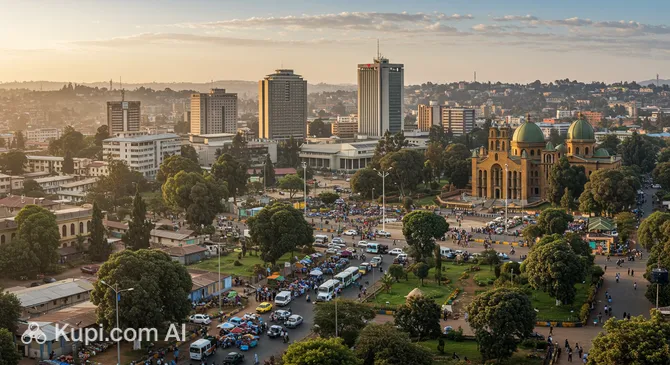
Addis Ababa. Source: Kupi.Binoculars

Geographically, the city is quite remarkable. Perched at an altitude of over 2,300 meters (7,500 feet) at the foot of Mount Entoto, it is one of the highest capitals in the world. This elevation gifts the city with a mild, pleasant climate year-round, offering a refreshing escape from the heat often associated with the region. With a population of over 3 million people, it serves as the commercial and cultural engine of the nation.

The rich history of Addis Ababa is evident in its diverse landmarks and museums. Travelers are strongly encouraged to visit the National Museum of Ethiopia, which houses the famous hominid fossil "Lucy," providing a glimpse into the origins of humankind. Another must-see is the majestic Holy Trinity Cathedral, known for its stunning architecture and historical significance. For those seeking a lively local experience, the Addis Merkato—one of the largest open-air markets in Africa—offers an explosion of colors, scents, and sounds.

Whether you are here to explore ancient heritage, enjoy the world-renowned Ethiopian coffee right at its source, or simply soak in the energy of a rapidly growing metropolis, Addis Ababa promises an unforgettable journey. It is a city of warm hospitality and endless discovery waiting to welcome you.
Weather Overview

Addis Ababa enjoys a subtropical highland climate, which means the weather remains pleasant and mild for most of the year. Due to its high elevation, the city avoids the intense heat often found in other parts of the region, making it a comfortable destination for travelers at any time.

Temperatures are remarkably consistent, with average daily values hovering around 15°C to 17°C. During the day, highs typically reach between 19°C and 23.5°C, offering perfect conditions for sightseeing. However, visitors should be prepared for cooler evenings, as nighttime temperatures can drop to around 7°C to 11°C. For a detailed breakdown of conditions for your specific travel dates, you can consult the guide to the weather in Addis Ababa.

Rainfall patterns are the main differentiator between the seasons. The dry season runs from October through May, with December and January seeing almost no rain. In contrast, the wet season dominates from June to September, with July and August experiencing rain nearly every day. Expect mild, spring-like temperatures year-round, with a distinct rainy season in the summer and dry, sunny skies during the winter months.

Interesting Facts

Beyond the main attractions, Addis Ababa holds many fascinating secrets and cultural nuances that often surprise visitors. From its unique timekeeping to the origins of its poetic name, the city offers a layer of discovery that goes deeper than the typical tourist trail.
  • Ethiopia follows a unique time system where the day begins at dawn rather than midnight; this means that 7:00 AM international time is considered 1:00 AM locally, and the country operates on a calendar with 13 months, placing it approximately seven years behind the Gregorian calendar.

  • While the National Museum of Ethiopia is world-renowned for housing "Lucy," the famous 3.2-million-year-old hominid fossil, the skeleton on public display is actually a precise replica, while the fragile original bones are safely preserved in a specialized archive facility.

  • The city's name translates to "New Flower" in Amharic, a title chosen by Empress Taytu Betul in the late 19th century after she was captivated by a blooming flower near the natural hot springs that originally drew the royal family to settle in this location.

  • The iconic Meskel Square is not merely a traffic intersection but a vast, purpose-built amphitheater capable of accommodating hundreds of thousands of people for the annual Meskel festival and other major public gatherings.

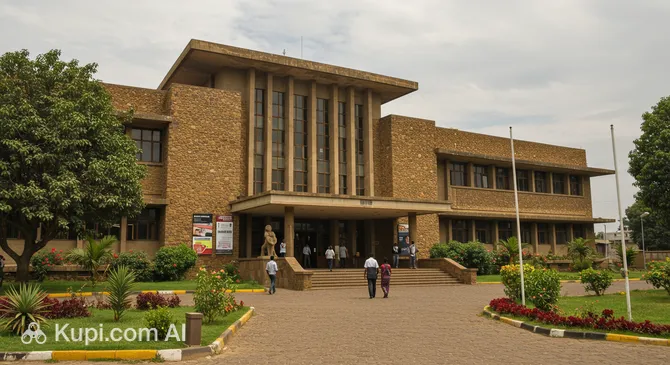
National Museum of Ethiopia. Source: Kupi.Binoculars

How to Get There

Reaching the Ethiopian capital is relatively straightforward, as it serves as a major aviation hub for East Africa. Most international visitors will arrive by air, landing directly in the city. For a detailed overview of all travel options, including land routes, you can read more about how to get to Addis Ababa.

The primary entry point for travelers is Addis Ababa Bole International Airport (ADD). As the main hub for the national carrier and one of the busiest airports in Africa, it welcomes a large volume of passengers annually. The airport is conveniently located within the city limits, approximately 6.8 km from the center. A trip by taxi or shuttle to the downtown area usually takes about 30 minutes, though this can vary depending on traffic conditions. You can find more specific details on the page for Addis Ababa Bole International Airport.

It is important to note that while other airports exist in the region, they serve different cities and are quite distant from the capital. For instance, Jimma Airport (JIM) is located in Jimma, about 260 km away, and Awassa (AWA) is in Awasa, roughly 217 km from Addis Ababa. These airports are primarily used for domestic connections to those specific regions rather than as gateways to the capital itself.

For clarity, here is a summary of the main airports:

Airport Name City Passenger Traffic Km from City
Addis Ababa Bole International Airport Addis Ababa High 6.8
Jimma Airport Jimma Medium 260.4
Combolcha Dessie Small 254.7
Awassa Awasa Small 217.7
Goba Goba Small 254.0

Beyond air travel, Addis Ababa is connected to neighboring regions by a network of roads and bus services. The city is also the terminus for the railway line connecting Ethiopia to Djibouti, offering an alternative scenic route for those arriving from the coast.

Main Attractions

Addis Ababa is a city where ancient history meets modern development, offering a diverse array of landmarks that tell the story of Ethiopia's rich heritage. From grand religious sites to fascinating museums and lush parks, the capital provides visitors with a deep dive into the culture and traditions of the Horn of Africa.

One of the most significant stops for any traveler is the National Museum of Ethiopia. This world-renowned institution is best known for housing the replica of "Lucy," the 3.2-million-year-old hominid fossil that changed our understanding of human evolution. Beyond this famous exhibit, the museum offers a comprehensive look at the country's past, featuring royal paraphernalia, ancient manuscripts, and exquisite art that traces the nation's journey through centuries of civilization.

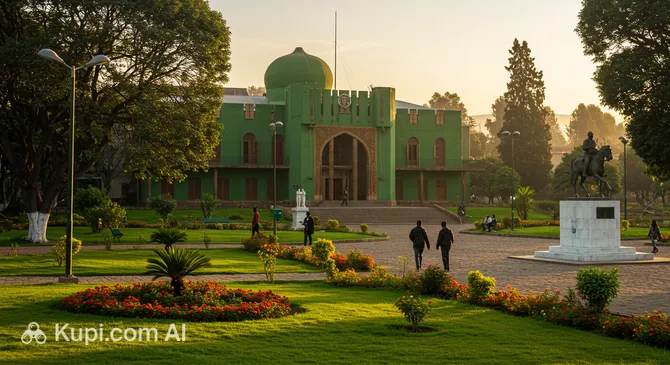
For a unique blend of history and recreation, Unity Park is a must-visit destination. Located within the compound of the National Palace, which was closed to the public for decades, this expansive park offers a rare glimpse into the lives of former Ethiopian rulers. Visitors can explore the restored banquet halls and throne room, walk through beautifully landscaped gardens, and even visit a zoo featuring endemic species like the black-maned lion. It is a perfect spot to appreciate both the political history and the natural beauty of the city.

Unity Park. Source: Kupi.Binoculars

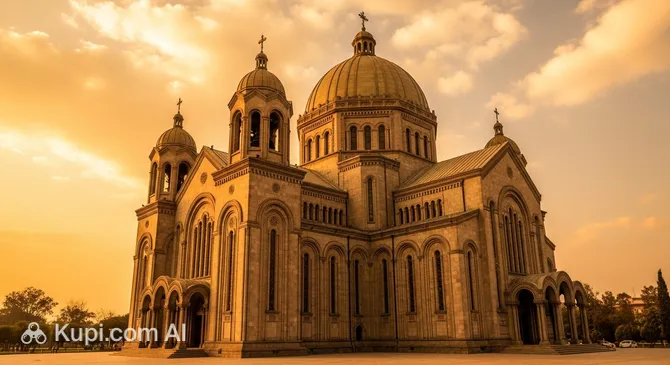
The city is also home to remarkable religious architecture, with the Holy Trinity Cathedral standing out as a masterpiece. This massive Orthodox cathedral, built to commemorate the country's liberation from occupation, serves as the final resting place of Emperor Haile Selassie and his wife. Its stunning copper dome, intricate stained-glass windows, and statues make it one of the most visually impressive and spiritually significant sites in Addis Ababa.

Holy Trinity Cathedral. Source: Kupi.Binoculars

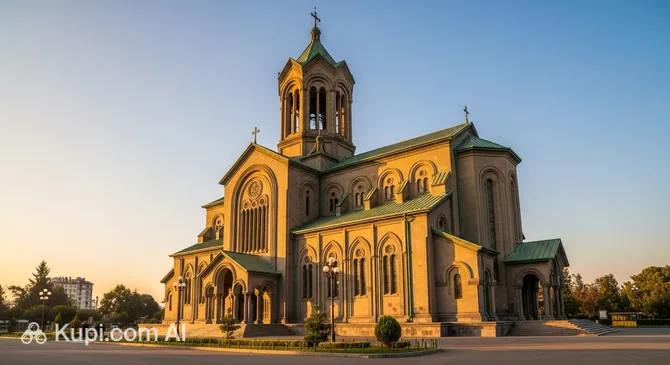
Another architectural gem is the Medhane Alem Cathedral, located in the bustling Bole district. Known as the "Savior of the World," it is the largest Ethiopian Orthodox cathedral in the country and the second largest in Africa. Its striking white exterior, adorned with towering columns, creates a majestic presence. Inside, the atmosphere is serene and awe-inspiring, attracting both faithful worshippers and admirers of grand religious structures.

Medhane Alem Cathedral. Source: Kupi.Binoculars

Finally, for a sense of the city's scale and public life, a visit to Meskel Square is essential. As the city's main gathering place, it hosts massive festivals and public events, including the colorful Meskel celebration in September. While it is primarily a vast open amphitheater, seeing it gives tourists a feel for the heartbeat of the capital, often filled with runners training in the early morning or locals commuting through the city's center.

Local Cuisine

The culinary scene in Addis Ababa is as vibrant and colorful as the city itself, offering a gastronomic journey that is distinctively Ethiopian. Dining here is not just about sustenance; it is a communal ritual centered around Injera, a spongy, sour fermented flatbread made from teff flour. This staple serves as both plate and utensil, topped with mounds of spicy stews, vegetables, and meats. Eating is traditionally done by hand, tearing off pieces of injera to scoop up the delicious toppings, often sharing from a single large platter with friends or family.

Among the dishes you must try, Doro Wat reigns supreme. This spicy chicken stew, slow-cooked with a rich blend of berbere spices and served with hard-boiled eggs, is often considered the national dish. For those who prefer grilled textures, Tibs—cubes of beef or lamb sautéed with onions, garlic, and rosemary—is a savory favorite often enjoyed with a side of awaze (chili paste). Vegetarians will find themselves in paradise here, particularly on "fasting days" when animal products are avoided; dishes like Shiro (a flavorful chickpea powder stew) and Misir Wat (spicy red lentils) are staples that are as hearty as they are healthy.

No culinary exploration of Addis Ababa is complete without diving into its legendary coffee culture. As the birthplace of coffee, Ethiopia takes its brew seriously. The traditional coffee ceremony is an integral part of social life, involving roasting green beans over hot coals, grinding them by hand, and brewing the coffee in a clay pot called a jebena. For an alcoholic alternative, try Tej, a potent local honey wine served in flask-like glass vessels, known for its sweet yet deceptive strength.

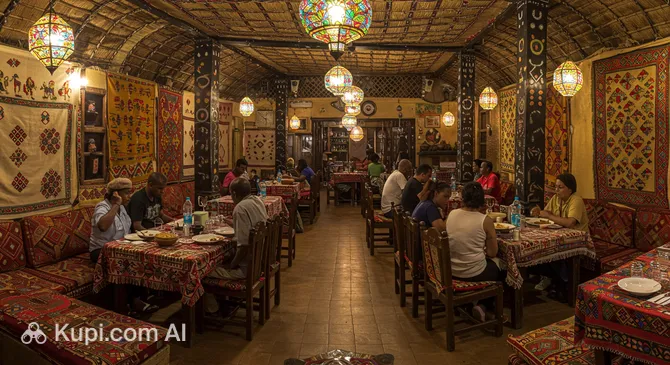
To experience the full spectrum of Ethiopian hospitality, visiting a cultural restaurant is highly recommended. Yod Abyssinia Traditional Restaurant is a standout venue where guests can savor authentic regional dishes while watching live performances of traditional music and dance. It offers a lively atmosphere that perfectly encapsulates the spirit of the country.

Yod Abyssinia Traditional Restaurant. Source: Kupi.Binoculars

For a more modern yet deeply traditional dining experience, Kategna Restaurant is a favorite among both locals and tourists. Known for its consistency and elegant presentation, it is an excellent place to try a diverse "Beyaynetu" (mixed platter) to sample various stews at once.

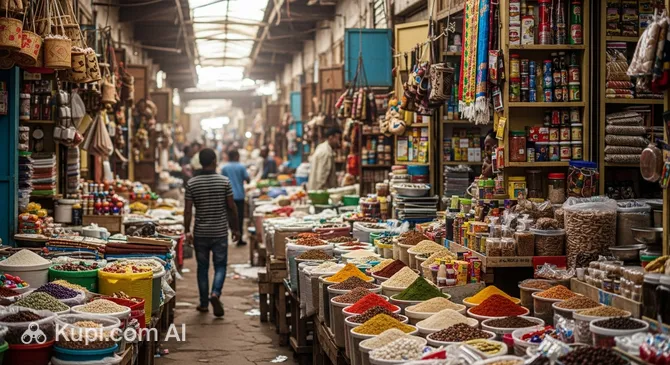
If you are interested in the raw ingredients that make this cuisine so special, a visit to Shola Market (Megenagna) offers a fascinating glimpse into local life. Walking through the stalls, you will see sacks overflowing with red berbere spices, grains, and fresh produce, providing a sensory understanding of the flavors that define the city's food culture.

Shola Market (Megenagna). Source: Kupi.Binoculars

Travel Tips

Visiting Addis Ababa is an exciting adventure, but like any bustling metropolis in Ethiopia, a little preparation goes a long way. To help you navigate the "New Flower" with confidence and ease, here are some practical tips covering everything from packing essentials to local customs.

  1. Clothing and Gear: Due to the high altitude (over 2,300 meters), the weather can be surprisingly cool, especially in the evenings and early mornings. Bring layers—a light jacket or sweater is essential. During the day, it is often sunny, so sunglasses and sunscreen are recommended. If you plan to visit religious sites like the Holy Trinity Cathedral, dress modestly; women should cover their heads, shoulders, and knees, and men should wear long trousers. Comfortable walking shoes are a must for exploring the city's uneven streets.
  2. Transportation: The city has a Light Rail system (metro) which is affordable, though often crowded. For tourists, the most convenient option is using ride-hailing apps like Ride or Feres, which function similarly to international services and offer fixed pricing. Traditional blue-and-white taxis are available, but you must negotiate the fare before getting in. Car rental is possible but generally recommended with a driver due to complex traffic conditions.
  3. Finances: The local currency is the Ethiopian Birr (ETB). While major hotels and high-end restaurants accept international credit cards (Visa is more common than Mastercard), cash is king for markets, small cafes, and taxis. ATMs are widely available in hotels and shopping malls. It is wise to carry small denominations for tips and minor purchases. Tipping is not mandatory but is highly appreciated; rounding up the bill or leaving a small amount is a kind gesture.
  4. Health and Safety: Addis Ababa is generally safe for tourists, but petty theft can occur in crowded areas like the Merkato or Piazza, so keep your valuables secure. Since the city is at a high elevation, drink plenty of water to avoid altitude sickness and take it easy for the first day. Do not drink tap water; always opt for sealed bottled water. Pharmacies are common, but it is best to bring strictly necessary prescription medications with you.
  5. Communication: The official language is Amharic. While English is widely spoken in the hospitality industry and by younger people, it is not guaranteed everywhere. Learning a few basic phrases like "Selam" (Hello) and "Ameseginalehu" (Thank you) will earn you warm smiles. For mobile data, you can purchase a SIM card from Ethio Telecom or Safaricom Ethiopia at the airport or official shops; you will need your passport for registration.
  6. Local Etiquette: Ethiopians are known for their politeness and hospitality. Greetings are taken seriously; a handshake is standard, often accompanied by touching your right shoulder with your left hand as a sign of respect. When eating traditional food (Injera), always use your right hand. It is polite to wash your hands before and after the meal, often using a basin and pitcher brought to the table.
  7. What to Avoid: Avoid photographing government buildings, military installations, or police officers, as this is strictly prohibited. Also, refrain from public displays of affection, which are considered culturally inappropriate. When visiting someone's home, do not enter with your shoes on unless the host insists.
  8. Local Timekeeping: Be aware of the unique Ethiopian time system. The day starts at dawn (6:00 AM international time is 12:00 or 00:00 local time). If a local tells you to meet at "2 o'clock," they likely mean 8:00 AM. Always clarify whether the time is "European/International" or "Ethiopian" to avoid confusion.

By keeping these practical tips in mind, you will be well-equipped to embrace the warmth and energy of Addis Ababa. Enjoy the rich coffee, the historic sights, and the incredible hospitality that make this city a truly special destination.

Entertainment & Nightlife

As the sun sets over the Entoto Hills, Addis Ababa transforms from a bustling diplomatic hub into a city of vibrant rhythms and electric energy. The nightlife here is diverse, ranging from sophisticated lounges and thumping nightclubs to traditional cultural houses that celebrate Ethiopia's musical heritage. Whether you are looking to dance until dawn or sip cocktails in a chic setting, the capital offers an array of options to suit every mood.

The epicenter of modern nightlife is undoubtedly the Bole district. This upscale neighborhood is densely packed with bars, clubs, and restaurants, drawing a cosmopolitan mix of expats, tourists, and stylish locals. The atmosphere in Bole is trendy and fast-paced, with venues often staying open well into the early morning hours. For a taste of the city's modern social scene, Union Cocktail Bar & Restaurant is a standout venue. It is renowned for its expertly crafted drinks and sophisticated ambiance, making it a perfect spot to start your evening or enjoy a nightcap in style. A smart-casual dress code is generally expected here.

Union Cocktail Bar & Restaurant. Source: Kupi.Binoculars

For a more relaxed yet lively vibe, Effoi is a favorite among the local youth and visitors alike. While it is famous for serving some of the best pizza in town, it transitions into a buzzing social hotspot as the night progresses. The atmosphere is casual and welcoming, often featuring great music and a spirited crowd, making it an excellent place to mingle and soak up the local urban culture.

If you prefer a refined evening that combines dining with leisure, the Louvre Grand Hotel & Restaurant offers an elegant setting. It serves as a quiet retreat from the chaotic streets, ideal for a romantic dinner or a sophisticated evening with friends. Meanwhile, those interested in music history should head to the Kazanchis neighborhood, the spiritual home of Ethio-jazz. Here, you can find intimate clubs where live bands play the mesmerizing, pentatonic scales that defined the "Swinging Addis" era of the 1960s.

Practical Tips for Nightlife: The party in Addis Ababa starts late. While bars get busy around 9:00 PM, nightclubs typically do not fill up until after 11:00 PM or midnight. Prices are generally very affordable compared to Western capitals; a local beer usually costs less than $2 USD, and cocktails are reasonably priced. In terms of safety, it is best to avoid walking alone at night, even in busy districts like Bole. Always use ride-hailing apps like Ride or Feres to move between venues, as they are safer and more reliable than hailing random taxis on the street.

Before the night begins, the city offers plenty of daytime entertainment to fill your schedule. Friendship Park is a modern addition to the city's landscape, featuring lush green spaces, artificial lakes, and fountains that light up beautifully at dusk. It is a popular spot for families and couples to relax before heading out for dinner. Additionally, the city's theater scene is vibrant, with venues like the historic Hager Fikir Theatre offering plays and musical performances that provide a deep dive into Ethiopian artistic expression.

Parks & Museums

Beyond its bustling streets and diplomatic hubs, Addis Ababa offers a surprising wealth of green spaces and cultural institutions that preserve the nation's soul. The city is a treasure trove for history buffs and nature lovers alike, featuring museums that house some of Africa's most significant artifacts and parks that provide a lush respite from the urban energy.

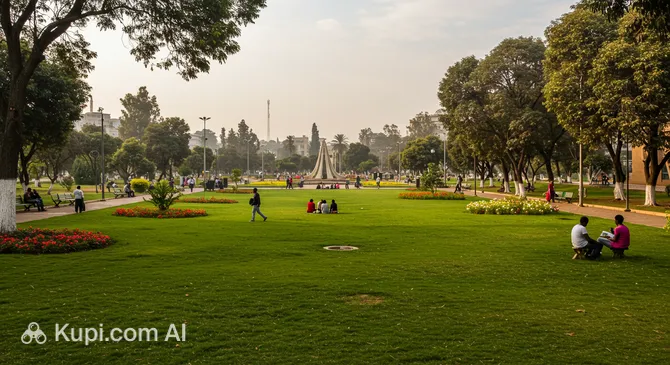
For a modern recreational experience, Friendship Park is a shining example of the city's recent urban renewal efforts. Located near the Prime Minister's office, this beautifully landscaped area features manicured gardens, artificial lakes, and interactive fountains. It is a popular spot for locals to jog, relax, or enjoy a family outing, offering a clean and serene environment right in the heart of the capital. The park represents the new face of Addis, blending nature with contemporary design.

Friendship Park. Source: Kupi.Binoculars

Another essential green escape is the Entoto Natural Park, situated on the northern outskirts of the city atop the Entoto Mountains. While it requires a short drive up the winding roads, the reward is a breathtaking panoramic view of the entire metropolis below. This eucalyptus-covered highland is not only a natural sanctuary but also a historical site, as it was the location of Emperor Menelik II's first palace before the capital was moved downhill. The crisp, fresh air and dense forest trails make it perfect for hiking and escaping the city heat.

Delving into the country's rich heritage, the Ethnological Museum is often cited by travelers as one of the finest museums in Africa. Housed within the former palace of Emperor Haile Selassie at Addis Ababa University, the museum offers a deeply immersive journey through Ethiopia's diverse cultures. Unlike a typical museum, it guides visitors through the life cycle—from birth to death—showcasing the traditions, clothing, and tools of the country's many ethnic groups. You can even visit the Emperor's preserved bedroom and bathroom, adding a personal touch to the historical narrative.

For a more somber but necessary look at modern history, the Red Terror Martyrs' Memorial Museum stands as a poignant tribute to the victims of the Derg regime (1974–1987). The exhibits are emotionally powerful, displaying photographs, personal belongings, and remains of those who suffered during this dark period. It provides crucial context for understanding the resilience of the Ethiopian people and the political changes that have shaped the current nation.

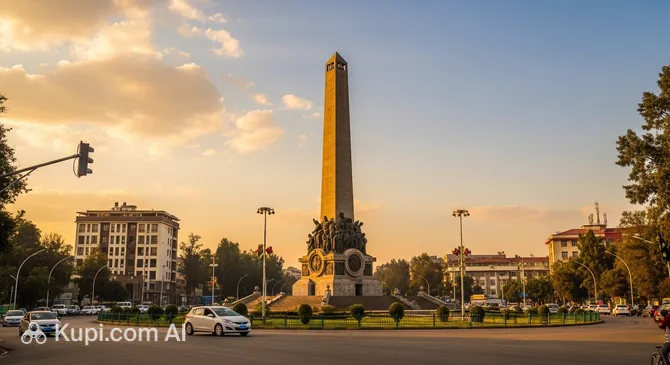
Among the city's significant monuments is Yekatit 12 Square, located in the Sidist Kilo neighborhood. This towering obelisk commemorates the thousands of innocent civilians killed during the Italian occupation in 1937. The monument is adorned with bronze reliefs telling the story of the massacre and the subsequent liberation. It serves as an important landmark and a solemn reminder of the city's endurance against colonial aggression.

Yekatit 12 Square. Source: Kupi.Binoculars

Insider Tip: If you visit the Ethnological Museum, take a moment to wander through the university grounds. The campus itself is a peaceful garden oasis filled with indigenous plants and birdlife, offering a quiet atmosphere that feels worlds away from the busy streets outside.

Getting Around

Navigating Addis Ababa is an adventure in itself, offering a mix of modern infrastructure and traditional methods that reflect the city's rapid growth. The public transport system is extensive and affordable, though it can be chaotic for first-time visitors. The most prominent feature of the city's transit network is the Addis Ababa Light Rail, which holds the distinction of being the first modern light rail system in Sub-Saharan Africa. This overground train network consists of two main lines—the Blue Line (North-South) and the Green Line (East-West)—which intersect at Meskel Square, making it a convenient way to cross the city while avoiding traffic jams.

For a more local experience, the ubiquitous minibuses, locally known as "blue donkeys" or simply taxis, serve as the backbone of the city's transport. These blue-and-white vans cover every corner of the capital. They do not have fixed stops in the Western sense; instead, assistants hanging out of the windows shout the destination. To catch one, you simply wave it down or head to a major junction. While they are incredibly cheap and frequent, they can be crowded and confusing if you do not know the local landmarks.

The city also operates a fleet of large public buses, most notably the Anbessa City Bus (Lion Bus) and the newer Sheger Bus. The Anbessa buses are easily recognizable by their yellow and red colors, while Sheger buses are often orange. These cover longer distances and are slightly more comfortable than the minibuses, though they can still get very packed during rush hours. They operate on fixed routes and stop at designated bus shelters throughout the city.

Payment and Tickets: The system is almost entirely cash-based, so it is essential to carry small denominations of the local currency. For the Light Rail, you must purchase a single-journey paper ticket at the orange kiosks located at every station entrance before boarding. The price is negligible, usually costing just a few cents in equivalent value. For minibuses and city buses, you pay directly inside. On a minibus, you hand the cash to the assistant (weyala) after you are seated; on public buses, a conductor will collect the fare.

Ride-Hailing and Taxis: For tourists, the most stress-free alternative is using ride-hailing apps. Services like Ride and Feres are extremely popular, reliable, and offer the safety of tracked journeys with fixed pricing, eliminating the need to haggle. Traditional contract taxis (often blue Lada cars) are also available but require strong negotiation skills as they do not use meters. If you prefer driving yourself, car rentals are available, though hiring a car with a driver is strongly recommended due to the complex and often aggressive traffic conditions.

Practical Advice: Public transport typically runs from early morning (around 5:30 AM) until roughly 10:00 PM, though minibuses may operate later on popular routes. Rush hours (7:00–9:00 AM and 5:00–7:00 PM) result in significant overcrowding, so it is best to avoid the Light Rail and buses during these times if possible. Always validate your Light Rail ticket by keeping it handy for inspectors on the train. Finally, keep a close watch on your pockets and bags, especially when boarding crowded trains or minibuses, as pickpocketing can occur in tight spaces.

Accommodation

Where to Stay:

Accommodation in Addis Ababa has evolved significantly in recent years, offering a wide spectrum of choices that cater to diverse preferences and budgets. Travelers can find everything from luxurious five-star resorts and international hotel chains to comfortable mid-range guesthouses and budget-friendly hostels. whether you are visiting for business, leisure, or a stopover, the city provides ample facilities to ensure a restful stay.

When choosing a location, the Bole district is the most popular choice for international tourists. Located just minutes from the airport, this modern neighborhood is packed with shopping malls, restaurants, and entertainment venues, making it incredibly convenient for newcomers. For those seeking a more historical and bohemian atmosphere, the Piazza area offers older, character-filled hotels and cheaper rates, though it is further from the airport. Business travelers often prefer Kazanchis, situated near the United Nations Economic Commission for Africa (ECA), which offers a blend of professional amenities and accessibility.

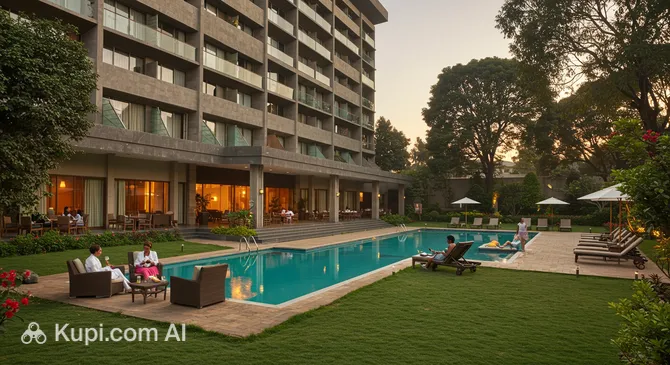
For visitors looking for top-tier amenities and relaxation, the city boasts several high-quality establishments. The Capital Hotel and Spa is a well-known option, celebrated for its extensive wellness facilities and central location, making it a favorite for those seeking comfort after a long flight. Another excellent choice is the Kuriftu Resort & Spa, which brings the brand's reputation for luxury and traditional Ethiopian aesthetics into the heart of the capital.

Capital Hotel and Spa. Source: Kupi.Binoculars

Booking Tips: It is highly recommended to book your accommodation in advance, especially if your visit coincides with major events like the African Union summits or religious festivals such as Timkat (Epiphany) and Meskel. During these peak times, hotels fill up quickly, and prices can rise significantly.

In terms of pricing, Addis Ababa is generally affordable compared to other major African capitals. Budget travelers can find decent rooms for as little as $20 to $40 USD per night, while mid-range options typically fall between $50 and $100 USD. Luxury stays can range from $150 USD upwards. While major hotels accept credit cards and can be booked via international online platforms, smaller guesthouses often prefer cash payments in local currency and may require direct contact for reservations.

Nearby Cities

For those looking to explore the surroundings, Addis Ababa serves as an excellent base for day trips to several interesting nearby locations. Just a short drive from the capital, travelers can find diverse landscapes ranging from volcanic crater lakes to highland plateaus, offering a refreshing change of pace from the bustling city center.

One of the most popular getaways is Debre Zeyit (also known as Bishoftu), located just an hour south of the capital. It is famous for its stunning chain of volcanic crater lakes, such as Lake Bishoftu and Lake Hora. The town is a resort hub, offering excellent opportunities for birdwatching, boating, and relaxing at lakeside spas. Its proximity makes it the perfect spot for a quick retreat to enjoy nature and fresh air without a long journey.

Further southeast lies Adama (Nazret), a busy transportation hub that sits at a lower elevation than Addis Ababa. This results in a noticeably warmer and breezier climate, which many visitors find pleasant. Adama is a lively city known for its hotel facilities and as a gateway to the eastern parts of Ethiopia. It serves as a great stopover for those interested in seeing the Great Rift Valley's geography or simply enjoying a weekend away in a vibrant, warmer setting.

For those seeking relaxation in natural hot springs, Giyon (often referred to as Woliso) is another excellent option. Located to the southwest, it is renowned for its thermal baths and lush greenery. The area offers a tranquil environment where visitors can unwind in naturally heated pools, making it a favorite destination for wellness and leisure travelers.

City Population Distance (km)
Adama 324,000 78
Debre Birhan 139,724 112
Giyon 114,534 101
Asela 110,088 125
Debre Zeyit 99,928 42

These nearby destinations offer a glimpse into the diverse culture and landscapes of the region, allowing visitors to experience the scenic beauty of the Ethiopian Highlands and the Rift Valley within a single day.

Shopping & Souvenirs

Shopping in Addis Ababa is a vibrant adventure that takes you from the chaotic energy of massive open-air markets to the refined atmosphere of modern boutiques. The city serves as a commercial hub for the entire country, making it the perfect place to find authentic Ethiopian crafts, textiles, and spices.

The beating heart of the city's trade is the legendary Addis Merkato. Often cited as the largest open-air market in Africa, this sprawling district is a city within a city where you can find absolutely anything—from pungent spices and recycling depots to jewelry and electronics. It is an intense sensory experience, packed with crowds, donkeys, and trucks. To navigate its maze-like alleys and "terras" (sections) effectively and safely, hiring a local guide is highly recommended.

For a more accessible taste of local commerce, Shola Market (Megenagna) offers a slightly more organized alternative. While still bustling, it provides a fantastic opportunity to browse for agricultural products without the overwhelming density of Merkato. It is particularly renowned for its spice stalls, where you can purchase high-quality berbere (chili blend) and mitmita, as well as traditional clay pottery and woven baskets.

If you are searching for traditional clothing, Shiromeda Market is the essential destination. Located near the Entoto Mountains, this market specializes in traditional hand-woven cotton garments known as shemma. It is the best place to buy a Habesha kemis (traditional dress) or beautifully embroidered scarves directly from the artisans and weavers. Bargaining is part of the culture here, so be prepared to negotiate for the best price.

For souvenirs and handicrafts, Churchill Avenue is lined with numerous shops selling a wide variety of items. Here, you can find Coptic crosses, wooden carvings, and paintings on parchment. While convenient, these shops often cater specifically to tourists, so prices may be higher than in the local markets.

Ethiopia is also world-famous for its leather goods. Visitors can find exceptional quality leather jackets, bags, and shoes at very reasonable prices. The city has numerous showrooms, particularly in the Bole district, where you can buy stylish products made from local sheepskin, which is prized for its softness and durability.

Finally, no shopping trip is complete without picking up some Ethiopian coffee. As the birthplace of coffee, Addis Ababa offers some of the finest beans in the world. Buying freshly roasted coffee from a local roastery or a specialty shop like Tomoca is a popular way to take a piece of the Ethiopian experience home with you.

Reached the end of the page?

That means the route is fully explored