Support

Jimma

About

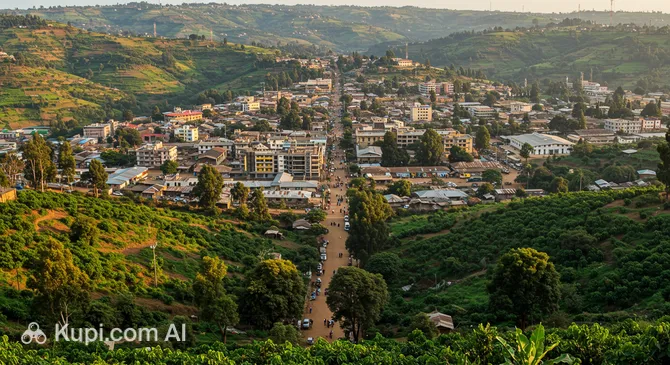
Jimma is a captivating city located in the Oromia Region of southwestern Ethiopia. Often celebrated for its deep connection to the origins of coffee, this bustling urban center offers a unique blend of natural beauty, commercial vibrancy, and cultural heritage. It stands as a significant hub in the country, bridging the gap between ancient traditions and modern Ethiopian life.

Jimma. Source: Kupi.Binoculars

With a population of approximately 200,000 residents, Jimma is one of the larger cities in the nation. It is situated in a lush, green landscape characterized by thick forests and coffee plantations. The city enjoys a moderate, tropical highland climate, which ensures comfortable temperatures year-round, making it a pleasant destination for outdoor exploration.

The fascinating history of Jimma is deeply rooted in its past as the capital of the former Kingdom of Jimma. This legacy is still palpable today, adding a layer of historical depth to the city's atmosphere. Visitors can step back in time by visiting the Palace of Abba Jifar, a remarkable wooden architectural masterpiece that offers a glimpse into the lives of 19th-century royalty.

Beyond its historical sites, Jimma is a paradise for nature and culture enthusiasts. The Jimma Museum houses an impressive collection of artifacts that showcase the local Oromo culture and the region's royal lineage. Of course, as a central point in the coffee-growing region, experiencing a traditional coffee ceremony here is an absolute must for any traveler.

Whether you are drawn by the aroma of fresh coffee or the allure of ancient kingdoms, Jimma invites you to discover its warm hospitality and rich traditions firsthand.

Weather Overview

Travelers visiting Jimma can look forward to a mild and generally comfortable climate year-round, typical of the Ethiopian highlands. The city avoids extreme heat, offering a temperate atmosphere that is conducive to exploring the outdoors. For a more detailed forecast and seasonal breakdown, you can consult the guide to the weather in Jimma.

The temperature remains relatively consistent throughout the year, with average highs usually hovering between 21°C and 26°C, while nights tend to be cooler, dipping to around 12°C. The precipitation pattern is distinct: expect a dry and sunny period from November to February, which is excellent for travel. Conversely, the months from May to September constitute the rainy season, characterized by frequent showers and up to 30 wet days per month in the peak of summer.

Interesting Facts

Beyond its bustling markets and lush landscapes, Jimma holds several fascinating secrets that highlight its historical and cultural significance. This city is far more than just a regional capital; it is a place where legends of royalty and the origins of global traditions intertwine.

  • The Linguistic Home of Coffee: Jimma was historically the capital of the Kaffa Province, a name that resonates with coffee lovers worldwide. It is widely believed that the word "coffee" itself is derived from "Kaffa," marking this region as the etymological birthplace of the beverage, in addition to being its botanical home.

  • A Kingdom of Diplomacy: Unlike many neighboring territories that were annexed through battle, the Kingdom of Jimma preserved its autonomy for decades through shrewd negotiation. King Abba Jifar II famously agreed to pay tribute to the central government of Ethiopia, a strategic move that allowed his kingdom to retain its own laws and administration well into the 20th century.

  • The Jimma Chair: The city is celebrated for its unique woodworking heritage, most notably the "Jimma Chair." These distinct three-legged stools are carved from a single piece of wood and are considered a cultural icon of the Oromo people in the region, symbolizing both stability and artistic skill.

  • A Palace of Fusion: The historic Palace of Abba Jifar II is an architectural rarity, showcasing a blend of local Oromo craftsmanship with Indo-Arab influences. Perched on a hill at Jiren, it stands as the oldest and best-preserved wooden palace in the country, offering a window into the luxurious lifestyle of 19th-century royalty.

How to Get There

Reaching this historic city in the Oromia Region is an adventure in itself, with air travel being the most convenient and time-saving method for most visitors. Whether you are coming from the capital or exploring other parts of the country, you can read more about how to get to Jimma to plan your itinerary effectively.

The primary gateway to the city is Jimma Airport (IATA: JIM), conveniently located just 2.3 km from the city center. It serves as a key regional hub with regular domestic connections. Upon arrival, a quick taxi or auto-rickshaw ride will get you into the heart of the town in approximately 20 to 25 minutes. This is by far the most direct option for travelers.

If your travel plans involve a wider tour of southern Ethiopia, you might consider flights to neighboring regions, though the overland journey to Jimma will be long. For instance, Awassa (IATA: AWA) in the city of Awasa is about 195.5 km away; a drive from there could take around 5 hours depending on road conditions. Another alternative is Arba Minch Airport (IATA: AMH) in Arba Minch, situated approximately 199 km from Jimma. However, given the distances, flying directly to Jimma remains the superior choice for comfort and speed.

For clarity, here is a summary of the main airports in the wider region:

Airport Name City Passenger Traffic Km from City
Jimma Airport Jimma Medium 2.3
Awassa Awasa Small 195.5
Jinka Jinka Small 211.4
Gambela Airport Gambela Small 255.7
Arba Minch Airport Arba Minch Small 199.2

Jimma is not currently served by a railway network. Travelers who prefer land transport typically rely on the extensive system of public buses and private minivans connecting the city to Addis Ababa and other major towns. The drive offers scenic views of the Ethiopian highlands, though it requires significantly more travel time than flying.

Main Attractions

Palace of Abba Jifar is undoubtedly the most significant historical landmark in the region. Located just a short drive from the city center in the settlement of Jiren, this architectural marvel was the seat of King Abba Jifar II, who ruled the area in the late 19th and early 20th centuries. Tourists are drawn here to admire the unique wooden craftsmanship that fuses local Oromo style with Indo-Arab influences. It is the oldest and best-preserved wooden palace in the country, offering an authentic window into the grandeur of the former Kingdom of Jimma.

For those keen to delve deeper into the local heritage, the Jimma Museum is an essential stop. The museum houses a curated collection of personal effects belonging to the royal family, including King Abba Jifar’s throne and ceremonial robes. Beyond royal artifacts, it displays a wide range of ethnographic objects that showcase the rich culture, arts, and daily life of the Oromo people. It serves as an excellent educational complement to a visit to the palace.

No trip to this city is complete without experiencing the vibrant energy of the Jimma Central Market. As a major commercial hub in western Ethiopia, the market is a sensory overload of colors and scents. Visitors can explore endless stalls selling locally grown coffee beans, spices, honey, and traditional woven crafts. It is a fantastic place to observe the daily rhythm of local residents and pick up authentic souvenirs, particularly the region's world-famous coffee.

Nature lovers will find tranquility at Boye Dam, located just on the outskirts of the town. This artificial lake has become a haven for birdwatchers and those seeking a peaceful retreat from the urban bustle. The wetland environment attracts a variety of bird species, making it a picturesque spot for a relaxing afternoon walk or a picnic. It highlights the lush natural beauty that surrounds this historic city.

Local Cuisine

The local cuisine of Jimma is a flavorful journey into the heart of the Oromia Region, offering visitors a chance to taste authentic dishes that define the culinary landscape of Ethiopia. As a city surrounded by fertile farmland, the food here is characterized by fresh ingredients, aromatic spices, and a deep respect for tradition. Dining in Jimma is rarely a solitary activity; it is a communal experience centered around large sharing platters and warm hospitality.

At the foundation of almost every meal is Injera, a spongy, sour flatbread made from teff flour. It serves as both the plate and the utensil for scooping up various stews, known as wats. Among the must-try dishes is Doro Wat, a spicy chicken stew simmered slowly in a rich red sauce made from berbere spice mix. Another local favorite is Kitfo, a dish of minced beef that is marinated in mitmita (hot chili powder) and niter kibbeh (spiced clarified butter). It can be enjoyed raw (teré) or lightly cooked (leb leb) and is often accompanied by a mild cheese called ayib to balance the heat.

For breakfast or a lighter meal, travelers should look for Chechebsa (also known as Kita Firfir). This beloved Oromo dish consists of thin flatbread torn into small pieces and mixed with spiced butter and berbere, typically served with a side of fresh yogurt or honey. It is a comforting and savory way to start the day, showcasing the region's love for rich, buttery flavors.

No description of Jimma's gastronomy would be complete without mentioning coffee, or Bunna. As the historical birthplace of Arabica coffee, the city treats coffee drinking as a sacred ceremonial art. Visitors can expect to be invited to a traditional coffee ceremony, where the beans are roasted, ground, and brewed in a clay pot (jebena) right before their eyes. For something stronger, locals enjoy Tej, a potent honey wine served in flask-like glass vessels, or Tella, a traditional home-brewed beer made from barley or teff, offering an earthy taste of the local culture.

Travel Tips

Welcome to Jimma, a city where history, nature, and the rich aroma of coffee blend seamlessly. To help you navigate this vibrant Ethiopian hub with ease and confidence, here are some practical tips designed to make your stay as smooth and enjoyable as possible.

  1. Clothing and Gear: Since Jimma enjoys a moderate highland climate, the weather is generally mild. However, nights can get chilly, so bring layers like a light jacket or sweater. If you are visiting between May and September, a sturdy raincoat or umbrella is essential due to the rainy season. Comfortable, closed-toe walking shoes are a must for navigating the unpaved streets and the Palace grounds. When visiting religious sites or rural communities, dress modestly by covering your shoulders and knees.
  2. Transportation: The most convenient and popular way to get around the city is by Bajaj (three-wheeled auto-rickshaws). They are abundant, affordable, and can navigate the busy streets better than larger vehicles. Taxis are available but less common for short trips. Ride-hailing apps are generally not operational here, so you will need to hail transport on the street. Always agree on the fare with the driver before starting your journey.
  3. Finances: The local currency is the Ethiopian Birr (ETB). While there are ATMs in the city (mostly from Commercial Bank of Ethiopia and Dashen Bank), they can occasionally be out of service or out of cash. It is highly recommended to carry enough cash for your daily expenses. Credit cards are rarely accepted outside of major hotels, so cash is king in restaurants, markets, and shops. Tipping is appreciated; rounding up the fare for Bajaj drivers or leaving a small amount at restaurants is a kind gesture.
  4. Health and Safety: Jimma is generally safe for tourists, but standard precautions apply. Avoid walking alone in unlit areas at night. Malaria can be a concern in Ethiopia, so carrying mosquito repellent is wise, even in the highlands. Stick to bottled or boiled water for drinking and brushing your teeth to avoid stomach issues. Pharmacies are available in the town center, but for serious medical needs, the Jimma University Specialized Hospital is the main facility.
  5. Communication: The primary local language is Afaan Oromo, though Amharic is also widely spoken. Due to the presence of Jimma University, many young people and students speak reasonable English. However, market vendors and older residents may not. Learning a few basic phrases like "Akkam" (Hello in Afaan Oromo) or "Selam" (Hello in Amharic) will go a long way. SIM cards from Ethio Telecom are easy to purchase with a passport and offer decent 4G coverage in the city.
  6. Local Etiquette: Ethiopians are known for their hospitality and polite greetings. Handshakes are common, often accompanied by touching your right elbow with your left hand as a sign of respect. If you are sharing a meal, remember to use your right hand to eat, especially when enjoying Injera. If invited to a home, it is polite to bring a small gift, such as pastries or fruit.
  7. What to Avoid: Do not take photographs of people, especially in the bustling Jimma Central Market, without asking for permission first; some locals may find it intrusive. Additionally, never rush a coffee ceremony. If you are invited to one, understand that it is a time-honored ritual meant to be enjoyed slowly—showing impatience is considered rude.
  8. Coffee Culture Tip: You are in the birthplace of coffee, so take advantage of it! Visit a local roadside bunna (coffee) stall to experience the authentic preparation. The coffee is often served with a side of popcorn or fresh bread and the scent of burning frankincense. It is not just a drink; it is a social experience you shouldn't miss.

By keeping these practical tips in mind, you will be well-prepared to immerse yourself in the unique rhythm of daily life in Jimma. Embrace the local customs, enjoy the world-class coffee, and have a wonderful journey through this historic region!

Entertainment & Nightlife

Entertainment and nightlife in Jimma offer a distinct experience that differs from the high-energy club scene of the capital, Addis Ababa. As a major university city, Jimma possesses a youthful energy, yet its nightlife remains grounded in social connection, conversation, and traditional hospitality. The evening atmosphere is generally relaxed, revolving around hotel bars, cultural music houses, and lively local pubs known as "groceries," where residents gather to unwind after a long day.

The heart of the city's nightlife is concentrated in the City Center and the areas surrounding Jimma University. Here, the streets are bustling with students and locals in the early evening. The vibe is casual and unpretentious; there is rarely a strict dress code, and jeans and t-shirts are the norm. Most venues open in the late afternoon and stay active until around midnight or 1:00 AM, though hotel bars may stay open slightly longer on weekends.

For those looking for a reliable place to enjoy a drink and perhaps some music, the city's major hotels are the best starting point. Central Jimma Hotel is a well-known establishment where travelers and locals mix. It offers a comfortable setting for an evening beer or a glass of wine, often serving as a primary meeting spot in town. Another popular venue is the Dololo Hotel, which frequently hosts guests in its bar and restaurant area, providing a safe and lively environment to experience the local social scene. For a more modern touch, the Sora Hotel offers a pleasant ambiance for evening cocktails and relaxation.

A unique aspect of Ethiopian nightlife that can be found in Jimma is the Azmari Bet. These are traditional music houses where an Azmari (a minstrel-like musician) plays the masinko (a one-stringed fiddle) and improvises witty songs about the audience. It is a culturally rich experience where you can sip on Tej (honey wine) and enjoy the spirited interaction between the performer and the crowd.

Practical advice is essential for a smooth night out. Prices in Jimma are very reasonable compared to the capital; a beer or a glass of local wine is quite affordable. When moving around at night, it is highly recommended to use a Bajaj (auto-rickshaw). They are ubiquitous, cheap, and the safest mode of transport. While the main streets are generally safe, avoid walking alone in poorly lit areas or on the outskirts of town after dark. Always agree on a price with your driver before hopping in.

During the daytime, entertainment options are more low-key and cultural. Apart from the historical sites mentioned previously, the city has several cinemas that are popular with the youth, often screening live international football matches or local films. For a relaxing afternoon, visitors often head to the recreational centers or parks within the city to enjoy the pleasant weather and lush greenery that defines the Oromia Region.

Parks & Museums

Jimma is a city where history breathes through the architecture and nature embraces the urban landscape. Visitors will find that the city’s offerings in terms of green spaces and cultural heritage are deeply intertwined with its identity as the cradle of coffee and the seat of an ancient kingdom. While it may not have an abundance of manicured city parks in the traditional sense, its lush surroundings and well-preserved historical sites provide ample opportunity for exploration and relaxation.

For nature lovers, the most prominent natural retreat is the Boye Dam. Located just a few kilometers from the city center, this artificial lake and its surrounding wetlands serve as a tranquil escape from the bustling streets. It is a haven for birdwatchers, attracting a diverse array of endemic and migratory bird species that thrive in the marshy environment. The area is perfect for a peaceful afternoon walk, offering scenic views of the water against the backdrop of the rolling Ethiopian highlands.

Beyond the city limits, the landscape transforms into a sprawling natural garden known as the Coffee Forests. As the region is the birthplace of Arabica coffee, these lush, semi-wild forests are not just agricultural sites but vital natural sanctuaries. Walking through these dense, green canopies offers a unique chance to see coffee growing in its original, organic habitat, shaded by towering indigenous trees that support a rich ecosystem of flora and fauna.

In terms of cultural institutions, the Jimma Museum stands out as the city’s premier custodian of history. Situated centrally, the museum offers a comprehensive look into the rich heritage of the Oromo people and the legacy of the Kingdom of Jimma. The collection includes a fascinating array of personal items belonging to King Abba Jifar II, such as his royal throne, ceremonial robes, and weapons. Additionally, visitors can view ethnographic displays featuring traditional jewelry, household tools, and musical instruments, providing a deep dive into the region's social history.

The city's most iconic historical landmark, often viewed as a living museum, is the Palace of Abba Jifar. Perched on a hill at Jiren, this architectural masterpiece dates back to the 19th century and is celebrated for its unique fusion of local woodcraft and Indo-Arab influences. Unlike many other palaces in Ethiopia, it is constructed primarily of wood. Exploring its great halls, private chambers, and courtrooms allows tourists to visualize the grandeur of the era when Jimma was an autonomous and prosperous kingdom.

For a truly authentic experience, take a stroll along the banks of the Awetu River, which bisects the city. While not a formal park, the riverbanks are often lined with large trees and offer a glimpse into the daily lives of residents. It is a quiet spot to observe the local rhythm away from the commercial centers, providing a simple yet genuine connection to the city's natural geography.

Getting Around

The public transport system in Jimma is informal, road-based, and relatively simple to navigate once you understand the local dynamics. Unlike major global capitals, the city does not possess a metro, tram, or heavy rail network. Instead, the streets are dominated by a mix of three-wheeled auto-rickshaws, shared minibuses, and traditional taxis that keep the city moving. For most visitors, getting around is an authentic experience that offers a closer look at the daily rhythm of local life.

The most ubiquitous and convenient form of transport is the Bajaj (auto-rickshaw). These three-wheeled vehicles are agile, affordable, and capable of navigating both paved main roads and narrower side streets. They operate in two modes: "Contract" (private charter), where you hire the entire vehicle to take you to a specific destination, and "Shared," where the driver picks up multiple passengers heading in the same general direction. The Bajaj is essentially the backbone of urban mobility here, serving as the primary alternative to walking for short to medium distances.

For longer distances across the city or to reach the outskirts, minibuses (often referred to locally as "taxis") are the standard option. These blue-and-white vans operate on fixed routes, departing only when every seat is filled. They do not have designated stops with signs; instead, passengers board and alight at generally known gathering points or by flagging one down. A conductor, known as a weyala, hangs out the side door calling out the destination. This mode of transport is extremely cheap but can be crowded and less comfortable than a Bajaj.

The payment system in Jimma is entirely cash-based. There are no travel cards, mobile apps, or electronic ticketing systems for intra-city transport. Passengers must carry small denominations of the local currency, as drivers often struggle to make change for large bills. For minibuses, the fare is fixed and collected by the assistant during the ride. For a private Bajaj ride, there are no meters; you must negotiate and agree on the price with the driver before you get in. Fares are generally low by international standards, but foreigners may initially be quoted a higher rate.

Conventional four-door sedan taxis exist but are less common than in the capital. They are typically painted yellow or green and are mostly found parked near major hotels, the airport, or large government institutions. These "contract taxis" offer a more private and comfortable ride than a Bajaj but come at a significantly higher price. They are the best option if you are traveling with heavy luggage or prefer a standard car experience. Ride-hailing apps are not widely used in the city, so relying on street-hailing or hotel arrangements is necessary.

Walking is a viable and pleasant alternative for exploring the city center, particularly around the market and museum areas. The terrain is relatively manageable, and the moderate climate makes strolling comfortable during the day. However, sidewalks can be uneven or non-existent in some parts, so pedestrians should remain alert to traffic.

Travelers should be aware that public transport operates primarily during daylight hours. While Bajajs can be found in the evening, their frequency drops significantly after dark, and prices tend to increase. Minibuses also reduce their service late at night. It is advisable to plan your return journey before sunset or arrange a reliable taxi through your accommodation if you plan to be out late.
Accommodation

Accommodation in Jimma primarily caters to business travelers, academic visitors, and tourists exploring the coffee region. The city generally does not feature international luxury hotel chains; instead, it offers a selection of locally managed hotels, resorts, and numerous budget guesthouses known locally as "pensions." Visitors can typically expect clean, functional, and reasonably priced rooms, often accompanied by the warm hospitality characteristic of the Oromia Region.

The most convenient area to stay is the City Center, particularly along the main thoroughfares near the Jimma Museum and the Central Market. Staying in this area places you within walking distance of shops, restaurants, and transport hubs. Another popular zone is the vicinity of Jimma University, which tends to be vibrant and offers decent amenities catering to the academic community and visiting professionals.

For travelers seeking reliable comfort and services, well-known local establishments such as the Central Jimma Hotel are popular choices. This hotel often serves as a social hub for the town, offering a mix of accommodation and dining facilities. The Sora Hotel is another respected option, frequently cited for its relatively modern amenities and consistent service standards. The Dololo Hotel also provides a good standard of accommodation with a pleasant atmosphere, suitable for those looking to relax after a day of sightseeing.

Booking Tip: While Jimma is rarely fully booked, availability can tighten significantly during university graduations or large regional conferences. If your travel dates coincide with these events, it is highly recommended to secure your room well in advance.

In terms of pricing, accommodation in Jimma is generally very affordable, falling mostly into the budget to mid-range categories. It is important to note that many smaller hotels and pensions may not have a presence on major international online booking platforms. Direct telephone booking or finding a room upon arrival is common practice. Furthermore, payment is almost exclusively expected in cash (Ethiopian Birr), as credit card facilities can be unreliable or non-existent in many establishments.

Nearby Cities

For those looking to explore the surroundings, Jimma serves as an excellent base for day trips to several interesting nearby locations:

One notable destination is Sodo (often referred to as Wolaita Sodo), located southeast of Jimma. It serves as the cultural and political center of the Wolaita people and is known for its lush, rolling green hills and vibrant local culture. A visit here offers a deeper understanding of the diverse ethnic tapestry of southern Ethiopia.

Another interesting option is Giyon (also known as Woliso), situated on the road towards Addis Ababa. It is famous for its natural hot springs and resort lodges, making it a fantastic spot for travelers seeking relaxation and wellness amidst beautiful gardens. The area provides a tranquil contrast to the bustling market life of the cities.

To the north lies Nekemte, a town that shares Jimma's strong connection to coffee production. It is home to the Wollega Museum, which showcases the history and artifacts of the Oromo people in the western region, offering further historical context to your journey.

City Population Distance (km)
Awasa 350,000 196
Sodo 194,977 136
Hosaina 179,761 113
Nekemte 148,613 159
Giyon 114,534 157

These nearby destinations offer a glimpse into the diverse culture and landscapes of the region, allowing visitors to expand their Ethiopian adventure beyond the immediate vicinity of Jimma.

Shopping & Souvenirs

Shopping in Jimma is less about browsing high-end fashion boutiques and more about immersing yourself in the vibrant commercial life of southwestern Ethiopia. As a major trade hub for the Oromia Region, the city offers a bustling atmosphere where goods from the fertile countryside meet urban demand. Visitors will find that the shopping experience here is raw, authentic, and deeply connected to the local culture, particularly the coffee trade.

The city does not have a designated "shopping mile" in the Western sense. Instead, the City Center serves as the main commercial district. The streets radiating from the central roundabout are lined with small shops, kiosks, and traders selling everything from electronics and clothing to household goods. Walking through these busy thoroughfares offers a glimpse into the daily rhythm of the residents and provides ample opportunity to find local necessities.

Travelers looking for large, modern shopping malls will not find them here. Jimma's retail landscape is dominated by traditional storefronts and mixed-use commercial buildings often referred to as "plazas." These multi-story buildings house various independent vendors and small boutiques under one roof, but they lack the entertainment facilities or food courts typical of international malls. They are practical places to buy imported goods, shoes, or fabrics.

The true heart of the city's commerce is the Jimma Central Market (often called Merkato). This sprawling, colorful, and chaotic marketplace is an essential stop for any visitor. It is a sensory overload of sights and smells, where farmers bring their produce to sell directly to consumers. Here, you can wander through aisles of vibrant spices, grains, and fresh fruits. It is also the best place to witness the local trade in action and interact with the friendly vendors.

When it comes to souvenirs, Jimma offers unique treasures that reflect its heritage. The top purchase is, without a doubt, coffee. As the historical birthplace of the bean, the region produces some of the finest Arabica coffee in the world. Buying fresh green beans or locally roasted coffee is a must. Another iconic item is the Jimma Chair, a traditional three-legged wooden stool carved from a single piece of wood, representing the region's skilled craftsmanship. You might also consider buying pure local honey or traditional hand-woven cotton fabrics.

Stores and market stalls generally open around 8:00 AM or 9:00 AM and stay active until roughly 7:00 PM. Many smaller shops may close for a lunch break between 1:00 PM and 2:00 PM. Payment is almost exclusively in cash (Ethiopian Birr). Credit cards are rarely accepted outside of major hotels, so ensure you have sufficient small denominations. In the market and with street vendors, bargaining is a standard practice and part of the social interaction; feel free to negotiate the price with a smile.

Tourists should note that there is no tax-free shopping or VAT refund system available in Jimma. The prices you pay are final, though the low cost of living generally makes shopping here very affordable for international visitors.

Reached the end of the page?

That means the route is fully explored