Support

Awasa

About

Awasa, also known as Hawassa, is a captivating city nestled on the shores of the lake that bears its name. As a major urban center in the Sidama Region of Ethiopia, it offers a perfect blend of natural beauty and bustling city life. Known for its relaxed atmosphere and wide, tree-lined avenues, the city serves as an ideal retreat for travelers exploring the Great Rift Valley.

With a population of approximately 350,000 residents, the city has evolved into a vibrant economic and cultural hub. Although it is a relatively young settlement compared to the ancient towns of the north, the history of Awasa is a fascinating tale of rapid development and modernization. Its geographic location ensures a pleasant, warm climate year-round, which adds to its appeal as a top tourist destination.
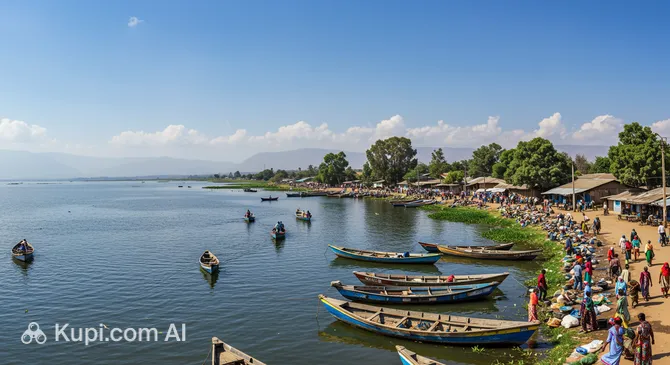
Awasa. Source: Kupi.Binoculars

Visitors are primarily drawn to the stunning Lake Awasa, where one can take peaceful boat rides and spot hippos in their natural habitat. A visit to the famous Fish Market at Amora Gedel is a must-do experience, offering a lively scene filled with fishermen, fresh tilapia, and massive flocks of marabou storks and pelicans. For those seeking panoramic views, a hike up Tabor Mountain provides a breathtaking perspective of the city and the shimmering water below.

Whether you are looking to enjoy fresh lakeside cuisine, explore rich birdlife, or simply unwind in a serene environment, Awasa welcomes you with open arms. It is truly an essential stop for anyone wishing to experience the natural splendor and warm hospitality of the region.

Weather Overview

The city enjoys a generally mild and agreeable climate, which makes it a welcoming destination for travelers throughout the year. Visitors can typically expect comfortable conditions, as the weather in Awasa avoids extreme fluctuations between hot and cold seasons.

Average temperatures remain fairly stable, usually ranging between 17°C and 21°C. The warmest months are generally February and March, where daytime highs can reach up to 27.3°C. Precipitation patterns vary significantly; the period from November to February is largely dry with almost no rainfall, while the months from April through October are characterized by frequent showers, with September experiencing rain on up to 28 days.

Interesting Facts

Beyond the scenic views of the Rift Valley, Awasa holds fascinating secrets that blend ancient traditions with modern innovation. This city is not just a resort town but a place where unique cultural practices and forward-thinking developments thrive side by side.
  • A Unique Lunar New Year: While most of Ethiopia follows a solar calendar, the Sidama people of Awasa celebrate their New Year, known as Fichee-Chambalaalla, based on a lunar system. The exact date is not fixed but is determined annually by traditional astrologers called Ayanto, making it a UNESCO-recognized intangible cultural heritage.

  • Breakfast with Wildlife: At the popular Amora Gedel fish market, locals partake in a distinctive morning tradition of eating raw fish, similar to sashimi, right by the water. This daily ritual is often accompanied by massive Marabou storks and pelicans that wander fearlessly among the tables, and you might even spot hippos swimming nearby.

  • Pioneering Eco-Industry: The city is home to the Hawassa Industrial Park, which is celebrated as Africa's first "Zero Liquid Discharge" textile park. This state-of-the-art facility recycles approximately 90% of its water, setting a groundbreaking standard for environmentally friendly manufacturing in the region.

  • A Name Rooted in Water: The name "Hawassa" is derived from a Sidama word meaning "wide body of water." This is a fitting title, as the city’s identity, climate, and economy are deeply intertwined with the ancient volcanic lake it borders.

How to Get There

Reaching this lakeside city is relatively straightforward, with options ranging from domestic flights to scenic road trips through the Rift Valley. Whether you are coming from the capital or other parts of the region, you can choose the mode of transport that best fits your schedule and budget. For a detailed breakdown of routes and tips, you can read more about how to get to Awasa.

The most convenient way to arrive directly is via the local Awassa airport (IATA: AWA). Situated just 2.1 km from the city center, it serves as the primary domestic gateway for travelers. A taxi or shuttle from the terminal to the heart of the city is very quick, typically taking around 20 to 25 minutes. Although it handles a smaller volume of traffic compared to the capital's hub, it offers essential connections that save significant travel time.

For international visitors, the main entry point is usually the Addis Ababa Bole International Airport (IATA: ADD), located in Addis Ababa. This is a major global hub with high passenger traffic. Since it is approximately 216 km away from Awasa, many tourists land here and then transfer to a domestic flight or continue their journey by road. The drive from Addis Ababa takes about 5 to 6 hours, offering a chance to see the countryside.

Another regional option is the Arba Minch Airport (IATA: AMH), located in the city of Arba Minch, roughly 150 km away. While further out, it can be a viable alternative if you are exploring the southern part of the country. The road trip from Arba Minch to Awasa generally takes around 4 hours.

For clarity, here is a summary of the main airports:

Airport Name City Passenger Traffic Km from City
Addis Ababa Bole International Airport Addis Ababa High 216.1
Jimma Airport Jimma Moderate 197.3
Awassa Awasa Light 2.1
Goba Goba Light 171.4
Arba Minch Airport Arba Minch Light 149.9

Currently, there is no direct railway service to Awasa. The national railway network does not extend to this part of the Sidama Region. Visitors typically rely on the well-connected road network, utilizing comfortable buses or private vehicles to travel from Addis Ababa or neighboring cities.

Main Attractions

Attractions:

The charm of this city lies in its harmonious relationship with nature, offering visitors a variety of scenic and cultural spots to explore. From the shimmering waters of the Rift Valley to the heights of volcanic hills, the local sights provide memorable experiences for nature lovers and adventurers alike.

Lake Awasa is undoubtedly the crown jewel of the region. Unlike many other Rift Valley lakes, it remains fresh and welcoming, making it perfect for boat excursions. Tourists can hire small wooden boats to glide across the calm surface, getting close to the resident hippos and observing a vast array of water birds, including kingfishers and African fish eagles. The sunset views over the water are particularly spectacular, painting the sky in vibrant hues of orange and purple.

For a lively cultural experience, the Amora Gedel Fish Market is the place to be, especially in the early morning. Located on the shores of the lake, this bustling spot is famous not just for its fresh tilapia but for the incredible wildlife interactions. Visitors can watch fishermen haul in their catch while being surrounded by fearless marabou storks, pelicans, and even families of guereza colobus monkeys playing in the nearby trees. It is a raw and authentic slice of local life.

Rising above the city, Mount Tabor offers the best vantage point for panoramic views. A relatively easy hike takes you to the summit, where you can gaze out over the entire city grid and the expansive lake beyond. It is a popular spot for both locals and tourists to enjoy a picnic, watch the sunset, or simply appreciate the lush greenery that defines the Sidama Region landscape.

Another significant landmark is the St. Gabriel Orthodox Church. Dominating the cityscape with its impressive architecture and large dome, this church is a spiritual center for the community. The grounds are often filled with worshippers dressed in traditional white cotton robes, creating a serene and respectful atmosphere. It serves as a beautiful example of Ethiopian religious architecture and offers a quiet contrast to the bustling lakeside areas.

Finally, nature enthusiasts should visit Gudumale, a sacred site and natural park area near the lake. This location is culturally significant as the main venue for the Fichee-Chambalaalla New Year celebrations. The area is shaded by ancient trees and is one of the best places to spot the black-and-white colobus monkeys and vervet monkeys up close in their natural habitat.

Local Cuisine

Awasa offers a gastronomic experience that is deeply rooted in the fertile lands of the Sidama Region and the bounty of its freshwater lake. The local cuisine is a flavorful mix of traditional Ethiopian staples and distinct regional specialties, making it a paradise for food lovers. The city is particularly famous for its fresh fish, which is harvested daily and serves as the cornerstone of the local diet.

A visit to this lakeside city is incomplete without trying the celebrated Tilapia, locally known as Asa. It is most commonly served whole and fried to a crisp, accompanied by lime and spicy dips. For a more authentic morning ritual, adventurous eaters head to the fish market to try Asa Kurt, raw cubed fish served with Mitmita, a hot chili powder blend. Another popular variation is Asa Shorba, a rich and spicy fish soup that is perfect for a light lunch or dinner.

Beyond seafood, the region is the heartland of the Enset plant, often called the "false banana." The processed root of this plant is used to make Kocho, a fermented flatbread that has a robust, doughy texture. In Awasa, Kocho is typically served with Kitfo (minced raw or slightly cooked beef marinated in spiced butter) or Gomen (collard greens). This combination offers a unique taste of the Sidama culture that differs significantly from the sour Injera found elsewhere in the country.

When it comes to beverages, the city lives up to the nation's reputation as the birthplace of coffee. The Coffee Ceremony here is an elaborate and social affair, often performed with high-quality beans grown in the surrounding hills. For a refreshing alternative, the local fruit juice houses, or Juice Bets, are incredibly popular. You can order a "Spris," a colorful, layered mix of thick, fresh avocado, mango, papaya, and guava purées, often eaten with a spoon rather than drunk.

The dining scene in Awasa ranges from rustic, open-air stalls to relaxed lakeside restaurants. The most vibrant spot is undoubtedly the fish market area, where locals gather for breakfast amidst the buzz of commerce. For a quieter meal, the restaurants along the lakefront provide serene views and a gentle breeze, allowing tourists to enjoy their spicy stews and cold local beers or a glass of Tej (honey wine) while watching the sun set over the water.

Travel Tips

Planning a trip to Awasa is an exciting prospect, and a few insider tips can help you navigate this lakeside city with ease and confidence. To ensure your journey is as smooth as the calm waters of Lake Awasa, here is some practical advice to keep in mind before you pack your bags.

  1. Clothing and Gear: Given the city's mild and pleasant climate, lightweight and breathable clothing is suitable for most of the day. However, evenings by the lake can get breezy, so packing a light jacket or sweater is recommended. If you plan to hike Mount Tabor, bring sturdy walking shoes. When visiting religious sites like the St. Gabriel Orthodox Church, modest dress is essential; women should cover their heads and shoulders, and everyone should avoid wearing shorts.

  2. Transportation: The most popular and convenient way to get around Awasa is by using a Bajaj (a three-wheeled auto-rickshaw). They are abundant, affordable, and perfect for short distances, though you should agree on the fare before hopping in. Standard taxis are available but less common. For exploring the city center and the lakeside promenade, walking is a delightful option, but car rentals are generally not necessary unless you plan to drive further into the Sidama Region.

  3. Finances: The local currency is the Ethiopian Birr (ETB). While major hotels and some high-end restaurants accept international credit cards (Visa and Mastercard), cash is king for most transactions, especially at the fish market and local shops. ATMs are available throughout the city, but they can occasionally be out of service or cash, so it is wise to carry enough local currency for daily expenses. Tipping is appreciated in restaurants and for guides.

  4. Health and Safety: Awasa is generally a safe and welcoming city for tourists, but standard precautions apply. Avoid walking alone in unlit areas late at night and keep an eye on your belongings in crowded places like the Amora Gedel Fish Market. Pharmacies are available in the city center for basic needs. It is strictly advised to drink only bottled or filtered water and to use insect repellent, as the lakeside location can attract mosquitoes, particularly in the evenings.

  5. Communication: Amharic is the federal working language, while Sidama is the regional language. English is taught in schools and is generally understood by hotel staff and tour guides, but learning a few basic phrases like "Selam" (Hello) or "Ameseginalehu" (Thank you) goes a long way with locals. For mobile data, you can purchase a SIM card from Ethio Telecom; remember to bring your passport for registration. Wi-Fi is standard in most hotels but speeds can vary.

  6. Local Etiquette: Ethiopians are known for their politeness and hospitality. Greetings are taken seriously; a handshake and a friendly inquiry about one's well-being are customary. If you are invited to share a meal, always use your right hand to eat. Public displays of affection are generally frowned upon in this conservative society, so it is best to be discreet.

  7. What to Avoid: Do not take photographs of people, especially the elderly or religious figures, without asking for their permission first; it is considered disrespectful. Additionally, avoid swimming in the lake unless you have confirmed with local authorities that a specific area is safe, as there are risks associated with water-borne parasites and wildlife like hippos.

  8. Additional Tip: If you visit the fish market, watch out for the marabou storks and monkeys! They are bold scavengers and have been known to snatch food right out of unsuspecting tourists' hands. Keep your snacks secure and maintain a safe distance from the wildlife while you enjoy the scenery.

By keeping these practicalities in mind, you will be well-prepared to embrace the relaxed rhythm and cultural richness of Awasa. Enjoy the stunning sunsets, the fresh flavors, and the warm hospitality that make this city a highlight of the Rift Valley.

Entertainment & Nightlife

As the sun sets over the shimmering waters of the lake, Awasa transforms from a relaxed resort town into a vibrant hub of evening activity. The nightlife here is a dynamic mix of laid-back lakeside lounging and energetic dancing, catering to both the large student population and the steady stream of tourists. While it may not have the overwhelming intensity of the capital, the city offers a diverse range of entertainment options that keep the energy high well into the early morning hours.

The heart of the action can largely be found in two main areas: the bustling Piazza district in the city center and the scenic Lakefront area. The Piazza is teeming with local bars, pubs, and pool houses where the atmosphere is casual and the music is loud. In contrast, the Lakefront is home to more upscale venues, often attached to major hotels and resorts. Here, you can enjoy cocktails with a view or dance the night away in modern nightclubs that feature both international hits and popular Ethiopian tunes.

For those looking to experience the best of Awasa's nightlife, a few venues stand out. The club and bar at the Haile Resort are perennial favorites, offering a polished environment and a crowd that mixes well-dressed locals with international visitors. Another popular spot is the nightclub at the South Star International Hotel, which is known for its lively dance floor and DJ sets that go on until late. For a more relaxed evening, the lakeside bar at Lewi Resort provides a perfect setting to enjoy a cold beer or wine while listening to the sounds of the night nature blending with background music.

The atmosphere in these venues is generally welcoming and unpretentious. In the local bars, the dress code is casual, but if you plan to visit the hotel clubs, "smart casual" is the norm. The nightlife usually kicks off around 9:00 PM, but the clubs don't truly fill up until close to midnight. Prices are quite reasonable compared to Western standards; a local beer typically costs very little, though cocktails in high-end resorts will be pricier.

Safety is generally good in the main entertainment districts, but it is always wise to take precautions. Avoid walking alone in unlit areas or quiet side streets after dark. The best way to get around at night is by using a Bajaj (auto-rickshaw). They are abundant and can zip you from the city center to your hotel quickly. Always agree on the price before getting in, or ask the venue security to help you hail a trusted driver.

While the nights are for dancing, daytime entertainment in Awasa is more low-key and culturally oriented. There are no massive amusement parks, but the city does have local cinemas that screen football matches and films. For a touch of culture, visitors can look out for events at the Sidama Cultural Hall, which occasionally hosts traditional music and theater performances, offering a glimpse into the rich heritage of the region before the sun goes down.

Parks & Museums

Awasa is frequently celebrated as a "Garden City," offering a refreshing abundance of greenery that complements its rich cultural tapestry. While it may not be packed with traditional indoor museums, the city itself serves as a living exhibition of the Sidama Region's heritage, blending ancient traditions with lush, protected natural environments.

Gudumale stands out as the most significant natural sanctuary within the city limits. More than just a park, this area is a dense patch of indigenous forest located right on the lakeshore. Walking beneath the canopy of massive, ancient sycamore trees offers a cool respite from the midday sun. It is an ecological haven where visitors can observe troops of the striking black-and-white Colobus monkeys (Guereza) and playful Vervet monkeys leaping between branches. The area is maintained with great respect for nature, providing a serene environment for walking and birdwatching.

For a more manicured green space, Millennium Park is a popular spot among locals, particularly on weekends. Located in the heart of the city, this park features well-tended flower beds, paved walking paths, and shaded seating areas. It is a social hub where families gather for picnics and newlyweds often come to take photographs against the vibrant floral backdrops. The park captures the relaxed, community-focused vibe that defines the city's atmosphere.

When it comes to cultural heritage, the Sidama Cultural Hall is a key venue for understanding the local identity. The structure itself is often built to resemble the traditional Sidama hut, known for its woven bamboo construction and distinctive shape. Inside, visitors can sometimes find displays or attend events that showcase the region's history, traditional clothing, and household artifacts. It serves as a focal point for preserving the customs of the Sidama people, particularly during major festivals.

Another important cultural landmark is the Sumuda Monument, situated prominently at a major roundabout in the city. This imposing statue depicts a traditional Sidama warrior and serves as a powerful symbol of the people's resilience and history. While it is an open-air monument rather than a gallery, it functions as an essential piece of public art that narrates the story of the region's struggle and identity, making it a significant stop for those interested in local history.

For a truly authentic experience, take a stroll through the campus of Hawassa University. It is widely regarded as one of the most beautiful university grounds in the country, effectively doubling as a botanical garden and an open-air art space. The campus is filled with sculptures, diverse plant species, and wildlife, offering a unique blend of academic atmosphere and natural beauty that few tourists take the time to explore.

Getting Around

The public transport system in Awasa is informal, road-based, and quite distinct from the structured networks found in major global capitals. There are no metros, trams, or large municipal bus fleets operating on fixed schedules within the city. Instead, the streets are dominated by smaller, agile vehicles that provide convenient and affordable mobility for locals and visitors alike.

The most iconic and ubiquitous mode of transport is the Bajaj, a three-wheeled auto-rickshaw that serves as the backbone of urban mobility. These vehicles are everywhere and function in two ways: as shared transport along specific popular routes or as private "contract" taxis that take you directly to your destination. They are nimble, open-air, and perfect for navigating the city's relatively flat terrain and moderate traffic.

For longer distances or travel along the city's main arterial roads, minibuses (often blue and white) are the standard option. These vans operate on roughly fixed routes, picking up and dropping off passengers at non-designated stops upon request. They are generally used by residents for commuting to work or the market and are extremely cheap, though they can get quite crowded and may wait to fill up before departing.

The payment system across all forms of public transport is exclusively cash-based. There are no travel cards, mobile apps, or electronic ticket machines. You pay the driver or the conductor (known as the weyalla in minibuses) directly. Fares are generally very low, often costing just a few coins for short trips. It is essential to carry small denominations of the local currency, as drivers often struggle to find change for large bills.

For tourists, using a Bajaj is the most practical and enjoyable way to get around. If you hire one for a private trip (a "contract"), you must negotiate the price before getting in, as there are no meters. Ask a local or your hotel receptionist for the approximate going rate to your destination to avoid being overcharged. Shared Bajajs have fixed rates, which are standard for everyone.

Transport generally operates from early morning until around 8:00 PM or 9:00 PM. After dark, the availability of shared minibuses drops significantly, and finding a Bajaj might require walking to a busy intersection. If you plan to stay out late, it is advisable to arrange transportation in advance or use a private taxi arranged by your hotel or venue.

Walking is a viable and pleasant alternative, particularly in the Lakefront area and the city center, thanks to the city's wide, tree-lined avenues and flat landscape. While standard four-door taxis exist, they are far less common than Bajajs and are usually found parked near major hotels or the airport. Ride-hailing apps and bike-sharing schemes are not currently active in the city, so relying on the trusty three-wheelers or your own two feet is the best way to experience the local rhythm.

Accommodation

As one of the most popular resort destinations in the region, Awasa offers a diverse array of accommodation options suited to every type of traveler. The city's hospitality sector is well-developed, ranging from luxurious lakeside resorts and modern business hotels to affordable guesthouses and budget-friendly pensions. Whether you are visiting for a relaxing weekend getaway, a conference, or a backpacking adventure, you will find a place that fits your needs and budget.

The most sought-after area for tourists is undoubtedly the Lakefront. Staying here puts you right on the edge of Lake Awasa, offering stunning views, serene gardens, and easy access to boat trips. This area is home to the city's premier resorts, which often feature swimming pools, spa facilities, and restaurants overlooking the water. It is the perfect choice for those seeking tranquility and a resort-style experience away from the noise of the main streets.

For those prioritizing convenience and lower costs, the City Center (often referred to as the Piazza area) is the best option. Accommodation here is generally more functional and budget-friendly. Staying in the center places you within walking distance of the main markets, banks, cafes, and transport hubs. It is a lively area where you can easily immerse yourself in the local urban rhythm, though it lacks the scenic calm of the lakeside properties.

Among the well-known establishments, Haile Resort is perhaps the most famous. Owned by the legendary athlete Haile Gebrselassie, this extensive property on the lakeshore is a landmark in itself, known for its comprehensive amenities and lush grounds. Another prominent name is Lewi Resort, which offers a unique blend of traditional thatch-roofed architecture and modern luxury right by the water. For travelers preferring a high-standard hotel within the city grid, the South Star International Hotel provides top-tier facilities and is a common venue for events and business travelers.

Booking Tips: Awasa is a favorite weekend escape for residents of Addis Ababa, so the city can fill up quickly on Fridays and Saturdays. It is highly recommended to book your accommodation in advance if you plan to visit during the weekend or around major holidays. While major resorts accept credit cards and can be booked online, many smaller budget guesthouses operate on a cash-only basis and may require booking via phone or upon arrival.

Price Range: The cost of staying in Awasa is generally reasonable. Budget travelers can find clean, basic rooms for a very low cost, while mid-range hotels offer excellent value with private bathrooms and Wi-Fi. The luxury resorts command higher prices, comparable to international standards, but deliver a significantly higher level of service and amenities.

Nearby Cities

For those looking to explore the surroundings, Awasa serves as an excellent base for day trips to several interesting nearby locations. The region offers a mix of cultural heritage and natural beauty just a short drive from the city.

One of the most notable stops is Shashemene, located just a quick drive north. This town is globally renowned for its Rastafarian community, settled on land granted by Emperor Haile Selassie I. Visitors can explore the unique "Jamaica" neighborhood, visit the Banana Art Museum, and experience a distinct cultural atmosphere that blends Ethiopian and Caribbean traditions.

Heading south, the town of Dila serves as the gateway to the Gedeo Zone, an area famous for producing some of Ethiopia's finest organic coffee. Beyond the lush coffee forests, the region is rich in history, home to ancient megalithic stelae sites like Tutu Fella and Tututi, which offer a fascinating glimpse into the prehistoric civilizations of the Rift Valley.

City Population Distance (km)
Shashemene 208,368 21
Sodo 194,977 84
Hosaina 179,761 90
Dila 151,682 73
Asela 110,088 123

These nearby destinations offer a glimpse into the diverse culture and landscapes of the region, making them well worth a visit for travelers with a little extra time.

Shopping & Souvenirs

Shopping in Awasa offers a more relaxed and authentic experience compared to the bustling commercial hubs of the capital. While you will not find high-end luxury boutiques or massive international department stores, the city is an excellent place to purchase local goods that reflect the culture of the Sidama Region. The shopping scene here is dominated by small, independent retailers and vibrant open-air markets, providing a perfect opportunity to interact with friendly locals and find unique items at reasonable prices.

The primary commercial hub of the city is the area known as the Piazza in the city center. This district serves as the heartbeat of Awasa's retail activity, featuring wide avenues lined with a variety of shops selling everything from clothing and electronics to shoes and household goods. A stroll down the main street in this area allows tourists to browse through numerous boutiques and stalls while soaking in the lively urban atmosphere.

While Awasa does not host the colossal shopping malls found in Western countries, there are several modern multi-story commercial buildings located in the city center that function as shopping complexes. These plazas typically house a collection of small, individually owned shops rather than large chain stores. They are good places to find imported fashion, mobile accessories, and jewelry in a more structured and sheltered environment.

For a truly immersive experience, visitors should head to the Main Market (often simply called the "Gebeya"). This sprawling open-air marketplace is where the city comes alive with color and commerce. Here, you can wander through aisles of fragrant spices, mounds of fresh grains, and vibrant textiles. It is the best place to observe daily life and purchase fresh local produce if you are self-catering. While the famous Fish Market is primarily for dining, it also offers a glimpse into the commercial side of the local fishing industry.

When it comes to souvenirs, coffee is the undisputed king of purchases in this region. As the capital of the Sidama Region, one of Ethiopia's premier coffee-growing areas, Awasa offers access to high-quality beans that make for a perfect gift. Other recommended items include traditional Sidama woven cotton clothing, often featuring distinct patterns and colors, as well as locally crafted leather goods and colorful basketry that showcase the artisanal skills of the community.

Most shops in Awasa open around 8:30 AM or 9:00 AM and close by 7:00 PM or 8:00 PM. It is common for smaller shops to close for a lunch break between 1:00 PM and 2:00 PM. Cash is the primary method of payment throughout the city. While a few major hotels might accept credit cards, virtually all market stalls, souvenir shops, and local boutiques operate exclusively with the Ethiopian Birr. It is highly advisable to carry sufficient cash in smaller denominations.

Tourists should be aware that a tax-free shopping refund system is not available in Awasa. Prices are generally inclusive of any applicable taxes, and bargaining is an expected and accepted practice in the open-air markets and with street vendors, though fixed prices are the norm in established shops and supermarkets.

Reached the end of the page?

That means the route is fully explored