Support

Jimma Airport

About the Airport

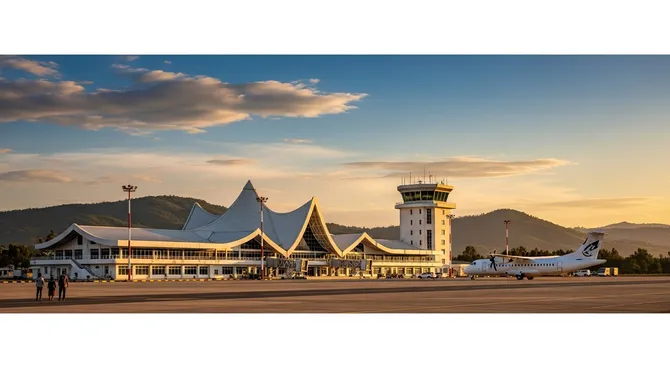
Jimma Airport. Source: Kupi.com Binoculars

Jimma Airport, also known as Abba Jifar Airport, is not just a transport hub but an aerial gateway to the heart of Ethiopia's coffee region. Located in the area that gave the world the Arabica variety, it welcomes travellers eager to explore the rich culture and picturesque landscapes of the country's southwest. This small yet significant airfield is a key point on the domestic flight map, connecting Jimma with the capital and other regions.

IATA Code JIM
ICAO Code HAJM
City Jimma
Distance to centre approx. 2 km.
Status Domestic
Annual Passengers N/A
Popular Airlines Ethiopian Airlines.
Schedule Jimma Airport online flight status

The main advantage of Jimma Airport is its compactness and convenient location, just a few minutes' drive from the city centre. This allows travellers to reach their hotels quickly and hassle-free to begin exploring the region. The primary carrier serving the airport is the national airline Ethiopian Airlines, which operates regular flights to Addis Ababa, ensuring a reliable connection with the rest of the world. Despite its modest size, the airport fulfils its key function—serving as a starting point for tourists and locals alike, opening access to unique coffee plantations, historical sites, and the natural beauty of the Kaffa region.

Contact Information

  • Official Website: Jimma Airport is managed by Ethiopian Airports. Up-to-date information can be found on their official website: www.ethiopianairports.com. There is no separate website for Jimma Airport.
  • Inquiry Service Phone: A direct public phone number for Jimma Airport is not published. For issues related to your flight, it is recommended to contact your airline directly.
  • Airport Address: The airport is located in the city of Jimma, Ethiopia.
  • Email and Social Media: There are no specialized contacts for the airport. For official inquiries, please use the contact details for Ethiopian Airports listed on their corporate website.
  • Lost Luggage Information: Issues regarding lost or damaged luggage are handled by the carrier airline. Please contact your airline's baggage tracing service immediately upon arrival.
  • Passenger Support Contacts: For assistance with booking, ticket changes, flight information, and other services, please contact your airline's customer support.

How to Get to the Airport

Getting to the airport in Jimma (JIM) is quite simple, as it is located very close to the central districts. The journey usually takes 10 to 20 minutes depending on your exact location and traffic conditions. Travellers have access to several convenient transport options suitable for different budgets and comfort levels.

The most popular and convenient way to reach the airport is by taxi or a local auto-rickshaw known as a "bajaj". These are three-wheeled vehicles found throughout the city. The ride is quick and inexpensive, but it is extremely important to agree on the fare with the driver before starting the journey to avoid misunderstandings. A taxi will cost slightly more but offers more space for luggage and greater comfort.

For the most budget-conscious travellers, there is the option of public transport—local route taxis (minibuses). This is the cheapest method and allows you to immerse yourself in local life. However, it may not be the most convenient if you have a lot of luggage, and schedules and routes might not be obvious to a tourist visiting Ethiopia for the first time.

If you prefer maximum convenience, you can pre-book a private transfer through your hotel or travel agency. This is the most reliable, albeit more expensive option, ensuring you are picked up on time and delivered directly to the terminal. For those travelling around the country by car, car rental is available. The airport usually has parking spaces where you can leave a vehicle while waiting for a flight.

Terminals and Map

Jimma Airport (JIM), also known as Aba Segud Airport, is a small regional aviation hub. Its structure is simple and straightforward, making a stay there comfortable even for inexperienced travellers. The airport consists of one compact terminal that handles all domestic flights—both departures and arrivals.

The terminal layout is extremely logical. Upon entering, you immediately find yourself in the general area where check-in counters are located. After receiving a boarding pass and checking in luggage, passengers pass through a single security checkpoint leading to a small waiting lounge. The arrival area is in the same part of the building but separated from the departure zone; it includes a baggage claim belt and an exit to the city. Since there is only one terminal, there are no transfers between terminals.

Completing pre-flight procedures at Jimma Airport usually does not take much time. Check-in and security screening proceed quite quickly due to the low passenger traffic. Nevertheless, it is recommended to arrive at the airport at least 1-1.5 hours before departure to go through all formalities without rushing. The departure and arrival halls are not large but offer basic amenities for passengers.

Navigating the airport requires little effort. All key points—from the entrance to the boarding gate—are within sight and just a few steps away from each other. Signs will help get your bearings, but getting lost here is practically impossible. Simply follow the standard procedure: check-in, security, waiting for boarding. This makes Jimma Airport a convenient starting point for travel around the region.

Airport History

The history of Jimma Airport (JIM), also known as Aba Segud Airport, is closely intertwined with key events in the development of Ethiopia. Its foundation dates back to the late 1930s when the first runway was built. Initially, the airfield had a military purpose and served as a strategic base in the region during the Italian presence.

After World War II, a new chapter in the airport's history began—it was transferred to civil use. This step had immense economic significance as the airport became a vital transport hub for the region considered the birthplace of coffee. It ensured a rapid connection between Jimma and Addis Ababa, which contributed to the development of the coffee industry, playing a key role in the economy of Ethiopia. Over time, it became one of the most important points in the domestic route network of Ethiopian Airlines.

To meet modern standards and growing passenger traffic, the airport underwent several stages of modernization. The most significant reconstruction was completed in 2016. During the works, a new passenger terminal was erected, the runway was upgraded, and the apron was expanded. This modernization not only increased the airport's capacity but also significantly improved the quality of passenger service, making it one of the most modern regional airports in the country.

Among interesting historical facts stands the airport's second name—Aba Segud. This is the honorary title ("horse name") of Abba Jifar II, the last king of the Kingdom of Jimma, who made a great contribution to the region's development. Thus, the name immortalizes the memory of the rich cultural and historical heritage of this land. Today, Jimma Airport is not only an important transport hub but also a symbol of connection between eras—from its military history to its role as a modern gateway to the coffee lands of Ethiopia.

Services and Amenities

Jimma Airport (JIM) is a regionally significant transport hub in Ethiopia and provides passengers with a set of essential services necessary for a comfortable wait. Although the airport infrastructure is compact, conditions have been created here to meet the basic needs of travellers.

Inside the terminal, you will find small cafes and snack bars where you can have a bite to eat, drink coffee, or enjoy refreshments. There may also be kiosks offering daily necessities and local souvenirs. The selection of establishments and shops is limited, which is typical for small regional airports.

A general lounge is provided for waiting for flights. Information regarding VIP lounges or premium comfort halls may change, so it is recommended to verify their availability with your airline. Regarding modern amenities, Wi-Fi access may be limited or provided for a fee. There are facilities to charge electronic devices in the terminal building, though the number of power outlets may be small.

Basic financial services, such as ATMs and currency exchange points, may be available at the airport. However, it is recommended to carry some local cash in case the terminals are not working. For emergencies, there is a medical point where first aid can be provided.

Passengers with special needs and those travelling with children should plan their trip in advance. Services for passengers with reduced mobility are typically provided upon prior request through the airline. Specialized play areas for children may not be available at the airport, but basic amenities, such as a mother and child room, might be present.

There are no hotels within the airport itself. The nearest accommodation options are in the city of Jimma, which is easily accessible by taxi. There, in city hotels, you can also find conference rooms and business centres, as such services are not provided in the airport terminal building.

Where to Eat

When planning a flight through Jimma Airport (JIM), it is important to understand that this is a small regional hub, and the choice of dining establishments here will be modest but authentic. Do not expect a large food court with international chains. Instead, you will have an excellent opportunity to experience local cuisine and famous Ethiopian coffee right in the terminal building.

The main spot for a snack will likely be a small cafe or eatery located in the general area before security control. Here, travellers can quickly drink coffee or have a full lunch. The main pride of Ethiopia is coffee, and even in the modest setting of the airport, special attention is paid to its preparation. Order a traditional coffee to recharge your energy before your flight.

For a full meal, look for local cuisine dishes. You might be offered injera—a traditional flatbread made from teff flour, served with various sauces and stewed vegetables or meat (wat). This is a hearty and delicious option that allows you to get an idea of the country's gastronomy. For a quick snack, local pastries, such as dabo bread or small fried pastries called sambusa, are suitable.

Regarding special dietary needs:

  • Vegetarians and Vegans: Ethiopian cuisine is rich in fasting dishes (tsom) that do not contain animal products. Feel free to order vegetable sauces with injera—this will be an excellent vegan choice.
  • Halal: In a country with a significant Muslim population, finding Halal food is not difficult, and most meat dishes in public establishments comply with these standards.
  • Gluten-free Diet: Although traditional injera is made from gluten-free teff, wheat or barley is often added to the flour. If you have strict restrictions, it is better to check the ingredients with the staff or choose other dishes, such as rice with vegetables.

Establishments at Jimma Airport usually operate according to the flight schedule, opening a few hours before departure and closing after the last plane departs. Prices here are quite reasonable, oriented towards locals, but be prepared to pay in cash in Ethiopian Birr. This is not a place to seek fine dining restaurants, but rather a corner where you can feel the local atmosphere before continuing your journey.

Traveler Tips

To ensure your journey through Jimma Airport goes as smoothly as possible, use these proven tips. This airport, serving a vital coffee region of Ethiopia, has its own peculiarities, and preparation will help avoid unnecessary stress.

Arrival Time and Check-in. Generally, for domestic flights, it is recommended to arrive at the airport 1.5-2 hours before departure. This time is sufficient to complete all formalities without rushing. Although online check-in is becoming increasingly popular, for regional airports it is always better to verify this possibility with your airline. Keep your passport and ticket handy for quick checks.

Seat Selection and Hand Luggage. If views are important to you, choose a window seat—Ethiopian landscapes from a bird's eye view can be impressive. An aisle seat is more convenient if you plan to get up during the flight. Standard rules for hand luggage usually prohibit carrying liquids in containers larger than 100 ml, as well as sharp objects. All liquids must be packed in a transparent bag. Always take valuables, documents, and electronics with you into the cabin.

Connecting Passengers. If you have a connecting flight, immediately upon arrival check the boarding gate number for your next flight. Ask airline staff if you need to collect and re-check your luggage. Jimma Airport is small, so navigation shouldn't cause difficulties, but it is better to double-check everything.

Customs Control and Saving Money. When passing through customs or border control, behave calmly and be ready to answer standard questions about the purpose of your trip. To save money, book tickets in advance and consider travelling only with hand luggage to avoid baggage fees. Carry some local currency (Ethiopian Birr) for small expenses.

What to do in case of flight delay? In the event of a flight delay or cancellation, first contact your airline representative. They will provide up-to-date information and explain possible options: rebooking on another flight or compensation. It is useful to carry a portable charger, a book, or movies downloaded to your phone to pass the waiting time.

Reached the end of the page?

That means the route is fully explored