Support

Ethiopia

About the Country

Ethiopia, located in the Horn of Africa, is a country with an ancient history and a unique culture, notable for the fact that it was never fully colonised. It is a land where millennia-old traditions, distinctive Christian holy sites, and remarkable natural landscapes intertwine. A journey here promises an immersion into a completely different world, full of discovery and unforgettable experiences.

The nation's capital, Addis Ababa, is a bustling cultural and political centre. Here, you can visit the National Museum of Ethiopia, which houses the remains of the famous Lucy, a 3.2-million-year-old human ancestor. However, Ethiopia's true historical gems are found outside the capital – these include the rock-hewn churches of Lalibela and the majestic castles of Gondar, which tell of the country's rich imperial past.
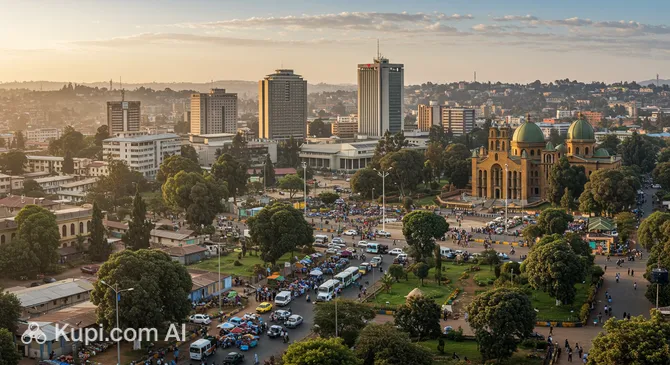
Addis Ababa. Source: Kupi.com Binoculars

The natural scenery of Ethiopia is striking in its diversity: from the majestic Simien Mountains with their endemic wildlife to the Danakil Depression with its otherworldly landscapes and volcanic activity. The climate varies from hot and dry in the lowlands to cool in the highlands. Ethiopia is a land of contrasts, hospitable people, and deep spirituality that leaves an indelible mark on every traveller's heart.
Currency

The national currency of Ethiopia is the Ethiopian Birr (ETB). Banknotes are in circulation in various denominations, often showing important historical figures, cultural symbols, or scenes from the country's life. Coins are also used for smaller payments. It is highly recommended to exchange currency at official banks or licensed foreign exchange bureaus, which can be found at the airport and in major cities like Addis Ababa. For travellers from the UAE, it is best to carry US Dollars for exchange, as they are widely accepted; UAE Dirhams (AED) can also be exchanged at major banks. Avoid exchanging money with unofficial street vendors, as this is illegal and carries significant risks.

The use of credit cards in Ethiopia is limited. They are mainly accepted in large international hotels, some restaurants, and at airline offices in the capital. While ATM access is available, it can be unreliable, particularly outside of major cities. For most other situations, such as shopping at local markets and paying for daily expenses, it is essential to carry a sufficient amount of cash in Ethiopian Birr.

Visa Requirements

For travel to Ethiopia, a visa is generally required for most foreign nationals. For UAE passport holders and residents, a visa can be obtained in several ways. Emirati citizens are eligible for a visa on arrival at Addis Ababa Bole International Airport. Alternatively, travellers of all nationalities can apply for an e-Visa in advance through Ethiopia's official e-Visa portal. To enter the country, you must have a passport valid for at least six months from your intended date of entry. You may also be asked to provide proof of return tickets, hotel bookings, and travel medical insurance.

It is important to remember that visa regulations can change. Therefore, before planning your trip to Ethiopia, it is strongly recommended to verify the latest visa requirements, necessary documents, and application procedures on the official website of the Ethiopian Ministry of Foreign Affairs or through its nearest embassy or consulate.

We'll tell you if you need a visa

Specify where you are going, or
Your citizenship
Destination

Time Zones

When planning a trip to Ethiopia, you won't need to worry about changing time zones within the country. The whole of Ethiopia operates on a single time zone, East Africa Time (EAT). This is one hour behind the UAE's Gulf Standard Time (GST).

This means the local time is three hours ahead of Coordinated Universal Time (UTC+3 or GMT+3). Therefore, whether you are exploring the capital, Addis Ababa, or travelling to other regions, you will not need to adjust your watch during your stay.

How to Get There

When planning a trip to Ethiopia, most travellers find that flying is the most convenient and fastest way to reach the country. The main gateway is Bole International Airport in Addis Ababa. This airport is a major hub for the national carrier, Ethiopian Airlines, which offers an extensive network of flights to many cities across Africa, Europe, Asia, and North and South America. For travellers from the UAE, major carriers such as Emirates, Etihad Airways, and flydubai offer direct flights to Addis Ababa, making the journey straightforward. Direct flights or convenient connections are available from most major global capitals and transport hubs.

It is possible to get to Ethiopia by land, as the country borders several nations, including Djibouti, Kenya, Sudan, South Sudan, Eritrea, and Somalia. However, overland travel can present certain challenges, and the majority of tourists prefer to fly. There are bus routes connecting Ethiopia with neighbouring countries like Djibouti and Kenya, but these are more commonly used by the local population. International rail services are not well-developed. Since Ethiopia is a landlocked country, there is no direct access by sea, although you can travel to the ports of neighbouring Djibouti and continue your journey from there by land. Regardless of your chosen method of travel, it is advisable to book your tickets in advance, especially during the peak tourist season, to secure the best prices and availability.

For your reference, here is a summary of the main airports:

Airport Name City Passenger Traffic
Addis Ababa Bole International AirportAddis AbabaMajor
Bahir Dar AirportBahir DarMinor
Gondar AirportGondarMinor
Aba Tenna Dejazmach Yilma International AirportDire DawaMinor
Mekele AirportMekeleMinor

Ethiopia is a country of rich history and culture, offering travellers a unique combination of ancient traditions and breathtaking landscapes. Its popular destinations include vibrant urban centres and sites that hold the secrets of centuries. The main hub is, without a doubt, the capital city — Addis Ababa. This city is not only the nation's political heart but also a place to experience modern Ethiopian life, visit fascinating museums, and enjoy the local cuisine, with many restaurants providing halal options.

Addis Ababa. Source: Kupi.com Binoculars

Beyond the capital, Ethiopia is famous for its historic cities. Gondar, known as the "Camelot of Africa," impresses visitors with its medieval castles and churches. Equally renowned is Lalibela, where pilgrims and tourists from around the world come to see the unique monolithic churches carved directly into the rock. When visiting these ancient Christian religious sites, visitors should dress modestly out of respect. For those seeking natural beauty, an excellent choice is Bahir Dar, located on the shores of Lake Tana. From here, you can journey to the source of the Blue Nile and visit ancient monasteries on the lake's islands. These cities are just a small part of what amazing Ethiopia has to offer, inviting everyone to discover its treasures.

Top Attractions

Ethiopia is a country of ancient history and unique culture, offering travellers a wealth of amazing discoveries. From ancient relics to modern parks, there is something here for everyone. Let's explore some of the most iconic attractions in this African jewel.

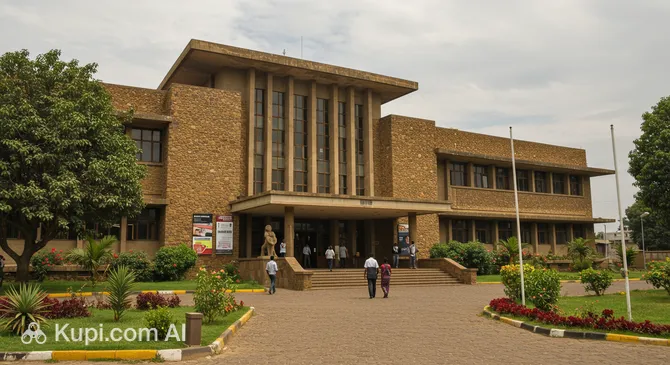
One of the main sites to visit in the capital is the National Museum of Ethiopia. It houses the famous skeleton of 'Lucy', an Australopithecus who lived over 3 million years ago. The museum also boasts a rich collection of archaeological finds, works of art, and ethnographic exhibits that narrate the country's centuries-old history. This place is a must-visit for anyone interested in the origins of humanity and the culture of Ethiopia. Many restaurants offering halal food options can be found in the surrounding area.

National Museum of Ethiopia. Source: Kupi.com Binoculars

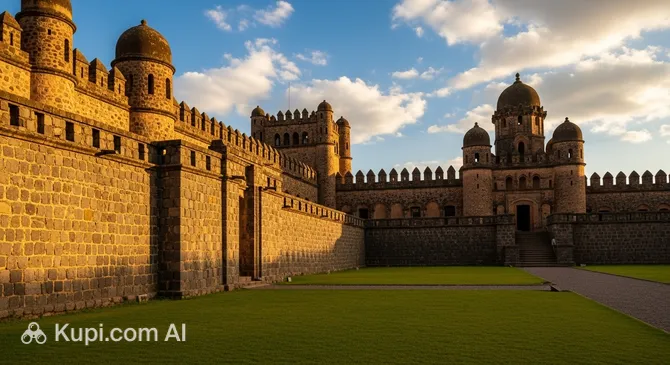
For those wishing to connect with Ethiopia's imperial past, a trip to Gondar to see Fasil Ghebbi is essential. This impressive 17th and 18th-century palace compound, a UNESCO World Heritage Site, is a fortress containing castles, churches, and other buildings reminiscent of medieval European castles. A walk through its grounds is a true journey back in time. As the site includes historic churches, visitors are advised to dress modestly out of respect.

Fasil Ghebbi. Source: Kupi.com Binoculars

Back in Addis Ababa, you cannot miss Unity Park. This relatively new but already popular destination combines natural beauty, historic pavilions, and modern installations. The park offers visitors not only a relaxing time in the fresh air but also a chance to learn more about Ethiopia's history and cultural diversity. While the park does not have designated prayer rooms, its spacious and serene green areas offer a quiet space for reflection.

Unity Park. Source: Kupi.com Binoculars

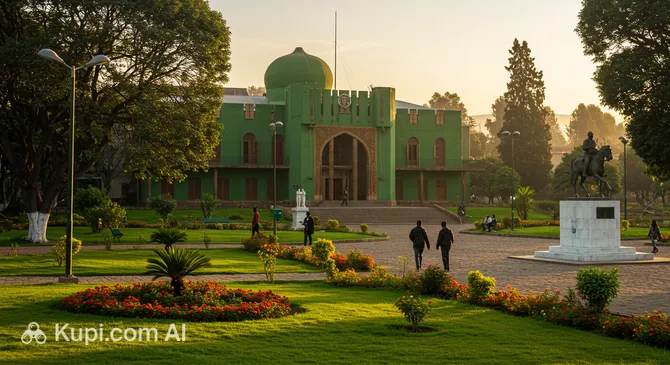
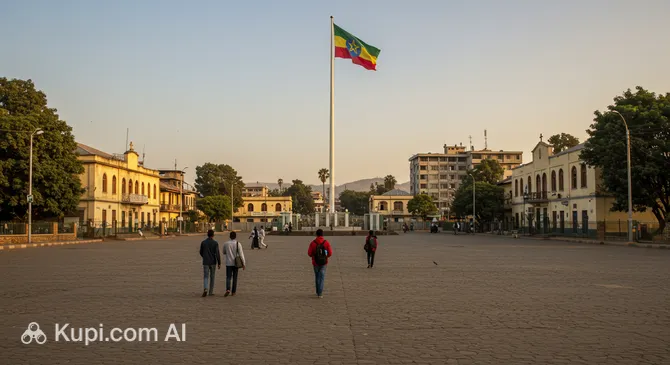
Another landmark in the capital is Meskel Square. This is not just a large city square but an important public and cultural space that hosts major festivals and events, including the famous Meskel festival (the Finding of the True Cross). Recognised by UNESCO as an Intangible Cultural Heritage of Humanity, this vibrant annual celebration is a key part of Ethiopia's rich heritage. A visit to the square offers a chance to feel the pulse of modern Ethiopian life.

Meskel Square. Source: Kupi.com Binoculars

Best Time to Visit

When planning a trip to Ethiopia, it's important to consider the country's climate to choose the most comfortable time for your visit. With direct flights available from the UAE on airlines like Emirates, flydubai, and Ethiopian Airlines, this unique destination is easily accessible. The cooler highland climate can also offer a pleasant escape from the heat of the Gulf.

The high tourist season typically runs from October to May. During this period, dry and sunny weather prevails, especially in the highland areas, creating ideal conditions for trekking in the Simien Mountains and visiting famous historical sites like the rock-hewn churches of Lalibela or the castles of Gondar. Air temperature at this time is generally comfortable for sightseeing, although it can be very hot in lowland areas such as the Danakil Depression. When visiting religious sites, a modest dress code is required, so it is advisable to wear clothing that covers the shoulders and knees. The drawbacks of this period include a higher number of tourists and, consequently, potentially higher prices for accommodation and services. One of the country's most colourful and significant festivals, Timkat (the Epiphany), takes place in January, right in the middle of the dry season.

The low season in Ethiopia mainly coincides with the main rainy season, which lasts from June to September. During this time, particularly in the central and northern highland regions, including the capital Addis Ababa, there can be prolonged downpours, which may sometimes hinder movement and make some roads less accessible. However, this period has its advantages: there are significantly fewer tourists, prices for accommodation and tours may be lower, and the natural landscape is transformed, delighting the eye with emerald green scenery and full-flowing waterfalls. With a significant Muslim population, halal food is widely available in cities and larger towns, and you will find numerous mosques and prayer facilities. The important Meskel festival (the Finding of the True Cross) is celebrated at the end of September, often at the turn of the seasons when the rains begin to subside. Given the country's size, the climate can vary noticeably; for example, the rainfall pattern in the southern Omo Valley differs from that of the northern regions. Therefore, before your trip, it is always recommended to check the weather conditions for the specific places you plan to visit.

Traditions

Ethiopia is a country with an ancient and distinctive culture, and becoming acquainted with it will enrich your journey. When interacting with local people, a warm handshake is customary, often using the right hand, sometimes with the left hand touching the other person's right elbow as a sign of special respect. Eye contact is important and demonstrates your sincerity. Ethiopians are very hospitable; an invitation to a traditional coffee ceremony is a sign of great respect, and it is not customary to refuse. If you are invited into a home, a small souvenir from your country or something for the children would be a pleasant gesture, although it is not required.

When visiting Ethiopia's many ancient churches, monasteries, and mosques, it is important to dress modestly: shoulders and knees should be covered for both men and women. Women may need a headscarf to cover their hair when entering Orthodox churches. This is similar to the respectful dress expected when visiting religious sites in the UAE. At the dining table, it is customary to eat with the right hand, especially when the traditional dish of injera is served with various sauces (wot). This practice will be familiar, as it aligns with Islamic tradition. While many traditional meat dishes are available, halal food can also be found, particularly in Addis Ababa and areas with larger Muslim communities, though it may require some searching. Accepting an offer of food is considered a sign of care and should be received with gratitude.

To show respect for local customs, try not to use your left hand for passing objects or food, as it is traditionally considered 'unclean'. Always ask for permission before photographing people. Overt public displays of affection between a man and a woman may be viewed ambiguously, especially in rural areas. Overall, Ethiopians are very friendly and appreciate politeness and an interest in their rich culture. Among the most important festivals that offer a vivid insight into the culture are Timkat (Epiphany) in January, which features colourful processions and the blessing of water, and Meskel (the Finding of the True Cross) in September, known for its huge bonfires.

Entertainment

Ethiopia offers travellers a unique blend of entertainment, where ancient history intertwines with a vibrant contemporary culture. For lovers of outdoor activities, the country provides opportunities for exciting hikes and trekking through picturesque highlands, such as the Simien Mountains, as well as exploring unique geological formations like the Erta Ale volcano. The cultural programme is rich with visits to ancient rock-hewn churches in Lalibela and historical complexes like Fasil Ghebbi in Gondar. When visiting religious sites, it is important to dress modestly; women are advised to cover their shoulders and knees and may wish to bring a headscarf. In the capital, Addis Ababa, you can visit the National Museum of Ethiopia to gain a deeper insight into the country's rich heritage.

Evening entertainment in Ethiopia is particularly colourful in Addis Ababa, where you can find many restaurants offering traditional cuisine accompanied by live national music and dancing, for example, at the Yod Abyssinia Traditional Restaurant. Many traditional restaurants offer a wide array of meat and vegetarian dishes, with some providing halal options; it is always best to confirm with the establishment. There are also modern lounges and clubs where you can spend an evening. Shopping in Ethiopia is primarily an opportunity to purchase authentic souvenirs: the famous Ethiopian coffee, leather goods, traditional textiles, silver jewellery, and wooden crafts. Large markets, such as the Mercato in the capital, offer a huge selection of goods.

For a family holiday, Ethiopia can offer educational excursions to historical sites that will be interesting for both adults and children. Visiting national parks, where you can see endemic animals, will also be a memorable adventure. Although the country does not have large theme parks in the conventional sense, the atmosphere and cultural diversity themselves make a trip to Ethiopia an unforgettable experience for the whole family.

Currency rates

Planning a trip? Wonderful! To ensure the financial aspects of your journey don’t come as a surprise, it’s important to remember that currency rates are constantly changing. The official currency in Ethiopia is the Ethiopian Birr (ETB).

For travellers from the UAE, it is strongly advised to carry US Dollars (USD) for your trip, as exchanging UAE Dirhams (AED) can be difficult. US Dollars are the most convenient foreign currency to exchange throughout Ethiopia. When exchanging money, only use authorised banks and hotels, and always ask for a receipt for each transaction. You must declare any foreign currency exceeding the value of US$10,000 upon arrival.

Please be aware that Ethiopia is largely a cash-based economy. Credit and debit cards, such as Visa and Mastercard, are only accepted in major international hotels, some large restaurants, and by airlines in Addis Ababa. ATMs are available in the capital and other major towns, but it is wise to have enough cash to cover your expenses, especially when travelling outside of urban centres.

ETB currency exchange rate as of 02.01.2026

1 AED
~ 42.08 ETB
2.47 AMD
~ 1 ETB
1 AUD
~ 103.13 ETB
1 AZN
~ 90.90 ETB
1 BYN
~ 52.57 ETB
1 CAD
~ 112.60 ETB
1 EUR
~ 181.51 ETB
1 GBP
~ 208.21 ETB
2.12 HUF
~ 1 ETB
1 INR
~ 1.72 ETB
1 KGS
~ 1.77 ETB
9.35 KRW
~ 1 ETB
3.28 KZT
~ 1 ETB
1 PLN
~ 43.05 ETB
1 RUB
~ 1.96 ETB
1 SAR
~ 41.20 ETB
1 SGD
~ 120.20 ETB
1 TRY
~ 3.60 ETB
1 UAH
~ 3.65 ETB
1 USD
~ 154.53 ETB
77.74 UZS
~ 1 ETB

Reached the end of the page?

That means the route is fully explored