Support

Madagascar (Malagasy)

About the Country

Madagascar is an incredible island nation located off the southeastern coast of Africa in the Indian Ocean. As the fourth-largest island in the world, its scale and diversity are astonishing. A journey here promises unforgettable experiences, as Madagascar is a world of its own, separated from the mainland millions of years ago, which has allowed for the development of unique flora and fauna. The country's capital, Antananarivo, situated in the central part of the island, is the main political, economic, and cultural centre.
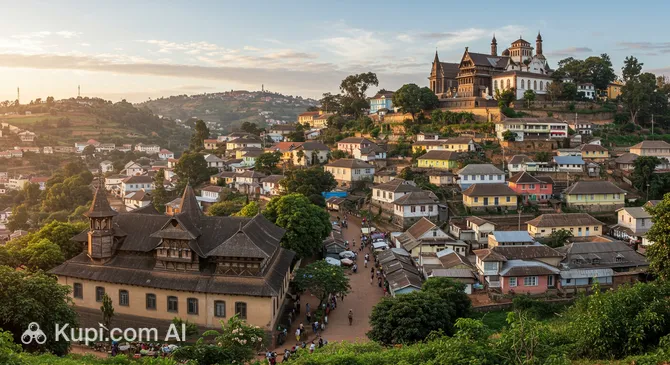
Antananarivo. Source: Kupi.com Binoculars

Madagascar is often called a "sanctuary island" due to its incredible biodiversity. It is home to lemurs—the symbol of the island, which cannot be found anywhere else in the world in the wild—as well as chameleons, exotic birds, and the famous baobab trees. The culture of Madagascar is a unique blend of African and Asian traditions, which is reflected in the language, music, crafts, and customs of the local people. The island's climate varies from tropical on the coast to temperate in the highland areas, offering diverse conditions for travel all year round.

The atmosphere of Madagascar is filled with a spirit of adventure and discovery. This is a destination for those seeking more than just a beach holiday. Here, you can explore tropical forests, climb volcanoes, dive into crystal-clear ocean waters, or get to know a distinctive culture. Besides exploring the capital, many tourists are keen to visit places like the island of Nosy Be, known for its beaches and diving opportunities, or travel to Morondava to see the famous Avenue of the Baobabs at sunset.
Currency

The national currency of Madagascar is the Malagasy ariary (MGA). An interesting feature of the ariary is that it is one of only two non-decimal currencies in the world. The banknotes are typically adorned with images of the island's unique flora and fauna, as well as cultural motifs, making them not just a means of payment but also a unique souvenir.

For travellers from the UAE, it is advisable to carry euros (EUR) or US dollars (USD) to exchange for Malagasy ariary, as the UAE Dirham (AED) is not widely accepted for exchange. You can exchange foreign currency at banks or official exchange offices in major cities, such as Antananarivo, and at the airport. Avoid exchanging money with street money changers due to the high risk of fraud. Credit cards, mainly Visa and Mastercard, are accepted in large hotels, some restaurants, and shops in the capital and popular tourist areas. However, for everyday expenses, especially in rural areas and at markets, it is essential to have a sufficient amount of cash on hand.

Visa Requirements

To visit Madagascar, both UAE citizens and residents are required to obtain a visa. However, the process is straightforward as a tourist visa can be obtained on arrival at international airports, such as the one in Antananarivo. Alternatively, travellers can apply for an e-visa online before their trip. To enter the country, you must have a passport that is valid for at least six months from your planned date of departure from Madagascar.

In addition to the visa and passport, you may be required to present return flight tickets, proof of hotel reservations, and travel medical insurance when crossing the border. It is important to remember that visa regulations and entry requirements can change. Therefore, it is strongly recommended to verify the latest information with the official embassy or consulate of Madagascar, or an accredited visa centre, before you travel.

We'll tell you if you need a visa

Specify where you are going, or
Your citizenship
Destination

Time Zones

When planning a trip to Madagascar, you will not have to worry about changing time zones within the country. The entirety of Madagascar observes a single time zone – East Africa Time (EAT), which is UTC+3. This means the time in the capital, Antananarivo, is the same as on the remotest islands, simplifying the planning of transfers and activities. For travellers from the UAE, it is helpful to note that Madagascar is one hour behind the UAE, which observes Gulf Standard Time (UTC+4).

How to Get There

Madagascar is a remarkable island, captivating visitors with its unique nature and culture. As an island nation, the primary way to reach Madagascar is by air. The country's main international gateway is Ivato International Airport (TNR), located near the capital, Antananarivo. While there are no direct flights from the UAE, reaching Madagascar is straightforward with a single connection. The most common routes for travellers from the region are via major African or European hubs. Ethiopian Airlines offers convenient connections through Addis Ababa, while other options include transiting through Paris or Istanbul. As direct flights are rare, most visitors arrive via these efficient one-stop itineraries.

While regular ferry services from mainland Africa for tourists are virtually non-existent, some cruise liners sailing the Indian Ocean include Malagasy ports like Nosy Be or Toamasina in their itineraries. This can be an appealing alternative for those who prefer sea travel. Regardless of your chosen method of travel, it is highly recommended to book your tickets in advance, especially if your trip is planned during the peak tourist season (typically from May to October). Booking early will not only help you save money but also secure your seats for your desired dates.

For your reference, here is a summary of the main airports:

Airport Name City Passenger Traffic
Antananarivo AirportAntananarivoMajor
Toamasina AirportToamasinaMedium
Fascene AirportNosy BeMedium
Arrachart AirportAntsirananaSmall
Amborovy AirportMahajangaSmall

Madagascar, an island nation with a unique environment and culture, offers travellers a variety of experiences, from lively urban centres to idyllic beach resorts. There is something for everyone here, whether it's exploring historical monuments, immersing oneself in the local culture, or relaxing on the shores of the Indian Ocean. The country has a rich history with influences from Arab, Asian, and African heritage, creating a diverse cultural tapestry. For Muslim travellers, this means that halal food options can be found, particularly in larger towns and the northwestern coastal regions, and the local population is known for its welcoming nature.

Antananarivo. Source: Kupi.com Binoculars

The heart of the country is undoubtedly its capital, Antananarivo. This city, set on hills, attracts visitors with its colonial architecture, royal palaces, and vibrant markets where you can experience the authentic atmosphere of Madagascar. For those dreaming of white sandy beaches and azure seas, the perfect choice is the island of Nosy Be. As the country's most famous resort, it is a hub for diving and snorkelling, with a significant Muslim community and halal-friendly dining options available.

Adventure lovers and fans of unique landscapes should turn their attention to Morondava, the starting point for a trip to the famous Avenue of the Baobabs, which is especially impressive at sunset. Another popular destination is the island of Sainte-Marie (Nosy Boraha), known for its pirate history, cosy coves, and the opportunity to watch humpback whales during their migration season. These and many other corners of Madagascar await explorers, promising unforgettable experiences.

Top Attractions

Madagascar is an island of contrasts and unique experiences, attracting travellers with its incredible nature and distinctive culture. While its main draws for tourists remain the endemic flora and fauna, along with breathtaking landscapes, the country also has other noteworthy places to offer, especially in its capital, Antananarivo.

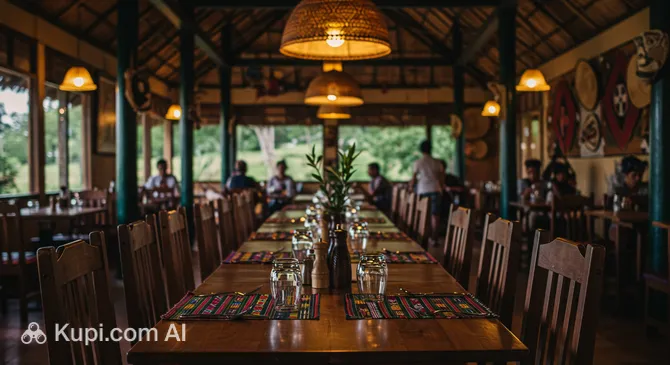
Among the capital's interesting spots, the Sakamanga Hotel stands out. This is not just an establishment but a cultural space of sorts, known for its unique collection of artefacts and eclectic design. Guests describe it as a place with a special atmosphere, where you can not only enjoy a delicious meal but also connect with the history and art of Madagascar. The hotel features several restaurants and is considered a beautiful oasis in the city. While it is a popular dining spot, it is advisable to inquire directly about specific halal options.

Sakamanga Hotel. Source: Kupi.com Binoculars

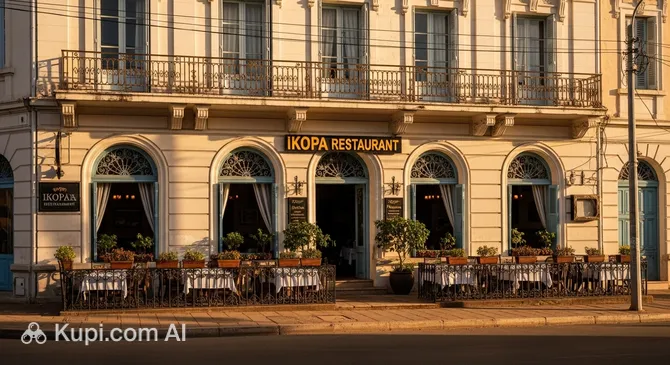
For connoisseurs of fine dining and an authentic setting, the restaurant at the Ikopa Hotel is a real discovery. It is renowned for its dishes made from the freshest local ingredients, offering guests the chance to enjoy traditional Malagasy flavours in an elegant atmosphere. While specific halal certification isn't mentioned, many restaurants in Antananarivo offer seafood and vegetarian choices. It is always best to confirm with the restaurant beforehand.

Ikopa Hotel Restaurant. Source: Kupi.com Binoculars

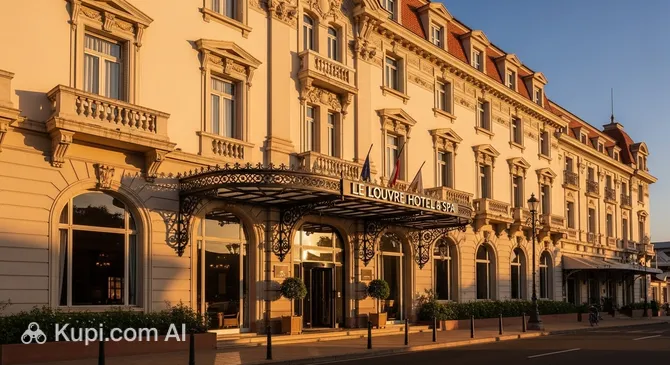
When speaking of iconic places in Antananarivo, one must mention Le Louvre Hotel & Spa. This hotel and resort offers not only luxurious accommodation but is also a popular place for relaxation and rejuvenation. Its architecture, high level of service, and spa treatments attract both tourists and locals seeking an island of tranquillity in the bustling city. The hotel's coffee shop, Le Citron Poivre, offers halal charcuterie assortments, and it is recommended to inquire about other halal dishes at their main restaurant. For prayer, several mosques, including the Noor Islam Mosque, are located within a short distance of the city centre.

Le Louvre Hotel & Spa. Source: Kupi.com Binoculars

Best Time to Visit

When planning a trip to Madagascar, it's essential to consider its distinct climate seasons to ensure your journey is as comfortable and rewarding as possible. Generally, the best time to visit the island is during the dry season, which runs from approximately May to October. During this period, the weather is most favourable: days are sunny and warm, while nights are cool, especially in the central highlands. This is the perfect time for observing lemurs, chameleons, and other endemic species, as the animals are more active and the thinner vegetation makes them easier to spot. It is also an excellent season for trekking in national parks like Isalo or Ranomafana and for relaxing on the beaches of islands such as Nosy Be or Sainte Marie. The drawbacks of this period can be higher prices for accommodation and services, along with more tourists in popular locations.

The wet season in Madagascar occurs from November to April. It is characterised by hotter, more humid weather with frequent, though usually brief, downpours, particularly in the afternoon. The east coast is at risk of cyclones during this time, especially from January to March. The advantages of travelling in the low season include fewer tourists and generally lower prices. The landscapes become incredibly lush and green, and certain animals, like frogs and chameleons, are especially active. However, be prepared for some roads, particularly in the west and south, to become difficult to pass, and some national parks or sections of them may be temporarily closed. A major event that attracts many travellers is the migration of humpback whales, which can be observed off the coast of Sainte Marie island from June to September. It is also worth mentioning the unique cultural phenomenon of the Famadihana ceremony ("the turning of the bones"), a joyful celebration held by some ethnic groups to honour their ancestors, which typically takes place during the dry season from July to September.

Given Madagascar's size, the climate can vary significantly by region. The eastern coast receives more rainfall year-round, the western coast is drier, and the south has a semi-desert climate. The central highlands, where the capital Antananarivo is located, have more temperate weather. Therefore, when choosing your travel dates, it is advisable to check the specific weather conditions for the regions you plan to visit. For travellers from the UAE, flights to Antananarivo are available on carriers like Emirates and Ethiopian Airlines, with an average journey time of around 9 to 11 hours. While Madagascar is a diverse country, finding halal food can be challenging outside of major cities, so planning ahead is recommended. Mosques and prayer facilities are available in larger urban centres like Antananarivo.

Traditions

The culture of Madagascar is a unique blend of African and Asian influences, with a deeply ingrained respect for ancestors and strong community ties. Greetings usually involve a handshake. It is important to be aware of 'fady' – local taboos that can vary significantly by region and relate to behaviour, food, or visiting certain places. For example, pointing at people or sacred objects with a finger is often considered impolite. Showing respect for elders is a key aspect of communication, and overly direct or prolonged eye contact may be interpreted ambiguously in some situations.

Hospitality is highly valued in Madagascar. If you are invited into a home, a small, symbolic gift (such as something from your country or a useful household item) will be gratefully accepted, although it is not a strict requirement. In terms of dress, modesty is recommended, especially when visiting rural areas, religious sites, or official buildings – it is best to cover your shoulders and knees. There are few strict rules at the dining table, but it is always appreciated if you try the dishes offered and express your gratitude. For Muslim travellers, while some halal-certified restaurants exist in major cities like Antananarivo, it may be challenging to find them elsewhere. It is advisable to inquire about ingredients, as many traditional dishes can be adapted. In some communities, it is customary to eat with the right hand, particularly if food is served from a communal dish.

One of the main national holidays is Independence Day, which is celebrated on 26 June with parades and public festivities. In general, many rituals and daily customs are connected in some way to the veneration of ancestors, which is a cornerstone of Malagasy culture. To show respect, always ask for permission before photographing local residents and treat their traditions and sacred sites with reverence. Remember the principle of 'mora-mora' (literally 'slowly-slowly') – this refers to the unhurried, measured pace of life that is characteristic of the island. Showing patience and understanding this aspect will help you to connect better with the local population and avoid misunderstandings.

Entertainment

Madagascar offers a truly unique range of entertainment, much of which is intrinsically linked to its incredible nature and endemic wildlife. Fans of active recreation will find a host of activities here: from fascinating hiking through numerous national parks, where you can meet lemurs and chameleons, to diving and snorkelling in the crystal-clear waters of the Indian Ocean, especially off the coast of islands like Nosy Be or Sainte Marie. Kayaking, surfing in certain areas and, of course, whale watching during their migration season are also popular.

For connoisseurs of cultural experiences, Madagascar reveals its charm through an introduction to distinctive local traditions, "salegy" music, and ritual dances. In the capital, Antananarivo, and other large cities such as Fianarantsoa, you can visit small museums detailing the island's history and art, as well as art galleries. Shopping in Madagascar is an immersion into a world of vibrant crafts: from carved wooden items and woven baskets to unique spices (especially vanilla), essential oils, semi-precious stones, and traditional "lamba" fabrics, which make wonderful souvenirs.

Nightlife in Madagascar is not particularly boisterous but offers pleasant options for an evening out. In Antananarivo and on popular resorts like Nosy Be, there are restaurants serving Malagasy and international cuisine, often with live music. While dedicated halal restaurants are becoming more common in major cities, many establishments offer excellent seafood and vegetarian dishes. You will also find cosy lounges where you can relax with a refreshing drink. For a family holiday, the island is a real treasure trove. Observing lemurs in their natural habitat, visiting private reserves and parks, discovering diverse reptiles and birds, and relaxing on picturesque beaches will provide unforgettable memories for both adults and children.

Currency rates

Planning a trip? Excellent! To avoid any financial surprises during your journey, it's important to remember that currency exchange rates are constantly changing. Therefore, we strongly advise you to track the current rates both before departure and throughout your trip. For this, you can use the data provided below—we monitor currency rates 24/7 to provide the most up-to-date information.

Reached the end of the page?

That means the route is fully explored