Support

Antananarivo

About

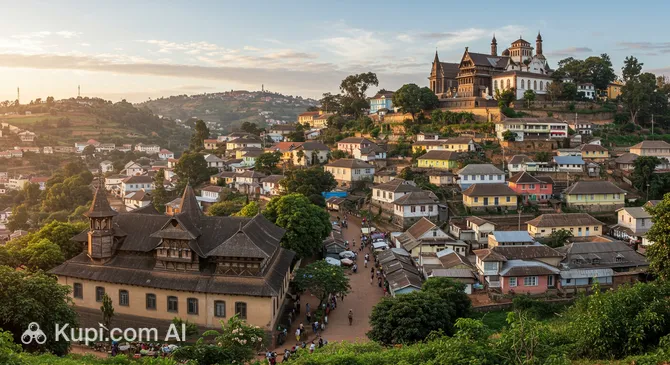
Welcome to Antananarivo, affectionately known as "Tana" by the locals. This sprawling, colorful metropolis is the vibrant economic and cultural hub of Madagascar. Perched high in the central highlands of the Analamanga Region, the city is built across a series of steep ridges, offering a dramatic landscape of cascading houses and historic architecture.

Antananarivo. Source: Kupi.Binoculars

With a population of approximately 2.6 million, the city is a bustling mix of tradition and modernity. Its high altitude gives it a temperate climate, providing a refreshing escape from the tropical heat of the coast. Exploring the streets reveals a fascinating timeline; the history of Antananarivo is evident in its royal palaces and French colonial buildings that line the cobbled streets of the upper town.

Travelers are often drawn to the Rova of Antananarivo, a royal palace complex situated on the city's highest hill, offering panoramic views of the surroundings. Another highlight is the heart-shaped Lake Anosy, surrounded by jacaranda trees that bloom in vibrant purple hues. For a taste of local life, the bustling Analakely Market provides a sensory overload of sights, sounds, and fresh produce.

Whether you are passing through on your way to the island's famous national parks or staying to soak up the urban energy, Antananarivo offers a unique introduction to Malagasy culture. It is a city of contrasts that invites you to discover its hidden gems and warm hospitality.

Weather Overview

Due to its elevation in the central highlands, the weather in Antananarivo is generally mild and temperate, distinguishing it from the hotter coastal regions of the island. The city experiences two distinct seasons: a warm, rainy period and a cool, dry season. For a more detailed forecast and historical trends, you can consult the guide to the climate of Antananarivo.

The warmer months, typically spanning from November to March, see average temperatures hovering around 21°C, with daytime highs peaking at approximately 26.8°C in November. This period coincides with the rainy season, particularly in January, which can experience up to 25 wet days. Despite the frequent showers, the rain often brings a refreshing quality to the air and keeps the surrounding hillsides lush.

From May to October, the city transitions into a cooler and drier phase. July is generally the coldest month, with average temperatures dropping to 14.5°C and nighttime lows reaching 9.9°C, so packing layers is advisable. Precipitation is minimal during this time, with months like August and September seeing almost no rainfall. Overall, travelers can expect warm summers with occasional rain and cool, dry winters.

Interesting Facts

Beyond the well-trodden paths of the royal palaces and bustling markets, Antananarivo holds captivating secrets that reveal the depth of its character. From ancient etymology to unexpected urban landscapes, these details provide a deeper look into the soul of the Malagasy capital.
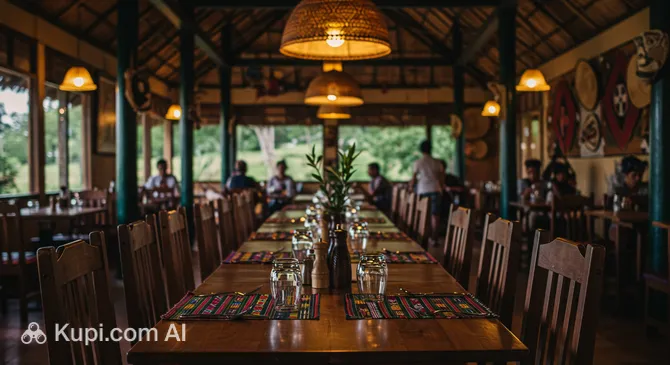
Sakamanga Hotel. Source: Kupi.Binoculars
  • The name Antananarivo translates to "City of the Thousand," a historical reference to the 1,000 soldiers assigned by King Andrianampoinimerina in the early 17th century to guard the royal palace, rather than a reflection of its population size.

  • Unlike most modern capital cities, Antananarivo still features active rice paddies within its urban boundaries. The Betsimitatatra plains in the lower town are cultivated to this day, creating a striking contrast of lush green fields against the backdrop of bustling city traffic and hillside homes.

  • The city is famously vertical, connected by hundreds of stone staircases that serve as pedestrian highways between the Upper Town (Haute Ville) and the Lower Town. Some of these steep pathways offer the most scenic, albeit tiring, ways to explore the historic neighborhoods.

  • Hidden within the city is the Sakamanga Hotel, which functions as an unofficial museum of Malagasy culture. Its walls and corridors are lined with a significant collection of historical photographs and artifacts, preserving memories that might otherwise have been lost.

How to Get There

Reaching the capital is the starting point for most adventures in Madagascar. Whether you are arriving from international destinations or connecting from other parts of the island, planning your arrival ensures a smooth start to your trip. You can find more detailed information on how to get to Antananarivo to help you choose the best option.

The primary gateway for travelers is Antananarivo Airport (IATA: TNR), also known as Ivato International Airport. It is the busiest hub in the country and is conveniently located within Antananarivo itself, approximately 14 km from the city center. Depending on traffic, the journey by taxi or shuttle typically takes about 45 minutes. As the main entry point, it handles a large volume of passengers and connects the capital to major global cities.

Alternatively, some travelers might find themselves near the coast at Tamatave (IATA: TMM) airport, located in the city of Toamasina. It is important to note that this airport is situated about 217 km away from Antananarivo. Due to the distance and road conditions, a transfer by taxi or bus from here to the capital is a significant journey, taking approximately 6 hours. This option is generally used by those who plan to explore the eastern coast before heading inland.

For clarity, here is a summary of the main airports:

Airport Name City Passenger Traffic Km from City
Antananarivo Airport Antananarivo High 14.2
Tamatave Toamasina Medium 216.9

Main Attractions

Antananarivo is a city where history, culture, and nature intersect in fascinating ways. While the Rova and the old markets are often the first stops for visitors, the city and its surroundings offer several other captivating sites that provide a deeper understanding of Madagascar's unique heritage and lifestyle.

A short distance from the capital, the Royal Hill of Ambohimanga is arguably the most significant historical site in the region. Recognized as a UNESCO World Heritage site, this ancient royal city was the spiritual heart of the Merina Kingdom. Visitors can wander through the well-preserved royal compound, admire the traditional wooden architecture, and stand beneath sacred fig trees. It offers a serene and profound glimpse into the island's pre-colonial past, accompanied by sweeping views of the countryside.

For those eager to encounter Madagascar’s famous wildlife without venturing too far, Lemurs' Park is an essential stop. Located about 22 kilometers from the city center, this private reserve allows nine species of lemurs to roam freely within a botanical garden. It is a fantastic opportunity to observe these charismatic animals up close and learn about the island's endemic flora in a safe and accessible environment.

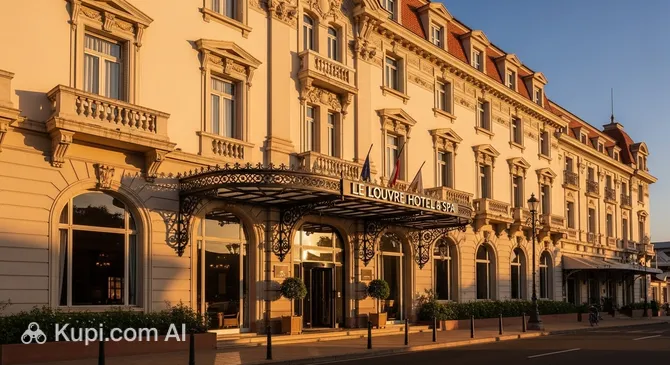
Back in the heart of the city, architectural enthusiasts will appreciate Le Louvre Hotel & Spa. Situated in the Antaninarenina district, this building is a landmark of the colonial era, famously featuring steel framework engineered by the Eiffel workshops. Its location makes it a central point for exploring the nearby jewelry shops and the upper town, serving as a bridge between the city's historic charm and modern luxury.

Le Louvre Hotel & Spa. Source: Kupi.Binoculars

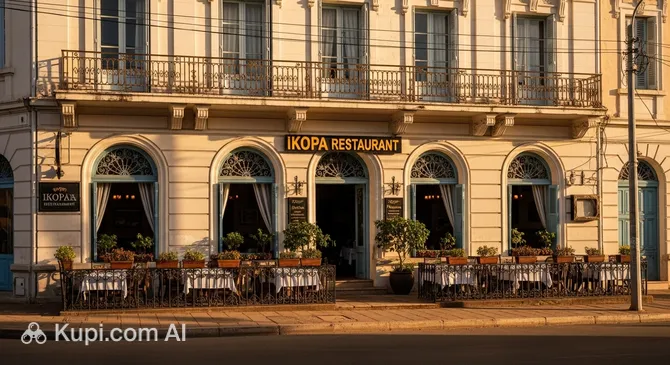
For travelers seeking a relaxing atmosphere to enjoy local cuisine, the Ikopa Hotel Restaurant is a delightful choice. Located slightly away from the bustling city center, this venue offers a peaceful environment where guests can savor traditional Malagasy dishes. It serves as a perfect spot to unwind and experience the welcoming hospitality that characterizes the region.

Ikopa Hotel Restaurant. Source: Kupi.Binoculars

Local Cuisine

Local Cuisine:

The culinary landscape of Antananarivo is a flavorful reflection of the island's diverse heritage, blending Southeast Asian, African, and French influences. At the heart of every meal is vary (rice), which is consumed three times a day and is treated with almost sacred respect. Visitors will quickly discover that no meal is considered complete without a generous portion of rice accompanied by a savory side dish known as laoka.

One of the must-try dishes in the capital is Romazava, often considered the national dish of Madagascar. Originally a meal for royalty, it is a meat stew—typically beef or zebu—simmered with a variety of local greens called brèdes. The unique flavor comes from anamalaho, a leafy green that leaves a tingling sensation on the palate. Another favorite is Ravitoto sy Henakisoa, a hearty combination of crushed cassava leaves and pork, often cooked with coconut milk and garlic, offering a rich and earthy taste.

For a quick bite or a sweet treat, the streets of Antananarivo offer delicious snacks. In the mornings, you will see locals enjoying Mofo Gasy, sweet rice flour pancakes cooked in round molds over charcoal, usually paired with coffee. For dessert, look for Koba, a dense cake made from peanuts, rice flour, and sugar, wrapped in banana leaves and boiled for hours until it caramelizes.

Beverages in Tana are just as distinct as the food. A traditional non-alcoholic drink served with meals is Ranovola (or Ranonapango), made by boiling water in the pot where rice has just been cooked, capturing the flavor of the toasted rice at the bottom. For those looking for something stronger, Rum Arrangé—rum infused with local fruits and spices like vanilla or cinnamon—is a popular digestif. Beer lovers should not miss the ubiquitous Three Horses Beer (THB), the island's most iconic lager.

The dining scene in Antananarivo ranges from humble street stalls to sophisticated eateries. Thanks to the French colonial history, the city is also dotted with excellent bakeries selling fresh baguettes and pastries. For a blend of history and gastronomy, many travelers visit the restaurant at the Sakamanga Hotel. It is a celebrated spot where you can sample authentic Malagasy flavors in a setting filled with cultural artifacts, bridging the gap between a museum and a fine dining experience.

Travel Tips

Exploring Antananarivo is an adventure for the senses, but its bustling energy and unique highland setting require a bit of preparation. To help you navigate the winding streets and local customs of the "City of a Thousand" with confidence, here are some essential practical tips for your journey.

  1. Clothing and Gear: Unlike the tropical coast, Antananarivo sits at a high altitude, meaning evenings can get surprisingly chilly, especially during the dry season (May to October). Pack layers, including a warm jacket or sweater. Comfortable, sturdy walking shoes are a must for navigating the steep, cobbled streets and uneven staircases. If you plan to visit the Rova or other sacred sites, dress modestly; avoid short skirts or shorts to show respect.

  2. Transportation: The most convenient way for tourists to get around is by private taxi. These are typically cream-colored beige cars; they do not have meters, so you must negotiate and agree on the fare before getting in. "Taxi-Be" (large minibuses) are the local public transport; while very cheap, they are often overcrowded and confusing for first-time visitors. Renting a car is almost always done with a driver, which is highly recommended for navigating the chaotic traffic safely.

  3. Finances: The local currency is the Malagasy Ariary (MGA). Madagascar is still a heavily cash-based society. While some high-end hotels and restaurants in Tana accept Visa or Mastercard, you will need cash for markets, taxis, and smaller shops. ATMs are available, but they can sometimes be out of service or run out of money, so it is wise to carry a backup reserve of Euros or USD to exchange at official bureaus.

  4. Health and Safety: Never drink tap water; stick to sealed bottled water (Eau Vive is a popular brand) for drinking and brushing your teeth. In terms of safety, remain vigilant in crowded areas like Analakely Market, where pickpocketing can occur. It is advisable to avoid walking around the city after dark; take a taxi even for short distances at night. Pharmacies are common and usually marked with a green cross, but bring a basic kit of personal medications.

  5. Communication: The official languages are Malagasy and French. English is not widely spoken outside of major tourist establishments, so knowing a few basic phrases in French will be incredibly helpful. Buying a local SIM card (Telma, Orange, or Airtel) is easy and affordable; having data for maps and translation apps is a lifesaver when navigating the city.

  6. Local Etiquette: The Malagasy people are polite and reserved. Greetings are important; a friendly "Manao ahoana" (Hello) goes a long way. Public displays of anger or shouting are frowned upon and can cause you to lose face. The concept of "Mora Mora" (slowly, slowly) dictates the pace of life here, so patience is key in restaurants and traffic.

  7. What to Avoid: Do not point at people or objects with your index finger, as this is considered rude and sometimes taboo (fady); instead, gesture with an open hand. Also, avoid taking photographs of government buildings, military installations, or the airport police, as this is strictly prohibited and can lead to trouble with authorities.

  8. Market Tip: If you visit the artisan markets to buy souvenirs like vanilla, raffia, or spices, bargaining is expected. However, keep the negotiation friendly and respectful. It is not just a transaction but a social interaction, and a smile often secures a better price than an aggressive attitude.

With these practical tips in hand, you are ready to embrace the unique rhythm and charm of Antananarivo. Whether you are haggling for spices or admiring the sunset from the Upper Town, approaching the city with an open mind and a little preparation will ensure a memorable and hassle-free experience.

Entertainment & Nightlife

Entertainment and Nightlife:

As the sun sets over the hills, the atmosphere in Antananarivo shifts from the chaotic bustle of commerce to a more relaxed and vibrant social scene. While it may not have the 24-hour party reputation of some global capitals, Tana offers a spirited nightlife centered around live music, conviviality, and excellent dining. The city is famous for its "Cabaret" culture, where talented local bands play everything from traditional Malagasy Salegy to jazz and international covers in intimate venues.

The heartbeat of the city's nightlife is undoubtedly the Isoraka district. This neighborhood is packed with trendy bars, pubs, and nightclubs, attracting a mix of expats, tourists, and locals. It is the best place to go if you want to experience the energy of the city after dark. Nearby, the district of Antaninarenina offers a slightly more upscale vibe, often centered around the major hotels and casinos. For a night out, the dress code is generally smart-casual; locals tend to dress up a bit for clubs, but bars are quite relaxed.

For a memorable evening, you can visit the Sakamanga Hotel. Beyond its reputation as a place to stay, its bar and restaurant are legendary in Tana. The venue often hosts live music events and offers a quirky, artistic atmosphere that makes it a favorite meeting spot for travelers. If you prefer a more sophisticated setting, the bar at Le Louvre Hotel & Spa in Antaninarenina is an excellent choice. It provides a chic environment to enjoy cocktails and is often frequented by the city's elite, making it a safe and comfortable starting point for your night.

Safety is a critical consideration when enjoying Tana by night. The streets are poorly lit and can be dangerous for pedestrians after dark. Do not walk from one venue to another, even if they seem close. The golden rule is to take a taxi door-to-door. Most venues have security guards who can hail a taxi for you, or you can arrange for a driver to wait. Prices for night taxis are slightly higher than during the day, so be prepared to negotiate or ask the venue staff for the standard rate.

While nightlife dominates the evenings, daytime entertainment in Antananarivo offers a different kind of cultural immersion. Visitors can explore local art galleries or catch a performance at the Institut Français, which regularly hosts cinema screenings, theater, and concerts. On weekends, keep an eye out for Hiragasy performances—a traditional form of musical theater held in open-air settings, featuring colorful costumes, oratory, and dance that beautifully encapsulates the Malagasy spirit.

Parks & Museums

While Antananarivo is often perceived as a dense and bustling urban jungle, the city possesses a collection of green sanctuaries and cultural institutions that offer a respite from the frantic pace of the streets. Exploring its parks and museums provides a deeper appreciation for the region's biodiversity and the complex history of the Merina Kingdom and colonial Madagascar.

For nature lovers within the city limits, the Parc Botanique et Zoologique de Tsimbazaza is the most prominent green space. Often referred to as the city's "green lung," this park serves as both a zoo and a botanical garden. It is an excellent place to see various species of lemurs, tortoises, and the unique flora of the island without traveling far. Inside the grounds, there is also a fascinating museum of paleontology and ethnology, which houses the skeleton of the extinct pygmy hippo and the massive egg of the elephant bird (Aepyornis).

Another significant open space is the Jardin d'Ambohijatovo, located centrally near the Analakely market. It is a popular gathering spot for locals, students, and families seeking a break from the surrounding traffic. While modest in size, its terraced layout and shade trees offer a rare pocket of calm and a great vantage point for people-watching in the heart of the capital.

The cultural landscape of Antananarivo is anchored by the Musée de la Photographie de Madagascar, situated in the historic Upper Town (Haute Ville). Housed in a beautifully renovated colonial residence, this modern museum preserves and showcases the visual history of the island. Through interactive displays and documentaries, visitors can travel back in time to see the evolution of Malagasy society, making it one of the most engaging cultural experiences in the city.

Just a short walk from the Rova stands the majestic Andafiavaratra Palace. Easily engaging with its bright pink baroque architecture, this building was once the residence of the Prime Minister Rainilaiarivony. Today, it functions as a museum displaying a precious collection of royal artifacts, including jewels, costumes, and portraits that were saved from the tragic fire at the nearby Queen's Palace in 1995. It provides crucial context to the monarchy that once ruled the island.

In terms of architectural landmarks, the Gare de Soarano is a standout. This former central railway station, built in the early 20th century, is a fine example of French colonial architecture. Although trains no longer run regularly for passengers, the building has been transformed into a vibrant commercial and cultural center, hosting upscale shops and occasional art exhibitions, blending heritage with modern lifestyle.

For a truly unique experience, art enthusiasts should seek out Is'Art Galerie (La Teinturerie). Located in a more industrial part of town, this contemporary art center is a hub for local creativity, featuring works often made from recycled materials. Additionally, for those who enjoy history with their hospitality, the Sakamanga Hotel offers a quirky "living museum" vibe, where corridors are lined with antiques and historical photos, allowing you to absorb culture casually.

Getting Around

Navigating Antananarivo is an experience in itself, offering a vivid glimpse into the daily life of the capital. Unlike many major global cities, Tana does not have a metro, tram, or active commuter railway system. Instead, the public transport network relies almost entirely on road-based vehicles, specifically a vast fleet of minibuses and iconic private taxis that weave through the city's steep and often congested streets.

The backbone of the city's transportation is the Taxi-Be (pronounced "Taxi-Bay"), which literally translates to "Big Taxi." These are large minibuses, typically Mercedes Sprinters or similar vans, that serve as the local bus system. They are ubiquitous and easily recognizable by the colored bands painted on their sides (red, yellow, green, or blue), which indicate their specific route or zone. While they are the most authentic way to travel, they are often crowded and can be confusing for first-time visitors without a local guide.

For a more comfortable and flexible alternative, private taxis are highly recommended for tourists. Antananarivo is famous for its fleet of vintage beige or cream-colored taxis, many of which are classic French models like the Renault 4L or Citroën 2CV, effectively making the streets a rolling museum. These taxis do not have meters. The fare must be negotiated and agreed upon with the driver before you enter the vehicle. It is helpful to ask your hotel reception for the approximate price to your destination beforehand to ensure you get a fair rate.

The payment system across the city is strictly cash-based. There are no travel cards, digital passes, or mobile apps for the Taxi-Be network. If you choose to ride a Taxi-Be, you pay the fare directly to the conductor (known as the receveur), who manages passengers and collects money while the bus is moving. Fares are incredibly low, usually costing just a few hundred Ariary. It is essential to carry small change, as breaking large bills can be difficult.

Operating hours for public transport are somewhat limited compared to 24-hour cities. Taxi-Be services typically start early in the morning, around 5:00 AM, but they begin to wind down by 7:00 PM or 8:00 PM. After dark, finding a Taxi-Be becomes difficult, and for safety reasons, tourists are strongly advised to use private taxis at night. Most hotels and restaurants can call a trusted taxi for you.

Regarding alternatives, walking is an option for short distances in the city center, such as between the Upper Town and Analakely, but be prepared for steep hills, uneven pavement, and heavy pollution from traffic. Car rentals are available but almost exclusively come with a driver. This is the most stress-free option for tourists, as navigating the chaotic traffic and unwritten rules of the road can be overwhelming for those unfamiliar with the driving culture.

A unique feature worth noting is the Soarano Station (Gare de Soarano). While it is a beautiful historic building that once served as the central railway hub, it is no longer a hub for regular passenger transport. Trains in Madagascar are rare and mostly for goods or specific tourist experiences (like the Michelin railcar), so do not plan your daily city commute around rail travel.
Accommodation

Where to Stay:

Accommodation in Antananarivo caters to a wide spectrum of travelers, ranging from budget-friendly backpacker hostels to charming boutique guesthouses and upscale luxury establishments. The city has preserved much of its historical character, so you will often find hotels housed in beautifully restored colonial buildings that offer a unique sense of place. Whether you are looking for a simple room for a layover or a comfortable base to explore the highlands, the capital provides options to suit most needs.

When choosing where to stay, location is key. The district of Isoraka is a favorite among tourists due to its vibrant atmosphere, concentration of restaurants, and lively nightlife. For those seeking a quieter experience with panoramic views, the Haute Ville (Upper Town) offers historic charm and cooler air. Alternatively, business travelers and those preferring proximity to banks and embassies often opt for the Antaninarenina area. If you are only in transit, staying in Ivato near the airport is a practical choice to avoid the city's heavy traffic.

For visitors seeking a blend of modern comfort and central convenience, Le Louvre Hotel & Spa is a well-known establishment located in the heart of Antaninarenina. It is situated close to the presidential palace and major jewelry shops, making it an excellent starting point for walking tours of the upper city. Hotels in this category typically offer amenities such as Wi-Fi, onsite dining, and wellness facilities, providing a relaxing retreat after a day of exploration.

Regarding costs, accommodation in Antananarivo is generally very affordable compared to European or North American standards. Budget rooms can be found for very low prices, while mid-range options offer excellent value for money. Luxury stays are available but are still reasonably priced. While major international booking platforms are widely used, some smaller, family-run guesthouses may prefer direct booking via email or phone. It is highly recommended to book in advance, especially during the peak tourist season from June to October, to secure your preferred location.

Nearby Cities

For those looking to explore the surroundings, Antananarivo serves as an excellent base for day trips to several interesting nearby locations. Just a short drive from the bustling capital, visitors can discover towns rich in history, artisanal craftsmanship, and serene landscapes that offer a refreshing contrast to the city center.

One popular destination for a day trip is Ambatolampy, located approximately 70 kilometers south of the capital. This town is famous across the island for its traditional aluminum foundries. Here, local artisans craft the iconic aluminum pots used in almost every Malagasy kitchen, casting them from recycled metal in a process that has remained unchanged for generations. The town is also a gateway to the Ankaratra massif, offering cooler air and pine forests suitable for hiking.

To the east lies Mantasoa, a historical and recreational haven centered around a large artificial lake. It is a favorite weekend retreat for picnics, boating, and fishing. Beyond its natural beauty, Mantasoa holds historical significance as the site of the first industrial complex in Madagascar, established in the 19th century by the French adventurer Jean Laborde. Visitors can explore the stone ruins of this ambitious project, including the tomb of Laborde himself.

City Population Distance (km)
Antehiroka 80360 10
Imerintsiatosika 69953 21
Andoharanofotsy 58878 7
Tanjombato 50373 5
Talatamaty 44082 11

These nearby destinations offer a glimpse into the diverse culture and landscapes of the region, providing memorable experiences just a short distance from the capital.

Shopping & Souvenirs

Shopping in Antananarivo is a vibrant and rewarding experience, offering visitors a chance to take home a piece of the island's unique artistry. The city is a treasure trove of handicrafts, textiles, and spices, ranging from bustling open-air markets where bargaining is an art form to elegant boutiques with fixed prices. Whether you are looking for high-quality souvenirs or simple local curiosities, the capital has something for every taste and budget.

For those seeking traditional Malagasy handicrafts, the Marché Artisanal de la Digue is the ultimate destination. Located on the road to the airport, it is the largest craft market in Madagascar. Here, you can wander through hundreds of stalls displaying exquisite marquetry (inlaid wood), hand-carved wooden statues, and the famous solitaire boards made from semi-precious stones. It is also the perfect place to buy raffia products, such as colorful bags, hats, and animals, which are iconic to the Red Island.

If you prefer a more relaxed shopping environment without the pressure of haggling, Lisy Art Gallery is a popular choice among tourists. Located near the city center, this shop offers a vast selection of high-quality souvenirs, from woven baskets to essential oils, all at fixed, reasonable prices. It is particularly known for its collection of "malabary" (traditional tunics) and beautifully embroidered table linens that showcase the skill of local needleworkers.

No trip to Madagascar is complete without purchasing spices, and Antananarivo is the central hub for the trade. Vanilla is the star product; look for pliable, fragrant beans with a dark, oily sheen. Beyond vanilla, you can find pink peppercorns, cloves, and cinnamon sticks at the Analakely Market. While buying spices in the market offers an authentic experience, ensure they are well-dried and sealed for travel. For convenience, many supermarkets also stock export-grade spices in vacuum-sealed packaging.

The district of Antaninarenina, known for its jewelry shops, is the place to go for gemstones. Madagascar is rich in minerals, and you can find stunning cut stones like tourmaline, citrine, aquamarine, and sapphires set in gold or silver. When purchasing precious stones or jewelry, it is crucial to ask for a certificate of authenticity and an export receipt to ensure you can pass through customs without issues.

A unique local specialty is recycled art. Ingenious artisans in the city transform discarded soda cans, metal scraps, and bicycle chains into intricate miniature cars, motorcycles, and taxi-brousses. These eco-friendly toys are not only affordable but also represent the creativity and resourcefulness of the Malagasy people.

Practical tips for shoppers:

  • Bargaining: In markets like La Digue or Analakely, bargaining is expected. Start by offering about half the quoted price and negotiate with a smile. It is a social interaction, not a conflict.
  • Currency: Cash is king in markets. Carry small denominations of Ariary, as vendors often struggle to change large bills.
  • Export Rules: Be aware of restrictions. Large quantities of vanilla or spices may require permits, and items made from protected wood species or fossils are strictly regulated or prohibited. Always check current customs regulations before making significant purchases.

Nearby cities

Reached the end of the page?

That means the route is fully explored