Support

Toamasina

About

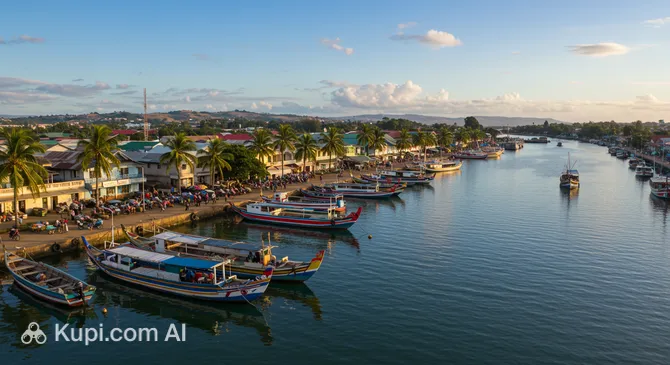
Toamasina, frequently referred to by its colonial name Tamatave, is the bustling economic heart of the east coast of Madagascar. As the country's primary seaport, this vibrant city serves as a crucial gateway for trade and travel, offering a lively mix of cultures and a distinct urban energy. With a population of approximately 300,000 residents, it stands as the second-largest city in the nation, situated in the lush Atsinanana Region along the Indian Ocean.

Toamasina. Source: Kupi.Binoculars

The city is characterized by its humid tropical climate and wide, palm-lined avenues that offer plenty of shade for pedestrians. Delving into the history of Toamasina reveals a fascinating blend of indigenous heritage and colonial influence, which is still visible in the charming, albeit weathering, French architecture scattered throughout the center. The streets are constantly alive with the movement of colorful pousse-pousse (rickshaws), which remain the most popular and iconic way to navigate the town.

Visitors will find plenty to explore, starting with the famous Bazary Be, a sprawling market where the air is thick with the scent of exotic spices like vanilla and cloves. For a breath of fresh air, the seaside promenade provides a scenic spot for a stroll, while nature lovers can easily access the nearby Ivoloina Zoological Park to see lemurs in their natural habitat. Whether you are embarking on a journey down the Pangalanes Canal or simply soaking up the coastal atmosphere, Toamasina is an inviting destination full of character.

Weather Overview

Toamasina experiences a humid tropical climate characterized by consistent warmth and frequent rainfall throughout the year. Due to its coastal location in the Atsinanana Region, the air remains moist, and travelers should be prepared for showers regardless of the season. To help plan your activities and packing list, it is helpful to consult the current weather in Toamasina before your trip.

The temperatures are generally pleasant, with the warmest months being December through March, where average temperatures hover around 26°C and daily highs can reach nearly 29°C. The cooler period spans from June to September, with averages dropping to approximately 20°C and nighttime lows occasionally dipping to around 17.5°C. Rainfall is a constant companion in this region; even in the drier months like October and November, you can expect about 20 wet days, while March sees rain on up to 28 days of the month.

Interesting Facts

Beyond its reputation as a major port, Toamasina hides intriguing details about its past and local culture that often escape the casual observer.
  • The city's name is steeped in royal legend. It is widely believed that when King Radama I first visited the coast in the 19th century, he tasted the seawater and exclaimed, "Toa masina!" which translates to "It is salty." This spontaneous remark allegedly replaced the area's former name and has stuck ever since.

  • Toamasina is the undisputed "Lychee Capital" of Madagascar. Every November and December, the city transforms into a frenetic hub of activity as thousands of tons of the pink fruit are harvested and packed here, destined to become a festive treat on European tables during the winter holidays.

  • Unlike the winding, hilly streets found in many Malagasy highland cities, Toamasina features a distinct colonial grid layout. The wide, perpendicular avenues were intentionally designed by French engineers to maximize airflow and provide relief from the intense coastal humidity.

  • The city serves as the crucial northern terminus of the Canal des Pangalanes, one of the longest man-made waterway systems in the world. Stretching over 600 kilometers south, this "aquatic highway" functions like a road for locals, where pirogues and barges replace trucks and buses.

How to Get There

Reaching Toamasina is relatively straightforward, as the city serves as a major transportation hub for the east coast. Whether you are arriving directly by air or traveling overland from the capital, there are several options to suit different itineraries. For a comprehensive guide on planning your journey, you can read more about how to get to Toamasina.

The most convenient entry point is the local Tamatave airport (IATA: TMM), which is situated just 7.1 km from the city center. This proximity allows for a quick transfer, with a taxi or bus ride taking approximately 30 minutes. It handles a significant number of domestic flights, making it a "Medium" sized hub in terms of passenger traffic. Alternatively, many international visitors fly into Antananarivo Airport (IATA: TNR), located in the capital city of Antananarivo. This large international airport is about 212 km away from Toamasina in a straight line, but the actual overland distance is approximately 350 km. From there, travelers can take a taxi or bus to the coast; due to the winding roads, the journey typically takes around 6 hours, offering scenic views of the highlands descending into the tropical east.

For clarity, here is a summary of the main airports:

Airport Name City Passenger Traffic Km from City
Antananarivo Airport Antananarivo Large 212.0
Tamatave Toamasina Medium 7.1
Sainte Marie Sainte Marie Small 128.1

Main Attractions

While the city serves as an economic hub, it also boasts several captivating sites that highlight the region's natural beauty and cultural heritage. From bustling markets to serene nature reserves, the main attractions offer a glimpse into the daily life and ecological richness of the east coast.

For nature enthusiasts, the Ivoloina Zoological Park is an unmissable stop located roughly 12 kilometers from the city center. This combined botanical garden and zoo offers a chance to see several species of lemurs, chameleons, and endemic frogs up close. Unlike a traditional zoo, the park focuses on conservation and education, with trails winding through lush vegetation that showcase the rich biodiversity of Madagascar. It is an excellent spot for a day trip, allowing visitors to explore the rainforest environment in a manageable setting.

To truly experience the local rhythm, a visit to Bazary Be is essential. As the city's main market, it is a sensory explosion of colors and scents, where vendors sell everything from exotic fruits and woven handicrafts to the region's famous spices. It is the perfect place to purchase high-quality vanilla, cloves, and cinnamon directly from the source while observing the daily life of the residents. The market's architecture and vibrant atmosphere make it a photographer's delight and a cultural landmark.

In the heart of the city lies Place Bien-Aimé, a historic square that captures the laid-back atmosphere of the coast. The plaza is renowned for its magnificent, century-old banyan trees, whose massive aerial roots and sprawling canopies provide a shaded sanctuary from the tropical sun. It is a favorite spot for locals to gather and offers a picturesque setting for a leisurely walk, surrounded by colonial-era buildings that tell the story of the city's past.

The Seafront, often referred to as the Bord de Mer, serves as the social living room of Toamasina, especially in the late afternoon and evening. Lined with coconut palms and facing the Indian Ocean, this promenade is ideal for a relaxing stroll to enjoy the cooling breeze. While swimming is generally not recommended here due to the proximity of the port, the area is lively with street food vendors selling fresh coconut water and local snacks, making it a great spot to soak up the coastal vibe.

Local Cuisine

The culinary landscape of Toamasina is a vibrant reflection of its history as a major port city, offering a delicious fusion of traditional Malagasy flavors with distinct Chinese, Indian, and French influences. Rice remains the staple of every meal, but in this coastal hub, it is often accompanied by rich sauces and fresh ingredients that highlight the region's agricultural abundance. The local food scene is casual and accessible, ranging from bustling street stalls to laid-back seaside eateries known as "hotelys."

Being situated on the Indian Ocean, Toamasina is a paradise for seafood lovers. You should definitely try the fresh lobster or camarons (large river prawns), which are often grilled or prepared in a sauce flavored with local vanilla or coconut milk. Due to the significant Asian community in the city, one of the most popular comfort foods is Soupe Chinoise. This hearty noodle soup, filled with vegetables and meat or seafood, has become a beloved local breakfast or dinner staple that rivals traditional Malagasy dishes in popularity.

Street food plays a massive role in the daily life of the city, especially in the late afternoon. As you walk through the streets, you will encounter vendors frying various types of Mofo (fritters). Be sure to taste Mofo Anana, savory fritters made with bread dough and leafy greens, or Mofo Akondro, a sweet banana batter treat. In the evenings, the aroma of Masikita (grilled beef kebabs) fills the air, serving as a popular snack for locals socializing along the seafront.

When it comes to beverages, the region's tropical fruits take center stage. Fresh coconut water is widely available, particularly along the Bord de Mer. For something uniquely Malagasy, try Ranonapango (also known as Ranovola), a golden-brown drink made by boiling water with the toasted rice stuck to the bottom of the cooking pot. If you are looking for an alcoholic option, the local Rum Arrangé is a must-try; this artisanal rum is infused with exotic flavors like lychee, cinnamon, or ginger, perfectly capturing the essence of the "Spice Island."

Travel Tips

Visiting Toamasina offers a genuine immersion into the vibrant life of Madagascar's east coast, but navigating its bustling streets and tropical climate requires a bit of local know-how. To help you make the most of your stay in this energetic port city, here are some practical tips to keep in mind.

  1. Prepare for Tropical Showers. Toamasina is one of the wettest cities in the country, and rain can occur even during the so-called dry season. Pack lightweight, breathable clothing that dries quickly, and always carry a sturdy umbrella or a rain poncho. Waterproof shoes or sandals are also highly recommended for navigating wet streets.

  2. Navigate via Rickshaw or Tuk-Tuk. The most common way to get around is by pousse-pousse (man-powered rickshaw) or the faster motorized tuk-tuks (locally called "bajaj"). Public buses exist but can be confusing for newcomers. Crucially, you must negotiate and agree on the fare before you get into the vehicle, as meters are non-existent.

  3. Cash is King. While some high-end hotels and supermarkets accept credit cards (mostly Visa), cash is essential for daily life, including markets, transport, and restaurants. The currency is the Malagasy Ariary (MGA). ATMs are available in the city center, but they can occasionally run out of cash or reject international cards, so it is wise to keep a reserve of cash.

  4. Health Precautions. Toamasina is in a malaria zone, so bringing effective mosquito repellent and sleeping under a mosquito net is vital. Never drink tap water; stick to sealed bottled water (like Eau Vive) for drinking and brushing your teeth. Pharmacies are well-stocked, and there is usually a "Pharmacie de Garde" (on-duty pharmacy) open for emergencies at night.

  5. Language Basics. French is the administrative language and is widely understood in businesses and tourism. English is not commonly spoken outside of major hotels. Learning a few words of Malagasy, such as Salama (Hello) and Misaotra (Thank you), will be warmly received by the locals and can help break the ice.

  6. Embrace "Mora Mora". The local philosophy is mora mora, which translates to "slowly, slowly." Service in restaurants and shops may take longer than you are used to. Do not get impatient or show anger; instead, relax and embrace the unhurried pace of coastal life.

  7. Respect Photography Rules. Avoid taking photos of strangers, especially in the markets, without asking for permission first. Some locals may find it intrusive or believe it brings bad luck. Additionally, never take photos of military or police installations, as this is strictly prohibited.

  8. Siesta Time. Be aware that many smaller shops and businesses close for a midday break, typically between 12:00 PM and 2:00 PM, to escape the peak heat. Plan your shopping or administrative errands for the morning or late afternoon.

By keeping these practicalities in mind, you will be well-equipped to navigate the lively avenues of Toamasina with confidence. Embracing the local rhythm and being prepared for the elements will ensure your visit to this fascinating coastal hub is both comfortable and memorable.

Entertainment & Nightlife

Entertainment in Toamasina shifts gears as the sun sets, transforming the city from a busy trade hub into a lively playground for locals and visitors alike. The nightlife here is less about polished exclusivity and more about vibrant, open-air energy, reflecting the warm hospitality of the east coast. The atmosphere is generally relaxed and unpretentious, with a mix of Malagasy rhythms, international pop, and the chatter of friends gathering after a long day.

The epicenter of evening activity is undoubtedly the Seafront (Bord de Mer). As darkness falls, this promenade lights up with food stalls and small kiosks serving cold drinks and skewers. It is the perfect place to start the night, enjoying the ocean breeze while mingling with the crowd. For a more intense party vibe, the area around Boulevard Joffre and the city center hosts several popular venues. Establishments like Taxi-Be are legendary in the region, known for their loud music, energetic crowds, and late-night dancing that often spills out onto the terraces.

For those seeking a sit-down drink or a meal that transitions into a party, places like Le Piment Banane offer a blend of restaurant service and bar atmosphere. If you are looking to dance until dawn, the city has a few nightclubs, such as the Queen's Club, where DJs spin a mix of Western hits and local Salegy music. The dress code in Toamasina is predominantly casual; shorts and light shirts are acceptable in most bars, though you might want to dress up slightly more for the nightclubs. Venues typically start filling up around 9:00 PM or 10:00 PM and stay open well into the early morning hours.

Safety and logistics are important considerations for a night out. While the main avenues are generally bustling, it is not advisable to walk alone on poorly lit streets after dark. The best way to get around is by using the ubiquitous tuk-tuks (locally known as bajaj), which are affordable and plentiful. Always agree on the price before hopping in. Prices for drinks and entry fees are generally very reasonable compared to the capital, making it easy to enjoy a full night out without breaking the bank.

During the day, entertainment in Toamasina takes on a slower pace. While the city lacks large amusement parks, it offers cultural experiences such as the Regional Museum (Musée Régional), which houses artifacts related to local history and crafts. For a relaxing afternoon, many tourists head to the beaches north of the city or take a boat to the nearby Prune Island (Île aux Prunes) for swimming and snorkeling, as the waters directly in front of the city port are not suitable for swimming.

Parks & Museums

While Toamasina is primarily known for its maritime hustle, the city and its surroundings offer refreshing pockets of greenery and cultural repositories that allow visitors to step back from the busy port atmosphere. From century-old trees providing respite in the city center to educational spaces preserving the region's heritage, there are several spots where nature and history take center stage.

For a true immersion in the region's biodiversity, Parc Ivoloina is the premier destination. Located just north of the city, this combined zoological park and botanical garden is much more than a zoo; it is a conservation center dedicated to protecting Madagascar's unique flora and fauna. Visitors can hike along well-maintained trails that wind through lush rainforest, spotting free-roaming lemurs and rare chameleons. The park also features a forestry station and an environmental education center, making it a fascinating stop for those interested in the ecological efforts to save the island's endangered species.

In the heart of the city, Place Bien-Aimé serves as a serene urban oasis. This historic square is famous for its majestic banyan trees, whose massive, tangled aerial roots and sprawling canopies create a natural cathedral of shade. It is a favorite relaxation spot for locals and offers a peaceful environment for a midday break. The park is surrounded by colonial-era mansions, providing a picturesque setting that blends nature with the architectural history of the town.

For a day trip combining nature and history, Île aux Prunes (Plum Island) is a must-visit natural area located about 10 nautical miles off the coast. The island is an uninhabited nature reserve covered in dense tropical vegetation and is home to a large colony of flying foxes (fruit bats). It also features the tallest lighthouse in Africa, a towering structure built in the 1930s. The surrounding lagoon offers excellent snorkeling opportunities, allowing tourists to explore the underwater marine life in a protected environment.

On the cultural front, the Musée Régional de Toamasina (Regional Museum) is the city's primary institution for history and ethnography. Housed in a colonial building, the museum offers a modest but insightful collection of artifacts that trace the history of the Betsimisaraka people and the region's colonial past. Exhibits include traditional musical instruments, royal relics, and displays on the agricultural history of vanilla and cloves. It provides valuable context for understanding the cultural mosaic that defines the east coast.

Although not a traditional museum, the Gare de Tamatave (Old Railway Station) stands as a significant architectural monument that functions as an open-air gallery of the city's colonial heritage. The station, with its distinctive early 20th-century design, marks the end of the line for the famous Micheline train from the capital. Exploring the station and the nearby Boulevard Joffre allows visitors to appreciate the "living museum" aspect of Toamasina, where crumbling yet beautiful French colonial structures tell the story of the city's development as a major Indian Ocean port.

For an authentic local experience, take a quiet walk near the entrance of the Pangalanes Canal river port. Watching the pirogues (traditional dugout canoes) loaded with charcoal, fruits, and building materials arrive from the interior offers a raw and unscripted look at the traditional riverine culture that has sustained this region for centuries.

Getting Around

Navigating Toamasina is a unique experience that differs significantly from typical Western public transport systems. The city does not have a metro, tram, or large municipal bus network. Instead, the streets are dominated by a vibrant, informal ecosystem of small vehicles that provide door-to-door service. The flat terrain and grid layout of the city center make it relatively easy to get around, but due to the tropical heat, most visitors prefer using the readily available local transport options.

The most iconic mode of transport in the city is the pousse-pousse (man-powered rickshaw). These colorful, two-wheeled carts are everywhere and serve as the primary way for locals and tourists to travel short distances. Each vehicle is often personalized with bright paintings and slogans. It is a leisurely way to see the city, allowing you to take in the sights at a slow pace while protected from the sun or rain by a folding canopy. They are available on nearly every street corner; you do not need to look for a stop, as a simple wave will summon one.

For those seeking a faster journey, motorized three-wheelers known locally as Bajaj or tuk-tuks have become increasingly popular. These agile vehicles zip through traffic more efficiently than the manual rickshaws and are ideal for medium-length trips across town. They offer a breezy ride and are generally more comfortable than the pousse-pousse, especially for longer distances. Like the rickshaws, they function as private taxis rather than shared transport, taking you exactly where you need to go.

For a truly local experience, you can try the Taxi-Be, which are large minibuses that operate on fixed routes. These serve as the mass transit system for residents commuting from the suburbs to the city center. They are incredibly cheap but can be crowded and confusing for visitors, as there are no official maps or schedules. A "receveur" (conductor) hangs out the side door shouting the destination. If you choose to use one, it is best to ask a local which line to take and simply tell the conductor your stop.

The payment system across all these modes of transport is strictly cash-based. There are no travel cards, mobile apps, or electronic passes. The local currency, the Ariary, is the only accepted form of payment. For Taxi-Be, you pay the conductor during the ride. For pousse-pousse and tuk-tuks, the golden rule is to negotiate and agree on the fare before you enter the vehicle. Prices are generally very affordable, but fares can vary depending on the distance, the time of day (night rates are higher), and your bargaining skills.

Standard car taxis are also available, though they are less common than in the capital. They are typically found parked near major hotels, the airport, or popular nightclubs. Like the smaller transport options, they do not usually have meters, so a pre-agreed price is essential. They are the preferred option for traveling late at night or when carrying heavy luggage to and from the airport.

Walking is a viable alternative for exploring the compact city center, particularly along the seafront or the main avenues like Boulevard Joffre. However, be mindful of the midday heat. Since the city is quite flat, some guesthouses and hotels may offer bicycle rentals, which are a fantastic way to explore the grid-patterned streets at your own pace. Just be aware that traffic can be chaotic, with rickshaws, tuk-tuks, and pedestrians sharing the road.

Accommodation

Accommodation in Toamasina caters to a wide spectrum of travelers, reflecting its dual role as a busy industrial port and a coastal holiday destination. The city offers everything from budget-friendly guesthouses and backpacker hostels to mid-range business hotels and a few upscale establishments. Because the city receives a steady flow of business travelers and expatriates, the standard of service in the better hotels is generally reliable, often featuring amenities like air conditioning, Wi-Fi, and swimming pools, which are essential for coping with the tropical heat.

The most popular area for tourists to stay is along the Seafront (Bord de Mer), particularly near Boulevard des Ratsimilaho. Staying here offers the advantage of ocean views and cooling sea breezes, while placing you within walking distance of the evening street food scene and the main promenade. Another convenient option is the city center, especially around Boulevard Joffre and the market district. Hotels in this area are often housed in older, colonial-style buildings that provide easy access to shops, banks, and restaurants, though they can be a bit noisier during the day due to the bustling street traffic.

For those seeking a more resort-like experience, there are several establishments located slightly further from the commercial center, offering lush gardens and a quieter atmosphere. While the city does not have massive all-inclusive resorts typical of the Caribbean, you will find comfortable hotels that blend modern facilities with Malagasy hospitality. Travelers on a budget will find numerous "bungalows" or smaller hotels scattered throughout the residential neighborhoods, offering basic but clean rooms at very affordable rates.

Booking Tips: It is highly recommended to book your accommodation in advance if you plan to visit during November and December. This period coincides with the lychee harvest season and the summer holidays, causing the city to fill up with traders and vacationing families. During these peak months, finding a room on arrival can be difficult, and prices may rise significantly.

In terms of pricing, Toamasina is generally reasonable. Budget options can be found for as little as 40,000 to 80,000 MGA per night, while mid-range hotels typically charge between 100,000 and 200,000 MGA. High-end establishments may price their rooms in Euros or Dollars, ranging from €50 to €100 or more. While major hotels usually accept international credit cards, smaller guesthouses and bungalows almost exclusively require cash payment in local currency. Online booking platforms work for the larger hotels, but for smaller local spots, calling directly or arranging a stay through a local contact is often the most effective method.

Nearby Cities

For those looking to explore the surroundings, Toamasina serves as an excellent base for day trips to several interesting nearby locations that showcase the diversity of the east coast.

One of the most appealing destinations on the coast is Mahambo, located approximately 76 kilometers north of Toamasina. This charming village is often overshadowed by the more crowded resorts closer to the city, making it a perfect retreat for travelers seeking tranquility. Mahambo is renowned for its lush vegetation that grows right up to the shoreline and its magnificent lagoon, which offers safe swimming. It is also one of the few places on the east coast with reliable surf breaks, attracting surfers from around the world. The laid-back atmosphere here provides a stark contrast to the bustle of the main port.

Further north lies Fenoarivo Atsinanana, also known by its French name Fénérive Est. As the capital of the Analanjirofo region, this town is the heart of Madagascar's clove and spice production. The air here is often perfumed with the scent of drying cloves, especially during the harvest season. Visitors can explore the town's colonial history, bustling markets, and the nearby "Legend of the Whale" historical sites. It offers a deeper dive into the agricultural and cultural heritage of the Betsimisaraka people, making it a fascinating educational stop.

For those heading inland or south, Ampasimanolotra (commonly known as Brickaville) offers a different perspective. Situated along the Rianila River, it is famous for its massive railway and road bridge, a feat of colonial engineering. The town serves as a hub for the sugar cane industry, and the surrounding landscape is dominated by vast green plantations. It is a key stop for witnessing the riverine commerce that defines much of the transport in this water-rich region.

City Population Distance (km)
Fenoarivo Atsinanana 41,734 88
Vavatenina 35,750 80
Didy 33,039 80
Ampasimanolotra 27,865 79
Mahambo 26,000 76

These nearby destinations offer a glimpse into the diverse culture and landscapes of the region, ranging from pristine beaches to historic spice towns.

Shopping & Souvenirs

Shopping in Toamasina offers a vibrant and authentic experience that reflects its status as Madagascar's bustling east coast hub. Unlike the polished retail environments found in some global capitals, the shopping scene here is dominated by lively open-air markets, colonial-era storefronts, and small boutiques. The city is a treasure trove for those seeking local spices, handcrafted goods, and tropical produce, providing a sensory journey through the region's rich agricultural and artisanal heritage.

Main Shopping Areas and Streets

The commercial heartbeat of the city is undoubtedly Boulevard Joffre. This wide, historic avenue runs through the center of town and is lined with a mix of banks, pharmacies, and various shops selling clothing, electronics, and general goods. Walking along this street allows you to soak in the colonial architecture while browsing for essentials or window-shopping at the local boutiques. Another key area is the bustling district surrounding the main market, where the streets are packed with vendors selling everything from textiles to household items.

Shopping Malls and Supermarkets

While Toamasina does not feature massive, Western-style mega-malls, it offers several modern shopping centers that cater to both locals and tourists. The most prominent are the large supermarkets such as Shoprite and Score. These establishments function as the city's modern retail anchors, offering imported groceries, toiletries, and sometimes clothing or beach gear. They are the best places to visit if you need fixed-price items, air-conditioned comfort, or specific international brands that are hard to find in the street markets.

Markets

No shopping trip to Toamasina is complete without visiting Bazary Be (Big Market). Located in the heart of the city, this sprawling market hall is the epicenter of local trade. Under its roof, you will find a dizzying array of stalls arranged in a grid, offering everything from fresh seafood and exotic fruits to woven handicrafts. It is the best place to observe the daily rhythm of the city and interact with local vendors. For a more gritty, local experience, Bazary Kely (Small Market) offers a denser, faster-paced environment focused heavily on food and daily necessities, though it is less tourist-oriented than its larger counterpart.

Souvenirs

Toamasina is one of the best places in the country to purchase spices. As the export hub for the east coast, the city is awash with high-quality vanilla beans, cloves, cinnamon, and pink peppercorns, often sold at a fraction of the price found abroad. Beyond spices, look for raffia products such as colorful hats, bags, and baskets, which are a specialty of the region. Hand-carved wooden items and Lamba (traditional Malagasy fabric) also make for excellent, lightweight gifts to bring home.

Opening Hours and Payment

Most shops and businesses operate from approximately 8:00 AM to 5:00 PM or 6:00 PM. It is important to note that many smaller independent shops and market stalls observe a "siesta" break, closing between 12:00 PM and 2:00 PM to avoid the peak midday heat. Supermarkets like Shoprite usually stay open throughout the day. Cash is king in Toamasina; while the major supermarkets and a few upscale hotels accept credit cards, the vast majority of shops, markets, and street vendors only accept the Malagasy Ariary (MGA). Ensure you have small denominations for easier transactions in the markets.

Tax-Free

Tax-free shopping or VAT refund schemes for tourists are generally not available or practical in Toamasina. Visitors should expect the listed price (or the negotiated price in markets) to be the final cost. Given the affordability of local goods, prices are typically very reasonable even without tax exemptions.
Reached the end of the page?

That means the route is fully explored