Support

Sainte Marie

About

Welcome to Sainte Marie, also known as Nosy Boraha, a captivating island destination that embodies the essence of a tropical paradise. Renowned for its lush vegetation, pristine lagoons, and tranquil atmosphere, this slender granite island offers a perfect escape for travelers seeking both relaxation and adventure. Located off the eastern coast of Madagascar, Sainte Marie is celebrated for its authentic charm and lack of mass tourism, allowing visitors to experience a truly serene environment.

The island is home to a friendly population of approximately 28,000 residents, contributing to its cozy, village-like vibe. While the history of Sainte Marie is famously linked to legends of pirates and buccaneers who once sought refuge in its sheltered bays, the modern island is a peaceful haven within the Analanjirofo Region. The climate here is typically tropical, ensuring warm weather that complements the stunning natural surroundings year-round.
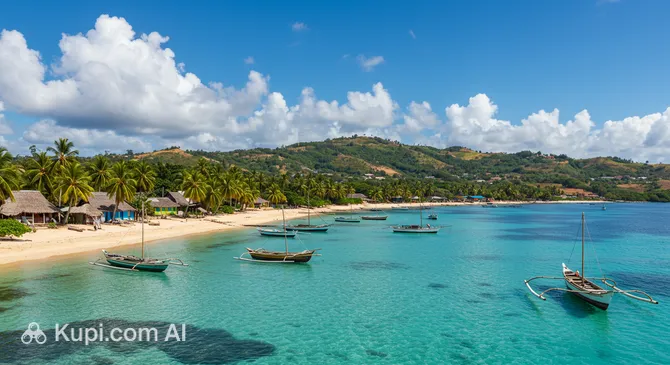
Sainte Marie. Source: Kupi.Binoculars

One of the island's most spectacular features is its status as a prime location for whale watching. Every year between July and September, majestic humpback whales migrate to the narrow channel separating the island from the mainland to breed and calve, providing an awe-inspiring natural show. Additionally, the mysterious Pirate Cemetery remains a unique attraction, offering a fascinating glimpse into the island's swashbuckling past amidst overgrown greenery.

Whether you are eager to dive into turquoise waters to explore vibrant coral reefs, hike through clove and vanilla plantations, or simply unwind on secluded white-sand beaches, Sainte Marie promises an unforgettable journey. It is a destination where time seems to slow down, inviting you to fully immerse yourself in the beauty and rhythm of island life.

Weather Overview

Sainte Marie enjoys a warm, tropical climate year-round, ensuring that visitors can experience pleasant conditions regardless of when they choose to travel. To help plan your activities and packing list, it is useful to review the detailed weather in Sainte Marie. The island typically maintains steady temperatures, avoiding extreme fluctuations, though humidity and precipitation are constant factors.

The warmest months are generally January and February, with average temperatures reaching approximately 26.6°C. The weather cools slightly during the austral winter, with July and August seeing averages dip to around 22.2°C. Rainfall is a very frequent occurrence on the island; travelers should expect rain on 20 to 28 days per month throughout the year, although the volume of precipitation is often light, peaking at just 15mm in March.

Interesting Facts

Beyond its renowned beaches and seasonal whales, Sainte Marie holds many fascinating secrets that reveal its unique place in maritime history. This slender island is not just a tropical retreat but a former stronghold of legends, where stories of royalty and rogues intertwine.
  • The Oldest Catholic Church: The town of Ambodifotatra is home to the very first Catholic church built in Madagascar. Completed in 1857, this historic structure features a cast-iron altar that was reportedly a personal gift from Empress Eugénie of France.

  • Sunken Pirate Treasures: The calm waters of the Baie des Forbans hide more than just coral reefs; they are the resting place of several authentic pirate shipwrecks. Marine archaeologists have identified remnants of vessels believed to belong to notorious captains, such as the Fiery Dragon, lying just a few meters beneath the surface.

  • A Royal Romance and Cession: Unlike the mainland, Sainte Marie became a French territory much earlier, in 1750. History tells of Queen Betia, the island's ruler, who ceded the island to France, allegedly influenced by her love affair with a French corporal named La Bigorne.

  • A Pirate Republic: At the height of the golden age of piracy, the island was a sanctuary for over a thousand pirates who lived in a settlement often associated with the legendary utopian republic of "Libertalia," where they created their own laws and society independent of any crown.

How to Get There

Reaching the tropical haven of Sainte Marie is an adventure in itself, typically involving a flight from the mainland or a boat crossing. As an island destination, it relies heavily on air and sea transport. For a comprehensive guide on planning your journey, you can read more about how to get to Sainte Marie and choose the option that best suits your itinerary.

The most direct way to arrive is by flying into the local Sainte Marie (SMS) airport. Located on the southern tip of the island, this small regional hub welcomes domestic flights, primarily from Antananarivo and Toamasina. The airport is situated approximately 24.1 km from the geographic center of the island. A transfer by taxi or hotel shuttle along the island's road typically takes around 56 minutes, offering travelers their first glimpse of the lush landscapes and coastline.

Another key gateway for the region is Tamatave (TMM), located in the city of Toamasina on the main island of Madagascar. It is approximately 145 km away from Sainte Marie. Since Tamatave is on the mainland, travelers arriving here usually continue their journey by bus to the port of Soanierana Ivongo, followed by a ferry crossing to the island. While it requires a transfer, Tamatave is a significant transport hub with higher passenger traffic.

For clarity, here is a summary of the main airports:

Airport Name City Passenger Traffic Km from City
Tamatave Toamasina Large 145.1
Sainte Marie Sainte Marie Small 24.1
Maroantsetra Maroantsetra Small 163.0

Sainte Marie does not have a railway station, and there is no rail network connecting the nearby coastal regions of the mainland. Visitors rely exclusively on air travel or the combination of road and ferry services to reach this secluded destination.

Main Attractions

Île aux Nattes (Nosy Nato) is arguably the jewel in the crown of this region. Located just off the southern tip of Sainte Marie, this tiny, car-free island is separated from the main landmass by a narrow channel of crystal-clear turquoise water. Visitors can reach it via a short pirogue ride, stepping onto powdery white sands that seem straight out of a postcard. It is the perfect spot for snorkeling, enjoying fresh seafood at beachside shacks, and hiking up to the old lighthouse for a panoramic view of the lagoon.

For a journey into the island's intriguing past, the Pirate Cemetery is a must-visit site located near the main town of Ambodifotatra. Set atop a hill overlooking the Baie des Forbans, this overgrown graveyard contains the crumbling tombstones of buccaneers, privateers, and pirates who once called the island home. The atmosphere is both eerie and enchanting, with moss-covered stones bearing classic symbols like the skull and crossbones. It offers a tangible connection to the legends of the 17th and 18th centuries.

On the rugged northern tip of the island, travelers will find the Natural Pools (Piscine Naturelle) of Ambodiatafana. Unlike the calm lagoons found elsewhere, this area features dramatic black basalt rock formations that protect a seawater pool from the crashing waves of the Indian Ocean. The contrast between the dark rocks, the deep blue sea, and the frothy white surf creates a stunning visual spectacle. It is also a site of cultural significance, considered sacred by the local population.

In the heart of the main town stands the Catholic Church of Ambodifotatra, a significant historical landmark. As the first permanent Catholic church built in Madagascar, constructed in 1857, it showcases impressive architecture with a distinctive red roof that stands out against the tropical greenery. Visitors can admire the cast-iron altar inside, a relic of the colonial era, and appreciate the building's role in the island's heritage.

Local Cuisine

Dining in Sainte Marie is a culinary journey defined by the ocean's bounty and the island's lush plantations. As you might expect from a tropical island, seafood takes center stage, often caught just hours before arriving on your plate. The culinary style here is a harmonious blend of traditional Malagasy flavors and French colonial influences, resulting in dishes that are both rustic and refined, perfect for food lovers looking for authentic tastes.

You simply cannot leave the island without trying the local sauce coco dishes. Whether it is fish, chicken, or crab, the main ingredient is simmered in rich, freshly squeezed coconut milk infused with local spices like vanilla and turmeric. Another highlight is the camaron (large prawns) or fresh lobster, which are widely available and surprisingly affordable compared to international standards. These are typically served with a generous portion of Vary (rice), the staple food that accompanies almost every Malagasy meal, often garnished with a spicy chili paste known as sakay for those who enjoy some heat.

When it comes to beverages, the island offers refreshing natural options and potent local concoctions. Coconut water is the ultimate thirst quencher, often drunk straight from the nut on the beach. For an alcoholic treat, Rhum Arrangé is a cultural icon. This is homemade rum infused with local ingredients such as vanilla beans, lychees, ginger, or cinnamon, left to macerate for months to achieve a smooth, sweet flavor. It is commonly served as a digestif after meals and is a source of pride for many local establishments.

The food culture in Sainte Marie is incredibly relaxed and unpretentious. While there are excellent restaurants within the hotels and resorts, many travelers find joy in the authentic atmosphere of small, family-run eateries known as hotelys. Here, you can enjoy hearty meals at a fraction of the price while mingling with residents. Beachside stalls also offer grilled snacks, allowing you to dine with your toes in the sand while watching the sunset over the lagoon, creating a truly memorable gastronomic experience.

Travel Tips

Planning a trip to Sainte Marie is exciting, but a few practical preparations can make your stay much more comfortable on this rustic island off the coast of Madagascar. These tips cover everything from packing essentials to navigating local customs, helping you travel like a pro.

  1. Clothing and Gear: Pack lightweight, breathable cotton or linen clothing for the tropical heat, but absolutely bring a raincoat or poncho, as rain showers are frequent year-round. Comfortable walking sandals are best for the roads, and reef shoes are essential for swimming near corals. If you plan to visit the historic church in Ambodifotatra, remember to dress modestly by covering your shoulders and knees.
  2. Transportation: There is no public metro or bus system; the primary way to get around the island is by tuk-tuk (motorized rickshaw) or by renting a scooter, quad bike, or bicycle. For the short trip to the neighboring Île aux Nattes, you will need to take a traditional pirogue (dugout canoe). Be prepared for bumpy, unpaved roads if you venture far from the main town.
  3. Finances: The local currency is the Malagasy Ariary (MGA), and cash is essential for daily transactions. ATMs are scarce, often unreliable, and mostly located in the main town of Ambodifotatra, so it is wise to bring sufficient cash or withdraw money upon arrival. Credit cards are typically accepted only at large hotels and upscale tourist establishments.
  4. Health and Safety: Mosquitoes are common, so bring a high-quality insect repellent and consider malaria prophylaxis after consulting a doctor. Always drink bottled or filtered water to avoid stomach issues. While there is a pharmacy in the main town, medical facilities are limited, making comprehensive travel insurance crucial. The island is safe, but standard precautions like watching your belongings apply.
  5. Communication: French is widely used in tourism, while Malagasy is the daily language of the locals; English is not commonly spoken outside of major resorts. Learning a few words like Salama (Hello) and Misaotra (Thank you) goes a long way. Wi-Fi can be slow, so purchasing a local SIM card (like Telma or Orange) in town is recommended for better connectivity.
  6. Local Etiquette: The island operates on mora mora (slowly, slowly) time, so patience is key in restaurants and service areas. It is polite to greet people when entering a shop or passing on the street. Be mindful of local fady (taboos), which might restrict access to certain sacred sites or cemeteries on specific days—always check with a guide.
  7. What to Avoid: Do not take photographs of locals, especially elders or children, without asking for their permission first. Avoid pointing your finger directly at tombs or sacred stones, as this is considered disrespectful; if you must indicate a direction, use an open hand.
  8. Additional Tip: Electricity supply can be intermittent, and street lighting is minimal in many areas. Pack a reliable power bank to keep your devices charged and a small flashlight or headlamp to navigate paths safely after sunset.

By keeping these practical tips in mind, you will be well-equipped to embrace the laid-back rhythm and natural beauty of Sainte Marie. Enjoy the warmth of the locals and the serene atmosphere of this unique tropical gem.

Entertainment & Nightlife

Entertainment and nightlife in Sainte Marie are a direct reflection of the island's "mora mora" (slowly, slowly) philosophy. Travelers seeking the pulsating energy of mega-clubs or neon-lit strips might be surprised, as the island offers a much more subdued and intimate experience. The nightlife here is rustic, friendly, and centered around socializing in open-air settings, enjoying the ocean breeze, and listening to the rhythms of Salegy or acoustic Malagasy music.

The epicenter of evening activity is undoubtedly the main town, Ambodifotatra, and the stretch of coast immediately to its south. This is where the highest concentration of bars and restaurants can be found. The atmosphere is incredibly casual; there is no strict dress code, and flip-flops are acceptable almost everywhere. Evenings usually start with a sunset drink at a beach bar and transition into long, leisurely dinners that may turn into dancing sessions if a live band is playing.

For a taste of the local vibe, La Bigorne in Ambodifotatra is a legendary institution on the island. It serves as a restaurant by day and a lively bar by night, often attracting a mix of expatriates, locals, and tourists who gather to share stories over cold beers or rum. Another popular venue is the bar at the Libertalia hotel, which frequently hosts evening entertainment and offers a stunning setting right by the water. These spots are less about high-tech sound systems and more about authentic connection and island hospitality.

Practicality is key when planning a night out here. Most venues close relatively early compared to international standards, often winding down around midnight or 1:00 AM, though weekends can stretch later. Prices are generally very affordable. Since the island's roads are poorly lit and tuk-tuks (the main form of transport) stop running late at night, it is crucial to arrange your return transport in advance. Many hotels can organize a private transfer for you, which is the safest option.

Safety in Sainte Marie is generally good, but the lack of street lighting means you should avoid walking long distances in the dark, especially outside the town center. Always carry a flashlight or headlamp. While the island is peaceful, sticking to populated areas or using vehicle transport at night is recommended to avoid accidents on the uneven roads or uncomfortable encounters.

Regarding daytime entertainment, Sainte Marie does not fit the mold of a typical city with shopping malls, cinemas, or large amusement parks. The "entertainment" is organic and outdoors. While there are no major theaters, the local markets in Ambodifotatra offer a bustling cultural spectacle that serves as the island's daily theater. For a touch of history, small cultural stops like the museum at the Ilot Madame provide brief but interesting diversions from the beach.

Parks & Museums

While Sainte Marie is primarily celebrated for its beaches and lagoons, the island also serves as a living gallery of natural wonders and historical intrigues. The destination does not boast the vast, manicured city parks or sprawling museum complexes found in major capitals. Instead, its "green spaces" are wild, lush forests and reserves, and its "museums" are intimate repositories of pirate lore and colonial history, often housed within the heritage sites themselves.

For those interested in the island's rich heritage, the Musée de l'Ilot Madame (Ilot Madame Museum) is the cultural centerpiece. Located on a small islet at the entrance to the Ambodifotatra harbor, this museum is housed in the former residence of the French District Chiefs. It offers a fascinating dive into the island's maritime past, displaying authentic artifacts recovered from pirate shipwrecks in the bay, including remnants believed to be from the Fiery Dragon. Visitors can also examine imposing whale skeletons and displays on traditional Malagasy royal history, making it an essential stop for understanding the unique identity of Nosy Boraha.

Adjacent to the museum area, history enthusiasts should explore the Vieux Fort (Old Fort). Built in the mid-18th century by the French East India Company, this stone fortification stands as a silent sentinel over the harbor. Although time has worn down its walls, the structure remains a powerful architectural landmark. Walking through the ruins offers a tangible connection to the era when European powers and pirates vied for control of these strategic waters. The site provides excellent views of the bay and is a quiet spot for reflection amidst the echoes of history.

Nature lovers looking for a structured encounter with local wildlife should visit Parc Endemika. This private reserve is a botanical and zoological haven where the flora and fauna of Madagascar are accessible and well-preserved. It is an excellent place to spot various species of chameleons, geckos, and occasionally lemurs without needing to trek deep into the wild. The park is beautifully landscaped with native orchids, traveler's palms, and medicinal plants, offering a condensed and educational experience of the island's biodiversity.

For a more rugged immersion in nature, the Ikalalao Forest is the island's primary green lung. Located in the interior, this protected forest features several hiking trails that wind through dense tropical vegetation. It is a sanctuary for three species of lemurs (including the mouse lemur), rare birds, and an abundance of orchids that bloom in the rainy season. The hike to the viewpoint offers a breathtaking panorama of the island's east and west coasts simultaneously, rewarding the effort with one of the best vistas in the region.

Insider Tip: For a truly authentic natural experience away from the trails, arrange a pirogue trip to the Ampanihy Bay mangroves on the east coast. Unlike a traditional park, this is a sprawling aquatic forest where the roots of mangrove trees create a labyrinth in emerald waters. Drifting silently through these channels offers a serene and almost mystical connection with nature that few other sites can match.

Getting Around

Navigating Sainte Marie is a refreshing departure from the complex transit networks of major metropolitan cities. Travelers should adjust their expectations immediately: there are no subways, trams, or large municipal bus fleets operating here. The public transport system is informal, rustic, and predominantly road-based, relying on smaller vehicles that are better suited to the island's narrow and often uneven infrastructure. The single main road that runs from north to south serves as the primary artery for all movement.

The undisputed king of transport on the island is the tuk-tuk, locally often referred to as a "bajaj." These three-wheeled motorized rickshaws are versatile, affordable, and ubiquitous, especially around the main town of Ambodifotatra and the airport. They function as the de facto taxi service, capable of carrying two to three passengers. You can easily hail them from the roadside in populated areas. For longer journeys across the island, shared minibuses (taxi-brousses) do exist, but they run on irregular schedules and are generally less comfortable and less convenient for tourists than the private hire options.

Payment for transport is exclusively cash-based. There are no travel cards, mobile apps, or electronic ticketing machines. You must carry small denominations of the local currency, as drivers rarely have change for large bills. Fares are not metered; instead, there are generally accepted standard rates for specific distances (e.g., from the airport to town). However, for tourists, prices can be fluid. It is absolutely essential to negotiate and agree on the fare with the driver before you step into the vehicle or load your luggage to avoid misunderstandings upon arrival.

For those seeking independence, renting a vehicle is a highly popular alternative. Scooters and quad bikes are the preferred mode of transport for many visitors, allowing you to explore the hidden beaches and interior trails at your own pace. Rental shops are common in Ambodifotatra and at many hotels. Bicycles are also available and are a wonderful eco-friendly option for exploring the flatter coastal stretches, though the tropical heat and occasional hills can make this physically demanding.

A unique and essential form of "public transport" in this region is the traditional pirogue (dugout canoe). Since the idyllic Île aux Nattes (Nosy Nato) is separated from the southern tip of Sainte Marie by a channel, these small boats act as a ferry service. The crossing is short but requires a transfer to these wooden vessels. It is a charming, if slightly unstable, experience that connects you directly to the water-based lifestyle of the locals.

Practical advice for using transport here revolves around timing and safety. Tuk-tuks and taxis are plentiful during the day but become scarce after dark. If you plan to dine out late, arrange your return trip with a driver in advance or ask the restaurant to call one for you. Additionally, road conditions can be poor, with potholes and unpaved sections, so travel times are often longer than the distance suggests. Always prioritize safety over speed, especially if you are driving a rented scooter.

Accommodation

Accommodation in Sainte Marie is defined by its charm and integration with nature rather than massive concrete developments. The island primarily offers intimate, small-scale lodging options that range from simple backpacker bungalows to sophisticated eco-lodges. High-rise international chain hotels are virtually non-existent here; instead, visitors can expect to stay in thatched-roof villas, beachfront cottages, or boutique hotels that emphasize tranquility and authentic Malagasy hospitality.

When choosing where to stay, location plays a significant role in the type of experience you will have. The southern tip of the island, particularly the area facing the channel and near the airport, is the most popular zone for tourists. It offers easy access to the stunning beaches of Île aux Nattes and a high concentration of resorts. For those prioritizing convenience and access to shops, banks, and markets, the main town of Ambodifotatra and its immediate surroundings on the west coast provide practical mid-range options. Conversely, the east coast is wilder and more secluded, perfect for travelers seeking complete isolation amidst lush vegetation and crashing waves.

The price range for accommodation caters to a wide variety of budgets. Budget travelers can find basic wooden bungalows with shared facilities or simple private rooms for very affordable rates, often just steps from the ocean. Mid-range options typically include air conditioning (or good fans), private bathrooms, and often a swimming pool. The luxury segment in Sainte Marie is characterized by "barefoot luxury"—exclusive resorts offering high-end amenities, gourmet dining, and spa services, but with a rustic, eco-conscious aesthetic.

Booking in advance is highly recommended, especially if you plan to visit during the whale-watching season (July to September). During these months, the best hotels fill up quickly as tourists flock to the island to witness the migration. While many establishments are listed on major online booking platforms, some smaller, family-run guesthouses may still rely on direct email or phone reservations. It is also wise to check if your chosen accommodation accepts credit cards, as many smaller places may strictly require cash payment in local currency.

Nearby Cities

Nearby Cities:

For those looking to explore the surroundings, Sainte Marie serves as an excellent base for day trips or short excursions to several interesting nearby locations. While the island itself is a secluded paradise, the adjacent mainland of the Analanjirofo region offers vibrant towns and unique natural attractions that are well worth the journey across the channel.

City Population Distance (km)
Saranambana 47,000 88
Fenoarivo Atsinanana 41,734 76
Mananara Nord 35,148 82
Ambodimanga II 33,000 70
Antsiatsiaka 27,000 75

One of the most prominent destinations nearby is Fenoarivo Atsinanana, often referred to as Fenerive Est. As the capital of the Analanjirofo region, it is a bustling hub known for its rich agricultural heritage, particularly the production of cloves and lychees. Visitors can explore its lively markets, admire the remnants of colonial architecture, or relax on its sweeping beaches, which offer a different atmosphere from the secluded coves of Sainte Marie.

Further along the coast lies Mananara Nord, a haven for nature enthusiasts. This town is the gateway to the Mananara Nord National Park, a UNESCO Biosphere Reserve that encompasses both terrestrial rainforests and a protected marine park. It is one of the best places to witness Madagascar's incredible biodiversity, including the elusive aye-aye lemur and vibrant coral reefs, making it a compelling spot for eco-tourism adventures.

These nearby destinations offer a glimpse into the diverse culture and landscapes of the region, providing a perfect complement to the island life of Sainte Marie.

Shopping & Souvenirs

Shopping in Sainte Marie is a delightful, low-key experience that centers on authenticity rather than luxury. Visitors should not expect sprawling shopping centers or designer boutiques; instead, the island offers a chance to engage directly with local artisans and farmers. The shopping scene here is vibrant, colorful, and deeply connected to the island's agricultural roots, making it the perfect place to find unique, handmade treasures and some of the world's finest spices.

The main hub for all commercial activity is the town of Ambodifotatra. There are no designated "shopping districts" in the modern sense, but the town's main street, which runs parallel to the harbor, is lined with various small shops, boutiques, and stalls. A stroll down this road allows you to browse through local grocery stores, souvenir stands, and textile shops while soaking in the lively atmosphere of the island's capital.

Travelers looking for large shopping malls will not find them on Sainte Marie. The retail landscape is defined by small, family-owned businesses and independent "superettes" that stock imported goods, food, and basic travel essentials. For general supplies, these smaller supermarkets in Ambodifotatra are your best bet, but they are far removed from the mega-malls found in larger cities on the mainland or abroad.

The cultural heartbeat of the island's commerce is undoubtedly the Ambodifotatra Market. Located near the southern entrance of the town, this bustling open-air market is a sensory explosion of sights and smells. Here, locals trade everything from freshly caught fish and tropical fruits to woven baskets. It is the best place to mingle with residents and observe daily life. Tuesdays and Thursdays are often the busiest market days, offering the widest selection of goods.

When it comes to souvenirs, Sainte Marie is a treasure trove for spice lovers. The island is famous for its high-quality vanilla, which can be purchased in bundles of pods or as extract at a fraction of the price found in Europe or North America. Other must-buy items include fresh cloves, cinnamon, and pink peppercorns. For non-edible gifts, look for beautifully woven raffia products like hats, bags, and mats, or pick up a bottle of locally produced Rhum Arrangé (infused rum) to bring a taste of the tropics home.

Store hours on the island typically reflect the relaxed "mora mora" lifestyle. Most shops open around 8:00 AM and close by 5:00 PM or 6:00 PM. It is important to note that many smaller businesses close for a long lunch break (siesta) between 12:00 PM and 2:00 PM. Sunday is generally a quiet day with many shops remaining closed.

Cash is absolutely essential for shopping in Sainte Marie. While a few high-end hotels might accept credit cards, virtually all market stalls, souvenir shops, and local grocery stores operate exclusively with the Malagasy Ariary. Tax-free shopping or VAT refund schemes are not available on the island, so the price you see (or negotiate) is the final price you pay.

Reached the end of the page?

That means the route is fully explored