Support

Sambava

About

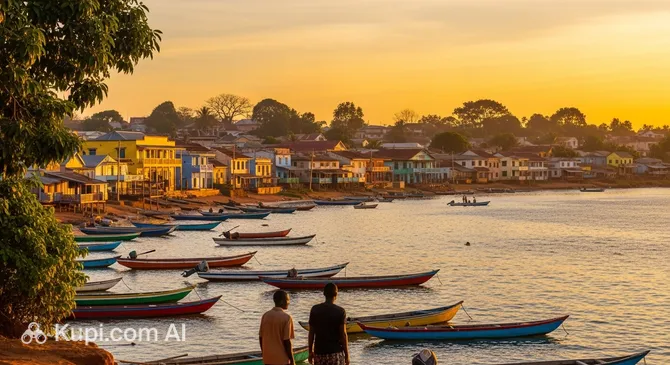
Sambava. Source: Kupi.Binoculars

Welcome to Sambava, a captivating city located on the northeastern coast of Madagascar. As the thriving capital of the SAVA region, this coastal gem is renowned worldwide for its production of high-quality vanilla, earning it the well-deserved nickname "The Vanilla Capital of the World." With a population of approximately 84,000 residents, Sambava balances the energy of a bustling regional hub with the relaxed atmosphere of a tropical seaside town, making it an essential stop for travelers exploring the island's lush east coast.

The city sits where rivers meet the Indian Ocean, creating a landscape defined by endless sandy beaches and extensive coconut groves. The climate here is tropical and humid, fostering the rich vegetation that surrounds the urban area. While the city is modernizing, it retains a deep connection to the land. Visitors interested in how this agricultural powerhouse evolved over time can delve into the history of Sambava to learn about its rise as a vital center for the spice trade and cultivation.

Beyond the aromatic allure of its vanilla plantations, Sambava serves as the perfect gateway to some of the country's most impressive natural wonders. It is an ideal base for excursions to the nearby Marojejy National Park, a UNESCO World Heritage site known for its rugged rainforests and unique biodiversity, including the rare silky sifaka lemur. Whether you are strolling along the scenic beachfront, touring a local spice farm, or preparing for a trek into the mountains, Sambava offers a warm and flavorful welcome to every guest.

Weather Overview

The climate in this coastal region is tropical, ensuring warm and humid conditions throughout the year. Due to its location near the rainforests and the ocean, the city remains lush and green, fed by consistent moisture. Travelers should generally expect warm days with frequent chances of rain, though the intensity and frequency vary by season.

Temperatures are quite stable, with the hottest period occurring between December and February, where daily highs often reach nearly 30°C. The cooler months, spanning from June to August, offer mild and comfortable weather with average temperatures around 22°C and nighttime lows dipping to approximately 19°C.

Rainfall is a significant part of the local weather pattern. The beginning of the year is particularly wet; January and March can see rain on up to 29 days a month, requiring good rain gear for any visit. In contrast, October tends to be the driest month, with fewer rainy days, making it a popular time for hiking and beach activities. To help choose the best dates for your journey, you can view the detailed forecast for the weather in Sambava.

Interesting Facts

Beyond the lush landscapes and aromatic air, Sambava holds several intriguing details that define its local character. Here are a few unique facts that highlight the city's distinct identity and agricultural heritage.

  • The name Sambava is derived from the Malagasy word "Sahambavany," which translates to "the mouth of the river." This title perfectly describes the city's geography, as it sits precisely at the confluence where three rivers merge before flowing into the Indian Ocean.

  • While vanilla is the star crop, the city is also home to Soavoanio, one of the largest industrial coconut plantations in the world. Stretching for nearly 50 kilometers along the coast, this massive estate contains thousands of trees and is a crucial part of the local economy alongside spice cultivation.

  • Sambava represents the "S" in the SAVA region, an acronym formed by the names of the four main cities: Sambava, Antalaha, Vohémar, and Andapa. This area, often called the "Green Triangle," is globally significant as it produces the vast majority of the world's natural vanilla supply.

How to Get There

Reaching the heart of the SAVA region requires some planning, but the journey offers a chance to experience the unique geography of northern Madagascar. The most direct and convenient entry point is Sambava Airport (SVB), located just a short distance from the town center. This regional airport typically handles domestic flights connecting to the capital and other major towns, serving as the primary gateway for those visiting the vanilla coast. For a detailed look at all available transport options and routes, you can read more about how to get to Sambava in our comprehensive guide.

For travelers exploring the wider northern provinces, arrivals often take place at larger transport hubs in neighboring regions. One significant international gateway is Fascene Airport (NOS), situated in the popular tourist destination of Nosy Be. Although it is a major entry point, it lies approximately 227 km from Sambava. Traveling by land from this airport involves a lengthy journey across the island's diverse terrain, so many visitors opt for connecting flights if available.

Another key hub in the north is Antsiranana Arrachart Airport (DIE), found in the city of Antsiranana. Located roughly 233 km away, this airport handles a considerable volume of traffic. A road transfer from here to the SAVA region offers a scenic route through changing landscapes, though it requires significant travel time due to the distances involved.

Below is a summary of other airports in the broader region that may serve as alternative transit points:

Airport Name City Passenger Traffic Km from City
Fascene Airport Nosy Be High 226.7
Antsiranana Arrachart Airport Antsiranana Medium 232.9
Maroantsetra Maroantsetra Low 138.9

Main Attractions

Sambava offers a delightful mix of agricultural heritage and untamed wilderness, serving as the perfect launchpad for exploring the SAVA region's natural treasures. While the city itself is famous for its spice trade, the surrounding area invites travelers to discover lush rainforests, vast plantations, and scenic waterways that define northeastern Madagascar.

A visit to this region would be incomplete without experiencing the Marojejy National Park. Located a short drive inland from the city, this UNESCO World Heritage site is celebrated for its spectacular biodiversity and rugged relief. The park encompasses a massive mountain massif with dense rainforests that are home to the rare and beautiful silky sifaka, a lemur species found nowhere else on earth. For adventurous travelers, the park offers multi-day treks through varying altitudes, allowing you to witness the transition from lowland rainforest to high-altitude shrubland while staying at designated camps along the trails.

Just a few kilometers south of the city center lies the impressive Soavoanio Coconut Plantation. As one of the largest coconut estates in the Indian Ocean, it stretches over approximately 5,000 hectares along the coast. Visitors can take a guided tour to see the entire lifecycle of the coconut, from the nursery where seedlings are nurtured to the processing facilities where copra and oil are produced. The tour often includes a refreshing tasting of fresh coconut water and provides a fascinating look at the scale of local agriculture.

For a relaxing day out, the Bemarivo River offers a scenic escape to the north of Sambava. Travelers can embark on a traditional pirogue (dugout canoe) or a motorboat to navigate the calm waters, flanked by fields of coffee, pepper, and cocoa. This "agritourism" experience allows you to observe the daily life of riverine communities and often includes stops to see the lush vegetation up close. The river trip is a peaceful way to immerse yourself in the "green triangle" landscape without the physical demands of a mountain trek.

Since Sambava is known as the "Vanilla Capital of the World," exploring the local Vanilla Plantations and Workshops is a must. Many local cooperatives and exporters open their doors to tourists, demonstrating the labor-intensive process that makes this spice so valuable. You can watch skilled workers massage the green pods, sort them by size, and dry them in the sun to develop their signature aroma. Learning about the delicate hand-pollination technique required to produce every single bean gives visitors a profound appreciation for this famous export.

Local Cuisine

The culinary scene in Sambava is a delightful reflection of its nickname, "The Vanilla Capital." Here, the local cuisine blends traditional Malagasy staples with the abundant treasures of the Indian Ocean and the region's fertile soil. Rice, known locally as vary, is the heartbeat of every meal, typically served in generous portions and accompanied by flavorful side dishes known as "laoka," which can range from braised meats to fresh seafood.

Given the city's coastal location and agricultural heritage, seafood is a standout highlight. A signature experience for any visitor is tasting fish or lobster prepared with vanilla sauce. This unique regional specialty marries the savory freshness of the catch with the delicate, aromatic sweetness of the local spice, creating a flavor profile you are unlikely to find anywhere else. Coconut is another dominant ingredient; dishes like chicken or shrimp cooked in rich coconut milk (coco) are widely available and deeply satisfying.

For those looking to explore authentic street food, the local markets and roadside stalls offer a variety of snacks. Mofo, meaning "bread" or "fritter," comes in many forms, such as mofo anana (leafy green fritters) or mofo akondro (banana fritters), which make for a perfect breakfast or afternoon treat. Travelers willing to eat like a local should visit a "hotely," a simple, traditional eatery where you can enjoy hearty meals like Romazava (a meat and greens stew) at very affordable prices.

No gastronomic tour of Sambava is complete without sampling the local beverages. The region is famous for rhum arrangé, a homemade rum infused with local fruits and spices. In Sambava, the vanilla and lychee variations are particularly popular and serve as a smooth digestif. For non-alcoholic options, fresh coconut water is abundant and refreshing, often sold right out of the shell. You might also encounter ranon'apango, a traditional drink made from boiling water in the pot where rice was cooked, resulting in a toasty, amber-colored tea that accompanies most traditional meals.

Travel Tips

Planning a trip to Sambava, the heart of the "Green Triangle," is an exciting prospect, but navigating this lush corner of Madagascar requires a bit of local know-how. To help you make the most of your visit to the Vanilla Capital, we have compiled a set of practical tips designed to ensure your journey is as smooth and enjoyable as the scent of the spices that fill the air.

  1. Pack for Humidity and Rain: Given Sambava's tropical climate, lightweight, breathable fabrics like cotton or linen are your best friends. However, rain can occur even in drier months, so a sturdy waterproof jacket or poncho is essential. If you plan to hike in Marojejy National Park, bring broken-in hiking boots and leech socks.
  2. Getting Around Town: The most popular and convenient way to navigate the city is by tuk-tuk (locally known as a "bajaj"). They are affordable, abundant, and perfect for short trips. For excursions outside the city or to the national parks, it is highly recommended to rent a 4x4 vehicle with a local driver, as road conditions can be challenging and self-driving is rarely advised for tourists.
  3. Cash is King: The local currency is the Malagasy Ariary (MGA). While a few high-end hotels may accept credit cards, cash is required for almost everything else, including restaurants, markets, and transport. There are ATMs in Sambava, but they can occasionally be out of service, so it is wise to carry a backup supply of Euros or USD to exchange at a bank.
  4. Health and Hydration: Tap water is generally not safe to drink. Always stick to sealed bottled water for drinking and brushing your teeth. Since this is a tropical coastal area, mosquitoes are prevalent; pack strong insect repellent containing DEET and consider taking anti-malarial medication after consulting your doctor. Pharmacies are available in the town center for basic supplies.
  5. Language Essentials: While French is widely understood in administration and tourism, English is not commonly spoken by the general public. Learning a few basic Malagasy phrases like "Mbola tsara" (Hello) and "Misaotra" (Thank you) will go a long way in breaking the ice. For connectivity, buy a local SIM card (Telma or Airtel) upon arrival, as Wi-Fi can be slow or intermittent.
  6. Respect Local "Fady": Madagascar has a complex system of taboos known as fady, which can vary by village or even by family. In the SAVA region, specific days might be prohibited for working in rice fields, or certain foods might be forbidden. Always ask your guide or a local before entering sacred sites or cemeteries to ensure you are not unknowingly violating a custom.
  7. What to Avoid: Do not take photographs of people, especially elders or children, without asking for their permission first; it is considered intrusive. Additionally, avoid pointing at things or people with a single finger, as this can be seen as rude; use an open hand instead.
  8. Buying Vanilla: If you plan to buy vanilla to take home, purchase it from established shops or reputable plantations rather than street hawkers. Ensure the beans are properly vacuum-sealed and ask for a receipt, as customs officials at the airport may ask for proof of purchase to ensure you are within the legal export limits.

By keeping these practical tips in mind, you will be well-prepared to embrace the "mora mora" (slowly, slowly) lifestyle that makes Madagascar so charming. Sambava is a safe and welcoming destination where a little preparation allows you to focus entirely on the stunning rainforests, pristine beaches, and warm hospitality of the local people.

Entertainment & Nightlife

Nightlife in Sambava reflects the city's laid-back, tropical character. While you will not find the pulsating mega-clubs of a capital city, the evenings here are surprisingly vibrant, driven by a love for music and socializing. The nightlife scene is primarily concentrated along the main road and the beachfront, where the sound of crashing waves often competes with the rhythmic beats of Salegy, the energetic local dance music. The atmosphere is generally casual and welcoming, with a mix of locals, business travelers, and tourists mingling in open-air venues.

For visitors looking to experience the local vibe, hotel bars often serve as the main hubs for evening entertainment. Mimi Hotel is a well-known establishment where the restaurant and bar area often buzz with activity, offering a reliable place to enjoy a drink and meet people. Another popular spot is Orchidea Beach II, situated right by the ocean. It is an excellent venue for sipping a cocktail while enjoying the sea breeze, and on weekends, it can get quite lively. Additionally, adventurous travelers might want to seek out a local "Cabaret," where live bands play traditional Malagasy music until the early hours of the morning.

The dress code in Sambava is almost exclusively casual. There is no need for formal attire; lightweight clothing and comfortable shoes are the norm. Most bars and night venues start filling up around 9:00 PM and can stay open late, especially on Friday and Saturday nights. Prices are generally very affordable compared to Western standards. A beer or a glass of locally produced rum (often flavored with vanilla or lychee) will cost a fraction of what you would pay in Europe or North America, making a night out very budget-friendly.

When it comes to safety and logistics, a few precautions ensure a hassle-free evening. While Sambava is relatively safe, it is advisable to avoid walking alone on unlit streets or the beach after dark. The best way to get around at night is by tuk-tuk (locally called a bajaj). However, be aware that fewer drivers operate late at night, and prices may be slightly higher than during the day. It is often a good idea to arrange a ride in advance or ask the venue staff to call a trusted driver for you. Always carry small denominations of cash (Ariary), as cards are rarely accepted in smaller bars.

During the day, entertainment in Sambava is less about built attractions and more about the bustling daily life. The city does not have large amusement parks, theaters, or extensive museums. Instead, the "entertainment" is found in the vibrant local markets, where the colors and smells of spices create a sensory experience. For a relaxed afternoon, locals and tourists alike head to the long sandy beaches to watch the fishermen bring in their catch or simply to stroll along the coconut-lined shore.

Parks & Museums

Sambava may not be filled with traditional city parks or grand indoor museums, but it compensates with a landscape that acts as a living exhibition of nature and agriculture. The city serves as a gateway to some of Madagascar's most pristine rainforests, while its cultural heritage is best experienced through its working plantations and aromatic workshops rather than behind glass cases.

Marojejy National Park is the region's crown jewel when it comes to green spaces. Although located a short distance inland from the city proper, it is the primary natural attraction for anyone visiting Sambava. This UNESCO World Heritage site offers a dramatic landscape of dense rainforests clinging to sheer cliffs and mountain peaks. It is a sanctuary for nature lovers, offering well-marked trails where you can spot the rare silky sifaka lemur and a vast array of endemic birds and orchids. The park provides a profound connection to the island's prehistoric wilderness.

For a more accessible natural retreat within the city limits, the Sambava Beachfront offers a serene environment. Stretching for miles along the Indian Ocean, the coast is lined with endless rows of coconut palms that provide natural shade. While the ocean currents can be strong, the sandy expanse is perfect for long, refreshing walks and picnics. It functions as the city's main public park, where locals gather to play soccer, relax, and watch the fishermen launch their traditional wooden pirogues into the surf.

In terms of museums, Sambava redefines the concept with its "open-air" agricultural heritage sites. The Soavoanio Coconut Plantation is arguably the most significant cultural and industrial landmark in the area. Spanning thousands of hectares, this site operates much like a living museum, showcasing the history and methods of coconut cultivation that have shaped the local economy for nearly a century. Visitors can tour the cross-breeding nurseries and processing facilities, gaining insight into a vital part of the region's identity.

Similarly, the various Vanilla Ateliers scattered throughout the town serve as the cultural custodians of the "Vanilla Coast." Instead of viewing artifacts, visitors step into aromatic warehouses to witness the labor-intensive process of curing vanilla beans. These workshops offer guided explanations that cover the history of the spice trade in Madagascar, the biology of the orchid, and the traditional techniques passed down through generations. It is an immersive educational experience that explains why this city is known as the vanilla capital of the world.

For those interested in history and architecture, a stroll through the town center reveals remnants of the Colonial Era. Several old trading houses and administrative buildings still stand, featuring deep verandas and tropical colonial designs that reflect the town's past as a booming spice port. While not formally organized into a heritage district, these structures add a layer of historical charm to the bustling streets.

Insider Tip: For a quiet escape that feels worlds away from the town center, head to the River Mouth (Embouchure) where the rivers meet the sea. It is a favorite spot for local families to relax on weekends. If you go in the late afternoon, the lighting over the water is spectacular, offering a peaceful setting to observe the daily rhythm of river life away from the main tourist trails.

Getting Around

Public transport in Sambava is refreshingly simple and informal compared to large international metropolises. There is no complex network of metros, trams, or large municipal buses. Instead, the city relies on a fleet of small, agile vehicles that are perfectly suited to the local pace of life. For the vast majority of tourists and locals, the primary mode of transportation is the Bajaj, a motorized three-wheeled tuk-tuk. These vehicles are ubiquitous, affordable, and capable of navigating both paved main roads and the bumpier side streets with ease.

The payment system is strictly cash-based, operating without travel cards, mobile apps, or electronic validation machines. The local currency, the Malagasy Ariary (MGA), is the only accepted form of payment. Travelers should always carry small denominations, as drivers often struggle to make change for large bills. Prices are generally fixed for standard trips within the town center, but if you are traveling to the outskirts or carrying heavy luggage, the fare may be slightly higher. There are no paper tickets; you simply pay the driver directly upon reaching your destination.

For tourists, using a Bajaj is straightforward, but a few practical tips ensure a smooth ride. You can hail one from almost anywhere along the street by simply waving your hand. Before hopping in, it is customary to confirm the destination and the price with the driver, especially if you are going beyond the main commercial loop. While these vehicles operate from early morning until fairly late in the evening, availability drops significantly after dark. If you plan to be out late, it is wise to arrange a pick-up time with a driver you trust or ask your hotel to call one for you.

In terms of alternatives, walking is a viable and pleasant option for exploring the compact city center, particularly along the beachfront and the main market areas. Traditional car taxis exist but are far less common than tuk-tuks for short intra-city hops; they are typically reserved for airport transfers or longer excursions. For those wishing to visit the surrounding national parks or vanilla plantations, the standard practice is to hire a car with a private driver. Self-driving rentals are rare and generally not recommended due to road conditions and navigation challenges.

While Sambava lacks historic cable cars or underground trains, the transport experience itself offers a unique local flavor. Riding in an open-sided Bajaj provides a breezy, panoramic view of the city’s daily life, from the scent of drying vanilla pods to the bustling riverbanks. It is an immersive way to travel that connects you directly with the sights and sounds of the region, turning a simple commute into a part of the adventure.

Accommodation

Finding a place to stay in Sambava is a straightforward and pleasant experience, reflecting the city's unpretentious and welcoming character. The accommodation landscape primarily consists of mid-range hotels, cozy guesthouses, and charming beachside bungalows. Travelers should not expect sprawling international luxury resorts or high-rise chains; instead, the city offers locally owned establishments that provide clean, comfortable, and authentic hospitality. Most options are designed to cater to both the influx of vanilla traders and the growing number of eco-tourists visiting the SAVA region.

For the most relaxing experience, visitors typically prefer staying along the beachfront. This area offers the dual advantage of scenic ocean views and a refreshing sea breeze, which is particularly welcome in the tropical heat. Hotels here often feature bungalow-style rooms nestled in tropical gardens, providing a quiet retreat just steps from the sand. Alternatively, the town center offers more functional lodging close to markets, banks, and transport stops, making it a practical choice for those prioritizing logistics and quick access to services over leisure.

When planning your stay, it is important to consider the seasonality of the region. During the peak vanilla harvest and trading season (typically from July to October), the city buzzes with commercial activity, and rooms can fill up quickly with business travelers. It is highly recommended to book in advance during these months to secure your preferred accommodation. In the off-peak season, the pace slows down, offering more flexibility for spontaneous travelers.

In terms of pricing, Sambava is generally very affordable compared to major global tourist destinations. Most hotels fall into the budget to mid-range categories, offering excellent value for money. While some of the larger and more established hotels have a presence on major online booking platforms, many smaller guesthouses still rely on direct bookings via phone, email, or social media pages. Travelers should also be prepared to pay in cash (Ariary), as credit card facilities are not universally available, especially in smaller lodgings. Amenities like air conditioning and hot water are standard in the better hotels but should be confirmed beforehand if you are choosing a budget option.

Nearby Cities

For those looking to explore the surroundings, Sambava serves as an excellent base for day trips to several interesting nearby locations. The region offers a diverse mix of landscapes, ranging from coastal lowlands to mountainous basins, allowing visitors to experience the broader beauty of the SAVA region.

Andapa is one of the most significant destinations for a day trip or an overnight stay. Situated in a lush, fertile basin surrounded by high mountains, it is often referred to as the "rice granary" of the northeast. The journey inland offers a dramatic change in scenery, transitioning from coastal coconut groves to terraced rice paddies and rainforest-covered peaks. It offers a cooler climate and serves as the primary gateway for those wishing to get closer to the majestic Marojejy massif.

For a shorter excursion, the town of Farahalana provides a convenient and authentic glimpse into local life. Located just a short drive south of Sambava, it sits near the mouth of the Bemarivo River. This area is perfect for observing the daily rhythms of the riverine communities, where traditional wooden canoes and fishing practices are still central to the local economy. It is an ideal spot for a quick immersion in rural culture without the need for a long journey.

City Population Distance (km)
Andapa 27,618 71
Ampahana 25,000 53
Farahalana 23,000 18
Antsahavaribe 17,000 56
Antsahanoro 16,253 60

These nearby destinations offer a glimpse into the diverse culture and landscapes of the region, encouraging travelers to venture beyond the city limits.

Shopping & Souvenirs

Shopping in Sambava is less about browsing high-end fashion boutiques and more about immersing yourself in the fragrant and vibrant culture of the SAVA region. As the "Vanilla Capital of the World," the city offers a unique retail experience focused on local agricultural treasures and artisanal craftsmanship. Visitors will find that commerce here is personal and bustling, centered around open-air stalls and small, family-run shops rather than sprawling commercial complexes. It is the perfect place to stock up on high-quality spices and discover the authentic flavors of Madagascar to take home.

The commercial heartbeat of the city is concentrated along the Main Road (Route Nationale 5a) that runs through the town center. This thoroughfare is lined with a variety of small convenience stores, pharmacies, and hardware shops. A stroll down this avenue offers a glimpse into daily life, where merchants display their wares on the sidewalk and locals gather to chat. For tourists, this is the best area to find general supplies, SIM cards, and basic clothing items, all while soaking in the lively atmosphere of the town.

Travelers looking for large, Western-style shopping malls will not find them in Sambava. The retail landscape is traditional, and the concept of a mega-mall has not reached this provincial hub. However, there are a few well-stocked supermarkets and larger grocery stores in the center where you can purchase imported goods, toiletries, and bottled water. These establishments offer a more familiar shopping environment for those needing specific travel essentials that might not be available in the street stalls.

The true highlight of the local shopping scene is the Central Market (Bazary). This bustling hub is a sensory explosion of colors and scents, serving as the primary source of food and goods for the local population. Here, you can wander through narrow aisles piled high with tropical fruits like lychees, mangoes, and jackfruit, alongside mounds of freshly harvested rice. It is also the best place to find locally woven handicrafts, such as raffia baskets and hats, which make for practical and beautiful keepsakes.

When it comes to souvenirs, the undisputed king is vanilla. Sambava is arguably the best place on the planet to purchase high-grade vanilla beans, extracts, and powder at a fraction of the international price. Beyond vanilla, the region is famous for other spices, including cloves, pink peppercorns, and cinnamon, which are often sold in colorful, aromatic bundles. Coconut-based products, such as pure coconut oil and artisanal soaps, are also popular and widely available, reflecting the region's vast palm plantations.

Opening hours in Sambava typically follow the rhythm of the sun. The markets are liveliest in the early morning, often opening as early as 6:00 AM, while most shops open around 8:00 AM. It is common for businesses to close for a lunch break between 12:00 PM and 2:00 PM, reopening until roughly 6:00 PM or sunset. Regarding payment, cash is absolutely essential. While a few major hotels or the largest supermarket might accept credit cards, virtually all market vendors, souvenir sellers, and small shops deal exclusively in the local currency, the Malagasy Ariary (MGA). Bargaining is expected and welcomed in the markets, but prices in supermarkets and formal shops are fixed.

Regarding Tax-Free shopping, tourists should not expect to find tax refund services or "duty-free" counters within the city of Sambava. The administrative infrastructure for VAT refunds is generally limited to the main international airport in the capital, Antananarivo, and is rarely applicable to the small-scale purchases made in provincial towns. It is best to assume that the price you see is the final price.
Reached the end of the page?

That means the route is fully explored