Support

Nosy Be

About

Welcome to Nosy Be, the quintessential tropical paradise and the premier beach destination in the region. Often referred to as the "Perfume Island" due to the fragrant scents of ylang-ylang, vanilla, and coffee that waft through the air, this island offers a captivating blend of relaxation and adventure. It serves as a perfect introduction to the unique biodiversity and cultural warmth of this part of the world.

Geographically, the island is situated off the northwest coast of Madagascar, in the Diana Region. With a population of approximately 100,000 inhabitants, it maintains a vibrant yet laid-back atmosphere. The climate is tropical and generally sunny, making it an ideal year-round destination for sun-seekers, although the water is particularly warm and inviting for swimming at any time.
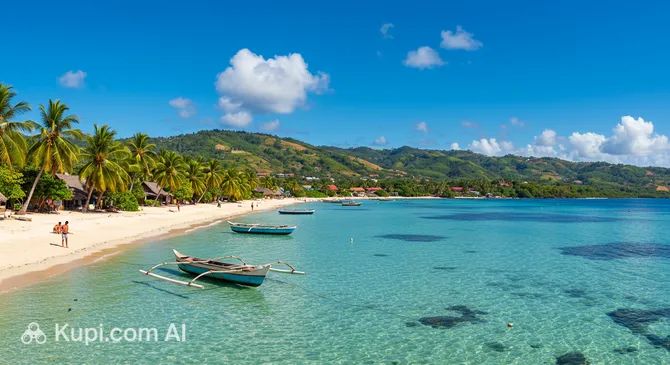
Nosy Be. Source: Kupi.Binoculars

Beyond its stunning coastline, the island possesses a deep cultural heritage. Visitors interested in the past can explore the history of Nosy Be, which reveals a tapestry of trading posts and colonial influences that have shaped its current identity. The main town, Hell-Ville (Andoany), showcases lingering colonial architecture alongside bustling local markets filled with spices and crafts.

Travelers are drawn here not just for the beaches, but for the incredible natural attractions. The Lokobe Nature Reserve is a must-visit for wildlife enthusiasts hoping to spot endangered black lemurs and chameleons in their natural habitat. For breathtaking panoramic views, a trip to Mont Passot at sunset offers an unforgettable spectacle, overlooking the island's volcanic lakes and the shimmering Indian Ocean.

Whether you are looking to dive into crystal-clear waters teeming with marine life or simply wish to unwind under a palm tree with a fresh coconut, Nosy Be promises an idyllic escape. We invite you to discover the magic and serenity of this extraordinary island.

Weather Overview

The climate in Nosy Be is distinctly tropical, offering warm temperatures that make it an attractive destination at any time of the year. The thermometer rarely fluctuates drastically, with average temperatures generally hovering between 24°C and 27°C. April tends to be the warmest month with highs reaching around 29°C, while August is typically the coolest, though still very pleasant with lows around 23°C.

Precipitation patterns play a major role in the island's seasonal rhythm. The period from November to March marks the wet season, characterized by high humidity and frequent rainfall, with January seeing up to 28 wet days. Conversely, the months from June to September are much drier, with July experiencing as few as 7 wet days. To help you pack appropriately for these variations, we recommend checking the current weather in Nosy Be before your departure.

Overall, expect consistent warmth throughout the year, with a humid, rainy season from late year to early spring and a drier, more stable period during the middle of the year.

Interesting Facts

Beyond the main attractions, Nosy Be holds many fascinating secrets that reveal its deep spiritual roots and unexpected historical connections.

  • A Misleading Name: In the local language, "Nosy Be" literally translates to "Big Island." While it is indeed the largest island scattered along the northwest coast of Madagascar, it is tiny compared to the mainland, earning its title purely through comparison with the smaller surrounding islets.

  • The Sacred Banyan Tree: The Mahatsinjo Sacred Tree is a botanical marvel planted by a Sakalava queen in 1836. This single tree has expanded through aerial roots to cover an area of approximately 5,000 square meters, creating a living forest that serves as an active pilgrimage site for traditional prayers and offerings.

  • Taboo Lakes: The twelve volcanic crater lakes surrounding Mont Passot are protected by "fady" (local taboos). Locals believe that the spirits of ancient princes reside in these waters, making fishing and swimming strictly forbidden, which has inadvertently created a safe sanctuary for the sacred Nile crocodiles inhabiting them.

  • A Russian Legacy: A surprising historical landmark is the small cemetery near Hell-Ville dedicated to Russian sailors. These members of the Baltic Fleet perished here in 1904 during their long voyage to the Pacific, leaving a unique and little-known historical footprint on this tropical island.

How to Get There

Reaching this island paradise is relatively straightforward, with air travel being the most convenient option for international and domestic visitors. For a comprehensive guide on all travel options, including boat transfers and land routes, you can read more about how to get to Nosy Be.

The primary gateway to the island is Fascene Airport (NOS), located directly on Nosy Be. It is situated approximately 6 km from the city center, making the final leg of your journey very short. A taxi or shuttle ride from the airport to the main town typically takes around 30 minutes. This facility handles a significant volume of passengers, serving as the main hub for tourists arriving to explore the region.

Another option is to fly into Antsiranana Arrachart Airport (DIE), which is located in the city of Antsiranana on the mainland. Please note that this airport is about 155 km away from Nosy Be. Reaching the island from here requires a longer journey, often involving a road trip to the coast followed by a boat transfer. The approximate travel time by taxi or bus for the overland portion is around 4 hours. While less direct, it is a viable alternative for those exploring the northern Diana Region.

For clarity, here is a summary of the main airports:

Airport Name City Passenger Traffic Km from City
Fascene Airport Nosy Be Medium 6.0
Antsiranana Arrachart Airport Antsiranana Medium 154.8
Maroantsetra Maroantsetra Small 280.8

Main Attractions

While the main island itself is a treasure trove of experiences, Nosy Be also serves as the perfect launchpad for exploring the stunning archipelagos that surround it. From protected marine reserves to postcard-perfect sandbanks, the attractions here are deeply connected to the ocean and the island's unique biodiversity.

Nosy Tanikely Marine Reserve is widely regarded as a natural aquarium and is a must-visit for anyone who loves the ocean. Located just a short boat ride from the main island, this protected area offers some of the best snorkeling in Madagascar. The waters are shallow, crystal clear, and teeming with colorful coral, tropical fish, and sea turtles that glide effortlessly around swimmers. A hike to the lighthouse at the top of the islet provides a spectacular panoramic view of the bay.

For a truly breathtaking experience, a day trip to Nosy Iranja is unforgettable. Often called "The Turtle Island," it actually consists of two smaller islets connected by a magnificent 1.2-kilometer white sandbank that is fully visible at low tide. Walking across this pristine strip of sand with turquoise water on both sides is a surreal experience. It is one of the most photographed spots in the region and a nesting ground for hawksbill turtles.

Back on the main island, Lemuria Land offers a fantastic opportunity to see Madagascar’s most famous residents up close. This botanical and zoological park is home to various species of lemurs, as well as reptiles and endemic flora. Conveniently located within the grounds of a historic Ylang-Ylang distillery, a visit here often combines wildlife viewing with learning about the production of the essential oils that give Nosy Be its nickname, the "Perfume Island."

If you are looking for the quintessential tropical beach day, head to Andilana Beach on the northern tip of Nosy Be. Unlike some other beaches that are affected significantly by tides, Andilana offers excellent swimming conditions in calm, transparent waters all day long. It is considered the most beautiful beach on the island, famous for its stunning sunsets and vibrant atmosphere on weekends.

Local Cuisine

The culinary landscape of Nosy Be is a vibrant reflection of its island heritage, heavily influenced by the abundance of the Indian Ocean and the fragrant plantations that cover its hills. Seafood is naturally the star of the show here, with fresh catches arriving daily on the shores. You simply cannot leave without trying the grilled lobster or prawns, often prepared with a unique local twist: a rich, aromatic vanilla sauce. This signature combination perfectly marries the island's two most famous exports, creating a savory-sweet flavor profile that is distinct to the region.

For a more traditional Malagasy experience, look for Romazava. Often considered the national dish, this hearty meat stew is cooked with a variety of local greens known as "brèdes" and served alongside the ubiquitous large portion of rice. Another local favorite to sample is Masikita, succulent skewers of grilled zebu meat marinated in spices. These are a staple of street food culture and are best enjoyed in the evening from roadside stalls, accompanied by spicy pickled vegetables known as achards.

When it comes to beverages, the island offers refreshing options for every palate. Non-alcoholic choices include fresh tropical juices made from soursop (corossol), mango, or tamarind. For a truly authentic local drink, try Ranonapango, a tea-like beverage made from boiling water in the pot where rice was cooked, resulting in a smoky, toasted flavor. On the stronger side, Rhum Arrangé is legendary in Nosy Be. This homemade rum is infused for months with local fruits, berries, and spices like cinnamon and ylang-ylang, and it is traditionally served as a digestif after meals.

The dining culture in Nosy Be is relaxed and often outdoors. While there are upscale restaurants in Hell-Ville and major resorts offering French-Malagasy fusion, the heart of the food scene is found in the casual beachside eateries and local "hotelys." The village of Ambatoloaka is particularly famous for its vibrant evening atmosphere, where tourists and locals alike gather at open-air tables to enjoy fresh seafood platters while watching the sunset over the ocean.

Travel Tips

Traveling to Nosy Be is an adventure into a laid-back world where time seems to slow down, but a little preparation goes a long way. To help you settle into the island rhythm and avoid common pitfalls, we have compiled a list of essential advice for your journey.

  1. Clothing and Gear: Given the tropical heat, pack lightweight, breathable fabrics like cotton or linen. A sturdy pair of reef shoes is highly recommended for swimming, as the seabed can have sharp coral and sea urchins. While beachwear is fine at resorts, remember to dress modestly (covering shoulders and knees) when visiting villages or sacred sites like the Sacred Banyan Tree.

  2. Transportation: The most convenient and authentic way to get around is by tuk-tuk (locally known as Bajaj). They are everywhere, affordable, and perfect for short distances; just be sure to agree on the fare before hopping in. For exploring the island's interior at your own pace, renting a quad bike or scooter is a popular option, though road conditions can be variable.

  3. Finances: The local currency is the Malagasy Ariary (MGA). While some major hotels accept Euros, cash is king for restaurants, markets, and taxis. ATMs are available primarily in Hell-Ville and Ambatoloaka, but they can occasionally run out of money or reject certain cards, so it is wise to carry a backup reserve of cash. Tipping is not mandatory but is warmly appreciated for good service.

  4. Health and Safety: Nosy Be is a malaria-risk zone, so bring strong insect repellent and consider taking prophylaxis after consulting your doctor. Never drink tap water; stick to sealed bottled water. Pharmacies are available in the main town of Hell-Ville if you need basic supplies. The island is generally safe, but exercise standard caution: avoid walking alone on deserted beaches at night and keep valuables secure.

  5. Communication: The official language is Malagasy, but French is widely spoken in the tourism sector. English is not commonly understood outside of high-end establishments, so downloading an offline translation app or learning basic French phrases is very helpful. buying a local SIM card (Telma or Orange) is easy and provides affordable data coverage for maps and communication.

  6. Local Etiquette: Embrace the philosophy of "Mora Mora" (slowly, slowly). Life here moves at a relaxed pace, and showing impatience is considered rude. Always ask for permission before taking photos of locals, especially children. When greeting people, a friendly "Salama" (Hello) goes a long way in establishing a connection.

  7. What to Avoid: Be extremely mindful of "Fady" (taboos). These are strict local rules that vary by location; for example, pointing your finger directly at a sacred site or bringing pork to certain areas may be forbidden. Ignorance is not always an excuse, so listen to your guide's instructions carefully to avoid causing offense.

  8. Power and Utilities: Power outages can occur on the island. It is a smart move to pack a power bank to keep your phone charged and a small flashlight or headlamp, which can be very useful if you are walking back to your accommodation after dark.

By keeping these practical tips in mind, you will be well-equipped to navigate the island with confidence and respect. We hope these insights help you have a smooth, safe, and truly unforgettable experience in this tropical paradise.

Entertainment & Nightlife

Entertainment in Nosy Be is a tale of two distinct rhythms: the laid-back, nature-oriented pace of the day and the vibrant, energetic pulse of the night. While the island is not a metropolis filled with high-tech amusement parks or grand theaters, it offers a nightlife scene that is surprisingly robust and famous throughout Madagascar, drawing visitors who want to dance the night away in a tropical setting.

The epicenter of the island's nightlife is undoubtedly the village of Ambatoloaka. As the sun sets, the main street here closes to traffic and transforms into a bustling pedestrian strip. The atmosphere is incredibly casual and welcoming; there is no strict dress code, and the crowd is a diverse mix of locals, expatriates, and tourists. Music spills out from open-air bars, ranging from international hits to the rhythmic beats of local Salegy music, creating a festive vibe that often lasts until dawn.

For those looking to experience the most iconic venues, a visit to Le Taxi Be is essential. Located in the heart of Ambatoloaka, this bar and club is an institution on the island, known for its high energy, loud music, and crowded dance floor. It is the place where everyone eventually ends up. Just a short walk away, you can visit Djembe, another lively spot that keeps the party going well into the early hours. For a slightly different vibe, Couleur Kafé offers a welcoming atmosphere where you can enjoy excellent cocktails and often catch live music performances.

Practicality is key to enjoying the night safely. The party typically starts late, with venues becoming liveliest after 10:00 PM or 11:00 PM. Prices for drinks, especially local beer and rum, are generally very affordable compared to European standards. To get around, the yellow tuk-tuks are omnipresent and the best way to travel between your hotel and the nightlife districts. However, always negotiate the price before getting in, as night rates can be slightly higher than day rates.

Regarding safety, while the main strip of Ambatoloaka is well-populated and generally safe due to the crowds, it is important to exercise caution. Avoid walking alone on dark stretches of the beach at night and keep an eye on your pockets and bags in crowded bars. It is always safer to take a taxi or tuk-tuk directly to your door rather than walking back to your accommodation if it is outside the immediate main street.

During the daylight hours, entertainment takes a different form. You will not find large shopping malls or multiplex cinemas here. Daytime leisure is more culturally immersive. Visitors often spend time exploring the bustling Hell-Ville Market, which offers a sensory overload of spices and crafts, serving as the island's version of a daytime social hub. While traditional museums are scarce, the historic architecture in the main town and the few remaining colonial structures provide a quiet, open-air alternative for those seeking cultural entertainment before the sun goes down.

Parks & Museums

While Nosy Be is globally renowned for its pristine beaches, the island also serves as a vibrant open-air gallery of nature and history. Rather than vast indoor exhibition halls, the "museums" here are often found in the crumbling ruins of ancient trading posts, the colonial architecture of the main town, and the lush, protected reserves that showcase the island's unique biological heritage.

Lokobe National Park stands as the island's premier terrestrial sanctuary. Located in the southeastern part of Nosy Be, this strict reserve protects the last remaining area of primary Sambirano forest in the region. It is an ecological treasure trove where visitors can immerse themselves in a prehistoric world of giant ferns and ancient trees. The park is essential for wildlife enthusiasts, offering the chance to spot the endemic Black Lemur, the tiny Nosy Be mouse lemur, and perfectly camouflaged leaf-tailed geckos. It is not just a walk in the woods; it is a journey into the island's original ecosystem.

For those who prefer the underwater world, Nosy Tanikely National Marine Park is a protected marine reserve that functions as a living aquarium. Although it is a small islet south of Nosy Be, its status as a national park ensures that the coral reefs and marine life are strictly conserved. Visitors can explore the biodiversity of the Indian Ocean simply by snorkeling from the beach. The park also features a terrestrial trail leading to a lighthouse, which houses a small interpretive center about the local marine environment and offers sweeping views of the archipelago.

In terms of cultural history, the Marodoka Cultural Site (formerly Ambanoro) acts as a fascinating open-air museum. Located just a short distance from Hell-Ville, this village was once a thriving trading port frequented by Arab and Indian merchants long before the colonial era. Today, tourists can wander among the ruins of the first mosque in Madagascar, an ancient Indian cemetery, and the remains of swahili-style houses. Local guides often bring the stones to life with stories of gold, spices, and the diverse ancestry that shapes the local population.

Another key cultural venue is Lemuria Land, which offers a blend of botanical garden, zoo, and industrial museum. While it is famous for its animals, the site is situated within an old Ylang-Ylang plantation. It features a distillery that serves as a museum of the island's "perfume" heritage. Visitors can see antique machinery and learn about the intricate process of extracting essential oils, which has been the economic backbone of Nosy Be for over a century.

History buffs should not miss a walk through Hell-Ville (Andoany) to admire its colonial architectural heritage. The town retains a distinct French colonial atmosphere, with old administrative buildings and trading houses lining the waterfront. Notable landmarks include the old prison ruins and the rusty but imposing cannons overlooking the harbor, relics of the island's strategic military past. These structures provide a tangible link to the 19th and early 20th centuries.

For a truly authentic and less crowded experience, seek out the Nosy Be Waterfall (Cascade de Nosy Be). Tucked away in the interior, this freshwater oasis is surrounded by dense vegetation and is a sacred spot for locals who come to perform washing rituals. It offers a peaceful retreat from the coastal heat and a glimpse into the everyday spiritual life of the Malagasy people, away from the typical tourist trail.

Getting Around

Public transport in Nosy Be is refreshingly simple and informal compared to major metropolitan areas. You will not find complex metro systems, trams, or scheduled municipal buses here. Instead, the island relies on a vibrant and efficient network of smaller vehicles that offer a more personalized and authentic way to navigate the local geography.

The undisputed king of the road is the Bajaj, commonly known as the tuk-tuk. These bright yellow, three-wheeled motorized rickshaws are everywhere and serve as the primary mode of public transportation. They function as both shared taxis and private hires. For a standard trip within a town or between nearby villages, the driver may pick up other passengers along the way, making it a communal experience. If you prefer a direct route without stops, you can hire the entire vehicle for a "course privée," though this will cost slightly more.

For longer distances, airport transfers, or if you have significant luggage, standard taxis are available. These are regular sedan cars, often older models, and offer more comfort than the open-air tuk-tuks. They do not typically roam the streets looking for fares as aggressively as the tuk-tuks; you will usually find them parked at designated stands near markets, hotels, or the airport.

The payment system is entirely cash-based. There are no travel cards, mobile apps, or electronic ticket machines. You pay the driver directly in the local currency upon reaching your destination. Prices are generally fixed for specific zones or distances, but they are rarely displayed. For a shared trip within a town, the fare is very low and standard. However, for longer trips or private hires, the price is subject to negotiation.

A crucial piece of advice for tourists is to always agree on the fare before entering the vehicle. This avoids any confusion or disputes upon arrival. Since there are no tickets to validate, the verbal agreement acts as your contract. It is also highly recommended to carry small denominations of cash, as drivers often do not have change for large bills.

Transport is available throughout the day and well into the evening, especially in lively areas like Ambatoloaka. However, be aware that rates often increase after dark. While tuk-tuks are abundant during the day, they may be harder to flag down in remote areas late at night, so it is wise to arrange a pick-up or keep the number of a reliable driver if you plan to stay out late.

For those seeking more independence, renting a scooter or quad bike is a very popular alternative. This allows you to explore the island's interior and coastal roads at your own pace. Rental agencies are common in the main tourist hubs. If you choose this option, ensure you are comfortable driving on variable road surfaces and always wear a helmet, as safety standards can differ from what you might be used to at home.

Accommodation

Finding the perfect place to stay in Nosy Be is part of the adventure, as the island offers a diverse array of accommodation options suited to every travel style and budget. From luxurious all-inclusive resorts nestled in private coves to charming eco-lodges and budget-friendly guesthouses, travelers can easily find a home base that matches their expectations. The hospitality here blends professional service with the island's signature laid-back atmosphere, ensuring a comfortable retreat after a day of exploration.

The choice of location significantly shapes your experience on the island. Ambatoloaka and the adjacent Madirokely Beach form the primary tourist hub. This area is ideal for visitors who want to be in the heart of the action, with easy access to restaurants, bars, and the vibrant nightlife. Here, you will find a high concentration of mid-range hotels and waterfront bungalows that offer convenience and a lively social scene right at your doorstep.

For those seeking tranquility and exclusivity, the West Coast and the northern tip of the island, particularly around Andilana, are the top choices. These areas are home to many of the island's upscale resorts and boutique hotels. Staying here guarantees stunning sunset views, access to some of the finest private beaches, and a peaceful environment far removed from the bustle of the main town. It is the perfect setting for honeymooners or families looking for a relaxing beach holiday.

Travelers on a stricter budget or those visiting for business often prefer Hell-Ville (Andoany). As the administrative center, it offers practical, no-frills accommodation options. While it lacks the direct beach access of the resort areas, it provides a more authentic glimpse into daily local life and serves as a convenient transit point for ferries and shopping.

Price Range and Booking: Accommodation prices vary widely. Budget guesthouses and hostels can be very affordable, often priced in the local Ariary, while luxury resorts and high-end hotels typically quote rates in Euros or Dollars. While major hotels are listed on international booking platforms, many smaller, family-run establishments and eco-lodges may prefer direct bookings via their websites or email. It is worth noting that some places might require a deposit to secure a reservation.

Booking Tip: Nosy Be is a popular destination, especially during the peak seasons of July to August and the end-of-year holidays. During these times, the best rooms fill up quickly. We highly recommend booking your accommodation several months in advance to secure your preferred location and avoid rising prices.

Nearby Cities

For those looking to explore the surroundings, Nosy Be serves as an excellent base for day trips to several interesting nearby locations. While the island itself offers plenty to do, crossing the channel to the mainland reveals a different side of the Diana Region, characterized by lush agriculture and bustling market towns.

One of the most accessible destinations is Ambanja, located just a short boat ride and drive away. Situated in the fertile Sambirano Valley, this town is the heart of Madagascar's cacao production. A visit here offers the chance to tour aromatic cacao, coffee, and vanilla plantations, providing a sensory-rich experience distinct from the coastal beaches. Further inland, Ambilobe acts as a vibrant commercial hub and a historical center for the Antankarana people. It is often visited as a gateway to the spectacular Ankarana Special Reserve, famous for its "tsingy" limestone formations and dry deciduous forests.

City Population Distance (km)
Ambilobe 56,000 87
Maromandia 34,000 100
Antsohimbondrona 32,080 75
Ambanja 30,621 44
Ambodibonara 27,597 67

These nearby destinations offer a glimpse into the diverse culture and landscapes of the region, allowing travelers to experience the authentic daily life of northern Madagascar beyond the resort areas.

Shopping & Souvenirs

Shopping in Nosy Be is less about high-end fashion or sprawling commercial centers and more about immersing yourself in the island's vibrant culture and sensory delights. The experience is authentic and colorful, focusing heavily on locally produced goods, artisanal crafts, and the fragrant spices that give the "Perfume Island" its nickname. Visitors will find that browsing through the stalls and small boutiques is an excellent way to interact with locals and discover unique treasures that reflect the spirit of Madagascar.

The primary destination for shopping is the main town, Hell-Ville (Andoany). The streets here, particularly the avenues radiating from the central market and the harbor, are lined with a mix of shops selling everything from fabrics and clothes to hardware and souvenirs. A stroll down the bustling Boulevard de l'Indépendance or Rue Passot reveals a variety of boutiques where you can find high-quality handicrafts. For those staying near the beaches, the village of Ambatoloaka offers a smaller selection of shops catering specifically to tourists, selling beachwear, sarongs (pareos), and essential holiday items.

Travelers accustomed to modern retail therapy should note that Nosy Be does not have large, western-style shopping malls. The retail landscape is dominated by independent shopkeepers and open-air stalls. However, for groceries and imported goods, there are a few well-stocked supermarkets in Hell-Ville and on the road to Ambatoloaka, such as Leader Price or Shampion. These are useful for picking up supplies, snacks, or bottled water, but they are not typically destinations for leisure shopping.

The heart of the island's commerce beats in its markets, with the Hell-Ville Market (Bazary Be) being the absolute highlight. This covered market is a sensory explosion of colors and smells. Here, you can wander through aisles piled high with tropical fruits, vegetables, and freshly caught seafood. It is also the best place to buy spices directly from the source. Outside the main hall, you will often find vendors selling handcrafted items, making it a one-stop-shop for both food and souvenirs.

When it comes to souvenirs, Nosy Be offers several distinct specialties. Ylang-ylang essential oil is the island's signature product and makes for a fragrant gift. Vanilla pods, grown locally and on the mainland, are another popular purchase, often sold at a fraction of the price found in Europe. For handicrafts, look for Richelieu embroidery; the local women are famous for creating intricate, hand-stitched tablecloths and linens. Additionally, beautifully woven raffia baskets, hats, and wooden carvings of lemurs or turtles are widely available and support local artisans.

Store opening hours generally follow a tropical schedule. Most shops and markets open early, around 8:00 AM, and close for a long lunch break or "siesta" between 12:00 PM and 2:00 PM or 3:00 PM. They then reopen until approximately 5:30 PM or 6:00 PM. Supermarkets may stay open later and do not always close for lunch.

Regarding payment, cash is essential. While a few upscale boutiques and supermarkets may accept credit cards, the vast majority of market stalls and small shops operate solely with the Malagasy Ariary (MGA). It is advisable to carry small denominations for easier transactions. Bargaining is common and expected in markets and with street vendors, but it should always be done with a smile and respect. Tax-free shopping or VAT refunds are not a standard feature for tourists in the local markets of Nosy Be, so the price you negotiate is the final price you pay.

Reached the end of the page?

That means the route is fully explored