Support

Antsiranana

About

Antsiranana, often still referred to by its former name Diego Suarez, is a captivating port city situated at the northernmost tip of Madagascar (Malagasy). As the capital of the Diana Region, it is renowned for its spectacular location on one of the world's largest and most beautiful natural bays. With a population of approximately 129,320 inhabitants, the city buzzes with a vibrant energy, blending a rich cultural mix with a relaxed coastal atmosphere.
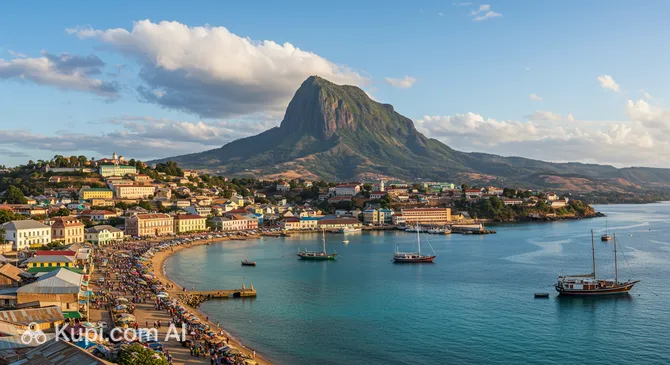
Antsiranana. Source: Kupi.Binoculars

The city's layout and architecture reflect its past, featuring wide avenues and colonial-era buildings that have weathered the tropical climate. Visitors interested in the history of Antsiranana will find the old military quarters and the covered market particularly fascinating. The local climate is generally warm and dry, influenced by the distinct "Varatraza" wind, which keeps the air fresh and makes the area a hub for wind-based water sports.

Nature lovers are drawn to the region's exceptional attractions. The Emerald Sea (Mer d'Emeraude), located just outside the bay, offers shallow, turquoise waters perfect for swimming and kitesurfing. Nearby, the Amber Mountain National Park provides a stark contrast with its cool, humid rainforests, waterfalls, and diverse wildlife, including lemurs and chameleons. Within the bay itself, the sacred Sugar Loaf island (Nosy Lonjo) stands as an iconic natural monument.

Whether you are exploring the French colonial streets, enjoying the stunning coastal views, or using the city as a base for eco-adventures, Antsiranana is a destination that leaves a lasting impression. It is an essential stop for anyone wishing to experience the diverse beauty of the northern provinces.

Weather Overview

Antsiranana enjoys a tropical climate characterized by consistent warmth and two clearly defined seasons. Temperatures remain pleasant year-round, with daily averages fluctuating between 24°C and 27°C. Expect warm and humid conditions during the height of the wet season, while the cooler months offer milder days with lows dipping comfortably to around 20°C.

Precipitation varies drastically depending on the time of year. The dry season, spanning from May to October, is remarkably arid, often seeing zero millimeters of rainfall and only one or two wet days per month, which is perfect for exploring the outdoors. Conversely, the period from December to March brings significant rainfall, with January recording rain on up to 29 days. For a comprehensive breakdown of the climate to help plan your visit, you can check the weather in Antsiranana.

Interesting Facts

Beyond the main attractions, Antsiranana holds many fascinating secrets and geographical distinctions that surprise many visitors. Here are some intriguing facts about this northern city:
  • A World-Class Harbor: The bay of Antsiranana is frequently cited as the second-largest natural bay in the world, surpassed only by Rio de Janeiro. It is actually composed of four smaller bays, giving the coastline a distinctive shape that resembles a giant four-leaf clover when viewed from above.

  • The Legend of Libertalia: The region is steeped in pirate lore and mystery. Many legends and some historical accounts suggest that the mythical pirate republic of "Libertalia"—a utopian society where pirates lived by democratic principles in the late 17th century—was located somewhere along the shores of this bay.

  • A Sacred Island: The iconic Sugar Loaf island, known locally as Nosy Lonjo, is more than just a photogenic rock formation rising from the water. It is considered a sacred site by the local people, and setting foot on the island is strictly forbidden (fady) without specific ancestral permission and traditional ceremonies.

  • The Name That Stuck: Although the city's official name was changed to Antsiranana in 1975, it is still almost universally referred to as "Diego" by locals. This enduring nickname preserves the memory of the Portuguese navigator Diogo Soares, who visited the bay in 1543.

How to Get There

Reaching this northern destination is often part of the adventure, with air travel being the most practical option for most visitors. You can find detailed information on all ways to reach the city in our dedicated guide.

The city is served directly by Antsiranana Arrachart Airport (DIE), which is the most convenient gateway. Located within the municipality of Antsiranana itself, the airport is approximately 7.9 km from the city center. This proximity allows for a quick transfer; a taxi ride to the downtown area is a short trip. As a key regional hub, it connects the city to the capital and other major towns.

Travelers may also consider flying into Fascene Airport (NOS), located in the city of Nosy Be. Although it is a significant airport for tourists visiting the northern islands, it is situated about 156 km away from Antsiranana. The journey from Nosy Be is substantial, taking several hours by road and often involving a boat transfer, making it a better choice for those planning a multi-stop itinerary rather than a direct trip. Beyond flights, the city is accessible by road via the RN6 highway, which is the main route for bush taxis and private vehicles coming from the south.

For clarity, here is a summary of the main airports:

Airport Name City Passenger Traffic Km from City
Fascene Airport Nosy Be Medium 156.0
Antsiranana Arrachart Airport Antsiranana Medium 7.9

Main Attractions

Amber Mountain National Park is a refreshing escape located roughly an hour south of the city. Rising from the dry plains, this isolated volcanic massif creates its own humid microclimate, sustaining a lush montane rainforest. It is a haven for nature enthusiasts who come to hike trails leading to spectacular cascades like the Sacred Waterfall and the Antomboka Waterfall. The park is also one of the best places to spot endemic wildlife, including the crowned lemur and the world's smallest chameleons, making it a biodiversity hotspot.

A short distance from the city lies the stunning coastal trio known as The Three Bays (Les Trois Baies), consisting of the Bay of Sakalava, the Bay of Pigeons, and the Bay of Dunes. These bays are linked by a scenic coastal path that offers breathtaking views of the Indian Ocean and pristine white sands. The area is particularly famous among windsurfers and kitesurfers due to the reliable winds at Sakalava Bay, while the walk itself reveals interesting rock formations and remnants of colonial fortifications.

For a landscape that looks like it belongs on another planet, visitors travel to the Tsingy Rouge. Unlike the sharp grey limestone tsingy found elsewhere in Madagascar, these unique formations are made of red laterite earth sculpted by rain and wind. Located in a canyon, the delicate pinnacles glow in vibrant shades of pink, ochre, and red under the sunlight. It provides a striking contrast to the surrounding greenery and offers incredible photographic opportunities.

Ramena Beach serves as both a relaxing retreat and a gateway to further adventures. Situated about 20 kilometers from Antsiranana, this charming fishing village features a long stretch of golden sand lined with coconut palms and rustic restaurants. It is the starting point for boat excursions to the Emerald Sea, but it is also a favorite spot for swimming and enjoying fresh seafood in a laid-back, authentic Malagasy atmosphere.

Local Cuisine

The culinary scene in Antsiranana is a delightful reflection of its coastal location and multicultural history. As a port city, it offers a gastronomic landscape where Malagasy traditions blend seamlessly with French colonial influences and flavors from the Indian Ocean. Seafood lovers will find themselves in paradise, as the daily catch from the bay guarantees the freshest ingredients. It is common to find restaurants serving grilled lobster, crabs, and various fish dishes prepared with aromatic spices or rich vanilla and coconut sauces, which are staples of the northern region.

For a taste of authentic local fare, visitors should try the national dish, Romazava. This hearty meat stew is cooked with a variety of local greens known as "brèdes" and is typically served over a generous portion of rice. Another must-try is Ravitoto au coco, a comforting dish made from crushed cassava leaves simmered with pork or beef and infused with coconut milk, giving it a distinctively creamy and tropical flavor profile that sets it apart from the versions found in the highlands.

Street food plays a significant role in the daily life of Antsiranana. As the sun sets, the air fills with the smoky aroma of masikita (zebu skewers). These grilled treats are widely available at roadside stalls and are best enjoyed with a side of spicy peanut sauce and achards—tangy pickled vegetables that cut through the richness of the meat. For a quick snack during the day, look for mofo, savory or sweet fritters that are a favorite among locals.

The beverage culture is equally vibrant. Given the abundance of tropical fruits, fresh juices made from soursop (corossol), mango, or tamarind are incredibly refreshing in the warm climate. For something uniquely Malagasy, adventurous travelers might try Ranonapango (or Ranovola), a drink made from boiling water with the toasted rice left at the bottom of the cooking pot. On the spirited side, no visit is complete without sampling Rhum Arrangé. This homemade rum is macerated with local fruits, spices, or vanilla, resulting in a sweet, potent drink that is often served as a digestif.

Dining in Antsiranana ranges from casual "hotelys"—simple local eateries offering affordable and filling meals—to more refined establishments with terraces overlooking the bay. The French influence remains visible in the mornings, where fresh baguettes and pastries are readily available, allowing tourists to enjoy a continental breakfast with a Malagasy twist before heading out to explore.

Travel Tips

Visiting Antsiranana is a delightful immersion into the relaxed rhythm of northern Madagascar, but a little preparation goes a long way in ensuring a smooth journey. These practical tips are designed to help you navigate the local customs and logistics, allowing you to focus on the stunning bay views and vibrant culture.

  1. Dress for the Wind and Sun. The climate is tropical and generally hot, so breathable fabrics like cotton or linen are essential. However, the region is famous for the Varatraza wind, which can be quite strong; bring a light windbreaker or scarf, especially for evenings or boat trips. While casual beachwear is fine at resorts, dress modestly when visiting the city center or rural villages. Sturdy walking shoes are a must if you plan to hike in Amber Mountain or explore the Tsingy.

  2. Get Around by "Bajaj". The most popular and convenient way to navigate the city is by tuk-tuk, locally known as a bajaj. They are abundant, affordable, and perfect for short trips. Always agree on the fare with the driver before hopping in, as meters are non-existent. For excursions outside the city to the bays or national parks, renting a 4x4 with a driver is highly recommended due to the rough condition of secondary roads.

  3. Prioritize Cash Over Cards. While some high-end hotels and restaurants in Antsiranana accept Visa or Mastercard, the local economy runs primarily on cash. ATMs are available in the city center (banks like BNI or Société Générale), but they can occasionally be out of service or out of cash. It is wise to withdraw enough Malagasy Ariary (MGA) when you can and keep small denominations handy for markets and tips.

  4. Health and Water Precautions. Tap water is not safe to drink; always opt for sealed bottled water, which is widely available. Malaria is a risk in this region, so pack a high-quality insect repellent and consider sleeping under a mosquito net. Pharmacies in the city are generally well-stocked with basic French medicines, but for any serious condition, travel insurance with evacuation coverage is crucial. In terms of safety, the city is friendly, but avoid walking alone in unlit areas or on the outskirts at night.

  5. Bridge the Language Gap. French is the administrative language and is widely understood in tourism, but English is not commonly spoken by the general public. Learning a few words of Malagasy, such as Salama (Hello) and Misaotra (Thank you), will go a long way in earning smiles from locals. For internet access, Wi-Fi in hotels can be slow; buying a local SIM card (Telma or Orange) is a cheap and reliable way to stay connected.

  6. Embrace "Mora Mora". The local motto translates to "slowly, slowly," reflecting the relaxed pace of life. Service in restaurants may take longer than you are used to, and schedules can be flexible. Patience is a virtue here. When interacting with locals, always start with a polite greeting before asking a question; skipping the "hello" is considered rude.

  7. Respect Sacred Taboos (Fady). Malagasy culture is deeply rooted in ancestor worship and taboos known as fady. Never point at something with your index finger, especially tombs or sacred sites (use an open hand instead). Specifically in Antsiranana, the Sugar Loaf island (Nosy Lonjo) is sacred; do not attempt to visit it or ask a boatman to land there, as it is strictly forbidden.

  8. Mind the Siesta Hours. Like many warm coastal cities, Antsiranana takes a break during the hottest part of the day. Many shops, markets, and administrative offices close between 12:00 PM and 2:00 PM. Plan your shopping or errands for the morning or late afternoon to avoid finding closed doors.

By keeping these tips in mind, you will be well-equipped to enjoy everything Antsiranana has to offer, from its bustling markets to its serene bays. The city's charm lies in its unique blend of energy and tranquility, and fitting into the local groove is the best way to experience it authentically.

Entertainment & Nightlife

As the sun sets over the bay, Antsiranana transforms from a laid-back colonial town into one of the most vibrant nightlife destinations in Madagascar. The heat of the day gives way to a refreshing evening breeze, and the streets fill with music, laughter, and the hum of yellow tuk-tuks. The atmosphere is distinctively tropical and welcoming, characterized by a mix of locals, expatriates, and travelers all looking to unwind and socialize.

The heart of the action is undoubtedly Rue Colbert and its surrounding streets. This main artery, quiet during the blazing afternoon hours, wakes up after dark with neon lights and open-air terraces. The vibe here is casual and unpretentious; there is no strict dress code, and flip-flops are as common as dancing shoes. The party typically starts late, with most venues filling up around 10:00 PM and staying lively until the early hours of the morning.

For a quintessential Diego experience, a visit to Le Taxi Be is almost mandatory. Located on Boulevard Bazeilles, this iconic venue is often described as the heartbeat of the city's nightlife. It functions as a bar, concert venue, and dance hall rolled into one, where the rhythm of Salegy music keeps the dance floor packed. It is a fantastic place to meet people and soak in the local energy. Another popular spot is L'Étincelle, located directly on Rue Colbert. It offers a slightly more lounge-like atmosphere that transitions into a club vibe as the night progresses, making it ideal for those who want to enjoy a cocktail before hitting the dance floor.

Travelers looking for a slice of history with their drink might appreciate La Taverne. As one of the oldest establishments in the city, it retains a nostalgic charm and is a favorite meeting point for expatriates and tourists. For those who prefer a more high-energy clubbing scene, the New York Club or the venues attached to the major hotels often host DJs spinning international and local hits.

Navigating the city at night is straightforward, but safety should remain a priority. The most convenient way to get around is by bajaj (tuk-tuk). They are abundant, affordable, and safer than walking, especially after drinking. Always agree on the fare before hopping in. While the main tourist areas are generally safe, it is advisable to avoid walking alone in unlit streets or on the outskirts of the city. Petty crime like pickpocketing can occur in crowded venues, so keep your valuables secure.

While the city is famous for its nights, daytime entertainment in Antsiranana is more low-key and culturally focused. The daylight hours are best spent strolling through the covered market to see the piles of colorful spices and tropical fruits, or admiring the fading grandeur of the colonial architecture along the waterfront. Unlike major capitals, you won't find large amusement parks or interactive museums here; the city itself, with its history and daily rhythm, is the main exhibit.

Parks & Museums

Travelers arriving in Antsiranana might not find the typical array of indoor galleries or botanical gardens found in European capitals. Instead, the city serves as a vibrant gateway to the wilder side of Madagascar. Here, the concept of a "museum" expands to include the streets themselves, lined with colonial history, while the "parks" are often untamed protected areas that showcase the region's extraordinary biodiversity.

Just outside the city limits, the Montagne des Français (French Mountain) offers a spectacular natural alternative to a city park. This protected reserve is a dry tropical forest that invites visitors to hike up a trail lined with the Stations of the Cross. It is one of the few places on Earth where you can see the rare Adansonia suarezensis baobab tree. Reaching the summit rewards you with breathtaking panoramic views over the vast bay, providing a geographical context that no map in a museum could replicate.

For a more relaxed experience within the town, Place Joffre acts as the city's central breathing space. Located at the end of the main avenue near the port, this large, breezy square is shaded by trees and offers a peaceful respite from the tropical heat. Dominated by a statue of Marshal Joffre, it is a favorite spot for locals to gather and for tourists to sit and gaze out at the harbor, blending a sense of history with the simple pleasure of a sea view.

History enthusiasts will find a poignant "garden" at the Diego Suarez War Cemetery. Maintained by the Commonwealth War Graves Commission, this site is impeccably landscaped with lush lawns and tropical flowers, creating a serene atmosphere. It serves as the final resting place for soldiers who died during the Battle of Madagascar in 1942. Walking among the rows of white headstones provides a quiet, moving history lesson about the strategic importance of this remote harbor during World War II.

In the absence of a dedicated history museum, the Colonial Quarter functions as a living, open-air exhibit. A stroll north from Rue Colbert takes you past fading colonial mansions, administrative buildings with deep verandas, and old military structures. Although some are weather-beaten, these architectural remnants tell the story of the French occupation more vividly than any display case. It is a place to observe the unique fusion of military planning and tropical adaptation.

For a taste of the region's agricultural heritage, a trip to the village of Anamakia offers a delightful excursion. Famous for its sprawling mango plantations, this area transforms into a lush, fragrant garden during the harvest season. Walking beneath the ancient, fruit-laden trees allows visitors to connect with the land and taste the celebrated local produce right at the source, offering a sensory experience that defines the Diana Region.

Getting Around

The public transport system in Antsiranana is distinctively different from what one might find in large international metropolises. Travelers should not expect to find a metro, tram, or extensive municipal bus network here. Instead, the city relies on an informal yet highly efficient network of light vehicles that perfectly suits the local climate and street layout. The system is intuitive, colorful, and an integral part of the daily rhythm of the city.

The undisputed king of the road is the Bajaj, a motorized three-wheeled rickshaw known elsewhere as a tuk-tuk. In Antsiranana, these vehicles are painted bright yellow and are ubiquitous, buzzing through every street from dawn until late at night. They serve as the primary mode of transport for both locals and tourists. They are nimble enough to navigate narrow lanes and open-air enough to provide a cooling breeze. You can hail them anywhere; simply wave your hand, and one will likely stop within seconds.

For longer distances or travel to the outskirts, you might encounter Taxi-be (large minibuses). These operate on fixed routes and are generally used for commuting between the city center and residential suburbs or nearby villages. While they are the most economical option, they can be crowded and confusing for a first-time visitor without local knowledge. Traditional car taxis exist but are far less common than Bajajs for short city hops; they are typically found at the airport or arranged by hotels for specific excursions.

The payment system is exclusively cash-based. There are no travel cards, digital passes, or mobile apps for ticketing. Transactions are conducted directly with the driver in the local currency. Small denominations are essential, as drivers often struggle to make change for large bills. For Bajajs, the fare is usually a standard fixed rate for a trip within the city center, but the price may increase for longer journeys, at night, or if you are carrying significant luggage.

Practical advice for tourists centers on the art of negotiation and clarity. Before entering a taxi or Bajaj, it is crucial to confirm the price with the driver to avoid misunderstandings upon arrival. While the standard city rate is generally well-known, "tourist pricing" can occur, so asking your hotel reception for the current standard fare beforehand is a good strategy. Operating hours are flexible; Bajajs run almost 24/7, though they become scarcer and slightly more expensive after midnight.

As for alternatives, walking is a viable and pleasant option for exploring the compact city center, particularly along Rue Colbert and the waterfront. Car rentals are available but almost always come with a driver, which is recommended due to the variable road conditions outside the main avenues. Renting a scooter or bicycle is also possible for those who prefer independence, though one must be vigilant of the chaotic traffic flow and the occasional pothole.

Accommodation

Finding the perfect place to stay in Antsiranana is relatively easy, as the city offers a welcoming mix of accommodation options that suit various budgets and travel styles. The hospitality scene here ranges from simple backpacker hostels and local guesthouses to charming mid-range hotels housed in renovated colonial buildings. For those seeking more comfort, there are several upscale establishments and resorts that feature swimming pools and modern amenities, providing a cool oasis from the tropical heat.

When choosing a location, most tourists prefer the City Center, particularly the streets surrounding Rue Colbert and the covered market. Staying in this area places you in the heart of the action, with easy walking access to the best restaurants, lively nightlife, and historical landmarks. It is the most convenient choice for travelers who want to explore the urban culture and architecture without needing constant transport.

Another popular area is the Waterfront along Boulevard Etienne and the roads overlooking the bay. Hotels here often offer spectacular views of the harbor and benefit from the cooling sea breeze, known locally as the Varatraza. This location provides a slightly more tranquil atmosphere while remaining just a few minutes' walk from the bustling center.

For visitors who prioritize the beach over city life, the village of Ramena, located about 20 kilometers from the city center, is an excellent alternative. While it requires a commute to reach the city's shops and banks, Ramena offers a relaxed holiday vibe with beachfront bungalows and eco-lodges. It is the ideal base for kitesurfers and those planning daily excursions to the Emerald Sea.

Booking Tip: While it is often possible to find a room upon arrival, booking in advance is highly recommended during the peak tourist season (July to August) and the December holidays. During these busy periods, the most popular hotels fill up quickly. Additionally, check payment methods beforehand; while larger hotels accept credit cards, many smaller guesthouses prefer or strictly require payment in cash (Ariary).

Price ranges in Antsiranana are generally affordable compared to international standards. Budget travelers can find clean, basic rooms for very reasonable rates, while mid-range options offer excellent value for money, typically including air conditioning and Wi-Fi. Booking can be done through major online platforms for the larger hotels, but some smaller, family-run places may still rely on direct email or phone reservations.

Nearby Cities

For those looking to explore the surroundings, Antsiranana serves as an excellent base for day trips to several interesting nearby locations:

Located approximately 106 kilometers south of the city, Ambilobe is a bustling market town that serves as the primary gateway to the spectacular Ankarana Special Reserve. While the town itself is a vibrant hub of daily Malagasy life, its proximity to the reserve makes it a crucial stop for travelers wanting to see the famous "tsingy" limestone formations and extensive cave systems without straying too far from the northern capital.

Further along the coast lies Nosy Be, Madagascar's premier beach destination. Although situated about 160 kilometers away, which often requires a combination of road and boat travel, it is the most popular "neighbor" for those extending their journey from Antsiranana. Known as the "Perfume Island" due to its ylang-ylang plantations, it offers pristine beaches and world-class diving spots that contrast with the rugged landscapes of the mainland.

For a taste of the region's agricultural richness, Ambanja is another noteworthy stop in the Sambirano Valley. It is renowned for its lush cacao, coffee, and vanilla plantations. A visit here provides a fascinating insight into the production of some of the world's finest chocolate and offers a greener, river-fed landscape compared to the dry deciduous forests of the north.

City Population Distance (km)
Nosy Be 100000 160
Ambilobe 56000 106
Iharana 46700 143
Antsohimbondrona 32080 98
Ambanja 30621 178

These nearby destinations offer a glimpse into the diverse culture and landscapes of the region.

Shopping & Souvenirs

Shopping in Antsiranana offers a vibrant and authentic experience that focuses more on local craftsmanship and daily life than on international luxury brands or sprawling retail complexes. The city’s commercial scene is intimate and colorful, reflecting the rich cultural tapestry of the Diana Region. Visitors can expect to find a treasure trove of artisanal goods, aromatic spices, and unique textiles, making it an excellent destination for finding meaningful souvenirs that support the local economy.

The primary hub for retail therapy is undoubtedly Rue Colbert. As the city's main artery, this street is lined with a variety of boutiques, souvenir shops, and small galleries housed in colonial-era buildings. A stroll down this avenue allows tourists to browse through clothing stores selling tropical wear, jewelry shops featuring local gemstones, and art dealers displaying paintings of the picturesque bay. It is the most pedestrian-friendly area for window shopping and soaking up the lively atmosphere.

Travelers looking for a modern shopping experience will not find large Western-style malls in Antsiranana. However, there are well-stocked supermarkets, such as the one centrally located on Rue Colbert, which serve as mini-commercial centers. These establishments offer imported goods, toiletries, and snacks, making them convenient stops for travelers needing to replenish supplies or purchase reliable brands of rum and chocolate to take home.

For a true taste of local commerce, the Main Covered Market (often referred to as the Bazarikely or simply the big market) is an unmissable stop. Located near the center of town, this bustling labyrinth of stalls is a sensory explosion of colors and scents. Here, vendors sell everything from mounds of fresh tropical fruits and vegetables to intricate woven baskets. It is the best place to engage with locals, practice your bargaining skills, and observe the daily rhythm of the city.

When it comes to souvenirs, Antsiranana and the surrounding region are famous for several distinct products. Vanilla and pink peppercorns are top choices, often sold at a fraction of the price found in Europe. Handicrafts made from raffia, such as hats and bags, are both practical and beautiful. Additionally, the region is known for its intricate embroidery (nappies and tablecloths) and items carved from zebu horn or precious woods, which make for durable and unique gifts.

Store hours in Antsiranana typically follow a tropical schedule. Most shops open early, around 8:00 AM, but close for a long lunch break (siesta) from approximately 12:00 PM to 2:00 PM or 2:30 PM. They reopen in the afternoon until about 6:00 PM or 7:00 PM. On Sundays, many shops are closed or close early. Regarding payment, cash is king. While a few upscale boutiques and supermarkets may accept credit cards (Visa is most common), the vast majority of markets and smaller stalls deal exclusively in Malagasy Ariary. It is essential to carry small denominations for easier transactions.

Tax-free shopping and VAT refunds are generally not available or practical for the average tourist in Antsiranana. The administrative infrastructure for processing tax refunds at the local level is limited, so visitors should assume that the price seen is the final price, inclusive of all taxes.

Nearby cities

Reached the end of the page?

That means the route is fully explored