Support

Maroantsetra

About

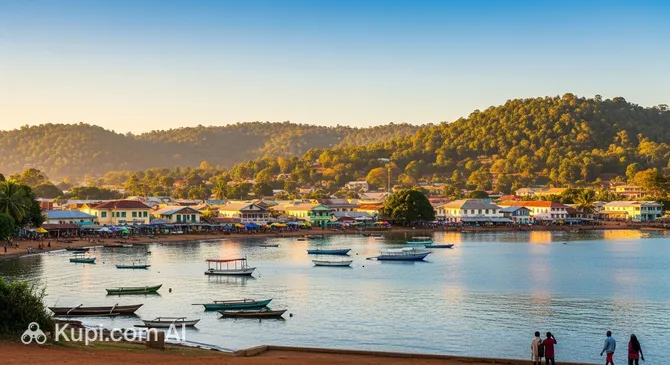
Maroantsetra is a captivating town that serves as the ultimate gateway to the lush northeastern coast of Madagascar (Malagasy). Nestled at the head of the magnificent Antongil Bay in the Analanjirofo Region, this destination offers a truly authentic atmosphere far removed from the bustling tourist trails. With a population of approximately 42,500 inhabitants, the town is characterized by its humid tropical climate, vibrant local markets, and the sweet scent of vanilla and cloves that often fills the air.

Maroantsetra. Source: Kupi.Binoculars

While the town itself is modest in size, the history of Maroantsetra highlights its enduring role as a crucial trading hub and a launching point for explorers. Today, it is best known as the primary access point for the world-renowned Masoala National Park, where the rainforest meets the sea in a spectacular display of biodiversity. Visitors are also drawn to the nearby Nosy Mangabe, a small island reserve famous for its aye-aye lemurs, leaf-tailed geckos, and ancient tombs.

For nature enthusiasts and adventure seekers, Maroantsetra provides an unparalleled opportunity to experience the raw beauty of the region. Whether you are searching for the rare tomato frog, which is endemic to this area, or embarking on a trek through the dense jungle, this charming town welcomes you with open arms and promises an unforgettable journey into the wild.

Weather Overview

The climate in this region is characteristically tropical, ensuring lush vegetation year-round. Visitors should expect a consistent pattern of frequent rainfall and generally mild to warm temperatures, making it essential to pack waterproof gear. For a more comprehensive breakdown of conditions during your stay, you can consult the guide to weather in Maroantsetra.

During the warmest period from December to February, the average temperature stays around 24.4°C, with highs peaking near 27.9°C. In contrast, the cooler months of June, July, and August offer a fresher atmosphere, with average temperatures dipping to roughly 18.5°C and overnight lows reaching 16.0°C.

Precipitation is a defining feature of the local weather. The area experiences a high frequency of wet weather, recording between 24 and 29 wet days every month. While the recorded precipitation volume fluctuates, with months like March seeing around 15mm and October dropping to 4mm, travelers should always be prepared for damp conditions regardless of the season.

Interesting Facts

Beyond the main attractions and its reputation as a gateway to the wilderness, Maroantsetra holds fascinating secrets that highlight its unique ecology and history. This remote settlement offers more than just scenic views; it is a place where nature and history intersect in unexpected ways.

  • The Tomato Frog Capital: Maroantsetra is one of the few places on Earth where the rare and vibrant Tomato Frog (Dyscophus antongilii) can be found living in close proximity to humans. Unlike other exotic species hidden deep in the rainforest, these bright red amphibians are frequently spotted in local gardens and drainage ditches, especially after a heavy rain.

  • An Ancient "Post Office": Just a short boat ride away on the island of Nosy Mangabe, visitors can find historical rock carvings at the "Plage des Hollandais." These inscriptions date back to the 16th and 17th centuries and were used by Dutch sailors and pirates as a stone postal system to leave messages for other passing ships.

  • The End of the Road: The town marks the terminus of the infamous RN5, often cited as one of the most difficult and dangerous roads in the world. This extreme inaccessibility has effectively turned the town into an "island" on the mainland, helping to preserve its distinct culture and relaxed atmosphere from mass tourism.

  • Scented Streets: As a major hub for the spice trade in the Analanjirofo Region, the town often carries a sweet, distinctive aroma. During the harvest and curing seasons, the air in Maroantsetra is thick with the fragrance of drying vanilla and cloves, which are spread out on mats along the roadsides.

How to Get There

Reaching this remote part of the Analanjirofo Region can be an adventure in itself, as the area is somewhat isolated from the country's main road network. The most practical and time-saving option for visitors is to travel by air. You can find more about how to get to Maroantsetra and the available transport routes in our detailed guide.

The town is fortunate to have its own local aviation hub, Maroantsetra (WMN). It is conveniently situated just 5.5 km from the city center. This small airport primarily handles domestic flights, making it the main entry point for tourists visiting Masoala National Park. Once you land, a transfer to the town center by taxi or local transport is quick, taking approximately 28 minutes.

If direct flights are unavailable, travelers often transit through regional hubs. Sainte Marie (SMS) is located on the nearby island of Sainte Marie, roughly 184 km away. Another significant option is Tamatave (TMM), located in the city of Toamasina, approximately 298 km south of Maroantsetra. While these airports are distant, they serve as vital connecting points for the northeast coast, though further travel by boat or connecting flight is required to reach Maroantsetra.

For clarity, here is a summary of the main airports:

Airport Name City Passenger Traffic Km from City
TamataveToamasinaMedium298.2
Fascene AirportNosy BeMedium280.7
Sainte MarieSainte MarieSmall183.7
MaroantsetraMaroantsetraSmall5.5

Main Attractions

Maroantsetra is primarily defined by its proximity to the majestic Masoala National Park, a UNESCO World Heritage Site that offers one of the most biodiverse experiences in Madagascar. Visitors flock here to explore the dense primary rainforests that tumble down to the sea, providing a rare opportunity to see the Red Ruffed Lemur and the Helmet Vanga bird in their natural habitat. The park is a haven for trekkers and nature enthusiasts seeking an untouched wilderness experience where the jungle meets the ocean.

Another unmissable highlight is the Nosy Mangabe Special Reserve, a small, lush island located just a short boat ride from the town in Antongil Bay. This reserve is famous for its population of the Aye-aye, the world's largest nocturnal primate, as well as leaf-tailed geckos and harmless snakes. History buffs will also appreciate the "Plage des Hollandais," where 17th-century rock carvings left by Dutch sailors can still be seen, serving as an ancient message board.

The waters of Antongil Bay themselves are a major attraction, particularly between July and September during the humpback whale migration. This area serves as a vital breeding and calving ground for these gentle giants, and boat tours from Maroantsetra offer spectacular opportunities to watch them breach and play in the calm, protected waters. It is widely considered one of the best places for responsible whale watching in the Indian Ocean.

For those looking to explore the terrestrial wonders closer to town, the Farankaraina Tropical Park offers a fantastic eco-tourism experience. This community-managed reserve protects a fragment of lowland rainforest and is an excellent spot for night walks to see nocturnal wildlife, including the elusive Aye-aye. It also features the tranquil "Track of the Kings," a historical path that leads through beautiful landscapes and refreshing natural swimming pools.

Local Cuisine

The culinary scene in Maroantsetra is a delightful reflection of its location in the heart of the "Vanilla Coast" and the Analanjirofo Region. The local cuisine is heavily influenced by the abundance of tropical spices, fresh seafood from Antongil Bay, and the fertile soils that produce lush fruits. Rice, known locally as vary, is the staple of every meal, but here it is often accompanied by rich, aromatic sauces infused with the region's signature exports: vanilla, cloves, and coconut.

One dish that every visitor must try is Poulet à la Vanille (Chicken with Vanilla). While available elsewhere in Madagascar, the version prepared here is exceptional due to the freshness of the local pods. The vanilla adds a savory, fragrant depth to the creamy sauce rather than making it sweet. Seafood lovers will be in heaven, as the daily catch from the bay provides the base for curries made with fresh coconut milk. Grilled lobster and crab are also widely available and are typically served with a side of spicy sakay (chili paste) and pickled vegetables.

When it comes to beverages, the region is famous for its Rhum Arrangé. This is locally produced rum infused with fruits and spices such as lychees, ginger, cinnamon, and, of course, vanilla. It is a staple digestif in most establishments. For a non-alcoholic option, you will often be served Ranonapango (or Ranovola), a traditional drink made by boiling water in the pot where rice has just been cooked, resulting in a golden, toasted rice tea that is considered very healthy and refreshing.

Dining in Maroantsetra is a relaxed and authentic affair. While there are a few restaurants attached to hotels that cater specifically to tourists, the true flavor of the town is found in the local "Hotelys". These small, road-side eateries offer generous portions of traditional Malagasy food at very affordable prices. For a quick snack, the bustling local markets offer an array of street food, including Mofo Gasy (sweet rice cakes) and an abundance of fresh tropical fruits like mangoes, pineapples, and the region's famous lychees during the harvest season.

Travel Tips

Visiting Maroantsetra is a true adventure into the wild heart of Madagascar, and a little preparation goes a long way in this remote corner of the island. To help you navigate the "gateway to Masoala" with ease and respect for the local rhythm, here are some essential practical tips for your journey.

  1. Clothing and Gear: Given the region's humid tropical climate, waterproof gear is absolutely non-negotiable. Pack a high-quality, lightweight rain jacket or poncho, even during the "drier" months. Quick-drying fabrics are superior to cotton, which stays damp in the humidity. For trekking in Masoala, bring sturdy hiking boots and consider leech socks or long trousers tucked into socks to protect against the forest floor's small inhabitants.
  2. Transportation: Inside the town, the most common way to get around is by tuk-tuk (motorized rickshaw) or pousse-pousse (bicycle rickshaw). They are affordable and perfect for short distances. Note that car rental for self-driving is virtually non-existent here due to the road conditions; the infamous RN5 leading to the town is often impassable for standard vehicles. For excursions to Nosy Mangabe or the national park, speedboats are the primary mode of transport.
  3. Finances: Cash is king in Maroantsetra. While there are a couple of ATMs (typically BNI or BOA), they can run out of money or experience network failures. It is highly advisable to withdraw sufficient Malagasy Ariary (MGA) in larger cities like Antananarivo or Tamatave before arriving. Credit cards are rarely accepted outside of the few top-tier lodges and hotels, so keep small denominations handy for markets and tips.
  4. Health and Safety: This is a high-risk area for malaria, so strictly adhere to your prophylaxis regimen and use strong insect repellent containing DEET, especially at dusk. Drink only bottled or purified water; tap water is not safe for tourists. Pharmacies are available in the town center but may have limited stock of specific medications, so bring a fully stocked personal first-aid kit. The town is generally safe, but avoid walking alone in unlit areas at night.
  5. Communication: French is the most useful foreign language and is understood by guides, hotel staff, and many shopkeepers. English is not widely spoken in the town itself. Learning a few words of Malagasy will warm the hearts of the locals; start with Salama (Hello) and Misaotra (Thank you). For connectivity, a Telma SIM card usually offers the best coverage in this part of the country for internet access.
  6. Local Etiquette: Life here moves at a pace known as Mora Mora (slowly, slowly). Patience is a virtue; service may take longer than you are used to, and schedules can be flexible. When greeting locals, a handshake is common, but always ask for permission before taking photographs of people, especially in rural villages surrounding the town.
  7. What to Avoid: Be very mindful of local taboos, known as Fady. A common rule in many parts of Madagascar is never to point at tombs or sacred sites with your index finger; if you must indicate a direction, use an open hand or knuckle. Also, avoid showing frustration or anger publicly, as maintaining social harmony is deeply valued in Malagasy culture.
  8. Shopping Tip: Since you are in the heart of the vanilla-producing region, this is one of the best places to buy high-quality vanilla pods at a fraction of international prices. Visit the local market, the Bazary Be, but ensure you buy beans that are properly cured and sealed if you plan to take them home, and check your home country's customs regulations regarding plant products.

By embracing the laid-back atmosphere and coming prepared for the elements, your time in Maroantsetra will be a rewarding experience full of discovery. Enjoy the unique blend of culture and nature that makes this town so special!

Entertainment & Nightlife

Nightlife in Maroantsetra is a reflection of its remote, authentic character: laid-back, friendly, and deeply connected to the local rhythm of life. Unlike the bustling party hubs of Nosy Be or Antananarivo, this town does not offer neon-lit nightclubs or 24-hour discos. Instead, the evening entertainment focuses on socializing over "sundowners," enjoying hearty meals, and soaking in the vibrant atmosphere of local gathering spots. The nightlife here is centered around the town center and the establishments along the river and bay, where the air cools down after a humid day.

The atmosphere is distinctly "Mora Mora" (slowly, slowly). Travelers and locals alike gather in open-air venues to share stories of jungle treks or whale watching. The dress code is universally casual—shorts and sandals are the norm. You will often hear the upbeat rhythms of Salegy music playing from small bars, inviting you to enjoy a cold Three Horses Beer (THB) or a glass of locally produced Rhum Arrangé (rum infused with vanilla, lychee, or ginger).

For a taste of the local social scene, Chez Fidy is a standout venue. Known for its lively ambiance, it serves as a popular meeting point where you can sip on punch and mingle with residents. It offers a genuine slice of Malagasy life, often buzzing with conversation and music well into the evening. Another excellent option for a more relaxed setting is the bar and restaurant at Le Relais du Masoala. Here, you can enjoy a quiet drink in a beautiful garden setting, often accompanied by the sounds of nature. For those who want to be closer to the water, Manga Beach Hotel offers a pleasant spot to enjoy an evening breeze with a drink in hand.

Practical advice is essential for enjoying your night out. Most venues close relatively early, typically around 10:00 PM or 11:00 PM, though some local bars may stay open later on weekends. Cash is king; credit cards are rarely accepted for small tabs, so ensure you have enough small denominations of Ariary. Getting around at night is best done via tuk-tuk (motorized rickshaw). Walking is safe in the main, well-lit streets of the town center, but it is advisable to avoid unlit outskirts or walking alone late at night. Always agree on a fare with your driver before starting your journey.

While the nights are quiet, daytime entertainment in Maroantsetra offers its own cultural charm. Before the sun sets, visitors can explore the bustling Bazary Be (Big Market), which is a sensory overload of spices, woven crafts, and tropical fruits. It is the perfect place to immerse yourself in the daily life of the Analanjirofo Region. For a more tranquil experience, a walk along the river port provides fascinating views of traditional wooden pirogues ferrying goods and people, showcasing the town's enduring connection to the water.

Parks & Museums

Maroantsetra is a destination where the boundaries between urban life and the wilderness are beautifully blurred. Rather than manicured city parks or traditional indoor galleries, the town offers vast, living landscapes and open-air historical sites. Its "green spaces" are ancient rainforests, and its "museums" are the living traditions and colonial remnants that tell the story of this remote corner of Madagascar.

For those seeking immersion in nature, the Farankaraina Tropical Park offers an accessible yet wild experience close to town. This community-managed reserve protects a vital corridor of lowland rainforest. Walking here is a sensory experience; the air is thick with humidity and the scent of damp earth, while the canopy above teems with birdlife. The trails wind along the river, passing through groves of traveler's palm and giant bamboo, offering a fantastic introduction to the region's flora without the need for a multi-day expedition.

While technically an island, Nosy Mangabe functions as a spectacular natural park for visitors to Maroantsetra. A short boat ride across the bay transports you to a prehistoric-looking landscape. The trail network here is rigorous but rewarding, climbing steep slopes covered in massive hardwoods and buttress roots. Unlike a city park, the vegetation here is dense and untamed, creating a "Jurassic" atmosphere where ferns dominate the forest floor. It is an ideal spot for hikers to experience the sheer density of a Malagasy rainforest.

In terms of educational facilities, the town does not feature conventional museums with glass display cases. Instead, the Masoala National Park Interpretation Center serves as the primary hub for learning. Located within the town, this center provides essential context before travelers head into the wild. It features detailed maps, exhibits on the unique ecosystems of the Masoala peninsula, and information on marine conservation in Antongil Bay. It is a crucial stop for understanding the fragility of the environment you are about to explore.

For a glimpse into local heritage, a walk through the Old River Port area offers a "living gallery" of the town's trading past. The architecture here, with its weathered wooden structures and bustling pirogue traffic, reflects the Betsimisaraka culture. Rather than reading plaques, visitors can observe the traditional boat-building skills that are still in use today. Watching craftsmen carve vessels from tree trunks by hand offers a tangible connection to the maritime history of the Analanjirofo Region.

Insider Tip: Before heading out to the island or the national park, spend an hour at the Interpretation Center in the afternoon. It is often quieter, allowing you to speak one-on-one with the park rangers who can offer up-to-date advice on trail conditions and recent wildlife sightings.

Getting Around

The public transport system in Maroantsetra is simple, informal, and perfectly adapted to the town's compact size and remote location. Unlike major metropolitan areas, there are no metros, trams, or large municipal bus networks here. Instead, the streets are dominated by small, agile vehicles that can navigate the sometimes unpaved or muddy roads. The most common mode of transport is the tuk-tuk (a motorized three-wheeler), locally referred to as a "Bajaj." These yellow or brightly colored vehicles act as the town's taxis, offering a quick and breezy way to get from the airport to the center or between local markets.

Another popular and traditional option is the pousse-pousse (rickshaw). These come in two varieties: cycle-rickshaws, where the driver pedals, and the more traditional hand-pulled versions. They are slower than tuk-tuks but are ideal for short distances and for carrying goods from the market. Using a pousse-pousse is an integral part of the local economy and offers a leisurely pace to take in the sights of the town.

Payment for all forms of local transport is exclusively in cash. There are no travel cards, mobile apps, or electronic ticketing systems. Fares are generally very low and are often fixed for standard trips within the town limits. However, for slightly longer journeys or if you have heavy luggage, the price may be subject to negotiation. It is essential to carry small denominations of the local currency, as drivers rarely have change for large bills.

For tourists, the golden rule is to agree on the fare before getting into the vehicle. This avoids any confusion or disputes upon arrival. While there are no official tickets to validate, the transaction is straightforward: you pay the driver directly at the end of the ride. Transport is available throughout the day, starting from early morning, but availability drops significantly after dark. If you plan to be out late, it is advisable to arrange a pick-up with a driver beforehand.

Given the town's geography at the confluence of rivers and the Antongil Bay, water transport is a unique and vital "special feature" of the local system. Pirogues (traditional dugout canoes) and small motorboats function as water taxis, ferrying people and goods across the river mouths or to nearby coastal villages that are inaccessible by road. For many locals, the river is the road, and taking a pirogue ride offers a scenic and authentic alternative to navigating the streets.

Alternatives such as ride-sharing apps (like Uber) or self-service bike rentals do not exist in Maroantsetra. Conventional taxis (cars) are rare and are usually private vehicles hired for specific excursions rather than for street-hailing. However, the town is small enough that walking is a viable and pleasant option for getting around the center, allowing you to soak up the atmosphere at your own pace.

Accommodation

Accommodation in Maroantsetra is characterized by its authentic, rustic charm rather than international luxury standards. Visitors will primarily find eco-lodges, comfortable bungalows, and small, family-run hotels that blend seamlessly with the surrounding environment. The focus here is on nature and tranquility, with many establishments offering lush gardens and open-air architecture to make the most of the tropical climate.

There are two main areas where tourists typically stay. The town center is convenient for those who want to be close to the bustling markets, shops, and the local airport. Alternatively, the areas along the riverbanks and the coast facing Antongil Bay are highly sought after. These locations offer scenic water views, a refreshing sea breeze that provides relief from the humidity, and a quieter atmosphere away from the main streets.

Among the well-known establishments, L'Hippocampe Hotel is a frequent favorite for travelers. It is often cited for its beautiful garden setting and the presence of a swimming pool, which is a rare luxury in this region. Another popular option is Manga Beach Hotel, which is appreciated for its strategic location offering direct views towards the island of Nosy Mangabe, making it an excellent base for those planning excursions to the reserve. Masoala Resort is also a notable mention, offering bungalows that face the sea, providing a serene backdrop for relaxation.

Booking Tip: Due to the limited number of "western-standard" rooms, accommodation can fill up quickly during the peak season (July to September), which coincides with the humpback whale migration and the vanilla harvest. It is highly recommended to book your stay several weeks in advance to secure your preferred lodging.

In terms of pricing, Maroantsetra is a generally affordable destination. Options range from budget guesthouses with basic amenities to mid-range lodges that offer air conditioning and hot water. While a few of the larger hotels appear on major online booking platforms, many local establishments still rely on direct bookings via email or phone. Travelers should be aware that credit card facilities are extremely rare; it is essential to carry enough cash (Malagasy Ariary) to cover your entire stay.

Nearby Cities

For those looking to explore the surroundings, Maroantsetra serves as an excellent base for day trips to several interesting nearby locations:

City Population Distance (km)
Matsoandakana 40000 63
Mananara Nord 35148 81
Ambinanitelo 30000 20
Rantabe 20000 31
Ankofa 18000 11

One of the most notable destinations in the wider region is Mananara Nord. Although the journey can be challenging due to road conditions, it is a rewarding spot for a short visit. This town is the gateway to the Mananara Nord National Park, a UNESCO Biosphere Reserve that encompasses both terrestrial rainforests and a vibrant marine park. Visitors here can explore coral reefs teeming with life or trek through forests that are home to the White-fronted brown lemur and the elusive Aye-aye.

For a more accessible cultural experience, Ambinanitelo offers a fascinating glimpse into rural life. Located just 20 km inland, this commune is often reached by a scenic pirogue trip up the river rather than by road. It serves as a hub for the surrounding agricultural communities, allowing travelers to see firsthand how the region's famous vanilla and cloves are cultivated and cured before they reach the markets of Maroantsetra.

Situated along the coast of Antongil Bay, Rantabe is another picturesque stop. It provides stunning views of the ocean and is a great place to witness the daily activities of local fishermen. The village offers a peaceful atmosphere where the forest backdrop meets the sea, making it a pleasant location for those wishing to experience the coastal beauty of the Analanjirofo Region away from the main town.

These nearby destinations offer a glimpse into the diverse culture and landscapes of the region, ranging from riverine agriculture to protected marine ecosystems.

Shopping & Souvenirs

Shopping in Maroantsetra offers an experience that is authentic, vibrant, and deeply rooted in the local culture of the Analanjirofo Region. You will not find high-street fashion brands, luxury boutiques, or sprawling department stores here. Instead, the town specializes in agricultural treasures and artisanal craftsmanship. It is a destination where you buy goods directly from the producers, often at very reasonable prices, while immersing yourself in the daily rhythm of life in Madagascar (Malagasy).

The commercial heart of the city is concentrated in the town center, particularly along the main streets leading towards the river port. This area is lined with small, family-owned shops—often referred to as "boutiques"—and wooden kiosks selling everything from basic household supplies and plastic wares to colorful textiles (lambas). Walking down these lively streets offers a chance to browse local wares and interact with friendly shopkeepers in a relaxed atmosphere.

Travelers should be aware that there are no modern shopping malls or large retail complexes in Maroantsetra. The retail landscape is entirely dominated by traditional trade and small-scale vendors. If you are in need of specific imported goods, high-end electronics, or specialized camping gear for your treks, it is highly advisable to purchase them in larger cities like Antananarivo or Tamatave before arriving in this remote location.

The absolute highlight of the local shopping scene is the Bazary Be (Big Market). This bustling marketplace is the epicenter of the town's activity and a sensory delight. Here, you will find stalls overflowing with seasonal tropical fruits like lychees, pineapples, and mangoes, alongside fresh seafood caught daily from Antongil Bay. Beyond food, the market is a hub for local life where you can find woven reed mats, cooking utensils, and traditional fabrics.

As the gateway to the "Vanilla Coast," the premier souvenir to bring home is undoubtedly vanilla. The pods sold here are world-renowned for their exceptional quality and fragrance, often costing a fraction of what you would pay internationally. Cloves and pink peppercorns are also excellent, aromatic buys. For non-edible gifts, look for raffia handicrafts, such as hats, baskets, and bags, which are woven by local artisans and reflect the skilled craftsmanship of the Betsimisaraka people.

Shops and market stalls typically operate on an "early to rise" schedule, opening as early as 6:00 AM or 7:00 AM to take advantage of the cooler morning hours. It is common for businesses to close for a long lunch break between 12:00 PM and 2:00 PM, reopening until late afternoon around 5:30 PM or 6:00 PM. Cash is the only accepted payment method in almost all shops and markets. Credit cards are virtually useless for shopping here, so ensure you carry plenty of small-denomination Malagasy Ariary notes.

There is no tax-free shopping or VAT refund scheme available for tourists in Maroantsetra. All prices quoted are final, though polite bargaining is common and expected when purchasing items in the market or from street vendors.
Reached the end of the page?

That means the route is fully explored