Support

Toliara

About

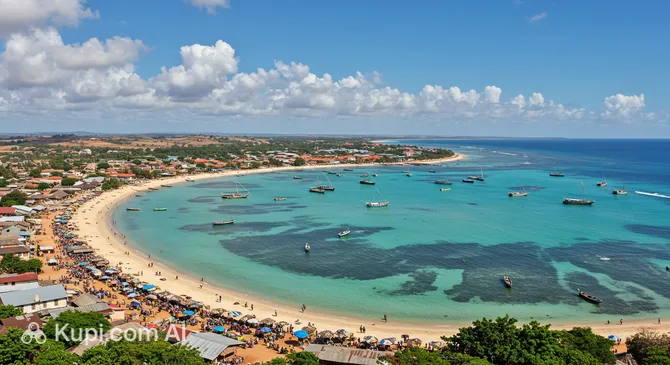
Welcome to Toliara, often affectionately known as the "City of the Sun" due to its bright, hot climate and year-round sunshine. Located on the southwestern coast of Madagascar, this vibrant port city serves as the capital of the Atsimo-Andrefana Region. With a population of approximately 168,000 residents, it is a bustling urban hub that acts as the primary gateway to the Great Reef and the unique spiny forests of the south.

Toliara. Source: Kupi.Binoculars

The city is situated on a broad coastal plain, bordered by mangroves and sandy beaches. Its geographical location gives it a semi-arid climate, distinct from the humid east coast, making it a haven for travelers seeking warmth and dry weather. While the history of Toliara is deeply rooted in its development as a colonial trading post and a center for the Vezo fishing culture, the modern city is a lively mix of diverse ethnic groups and traditions.

Travelers are drawn to Toliara not just for its atmosphere, but for the exceptional attractions nearby. The Arboretum d'Antsokay is a must-visit botanical garden that preserves the region's rare and endemic flora, offering a fascinating glimpse into the island's biodiversity. Additionally, the city serves as the perfect launchpad for excursions to the stunning beaches of Ifaty and Anakao, where pristine coral reefs await snorkelers and divers.

Whether you are exploring the colorful local markets filled with seashells and crafts or preparing for an adventure into the deep south, Toliara offers a welcoming and energetic start to your journey. We invite you to discover the unique charm and coastal beauty of this sun-drenched city.

Weather Overview

True to its nickname, Toliara enjoys a hot and semi-arid climate characterized by abundant sunshine and warm temperatures year-round. The city experiences two distinct seasons: a hot, slightly wetter season and a cooler, dry season. The warmest months are typically from December to March, where the average temperature stays around 28°C, often peaking at 31°C during the day. This period also corresponds with the region's limited rainy season, with January seeing the highest frequency of rain at approximately 13 wet days.

As the year progresses into the austral winter, from June to August, the weather becomes milder and significantly drier. During these months, average temperatures drop to a comfortable 22°C to 23°C, with nighttime lows occasionally reaching 18°C. Rainfall is virtually non-existent during this time, particularly in September, which typically records zero wet days. For travelers planning a trip, checking the detailed weather in Toliara can help in choosing the perfect time for outdoor excursions.

Overall, you can expect hot summers with occasional showers and mild, extremely dry winters. The consistent warmth and lack of heavy rainfall for most of the year make it an ideal destination for exploring the coast and the surrounding natural attractions.

Interesting Facts

Beyond the main attractions and the bustling port life, Toliara holds fascinating secrets that reveal the unique ecological and historical character of this coastal hub.
  • Home of a "Living Fossil": The local Museum of the Sea (Musée de la Mer) houses a rare, preserved specimen of the Coelacanth. This prehistoric fish was believed to have gone extinct alongside the dinosaurs millions of years ago until it was miraculously rediscovered in the deep waters off the coast, making the region a pivotal location for marine history.

  • Shielded by a Giant: The city is protected by the "Great Reef" (Grand Récif), a massive barrier reef stretching approximately 18 kilometers long and up to 3 kilometers wide. It is one of the most significant coral reef systems in the Mozambique Channel, acting as a natural breakwater that keeps the coastal waters calm.

  • Land of the Elephant Bird: The arid landscapes surrounding Toliara are famous for yielding fossilized egg fragments of the Aepyornis, or Elephant Bird. These colossal, flightless birds once roamed Madagascar, and remnants of their massive eggs are still occasionally discovered in the sandy soils of the Atsimo-Andrefana region.

  • The Capital of Rickshaws: While taxis are common elsewhere, the streets here are dominated by the pousse-pousse (rickshaw). These brightly colored, human-powered carts serve as the primary mode of public transport and are often decorated with personalized art and witty slogans, adding a vibrant moving gallery to the city traffic.

How to Get There

Reaching the southwestern coast of Madagascar is an adventure that rewards travelers with stunning landscapes and vibrant culture. Whether you are arriving from the capital or connecting from other regional hubs, planning your journey is essential. You can find detailed information on all available transport options in our guide on how to get to Toliara.

The most direct and time-saving method to reach the city is by air. You can fly directly into Tulear Airport (TLE), which serves as the primary gateway for the region. Located approximately 6.9 km from the city center, this airport welcomes domestic flights connecting Toliara with Antananarivo and other major towns. Once you land, the journey to the downtown area is quick and convenient; a taxi or shuttle ride typically takes about 30 minutes depending on traffic. While the airport is relatively compact, it handles a steady flow of tourists eager to explore the nearby reefs and beaches.

For clarity, here is a summary of the main airport serving the area:

Airport Name City Passenger Traffic Km from City
Tulear Toliara Moderate 6.9

For those who prefer overland travel, Toliara is the southern terminus of the famous Route Nationale 7 (RN7). This iconic highway connects the city to the capital, Antananarivo, passing through changing landscapes of highlands, rainforests, and savannahs. While the drive is long, it is a popular choice for visitors wanting to see the diversity of the country. Please note that there are no passenger railway services currently connecting Toliara to the rest of the island, so road and air remain the primary means of entry.

Main Attractions

While Toliara is often viewed as a transit point to the southern beaches, the city and its immediate surroundings offer several compelling sites that highlight the region's unique natural history and culture. Visitors spending time here can explore botanical treasures, marine heritage, and vibrant local life before heading further afield.

Arboretum d'Antsokay is undoubtedly the premier attraction in the area, located just a short drive southeast of the city center. Established by a Swiss botanist in 1980, this conservation project is a sanctuary for the "spiny forest" vegetation unique to southern Madagascar. The arboretum houses over 900 plant species, the vast majority of which are endemic to the island. It is an excellent place for nature lovers to learn about the medicinal uses of local flora and spot nocturnal lemurs, reptiles, and birds during guided tours. The on-site interpretation center provides valuable insight into this fragile ecosystem.

For those interested in marine biodiversity, the Musée de la Mer (Museum of the Sea), run by the University of Toliara, is a fascinating stop. Its most famous exhibit is a preserved Coelacanth, the "living fossil" fish caught locally, but the museum offers much more. The collection includes a wide array of shells, corals, and sponges found in the Mozambique Channel, as well as displays dedicated to the traditional fishing techniques of the Vezo people. It serves as an educational hub that underscores the importance of the nearby Great Reef.

To experience the daily rhythm of the city, a visit to Bazary Be is essential. This bustling central market is the heartbeat of Toliara, where locals trade everything from fresh produce and spices to vibrant textiles and handmade crafts. It is a sensory experience filled with the scents of vanilla and the bright colors of tropical fruits. For tourists, it is also a great place to find souvenirs, such as woven mats or items made from zebu horn, while observing the lively interactions of the community.

Just north of the city lies the Honko Community-Based Mangrove Reserve, an eco-tourism initiative located in the village of Belalanda. This site protects a vital mangrove ecosystem and offers visitors the chance to explore the wetlands via a boardwalk or guided kayak tours. It is a peaceful escape that attracts birdwatchers and those interested in sustainable tourism, demonstrating how local communities are working to preserve their coastal environment.

Local Cuisine

Local Cuisine:

The culinary scene in Toliara is heavily influenced by its location on the Mozambique Channel and the traditions of the Vezo fishing communities. Seafood is the undisputed star here, with the daily catch arriving fresh at the port and local markets. Visitors should not miss the opportunity to try the region's succulent lobster (crayfish), crab, and octopus, often grilled simply with garlic and lime or simmered in rich sauces. The abundance of marine life makes seafood platters a common and affordable luxury in many local establishments.

Beyond the ocean's bounty, the arid south is known for its high-quality zebu meat. One of the most popular street foods you will encounter is masikita, savory skewers of marinated zebu beef grilled over charcoal. These are typically enjoyed in the evenings, served with a side of achards (pickled vegetables) or spicy sakay paste to add a kick. Rice, known as vary, remains the staple accompaniment to almost every meal, often served with a clear broth or vegetable stew.

To quench your thirst in the "City of the Sun," there are several local beverages worth trying. Ranonapango (or ranovola) is a traditional drink made from boiling water in the rice pot after cooking, resulting in a toasted, refreshing flavor that locals drink with meals. For something stronger, Toliara is an excellent place to sample rhum arrangé. This is rum infused with local fruits and spices, such as vanilla, lychee, or ginger, and is a staple digestif in restaurants and bars. The national lager, Three Horses Beer (THB), is also widely available and perfectly suits the hot climate.

The food culture in Toliara is relaxed and unpretentious. You can find everything from casual hotelys (small local eateries) serving hearty plates of rice and stew to French-influenced restaurants offering fine dining with a tropical twist. For an authentic experience, the evening street food stalls provide a lively atmosphere where you can mingle with locals while enjoying freshly grilled snacks under the stars.

Travel Tips

Visiting Toliara is an exciting immersion into the warm culture and sunny climate of southern Madagascar, but a little preparation goes a long way in this unique region. To help you navigate the "City of the Sun" with ease and confidence, we have compiled a list of essential practical tips for your journey.

  1. Clothing and Gear: Given the semi-arid and hot climate, pack lightweight, breathable fabrics like cotton or linen to stay cool. A wide-brimmed hat, high-quality sunglasses, and strong sunscreen are non-negotiable essentials here. While beachwear is acceptable at the resorts in Ifaty or Anakao, it is respectful to dress more modestly when walking around Toliara's city center or visiting markets. Comfortable sandals are great, but bring closed-toe shoes if you plan to visit the spiny forest at the Arboretum to protect your feet from thorns.

  2. Transportation: The most iconic way to get around Toliara is by pousse-pousse (rickshaw). They are everywhere and offer an authentic local experience for short distances; just be sure to agree on the fare before you get in. Taxis are also available but do not usually have meters, so negotiation is key here as well. For excursions outside the city, such as to the beaches or the airport, arranging a transfer through your hotel or hiring a private car with a driver is the most reliable option.

  3. Finances: The local currency is the Malagasy Ariary (MGA). While some upscale hotels and restaurants accept Visa or Mastercard, cash is absolute king in Toliara, especially at markets, small shops, and for transport. ATMs are available in the city center, but they can occasionally be out of service or have withdrawal limits, so it is wise to carry a backup reserve of cash. Tipping is not mandatory but is highly appreciated; small change for porters, drivers, and waitstaff makes a big difference.

  4. Health and Safety: Toliara is in a malaria-endemic zone, so consulting a doctor for prophylaxis before your trip is highly recommended, along with using strong insect repellent. Never drink tap water; always opt for sealed bottled water, which is widely available. Pharmacies can be found in the town center, but they may not be open 24/7, so bring a basic personal first-aid kit. Regarding safety, the city is generally welcoming, but exercise standard caution: avoid walking alone in unlit areas at night and keep valuables secure in crowded places like Bazary Be.

  5. Communication: The official languages are Malagasy and French. English is not widely spoken outside of major tourist establishments, so knowing a few basic phrases in French will be extremely helpful. Locals also appreciate it if you try a few words of Malagasy, such as "Salama" (Hello) and "Misaotra" (Thank you). Buying a local SIM card (Telma or Orange) is easy and affordable, providing you with reliable 4G data for maps and translation apps.

  6. Local Etiquette: The concept of fady (taboo) is very important in Malagasy culture. These rules can vary by community, so if you are unsure about visiting a specific site or touching an object, always ask a guide first. When taking photos of people, it is polite to ask for permission; a smile and a nod usually suffice. Respect for elders is paramount, so always greet older individuals first and with deference.

  7. What to Avoid: Do not point at people or sacred objects with a single finger, as this is considered rude; gesture with an open hand instead. Additionally, avoid raising your voice or showing public displays of anger, as Malagasy culture values harmony and calmness in social interactions.

  8. Siesta Time: Due to the intense midday heat, Toliara often slows down significantly between 12:00 PM and 2:00 PM. Many shops and smaller businesses close for a lunch break and a rest during these peak sun hours. Plan your shopping or administrative tasks for the morning or late afternoon to avoid finding closed doors.

By keeping these tips in mind, you will be well-equipped to embrace the relaxed pace and vibrant atmosphere of Toliara. Enjoy the warmth of the sun and the hospitality of the people as you explore this fascinating corner of Madagascar!

Entertainment & Nightlife

As the sun sets over the Mozambique Channel, Toliara transforms from a bustling port city into a vibrant hub of music and dance. The nightlife here is legendary in Madagascar, largely driven by the infectious rhythms of Tsapiky, a fast-paced local music genre that acts as the heartbeat of the region. The atmosphere is energetic, unpretentious, and welcoming, with locals and travelers mingling freely to enjoy the warm tropical evenings.

The nightlife scene is concentrated primarily in the Centre-Ville (City Center) and along the boulevards leading to the seafront. Unlike the capital, where venues might require a specific dress code, Toliara is decidedly casual. Shorts and sandals are the norm, even in the most popular spots. The vibe is less about exclusivity and more about rhythm and community, with parties often spilling out onto the streets during weekends and holidays.

For those looking to experience the authentic pulse of the city, Zaza Club is the most iconic venue in town. It is a large, energetic nightclub where the best local bands perform live Tsapiky music, drawing crowds who love to dance until the early hours. For a more relaxed evening, Le Jardin offers a pleasant garden setting where you can enjoy cocktails and dinner before the night heats up. It is a popular meeting point for expatriates and tourists seeking good conversation and a laid-back ambiance. Another notable spot is Vakok' Arts, a cultural center that occasionally hosts traditional music performances and events, offering a slightly more low-key but culturally rich entertainment experience.

Practicality is key when enjoying a night out in Toliara. The festivities typically start late, with bars filling up around 9:00 PM and clubs peaking after midnight. Prices for drinks, especially the local Three Horses Beer (THB), are very affordable compared to Western standards. When moving between venues, it is highly recommended to use taxis rather than walking or taking a pousse-pousse (rickshaw) late at night, especially if you are crossing through quieter neighborhoods. While the main nightlife areas are generally safe and populated, it is wise to avoid unlit streets and keep your belongings secure.

While the nights are for dancing, daytime entertainment in Toliara offers a different kind of cultural engagement. The city lacks large amusement parks, but it makes up for it with its engaging museums and markets. Visitors can spend their days exploring the Musée de la Mer to learn about marine history or browsing the vibrant stalls of Bazary Be. For those seeking a relaxed afternoon, the city's cafes and small art galleries provide a perfect respite from the heat before the sun goes down and the music begins again.

Parks & Museums

While Toliara is widely known as a coastal gateway, the city and its surroundings are home to remarkable botanical sanctuaries and cultural institutions that offer a deeper look into the region's identity. From preserving the unique "spiny forest" to showcasing the traditions of the southern tribes, these sites provide a perfect balance of nature and history for inquisitive travelers.

Arboretum d'Antsokay is the region's premier botanical attraction, located just a short distance from the city center. This 40-hectare sanctuary is dedicated to preserving the endangered flora of the Madagascar south, specifically the unique "spiny forest" thickets. Visitors can walk along well-marked trails to see over 900 plant species, including towering Didiereaceae and rare medicinal plants, many of which exist nowhere else on Earth. It is also an excellent spot for birdwatching and spotting nocturnal lemurs during guided evening walks.

For a mix of nature and mysticism, the Sacred Banyan of Miary is a fascinating site located in a small village about 10 kilometers from town. Known locally as "Fihamy," this ancient tree has grown so large that its tangled aerial roots resemble a small forest. It is a place of worship and legend; local tradition says the tree grew from the sacrifice of a young girl to appease a flooding river. The site offers a quiet, spiritual atmosphere where visitors can learn about local beliefs and witness the deep connection between the Malagasy people and their environment.

The Honko Community-Based Mangrove Reserve offers a different kind of green space, focusing on the vital wetland ecosystems north of Toliara. A boardwalk winds through the mangroves, allowing visitors to explore this "forest between land and sea" without damaging the fragile roots. It is a haven for waterbirds and a shining example of sustainable ecotourism, where the local community actively manages the conservation efforts.

In terms of culture, the Musée de la Mer (Rabesandratana Oceanographic Museum) is a small but significant institution run by the local university. Its claim to fame is a preserved specimen of the Coelacanth, the "living fossil" fish that was once thought extinct for millions of years. The museum also displays a variety of corals, shells, and marine specimens from the Mozambique Channel, highlighting the rich biodiversity of the nearby Great Reef.

To understand the people of the south, a visit to the Museum of Arts and Traditions of the South (CEDRATOM) is essential. This ethnological museum provides valuable insight into the lives of the Mahafaly, Sakalava, and Antandroy tribes. The exhibits feature traditional tools, musical instruments, and, most notably, examples of funerary art, such as the intricate aloalo (totem poles) that decorate tombs in the region. It is a key stop for anyone wishing to comprehend the complex customs and artistic heritage of the area.

For a truly authentic local experience, take a stroll to the Shell Market along the waterfront boulevard. While not a formal museum, it acts as an open-air gallery of the ocean's treasures, where you can see polished cowries, conch shells, and mother-of-pearl crafts. It is a lively spot to chat with artisans and find unique souvenirs while enjoying the sea breeze.

Getting Around

Public transport in Toliara is unique and distinct from the complex systems found in major Western capitals. There is no metro, tram, or large municipal bus network operating within the city limits. Instead, the streets are dominated by the iconic pousse-pousse (rickshaw), which serves as the primary means of getting around for locals and tourists alike. These come in two forms: the traditional foot-pulled runners and the increasingly popular cyclo-pousse (bicycle rickshaws), which are slightly faster. For those seeking motorized transport, the three-wheeled bajaj (tuk-tuk) has become a staple, offering a quicker and breezier alternative to the rickshaws, especially during the heat of the day.

The payment system is entirely informal and cash-based. There are no travel cards, mobile apps, or electronic passes. You must pay the driver directly in the local currency, the Malagasy Ariary (MGA). It is crucial to carry small denominations, as drivers often do not have change for large bills. Fares are generally very affordable, with a short ride across the city center costing only a modest amount, but prices can increase slightly at night or for longer distances.

For tourists, the most important rule of using transport in Toliara is to negotiate the price before you start your journey. Since there are no meters, you must agree on a fare with the driver upfront to avoid misunderstandings upon arrival. Pousse-pousse drivers are everywhere and will often approach you offering a ride; a polite "no" is sufficient if you prefer to walk. While these services operate from early morning until late at night, finding a ride can be harder after dark, so it is advisable to arrange transport in advance if you plan to be out late.

Standard taxis are available but are less common for short intra-city hops compared to rickshaws and tuk-tuks. They are typically older vehicles and are best used for airport transfers or trips with heavy luggage. Unlike the rickshaws, taxis are not always roaming the streets looking for passengers; they are usually found at designated stands near markets or hotels. If you wish to visit attractions outside the city, such as the Arboretum or the beaches, renting a car with a driver is the standard and safest alternative, as self-driving can be challenging due to road conditions.

Walking is also a viable and pleasant option for exploring the compact city center, particularly along the waterfront or near the markets. However, due to the intense midday sun, many visitors prefer to hop into a shaded cyclo-pousse. The experience of riding in one of these brightly decorated carts is not just a practical way to travel, but a cultural immersion into the daily rhythm of Toliara.

Accommodation

Accommodation in Toliara is varied, reflecting its role as a major regional hub and a transit point for travelers heading to the southern coast of Madagascar. The city offers a range of options suitable for different travel styles, from basic backpacker hostels and affordable local guesthouses to comfortable mid-range hotels. While the ultra-luxury resorts are typically located in the nearby beach villages of Ifaty and Anakao, the city itself provides clean, secure, and pleasant establishments, many of which feature swimming pools to help guests cool off in the semi-arid heat.

When choosing where to stay, location is a key factor. The City Center (Centre-Ville) is the most convenient area for those who want to be close to banks, shops, and the vibrant nightlife. Staying here puts you within walking distance of the markets and transport stops, though it can be quite lively and noisy at night. For a more relaxed atmosphere, consider looking for properties along the Seafront or the boulevards facing the Mozambique Channel. These areas offer better views, refreshing sea breezes, and easy access to some of the city's best restaurants. Alternatively, the outskirts near the road to the Arboretum offer quieter, garden-style lodgings away from the urban bustle.

Booking Tip: Toliara is a strategic stopover for those traveling the RN7 or waiting for flights, so rooms can fill up surprisingly fast. This is especially true during the peak tourist seasons of July to August and around the December holidays. It is highly advisable to book your accommodation at least a few weeks in advance during these periods to secure a room with air conditioning, which is a highly comfortable amenity in this climate.

The price range for lodging in the city is generally very reasonable compared to international standards. Budget travelers can find simple but decent rooms for a low cost, though payment is often required in cash (Ariary). Mid-range hotels typically offer modern amenities like Wi-Fi, en-suite bathrooms, and secure parking. While larger hotels are listed on major online booking platforms, many smaller, family-run guesthouses still rely on direct bookings via phone or email, so don't hesitate to contact them directly if you don't see availability online.

Nearby Cities

For those looking to explore the surroundings, Toliara serves as an excellent base for day trips to several interesting nearby locations:

City Population Distance (km)
Betioky Sud 33000 83
Sakaraha 31183 101
Andranovory 31000 55
Ankililoaka 21000 66
Tongobory 21000 70

Among these destinations, Sakaraha stands out as a significant stop for nature enthusiasts. Located along the main highway, it serves as the gateway to the Zombitse-Vohibasia National Park, a transitional forest famous for its varied bird species and lemur populations. To the south, Betioky Sud offers a different experience, providing access to the Beza Mahafaly Special Reserve, where visitors can observe ring-tailed lemurs and explore the unique gallery forests. Andranovory, situated at a major road junction, offers a bustling market atmosphere that reflects the daily life and commerce of the region. These nearby destinations offer a glimpse into the diverse culture and landscapes of the region.

Shopping & Souvenirs

Shopping in Toliara is an authentic and vibrant experience that reflects the city's role as a bustling port and regional capital. Unlike major international cities filled with high-end luxury boutiques and sprawling shopping complexes, the retail scene here is grounded in local culture, craftsmanship, and daily life. Visitors will find that the charm of shopping in Toliara lies in exploring colorful markets, discovering unique handmade treasures, and interacting with friendly local artisans.

The primary commercial activity is concentrated in the Centre-Ville (City Center), particularly along the main boulevards and the streets surrounding the central market. This area serves as the city's open-air shopping district, where small shops, kiosks, and street vendors sell everything from clothing and electronics to hardware and household goods. A stroll down Boulevard Lyautey or the avenues near the Town Hall reveals a mix of colonial-era buildings housing various stores, offering a lively atmosphere that captures the pulse of the town.

Travelers looking for modern "shopping malls" in the Western sense will not find them here. Toliara does not have large department stores or multi-story retail centers. However, there are well-stocked supermarkets and smaller commercial galleries where you can purchase imported goods, toiletries, and groceries. These establishments are convenient for travelers needing to restock on supplies, sunscreen, or bottled water before heading to the beaches of Ifaty or Anakao.

The true heart of the city's commerce is Bazary Be (Big Market). This sprawling marketplace is a sensory overload of sights, sounds, and smells, acting as the daily meeting point for locals. Here, you can wander through narrow aisles piled high with tropical fruits, vegetables, aromatic spices, and dried fish. It is also an excellent place to find textiles, including the colorful lambas (traditional sarongs) worn by Malagasy women, which make for versatile and lightweight gifts.

For those specifically hunting for keepsakes, the Shell Market located along the waterfront is a must-visit. Toliara is famous for its marine resources, and this market offers an impressive array of polished sea shells, mother-of-pearl jewelry, and decorative items. In addition to marine crafts, the region is renowned for its Mohair carpets. These high-quality, hand-knotted rugs are produced in the nearby Ampanihy district but are widely available in Toliara shops. Other popular souvenirs include intricate wood carvings, such as reproductions of the traditional aloalo (funerary poles), and locally harvested sea salt.

When planning your shopping trips, keep in mind that business hours in Toliara are influenced by the climate. Most shops and markets open early, around 8:00 AM, but many close for a "siesta" break between 12:00 PM and 2:00 PM to avoid the peak heat. They typically reopen in the afternoon until about 6:00 PM. On Sundays, many businesses are closed or operate with reduced hours. Regarding payment, cash is king. While a few supermarkets and hotels may accept credit cards, the vast majority of vendors, especially in markets, only accept the Malagasy Ariary (MGA). It is essential to carry small denominations for easier transactions.

Tax-free shopping and VAT refunds are generally not available for tourists in Toliara's local shops and markets. The prices are already quite reasonable by international standards. Bargaining is a common and expected practice in the markets and with street vendors; approaching it with a smile and a friendly attitude will often result in a fair price and a pleasant exchange.
Reached the end of the page?

That means the route is fully explored