Malawi is often called the "Warm Heart of Africa," a title that perfectly captures the country's spirit. This small but incredibly welcoming nation in Southeast Africa attracts travelers with its pristine landscapes, majestic mountains, and, of course, the legendary Lake Malawi, which occupies a significant portion of its territory.
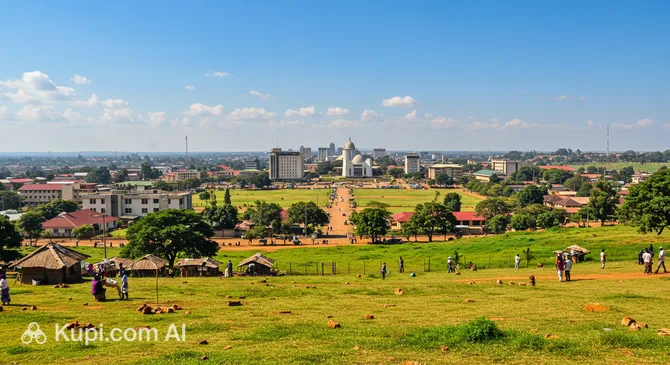
The heart of the country's political and administrative life is Lilongwe. The city is divided into two parts: the Old Town, with its colorful markets and vibrant atmosphere, and the modern City Centre, where government buildings and embassies are concentrated. Visiting the capital allows you to feel the contrast between traditional ways of life and the country's drive toward development.
Illustration.
Source: Kupi.com AI
Beyond the capital, travelers should look toward Blantyre — the commercial and industrial hub — as well as cozy lakeside settlements like Nkhata Bay. In Malawi, nature is closely intertwined with culture: you can spend the morning watching elephants in national parks and the evening enjoying a sunset on a golden beach to the rhythm of local drums.
Currency
The official currency of the country is the Malawian Kwacha (international code — MWK). Banknotes of various denominations are in circulation, often featuring portraits of the country's prominent figures and important cultural symbols. Cash is the predominant way to pay in Malawi, so travelers are advised to always carry a sufficient supply of local bills.
It is best to exchange currency at official banks or licensed exchange bureaus, which can be found in Lilongwe and other major cities. Credit cards are accepted mainly in large hotels, high-end restaurants, and some supermarkets; however, they will be of little use in rural areas or at local markets. ATMs are available in cities for cash withdrawals, but be mindful of potential fees and withdrawal limits.
Visa Requirements
Most foreign citizens require a tourist visa to visit Malawi. In recent years, the application procedure has been significantly simplified thanks to the introduction of the e-Visa system, which allows you to obtain entry permission online before your trip begins. In some cases, visas can also be obtained upon arrival at international airports or land border crossings, but it is best to verify the current rules in advance.
For your trip, you will definitely need a valid passport (with at least six months' validity from the date of entry), return tickets, proof of accommodation booking, and, in some cases, a yellow fever vaccination certificate if arriving from endemic countries. Before departure, we strongly recommend checking the latest updates on the official immigration service website or at the nearest Malawi embassy, as visa requirements are subject to change.
We’ll tell you if you need a visa
Enter where you’re going, or
Your citizenship
Destination
Timezones
The entire territory of Malawi is in a single time zone — Central Africa Time (CAT). This corresponds to the international standard of GMT+2. This greatly simplifies travel planning within the country, as tourists do not need to worry about changing their clocks when traveling between cities or regions.
It is worth noting that the country does not observe daylight saving time. When planning international calls or flights through neighboring countries, be sure to check the current time difference to avoid any misunderstandings with transport schedules.
Getting There
The most convenient way to reach Malawi is by air. The country's main gateway is Lilongwe International Airport, located near the capital. International flights also land at Chileka Airport, which serves the city of Blantyre. As there are almost no direct flights from Europe or the Americas, travelers typically use connections through major African hubs such as Johannesburg, Addis Ababa, or Nairobi.
If you are planning a multi-country African journey, Malawi can also be reached by land. Bus routes from neighboring countries — Zambia, Tanzania, and Mozambique — are popular. Border crossings take place at designated points, and this mode of travel allows you to fully enjoy the region's changing landscapes.
It is recommended to book tickets in advance, especially if your trip coincides with the high tourist season (May to October). You should also arrange your airport-to-hotel transfer ahead of time, as public transport may not always be convenient for travelers with luggage.
Malawi offers a surprising variety of destinations: from dynamic administrative centers to idyllic lakeside resorts. A journey through the country often begins with a visit to Lilongwe, where modern infrastructure exists alongside traditional African markets.
Illustration.
Source: Kupi.com AI
For those seeking the atmosphere of old Africa and cultural heritage, Blantyre — the country's oldest city — is a must-visit. Beach lovers and water sports enthusiasts will find their place on the shores of Lake Malawi: the resort town of Salima, famous for its golden sands, and the picturesque Nkhata Bay, considered a mecca for backpackers and divers.
Smaller towns are equally interesting. For instance, Mangochi serves as the gateway to the southern part of the lake and colonial-era historical monuments, while Monkey Bay is the starting point for boat trips to Lake Malawi National Park.
Top Attractions
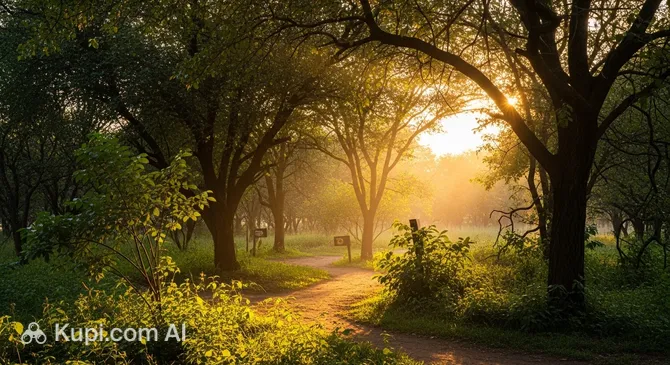
One of the most popular attractions in the capital is the Lilongwe Wildlife Centre. This is not just a zoo, but a genuine sanctuary and rehabilitation center for animals, where you can see lions, primates, and various antelopes rescued from poachers or illegal trade in a natural setting.
Illustration.
Source: Kupi.com AI
Traveler photos:
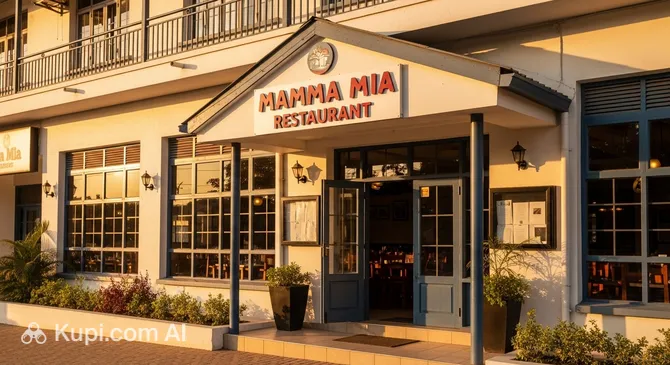
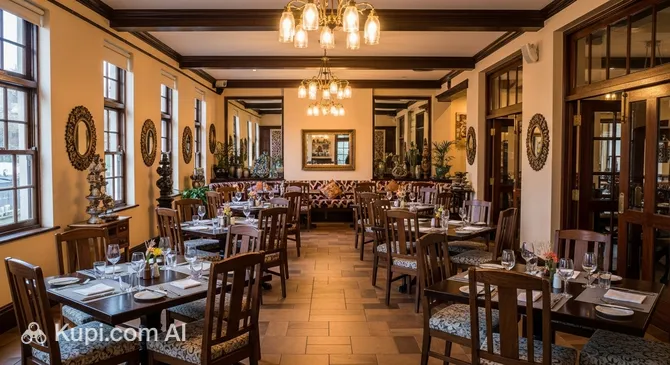
For those looking to experience the gastronomic culture or simply have a good time, Malawi has some excellent dining options. For example, Mamma Mia restaurant in Lilongwe is famous for its cozy atmosphere and high-quality cuisine, offering tourists a chance to relax after a busy day of sightseeing.
Illustration.
Source: Kupi.com AI
Traveler photos:
If you are in Blantyre and looking for familiar flavors with an African twist, you can stop by places like the restaurant on Haile Selassie Avenue. Despite being part of a chain, it is very popular with both locals and visitors looking for a quick bite in a comfortable setting.
Illustration.
Source: Kupi.com AI
Traveler photos:
Best Time to Visit
When planning the perfect trip to Malawi, it is essential to consider the changing seasons. The high season falls between May and October. During this time, the weather is dry and cool, which is considered the most comfortable for safaris and lakeside relaxation. Visibility in national parks is excellent, and animals frequent waterholes more often, guaranteeing a memorable wildlife viewing experience.
The low season, or "emerald season," lasts from November to April. During this period, Malawi experiences tropical rains that transform the landscape into a lush paradise. This is the best time for birdwatching enthusiasts, as many migratory birds arrive in the country. Despite the higher humidity and potential travel difficulties on certain roads, this period attracts those looking for fewer crowds and more affordable accommodation prices.
If your goal is a beach holiday in places like Salima or Mangochi, it is best to choose the shoulder seasons (April–May or September–October), when the lake water is at its clearest and air temperatures are not too high. In any case, the natural charm of Malawi remains constant throughout the year.
Traditions
The culture of Malawi is deeply rooted in traditions of hospitality and mutual respect. Greetings are an essential ritual here: a polite "How are you?" (in English or the local Chichewa language) must always precede any conversation or transaction. Malawians value politeness and friendliness, so a smile and a calm tone will always help you find common ground with the locals.
Regarding dress codes, the people of Malawi tend to be conservative, especially in rural areas and when visiting religious sites. Travelers are advised to choose modest clothing that covers the shoulders and knees. When visiting someone's home, it is considered polite to bring a small gift, such as fruit or sweets, to show your gratitude for their hospitality.
Certain etiquette is also observed at the table: food is often taken with the right hand if the meal is served in a traditional style. One of the most significant events in the country's cultural life is the Lake of Stars arts festival, which allows tourists to discover Malawi's contemporary music and culture in a unique natural setting on the lakeshore.
Entertainment
Entertainment in Malawi is inextricably linked to its unique geography. The main magnet for outdoor enthusiasts is Lake Malawi. Here, you can enjoy diving and snorkeling among hundreds of species of colorful cichlid fish, as well as kayaking and sailing. Resort areas like Monkey Bay offer excellent conditions for water sports surrounded by stunning scenery.
For those who prefer inland adventures, the country offers safaris in its national parks. You can head to Liwonde to see elephants and hippos in their natural habitat. Trekking enthusiasts should definitely visit the Mulanje Massif or the Zomba Plateau near the city of Zomba, where scenic trails wind through dense forests and past waterfalls.
Cultural life and leisure are concentrated in the cities. In the capital, you can visit the Lilongwe Wildlife Centre or spend an evening in cozy venues like Mamma Mia restaurant. Nightlife in major centers features bars with live African music, while local shopping will delight fans of authentic souvenirs: wood carvings, woven goods, and vibrant fabrics, which are best purchased at local markets.
Currency rates
Planning a trip? That's wonderful! To ensure the financial side of your journey does not come as a surprise, it is important to remember that exchange rates are constantly changing. Therefore, we strongly advise you to monitor the current rates both before you fly and throughout your trip. You can use the data provided below for this — we monitor exchange rates 24/7 and strive to provide the most up-to-date information.