Support

Blantyre

About

Blantyre serves as the commercial and industrial capital of Malawi, offering a dynamic contrast to the political capital, Lilongwe. As the second-largest city in the country, it pulses with a vibrant energy, blending modern business with a rich cultural heritage. Often referred to as the commercial heart of the nation, it provides travelers with a unique urban experience in the warm heart of Africa.

Located in the Southern Region within the scenic Shire Highlands, the city enjoys a relatively temperate climate due to its altitude, making it comfortable for exploration year-round. With a population of approximately 1.9 million people, Blantyre is a bustling metropolis surrounded by rolling hills and mountain peaks, acting as a vital hub for the surrounding tea-growing districts.
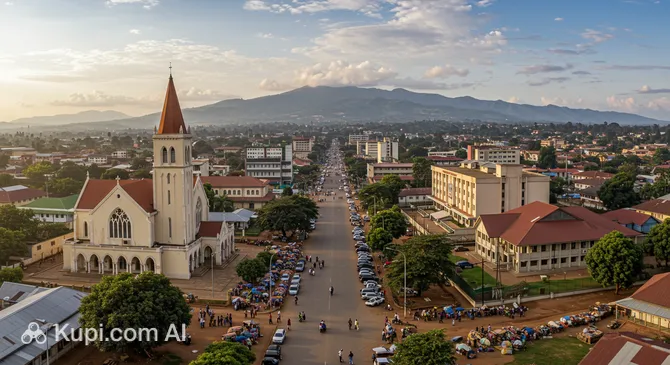
Blantyre. Source: Kupi.Binoculars

The city holds the distinction of being the oldest municipality in the country, established in the late 19th century. The fascinating history of Blantyre is deeply rooted in the arrival of Scottish missionaries; it was famously named after the birthplace of the explorer David Livingstone in Scotland. This colonial legacy is still visible today in the city's layout and historic architecture.

Visitors will find several captivating landmarks to explore. The most iconic is undoubtedly the St. Michael and All Angels Church, celebrated for its incredible brickwork designed and built by men with no prior architectural training. Another significant site is the Mandala House, the oldest standing building in the country, which offers a glimpse into the past. For a broader understanding of the nation's heritage, the Chichiri Museum features extensive exhibits on natural history and ethnography.

Whether you are visiting to admire its historic structures or using it as a gateway to the nearby Mount Mulanje, Blantyre offers a welcoming and spirited atmosphere that is sure to leave a lasting impression.
Weather Overview

Blantyre enjoys a subtropical highland climate, which generally keeps conditions pleasant and moderate compared to the lower-lying areas of the country. Due to its elevation in the Shire Highlands, the city avoids the most intense heat typical of the region, making it a comfortable destination for most of the year.

The temperatures vary distinctly between seasons. The warmest months are typically October through December, where average temperatures range from 24.7°C to 25.6°C, with daytime highs occasionally reaching around 30°C. In contrast, the cooler winter period from June to July sees average temperatures dropping to between 17.5°C and 18.1°C. During these cooler months, nights can feel quite brisk, with minimum temperatures dipping as low as 12°C, so packing layers is advisable.

Rainfall patterns are also seasonal. The wet season is most pronounced from December to March, characterized by frequent precipitation; for instance, January can experience up to 25 wet days. Conversely, the dry season, spanning roughly from May to September, offers clear skies and very little rain, with September seeing as few as 2 wet days. For travelers planning their trip and looking for specific forecasts, checking the detailed weather in Blantyre can help in choosing the best time to visit.

Interesting Facts

Beyond its well-known status as a commercial hub, Blantyre holds curious historical footnotes and geographical quirks that often escape the casual eye. From unique industrial firsts to the stories embedded in its street names, the city offers several fascinating details for the inquisitive traveler.
  • The 'Green' Legacy: Blantyre holds a surprising title in the world of brewing as the site of the very first Carlsberg brewery established outside of Denmark. Opened in 1968, the facility has made the brand a national icon, and the local beer is affectionately known across the country simply as a "Green."

  • The Three Guardians: Unlike cities built on flat plains, Blantyre is naturally fortified by three prominent peaks—Mount Soche, Mount Ndirande, and Mount Michiru. These mountains not only shape the city's temperate climate and skyline but also create a natural amphitheater effect around the urban center.

  • A Royal Thoroughfare: The city's layout reflects deep Pan-African ties, most notably observed in the major avenue named after the Ethiopian Emperor, Haile Selassie. This busy artery is a center of daily life and commerce, home to popular establishments such as the Haile Selassie Avenue Restaurant, which stands as a testament to the area's vibrant atmosphere.

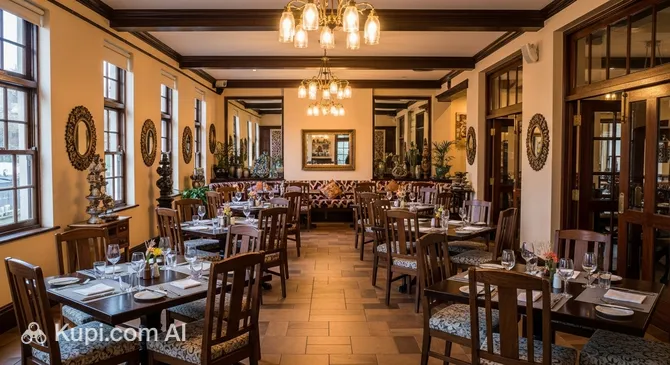
Haile Selassie Avenue Restaurant. Source: Kupi.Binoculars

How to Get There

Reaching the commercial capital of Malawi is relatively straightforward, with air travel being the most common and efficient method for international visitors. For a detailed breakdown of routes, ground transport, and logistics, you can read more about how to get to Blantyre on our dedicated page.

The city is directly served by Chileka Airport (IATA: BLZ), located just 13 km from the city center. This is the most convenient option for travelers, handling a significant portion of domestic and regional traffic. Upon arrival, a trip to the downtown area typically takes around 40 minutes by taxi or shuttle. While it is smaller than the capital's airport, it is the primary gateway for the Southern Region.

Many visitors also choose to fly into Lilongwe International Airport (IATA: LLW), which is the country's main aviation hub. It is important to note that this airport is NOT in Blantyre, but in the city of Lilongwe, approximately 258 km away. It handles a larger volume of passenger traffic and offers more international connections. From Lilongwe, the journey to Blantyre by road takes about 7 hours via taxi or bus, offering a scenic drive through the central landscapes of Malawi.

For clarity, here is a summary of the main airports:

Airport Name City Passenger Traffic Km from City
Lilongwe International AirportLilongweMedium257.9
Chileka AirportBlantyreMedium12.8
Matundo AirportTeteMedium151.1
Lichinga AirportLichingaSmall279.4

Main Attractions

To truly understand the character of Blantyre, one must explore its blend of historic colonial architecture, cultural institutions, and surrounding natural beauty. While the city is a commercial hub, it retains a charm that invites visitors to delve into its past and enjoy its scenic location.

One of the most remarkable landmarks in the city is the St. Michael and All Angels Church. Built between 1888 and 1891, this architectural marvel is famous for its intricate brickwork. What makes it truly unique is that it was constructed by local men with no prior training in bricklaying or architecture, led by the missionary David Clement Scott. The structure involves over 80 different types of brick molding and lacks any steel reinforcement, standing as a testament to the ingenuity and craftsmanship of the era. It remains a functioning place of worship and a stunning photographic subject.

For a deep dive into the nation's heritage, the Chichiri Museum (also known as the Museum of Malawi) is an essential stop. Located on the hillside between Blantyre and Limbe, this institution houses extensive exhibits covering the geology, natural history, and ethnography of Malawi. Visitors can explore displays of traditional weaponry, jewelry, and farming implements, as well as the "Hall of Independence." The museum grounds also feature an open-air exhibit with traditional village huts and historic transport relics, including an old locomotive, offering a comprehensive look at the country's evolution.

History enthusiasts will appreciate a visit to the Mandala House. Constructed in 1882, it holds the title of the oldest standing building in Malawi. Originally built as the residence for the managers of the African Lakes Corporation, the building features distinctive wrap-around verandas and a colonial style that transports visitors back to the 19th century. Today, it has been preserved and repurposed, often hosting an art gallery and a café, allowing tourists to enjoy contemporary Malawian art within a historic setting.

Nature lovers looking to escape the urban bustle should head to the Michiru Mountain Conservation Area. Just a short drive from the city center, this reserve offers a variety of hiking trails suitable for different fitness levels. The "Way of the Cross" is a popular route leading to a viewpoint that offers panoramic vistas of Blantyre and the Shire Highlands. The area is home to wildlife such as monkeys, antelopes, and hyenas, making it a perfect spot for a morning hike or a sunset picnic.

After a day of sightseeing, experiencing the local urban vibe is a must. A stroll down the bustling streets reveals the city's daily rhythm. For a culinary break in the heart of the action, the Haile Selassie Avenue Restaurant offers a chance to relax and observe the city's energy. Located on one of the main thoroughfares, it serves as a convenient spot to sample local flavors while soaking in the atmosphere of Blantyre's commercial district.

Local Cuisine

The culinary landscape of Blantyre offers a delightful introduction to the flavors of Malawi, characterized by hearty, unpretentious meals prepared with fresh, locally sourced ingredients. As the commercial hub, the city presents a diverse food scene that ranges from bustling street stalls selling quick bites to sit-down restaurants serving traditional favorites, catering to both adventurous eaters and those seeking comfort food.

The undisputed king of the local table is Nsima, a thick porridge made from maize flour that serves as the dietary staple for the entire nation. It is typically eaten with hands and is rarely served alone; it acts as the base for "ndiwo," a savory relish which can be stewed beef, chicken, beans, or leafy greens like pumpkin leaves cooked in peanut powder. Seafood lovers must try Chambo, a delicious tilapia fish endemic to Lake Malawi. Whether grilled, fried, or stewed, it is considered a national delicacy and is often the highlight of a restaurant menu.

For a quick snack or a taste of daily life, the street food culture is vibrant and welcoming. You will often find vendors selling Mandasi, a slightly sweet, fried doughnut that pairs perfectly with morning tea or coffee. Roasted maize (corn) on the cob is another popular roadside treat, especially during the harvest season, offering a smoky and satisfying flavor for travelers on the go. Fresh fruits, such as mangoes and bananas, are also widely available in the local markets, reflecting the region's agricultural richness.

When it comes to beverages, the city has its own distinct favorites. Thobwa is a traditional fermented drink made from white maize and millet or sorghum; it has a grainy texture and a sweet, tangy taste that provides energy and refreshment on hot days. On the stronger side, locals are particularly fond of their "Green" (Carlsberg beer), which has deep roots in the city's industrial history. Additionally, a classic "MGT" (Malawi Gin and Tonic) is a smooth and popular choice for an evening sundowner, renowned for its unique botanical flavor profile.

Dining out in Blantyre allows visitors to experience the city's energetic pulse. While there are numerous modern eateries, visiting a local establishment offers a more authentic vibe. For instance, the Haile Selassie Avenue Restaurant is situated right in the heart of the action. It serves as a convenient spot for tourists to enjoy a meal while observing the busy rhythm of the commercial capital's main thoroughfare.

Travel Tips

Visiting Blantyre offers a fascinating glimpse into the commercial heartbeat of Malawi, but navigating its bustling energy requires a bit of local know-how. These practical tips are designed to help you settle in quickly, ensuring your stay in the Shire Highlands is both comfortable and culturally respectful.

  1. Clothing and Gear: Due to Blantyre's altitude, the climate is milder than the lakeside areas. While days are warm, evenings can get surprisingly chilly, especially between June and August, so packing layers and a light jacket is essential. In terms of style, Malawians generally dress modestly; avoid very short skirts or shorts in public markets and town centers to show respect for local norms. Comfortable, closed-toe shoes are recommended for walking on uneven pavements.

  2. Transportation: The most common form of local transport is the minibus, which is cheap and runs on set routes, though it can be crowded and chaotic for first-time visitors. For a more comfortable experience, use private taxis. They do not always have meters, so it is standard practice to negotiate and agree on the fare before getting into the car. If you plan to explore the surrounding mountains, renting a 4x4 vehicle is advisable.

  3. Finances: The currency is the Malawian Kwacha (MWK). While some upscale hotels and restaurants in Blantyre accept international cards (Visa is more common than Mastercard), cash is king for almost all other transactions. ATMs are available throughout the city, but they can occasionally run out of cash or be offline, so it is wise to carry a backup reserve of cash. Tipping is not mandatory but is highly appreciated in service industries.

  4. Health and Safety: Malaria is present in the region, so carrying mosquito repellent and sleeping under a treated net is crucial. Pharmacies are widely available in the city center and at shopping malls like Chichiri, but they may not be open 24/7. As a general safety precaution, avoid walking alone at night, even in familiar areas; take a taxi instead. Drink bottled or filtered water rather than tap water.

  5. Communication: English is an official language and is widely spoken in Blantyre, making communication relatively easy. However, learning a few words of Chichewa, the local language, goes a long way in building rapport. A simple "Muli bwanji?" (How are you?) will earn you many smiles. SIM cards from providers like Airtel or TNM are cheap and easy to buy from street vendors or shops, but you will need your passport for registration.

  6. Local Etiquette: Malawians are incredibly polite and value greetings highly. It is considered rude to ask a question or start a transaction without first exchanging a proper greeting. Handshakes are common, often accompanied by placing the left hand on the right forearm as a sign of respect. Always use your right hand for eating, shaking hands, or giving and receiving items.

  7. What to Avoid: Do not take photographs of government buildings, police officers, or military installations, as this is strictly prohibited and can lead to legal trouble or confiscation of your camera. Always ask for permission before taking photos of local people.

  8. Power and Connectivity: "Load shedding" (scheduled power outages) can occur, sometimes lasting for several hours. It is a smart travel hack to bring a high-capacity power bank and a solar charger if possible, ensuring your devices stay charged even if the electricity grid is temporarily down.

By keeping these practicalities in mind, you will be well-prepared to embrace the warm hospitality that Blantyre is famous for. Whether you are here for business or to explore the historic sights, a little preparation allows you to focus on the vibrant culture and beautiful landscapes of this unique city.

Entertainment & Nightlife

While Blantyre is primarily known as a commercial hub, its nightlife scene offers a spirited and welcoming escape after dark. The city may not have the overwhelming 24/7 party culture of some global metropolises, but it compensates with a warm, sociable atmosphere where locals and expatriates mingle freely. The nightlife here is concentrated mostly around the weekends, with Friday and Saturday nights being the prime times to experience the city's energy.

The action is largely centered within the Central Business District (CBD) and the surrounding suburbs like Mandala and Sunnyside. Unlike cities with a single designated "party street," Blantyre's venues are somewhat spread out, often requiring a short taxi ride between spots. The vibe ranges from laid-back pubs and sports bars to energetic clubs where DJs spin a mix of international hits, Afrobeats, and local Malawian music. The dress code is generally smart-casual; while you don't need to dress to the nines, looking neat is appreciated, especially in hotel bars and clubs.

For those looking to dive into the local scene, Blue Elephant is a legendary name in Blantyre's entertainment landscape. It is known for its electric atmosphere, often hosting live bands and drawing a diverse crowd ready to dance the night away. Another popular haunt is Mustang Sally's, a sports bar and nightclub that offers a more modern, polished environment. It is a favorite for catching major sporting events on big screens before transitioning into a lively party venue as the night progresses.

Dining is an integral part of the evening ritual here. Many visitors start their night with a hearty meal before heading to the bars. The Haile Selassie Avenue Restaurant is a well-situated option for this, located on one of the city's busiest thoroughfares. Its central location makes it an excellent meeting point to soak in the urban buzz and enjoy a dinner that sets the tone for the rest of the evening.

When planning a night out, safety and logistics are important. Public transport (minibuses) stops running early in the evening, so you will need to rely on private taxis. It is highly recommended to use reputable taxi services or arrange transport through your hotel rather than hailing cars off the street at night. Avoid walking between venues after dark, even if they seem close, as streets can be poorly lit. In terms of cost, Blantyre is relatively affordable compared to Western standards, but it is wise to carry enough cash (Malawian Kwacha), as not all bars accept credit cards.

Beyond the nocturnal excitement, Blantyre offers culturally enriching daytime entertainment. The city has a growing arts scene, with places like the Jacaranda Cultural Centre hosting theater productions, poetry readings, and art exhibitions. For a more relaxed afternoon, visitors can explore local galleries or enjoy the historic ambiance of the city's tea rooms, which provide a quiet counterpoint to the vibrant energy of the nights.

Parks & Museums

While Blantyre is primarily recognized as the industrial heartbeat of Malawi, the city possesses a softer side defined by tranquil gardens, artistic hubs, and specialized archives. Beyond the well-trodden paths of its major landmarks, there are intimate spaces where culture and nature intersect, offering visitors a quiet retreat from the commercial buzz.

For a breath of fresh air within the city, Rangeley Gardens offers a charming escape. Located relatively close to the city center, this modest but well-kept park is a popular spot for locals seeking a quiet moment or a picturesque setting for photographs. With its manicured lawns and peaceful ambiance, it provides a welcome contrast to the busy streets, making it an ideal location for a leisurely stroll or a simple picnic under the shade of mature trees.

History enthusiasts seeking specific insights into the region's past should visit the Society of Malawi Library and Archive. Situated within the grounds of the historic Mandala estate, this facility deserves its own spotlight as a treasure trove of written heritage. It houses a rare collection of books, journals, and photographs dating back to the early colonial period and the days of Nyasaland. It is a fascinating stop for researchers and anyone interested in the detailed, documented stories that shaped the nation.

The city's artistic pulse is best experienced at La Caverna Art Gallery. This venue focuses on showcasing the incredible talent of Malawian artists, featuring a rotating collection of fine paintings, intricate wood carvings, and sculptures. Beyond the art on the walls, the gallery is appreciated for its serene garden setting, where visitors can enjoy a coffee while surrounded by creativity. It provides a distinct cultural experience, allowing travelers to connect with the contemporary artistic expression of the country.

Another vibrant cultural venue is the Jacaranda Cultural Centre. Often serving as the home for the Maison de la France, this center is a hub for living arts rather than static exhibits. It frequently hosts theater productions, musical performances, and film screenings, making it a dynamic space to engage with Blantyre's modern creative community. Checking their schedule offers a chance to catch a live event and mingle with the city's artsy crowd.

Getting Around

Public transport in Blantyre is an experience defined by its informality and vibrancy. Unlike cities with scheduled trams or metros, the primary mode of getting around here is the minibus. These vans are ubiquitous on the city streets, serving as the lifeline for locals commuting between the Central Business District, the industrial hub of Limbe, and the surrounding residential areas. They do not operate on a fixed timetable; instead, they follow a "fill-up and go" policy, departing from designated depots or roadside stops only once every seat is occupied.

Payment for these journeys is straightforward and strictly cash-based. There are no travel cards, digital passes, or tap-to-pay systems for the general public transport network. Passengers pay the conductor directly after boarding or during the journey. Fares are generally very affordable and vary depending on the distance traveled. It is highly recommended to carry small denominations of the local currency, as conductors may struggle to find change for large notes during busy periods.

For tourists, navigating this system requires a bit of patience and a sense of adventure. The main transit hubs are the central bus depot and the Limbe Bus Depot, both of which can be bustling and somewhat chaotic for a first-time visitor. To catch a minibus along the road, simply wave your hand as one approaches; if there is space, it will stop. Be aware that public transport services taper off significantly after sunset, so it is advisable to plan your travel during daylight hours to avoid being stranded.

If you prefer more comfort and privacy, taxis are a reliable alternative. Traditional taxis can be found at designated ranks near hotels and major shopping centers, but they rarely use meters. It is standard practice to negotiate and agree on the fare with the driver before getting into the vehicle. Recently, ride-hailing apps have started to gain traction in the city, offering a more transparent pricing model and the convenience of booking a ride from your smartphone.

For short distances within neighborhoods, you might encounter bicycle taxis, known locally as "kabaza," or three-wheeled tuk-tuks. These are popular for "last-mile" trips where minibuses do not venture or for quick hops between nearby locations. While they offer a breezy and inexpensive way to travel, they are best suited for short distances rather than cross-city journeys. Regardless of the mode you choose, it is wise to allow some extra time for your trip, as traffic congestion during peak hours can be significant.

Accommodation

As the commercial capital of Malawi, Blantyre offers a diverse array of accommodation options suited to both business travelers and tourists. The city's lodging landscape ranges from historic, high-end hotels that have hosted dignitaries for decades to charming, family-run guesthouses and budget-friendly backpacker lodges. Whether you are looking for luxury amenities or a simple base for your adventures, the city provides ample choices to fit various budgets.

For those who prioritize convenience and accessibility, staying in the Central Business District (CBD) is the most practical choice. Hotels in this area place you within walking distance of major banks, shopping centers, and transport hubs. This is the heart of the action, ideal for travelers who want to minimize travel time for meetings or quick city exploration. However, be aware that the city center can be bustling and noisy during the day.

Travelers seeking a quieter, more scenic atmosphere often prefer the leafy suburbs such as Sunnyside, Mandala, and Namiwawa. These areas are just a short drive from the center but offer a completely different vibe, characterized by large gardens, colonial-style architecture, and a sense of tranquility. Many of the city's mid-range lodges and boutique guesthouses are located here, offering a more personalized and relaxed experience compared to the larger corporate hotels.

In terms of specific options, the city is home to several well-established hotels that are household names in the region. Notable examples include the historic Protea Hotel by Marriott Blantyre Ryalls, often just called "Ryalls," which dates back to the 1920s, and the Sunbird Mount Soche, known for its hilltop views and conference facilities. On the budget end, the city is famous for its legendary backpacker spots like Doogles Lodge, which is located near the bus depot and serves as a social hub for international travelers.

Accommodation prices in Blantyre are generally reasonable. Budget hostels and simple guesthouses are very affordable, while the top-tier international hotels charge rates comparable to Western standards. A helpful tip is to book in advance, especially during the week when business travel is at its peak. While major hotels can be booked via standard online platforms, many smaller guesthouses and lodges prefer direct contact via email or WhatsApp to secure a reservation.

Nearby Cities

For those looking to explore the surroundings, Blantyre serves as an excellent base for day trips to several interesting nearby locations:

Just a short drive east of the city lies Zomba, the former colonial capital of Malawi. It is renowned for its rich history and the magnificent Zomba Plateau, which towers over the town. Visitors can spend the day hiking through lush forests, visiting the Williams Falls, or enjoying panoramic views from Emperor's View. The town itself retains a nostalgic charm with its colonial architecture and vibrant market, making it a perfect escape into nature and history.

Descending the escarpment into the Lower Shire Valley, you will find Chikwawa. This town offers a completely different climate and landscape, being significantly hotter and lower in altitude. It serves as the primary gateway to the Majete Wildlife Reserve, a "Big Five" reserve where tourists can enjoy safaris to see elephants, rhinos, and lions. The drive down the Thyolo escarpment offers breathtaking views of the valley below, adding to the adventure.

City Population Distance (km)
Lilongwe 989,318 240
Zomba 101,140 57
Salima 71,181 230
Chikwawa 56,902 36
Mangochi 51,429 146

These nearby destinations offer a glimpse into the diverse culture and landscapes of the region.

Shopping & Souvenirs

As the commercial and industrial capital of the country, Blantyre offers the most diverse and vibrant shopping scene in Malawi. From air-conditioned malls stocking international brands to chaotic, colorful open-air markets, the city caters to both modern needs and traditional tastes. For travelers, it is the best place to stock up on supplies before heading to the remote national parks or to hunt for authentic handcrafted souvenirs.

For a modern retail experience, the Chichiri Shopping Mall is the primary destination. Located conveniently near the stadium and museum, it serves as a one-stop complex featuring large supermarkets, banks with ATMs, electronics stores, and mobile phone shops. It is the ideal spot for purchasing camping gear, toiletries, and imported groceries. The mall provides a comfortable, hassle-free environment that contrasts sharply with the bustling energy of the downtown streets.

To truly feel the pulse of the city, a visit to the local markets is essential. Blantyre Market, situated in the heart of the city, is a sensory overload of fresh produce, spices, and hardware. It is a great place to buy seasonal fruits like mangoes and pineapples at very low prices. For the more adventurous, the Limbe Market offers an even more intense experience. Known for its vast selection of fabrics, second-hand clothing, and hardware, it is a bustling maze of trade where bargaining is the norm and the energy never settles.

When it comes to souvenirs, Blantyre is famous for its exquisite wood carvings. Local artisans are renowned for their skill in working with ebony, mahogany, and teak to create intricate items ranging from small animal figurines to the famous "Chief's Chairs." These can often be found at roadside stalls or dedicated curio markets within the city center. Hand-painted pottery and woven basketry are also popular keepsakes that reflect the artistic heritage of the region.

Visitors should not leave without browsing for Chitenje, the colorful, wax-printed fabric worn by Malawian women. Available in endless patterns and designs, these textiles make for excellent gifts or can be tailored into custom clothing by local tailors. Additionally, since the city is located near the tea-growing estates of Thyolo, buying locally produced tea and coffee is a must. Bags of high-quality Malawian tea and macadamia nuts are widely available in supermarkets and make for lightweight, authentic gifts to take home.

Reached the end of the page?

That means the route is fully explored