Support

Lilongwe

About

Welcome to Lilongwe, the lush and laid-back capital of Malawi. Unlike many bustling African metropolises, this city is known for its distinctively calm atmosphere, abundant greenery, and unique layout. Divided into the modern City Centre and the bustling Old Town, Lilongwe offers travelers a fascinating mix of contemporary infrastructure and traditional African life, making it a gentle introduction to the "Warm Heart of Africa."

Geographically situated in the country's Central Region, the city sits on a plateau at an altitude that provides a pleasant, moderate climate for most of the year. With a population approaching one million residents, it is the largest city in the nation, yet it retains a spacious, garden-city feel. The Lilongwe River winds through the area, naturally separating the two distinct districts of the capital and adding to its scenic charm.
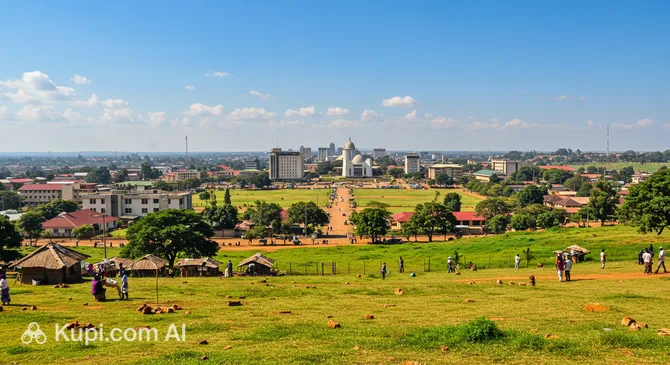
Lilongwe. Source: Kupi.Binoculars

The city's development is relatively recent compared to other regional capitals. Exploring the history of Lilongwe reveals its transformation from a small fishing village on the riverbanks into a designated capital city in 1975. Today, visitors can experience this duality by visiting the Old Town, which is the hub of commerce with lively markets and cafes, and then traveling a short distance to the City Centre (Capital City), characterized by wide boulevards, embassies, and manicured gardens.

Nature lovers will find plenty to admire right within the city limits. The Lilongwe Wildlife Centre is a sanctuary for rescued animals and a prime example of urban conservation, offering walking trails through a wilderness area in the heart of the city. For those seeking cultural immersion, the vibrant Lilongwe Market in Old Town provides an authentic sensory experience where you can buy everything from fresh produce to handcrafted souvenirs and colorful textiles.

Whether you are stopping over before heading to Lake Malawi or planning to explore the city's own hidden gems, Lilongwe promises a warm welcome. Its friendly residents, accessible amenities, and verdant landscapes make it a delightful destination worth discovering.

Weather Overview

The climate in the capital is generally subtropical and mild, making it a pleasant destination year-round, though it has distinct seasonal variations. To help you pack appropriately for your trip, it is useful to review the detailed weather in Lilongwe. In general, you can expect warm summers with frequent rain and cooler, dry winters.

The cool, dry season runs from May to August, offering sunny days and clear skies. During this period, rainfall is virtually non-existent, with 0 wet days recorded in July and August. Temperatures are moderate, with July being the coolest month, featuring an average temperature of 16.6°C and nighttime lows dropping to around 10.7°C.

As the year progresses into September and October, the weather warms up significantly, reaching average highs of roughly 29°C. The wet season typically begins in November and peaks in January, which sees about 27 wet days. Despite the increased precipitation, the air remains warm, with average temperatures in the rainy months hovering around 21°C.

Interesting Facts

Beyond the main attractions and administrative buildings, Lilongwe holds several fascinating secrets that reveal its unique character and history. Digging a little deeper into the city's background uncovers a destination designed with nature and tradition in mind.

  • Lilongwe is one of the few capital cities in the world to host a dedicated wildlife sanctuary within its actual city limits. The Lilongwe Wildlife Centre is not a zoo, but a rescue and rehabilitation facility for injured and orphaned animals, encompassing a large stretch of wilderness right in the heart of the metropolis.

  • The city is the epicenter of what locals often call "Green Gold." The Lilongwe Tobacco Auction Floors are among the largest in the world, and during the auction season, the sheer scale of the trading floor offers a glimpse into the industry that drives much of the nation's economy.

  • Unlike many ancient capitals, Lilongwe's status is relatively new. It officially replaced Zomba as the capital of Malawi only in 1975. The move was a strategic effort to centralize the government, transforming what was once a small fishing village into the political hub it is today.

  • The city's urban design is intentionally segmented to avoid the "concrete jungle" effect. Lilongwe is built as a "Garden City," where the bustling Old Town and the modern City Centre are separated not by blocks of buildings, but by the Lilongwe Nature Sanctuary, ensuring that greenery remains the city's dominant feature.

Lilongwe Wildlife Centre. Source: Kupi.Binoculars

How to Get There

Reaching the capital of Malawi is relatively straightforward, with air travel being the most convenient method for international visitors. For those planning a trip, there are several options depending on your point of origin and itinerary. You can find more comprehensive details on how to get to Lilongwe in our dedicated guide.

The primary entry point for most travelers is Lilongwe International Airport (LLW), also known as Kamuzu International Airport. Located approximately 22 km from the city center, it is the main aviation hub for the region. The journey from the airport to the heart of the city typically takes about 55 minutes by taxi or shuttle bus. As the busiest airport in the country, it handles a significant volume of passengers annually and connects the capital with major regional hubs.

If you are exploring other parts of the country first, you might fly into Chileka Airport (BLZ), located in the city of Blantyre. However, it is important to note that this airport is situated about 228 km from Lilongwe. While it serves as a key domestic and regional hub, the overland journey to the capital from here can take around 6 hours by road. It is often used by travelers combining a visit to the southern regions with their trip to the capital.

For clarity, here is a summary of the main airports in the vicinity and the region:

Airport Name City Passenger Traffic Km from City
Lilongwe International Airport Lilongwe Medium 21.9
Chileka Airport Blantyre Medium 227.9
Mfuwe Mfuwe Small 213.9
Lichinga Airport Lichinga Small 180.2
Ngala Airfield Ngala Very Small 121.4

Main Attractions

While the capital of Malawi is often seen as a gateway to the lake or national parks, the city itself boasts several worthwhile stops that offer insight into the country's culture, history, and urban nature. From vibrant markets to serene sanctuaries, the main attractions in Lilongwe cater to a variety of interests.

Undoubtedly the crown jewel of the city's tourism is the Lilongwe Wildlife Centre. Situated right in the heart of the capital, this award-winning sanctuary is a haven for rescued animals, including lions, monkeys, and antelopes. Unlike a traditional zoo, the centre focuses on rehabilitation and release, offering visitors a chance to walk through protected wilderness trails and learn about conservation efforts. It is a peaceful escape from the urban bustle and a must-visit for nature enthusiasts.

For a taste of local life and commerce, the Old Town Market is an essential stop. This bustling hub is packed with energy, colors, and scents, where vendors sell everything from fresh tropical fruits and vegetables to bicycle parts and vibrant chitenge fabrics. It is also an excellent place to find hand-carved wooden souvenirs and experience the friendly bargaining culture of the city.

In the modern City Centre, the Parliament Building stands as a symbol of the nation's governance. Visitors can admire the grand architecture of this impressive structure, which is often surrounded by well-tended gardens. While access to the interior may be restricted depending on the schedule, the exterior provides a striking photo opportunity and a glimpse into the administrative side of the "Garden City."

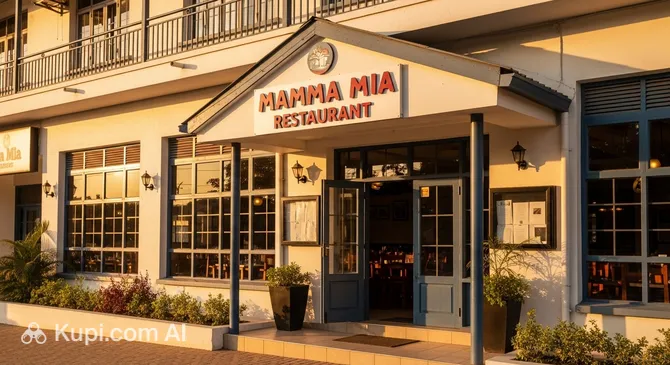
After a day of exploring, many travelers head to the popular Mamma Mia Restaurant to unwind. Known for its consistent quality and welcoming atmosphere, this establishment has become a landmark in the city's dining scene. It offers a reliable menu of Italian and international dishes, making it a favorite meeting point for both locals and tourists looking for a comfortable meal in a relaxed setting.

Mamma Mia Restaurant. Source: Kupi.Binoculars

Another significant site is the World War I Memorial, located near the area of the Lilongwe Wildlife Centre. This towering monument honors the soldiers who lost their lives during the conflict and offers a panoramic view of the city from its base. It serves as a somber yet important reminder of the region's history and provides a quiet spot for reflection amidst the greenery of the nature sanctuary.

Local Cuisine

The culinary landscape of Lilongwe is a delightful reflection of Malawi's agricultural heritage, offering food that is fresh, hearty, and unpretentious. The city's food scene is dominated by locally grown produce, with maize being the absolute staple. For a truly authentic experience, visitors should dive into the traditional dishes that fuel the nation, most of which can be found in both humble street stalls and established local eateries.

No culinary journey here is complete without trying Nsima, the backbone of Malawian cuisine. This thick, stiff porridge made from white maize flour is typically eaten with clean hands and served with a side dish known as "ndiwo." The relish can be anything from pumpkin leaves in peanut powder to beans, beef, or chicken. Another signature dish is Chambo, a delicious tilapia fish found only in Lake Malawi. Whether grilled or fried, it is often considered the national dish and is a must-try for seafood lovers visiting the capital.

To wash down these hearty meals, you can sample some unique local beverages. Thobwa is a popular traditional drink made from fermented white maize and millet; it has a grainy texture and a sweet, energetic kick, often sold in recycled bottles on the roadside. For those looking for something stronger, Malawi Gin is legendary among travelers for its smooth taste, while a cold Carlsberg, locally brewed and affectionately known as a "Green," is the standard lager found in almost every bar.

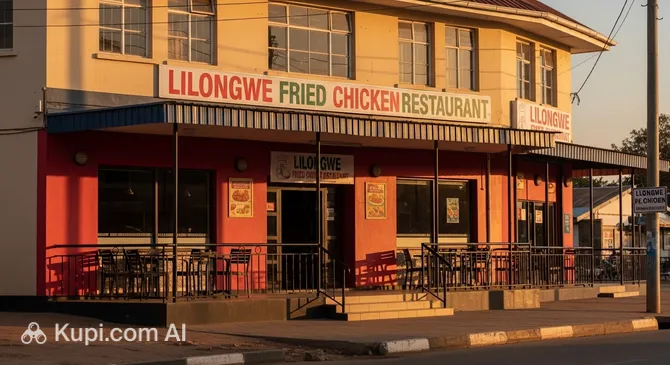
The dining culture in Lilongwe ranges from vibrant open-air markets selling roasted maize and cassava to modern fast-food joints that have become local institutions. While international cuisine is available, the local favorites often draw the biggest crowds. A prime example of this is the Lilongwe Fried Chicken Restaurant, a popular spot that serves up crispy, flavorful chicken that rivals major international chains, making it a beloved fixture for a quick and satisfying meal in the city.

Lilongwe Fried Chicken Restaurant. Source: Kupi.Binoculars

Exploring the food in Lilongwe is also about the atmosphere. In the Old Town, the aroma of spices and grilled meats fills the air, inviting you to sit on a plastic chair and enjoy a meal shoulder-to-shoulder with residents. It is a warm, communal experience that perfectly embodies the friendly spirit of the "Warm Heart of Africa."

Travel Tips

To make the most of your visit to this relaxed and friendly capital, a little preparation goes a long way. These practical tips will help you navigate local customs, logistics, and daily life in Lilongwe with ease and confidence.

  1. Clothing and Gear: While the city is modernizing, Malawian society remains relatively conservative. It is best to dress modestly, keeping knees and shoulders covered, especially when visiting markets or rural outskirts. Since Lilongwe sits on a plateau, evenings can get surprisingly chilly, particularly from May to August, so bring a warm fleece or jacket. Comfortable, closed-toe walking shoes are essential for navigating the dusty paths of the Old Town.

  2. Transportation: The city is spread out, with a significant distance between the Old Town and the City Centre. Taxis are the safest and most convenient option for tourists; however, they rarely use meters, so you must negotiate and agree on the fare before getting in. Minibuses are the local way to travel—they are incredibly cheap but often overcrowded and can be confusing for first-time visitors.

  3. Finances: The local currency is the Malawian Kwacha (MWK). While upscale hotels and restaurants like Mamma Mia accept international credit cards (Visa is more common than Mastercard), cash is king in Lilongwe. ATMs are available at shopping malls and banks in the City Centre, but they can occasionally run out of money, so it is wise to carry a backup reserve of US dollars or Euros to exchange at a bureau de change.

  4. Health and Safety: Malawi is a malaria-risk zone, so carrying strong insect repellent and sleeping under a mosquito net is non-negotiable. Pharmacies are available in major shopping centers like Gateway Mall or City Mall. In terms of safety, avoid walking alone at night, especially in the dark stretches between the Old Town and City Centre or near the riverbanks; always take a taxi after dark.

  5. Communication: English is the official language and is widely spoken in Lilongwe, making communication very easy. However, learning a few words of Chichewa, such as "Muli bwanji?" (How are you?) and "Zikomo" (Thank you), will earn you warm smiles. You can easily buy a local SIM card (Airtel or TNM) at the airport or in town upon presentation of your passport.

  6. Local Etiquette: Malawians are famous for their friendliness and politeness. It is customary to greet people properly before asking a question or starting a transaction. A handshake is the standard greeting, often supported by the left hand touching the right forearm as a sign of respect. Rushing straight to business without a polite "Hello, how are you?" is considered rude.

  7. What to Avoid: Do not wear camouflage clothing or military-style attire, as this is restricted to the police and army and can lead to questioning or confiscation. Additionally, avoid taking photographs of government buildings, the State House, embassies, or police officers, as this is strictly prohibited and can cause serious legal issues.

  8. Shopping Tip: If you visit the craft market in Old Town, bargaining is expected and part of the fun. Vendors will quote a higher price for tourists, so feel free to negotiate with a smile. It is a social interaction as much as a transaction, so keep it lighthearted and friendly.

By keeping these simple guidelines in mind, you will find it easy to settle into the gentle rhythm of Lilongwe. The city's calm demeanor and welcoming spirit ensure that, with just a bit of local know-how, your stay will be both safe and memorable.

Entertainment & Nightlife

While Lilongwe is often described as a quiet and reserved capital, its nightlife scene has a distinct charm that comes alive after sunset. The city does not have the chaotic energy of other massive African metropolises; instead, it offers a more relaxed, social, and accessible entertainment landscape. The nightlife is split between the expatriate-friendly venues in the City Centre and the grittier, more energetic pulse of the Old Town, particularly around Area 3 and Area 9.

For those looking to experience the local vibe, the Old Town is the place to be. Here, the atmosphere is bustling, with music spilling out onto the streets from various bars and clubs. The crowd is a diverse mix of locals, aid workers, and tourists, creating a friendly and inclusive environment. The music ranges from international pop and hip-hop to the infectious rhythms of Malawian Afropop and Reggae. Dress codes are generally casual, though some of the upscale hotel bars in the Capital City area may expect "smart casual" attire.

A typical evening often begins with a leisurely dinner before heading out for drinks. Mamma Mia Restaurant is a favorite starting point for many. With its central location and reliable menu, it serves as an excellent social hub where you can enjoy a meal and a glass of wine in a sophisticated yet relaxed setting before exploring the late-night venues. For a more local and quick dining experience, especially if you are on the move, the Lilongwe Fried Chicken Restaurant offers a taste of the city's fast-food culture, often busy with residents enjoying a savory bite.

When it comes to practicalities, safety is a key consideration. While the entertainment districts are generally safe, walking around Lilongwe at night is not recommended due to poor lighting and the risk of petty crime. It is best to arrange a taxi in advance or have a venue call one for you. Prices for drinks and cover charges are generally affordable by international standards. The best nights to go out are typically Friday and Saturday, though some venues host popular quiz nights or live bands on weekdays.

During the daylight hours, the pace slows down, offering different forms of recreation. Cultural enthusiasts can explore the local art scenes and craft markets, but the premier daytime destination remains the Lilongwe Wildlife Centre. As a green lung in the city, it provides a perfect contrast to the nightlife, allowing visitors to walk through nature trails and observe rescued wildlife in a serene forest environment before the sun goes down.

Parks & Museums

As a designated "Garden City," Lilongwe offers a refreshing balance between urban development and natural beauty. Unlike many capital cities that are defined solely by concrete and commerce, this metropolis is woven with lush landscapes and cultural landmarks that provide visitors with a deeper understanding of Malawi's heritage and environment.

The most prominent green space is undoubtedly the Lilongwe Nature Sanctuary, a vast stretch of wilderness located directly between the Old Town and the City Centre. Within this sanctuary lies the Lilongwe Wildlife Centre, which serves as the city's ecological heart. While known primarily for its animal rehabilitation work, the sanctuary itself offers kilometers of walking trails through riverine forests, allowing visitors to spot diverse bird species, monitor lizards, and blue monkeys in their natural habitat. It is a peaceful retreat that feels miles away from the city noise.

For those seeking a more manicured landscape, the Lilongwe Botanic Garden is a delightful spot for a quiet afternoon. Situated in the Area 14 district, this garden showcases a variety of indigenous plants and trees, serving as both a recreational space and a center for botanical research. It is a popular location for picnics and leisurely strolls, offering a clean and serene environment where the flora of Malawi is preserved and celebrated.

On the cultural front, the Kamuzu Mausoleum stands as one of the most significant historical sites in the city. Located on Presidential Way, this imposing marble and glass structure is the final resting place of Dr. Hastings Kamuzu Banda, the country's first president. It functions as a library and research center, housing personal artifacts and documents that tell the story of the nation's independence. The architecture is striking, resembling a rising sun, and guides are often available to provide context on the political history of the country.

Art enthusiasts will appreciate the city's growing creative scene, best experienced at places like La Galleria in the Old Town Mall. This space exhibits contemporary African art, featuring paintings, sculptures, and mixed-media works by both established and emerging Malawian artists. It offers a vibrant window into the modern cultural expression of the region, moving beyond traditional crafts to showcase the dynamic artistic voice of the capital.

For a truly authentic experience, look beyond the formal institutions and visit the Kumbali Cultural Village just outside the city center. Here, you can witness traditional Malawian dancing and drumming performances that are essential to the country's identity. It provides an immersive way to connect with the local folklore and rhythms that museums often struggle to capture.

Getting Around

Public transport in Lilongwe is characterized by its informal nature, differing significantly from the structured systems found in many European or North American cities. There is no metro, tram, or public bus network with fixed timetables. Instead, the city relies heavily on a privately operated system of minibuses, taxis, and bicycle operators to keep the population moving. For a visitor, understanding this organic network is key to navigating the capital effectively.

The backbone of the city's transport is the minibus. These are typically white vans that ply specific routes connecting the Old Town, the City Centre, and various residential areas. They do not operate on a schedule; instead, they depart from designated depots or stops only when every seat is filled. While they are an authentic way to experience local life, they can be crowded and somewhat chaotic for those unaccustomed to them. Destinations are usually displayed on a card in the windshield or shouted out by the conductor.

For a more comfortable and flexible alternative, taxis are widely available. Unlike in many other capital cities, ride-hailing apps are not widely used or reliable in Lilongwe. Instead, the safest and most efficient way to secure a ride is to rely on hotel-arranged taxis or to call a reputable taxi company directly. If you hail a taxi on the street, it is important to note that most do not use meters. You must negotiate and agree on the fare with the driver before entering the vehicle to avoid disputes later.

A unique feature of the local transport landscape is the Kabaza, or bicycle taxi. These are extremely common for short distances, especially within neighborhoods or to connect from a main road to a specific house. The passenger sits on a padded cushion on the back of the bicycle. In recent years, motorcycle taxis have also become prevalent, offering a faster version of this service. While affordable and convenient for short hops, safety standards vary, so discretion is advised.

The payment system across all modes of transport is almost exclusively cash. There are no travel cards, electronic passes, or tap-to-pay systems. Passengers pay the conductor or driver directly. Fares for minibuses are fixed and very low, while taxi fares vary based on distance and negotiation skills. It is highly recommended to carry small denominations of the local currency, as drivers often struggle to make change for large bills.

Tourists should be aware that public transport availability decreases significantly after dark. Minibuses operate mainly during daylight hours, starting early in the morning and tapering off by early evening. If you plan to be out at night, it is essential to arrange a private taxi through your accommodation rather than relying on finding public transport. Additionally, while car rentals are available, driving can be challenging due to local road habits, making hired transport with a driver the preferred choice for most short-term visitors.

Accommodation

Finding the right place to stay in Lilongwe is relatively easy, as the city offers a broad spectrum of accommodation options to suit various budgets and travel styles. Unlike some more chaotic capitals, Lilongwe's layout allows for distinct choices between modern luxury and varied, garden-style lodging. Travelers can choose from high-end business hotels with international standards, comfortable mid-range lodges, and lively backpacker hostels that serve as hubs for overland travelers.

The choice of location largely depends on the purpose of your visit and your preferred atmosphere. The accommodation scene is primarily divided between the two main zones of the city: the City Centre (Capital City) and the Old Town.

The City Centre is the diplomatic and administrative heart of the capital. Here, you will find large, luxury hotels and resorts that cater primarily to business travelers, diplomats, and conference attendees. These establishments typically offer spacious grounds, swimming pools, and extensive amenities. This area is quieter, cleaner, and more orderly, making it ideal for those seeking a peaceful retreat or convenient access to embassies and government offices. However, it is further away from the vibrant nightlife and markets.

In contrast, the Old Town is the preferred base for most tourists and leisure travelers. Areas such as Area 3 and Area 9 are particularly popular, offering a high concentration of guesthouses, lodges, and hostels. staying here puts you within walking distance of the best restaurants, craft markets, and shopping malls. The accommodation in Old Town tends to be more atmospheric, often set within converted colonial-style houses with lush gardens, providing a more authentic and social experience.

Booking Tips and Prices:

The price range in Lilongwe is generally reasonable compared to Western standards, though the top-tier international hotels charge global rates. Budget travelers can find affordable dorm beds or simple rooms in the Old Town, while mid-range lodges offer excellent value with en-suite facilities and breakfast included. It is highly recommended to book in advance, especially during the peak dry season (May to October) or when major international conferences are taking place, as the best venues can fill up quickly. While major hotels can be booked via standard online platforms, many smaller, family-run lodges may prefer direct inquiries or have a presence on specialized travel forums.

Nearby Cities

For those looking to explore the surroundings, Lilongwe serves as an excellent base for day trips to several interesting nearby locations. While the capital has its own charm, the region offers diverse experiences ranging from lakeside relaxation to wildlife encounters, all within a reasonable driving distance.

One of the most popular getaways is Salima, located just a short drive to the east. It is widely known as the nearest gateway to Lake Malawi from the capital. Travelers often head to the nearby Senga Bay to enjoy sandy beaches, fresh tilapia, and the stunning views of the "Lake of Stars." It is the perfect spot for a relaxing afternoon by the water without requiring a long journey.

To the north lies Kasungu, a town that offers a mix of history and nature. It is situated near the Kasungu National Park, one of the country's oldest reserves, known for its elephants and diverse birdlife. The town itself provides a glimpse into the agricultural heartland of the region and serves as a stepping stone for those interested in archaeological sites and local heritage.

Another fascinating option is Nkhotakota, famous for its wildlife reserve and rich history. While a bit further afield, it is renowned for its pottery and its historical significance as a former hub on the trade routes. The combination of rugged wilderness and cultural depth makes it a compelling destination for those willing to venture slightly further.

City Population Distance (km)
Zomba 101,140 228
Salima 71,181 78
Nkhotakota 59,854 129
Kasungu 58,653 110
Mangochi 51,429 170

These nearby destinations offer a glimpse into the diverse culture and landscapes of the region.

Shopping & Souvenirs

Shopping in Lilongwe offers a fascinating contrast between modern convenience and traditional African commerce. The city is a treasure trove for those seeking authentic local handicrafts, yet it also provides well-stocked supermarkets and retail centers for travel essentials. Whether you are looking for intricate wood carvings or imported luxuries, the capital's retail scene is diverse, accessible, and an integral part of the local experience.

For a contemporary shopping experience, the City Centre and the upscale suburbs are home to several modern complexes. The Gateway Mall, located in the western part of the city, is the largest in the country and features a wide array of clothing stores, electronics shops, and major supermarkets. Another popular spot is the Old Town Mall, which is particularly well-suited for tourists. It offers a more curated selection, including a high-quality bookstore, art galleries, and boutiques selling premium souvenirs in a relaxed, garden-like setting.

To truly connect with the local culture, a visit to the city's markets is essential. The Lilongwe Craft Market, situated near the post office in Old Town, is the premier destination for souvenirs. Here, you can find the famous "Chief Chairs"—intricately carved wooden chairs depicting African scenes—as well as hand-woven baskets, soapstone sculptures, and beaded jewelry. For a grittier, more everyday experience, the main Lilongwe Market is a bustling maze of stalls selling fresh produce, hardware, and mounds of colorful textiles, offering a sensory immersion into the daily life of the residents.

When it comes to souvenirs, Malawi is renowned for its artistic heritage. Beyond the wood carvings, look for Chitenge fabric, the vibrant, wax-printed cotton used for traditional clothing. It is affordable, lightweight, and makes for a versatile gift. Foodies should pick up some Malawian tea or coffee, which are among the country's top exports, or a bottle of Nali Sauce, a legendary local chili sauce that packs a serious punch.

Most shops and malls in Lilongwe operate from approximately 08:00 to 17:00 on weekdays, with reduced hours on Saturdays. Sundays are generally quiet, with many smaller businesses closed, though major supermarkets in the malls usually remain open. While credit cards like Visa are widely accepted in shopping malls and larger stores, cash is king in the markets. Bargaining is expected at craft stalls, so be prepared to negotiate politely to reach a fair price.

Reached the end of the page?

That means the route is fully explored