Support

Tete

About

Tete is a bustling and vibrant city located on the banks of the majestic Zambezi River. As the capital of the Tete Province, it serves as a crucial economic and transport hub for the region, bridging the gap between the northern and southern parts of the country. The city is characterized by its lively atmosphere, where the energy of a growing industrial center meets the scenic beauty of one of Africa's most significant rivers.

Situated in the western part of Mozambique, Tete is famously known for its warm climate; it is often cited as one of the hottest cities in the nation. With a population exceeding 150,000, it is a place where diverse cultures and commerce intersect. The landscape is dominated by the river valley and the surrounding plateau, creating a distinct geographical setting that defines the local lifestyle.
Tete. Source: Kupi.Binoculars

The area has long been a strategic point for trade and settlement. Originally a Swahili trade center before becoming a Portuguese outpost, the city has seen significant transformation over the years. Travelers interested in the past can delve deeper into the history of Tete to understand its role in colonial expansion and modern development.

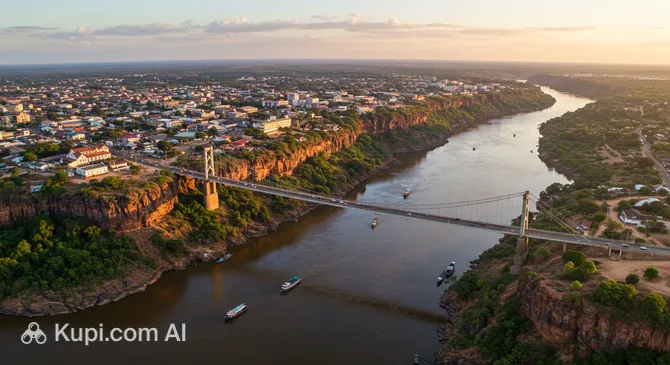
One of the city's most iconic landmarks is the Samora Machel Bridge, a suspension bridge that offers stunning views of the Zambezi River. It is an engineering marvel often admired by visitors. Additionally, the newer Kassuende Bridge has alleviated traffic and added to the city's infrastructure. Beyond the bridges, visitors can explore the local markets or view the colonial-era architecture that still stands in parts of the town.

Whether you are crossing the river on a journey through Southern Africa or stopping to appreciate the riverside sunsets, Tete offers a unique and memorable experience. It is a city of heat, history, and impressive river vistas that welcomes travelers with open arms.
Weather Overview

Tete is renowned for its high temperatures and distinct seasonal rhythms. The weather in Tete is generally hot and semi-arid, making it one of the warmest destinations in the region. Visitors should be prepared for significant heat, particularly towards the end of the year, while enjoying milder conditions during the mid-year months.

The hottest period occurs from October to December, with November seeing average highs around 36.0°C. In contrast, the coolest time of year is June and July, where average temperatures drop to a more comfortable 21.8°C to 22.4°C. Rainfall is heavily concentrated in the summer months, with January experiencing about 20 wet days, while the period from May to October remains exceptionally dry with almost zero precipitation. Expect scorching summers with occasional rain and mild, sun-filled winters.

Interesting Facts

Beyond the main attractions and its reputation as a transport hub, Tete holds fascinating details that surprise many visitors. From its specific culinary fame to its historical significance, the city offers secrets that go deeper than its scenic river views.
  • The city is widely celebrated across the country for its unique gastronomy, specifically "Cabrito de Tete." This local goat meat is considered the best in Mozambique, a quality attributed to the animals grazing on the region's dry vegetation and baobab fruits, which supposedly infuses the meat with a distinct, tender flavor.

  • Tete is often colloquially referred to as the "Oven of Mozambique" due to its intense climate. Situated in a valley that traps heat, it consistently records some of the highest temperatures in the nation, a geographical feature that has heavily influenced the slow-paced, shade-seeking lifestyle of its residents.

  • The iconic Samora Machel Bridge, which dominates the skyline, was a masterpiece of engineering designed by Edgar Cardoso. Before its construction, crossing the Zambezi River relied entirely on ferry services, a history still echoed in the names of local establishments.

  • Long before modern borders were drawn, Tete was a crucial Swahili trade center. Its location made it a strategic outpost for merchants dealing in gold and ivory from the interior of the continent, establishing it as one of the oldest continuously inhabited settlements in the region.

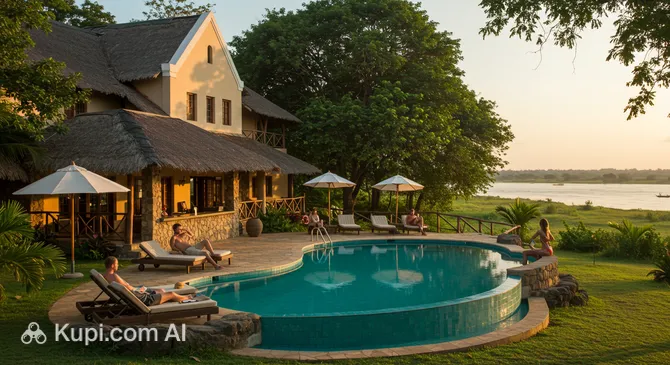
Tete Ferry Hotel. Source: Kupi.Binoculars

How to Get There

Planning your journey to this vibrant city is the first step toward an unforgettable experience. Whether you are flying in from within the region or traveling overland, you can find more about how to get to Tete and the various transport options available on our detailed page.

The most direct way to arrive is via Matundo Airport (TET), which is conveniently located within the city limits of Tete. Situated just 4.8 km from the center, the airport allows for a quick and easy transfer; a taxi or bus ride usually takes approximately 10-20 minutes. With an annual passenger traffic of around 115,000, it serves as the primary regional gateway for visitors.

Alternatively, travelers may choose to fly into neighboring Malawi and travel overland. Chileka Airport (BLZ) in the city of Blantyre is about 155 km from Tete. The road trip from there, which involves a border crossing, takes roughly 4-5 hours. Another option is Lilongwe International Airport (LLW) in Lilongwe, located approximately 260 km away. The journey from Lilongwe to Tete typically takes around 6-7 hours by road.

For clarity, here is a summary of the main airports:

Airport Name City Passenger Traffic Km from City
Lilongwe International Airport Lilongwe Medium 260.0
Chileka Airport Blantyre Medium 154.8
Matundo Airport Tete Medium 4.8
Ngala Airfield Ngala Small 247.3

Main Attractions

Exploring Tete offers a unique blend of riverside relaxation and culinary discovery. While the city is known as a busy industrial and transport hub, its leisure scene revolves closely around the majestic Zambezi River, where visitors can enjoy stunning views and a laid-back atmosphere. The local social life is vibrant, with several key establishments serving as popular gathering points for both locals and travelers.

One of the most well-known landmarks in the city is the Tete Ferry Hotel. Situated right on the banks of the river, this establishment is steeped in local history, harking back to the days when ferry crossings were the primary way to traverse the Zambezi before the bridges were built. It is a favorite spot for visitors seeking a scenic location to relax, offering a peaceful garden environment where one can watch the water flow by and enjoy the cooling river breeze.

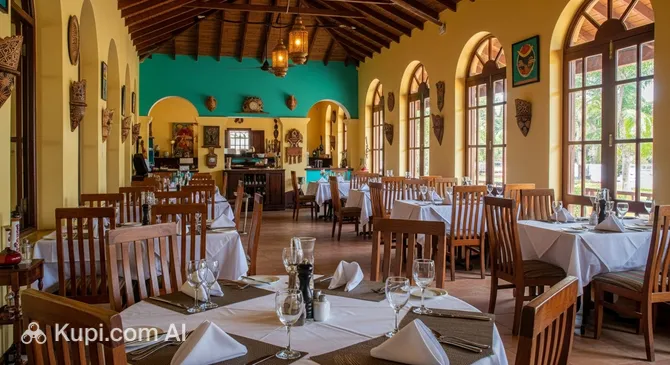
For those looking to combine dining with spectacular vistas, the Café Del Rio Restaurant is a must-visit destination. Strategically located to offer some of the best views of the iconic Samora Machel Bridge, this spot is particularly magical at sunset. Tourists flock here not just for the food, but to witness the golden light reflecting off the river and the impressive engineering of the bridge, making it a perfect backdrop for memorable photos.

Café Del Rio Restaurant. Source: Kupi.Binoculars

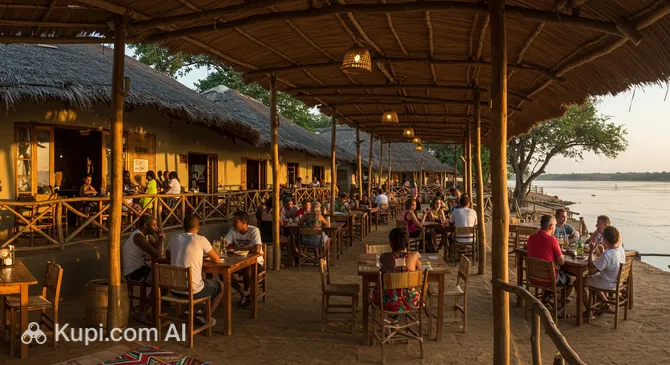
Another highlight of the city's culinary landscape is Sabor Brasil. This venue brings a different flavor to the region, offering a variety of dishes that cater to diverse palates. It is a popular stop for travelers missing a taste of international cuisine or looking for a hearty meal in a welcoming setting. The restaurant contributes to the cosmopolitan feel of Tete, providing a comfortable space to unwind after a day of exploring the hot and bustling city streets.

Sabor Brasil. Source: Kupi.Binoculars

Local Cuisine

The culinary scene in Tete is a flavorful reflection of its geography and cultural history. The local food is robust, heavily influenced by the Zambezi River and the region's agricultural traditions. Visitors will find a vibrant mix of traditional Mozambican flavors and Portuguese culinary heritage, often spiced up with the famous African bird's eye chili, known locally as piri-piri.

The undisputed star of the local table is Cabrito de Tete (goat meat). While this dish is famous across the country, tasting it in its city of origin is a special experience. The meat is renowned for being incredibly tender and tasty, a quality often attributed to the local goats grazing on baobab fruits and aromatic herbs. It is typically prepared as a rich stew with tomatoes, onions, and spices, or grilled over charcoal. This signature dish is almost always served with xima, a stiff maize porridge that is a staple throughout Mozambique and acts as the perfect vessel for soaking up savory sauces.

Being situated on the banks of the Zambezi, freshwater fish is another major highlight. Local fishermen provide a steady supply of tilapia and tigerfish, which are often grilled fresh or fried. For a true taste of the river, try the fish stewed in coconut milk, a preparation that connects the inland tastes with the coastal influences found elsewhere in the country.

To combat the intense heat of the "Oven of Mozambique," beverages play a crucial role in the dining culture. Local beers like 2M (Dos M) or Laurentina are extremely popular and are always served ice-cold to provide relief from the midday sun. For a non-alcoholic option, travelers might encounter Maheu, a traditional fermented maize drink that is both refreshing and filling, often consumed by locals as an energy booster.

The dining atmosphere ranges from casual street-side stalls, known as barracas, to more established venues. Locals often gather at open-air spots to enjoy grilled meats and lively conversation. For tourists seeking a sit-down meal with a view, the Café Del Rio Restaurant offers a scenic setting overlooking the river and the bridge. Alternatively, those craving a variety of grilled meats in a comfortable environment might visit Sabor Brasil, which adds a touch of international flair to the city's food scene.

Travel Tips

Visiting Tete requires a bit of preparation to handle its intense heat and navigate its bustling streets comfortably. These practical tips are designed to help you adapt quickly to the local environment and make the most of your time on the banks of the Zambezi.

  1. Clothing and Gear: Due to the sweltering heat, lightweight and breathable fabrics like cotton or linen are essential. A wide-brimmed hat, high-quality sunglasses, and strong sunscreen are non-negotiable accessories. While the dress code is generally casual, it is respectful to dress modestly (covering shoulders and knees) when visiting markets or rural areas.
  2. Transportation: Public transport consists mainly of minibuses known as chapas, which are cheap but often overcrowded and chaotic. For tourists, it is safer and more comfortable to use local taxis or three-wheeled auto-rickshaws (tuk-tuks). Always negotiate and agree on the fare with the driver before starting your journey, as meters are rarely used.
  3. Finances: The official currency is the Mozambican Metical (MZN). While some upscale hotels and restaurants accept international cards, cash is king in Tete. Ensure you carry enough small change for taxis, markets, and street vendors. ATMs are available in the city center, but it is wise to have a backup cash reserve in case of network failures.
  4. Health and Safety: Tete is located in a malaria-prone zone, so taking prophylaxis and using strong insect repellent is highly recommended. Drink only bottled water to stay hydrated in the extreme heat. Pharmacies are available in the city, but it is best to bring a personal medical kit with essential prescriptions and rehydration salts.
  5. Communication: Portuguese is the official language and is widely spoken. English proficiency is generally low outside of major hotels and business circles. Learning a few basic phrases like "Bom dia" (Good morning) and "Obrigado" (Thank you) will go a long way. Buying a local SIM card (Vodacom or Movitel) is easy and recommended for staying connected.
  6. Local Etiquette: Mozambicans are polite and value proper greetings. Always say hello before asking a question or starting a transaction. Handshakes are common, even among casual acquaintances. If you wish to take photos of locals, always ask for permission first to avoid causing offense.
  7. What to Avoid: Strictly avoid taking photos of strategic infrastructure. This includes the Samora Machel Bridge, the Kassuende Bridge, the airport, and any police or government buildings. This is considered a serious security offense and can lead to confiscation of equipment or detention.
  8. Additional Tip: Respect the midday heat. Locals often take a break during the hottest hours of the day (roughly 12:00 PM to 2:00 PM). Plan your outdoor activities for the early morning or late afternoon to avoid the scorching sun and enjoy the city when it is most lively and comfortable.

By keeping these practicalities in mind, you can navigate Tete with confidence and ease. Embrace the local pace of life, stay cool, and enjoy the warm hospitality that this unique riverside city has to offer.

Entertainment & Nightlife

The nightlife in Tete is largely defined by its climate and the majestic Zambezi River. After the scorching heat of the day subsides, the city comes alive with a relaxed yet vibrant social scene. Unlike the high-energy clubbing capitals of the world, entertainment here revolves around open-air venues, riverside terraces, and lively restaurants where locals and expatriates gather to cool off with ice-cold drinks and good conversation.

For many visitors, the perfect evening begins at the Café Del Rio Restaurant. Strategically positioned to overlook the river and the illuminated Samora Machel Bridge, this venue transforms from a dining spot into a bustling social hub as the sun sets. It is an ideal location to enjoy cocktails while soaking in the cooling breeze, making it a favorite for those seeking a mix of scenic beauty and a sophisticated yet casual atmosphere.

If you are looking for a place that combines hearty food with a lively evening vibe, Sabor Brasil is a popular choice. This establishment often attracts a diverse crowd, ranging from business travelers to local families, creating a welcoming environment for a night out. For a more tranquil experience, the bar at the Tete Ferry Hotel offers a peaceful setting right on the water's edge, perfect for a quiet drink under the stars.

Beyond the established restaurants, the true pulse of Tete’s nightlife can be found in the local "barracas." These informal, open-air bars and stalls are scattered throughout the city and the Matundo district across the river. Here, the atmosphere is electric, with loud Mozambican music, Kizomba, and Afro-beats filling the air. The dress code is universally casual, and the parties often extend late into the weekend nights. It is the best way to mingle with residents and enjoy local beers at very affordable prices.

When planning a night out, it is best to head out after 8:00 PM when the temperature is more comfortable. While the city is generally welcoming, safety should be a priority. It is highly recommended to use taxis to move between venues rather than walking, especially in poorly lit areas. Arrange transportation in advance or use reputable taxi services recommended by your hotel.

While the city is most active at night, daytime entertainment in Tete is more subdued due to the intense heat. Activities are typically limited to early mornings or late afternoons. Visitors can explore the colonial-era architecture in the city center, visit the local markets to see the trade of vibrant fabrics and fresh produce, or simply admire the engineering of the suspension bridges. However, the heat usually drives people indoors or to shaded riverside spots until the sun goes down.

Parks & Museums

While Tete is primarily known as an industrial hub and a transit city, it possesses a rugged charm defined by its geography and colonial past. The city does not boast the lush botanical gardens found in more tropical regions of Mozambique, but it offers unique natural areas along the river and significant historical landmarks that reflect its centuries-old heritage as a trading post.

The most significant natural asset of the city is undoubtedly the Zambezi Riverbank. In a region known for its intense heat and semi-arid landscape, the river serves as the city's primary "green" space and recreational area. Locals and tourists alike flock to the water's edge to catch a cooling breeze and watch the sunset. The banks are often dotted with massive baobab trees, iconic symbols of the African landscape, which provide much-needed shade and a striking backdrop for photography.

For a more structured outdoor experience, the Praça da Independência (Independence Square) serves as a central gathering point. Although modest compared to grand European parks, this public square offers a glimpse into local life and is often the site of community events. It provides a bit of respite from the busy streets and allows visitors to observe the daily rhythm of the city in a more relaxed setting.

When it comes to history and culture, the Fort of São Tiago Maior is the city's most important treasure. Built by the Portuguese in the 16th century to protect trade routes, this fortress stands as a testament to Tete's strategic importance in the ivory and gold trade. Although parts of it have weathered over time, the structure remains a fascinating site for history buffs, offering a tangible connection to the early colonial era and the conflicts that shaped the region.

Another key cultural landmark, located just outside the main city center, is the Boroma Mission (Missão de São José de Boroma). This imposing Jesuit church, perched on a bluff overlooking the Zambezi, is a marvel of colonial architecture. While it requires a short trip to reach, its sheer size and historical significance make it a worthy excursion. The mission played a crucial role in the educational and religious history of the province and remains one of the most photogenic historical sites in the area.

Architecturally, the Cathedral of Tete (Sé Catedral de São Tiago Maior) is also worth noting. Located near the river, this building dates back to the early 20th century and features a distinct style that blends simple colonial design with local adaptations. It continues to be an active place of worship and a center for the local Catholic community, reflecting the enduring spiritual heritage of the city.

For an authentic experience, take a walk through the older quarters near the riverfront during the late afternoon. Here, you can find crumbling colonial villas interspersed with modern life, offering a "living museum" atmosphere. These streets often reveal the true character of Tete, where the past and present coexist under the heat of the Zambezi sun.

Getting Around

Getting around Tete requires a bit of patience and local know-how, largely due to the city's layout across the Zambezi River and its intense climate. While the city center is relatively compact, the sweltering heat often makes walking long distances uncomfortable, leading most visitors to rely on motorized transport. Understanding the options available will help you navigate the bustling streets and cross the river with ease.

For tourists, the most convenient and popular way to travel is by using tuk-tuks, locally known as txopelas. These three-wheeled motorized rickshaws are ubiquitous in Tete and are perfect for short trips within the city. They offer a breezy ride, which is a welcome relief from the heat, and are generally cheaper than conventional taxis. However, they do not have meters, so it is standard practice to negotiate the fare with the driver before hopping in.

Traditional taxis are also available, usually found parked near major hotels, the airport, or large commercial centers. They offer a safer and more comfortable alternative, especially for travel at night or if you are carrying luggage. Like the tuk-tuks, fares are not fixed, and bargaining is expected. If you are unsure of the reasonable price, ask your hotel reception for a benchmark before heading out.

The public transport system relies heavily on chapas, the minibuses that serve as the primary mode of commuting for locals in Mozambique. These vehicles cover routes extending to the suburbs and surrounding districts. While they are an incredibly affordable way to get around, they are often crowded, loud, and can be confusing to navigate without knowledge of the local routes. They are best suited for adventurous travelers who want to experience the local rhythm of life rather than those seeking comfort or punctuality.

A critical aspect of transport in Tete is crossing the Zambezi River. The iconic Samora Machel Bridge is the main artery connecting the city center with the Moatize side and the road to Malawi. It serves as a vital link but can become a bottleneck with heavy traffic during peak hours. The newer Kassuende Bridge, located further downstream, was constructed to divert heavy mining trucks and offers a faster, albeit longer, alternative for those driving personal vehicles who wish to avoid the city center's congestion.

Car rental is an option for those who prefer independence, though the choice of agencies may be limited compared to the capital. If you choose to drive, be aware that road conditions can vary, and the presence of large industrial trucks is common. Additionally, parking in the city center can be chaotic, so it is advisable to choose accommodation that provides secure parking facilities.

Accommodation

Accommodation in Tete is largely geared towards the business sector, reflecting the city's status as a major mining and logistics hub. However, tourists and travelers in transit will still find a decent selection of places to stay. The options typically range from modern, mid-range hotels designed for corporate guests to more modest guesthouses and lodges. While ultra-luxury resorts are scarce, many establishments offer essential amenities like air conditioning and swimming pools, which are vital for coping with the region's high temperatures.

The most popular area for tourists to stay is along the banks of the Zambezi River. Hotels in this location offer the dual benefit of scenic water views and a slightly cooler microclimate thanks to the river breeze. Staying near the river also places you close to the city's best restaurants and social spots. Alternatively, the Matundo area across the bridge and the neighborhoods near the airport provide convenient options for those on a quick stopover or those looking to avoid the traffic of the city center.

For those seeking a well-known establishment with a blend of comfort and history, the Tete Ferry Hotel is a prominent choice. Located right on the riverfront, it offers a resort-style atmosphere that appeals to both leisure and business travelers, providing a relaxing environment after a day of travel.

Booking Tip: Due to the high volume of business travelers and periodic industry conferences, accommodation in Tete can fill up unexpectedly fast. It is advisable to book your room weeks in advance, particularly if you plan to visit during weekdays when corporate occupancy is at its peak.

Regarding costs, prices in Tete can be higher than in other parts of the country due to the strong corporate demand. Budget options are available but may be basic, while mid-range hotels often charge rates comparable to international standards. While larger hotels are listed on major online booking platforms, many smaller guesthouses still prefer direct bookings via phone or email, so it is worth researching and contacting them directly if you are looking for a more local experience.

Nearby Cities

For those looking to explore the surroundings, Tete serves as an excellent base for day trips or short visits to several interesting nearby locations. While the vast distances of the province often make overnight stays more comfortable, these destinations provide a refreshing change of scenery from the city's intense heat. One of the most popular options is **Chimoio**, located approximately 329 km south of Tete. As the capital of the Manica Province, it sits at a higher altitude, offering a cooler and greener environment. The city is famous for the **Cabeça do Velho** (Old Man's Head), a unique natural rock formation that resembles a human profile. The drive offers scenic views of the changing landscape, transitioning from the dry Zambezi valley to the lush highlands. For travelers willing to venture further towards the coast, **Beira** presents a completely different atmosphere. Situated about 430 km away, it is Mozambique's second-largest city and a major port on the Indian Ocean. Visitors here can explore historic colonial architecture, visit the iconic Macuti Lighthouse, and enjoy fresh seafood by the beach. It serves as a vital link to the ocean and a bustling commercial hub. Another notable destination is **Quelimane**, a coastal city known for its coconut plantations and vibrant culture. Located roughly 401 km from Tete, it offers a glimpse into the Zambezia Province's lifestyle, characterized by its river port and colonial-era charm.
City Population Distance (km)
Beira 530604 430
Chimoio 238976 329
Malema 195077 433
Quelimane 192876 401
Lichinga 142253 360
These nearby destinations offer a glimpse into the diverse culture and landscapes of the region, ranging from mountainous highlands to the breezy coast.

Shopping & Souvenirs

Shopping:

Shopping in Tete offers a mix of modern convenience and traditional African commerce, reflecting the city's growth as a major industrial hub. While it is not known as a luxury retail destination, visitors will find a functional selection of stores catering to both the local population and the expatriate community. The shopping scene is split between air-conditioned centers that provide imported goods and bustling open-air markets where the true pulse of the city can be felt.

For those looking for a modern retail experience, the Tete Shopping Centre is the primary destination. Anchored by a large supermarket, this complex serves as a one-stop shop for groceries, electronics, and basic clothing. It provides a comfortable, cool environment to escape the midday heat and is the best place to find international brands, toiletries, and camping supplies if you are preparing for a trip further into the province.

However, for a more authentic experience, the local markets are unmissable. The Mercado Municipal (Central Market) is a vibrant hub of activity where traders sell everything from fresh produce to household items. Here, you can find mounds of seasonal fruits like mangoes and baobab fruits, as well as fresh fish caught daily from the Zambezi River. It is a colorful and noisy environment that offers a glimpse into the daily lives of Tete's residents.

When it comes to souvenirs, the most popular items to buy are capulanas. These brightly colored fabrics are a staple of Mozambican culture and can be purchased in various patterns and qualities at local textile shops or market stalls. They make excellent gifts or can be tailored into custom clothing. Additionally, visitors often look for hand-carved wooden crafts and sculptures, which are frequently sold by artisans along the main roads or near popular tourist spots.

Most shops in Tete generally open around 8:00 AM and close by 6:00 PM on weekdays, with shorter hours on Saturdays. It is common for smaller independent stores to close for a lunch break between 12:00 PM and 2:00 PM. Regarding payment, cash is the preferred method for markets and small street vendors, so it is essential to carry Mozambican Meticais. Credit cards are typically accepted only in larger supermarkets, hotels, and the main shopping center.

Tourists should be aware that tax-free shopping or VAT refund schemes are not widely available or easily accessible in Tete. Prices are generally fixed in supermarkets and malls, but bargaining is expected and encouraged when shopping at open-air markets or buying from street artisans.

Nearby cities

Reached the end of the page?

That means the route is fully explored