Support

Beira

About

Welcome to Beira, a bustling coastal city that serves as a vital economic hub and a gateway to the central region of Mozambique. Known for its lively atmosphere and significant port, this city in the Sofala Province offers a unique blend of cultures and experiences for travelers venturing along the Indian Ocean coast.

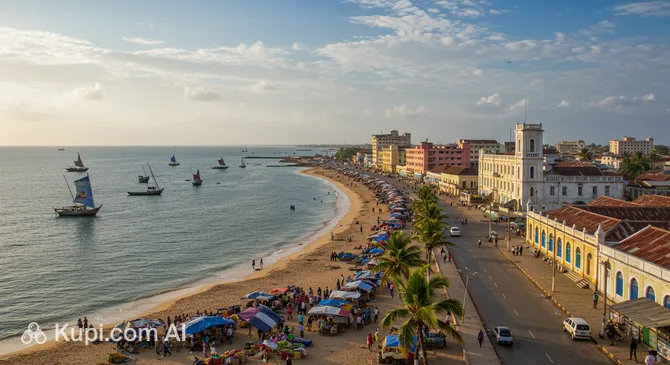
Beira. Source: Kupi.Binoculars

Geographically situated where the Pungwe River meets the ocean, Beira is home to a population of over 530,000 people. The city has developed a distinct character over the years, largely influenced by its maritime importance. Visitors interested in the past can explore the fascinating history of Beira, which is reflected in its eclectic mix of colonial architecture and modern African energy.

Tourists are often drawn to the iconic Macuti Lighthouse, a historic landmark located near a popular beach area characterized by a nearby shipwreck. The city is also known for the imposing Cathedral of Beira, which stands as a testament to the city's architectural heritage. A stroll along the sandy shores of Macuti Beach provides a perfect spot to relax and watch the local fishermen at work, offering a glimpse into the daily life of the community.

Whether you are passing through on business or exploring the coastal wonders of the country, Beira welcomes you with warm hospitality and a refreshing sea breeze. It is a destination that promises an authentic taste of urban life on the Mozambican coast, making it a worthwhile stop on your journey.

Weather Overview

Beira experiences a warm, tropical coastal climate that remains generally inviting throughout the year. Before packing your bags, it is helpful to review the current weather in Beira to understand the seasonal shifts between the wet and dry periods.

The warmest months occur from November through March, where average temperatures typically range between 26.5°C and 27.9°C, with daily maximums often exceeding 30°C. This period coincides with the rainy season; travelers should be prepared for frequent showers, particularly in January and February, which can record over 20 wet days per month.

From June to August, the city cools down significantly, offering a milder atmosphere. During this time, average temperatures dip to around 21.0°C, with nightly lows reaching approximately 16.5°C in July. These months represent the driest part of the year, with August seeing as few as 5 wet days, making it an excellent time for outdoor exploration.

Overall, expect warm summers with frequent rain and mild, drier winters that provide comfortable conditions for sightseeing.

Interesting Facts

Beyond the main attractions, Beira holds many fascinating secrets that reveal its unique character and resilience. From architectural marvels to curious urban transformations, here are some intriguing insights into this coastal city.
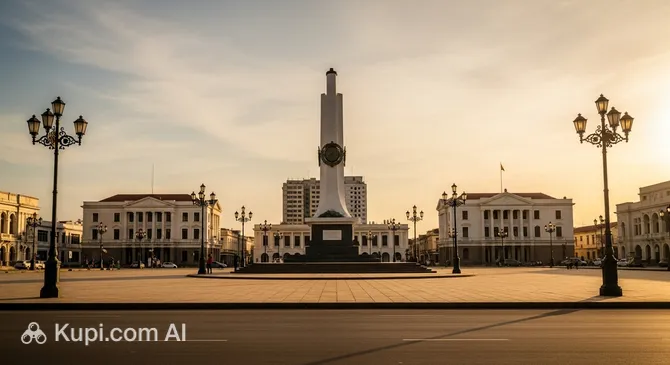
Independence Square. Source: Kupi.Binoculars
  • The city is home to the Grande Hotel Beira, which opened in the 1950s as one of the most luxurious hotels in Africa. Although it ceased commercial operations decades ago, it remains a famous landmark as a "vertical village," where thousands of residents have repurposed the massive structure into a self-contained living community.

  • Beira is built on reclaimed marshland around the Chiveve River estuary, and significant parts of the city sit slightly below sea level. To manage this unique geography, the city relies on an intricate system of tidal gates and canals to control water levels, a defining feature of its urban planning.

  • Architecture enthusiasts often visit to admire the Beira Railway Station, which is widely considered one of the finest examples of modernist architecture on the continent. Its distinct curved facade and bold design elements make it a standout structure in the city's skyline.

  • The vibrant Independence Square serves as a central pulse for the city, surrounded by historic buildings that showcase the transition from the colonial era to modern times. It is a traditional gathering spot where the daily rhythm of local life can be best observed.

How to Get There

Reaching this coastal city is a key part of planning your trip to the Sofala Province. Whether you are arriving for business or leisure, understanding the transport options ensures a smooth journey. For a comprehensive overview of all available routes and tips, you can read more about how to get to Beira on our detailed page.

The most convenient way to arrive is via Beira Airport (IATA: BEW), which serves as the primary gateway to the region. Located just 9.6 km from the city center, it is a regional hub that handles a steady flow of travelers. A taxi or shuttle ride from the terminal to the downtown area typically takes about 35 minutes. For those exploring the wider region, there are alternative options, though they require significant ground travel. You can fly into Chimoio Airport (IATA: VPY) in the city of Chimoio, which is approximately 165.9 km away; the drive from there to Beira takes around 4.5 hours. Another option is Vilanculos Airport (IATA: VNX) in Vilanculos, situated about 247 km from Beira, with a travel time of roughly 6.5 hours by road.

For clarity, here is a summary of the main airports:
Airport Name City Passenger Traffic Km from City
Beira AirportBeiraMedium9.6
Vilanculos AirportVilanculosSmall247.0
Chimoio AirportChimoioSmall165.9

Main Attractions

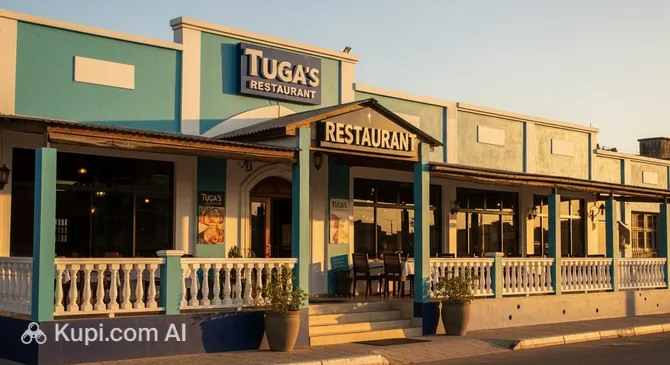
Beyond its historic architecture, the city offers a vibrant culinary scene that reflects its coastal location and cultural heritage. For a memorable dining experience, Tuga's Restaurant is a highly recommended stop. Known for its warm hospitality, this establishment specializes in fresh seafood and dishes that highlight the rich Portuguese influence on Mozambican cuisine, making it a perfect place to relax after a day of exploration.

Tuga's Restaurant. Source: Kupi.Binoculars

For those looking for a more casual meal, Red Chicken is another popular local favorite. It offers a taste of authentic comfort food, allowing visitors to savor flavors beloved by residents. Exploring these eateries provides a delicious insight into the daily life and social atmosphere of the city.

To witness the bustling energy of local commerce, a visit to the Maquinino Market is essential. Unlike the quiet colonial plazas, this market is a hive of activity where vendors sell everything from vibrant capulana fabrics and traditional crafts to aromatic spices and tropical fruits. It offers an unfiltered look at the city's trade and is an excellent spot to purchase unique souvenirs.

While the main beaches are well-known, Praia Nova offers a different perspective on the city's relationship with the sea. Located closer to the port area, this stretch of coast is often dotted with colorful artisanal fishing boats. It is a picturesque location to watch fishermen bring in their daily catch and to enjoy a quiet sunset away from the more tourist-heavy spots.

Local Cuisine

The culinary landscape of Beira is deeply influenced by its proximity to the Indian Ocean and its rich cultural history, resulting in a vibrant fusion of African ingredients and Portuguese flavors. As a major port city, seafood is the undisputed star of the local table, with fresh catches arriving daily to supply the city's eateries and markets.

No visit to Beira is complete without trying the city's signature dish, Beira Prawns (Camarão à Beira). These large, succulent prawns are typically grilled to perfection and smothered in a sauce made from garlic, lemon, and the famous peri-peri chili. This spicy condiment is a staple in Mozambican cuisine, adding a fiery kick that complements the natural sweetness of the shellfish.

Red Chicken. Source: Kupi.Binoculars

For those who prefer poultry, Galinha à Zambeziana is another regional highlight. This dish consists of chicken marinated in lime, pepper, and garlic, then grilled and basted with a rich coconut milk sauce. You can find excellent variations of grilled chicken throughout the city, from upscale dining rooms to popular local spots like Red Chicken, where the focus is on hearty, authentic flavors.

To accompany these mains, locals often enjoy Matapa, a traditional stew made from cassava leaves ground with peanuts or cashews and cooked in coconut milk, often featuring crab or shrimp. It is a comforting and nutritious dish that perfectly balances the heat of the main courses. For a quick snack on the go, chamussas (savory pastries similar to samosas) filled with meat or fish are widely available.

When it comes to drinks, the local beer, 2M (pronounced "dosh-em"), is the standard accompaniment to a sunny lunch. For something stronger, the R&R (Rum and Raspberry) is a legendary cocktail made with Tipo Tinto rum and raspberry soda, known for its sweet taste and potent kick. Non-alcoholic options abound as well, with fresh coconut water and tropical fruit juices being refreshing choices in the tropical heat.

Travel Tips

Traveling to Beira offers a chance to experience the authentic coastal rhythm of the Sofala Province, but a little preparation goes a long way in ensuring a smooth trip. To help you navigate the city with ease and confidence, here are some essential practical tips for your journey.

  1. Clothing and Gear: Due to the tropical climate, lightweight and breathable fabrics like cotton and linen are your best friends. Beira can be very humid, so loose-fitting clothes will keep you comfortable. If you are visiting between November and March, a sturdy umbrella or a rain poncho is essential for the frequent downpours. While beachwear is fine by the ocean, it is respectful to dress modestly when exploring the city center or visiting religious sites like the Cathedral.

  2. Transportation: For short distances within the city, tchopelas (motorized rickshaws) are a convenient and affordable option. Public minibuses, known as chapas, are widely available but can be crowded and confusing for first-time visitors. Taxis are generally safer for night travel; however, they often lack meters, so it is crucial to negotiate and agree on the fare before you start your journey.

  3. Finances: The local currency is the Mozambican Metical (MZN). While some upscale hotels and restaurants accept international credit cards (mostly Visa), cash is king in Beira, especially at local markets and smaller eateries. ATMs are available throughout the city, but it is wise to carry enough cash for daily expenses. Tipping is appreciated; leaving around 10% for good service in restaurants is a standard practice.

  4. Health and Safety: Beira is in a malaria-risk zone, so packing high-quality insect repellent and wearing long sleeves in the evenings is highly recommended. Always drink bottled water and avoid tap water to prevent stomach issues. Pharmacies are available in the city center, but it is safer to bring a personal supply of essential medications. As a general precaution, avoid walking alone in poorly lit areas or on the beach after dark.

  5. Communication: Portuguese is the official language and is widely spoken. English is generally understood in major hotels and business settings, but less so by taxi drivers and market vendors. Learning a few basic phrases like Bom dia (Good morning) and Obrigado/a (Thank you) will go a long way. Buying a local SIM card (Vodacom or Movitel) is easy and provides reliable data coverage for maps and translation apps.

  6. Local Etiquette: Mozambicans are generally polite and welcoming. Greetings are very important; it is customary to greet people with a handshake and a smile before asking a question or starting a transaction. When interacting with locals, patience is key, as the pace of life here is often more relaxed than in Western cities.

  7. What to Avoid: Strictly avoid taking photographs of government buildings, police stations, military personnel, or airports. This is considered a serious security offense in Mozambique and can lead to confiscation of your camera or legal trouble. Always ask for permission before taking photos of local residents.

  8. Dining Tip: Do not miss the chance to try the local seafood, particularly the famous Beira prawns. However, be aware that service in restaurants can be "laid-back." It is best not to dine when you are in a rush; instead, embrace the slow pace and enjoy the view of the Indian Ocean while you wait.

Armed with these insights, you are ready to embrace the warmth and vibrancy of this historic port city. Enjoy the fresh seafood, the unique architecture, and the welcoming spirit that makes a visit to Beira a truly memorable experience.

Entertainment & Nightlife

Entertainment in Beira is largely defined by its relaxed coastal lifestyle, where the transition from day to night is marked by a cool ocean breeze and a vibrant social scene. Unlike the high-energy clubbing capitals of the world, the nightlife here is centered around socializing, enjoying good music, and savoring refreshing drinks in open-air venues. The atmosphere is generally welcoming and informal, reflecting the warm hospitality of the Mozambican people.

The heartbeat of the city's nightlife is undoubtedly the Macuti neighborhood. This coastal district is home to the most popular bars and lounges, where locals and expatriates gather to unwind. A standout venue in this area is the Clube Náutico, a historic institution situated right on the beachfront. It is the perfect place to enjoy a cold beer or a cocktail while listening to the waves crash against the shore. Another legendary spot is Biques, a bar and restaurant complex famous for its laid-back vibe and for serving some of the best R&R (Rum and Raspberry) cocktails in town. On weekends, these venues often feature live bands or DJs playing a mix of international hits and popular Mozambican genres like Kizomba and Marrabenta.

For those who prefer to start their evening with a hearty meal before hitting the bars, the city offers excellent "night restaurant" options. You can enjoy a sophisticated dinner at Tuga's Restaurant, which provides a cozy setting perfect for long conversations and fine wine. Alternatively, for a more casual and energetic start to the night, Red Chicken is a lively spot where friends gather over plates of grilled poultry before moving on to the bars. These establishments often stay open late, bridging the gap between dining and late-night entertainment.

When planning a night out, it is best to head out around 9:00 PM or later, as the scene picks up slowly. The dress code is typically smart-casual; lightweight fabrics are recommended due to the humidity, but it is best to avoid beachwear if you are visiting upscale bars or dining venues. Prices are generally affordable compared to Western standards, though imported spirits can be pricier.

Safety is an important consideration for nightlife in Beira. While the main entertainment areas in Macuti are generally safe and bustling, it is strongly advised not to walk between venues at night, even if they seem close. The streets can be poorly lit, so always use a taxi to get around. It is a good idea to ask your hotel or restaurant to call a reputable taxi driver for you rather than hailing one on the street.

During the day, entertainment in Beira is more low-key and culturally oriented. Visitors can explore the city's colonial history through its architecture or visit local cultural centers like the Casa da Cultura, which occasionally hosts exhibitions and theater performances. For a relaxing afternoon, the beaches offer a natural playground, though swimming is often better enjoyed at hotel pools due to the strong ocean currents. The city's charm lies in its slow pace, inviting you to enjoy simple pleasures like a seaside walk or a visit to a local cafe.

Parks & Museums

While Beira is primarily known as a port city and commercial hub, it has recently made significant strides in developing green spaces and preserving its cultural heritage. The city does not have a wide array of traditional indoor museums, but it offers unique outdoor experiences that blend nature, history, and art in a way that reflects the resilience of its people.

The crown jewel of the city's urban renewal is the Beira Green Park (Parque Verde da Beira). Stretching along the banks of the Chiveve River, this expansive recreational area serves as the "green lung" of the city. It was created to restore the river's ecological balance while providing residents and visitors with a beautiful public space. The park features kilometers of walking and cycling paths, open-air gyms, playgrounds, and botanical gardens, making it a perfect spot for a morning jog or a relaxing afternoon picnic amidst the mangroves.

For nature enthusiasts, Beira acts as the primary gateway to the legendary Gorongosa National Park. Located about a three to four-hour drive from the city, this conservation area is one of the most biodiverse places on Earth. Visitors can embark on safaris to see elephants, lions, and vast bird populations in their natural habitat. It is a world-class destination that contrasts the coastal urban vibe of Beira with the raw beauty of the African wilderness.

In terms of culture, the city itself is often described as an "open-air museum" due to its high concentration of Art Deco and colonial architecture. A walk through the downtown area reveals gem-like structures from the mid-20th century. A key cultural landmark is the Casa da Cultura (House of Culture). This center is a hub for local arts and is famous for its exterior mural painted by the renowned Mozambican artist Malangatana Valente Ngwenya. Inside, it frequently hosts exhibitions, theater performances, and workshops that showcase the artistic soul of the Sofala Province.

History buffs should also pay a visit to Independence Square. Surrounded by historic buildings, this cobblestone plaza is not just a meeting point but a living monument to the city's past. It offers a tangible connection to the colonial and post-independence eras, providing a contemplative space in the heart of the bustling city.

Getting Around

The public transport system in Beira is informal and relies heavily on road-based options rather than a structured network of trains or subways. There is no metro, tram, or trolleybus system in the city. Instead, the local population depends primarily on minibuses, known locally as chapas, which serve as the backbone of urban mobility. These vehicles cover various routes connecting the downtown area (Baixa) with residential neighborhoods and the coastal district of Macuti.

For tourists, tchopelas (motorized three-wheeled auto-rickshaws) are often the most convenient and agile way to navigate the city for short to medium distances. They are open-air, allowing for a breezy ride in the tropical heat, and can navigate traffic more easily than larger vehicles. Standard taxis are also available, usually found parked near major hotels, the airport, or large commercial centers. Unlike in many Western cities, ride-hailing apps are not yet widely established here, so relying on traditional taxi services is the norm.

The payment system is strictly cash-based. There are no travel cards, digital passes, or mobile payment apps for public transport. When using a chapa, you pay the conductor (cobrador) directly during the journey. The fares are very low, typically amounting to a small sum in the local currency. For taxis and tchopelas, vehicles generally do not have meters. It is essential to negotiate and agree on the fare with the driver before getting in to avoid misunderstandings at your destination.

Travelers planning to use the chapas should be aware that they can get extremely crowded and often do not run on a fixed timetable; they depart when full. Stops are not always clearly marked with signs, so the best advice is to ask a local or hotel staff member where to catch a bus heading in your desired direction. Operating hours generally run from early morning until around 8:00 PM or 9:00 PM, after which frequency drops significantly. For safety and comfort, especially at night, it is highly recommended to use a private taxi rather than public transport.

While walking is a pleasant option along the specific beachfront promenades or within the compact historic center, the distances between the downtown area and the popular Macuti beach zone are too great to walk comfortably, especially given the heat. Car rentals are available for those who prefer independence, but visitors should be cautious of the variable road conditions and local driving habits. For most short-term visitors, a combination of hotel shuttles, taxis, and the occasional tchopela ride offers the best balance of safety and local experience.

Accommodation

Accommodation in Beira caters largely to a mix of business travelers, NGO workers, and coastal tourists. The city offers a range of options, though it is not as saturated with hotels as the capital, Maputo. Visitors can expect to find everything from functional guesthouses and bed-and-breakfasts to mid-range hotels and a few upscale resort-style establishments. The hospitality scene here is unpretentious, focusing on comfort and accessibility rather than ultra-luxury.

For most tourists, the neighborhood of Macuti is the most desirable place to base themselves. Located along the coast, this area is favored for its relaxed atmosphere, fresh ocean breeze, and proximity to the beach. Staying in Macuti places you within walking distance of popular restaurants and the lighthouse, making it a convenient hub for leisure. It is generally quieter and more scenic than the city center, offering a resort-like feel even in smaller lodgings.

Alternatively, the downtown area, known as the Baixa, is ideal for those visiting for business or those with a keen interest in history and architecture. Hotels here are often housed in or near older colonial buildings, providing easy access to the port, banks, and government offices. While the Baixa is bustling during the day, it tends to be very quiet at night, so travelers looking for evening entertainment might find it a bit isolated compared to the coastal districts.

When it comes to pricing, accommodation in Beira is generally reasonable. Mid-range hotels dominate the market, offering standard amenities like air conditioning, Wi-Fi, and breakfast. Budget travelers can find affordable guesthouses (often called pensões), though amenities may be basic. It is worth noting that during major business conferences or national holidays, occupancy rates can spike, so booking your stay well in advance is highly recommended.

Booking methods vary depending on the type of establishment. Larger, well-known hotels are usually bookable via major online travel platforms. However, many smaller guesthouses and local lodges still rely on direct bookings through phone calls or email. If you are planning to stay in a smaller venue, confirming your reservation directly with the property a few days before arrival is a good travel tip to ensure a smooth check-in.

Nearby Cities

For those looking to explore the surroundings, Beira serves as an excellent base for day trips to several interesting nearby locations:

The closest town for a quick excursion is Dondo, located just a short drive inland from the coast. Historically known as an industrial center and a key railway junction, it offers a glimpse into the daily life of the Sofala Province away from the port. It is an easy stop for those interested in the region's development and local commerce.

Further west lies Chimoio, the capital of the Manica Province. Although it requires a longer drive, the journey is scenic, transitioning from the coastal lowlands to the cooler, greener highlands. Chimoio is famous for its dramatic landscape, including the iconic Cabeça do Velho (Old Man's Head), a natural rock formation that resembles a human profile.

City Population Distance (km)
Chimoio 238,976 165
Quelimane 192,876 310
Tete 152,909 430
Maxixe 108,824 449
Dondo 78,648 26

These nearby destinations offer a glimpse into the diverse culture and landscapes of the region.

Shopping & Souvenirs

Shopping in Beira is an experience grounded in local culture and daily necessities rather than high-end luxury retail. The city does not boast the massive designer malls found in some global capitals; instead, it offers a vibrant mix of bustling open-air markets, functional commercial centers, and street-side vendors. For tourists, the appeal lies in discovering authentic Mozambican products, engaging with friendly local traders, and soaking in the lively atmosphere of the city's commercial hubs.

The primary commercial district is located in the Baixa (downtown area). Here, amidst the backdrop of historic colonial architecture, you will find a variety of shops selling everything from clothing and electronics to hardware and household goods. Walking through these streets offers a convenient way to pick up travel essentials while admiring the city's unique urban landscape. It is the busiest part of the city during the day, acting as the central nerve for local commerce.

While Beira does not have large-scale western-style shopping malls, there are several smaller shopping complexes and supermarkets that provide a more modern retail experience. These centers are typically anchored by major supermarket chains like Shoprite, where visitors can purchase groceries, toiletries, and imported goods. These locations often house a few satellite stores offering banking services, pharmacies, and mobile phone shops, providing a comfortable, air-conditioned environment for quick errands.

The true heart of the shopping scene lies in the local markets. The most famous and interesting for visitors is the Maquinino Market. This sprawling marketplace is a sensory overload of sights, sounds, and smells, offering an unfiltered look at local life. Here, vendors sell fresh produce, aromatic spices, and traditional herbal medicines. It is also the best place to find traditional crafts, basketry, and artisanal goods. For a specific focus on seafood, the markets near the port offer the freshest catches, though these are more for viewing than for buying souvenirs.

When looking for souvenirs to take home, the most iconic item to purchase is the capulana. These brightly colored, patterned fabrics are worn by women throughout Mozambique and can be used as sarongs, wraps, or tailored into clothing. You can find a dazzling array of designs at the Maquinino Market or in specialized fabric shops in the Baixa. Other excellent keepsakes include intricate wood carvings, particularly those made from sandalwood or ebony, and bottles of local peri-peri sauce to bring the taste of Beira to your own kitchen.

Store opening hours in Beira generally follow a standard schedule. Most shops in the city center open around 8:00 AM and close by 5:00 PM or 6:00 PM on weekdays. On Saturdays, many businesses operate on a half-day schedule, closing around 1:00 PM, and most are closed on Sundays. Supermarkets tend to have extended hours, often remaining open until 8:00 PM or later, including weekends. Payment is predominantly cash-based. While supermarkets and some larger hotels accept credit cards (Visa is most common), the vast majority of market vendors and smaller shops only accept the Mozambican Metical (MZN). It is essential to carry small denominations of cash for easier transactions.

Regarding tax-free shopping, Mozambique does not currently have a widely accessible VAT refund system for tourists similar to those found in Europe. Visitors should expect the price they see on the tag to be the final price, inclusive of all local taxes.
Reached the end of the page?

That means the route is fully explored