Support

Vilanculos

About

Vilanculos is a vibrant coastal town known for its friendly atmosphere and breathtaking scenery. As the primary gateway to the magnificent Bazaruto Archipelago, it serves as a perfect base for travelers seeking both relaxation and aquatic adventure. The town combines the charm of a bustling local community with the amenities of a premier tourist destination, offering a unique glimpse into coastal life.

Located in the Inhambane Province of Mozambique, Vilanculos sits along the azure waters of the Indian Ocean. The town enjoys a tropical climate, making it a year-round destination for sun-seekers. With a population of approximately 24,000 residents, it retains a welcoming, small-town feel despite its popularity. The area is named after a local tribal chief, Gamala Vilankulo, and you can learn more about the region's development by exploring the history of Vilanculos.

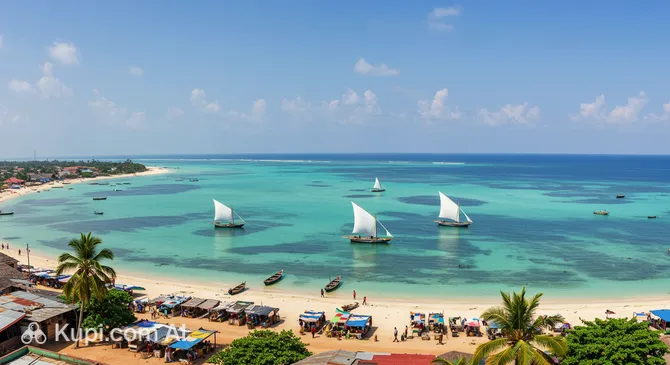
Vilanculos. Source: Kupi.Binoculars

The town is celebrated for its array of activities, particularly for water sports enthusiasts. It is widely regarded as a world-class destination for kitesurfing due to its shallow, calm waters and consistent winds. Visitors can also embark on a traditional dhow safari to the nearby islands for exceptional snorkeling and diving among pristine coral reefs, or simply explore the colorful local markets known for fresh seafood and vibrant crafts.

Whether you are planning to explore the underwater wonders of the marine park or simply wish to unwind on endless sandy beaches, Vilanculos offers an unforgettable escape. It is a destination that truly captures the magic of the East African coast, inviting you to stay and soak up the sun.

Weather Overview

Travelers planning a trip to this coastal gem can expect a pleasant tropical climate that makes it an inviting destination throughout the year. The weather typically shifts between a warm, humid season and a cooler, drier period, allowing visitors to choose the best time for their preferred activities. For a comprehensive breakdown of seasonal trends, you can consult the guide to weather in Vilanculos.

The warmest months occur from November through March, where average temperatures hover around 27°C, often reaching highs of nearly 30°C. This period coincides with the region's rainy season; January, for instance, records approximately 17 wet days, though the showers are often short-lived. This is the lush season, perfect for those who enjoy the heat and don't mind occasional rainfall.

Conversely, the cooler months from June to August offer milder conditions, with average temperatures dropping to around 21°C and minimums dipping to 17.4°C in July. This time of year is significantly drier, particularly from July to September, when precipitation is virtually non-existent and there are as few as 2 wet days per month. These clear, sunny days are ideal for exploring the archipelago and enjoying outdoor adventures.

Interesting Facts

Beyond its reputation as a gateway to the archipelago, Vilanculos possesses unique ecological and cultural traits that often surprise visitors.

Baobab Beach Vilanculos. Source: Kupi.Binoculars
  • The seascape surrounding the town supports the largest remaining population of Dugongs in the Western Indian Ocean. These rare, shy marine mammals, often referred to as "sea cows," find refuge in the protected seagrass meadows of the nearby marine sanctuary.

  • A short distance from the town center, you can find the striking "Red Dunes" (Dunas Vermelhas). Unlike the typical white sands of the coast, these vibrant crimson formations offer a dramatic geological contrast against the turquoise ocean and green vegetation.

  • The town is home to the lively Baobab Beach Vilanculos, which functions as a unique social hub where the barrier between a resort and the local community dissolves, allowing travelers to experience authentic local life directly on the sand.

  • Despite its relatively small population, the town boasts its own international airport. This rare infrastructure for a town of its size highlights its strategic importance as a major tourism hub for Southern Africa, connecting directly to cities like Johannesburg.

How to Get There

Reaching this tropical paradise is surprisingly straightforward, thanks to its well-connected infrastructure. Whether you prefer a quick flight directly to the coast or an adventurous road trip through the Mozambican countryside, there are several ways to arrive. For a comprehensive overview of all routes and travel tips, you can read more about how to get to Vilanculos.

The most convenient and popular way to arrive is by flying directly into Vilanculos Airport (VNX). This international hub is located just 2.1 km from the town center, making the transfer incredibly quick and easy. A taxi ride to most lodges and hotels in the area takes only about 5 to 10 minutes. Despite its modest size, the airport handles a significant number of travelers annually, connecting the town with major hubs like Johannesburg and Maputo.

If you are planning a broader exploration of the Inhambane Province, you might consider flying into Inhambane Airport (INH). However, please note that this airport is located in the city of Inhambane, approximately 208 km away from Vilanculos. The journey from there involves a substantial road trip, taking roughly 3 to 4 hours by car or bus. Similarly, Beira Airport (BEW) serves the city of Beira and is situated about 247.8 km north. While it is a larger transport hub, the transfer to Vilanculos would require a long drive of over 4 hours.

For clarity, here is a summary of the main airports:

Airport Name City Passenger Traffic Km from City
Beira Airport Beira High 247.8
Vilanculos Airport Vilanculos Medium 2.1
Inhambane Airport Inhambane Low 208.0

Currently, there are no railway stations serving Vilanculos or its immediate vicinity. Visitors who do not fly typically arrive by road. There are regular bus services and private shuttles running from Maputo and other major cities, offering a scenic but longer journey along the coast. Renting a 4x4 vehicle is also a popular option for those who wish to explore the region at their own pace.

Main Attractions

Vilanculos is a destination where the ocean is the star of the show, but the town itself offers a delightful mix of relaxation, culture, and culinary experiences. While many visitors come here primarily to access the islands, the mainland boasts several spots that are well worth exploring during your stay. From bustling markets to serene beachside retreats, here are some of the top attractions to add to your itinerary.

Undoubtedly, the primary allure of the region is the Bazaruto Archipelago. Although technically a chain of islands just off the coast, it is the heartbeat of tourism in Vilanculos. Boats depart daily from the town's beaches, taking visitors to this protected marine park. It is a haven for snorkelers and divers, offering the chance to swim amidst untouched coral reefs, spot dolphins, and search for the elusive dugongs that inhabit these warm, shallow waters.

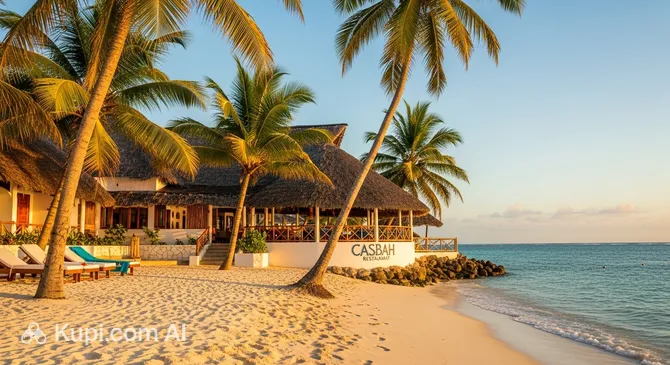
For those looking to enjoy the coastal vibe on the mainland, Casa Cabana Beach and Casbah Restaurant is a must-visit location. Situated right on the beachfront, this spot is famous for its relaxed atmosphere and excellent seafood. It serves as a popular gathering place where tourists can unwind with a view of the dhows sailing by, enjoying a meal that highlights the fresh flavors of the Indian Ocean.

Casa Cabana Beach and Casbah Restaurant. Source: Kupi.Binoculars

Another iconic spot that defines the town's social scene is Baobab Beach Vilanculos. This location is much more than just a place to stay; it is a vibrant hub for backpackers and travelers from around the world. Known for its lively bar and direct access to the sand, it is often the starting point for ocean safaris and a great place to meet fellow adventurers while watching the sunrise over the water.

To experience the artistic side of the community, a visit to Machilla Magic is highly recommended. This community arts project is located in the town center and focuses on empowering local families through creativity. Here, you can watch artisans at work and purchase unique, high-quality souvenirs made from recycled materials, wood, and textiles. It is a wonderful place to find a meaningful keepsake while supporting the local economy.

Local Cuisine

The culinary scene in Vilanculos is a delightful reflection of its coastal location and rich cultural history, blending fresh Indian Ocean bounty with Portuguese influences and traditional Mozambican flavors. For food lovers, this town offers an unpretentious yet incredibly flavorful gastronomic journey, where the catch of the day is often the star of the menu.

Seafood is naturally the highlight here, with grilled prawns, crayfish, and crab featuring prominently in local restaurants. These are often prepared with a signature marinade of garlic, lemon, and the famous peri-peri (African bird's eye chili) sauce, offering a spicy kick that Mozambique is renowned for. Another must-try dish is Matapa, a comforting traditional stew made from cassava leaves cooked in peanut sauce and coconut milk, often served with crab or shrimp and a side of white rice or xima (maize porridge).

To accompany these rich meals, locals and tourists alike often turn to the country's beloved beers. 2M (pronounced "dosh-em") and Laurentina are the standard choices, crisp and refreshing enough to combat the tropical heat. For a non-alcoholic treat, nothing beats the taste of a fresh coconut, cut open right before your eyes by street vendors, or a glass of tangy baobab juice, known locally as malambe.

Dining in Vilanculos is generally a relaxed affair, often enjoyed with sand between your toes and a view of the ocean. The town center features a vibrant municipal market where you can see the fresh produce and spices that define the local palate. For a sit-down meal, the atmosphere ranges from rustic local eateries to charming beachfront establishments.

Visitors looking for a classic seaside dining experience often head to Casa Cabana Beach and Casbah Restaurant. It is a favorite for its laid-back vibe and excellent seafood platters served right by the water. Similarly, Baobab Beach Vilanculos offers a lively setting where you can enjoy hearty meals and cold drinks while mingling with a diverse crowd of travelers and locals.

Travel Tips

Welcome to Vilanculos! To help you make the most of your time in this laid-back coastal paradise, we have compiled a list of essential travel tips that will ensure your journey is as smooth and enjoyable as the ocean breeze. Whether you are here for the diving or the culture, these practical insights will help you navigate the town like a pro.

  1. Clothing and Gear: Given the tropical climate, lightweight, breathable fabrics like cotton and linen are your best friends. Pack plenty of swimwear, but remember to bring a sarong or light cover-up; while beachwear is fine on the sand, it is respectful to dress more conservatively (covering shoulders and knees) when visiting the town center or local markets. A high-SPF sunscreen, sunglasses, and a hat are non-negotiable, and sturdy sandals or reef shoes are recommended for walking on tidal flats.
  2. Transportation: The most popular and convenient way to get around Vilanculos is by tuk-tuk (locally known as "chopelas"). They are affordable and readily available; just be sure to agree on the fare with the driver before hopping in. For exploring the dunes or more remote areas, renting a car is possible, but a 4x4 is strictly necessary due to the sandy roads. Walking is safe during the day for short distances, but the town is quite spread out.
  3. Finances: The local currency is the Mozambican Metical (MZN). While high-end lodges and dive centers usually accept credit cards (Visa is more common than Mastercard) and foreign currencies like US Dollars or South African Rand, cash is king in the town itself. ATMs are available in the center, but they can occasionally run out of cash or reject international cards, so it is wise to carry some backup cash. Tipping around 10% at restaurants is standard practice and greatly appreciated.
  4. Health and Safety: Vilanculos is in a malaria-risk area, so packing high-quality insect repellent and consulting your doctor about prophylaxis before the trip is essential. Always drink bottled or filtered water, avoiding tap water to prevent stomach issues. The town is generally very safe and welcoming, but standard precautions apply: avoid walking alone in unlit areas at night and keep valuables secure. There are pharmacies in town for basic needs, but specific prescription medications should be brought from home.
  5. Communication: The official language is Portuguese. While staff at hotels, restaurants, and tour agencies typically speak good English, it is less widely spoken in local markets and shops. Learning a few basic Portuguese phrases like "Bom dia" (Good morning) and "Obrigado/a" (Thank you) will go a long way. Wi-Fi is standard in lodges, but for reliable connectivity everywhere, buying a local SIM card (Vodacom or Movitel) is cheap and easy to do upon arrival.
  6. Local Etiquette: Mozambicans are known for their friendliness and politeness. It is customary to greet people before asking a question or starting a transaction; a simple greeting breaks the ice and shows respect. Life here moves at a relaxed pace, often referred to as "Mozambique time." Do not get impatient if service is slower than you are used to; simply relax and embrace the laid-back atmosphere.
  7. What to Avoid: Please do not buy sea shells, coral, or turtle shell products from street vendors. Purchasing these items encourages the destruction of the fragile marine ecosystem you came to enjoy. Additionally, avoid taking photographs of locals without asking for their permission first, as many people value their privacy.
  8. Market Tip: For a truly authentic experience, visit the Mercado Municipal (Municipal Market) early in the morning. This is when the fishermen bring in the freshest catch of the day. You can buy fresh fish, prawns, or calamari directly from the vendors and often have it grilled at a nearby local stall or take it back to your self-catering accommodation for a feast.

By keeping these tips in mind, you will be well-prepared to experience the warmth and beauty of Vilanculos without a hitch. Embrace the local rhythm, respect the environment, and enjoy every moment of your Mozambican adventure!

Entertainment & Nightlife

Nightlife in Vilanculos is defined by its relaxed, tropical atmosphere rather than high-energy clubs or neon-lit districts. The evening scene here revolves largely around open-air beach bars and lodge restaurants where travelers and locals mingle under the stars. The vibe is distinctively "barefoot chic," allowing you to transition seamlessly from a day of diving to an evening of cocktails with sand between your toes.

One of the most popular spots to begin the evening is Casa Cabana Beach and Casbah Restaurant. Located directly on the beach, this venue is famous for its laid-back elegance and stunning ocean views. It is the perfect place to enjoy a sundowner while listening to the sound of the waves. The atmosphere here is sophisticated yet unpretentious, attracting a mix of couples, families, and expats looking for quality drinks and a serene ambiance.

For those seeking a livelier, more bohemian experience, Baobab Beach Vilanculos is the heartbeat of the backpacker social scene. As the night progresses, this spot often hosts bonfires, traditional drumming performances, and impromptu parties. It is the best place to meet fellow travelers, enjoy cold local beers, and dance on the sand. The dress code here is entirely casual—shorts and flip-flops are the standard uniform.

Beyond the beachfront lodges, the town center offers a taste of authentic local nightlife. In the areas surrounding the municipal market, you can find small local bars and barracas playing vibrant Mozambican music, such as Marrabenta and Afro-house. These spots are bustling on weekends and offer a spirited environment where the music is loud and the energy is contagious. Prices in these local venues are significantly lower than in the tourist-focused beach bars.

When enjoying a night out, safety and logistics are important to consider. While Vilanculos is generally safe, it is advisable not to walk alone on the beach or unlit roads late at night. The best way to get around is by using local tuk-tuks (chopelas), which are affordable and readily available. Drivers are usually happy to wait for you or come back at a set time. Most venues close relatively early compared to major cities, with things winding down around midnight, though weekends can stretch later.

Regarding daytime entertainment, Vilanculos moves at a slower pace and lacks traditional amusement parks or large theaters. Instead, the "entertainment" is deeply rooted in culture and nature. Visitors can explore the Machilla Magic arts and crafts center, which functions as a cultural hub, or wander through the vibrant local markets. The town itself is the attraction, offering a peaceful alternative to the hustle of urban entertainment districts.

Parks & Museums

While Vilanculos is not a city of sprawling botanical gardens or grand historical museums in the traditional sense, it offers a rich tapestry of natural wonders and "living" cultural spaces. The town's parks are its pristine beaches and protected marine reserves, while its culture is best experienced through community art centers and the vibrant daily life of its residents.

The most significant natural area associated with the town is the Bazaruto Archipelago National Park. Although located just offshore, it is the ecological heart of the region. This protected marine sanctuary is a haven for nature lovers, encompassing a chain of five islands with towering sand dunes, freshwater lakes, and diverse ecosystems. It serves as a critical refuge for marine life, including sea turtles, dolphins, and the rare dugong. Visitors can explore the park through guided boat trips, which often include stops for snorkeling in the crystal-clear waters or picnicking on deserted sandy islets.

On the mainland, the Vilanculos Coastal Wildlife Sanctuary offers a different kind of natural beauty. Situated on the San Sebastian Peninsula to the south of the town, this 30,000-hectare reserve is a unique mix of marine and terrestrial environments. It is one of the few places where you can see big game animals grazing near the beach. The sanctuary is dedicated to conservation and offers a tranquil escape where visitors can observe flamingos in the mangroves or spot antelope in the coastal bush.

For culture enthusiasts, Machilla Magic serves as the town's premier artistic venue. Far from a stuffy museum, this community arts and crafts center is a vibrant gallery where creativity meets sustainability. Local artisans use recycled materials, dhow wood, and natural resources to create stunning sculptures, furniture, and jewelry. A visit here is an immersive experience; you can watch the artists at work, learn about their techniques, and understand how this project supports dozens of local families. It stands as a powerful testament to the ingenuity and artistic spirit of the Vilanculos community.

In terms of architecture and history, the Hotel Dona Ana stands out as a significant landmark. Originally built in the 1960s, this Art Deco masterpiece was once a glamorous destination for international celebrities before falling into disrepair during the civil war. Now beautifully restored, it sits on a promontory overlooking the harbor, serving as a poignant reminder of the town's colonial past and its resilience. The main Catholic Church in the town center is another architectural point of interest, known for its simple yet striking design and lively Sunday services that welcome visitors.

For a truly authentic experience, take a walk to the northern end of the bay to watch the traditional dhow builders at work. There is no ticket booth or guide; just local craftsmen carving massive wooden hulls by hand, using skills passed down through generations. It is a fascinating, open-air display of maritime history that continues to drive the local economy today.

Getting Around

Navigating Vilanculos is a refreshingly simple and authentic experience, quite different from the complex systems found in major global cities. Due to its modest size and relaxed coastal atmosphere, the town does not have a metro, tram, or large municipal bus network. Instead, the public transport system relies primarily on informal, road-based options. The most common form of transport used by the local community is the chapa, a type of minibus that functions as a shared taxi. These vans run along the main paved roads and key routes, picking up and dropping off passengers on demand. They are an inexpensive way to get around, though they can often be crowded and loud with local music.

For tourists, the most popular and convenient alternative to the minibus is the tuk-tuk, locally known as a chopela. These three-wheeled motorized vehicles are nimble enough to navigate both the paved roads and the sandy side streets that lead to many beach lodges. You will find them waiting at the airport, near the municipal market, and outside popular restaurants. Riding in a chopela is not only a practical way to travel between the town center and the beach but also offers a breezy, open-air view of the surroundings, making the commute part of the adventure.

The payment system in Vilanculos is entirely cash-based and informal. There are no travel passes, smart cards, or mobile ticketing apps available for public transport. Travelers should always carry small denominations of the local currency, as drivers frequently do not have enough change for large bills. Fares for the chapas are generally fixed at a very low rate, while prices for chopelas must be negotiated directly with the driver before you hop in. It is a good idea to ask your hotel receptionist for the current approximate rates to your destination so you can bargain fairly.

Operating hours for transport are dictated by the sun and demand rather than a strict timetable. Chapas and chopelas are abundant from early morning until sunset. However, their availability decreases significantly after dark. If you plan to dine out late, it is highly advisable to arrange a return ride in advance or ask the restaurant staff to call a trusted driver for you. There are no ticket offices or validation machines; you simply pay the driver or the conductor at the end of your journey or upon boarding, depending on the custom of the specific vehicle.

For those seeking more comfort or independence, there are alternatives to the shared transport options. Private taxis are available, mostly stationed at the airport or arranged through hotels, though they are more expensive than tuk-tuks. Car rentals are also an option, but due to the sandy nature of many secondary roads, renting a 4x4 vehicle is strongly recommended. Additionally, many lodges offer bicycle rentals, which are a fantastic way to explore the coastline at a leisurely pace. While there are no trains or cable cars, the traditional dhow boats effectively serve as the city's "water buses," providing essential transport to the nearby islands and offering a unique travel experience rooted in maritime history.

Accommodation

Accommodation in Vilanculos caters to a wide spectrum of travelers, ranging from budget-conscious backpackers to those seeking barefoot luxury. The town is renowned for its hospitable and relaxed atmosphere, with most lodging options designed to maximize the stunning coastal views. Visitors can choose from lively hostels with a communal vibe, comfortable self-catering cottages ideal for families, or upscale boutique hotels that offer private plunge pools and direct ocean access.

The most desirable area to stay is undoubtedly along the beachfront, which stretches north and south of the main town center. Staying here ensures you are just steps away from the Indian Ocean and the departure points for dhow safaris to the Bazaruto Archipelago. The northern section of the bay tends to be quieter and more secluded, while the southern beaches are often bustling with activity, restaurants, and bars, making them convenient for those who want to be in the heart of the social scene.

For a comfortable stay right on the water's edge, travelers often consider Casa Cabana Beach and Casbah Restaurant. This establishment is a prime example of the town's mid-to-high-end offerings, providing beachside chalets that blend comfort with tropical charm. It is well-situated for those who wish to combine their accommodation with easy access to excellent dining and nightlife without needing to travel far.

Prices in Vilanculos vary significantly depending on the season and the level of luxury. Budget travelers can find dormitory beds or simple camping spots for very reasonable rates, while private lodges and resorts fall into the mid-range to high price brackets. It is highly recommended to book your accommodation well in advance if you plan to visit during the peak holiday seasons of December and January or around Easter, as the best spots fill up quickly. Most properties can be booked via major online platforms, though contacting smaller lodges directly can sometimes yield better rates or specific package deals.

Nearby Cities

While Vilanculos is a captivating destination on its own, it also serves as a strategic point for exploring other significant locations in Mozambique. Whether you are traveling north towards the central provinces or heading south along the coast, there are several noteworthy cities within reach that offer a different perspective on the country's culture and geography.

One of the most charming stops to the south is Inhambane, located approximately **208 km** away. Known as the "Land of Good People," it is one of the oldest settlements in the country, celebrated for its well-preserved colonial architecture and relaxed atmosphere. Just across the bay lies Maxixe, a bustling commercial hub situated about **206 km** from Vilanculos. It sits directly on the main national highway (EN1), making it a frequent stopover for travelers navigating the province.

To the north, the major port city of Beira is located roughly **245 km** away. As the second-largest city in Mozambique, it is a vital economic center with a distinct history. Further inland, about **374 km** distant, is Chimoio, which serves as the gateway to the scenic highlands near the Zimbabwean border. For those continuing their journey southwards, Xai-Xai offers another coastal retreat with massive dunes and coral reefs, situated approximately **377 km** from the town.

Here is a summary of the nearby cities, their populations, and their distances from Vilanculos:

City Name Population Distance (km)
Maxixe 108,824 206
Inhambane 78,909 208
Beira 530,604 245
Chimoio 238,976 374
Xai-Xai 116,343 377

Shopping & Souvenirs

Shopping in Vilanculos offers a refreshing departure from the world of generic high streets and mega-malls. Instead of browsing international chain stores, visitors here are invited to explore a scene that is authentically Mozambican, characterized by vibrant open-air markets, small family-run shops, and unique craft centers. The experience is less about acquiring luxury goods and more about discovering local artistry, colorful fabrics, and the fresh flavors of the province.

The primary commercial hub is located in the town center, spread along the main paved road and the streets radiating from the central market area. This district is where the pulse of the town beats strongest. Here, you will find a variety of general trading stores, pharmacies, and hardware shops. It is a bustling environment where locals conduct their daily business, offering tourists a chance to immerse themselves in the community's rhythm while picking up necessary supplies or browsing for curious finds.

Travelers accustomed to sprawling shopping complexes should adjust their expectations, as Vilanculos does not feature large modern shopping malls. The retail landscape is dominated by smaller establishments and supermarkets. For groceries and travel essentials, there are several well-stocked supermarkets, such as Tawakal, where you can purchase imported goods, toiletries, and beverages. These stores provide a comfortable, air-conditioned shopping experience for those needing to restock their self-catering pantries.

The true highlight of the local shopping scene is undoubtedly the markets. The Mercado Municipal (Municipal Market) is the epicenter of trade and a feast for the senses. While famous for its fresh seafood and produce, the outer sections and surrounding stalls are excellent places to find capulanas. These brightly colored, patterned fabrics are worn by women throughout Mozambique and make for versatile gifts or souvenirs; they can be used as sarongs, tablecloths, or tailored into clothing.

When it comes to souvenirs, the town offers distinct treasures that reflect the region's creativity. Wooden carvings are a popular choice, with local artisans crafting intricate bowls, animal figures, and masks. Woven baskets and mats made from palm fronds are also widely available and easy to pack. For a more curated selection of high-quality art, visitors should look for the renowned Machilla Magic community project, which produces stunning items from recycled materials. Additionally, bags of roasted cashew nuts—a major local crop—are a delicious and affordable gift to bring home.

Most shops and markets in Vilanculos generally operate from around 8:00 AM to 5:00 PM on weekdays, with shorter hours on Saturdays and many places closing on Sundays. The Municipal Market starts bustling much earlier, often at sunrise. While major supermarkets may accept credit cards, cash is the preferred method of payment for almost everything else, especially in the markets and smaller curio stalls. It is essential to carry Mozambican Meticals in smaller denominations to make transactions smoother.

Tax-free shopping or VAT refund schemes for tourists are not typically available or applicable in the small-scale retail environment of Vilanculos. The prices are generally fixed in supermarkets, but friendly bargaining is common and expected when purchasing souvenirs or crafts from street vendors and market stallholders.
Reached the end of the page?

That means the route is fully explored