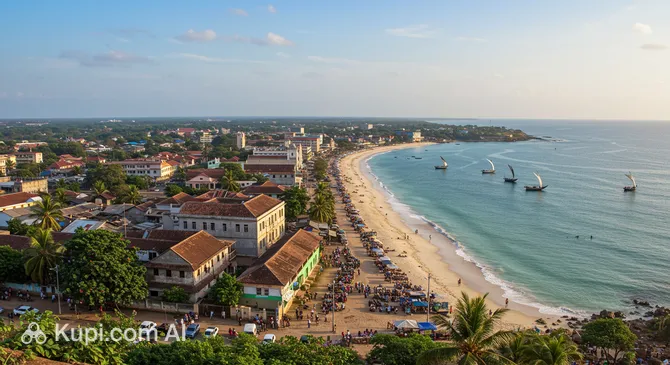
Shopping in Inhambane is an authentic and immersive experience that contrasts sharply with the commercialized retail therapy found in major global cities. Instead of high-end boutiques and sprawling department stores, the city offers a vibrant collection of local markets, roadside stalls, and modest independent shops. For tourists, the appeal lies in discovering unique, handcrafted items and engaging with friendly local traders. It is a place to buy necessities and cultural keepsakes rather than luxury fashion or electronics.
The primary commercial activity is concentrated in the historic city center, particularly along the avenues surrounding the central market. Avenida da Independência and the streets radiating from the port area serve as the main thoroughfares for commerce. Here, you will find a mix of hardware stores, pharmacies, and small clothing shops selling imported goods. Walking these streets provides a genuine feel for the local economy, where businesses are often family-run and housed in colonial-era buildings with shaded verandas.
Travelers should be aware that there are no Western-style shopping malls in Inhambane. The city does not have large complexes with cinemas, food courts, or branded chain stores. However, there are a few well-stocked supermarkets where you can purchase groceries, toiletries, and bottled water. These stores provide a modern shopping environment for essential supplies, but for anything beyond basic needs, the local market is the place to be.
The heartbeat of the city's retail scene is undoubtedly the Mercado Central (Central Market). This bustling hub is essential for anyone wanting to see the variety of local produce. Under its roof, vendors display pyramids of tropical fruits like mangoes, papayas, and coconuts, alongside fresh vegetables and piles of aromatic spices. It is also the best place to find fresh seafood caught that morning in the bay. The atmosphere is lively but generally more relaxed and less aggressive than in larger African capitals, making it pleasant to browse.
When it comes to souvenirs, Inhambane Province is famous for its intricate woven goods. You can find beautifully crafted straw baskets, mats, and hats made from local palm leaves, often featuring colorful geometric patterns. Another popular purchase is the capulana, a brightly colored sarong-like fabric worn by Mozambican women; these can be bought in lengths and used as beach wraps, tablecloths, or tailored into clothing. Additionally, do not leave without buying a bag of locally roasted cashew nuts, which are fresh, delicious, and significantly cheaper here than abroad.
Most shops in the city open around 08:00 and close by 17:00 or 18:00 on weekdays, with shorter hours on Saturdays. The Central Market starts much earlier, often at sunrise, and winds down by late afternoon. Many smaller businesses may close for a lunch break between 12:00 and 14:00. Regarding payment, cash is king. While a few larger supermarkets may accept international credit cards, virtually all market vendors, souvenir stalls, and small shops deal exclusively in Mozambican Meticais. It is advisable to carry small denominations to make transactions easier.
Tax-free shopping or VAT refund schemes are generally not applicable or practical for the types of purchases tourists make in Inhambane. The informal nature of the markets and small souvenir stalls means that formal tax receipts suitable for refunds are rarely issued. Visitors should view the prices as final, though polite bargaining is expected and welcomed when buying handicrafts or fresh produce in the market.