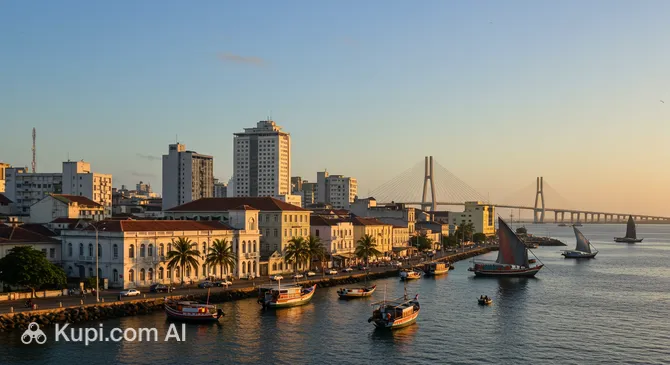
Maputo, the vibrant capital of Mozambique, is a city where African energy blends seamlessly with Portuguese colonial heritage. Often referred to as the "City of Acacias" due to the beautiful trees that line its wide avenues, it offers a unique atmosphere filled with music, art, and a welcoming spirit. As the country's largest city and main port, it serves as a cultural and economic hub for the region.
Maputo. Illustration.
Source: Kupi.com AI
Located on the western shore of Maputo Bay along the Indian Ocean, the city enjoys a strategic position and a warm, inviting climate. With a population exceeding 1.1 million people, it is a bustling metropolis that feels both historic and modern. The history of Maputo is etched into its diverse architecture, ranging from classical European-style buildings to modernist structures and lively local neighborhoods.
Travelers will find plenty to explore, including the iconic Maputo Railway Station, which is frequently cited as one of the most beautiful train stations in the world. The Fortaleza of Maputo stands as a testament to the city's past, while the vibrant Central Market offers a sensory explosion of fresh produce, crafts, and spices. Whether you are here to enjoy the renowned local seafood or to immerse yourself in the jazz scene, Maputo promises an unforgettable experience.
Weather Overview
Maputo enjoys a subtropical climate that makes it an inviting destination for most of the year. The city typically experiences hot, humid summers and mild, dry winters, allowing for comfortable sightseeing and beach visits depending on the season. Generally, you can expect warm summers with frequent showers and cooler, sunnier days during the winter months.
The warmest period occurs from November through March, where average temperatures hover around 26.0°C to 26.3°C, with daily highs often reaching nearly 30°C. This is also the rainy season; for instance, January and February are characterized by higher humidity and approximately 14 to 15 wet days each. Despite the rain, the sun often shines, making it a lush time to visit if you don't mind the heat.
In contrast, the cooler months from June to August offer a refreshing break from the humidity. During July, the average temperature dips to around 19.8°C, with nighttime lows cooling down to 15.0°C. Rainfall is minimal during this time, with July seeing as few as 2 wet days, making it perfect for walking tours. For a more comprehensive forecast and planning advice, you can view the detailed weather in Maputo page.
The shoulder months, such as April, May, and September, offer a pleasant transition. May, for example, sees a comfortable average of 22.0°C and significantly fewer rainy days compared to the summer peak. Whether you prefer the vibrant heat of the tropical summer or the mild breezes of winter, Maputo’s weather is generally welcoming to travelers.
Average monthly temperature
Average monthly precipitation
Interesting Facts
Beyond the main avenues and popular beaches, Maputo holds a treasure trove of stories that often escape the casual observer. This coastal capital is filled with architectural oddities and historical quirks that make it truly unique.
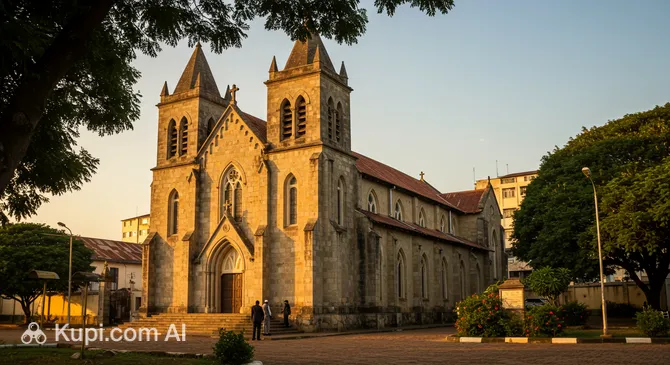
Saint Anthony Catholic Church. Illustration.
Source: Kupi.com AI
Traveler photos:
The Saint Anthony Catholic Church is affectionately known by locals as the "Lemon Squeezer" due to its distinct modernist shape. Built in 1962, this architectural gem resembles an inverted flower and remains one of the city's most recognizable silhouettes.
Maputo is home to the "Iron House" (Casa do Ferro), a structure designed by the famous Gustave Eiffel. Although intended as a residence for the governor, the metal walls made it unbearably hot in the tropical climate, and it was never used for its original purpose.
The Museum of Natural History houses a truly one-of-a-kind exhibit that attracts visitors from around the world. Inside, you can view a rare collection of elephant fetuses displaying the entire gestation cycle, a scientific display that is virtually unique to this institution.
While the Fortress of Maputo is a well-known landmark, few realize it serves as the final resting place for Ngungunhane, the last emperor of the Gaza Empire. His remains were returned to Mozambique in 1985, turning the colonial structure into a site of significant local heritage.
How to Get There
Reaching this coastal capital is relatively straightforward, with air travel being the most convenient method for international visitors. For a comprehensive guide on all available transport options, including driving routes and border crossings, you can read more about how to get to Maputo.
The primary gateway to the city is Maputo International Airport (MPM), conveniently located just 5.5 km from the city center. It is the largest hub in the country, handling the majority of international arrivals. The short distance to the downtown area ensures a quick transfer; a taxi ride typically takes around 30 minutes, making it an easy start to your trip.
Travelers exploring the wider region might also consider airports in neighboring countries, though they require a longer ground transfer. King Mswati III International Airport (SHO) is situated in the city of Manzini, Eswatini, approximately 96 km from Maputo. The journey from there involves crossing the border and takes about 2 hours and 45 minutes by car. Another option is Kruger Mpumalanga International Airport (MQP) in Mbombela, South Africa, located roughly 161 km away. This route is popular for those combining a safari with a city visit, with the drive taking approximately 4 hours and 20 minutes.
For clarity, here is a summary of the main airports:
Maputo is a city that rewards exploration, boasting a collection of landmarks that narrate its journey from a colonial port to a bustling modern capital. The city center is compact and walkable, allowing visitors to easily connect with its architectural grandeur and historical depth. From vibrant plazas to quiet galleries, the main sights offer a compelling mix of the past and the present.
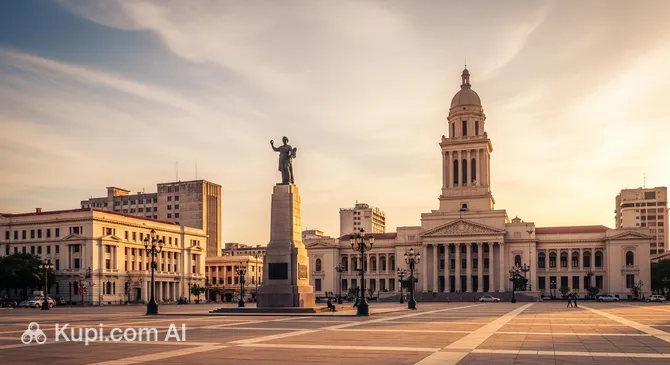
Independence Square. Illustration.
Source: Kupi.com AI
Traveler photos:
One of the most significant starting points for any tour is Independence Square. Located in the heart of the upper city, this expansive plaza is dominated by a towering statue of Samora Machel, the country's first president. It is surrounded by some of the city's most impressive buildings, including the neoclassical City Hall and the gleaming white cultural center. For tourists, it serves as a perfect orientation point and a place to witness the daily rhythm of local life against a backdrop of monumental history.
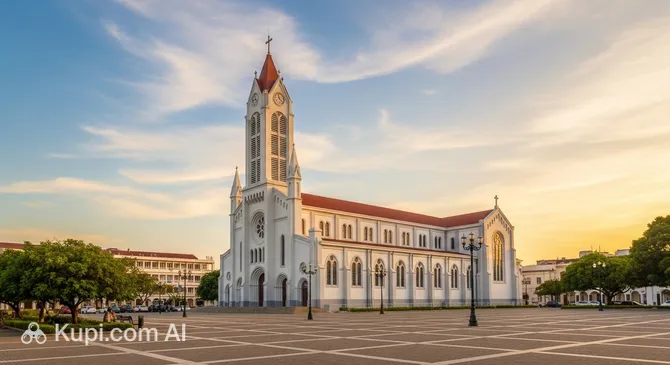
Just a few steps away stands the striking Maputo Cathedral, also known as the Cathedral of Our Lady of the Immaculate Conception. Completed in 1944, this gleaming white structure is renowned for its soaring tower and simple yet imposing architectural lines. Visitors are often captivated by its serene interior and the beautiful stained glass work. It is an iconic symbol of the city skyline and offers a peaceful retreat from the busy streets outside.
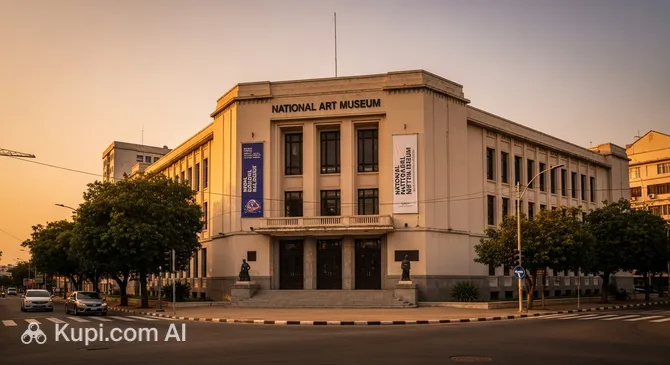
National Art Museum. Illustration.
Source: Kupi.com AI
Traveler photos:
Art enthusiasts should not miss the National Art Museum. Housed in a charming colonial villa, this institution holds a powerful collection of Mozambican art, including works by the legendary painter Malangatana and sculptor Chissano. The museum provides deep insight into the country's cultural soul through vibrant paintings and expressive wooden sculptures. It is an essential stop for anyone wanting to understand the creative spirit that thrives in Mozambique.
For a deeper dive into the nation's political history, a visit to Mozambican Heroes Square is highly recommended. This large roundabout features a massive star-shaped monument and a mural depicting the struggle for independence. It serves as the final resting place for national heroes and is a site of great reverence. While it is located near the airport, slightly away from the downtown core, its historical significance makes it a meaningful stop for those interested in the country's path to sovereignty.
Local Cuisine
Local Cuisine:
The culinary scene in Maputo is a vibrant reflection of its history, blending fresh African ingredients with Portuguese flavors and spices. Known as a seafood lover's paradise, the city offers a gastronomic experience that ranges from lively street stalls to sophisticated dining rooms. The abundance of the Indian Ocean pairs perfectly with the local love for chili and coconut, creating dishes that are rich, aromatic, and unforgettable.
At the top of the must-try list are the famous Maputo prawns (camarões). These giant crustaceans are typically grilled and served with a spicy peri-peri sauce or garlic butter, a signature flavor profile of the region. Another staple dish is Matapa, a comforting stew made from cassava leaves ground with peanuts and coconut milk, often cooked with crab or shrimp. For poultry lovers, Galinha à Zambeziana—chicken marinated in lime, pepper, and coconut milk before being grilled—offers a delicious taste of the country's northern influences right in the capital.
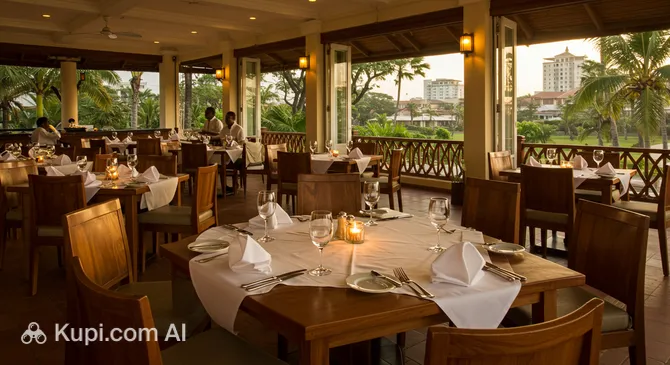
Polana Serena Hotel Restaurant. Illustration.
Source: Kupi.com AI
Traveler photos:
No meal in Maputo is complete without sampling the local beverages. The national beers, 2M (pronounced "doish-em") and Laurentina, are widely available and serve as the perfect accompaniment to spicy food. Laurentina Preta, a dark lager, is particularly prized by beer enthusiasts. For something stronger, the legendary R&R (Rum and Raspberry) is a popular cocktail made with Tipo Tinto rum and raspberry soda, a drink that has become almost synonymous with Mozambican nightlife.
The food culture here is social and relaxed. Locals often gather at the famous Fish Market to buy fresh catch and have it cooked on the spot, but the city also boasts a growing number of excellent restaurants. For a refined dining experience, you can visit the Polana Serena Hotel Restaurant, which offers elegant settings and high-quality international and local cuisine. Those looking for a modern touch might enjoy SALT Restaurant, known for its contemporary vibe. If you are exploring the nightlife, places like The Backroom offer a great atmosphere to enjoy drinks and music after a satisfying meal.
Travel Tips
Welcome to Maputo! To ensure your visit to this vibrant capital is as smooth and enjoyable as possible, we have compiled a list of essential practical tips that will help you navigate the city like a pro.
Clothing and Gear: Given the tropical climate, pack lightweight, breathable fabrics like cotton or linen to stay cool in the heat. A hat, sunglasses, and high-SPF sunscreen are essential for protection against the strong sun. Comfortable, closed-toe walking shoes are highly recommended, as sidewalks can be uneven and sandy in some areas. While casual wear is generally acceptable, it is respectful to dress modestly when visiting religious sites.
Transportation: The most convenient way for tourists to get around is by using taxis or the popular three-wheeled auto-rickshaws known locally as txopelas. While public minibuses (chapas) are ubiquitous, they are often overcrowded and can be confusing for first-time visitors. If you take a taxi or tuk-tuk that does not have a meter, always negotiate and agree on the fare before starting your journey to avoid misunderstandings.
Finances: The local currency is the Metical (MZN). While major hotels, shopping malls, and upscale restaurants usually accept international credit cards (mostly Visa), cash is absolute king in local markets, small shops, and for transport. ATMs are widely available throughout the city. Tipping is customary in restaurants and for service staff; leaving around 10% for good service is appreciated.
Health and Safety: It is advisable to drink only bottled or filtered water and to avoid ice in drinks at street stalls. As Mozambique is located in a region where malaria can be a concern, carry effective mosquito repellent and consider wearing long sleeves in the evenings. In terms of safety, stick to well-lit, populated areas, especially at night, and avoid displaying expensive jewelry, cameras, or smartphones openly while walking on the street.
Communication: Portuguese is the official language. While English is spoken in many hotels and tourism-related establishments, it is not widely understood by the general public or taxi drivers. Learning a few basic phrases like "Bom dia" (Good morning) and "Obrigado" (Thank you) will go a long way in breaking the ice. Purchasing a local SIM card upon arrival is highly recommended for reliable access to maps and translation apps.
Local Etiquette: Mozambicans are generally warm, polite, and value social greetings. It is customary to greet people properly before asking a question or starting a transaction. Handshakes are common and often linger longer than in Western cultures. Always ask for explicit permission before taking photographs of local people, as some may prefer not to be captured on camera.
What to Avoid: Strictly avoid taking photos of government buildings, military installations, police officers, the presidential palace, or the airport. This is considered a serious security offense and can result in the confiscation of your equipment, fines, or detention. Be very observant of your surroundings and any signs prohibiting photography.
Local Insight: Embrace the relaxed pace of life. Service in restaurants and shops may be slower than what you are used to, so it is best to leave your rush behind. Also, keep small change handy for "car guards"—informal attendants who watch over parked cars; a small tip of a few Meticals is expected and ensures your vehicle is looked after.
By keeping these practical tips in mind, you will be well-prepared to embrace the unique rhythm of Maputo. Enjoy the warm hospitality, the delicious flavors, and the dynamic energy of this fascinating coastal city!
Entertainment & Nightlife
As the sun sets over the Indian Ocean, Maputo sheds its business persona and transforms into a vibrant hub of music, dance, and social energy. The city's nightlife is legendary in the region, offering a mix of laid-back jazz lounges, pulsating nightclubs, and lively street bars. The atmosphere is generally warm and welcoming, with locals known for their love of good music and socializing. Whether you prefer sipping cocktails on a terrace or dancing until dawn to Afro-house beats, the capital has something to suit every mood.
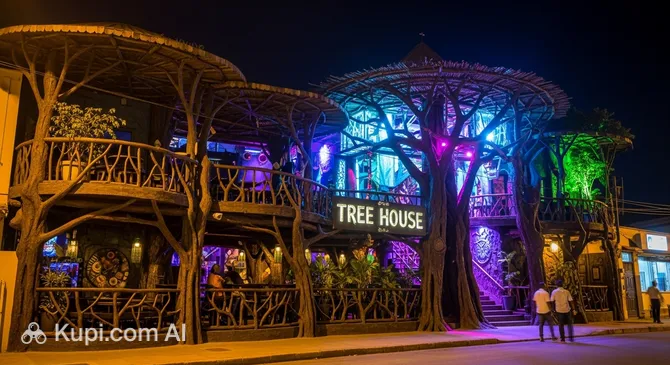
The heartbeat of the city's upscale nightlife is primarily found in the Polana Cimento district, particularly along and around Avenida Julius Nyerere. This area is safe, bustling, and lined with many of the city's most popular venues. For a trendy atmosphere that blends art, music, and great drinks, Tree House is a must-visit destination. It attracts a stylish crowd and often hosts live DJ sets that keep the energy high throughout the weekend.
Tree House. Illustration.
Source: Kupi.com AI
Traveler photos:
For those looking to experience the clubbing scene, Opium is one of the premier spots in town. Known for its modern lighting, spacious dance floor, and top-tier sound system, it is the place to be if you want to party late into the night. If you prefer a venue that transitions seamlessly from a dining experience to a lively lounge setting, El Patron Restaurant offers excellent food alongside a vibrant bar scene, making it perfect for starting your evening.
Practicality is key when enjoying a night out in Maputo. The party typically starts late here, with clubs filling up after midnight, though bars are busy from the early evening. The dress code is generally smart casual; while not overly strict, looking neat is appreciated in higher-end venues. In terms of safety, it is highly recommended to use taxis or ride-hailing apps to move between venues rather than walking, even short distances, after dark. Stick to well-lit areas and always keep an eye on your belongings in crowded spaces.
While the nights are for dancing, the city offers plenty of daytime entertainment to fill the hours before sunset. Visitors can explore modern shopping destinations like Baía Mall, which offers a mix of international brands, a cinema, and ocean views. For a more cultural afternoon, the city's various museums and theaters provide a quiet respite and a dose of history before the evening festivities begin again.
Parks & Museums
While Maputo is known for its bustling avenues and architectural grandeur, the city also offers serene green spaces and distinct cultural institutions that preserve its rich heritage. Exploring these parks and museums provides a deeper understanding of the capital's history and a welcome respite from the tropical heat.
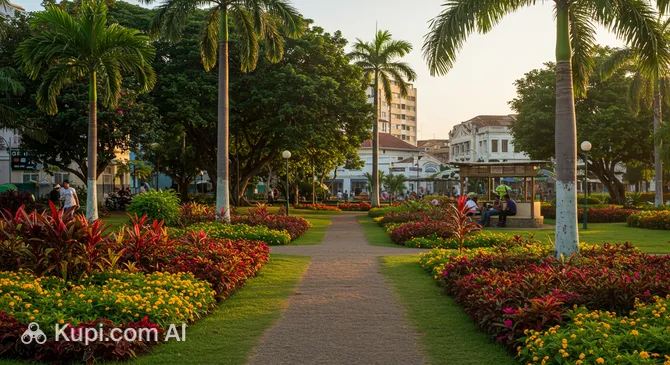
One of the city's most beloved green lungs is the Tunduru Gardens. Located in the city center, this botanical reserve was designed in the late 19th century and offers a shady retreat filled with indigenous trees and exotic plants. Just a short distance away, you will find the Teachers' Garden (Jardim dos Professores). Situated near the Natural History Museum, this park is a favorite among locals for its relaxed atmosphere and open-air café, making it a perfect spot to enjoy a quiet coffee surrounded by nature.
Teachers' Garden. Illustration.
Source: Kupi.com AI
Traveler photos:
For those seeking scenic views, the Dona Berta Garden provides a charming vantage point. Though smaller than the central parks, it is appreciated for its peaceful ambiance and the beautiful vistas it offers, particularly at sunset. It serves as a reminder of the city's coastal geography, allowing visitors to catch a breath of fresh ocean air while remaining close to the urban core.
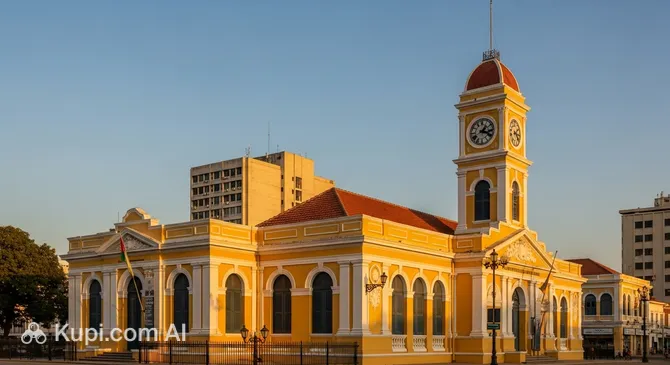
Maputo's museums are equally captivating, often housed in some of the city's most historic buildings. The Museum of the Coin (Museu Nacional da Moeda) is a fascinating stop for history enthusiasts. Located in the "Casa Amarela" (Yellow House), which is considered the oldest remaining colonial building in the city, the museum traces the economic history of the region through a collection of currency and barter items. The structure itself, with its traditional 18th-century Portuguese architecture, is a significant historical landmark.
Museum of the Coin. Illustration.
Source: Kupi.com AI
Traveler photos:
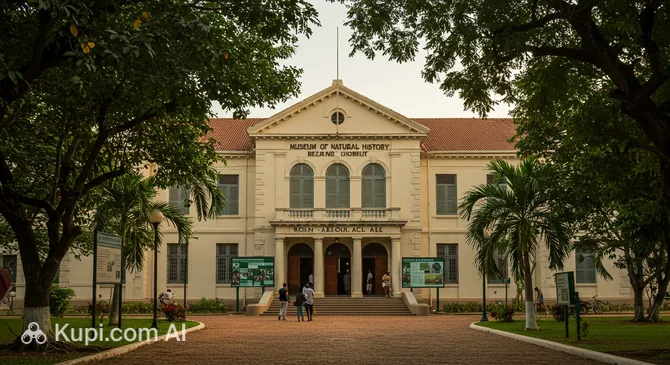
Another architectural jewel is the Museum of Natural History. While many visit to see its unique scientific exhibits, the building itself is a masterpiece of Manueline architecture, characterized by intricate masonry and grand proportions. Inside, beyond the famous elephant gestation collection, visitors can explore extensive displays of Mozambican wildlife and ethnography, offering a comprehensive look at the country's natural and cultural diversity.
Museum of Natural History. Illustration.
Source: Kupi.com AI
Traveler photos:
For a unique cultural experience, keep an eye out for the Palace of Marriages. While primarily a venue for civil ceremonies, its distinctive architecture makes it a noteworthy stop on a cultural walking tour. Exploring these sites allows travelers to connect with the soul of Maputo, bridging the gap between its colonial past and its vibrant African present.
Getting Around
Navigating Maputo is an adventure in itself, with a public transport system that relies heavily on road-based options. The most ubiquitous form of transit is the chapa, a minibus taxi that serves as the lifeline of the city. These 15-seater vans cover virtually every corner of the metropolitan area, recognizable by their colored stripes and the conductors shouting destinations from the sliding doors. For a slightly more spacious journey, you can look for the larger municipal buses, locally known as machibombos, or the privately operated Metrobus fleet, which offers a more scheduled service along major corridors.
For the vast majority of trips on chapas and standard buses, cash is the primary method of payment. Fares are incredibly affordable, typically ranging from 15 to 20 Meticais depending on the distance. It is essential to carry small change, as conductors often struggle to break large notes. While there have been initiatives to introduce electronic travel cards like the Famba card for formal bus lines and the Metrobus system, the casual visitor will find cash to be the most practical and widely accepted option for short-term stays.
If you choose to use the public network, be prepared for a lively and crowded experience. Chapas often wait until they are full before departing and can become tightly packed during peak hours (roughly 07:00–09:00 and 16:00–18:00). Stops are not always clearly marked with signs; instead, they are usually clusters of people waiting by the roadside. To get off, simply alert the conductor by saying "paragem" (stop). Operating hours are generally from very early morning until around 22:00, though frequency drops significantly after dark.
For tourists seeking convenience and comfort, alternatives to mass transit are often recommended. Txopelas (auto-rickshaws or tuk-tuks) are a popular and fun way to travel short distances, offering an open-air breeze and the ability to weave through traffic. Traditional taxis are also available, usually painted cream or yellow with green strips, but they lack meters, so negotiating the fare before getting in is mandatory. Ride-hailing apps have also gained popularity in the city, providing a transparent and safe way to book rides without the need for haggling.
While Maputo does not have an underground metro system, it boasts a historic rail hub that is a sight to behold. The central Railway Station is not just a departure point for regional trains but an architectural masterpiece often associated with Gustave Eiffel. While the commuter trains are mostly used by locals traveling to suburbs like Matola, the station itself is worth a visit. Additionally, the modern Maputo-Katembe Bridge has transformed transport across the bay, though taking a local ferry remains a scenic and nostalgic way to view the city skyline from the water.
Accommodation
Where to Stay:
Accommodation in Maputo is diverse, catering to a mix of international diplomats, business travelers, and tourists. The city offers a wide range of options, from luxurious five-star hotels with sweeping views of the Indian Ocean to charming guesthouses and budget-friendly backpacker hostels. Whether you are looking for colonial grandeur or modern convenience, you will find a place that suits your style and budget.
The most popular area for tourists is Polana Cimento, often referred to as the "upper city." This upscale neighborhood is known for its leafy avenues, embassies, and safety. Staying here places you close to many of the city's best restaurants and cafes, making it a convenient base for exploring. It is also near the coastline, allowing for pleasant walks along the marginal.
For those who prefer to be in the heart of the historical action, the Baixa (downtown) district is an excellent choice. This area is bustling during the day and offers easy walking access to major landmarks such as the Fortress of Maputo and the central market. While it is quieter at night compared to Polana, it offers a unique atmosphere surrounded by the city's architectural heritage.
Maputo Cathedral. Illustration.
Source: Kupi.com AI
Traveler photos:
Another emerging option is the area near the Maputo Cathedral, which sits at the intersection of the commercial and historical zones. This location provides a balanced experience, allowing visitors to reach both the business district and the tourist sights with ease. For a more relaxed, resort-like feel, some travelers opt to stay across the bay in Catembe, which offers a peaceful escape from the city center buzz.
Booking Tips: Maputo is a major economic hub, so high-end hotels can fill up quickly during the week due to conferences and business delegations. It is advisable to book your accommodation well in advance, especially if you plan to visit during the peak summer months of December and January.
Prices and Payment: Accommodation prices in the capital are generally higher than in the rest of Mozambique. Luxury and mid-range hotels typically accept international credit cards and can be booked via major online platforms. However, smaller guesthouses and budget lodgings may prefer cash payments in Meticais, so it is wise to confirm payment methods before you arrive.
Nearby Cities
For those looking to explore the surroundings, Maputo serves as an excellent base for day trips to several interesting nearby locations:
Just a short drive to the west lies Matola, often considered a sister city to the capital. While it is primarily known as an industrial hub, it offers a distinct, slightly more relaxed atmosphere compared to the bustling center of Maputo. Visitors can explore the riverside areas along the Matola River or visit the memorial dedicated to the victims of the struggle for independence, providing a deeper context to the region's history.
Further north, approximately a three-hour drive away, is the city of Xai-Xai. It serves as the capital of the Gaza Province and is a popular destination for those seeking the coast. The nearby Praia do Xai-Xai is renowned for its massive coral reef running parallel to the shore, which creates calm, natural pools at low tide that are perfect for swimming and snorkeling. It is an ideal spot for travelers wanting to experience the expansive beaches of the Indian Ocean.
These nearby destinations offer a glimpse into the diverse culture and landscapes of the region, ranging from urban centers to scenic coastal retreats.
Shopping & Souvenirs
Shopping in Maputo is a colorful and diverse experience that mirrors the city's cultural blend. Visitors can find everything from modern, air-conditioned retail spaces to bustling open-air markets filled with handcrafted goods. The city is particularly famous for its artistic crafts, vibrant textiles, and fresh local produce, offering a unique opportunity to take a piece of Mozambican culture home with you.
For a mix of upscale boutiques, cafes, and street vendors, Avenida Julius Nyerere in the Polana district is one of the main arteries for shoppers. This tree-lined avenue is perfect for a leisurely stroll, where you can find fashion stores, bookshops, and stands selling jewelry and crafts. In contrast, the downtown area, known as the Baixa, offers a more frantic and authentic commercial atmosphere, packed with shops selling electronics, fabrics, and household goods at competitive prices.
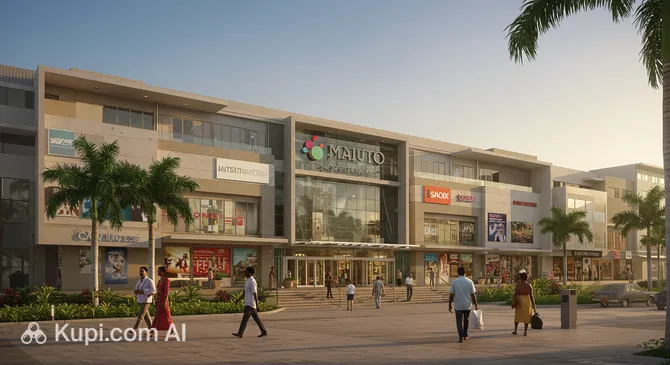
If you prefer a modern retail experience, the city boasts several contemporary complexes. Baía Mall is a premier destination located along the waterfront. It features a wide range of international brands, a large supermarket, and a food court with ocean views, making it a comfortable spot to shop and relax.
Baía Mall. Illustration.
Source: Kupi.com AI
Traveler photos:
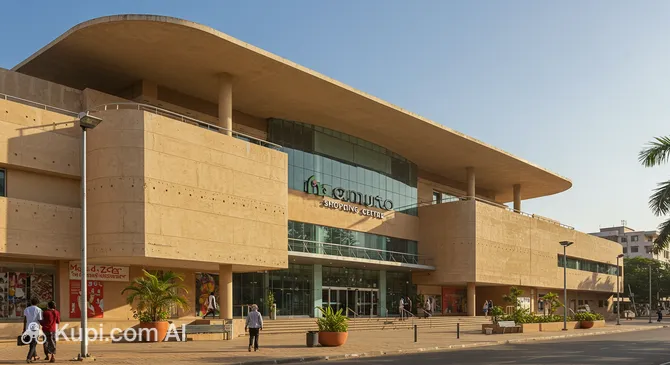
Another significant spot is the Maputo Shopping Centre, situated in the downtown area. While slightly older, it remains a central hub for electronics, clothing, and services. These malls provide a stark but convenient contrast to the traditional street trade, offering air-conditioned comfort and familiar Western-style amenities.
Maputo Shopping Centre. Illustration.
Source: Kupi.com AI
Traveler photos:
To truly understand the local commerce, a visit to the markets is essential. The Mercado Central (Central Market) in the Baixa is a sensory overload of fresh seafood, spices, fruits, and vegetables, housed in a beautiful historic building. For souvenirs, the FEIMA (Feira de Artesanato, Flores e Gastronomia) is the place to be. This park-like market is dedicated to artisans and is the best location to browse for high-quality crafts in a relaxed, safe environment.
When it comes to souvenirs, Maputo offers distinct treasures. The most iconic item to buy is the Capulana, a brightly colored fabric worn by local women, which can be bought in lengths or as tailored clothing. Makonde wood carvings are also highly prized for their intricate details and cultural significance. Additionally, Mozambique is one of the world's largest producers of cashew nuts, which make for a delicious and popular gift.
Most shops in the city are open from roughly 08:30 to 18:00 on weekdays, with shorter hours on Saturdays (often closing at 13:00). Shopping malls typically stay open later, until 20:00 or 21:00, and operate on Sundays as well. While malls and larger stores accept credit cards (mostly Visa), cash (Meticais) is the only accepted payment method in markets and for street vendors. Tourists should note that a tax refund system is not widely available or streamlined for visitors, so the price you see usually includes the VAT (IVA).