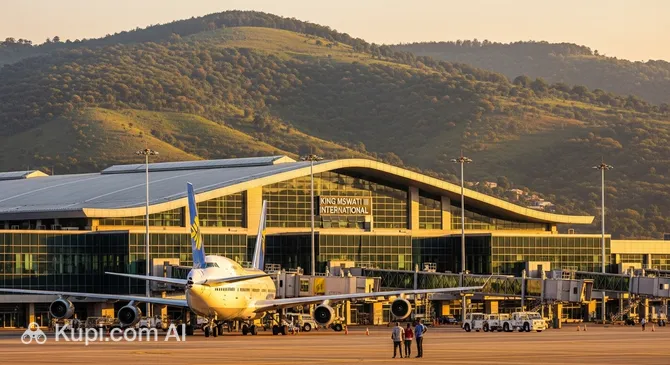
King Mswati III International Airport is not merely a transport hub, but a majestic aerial gateway into the heart of Eswatini, Africa's only absolute monarchy. Situated amidst the picturesque expanses of the plains, this modern complex strikes a contrast between advanced architectural solutions and the wild nature surrounding the runway. For the traveller, the introduction to the country's distinctive culture and warm hospitality begins right here, in the spacious and light-filled halls of a terminal designed with royal grandeur.
| Characteristic | Value |
|---|---|
| IATA code | SHO |
| ICAO code | FDSK |
| City | Manzini |
| Country | Eswatini |
| Time zone | Africa/Mbabane |
| Popular airlines | Airlink |
| Schedule | Online timetable |
Architectural Features and Scale
One of the main features of the airport is its impressive runway, measuring 3,600 metres in length. It is capable of accommodating the largest passenger liners in the world, including the Airbus A380 and Boeing 747, making the airport a strategically important facility for the region, despite moderate current traffic. The terminal building is designed with elements of the traditional Swazi style: the roof resembles the shape of warrior shields, highlighting the national character from the very first minutes of your stay.
Comfort and No Queues
Thanks to the fact that the airport was built "with future growth in mind," passengers here rarely encounter the congestion or long queues typical of major hubs. The space is organized logically and ergonomically, allowing for passport control and baggage claim to be completed in record time. The atmosphere inside the terminal is calm and relaxed, setting the right tone for the start of a journey through this amazing African country.
Modern Equipment
Despite its distance from major cities, the airport is equipped with everything necessary for safety and convenience: from modern scanners to an air conditioning system that provides relief from the African heat. High ceilings and panoramic glazing ensure plenty of natural light, offering views of the surrounding bushveld landscape. This is a place where modern technology harmoniously coexists with untouched nature.