Support

Skukuza

About

Skukuza serves as the administrative headquarters and the largest rest camp within the world-renowned Kruger National Park. Often referred to as the "capital" of the park, this bustling hub offers a unique blend of wilderness and civilization, making it a primary destination for travelers exploring the rich natural heritage of South Africa. It functions almost like a small village in the bush, providing essential amenities while remaining deeply immersed in the wild environment.

Geographically, the camp is situated on the southern banks of the Sabie River in the Mpumalanga province. The area is characterized by dense riverine woodland and magnificent trees, such as sycamore figs and jackalberries, which offer much-needed shade during the hot, subtropical summers. While it is not a traditional city with a permanent residential population outside of park staff and their families, the camp is vibrant and busy, accommodating thousands of visitors from around the globe who come to witness the region's incredible biodiversity.
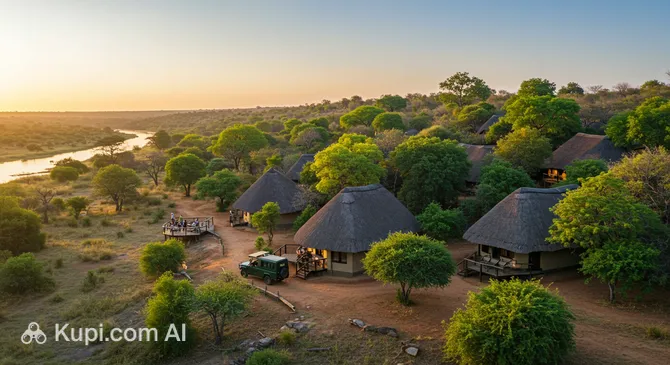
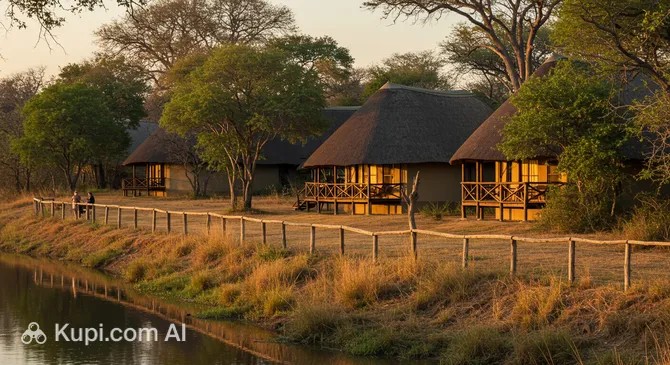
Skukuza. Source: Kupi.Binoculars

The camp's origins date back to the early 20th century, and it was originally known as Sabie Bridge. It was later renamed in honor of James Stevenson-Hamilton, the park's first warden, who was nicknamed "Skukuza" by the local Tsonga people. Visitors interested in the history of Skukuza can explore the Stevenson-Hamilton Knowledge Resource Centre, which houses a library and a museum filled with artifacts and memorabilia detailing the evolution of conservation in the area.

Beyond its historical significance, Skukuza is famous for its exceptional game viewing opportunities. The Sabie River attracts a wealth of wildlife, including elephants, hippos, and leopards, which can often be spotted from the camp's riverside walkways and restaurant decks. Another unique feature is the Skukuza Golf Course, a 9-hole course that is not fenced off from the surrounding bush, allowing for unscripted encounters with impala, warthogs, and baboons on the fairways.

Whether you are embarking on a guided game drive or simply relaxing by the river, Skukuza offers an unforgettable introduction to the African bushveld. Its combination of accessibility, history, and abundant wildlife makes it an ideal base for any safari adventure.
Weather Overview

Skukuza experiences a subtropical climate characterized by distinct seasonal changes, offering warm conditions throughout most of the year. The summer months, particularly from December to February, are generally hot, with average temperatures hovering around 25.6°C and daily maximums frequently exceeding 30°C. This period also marks the rainy season, where you can expect approximately 12 to 13 wet days per month.

In contrast, the winter months of June and July bring cooler and significantly drier conditions. For a more detailed breakdown of what to expect during your visit, you can view the guide to weather in Skukuza. During mid-winter, average temperatures drop to around 18.5°C, and while days remain pleasant with highs near 25°C, nights can be crisp with minimums falling to 12°C. Rainfall is minimal during this time, with practically zero precipitation or just one or two wet days.

Travelers should generally expect warm summers with occasional rain and mild, dry winters that are ideal for game viewing.

Interesting Facts

Beyond the main attractions, Skukuza holds many fascinating secrets that reveal its deep connection to the history of conservation and the wild. From legendary survival tales to unique historical remnants, there are several surprising details to discover within this bustling bush camp.
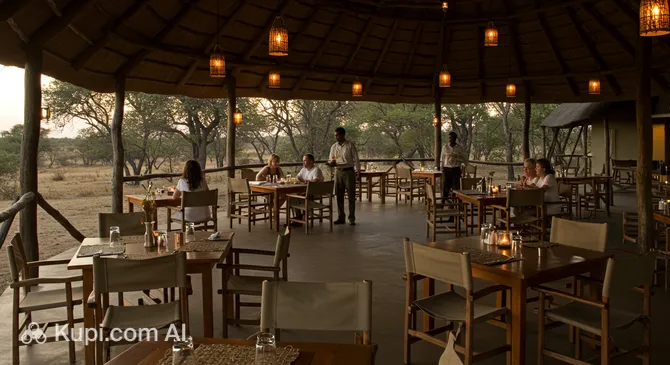
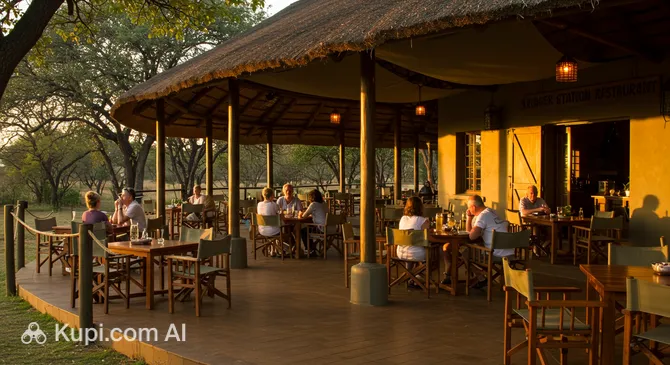
Kruger Station Restaurant. Source: Kupi.Binoculars
  • The Kruger Station Restaurant is more than just a dining spot; it preserves a unique chapter of tourism history. In the 1920s, before rest camps were fully established, the famous "Round in Nine" train tours would stop here at what was then the Selati line. Since there was no accommodation available, tourists would sleep on the train while it was parked on the bridge over the Sabie River.

  • The Stevenson-Hamilton Knowledge Resource Centre houses one of the park's most legendary artifacts: the knife used by ranger Harry Wolhuter to save his own life. Wolhuter was attacked by two lions while on horseback and managed to kill one of them with his sheath knife while being dragged away by his shoulder. The knife and the lion's skin are displayed together as a testament to this miraculous survival.

  • While many know about the Skukuza Golf Club, few realize just how wild the game can get. It is widely considered the only course in the world where the "hazards" are living animals; since the course is unfenced, players frequently pause their games for hippos in the water traps or lions crossing the fairway.

  • Skukuza is home to a touching tribute known as the "Little Heroes" cemetery. This small, often overlooked graveyard honors the brave dogs that worked alongside the early rangers, protecting them from dangerous wildlife and poachers during the park's formative years.

How to Get There

Reaching this famous rest camp is part of the adventure, offering travelers a chance to transition from the bustling world into the serene rhythms of the bushveld. Whether you prefer a direct flight into the heart of the park or a scenic drive through the Mpumalanga province, there are several convenient options available. You can find detailed information on routes and logistics in our guide on how to get to Skukuza.

The most convenient entry point is undoubtedly Skukuza Airport (SZK), which is located directly within the Skukuza area. This unique airport allows you to land right in the middle of the reserve, just 3.7 km from the main camp. The transfer is incredibly short, taking approximately 26 minutes including the time needed for park entry formalities and luggage collection. It is a popular choice for those wanting to maximize their time on safari.

Alternatively, many visitors choose to fly into Kruger Mpumalanga International Airport (MQP), situated in the city of Mbombela. Located about 65.5 km from Skukuza, this airport serves as a major gateway to the region. From here, you can rent a car or take a shuttle; the journey by road typically takes around 2 hours. Another option is Hoedspruit Airport (HDS) in Hoedspruit, which is approximately 88.7 km away. The drive from Hoedspruit to Skukuza takes roughly 2.5 hours, offering a chance to see more of the surrounding landscape.

For clarity, here is a summary of the main airports:

Airport Name City Passenger Traffic Km from City
Hoedspruit AirportHoedspruitMedium88.7
Kruger Mpumalanga International AirportMbombelaMedium65.5
Skukuza AirportSkukuzaMedium3.7
Londolozi AirportLondoloziSmall23.8
Mala MalaMala MalaSmall20.4

Main Attractions

While Skukuza is primarily known as a logistical hub for safaris, the camp itself boasts several unique attractions that make it a destination in its own right. From historical dining experiences to recreational areas surrounded by nature, visitors can enjoy a variety of activities without even leaving the camp's gates.

The heart of the area is undoubtedly the Skukuza Rest Camp. As the largest facility in Kruger National Park, it offers much more than just accommodation. Tourists flock here to walk along the picturesque river promenade, which provides excellent vantage points for spotting hippos and elephants in the Sabie River below. The camp also features well-stocked shops, a deli, and an open-air amphitheater used for educational talks and wildlife documentaries.

Skukuza Rest Camp. Source: Kupi.Binoculars

For a dining experience steeped in history, the Kruger Station Restaurant is a must-visit. Housed within a refurbished historical train station, this venue celebrates the early days of park tourism when visitors arrived by rail. The precinct includes a bar, a deli, and a 360-degree cinema, all centered around the majestic steam train, offering a charming blend of heritage and modern culinary delights.

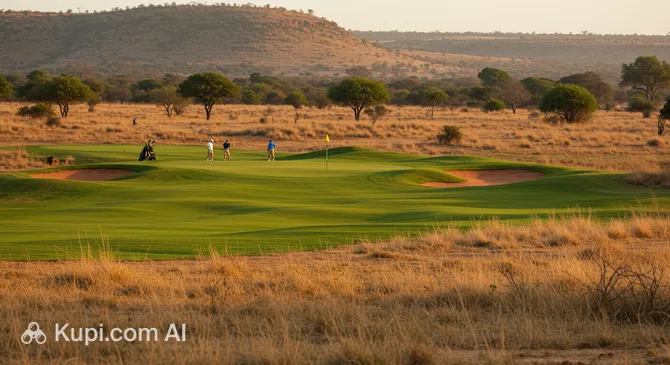
Sports enthusiasts looking for a truly wild challenge should head to the Skukuza Golf Club. This 9-hole course is famous for having no fences, meaning players share the fairways with the local wildlife. It is not uncommon to pause your game while a herd of impala crosses the green or to spot a hippo in the water hazards, making it one of the most unique golfing experiences in the world.

Skukuza Golf Club. Source: Kupi.Binoculars

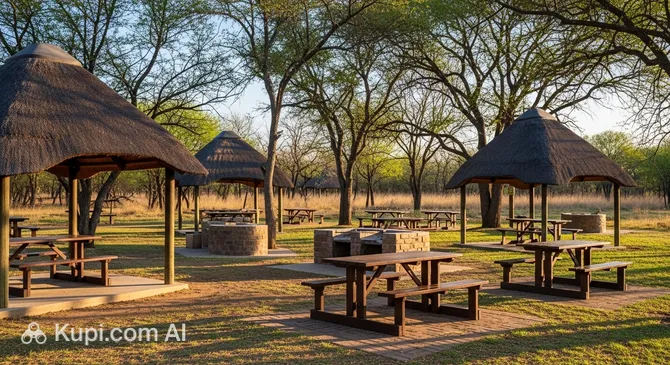
Day trippers are well catered for at the Day Visitor Picnic Area, Skukuza Rest Camp. This designated zone is perfect for those entering the park for just a few hours. It features a swimming pool to cool off during the hot summer months, as well as communal braai (barbecue) facilities where families can prepare lunch while surrounded by the sights and sounds of the bushveld.

Local Cuisine

Dining in Skukuza is a unique affair where the rustic charm of the African bush meets hearty South African hospitality. Unlike typical city dining scenes, the culinary culture here revolves around the safari lifestyle, featuring substantial meals to fuel early morning game drives and relaxed evenings under the stars. The local cuisine is heavily influenced by the tradition of the "braai" (barbecue), and meat lovers will find themselves in paradise with an array of high-quality cuts and wild game dishes.

One of the quintessential experiences for any visitor is tasting game meat. Venison, kudu, and springbok are often featured on menus, served as succulent steaks or in the form of carpaccio. For those looking to indulge in a top-tier grill experience, the Cattle Baron Skukuza Camp is a renowned spot. Famous for its flame-grilled steaks and signature chateaubriand, this restaurant offers a sophisticated yet relaxed atmosphere where you can enjoy a hearty meal just steps away from the wilderness.

Cattle Baron Skukuza Camp. Source: Kupi.Binoculars

For a more casual and interactive dining experience, many tourists and locals prefer the self-catering route at the Day Visitor Picnic Area, Skukuza Rest Camp. Here, the aroma of sizzling boerewors (a traditional spiced sausage) and lamb chops fills the air as families gather around communal fires. It is the perfect place to engage in the local custom of braaing while keeping an eye out for birds and small wildlife frequenting the area.

Day Visitor Picnic Area, Skukuza Rest Camp. Source: Kupi.Binoculars

No safari culinary journey is complete without the appropriate beverages. "Sundowners" are a cherished tradition, where travelers toast the setting sun after a day of exploration. A classic Gin and Tonic is a safari staple, but you should also try South Africa's world-famous wines, particularly a bold Pinotage. For something sweeter, Amarula, a cream liqueur made from the fruit of the African Marula tree, is a delicious local favorite often enjoyed over ice or in coffee.

Beyond the grill, visitors can explore unique venues like the Kruger Station Restaurant. This establishment offers more than just food; it provides a gastronomic journey through history with artisanal pizzas and gourmet burgers served in a setting that celebrates the park's railway heritage. Whether you are snacking on biltong (dried cured meat) during a drive or sitting down for a three-course dinner, the food scene in Skukuza is designed to complement the adventure of the wild.

Travel Tips

Welcome to Skukuza, the bustling heartbeat of the Kruger National Park. To ensure your safari adventure is as safe and enjoyable as it is memorable, we have compiled a list of essential practical tips tailored for this unique bushveld environment.

  1. Clothing and Gear: Pack neutral-colored clothing (khaki, beige, or green) to blend into the environment during game drives; avoid bright colors that might distract wildlife. Since temperatures fluctuate significantly, dress in layers: bring a warm fleece or jacket for chilly early morning drives and lightweight, breathable fabrics for the midday heat. Comfortable closed shoes are a must for walking within the camp, and don't forget a hat, sunglasses, and high-SPF sunscreen.
  2. Transportation: Unlike a typical city, there is no public transport like buses or metros here. You will need a rental car or must rely on booked game drive vehicles to get around outside the camp. If you are self-driving, adhere strictly to the speed limits (50 km/h on tar roads, 40 km/h on gravel) to protect the wildlife. Inside the fenced Skukuza camp, you can easily walk between your accommodation, the shops, and the restaurants.
  3. Finances: The local currency is the South African Rand (ZAR). Major credit and debit cards (Visa and Mastercard) are widely accepted at the camp's shops, fuel station, and restaurants. There are ATMs available within Skukuza for withdrawing cash, which is useful for tipping field guides or general staff. A daily budget depends on your style, but factor in conservation fees if not pre-paid, meals, and optional guided activities.
  4. Health and Safety: Skukuza is located in a malaria area, so it is highly recommended to consult a doctor for prophylactics before your trip and to use effective insect repellent, especially in the evenings. The camp has a resident doctor and a basic medical facility for emergencies. regarding safety, never walk close to the fence line at night with food, and always scan the ground for scorpions or snakes, though encounters are rare within the camp.
  5. Communication: English is the primary language used for tourism and business, making communication easy. Mobile signal (3G/4G) is generally good within the Skukuza camp but can be non-existent once you drive out into the bush. Wi-Fi is available at the restaurant and reception area, though speeds can be variable. It is best to buy a local SIM card at the airport (OR Tambo or Kruger Mpumalanga) before entering the park.
  6. Local Etiquette: In the bush, silence is golden. When at a wildlife sighting, keep your voice down and turn off your car engine to avoid disturbing the animals and other visitors. A friendly greeting is customary in South African culture; a simple "Hello" or "How are you?" to staff and fellow travelers goes a long way.
  7. What to Avoid: Never get out of your vehicle outside of designated areas (like the camp or specific picnic spots); this is a strict park rule for your safety. Additionally, do not feed the animals, including the monkeys and baboons that may wander into the camp. Feeding them makes them aggressive and often leads to the animal having to be euthanized.
  8. Gate Times: Be acutely aware of the camp gate closing times, which change seasonally (usually between 17:30 and 18:30). Arriving late is not allowed and can result in a hefty fine. Plan your day trips so that you have ample time to return to the safety of the camp before the gates shut for the night.

By following these simple guidelines, you can focus on what really matters: immersing yourself in the breathtaking beauty of the African wild. Enjoy your stay in Skukuza, where every sunrise brings the promise of a new discovery!

Entertainment & Nightlife

Entertainment and Nightlife:

Nightlife in Skukuza is a world away from the neon lights and thumping bass of a typical city. Here, the "nightlife" is redefined by the rhythm of the African bushveld, where the soundtrack consists of roaring lions, laughing hyenas, and the chirping of crickets. Instead of crowded clubs, evening entertainment focuses on immersive nature experiences, dining under the stars, and soaking up the unique atmosphere of a camp that is safely fenced off from the surrounding wilderness.

The closest experience to a bustling social district can be found at the Kruger Station Restaurant. Located within the heritage precinct of the camp, this venue comes alive in the late afternoon and evening. It features a dedicated bar area where travelers gather to share stories of their daily sightings over craft beers and gin cocktails. The atmosphere is rustic yet trendy, blending the history of the old Selati train line with modern comfort. The station also houses a 360-degree cinema, offering a unique form of entertainment that dives into the history and wildlife of the park.

For a more traditional evening meal, the Cattle Baron Skukuza Camp is the premier choice. While it operates as a family-friendly restaurant, its bistro style and extensive wine list make it a popular spot for a relaxed night out. The dress code here, as with most venues in the park, is casual and practical; safari khaki and comfortable shoes are the norm. It is advisable to book a table in advance, especially during peak seasons, as it serves as the main culinary hub for visitors staying in the camp.

The most thrilling "nightclub" in Skukuza is undoubtedly the back of a game viewer vehicle. Guided sunset and night drives, which depart from the Skukuza Rest Camp reception, offer the chance to see the bush come alive after dark. These activities are the highlight of the evening for many tourists, providing opportunities to spot nocturnal creatures like leopards, civets, and bushbabies. Since the camp gates close at sunset (usually between 17:30 and 18:30 depending on the season), these guided tours are the only way to experience the park at night.

Regarding safety and logistics, "getting around" at night simply means walking within the perimeter of the fenced camp. The area is generally safe for walking between the restaurants and your accommodation, but it is essential to carry a torch (flashlight). Although the fence keeps large predators out, smaller creatures like scorpions or snakes can be present, so it is wise to watch your step. There are no taxis; everything is within walking distance inside the camp. The "party" usually winds down early—around 21:00 or 22:00—as most visitors plan to wake up before dawn for morning game drives.

While evenings are for relaxing, daytime entertainment in Skukuza offers a variety of recreational activities. Visitors can play a round at the famous Skukuza Golf Club, relax by the swimming pools, or visit the Stevenson-Hamilton Knowledge Resource Centre to explore the museum and library. For those just passing through, the Day Visitor Picnic Area, Skukuza Rest Camp provides a lively spot to swim and braai during the heat of the day.

Parks & Museums

Skukuza is uniquely positioned within a vast wilderness, meaning its "green spaces" are part of the greater Kruger National Park ecosystem, blending seamlessly with historical sites that chronicle the area's conservation journey. Rather than traditional city parks, visitors here explore indigenous nurseries, river walkways, and heritage centers that celebrate the natural and cultural history of the Lowveld.

One of the most serene natural areas within the camp is the Skukuza Indigenous Nursery. This botanical haven is dedicated to the conservation of local flora and offers a peaceful wetland boardwalk where visitors can stroll among water lilies and croaking frogs. It is an excellent spot for birdwatchers and those interested in learning about the diverse trees and plants that characterize the South African bushveld. Visitors can even purchase indigenous plants here, although taking them out of the park requires permits.

For a scenic nature experience without leaving the safety of the fence, the riverfront walkway at Skukuza Rest Camp is unparalleled. This path meanders along the banks of the Sabie River, shaded by colossal sycamore fig and jackalberry trees. It serves as a "linear park" where tourists can sit on benches and watch elephants, buffalo, and hippos in the riverbed below, offering a front-row seat to nature's daily drama.

Culture and history enthusiasts should head to the Stevenson-Hamilton Knowledge Resource Centre. This facility serves as the primary museum and library for the camp, named after the park's first warden. Inside, you will find a fascinating collection of artifacts, including old ranger diaries, historical maps, and the skin of the lion that famously attacked ranger Harry Wolhuter. It provides a deep dive into the evolution of the park from a hunting ground to one of the world's premier conservation areas.

Another significant historical landmark is the railway precinct, anchored by the Kruger Station Restaurant. This area preserves the legacy of the Selati Railway line, which brought the first tourists to the park in the 1920s. The site features a restored steam locomotive, "Class 24," and a carriage that now houses a lounge. It is an atmospheric open-air museum where visitors can walk along the old platform and immerse themselves in the romance of early rail travel.

For a poignant look at the camp's past, visit the "Little Heroes" Dog Cemetery. Located quietly within the camp, this small site pays tribute to the brave dogs that worked alongside rangers in the early days, protecting them from lions and poachers. It is a touching reminder of the bond between humans and animals in this harsh environment.

An insider tip for nature lovers is to visit the Lake Panic Bird Hide, located just a short drive outside the Skukuza camp gates. While technically outside the main fence, it offers one of the best birdwatching experiences in the entire park, allowing you to observe kingfishers, herons, and sometimes even leopards from a concealed viewing platform right on the water's edge.

Getting Around

Travelers arriving in Skukuza should be aware that the transport infrastructure here differs significantly from a standard urban environment. As the main rest camp within a protected national park, there is no public transport system in the traditional sense. You will not find metros, trams, municipal buses, or trolleybuses operating within the camp or the surrounding reserve. Instead, the "transport network" consists primarily of private rental vehicles, pre-booked transfer shuttles, and open-sided safari vehicles operated by the park.

The most common way to navigate the area is by rental car. Having your own vehicle provides the freedom to explore the surrounding roads at your own pace. Several major car rental agencies have offices at Skukuza Airport, allowing visitors to pick up a vehicle immediately upon landing. If you are staying within the camp, you can park your car at your accommodation or the main parking area near the shops and restaurants. It is important to note that once you leave the fenced camp area, you must remain inside your vehicle at all times for safety.

For those who prefer not to drive themselves, the primary alternative is the guided game drive. These are conducted in large, open safari trucks that function as the park's version of a "tour bus." These vehicles depart from the main reception area at scheduled times (morning, sunset, and night). While this is not "public transport" for getting from point A to point B, it is the standard method for moving through the reserve if you do not have a private car.

Regarding payment and tickets, there are no travel cards or transport apps. Instead, the costs associated with movement involve conservation fees and vehicle entry permits. These are typically paid at the entrance gates or reception upon arrival. For frequent visitors, the Wild Card program serves as a type of "season pass," covering conservation fees for a year. Payments within the camp for fuel or activities can be made using major credit cards or cash (ZAR).

Walking is the primary mode of transport within the Skukuza Rest Camp itself. The camp is enclosed by an electrified fence, making it safe to walk between your bungalow, the shops, the swimming pool, and the restaurants. The distances are manageable, and the pathways are well-maintained. However, walking is strictly prohibited outside the camp gates unless you are on a guided walking safari accompanied by armed rangers.

For getting to Skukuza from external locations without a car, private shuttle services are available. These shuttles connect the camp with nearby airports and the main park gates. These must be booked in advance, as there are no roving taxis or ride-hailing services like Uber available in the bush. If you fly into the local airport, a shuttle can transfer you the short distance to the camp, but you will then be limited to walking inside the fence or booking guided drives for excursions.

A unique transport feature is the Skukuza Safari Express rail heritage, although it is no longer an active transport line. The historic Selati railway line runs through the camp, and the old station has been converted into a dining precinct. While you cannot catch a train here today, the stationary steam locomotive and carriages offer a glimpse into how travelers accessed this remote area in the early 20th century.

Accommodation

Accommodation in Skukuza is quite different from a standard city stay. Instead of high-rise hotels or commercial apartment blocks, lodging here is centered around the immersive experience of the Kruger National Park. The options are designed to blend into the natural environment, ranging from basic camping sites for the adventurous traveler to fully equipped luxury guest houses for those seeking comfort in the wild. The atmosphere is communal and rustic, with a focus on outdoor living and proximity to nature.

The most popular and convenient area to stay is within the fenced boundary of the main camp itself. Staying here ensures you are close to essential facilities like shops, restaurants, and the fuel station, while still being able to hear the sounds of the bush at night. Units situated along the river perimeter are particularly sought after, as they offer private verandas with direct views of the Sabie River, allowing guests to spot elephants and hippos without leaving their accommodation.

The primary provider of lodging in this area is the Skukuza Rest Camp. As the largest facility in the park, it offers a wide variety of unit types to suit different budgets and group sizes. Visitors can choose from traditional round walled huts known as "rondavels," permanent safari tents on stilts, or self-catering bungalows equipped with air conditioning and kitchenettes. For larger families or groups, spacious guest cottages provide a more exclusive "home away from home" setting within the camp.

Booking accommodation in Skukuza requires distinct planning. Due to its popularity as the park's "capital," availability can be scarce, especially during school holidays and the peak winter season. A crucial tip for travelers is to book as early as possible; reservations often open 11 months in advance, and the prime river-facing units sell out almost immediately.

In terms of pricing, Skukuza offers something for every wallet. The camping sites are the most budget-friendly option, providing value for those with their own gear. Bungalows and safari tents fall into the mid-range category, while the larger guest houses command a higher price point. Bookings are typically made directly through the South African National Parks (SANParks) online portal or via their central reservations office, which is the most reliable method to secure your spot in this iconic bushveld destination.

Nearby Cities

For those looking to explore the surroundings, Skukuza serves as an excellent base for day trips to several interesting nearby locations:

The most accessible and popular destination for a day trip is Mbombela (formerly Nelspruit). Situated approximately 83 km from the camp, it serves as the vibrant capital of the Mpumalanga province and offers a pleasant change of pace from the bushveld. Visitors can explore the renowned Lowveld National Botanical Garden, which is famous for its rare plant species and the spectacular waterfalls of the Crocodile River. The city also provides excellent shopping opportunities and a variety of restaurants, making it a practical and enjoyable excursion.

While other regional hubs like Polokwane and Middelburg are listed as nearby cities, they are located significantly further away, making them better suited as next stops on a broader itinerary rather than quick day trips. However, the drive towards the escarpment near Mbombela opens up the gateway to the famous Panorama Route. This scenic region features breathtaking natural landmarks such as God's Window and the Blyde River Canyon, offering some of the most dramatic landscapes in South Africa within reach of a long day's drive.

City Population Distance (km)
Mbombela 221181 83
Polokwane 220045 249
Middelburg 154706 231
Emalahleni 108673 259
Bethal 101919 268

These nearby destinations offer a glimpse into the diverse culture and landscapes of the region.

Shopping & Souvenirs

Skukuza offers a unique retail experience tailored specifically to the needs of safari-goers and nature enthusiasts. While you will not find high-end fashion boutiques or sprawling department stores here, the available facilities are surprisingly comprehensive and well-stocked. The shopping scene is designed to provide campers with essential supplies, from fresh produce and meat for the braai to camping gear, alongside a wide array of authentic African souvenirs and curios.

The primary retail hub is located centrally within the Skukuza Rest Camp. The main Park Shop functions as a combined supermarket and department store, offering everything from firewood, ice, and groceries to clothing and hardware. Just a short walk away, the precinct around the Kruger Station Restaurant offers a more boutique shopping atmosphere. This revitalized heritage area features a delightful deli and a dedicated curios shop, where visitors can find artisanal goods, craft beverages, and unique gifts in a charming historical setting.

Travelers should be aware that there are no traditional shopping malls within Skukuza or the immediate vicinity of the Kruger National Park. The camp is a wilderness enclave, not a commercial center. For those in need of a full retail therapy experience, specialized electronics, or extensive fashion options, the nearest shopping malls are located in the city of Mbombela (Nelspruit), which is approximately an hour and a half's drive away.

While formal open-air markets are not a feature of the camp itself, the "Grab & Go" deli at the Kruger Station Restaurant provides a market-style atmosphere where you can pick up gourmet treats, local spices, and snacks. Occasionally, community craft projects may display handmade beadwork and woven items near the main reception areas or at the park entrance gates, offering tourists a chance to support local artisans directly.

Bringing home a piece of the bush is a highlight for many visitors, and the shops in Skukuza cater well to this desire. Popular souvenirs include locally crafted wooden carvings, colorful beadwork, and high-quality safari-themed clothing. A "must-buy" for food lovers is a packet of authentic game biltong (dried meat) or a bottle of Amarula cream liqueur. The shops also stock an excellent range of wildlife guidebooks and maps, which serve as both practical tools for your trip and lasting mementos.

Shops in Skukuza generally operate with extended hours to accommodate early risers heading out on game drives and late arrivals. They typically open around 07:00 and close between 19:00 and 20:00, depending on the season. Major credit and debit cards (Visa and Mastercard) are widely accepted at all retail points, even for small purchases. Cash is also accepted, and there is an ATM available at the main camp for convenience.

South Africa offers a VAT refund system for foreign tourists on goods exceeding a certain value. While you cannot claim the refund directly at the camp shops, it is advisable to keep your tax invoices for any significant purchases. These can be presented at the customs counters at international airports like OR Tambo or Kruger Mpumalanga International Airport upon your final departure from the country.

Reached the end of the page?

That means the route is fully explored