Support

Polokwane

About

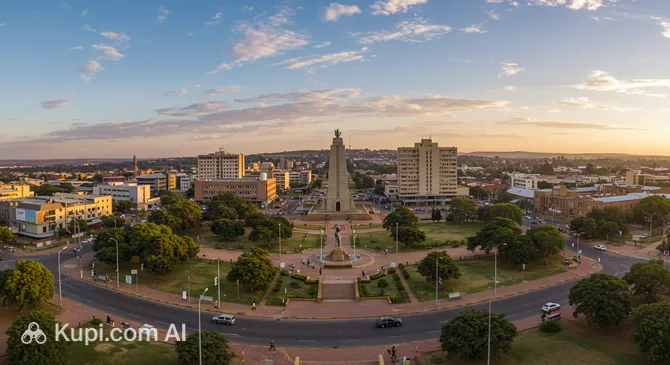
Welcome to Polokwane, the vibrant capital of the Limpopo province and a major urban hub that perfectly balances modern development with traditional African charm. Often referred to as the "Place of Safety," this bustling city serves as a gateway to the northern regions and neighboring countries, making it a strategic and lively stop for travelers exploring the continent.

Located in the Capricorn District, the city enjoys a pleasant subtropical climate and sits at a significant elevation on the Pietersburg Plateau. As a key destination in South Africa, Polokwane is home to a diverse population of approximately 220,000 people. Its wide streets, green spaces, and friendly atmosphere make it an inviting place to experience the unique rhythm of life in the northern part of the country.
Polokwane. Source: Kupi.Binoculars

The city is not just a commercial center but also a place rich in culture and heritage. Those curious about the history of Polokwane will discover a fascinating narrative that spans from the Stone Age to the gold rush era and the present day. The area is steeped in stories that reflect the diverse communities that have called this region home over the centuries.

Nature and culture enthusiasts will find plenty to do within the city limits. The Polokwane Game Reserve is a must-visit, offering a chance to see white rhinos and other wildlife just a stone's throw from the city center. For a deep dive into local traditions, the Bakone Malapa Northern Sotho Open-Air Museum provides an immersive look at the lifestyle and customs of the Bakone people. Additionally, the Meropa Casino and Entertainment World offers fun and leisure for visitors of all ages.

Whether you are passing through on your way to the Kruger National Park or planning a dedicated stay, Polokwane offers a warm welcome and a variety of experiences. We invite you to explore its museums, enjoy its nature reserves, and soak in the dynamic energy of this northern gem.

Weather Overview

Travelers to this region will experience a climate characterized by distinct wet and dry seasons. The summer months, from November through February, are warm and humid, with average maximum temperatures peaking around 27°C. This is when the majority of rainfall occurs, with December and January typically seeing the most wet days.

In contrast, the winter period from June to August is noticeably drier and cooler. During this time, rainfall is virtually non-existent, and while daytime highs remain comfortable at about 20°C, early mornings and nights can be chilly with lows dipping to 7°C. Expect warm summers with occasional rain and cold, dry winters. For the most accurate packing advice, we recommend checking the weather in Polokwane closer to your travel dates.

Interesting Facts

Beyond the main attractions, Polokwane holds many fascinating secrets and historical quirks that often go unnoticed by the casual visitor. From its unique urban planning to its architectural curiosities, this city is full of surprises waiting to be discovered.
  • The remarkably wide streets in the city center are a legacy of the 19th century; they were originally surveyed and designed to be spacious enough to allow an ox wagon drawn by a full span of oxen to make a complete U-turn without having to back up.

  • One of the city's most famous historical buildings, the Irish House, has a rather misleading name. This Victorian structure was actually prefabricated in Germany and shipped to South Africa in pieces before being assembled at its current location.

  • The striking Peter Mokaba Stadium, a landmark built for the 2010 FIFA World Cup, features a unique design inspired by the iconic baobab tree, with steel structures mimicking the tree's massive trunk and branches.

  • Polokwane has developed a sophisticated side, becoming home to the province's first five-star establishment, the Fusion Boutique Hotel. This venue is celebrated not just for luxury, but for its suites that serve as individual art galleries showcasing distinct themes.

Fusion Boutique Hotel. Source: Kupi.Binoculars

How to Get There

Reaching this northern hub is relatively straightforward, with several options available depending on your starting point and travel preferences. Whether you prefer the speed of air travel or a scenic drive through the Limpopo province, you can find all ways to reach the city and plan your journey accordingly.

The most convenient entry point for air travelers is Polokwane Airport (PTG), located just 5.6 km from the city center. As a regional hub, it offers a quick and easy connection to the heart of the city. Upon arrival, a taxi or shuttle transfer typically takes approximately 10 to 15 minutes to reach downtown accommodations. While it handles a modest volume of passengers compared to major international hubs, it provides essential links for business and leisure travelers alike.

For those exploring the wider region or unable to find a direct flight, Hoedspruit Airport (HDS) serves as a viable alternative, although it is located in the town of Hoedspruit, about 171.2 km away. The transfer from there takes approximately 2.5 hours by road, making it a feasible option for tourists visiting nearby game reserves. Another option is the Kruger Mpumalanga International Airport (MQP) in Mbombela. Situated roughly 234.8 km from Polokwane, this airport handles a larger volume of traffic, and the journey to the city generally takes between 3.5 and 4 hours by car or transfer service.

For clarity, here is a summary of the main airports in the vicinity:

Airport Name City Passenger Traffic Km from City
Hoedspruit Airport Hoedspruit Medium 171.2
Kruger Mpumalanga International Airport Mbombela Medium 234.8
Polokwane Airport Polokwane Small 5.6
Londolozi Airport Londolozi Small 230.8
Mala Mala Mala Mala Small 235.7

In addition to air travel, Polokwane is well-connected by road. It lies on the N1 highway, which acts as a major artery connecting South Africa to Zimbabwe. This makes driving a popular choice for many visitors, offering the flexibility to enjoy the changing landscapes of the Limpopo province at your own pace. Several major bus lines also operate regular services to the city from Johannesburg and Pretoria.

Main Attractions

Attractions:

While Polokwane is often celebrated for its proximity to wildlife reserves and historical sites, the city center itself offers a vibrant mix of modern lifestyle and leisure attractions. Visitors looking to experience the contemporary pulse of the city will find a variety of shopping and dining venues that cater to diverse tastes and provide a glimpse into the local urban culture.

For a comprehensive shopping experience, Limpopo Mall stands out as a central hub in the downtown area. It features a wide array of stores, ranging from popular fashion boutiques to essential services, making it a convenient stop for travelers needing to restock or browse. Another popular destination is Platinum Park, which offers a relaxed atmosphere for shopping. It is an excellent spot for families and friends to gather, pick up supplies, or simply enjoy a leisurely afternoon stroll through its retail outlets.

Limpopo Mall. Source: Kupi.Binoculars

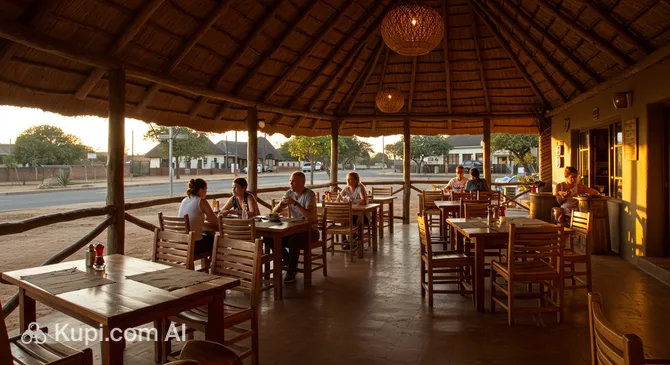
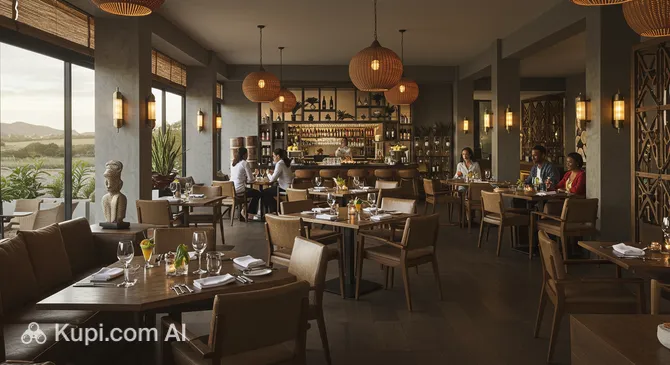
The city's culinary landscape is equally impressive, providing delightful options for food enthusiasts. Saskia Restaurant is widely celebrated for its sophisticated fusion cuisine and elegant setting. Often frequented by those seeking a fine dining experience, it captures the cosmopolitan spirit of the city. For those craving a different flavor profile, Tuscan Place Restaurant offers a charming ambiance and a menu filled with hearty dishes, bringing a touch of Italian inspiration to the heart of Limpopo.

Saskia Restaurant. Source: Kupi.Binoculars

In addition to these standalone dining spots, the Fusion Boutique Hotel remains a cornerstone of the city's luxury and leisure scene. While noted for its unique accommodation, it also plays a significant role in the local social sphere, offering high-end gastronomic experiences that complement the city's growing reputation as a modern urban center.

Local Cuisine

The culinary scene in Polokwane is a delightful reflection of the Limpopo province's status as the "food basket" of South Africa. Visitors can expect a vibrant mix of traditional African ingredients, farm-fresh produce, and hearty meats. The region is famous for its tropical fruits, nuts, and vegetables, which often feature prominently in local dishes, ensuring that meals are fresh and flavorful.

For meat lovers, the city is a true paradise. Due to the abundance of game reserves in the surrounding area, venison dishes—such as kudu, impala, and springbok—are staples on many menus. Of course, no visit is complete without experiencing a traditional South African braai (barbecue), where boerewors (spiced sausage) and chops are grilled to perfection over open flames. For the more adventurous eater, this is the perfect place to try masonja (mopane worms), a protein-rich local delicacy often served in a spicy sauce with pap (maize porridge).

Those seeking a sophisticated dining experience will find excellent options within the city. Saskia Restaurant is a standout venue, known for its ability to blend classic techniques with modern flair. It is an ideal spot for travelers looking to enjoy a memorable evening meal in an upscale setting. Similarly, the dining facilities at the Fusion Boutique Hotel offer a luxurious atmosphere where food is presented as art, catering to those with a taste for the finer things in life.

International flavors are also well-represented in Polokwane. If you are craving a taste of the Mediterranean, Tuscan Place Restaurant brings the warmth of Italian cooking to the heart of Limpopo. Whether it is a comforting bowl of pasta or a wood-fired pizza, this establishment provides a cozy retreat for families and friends to gather over good food.

Tuscan Place Restaurant. Source: Kupi.Binoculars

Travel Tips

To ensure your visit to the heart of Limpopo is as smooth and enjoyable as possible, we have compiled a list of essential practical advice. These tips will help you navigate local customs, logistics, and safety, allowing you to focus on exploring the rich culture and natural beauty of Polokwane.

  1. Clothing and Gear: The climate here varies significantly by season. In summer (November to February), pack lightweight, breathable clothing and a raincoat, as afternoon thunderstorms are common. If visiting in winter (June to August), bring layers; days are sunny and mild, but nights can drop to near freezing. Comfortable walking shoes are a must, and since the African sun can be harsh, a wide-brimmed hat and high-SPF sunscreen are essential regardless of the season.
  2. Transportation: Public transport, primarily consisting of informal minibus taxis, can be confusing and is not typically recommended for tourists. The best way to get around Polokwane and explore the surrounding game reserves is to rent a car. This gives you the freedom to travel at your own pace. Ride-hailing apps like Uber or Bolt are available but may have longer wait times than in larger cities; metered taxis are a reliable alternative for short trips.
  3. Finances: The local currency is the South African Rand (ZAR). Major credit and debit cards (Visa and Mastercard) are widely accepted in hotels, malls, and restaurants. However, it is wise to carry some cash for small purchases, craft markets, or tipping car guards. ATMs are plentiful in shopping centers. Tipping is customary in South Africa; leaving 10–15% of the bill for waitstaff is standard practice.
  4. Health and Safety: While Polokwane itself is generally considered a low-risk area for malaria, it is a gateway to the Limpopo Lowveld and Kruger National Park, which are malaria zones. Consult your doctor about prophylaxis if you plan to travel further north or east. Pharmacies like Clicks and Dis-Chem are well-stocked and easy to find in major malls. As in any city, remain vigilant: avoid walking alone at night in quiet areas and keep car doors locked while driving.
  5. Communication: English is widely spoken and understood, serving as the main language for business and tourism. The primary local language is Sepedi (Northern Sotho); learning a simple greeting like "Dumela" (Hello) will be warmly received by locals. buying a local SIM card (Vodacom or MTN) at the airport or a mall is easy, but remember you will need your passport for the mandatory RICA registration.
  6. Local Etiquette: South Africans are generally warm and polite. Greetings are very important here; it is considered rude to ask a question or start a transaction without first exchanging a friendly "Hello" and asking "How are you?". Handshakes are common, often involving a specific three-part grasp that you might learn from friendly locals.
  7. What to Avoid: Do not leave valuables like cameras, phones, or bags visible on the seats of your car, even when parked in guarded areas; lock them in the trunk. Avoid drinking tap water if you are unsure of the plumbing in older buildings, although municipal water is generally safe; bottled water is readily available and cheap.
  8. Shopping Hours: Be aware that while large malls like the Mall of the North are open seven days a week, many smaller shops and businesses in the city center close early on Saturdays (around 13:00) and may be closed entirely on Sundays. Plan your essential shopping for weekdays to avoid disappointment.

By keeping these practical tips in mind, you will be well-prepared to experience the warmth and vibrancy of Polokwane with confidence. We hope you have a safe journey and create unforgettable memories in this unique corner of South Africa!

Entertainment & Nightlife

While Polokwane may not have the frenetic 24-hour party scene of South Africa's largest coastal cities, it offers a distinct and sophisticated nightlife centered around socializing, dining, and relaxed entertainment. The city's evening energy is concentrated in the suburbs, particularly around Bendor and the vicinity of major shopping complexes, where locals and visitors gather to unwind after a long day.

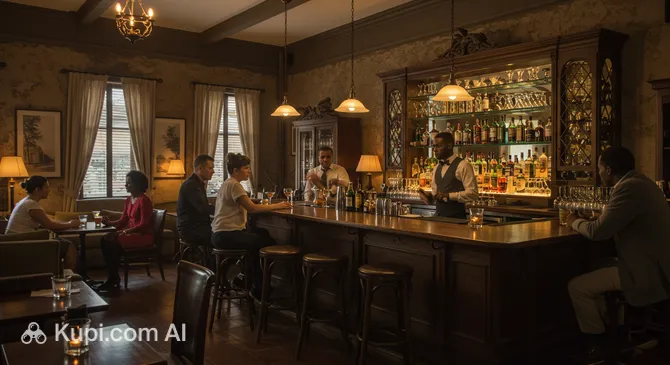
For those seeking a refined evening out, the city boasts several upscale venues that blend fine dining with a vibrant social atmosphere. The Fusion Boutique Hotel is a cornerstone of the local high-end scene. Its lavishly decorated bar and lounge area attract a stylish crowd, making it the perfect place to enjoy signature cocktails and conversation in an artistic setting. Similarly, Saskia Restaurant offers more than just dinner; its elegant ambiance makes it a popular choice for a late-night glass of wine and a sophisticated night out.

If you prefer a more casual vibe, the city has a variety of spots where the atmosphere is laid-back and welcoming. Tuscan Place Restaurant is a well-known establishment that serves as a great meeting point. Often categorized by its relaxed bar-like environment in the evenings, it is ideal for travelers looking to mingle with friendly locals without the pressure of a strict dress code. Beyond these specific venues, the Meropa Casino and Entertainment World stands out as the region's primary nightlife hub, featuring a casino, outdoor activities, and often hosting live music events that run late into the night.

When planning your night out, it is helpful to know that the dress code in Polokwane is generally smart-casual. Most bars and lounges are busiest from Thursday to Saturday, with venues typically staying open until around midnight or 2:00 AM on weekends. Prices for drinks and cover charges are reasonable and generally lower than in Johannesburg or Cape Town.

Safety is an important consideration for nightlife in the city. It is strongly advised to avoid walking around the Central Business District (CBD) or unlit streets at night. instead, rely on metered taxis or private transfers arranged by your hotel. If you are driving, park in well-lit, guarded areas. Ride-hailing services are available but can be sparse late at night, so having a reliable taxi number saved is a good precaution.

Before the sun sets, the city offers plenty of daytime entertainment to fill your itinerary. Culture enthusiasts can explore the Bakone Malapa Northern Sotho Open-Air Museum to learn about indigenous history, while nature lovers can take a quick drive to the Polokwane Game Reserve. For families, the city provides various recreational parks and shopping centers like Platinum Park, ensuring that there is something to do at every hour of the day.

Parks & Museums

Polokwane is a city where urban energy meets the tranquility of the bushveld, offering visitors a unique opportunity to explore rich cultural heritage and pristine natural environments within minutes of the city center. From walking safaris to immersive historical exhibits, the area's green spaces and museums provide a fascinating glimpse into the soul of the Limpopo province.

For nature lovers, the Polokwane Game Reserve is undoubtedly the crown jewel of the city's outdoor offerings. Located just a short drive from the downtown area, this reserve is one of the few in the country that allows visitors to explore on foot or by bicycle, thanks to the absence of lions and elephants. It is, however, home to over 20 species of larger mammals, including the majestic white rhino, giraffe, and sable antelope. It serves as a perfect introduction to the African wild, offering a safe yet authentic bush experience without the need for a long journey.

Another haven for biodiversity is the Polokwane Bird Sanctuary. Situated adjacent to the game reserve, this peaceful area is a paradise for birdwatchers, boasting a high density of species, including waterbirds attracted to its ponds. It provides a quiet retreat for those looking to escape the bustle of the city and enjoy a morning of photography or quiet contemplation amidst the acacia trees.

On the cultural front, the Bakone Malapa Northern Sotho Open-Air Museum offers an engaging journey into the traditions of the Northern Sotho people. This living museum reconstructs a traditional homestead where visitors can interact with locals practicing age-old skills such as beadwork, pottery, and brewing. It is an educational experience that brings history to life, explaining the customs and lifestyle of the Bakone clan from centuries past to the modern day.

For art and history enthusiasts, the Hugh Exton Photographic Museum is a must-visit landmark. Housed in a beautifully preserved 19th-century church, the museum holds a collection of over 23,000 negatives capturing the first 50 years of the city's history. The photos provide a vivid window into the gold rush era, the Anglo-Boer War, and daily life in early Pietersburg. Nearby, the Polokwane Art Museum, located in the Library Gardens complex, showcases an impressive collection of South African art, with a special focus on sculptures and works by Limpopo artists.

Architecturally, the city center features several historical gems, most notably the Irish House. This bright green Victorian building, imported in sections from Germany, now houses the Polokwane Museum. It offers comprehensive exhibits on the region's history, from Stone Age artifacts to the cultural evolution of its diverse communities. It stands as a testament to the city's eclectic past and architectural variety.

For a truly local experience, consider packing a picnic and heading to the flora reserves during the wildflower season. While the main game reserve is popular, the smaller municipal nature areas often burst into color after the first summer rains, offering a spectacular and secluded backdrop for a relaxing afternoon that few tourists get to see.

Getting Around

Navigating Polokwane requires a bit of planning, as the public transport infrastructure is smaller and less integrated than in major metropolitan hubs. The city does not have a metro, tram, or trolleybus network. Instead, the transport system is entirely road-based, relying on a mix of a developing municipal bus service, informal minibus taxis, and private vehicle hire. For most tourists, understanding the distinction between the formal bus system and the informal taxi sector is key to getting around efficiently.

The most modern and tourist-friendly option is the Leeto la Polokwane bus system. This is an Integrated Public Transport System (IPTS) designed to provide safe, reliable, and accessible transport across the city. These buses run on fixed routes connecting the Central Business District (CBD), the New Peter Mokaba Stadium, and various residential clusters. They are easily recognizable by their branding and offer a comfortable ride with air conditioning and security cameras, making them the recommended choice for visitors who prefer public transit.

To use the Leeto la Polokwane buses, you cannot pay with cash on board. The system utilizes a cashless payment method requiring a Leeto Travel Card. You can purchase this card and top it up at the Leeto Customer Care Centre (located at the New Peter Mokaba Stadium), the Library Gardens, or selected kiosks along the main routes. Fares are calculated based on distance, and you must tap your card against the validator when entering the bus. Operating hours typically run from roughly 05:00 to 19:00, so it is important to plan alternative transport if you are out late.

Alternatively, the city is serviced by thousands of minibus taxis. These are the primary mode of transport for the local working population. They are inexpensive and cover virtually every corner of the city and surrounding townships. However, they do not follow a strict timetable and stop on demand rather than at designated stations. Payment is strictly cash, passed forward to the driver. While this offers an authentic local experience, the system can be chaotic and confusing for those unfamiliar with the routes and hand signals used to flag them down. It is generally not the first choice for tourists carrying luggage.

For convenience and safety, especially in the evenings, ride-hailing apps like Uber and Bolt are available and widely used. They offer the security of tracked rides and upfront pricing. Traditional metered taxis are also available, usually found at designated ranks near transport nodes or booked via telephone through your hotel reception. This is often the best option for short trips between your accommodation and restaurants.

Given the spread-out nature of the attractions—such as the game reserve located on the outskirts—renting a car is arguably the most practical solution for tourists. Having your own vehicle provides the freedom to explore at your own pace without relying on bus schedules. Car rental agencies are present at the airport and in the city center. Parking is generally abundant and affordable at shopping centers and major sights. There are currently no major bike-sharing or scooter-rental schemes in the city, so private transport remains the dominant preference.

Accommodation

Finding the perfect place to stay in Polokwane is relatively easy, as the city offers a diverse range of accommodation options to suit various budgets and preferences. The selection largely consists of charming bed and breakfasts, self-catering cottages, and modern guesthouses, which are abundant in the residential suburbs. For those seeking more conventional stays, the city center features several commercial hotels that cater to business travelers and tourists alike. Additionally, the outskirts of the city are dotted with game lodges and country estates, providing a "bushveld" experience just minutes from urban amenities.

When choosing an area to base yourself in, the suburbs of Bendor and Fauna Park are particularly popular among tourists. These neighborhoods are known for their leafy streets, tranquility, and proximity to major shopping centers like the Mall of the North and Savannah Mall. Staying here offers a quieter retreat while remaining close to restaurants and entertainment hubs. For travelers who prioritize convenience and quick access to government buildings or transport nodes, the Central Business District (CBD) provides functional hotel options, though the atmosphere is busier and more commercial.

For a truly unique experience, consider looking for accommodation on the small holdings or farms surrounding the city. These venues often combine the comfort of a hotel with the rustic charm of the Limpopo province, allowing you to wake up to the sounds of nature. While the city does not have an extensive list of large international resort chains, the local hospitality standards are high, with many establishments offering personalized service and hearty breakfasts.

Booking Tips: It is advisable to book your accommodation well in advance if you plan to visit during Easter or the September school holidays. Polokwane is a major transit route and a religious hub for large pilgrimages, which can cause occupancy rates to spike dramatically during these peak periods. For the rest of the year, availability is generally good.

In terms of cost, the city is quite affordable compared to South Africa's major coastal destinations. Travelers can expect a prevalence of mid-range pricing, with plenty of budget-friendly guesthouses available. Luxury options are present but fewer in number. Most establishments are listed on major online booking platforms, making it easy to secure a room, though contacting smaller guesthouses directly can sometimes yield better rates or specific arrangements for longer stays.

Nearby Cities

For those looking to explore the surroundings, Polokwane serves as an excellent base for day trips to several interesting nearby locations. While the city itself is a hub of activity, the wider region connects travelers to some of South Africa's most significant urban and natural attractions.

One of the most notable destinations within reach is Pretoria, the country's administrative capital. Known as the "Jacaranda City" due to the thousands of purple-blooming trees that line its streets in spring, it offers a wealth of historical and cultural sites. Visitors can explore the majestic Union Buildings, the Voortrekker Monument, and various museums that provide deep insight into South Africa's heritage. Although it requires a drive of a few hours, the rich architectural and historical experience makes it a worthwhile journey.

Heading east towards the Lowveld, Mbombela (formerly Nelspruit) presents a completely different atmosphere. As the gateway to the southern Kruger National Park, this city is surrounded by lush subtropical vegetation and citrus groves. It is an ideal destination for nature lovers, offering attractions like the Lowveld National Botanical Garden and the nearby Sudwala Caves. It serves as a perfect transition point between the highveld plateau and the wild game reserves.

Another interesting stop is Middelburg, located in the Mpumalanga province. Often considered a convenient stopover for travelers heading to the coast or the Kruger Park, it has its own charm with the Botshabelo Historical Village and a large dam that attracts water sport enthusiasts. It offers a quieter, more relaxed pace compared to the larger metropolitan areas.

City Population Distance (km)
Pretoria 741651 242
Centurion 236580 254
Mbombela 221181 233
Middelburg 154706 207
Emalahleni 108673 220

These nearby destinations offer a glimpse into the diverse culture and landscapes of the region, ranging from bustling historical capitals to scenic gateways into the wild.

Shopping & Souvenirs

As the commercial hub of the Limpopo province, Polokwane offers a retail experience that far exceeds what one might expect from a regional city. It serves as the primary shopping destination for the entire northern region of South Africa and neighboring countries. Visitors will find a dynamic mix of sophisticated modern malls, functional shopping centers, and vibrant street trade, ensuring that everything from high-end fashion to daily essentials is readily available.

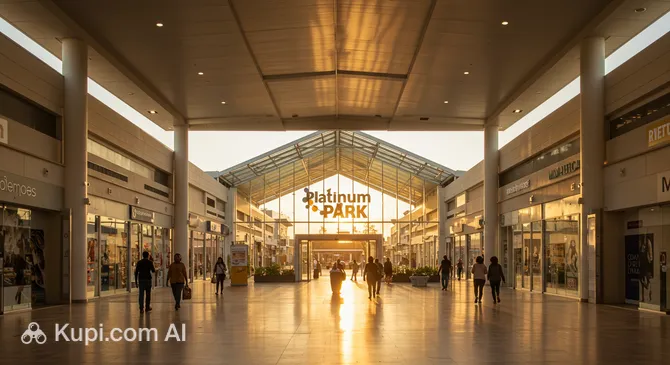
For those who prefer a structured and modern shopping environment, the city boasts several impressive malls. The Mall of the North is the undisputed giant of the region, featuring over 180 stores, a cinema complex, and numerous restaurants. In the city center, Limpopo Mall provides a convenient stop for pedestrians and those staying downtown, offering a wide variety of retail outlets. Another favorite among locals is Platinum Park, known for its open-air design and relaxed atmosphere, making it a pleasant spot for a quick shop or a casual lunch.

Platinum Park. Source: Kupi.Binoculars

If you enjoy the hustle and bustle of city life, the Central Business District (CBD) is a hive of activity. The areas around Landdros Maré Street and Market Street are lined with smaller independent shops, fabric stores, and discount retailers. This is where the city's heartbeat is strongest, with vendors selling fresh produce and goods on the sidewalks, offering a more authentic African urban shopping experience compared to the sanitized environment of the malls.

For unique local flavor, look out for informal markets and curio stalls, often found near the major tourist routes or outside the larger shopping centers. These are the best places to hunt for souvenirs. Authentic Pedi clay pots, colorful beadwork, and wooden carvings are popular items to take home. The region is also famous for its textiles, so keep an eye out for traditional fabrics. Additionally, edible treats like biltong (dried meat) and macadamia nuts, which are farmed extensively in the province, make for excellent gifts.

Most shops in Polokwane follow standard South African operating hours. Malls are typically open from 09:00 to 18:00 or 19:00 on weekdays, with slightly shorter hours on weekends and public holidays. Street shops in the CBD usually close by 17:00 and may close early on Saturdays (around 13:00) and remain closed on Sundays. Payment methods are modern and convenient; major credit and debit cards are accepted almost everywhere in malls and established stores. However, if you are buying from street vendors or small craft markets, it is essential to carry cash (South African Rand) in smaller denominations.

International tourists should be aware of the Tax-Free shopping possibilities. In South Africa, VAT (Value Added Tax) is set at 15% and is included in the marked price of goods. Foreign visitors can claim a VAT refund on goods exceeding a certain value that they take out of the country. Be sure to ask for a tax invoice when making expensive purchases and present your goods and receipts at the customs counters at the international airport upon your departure.

Reached the end of the page?

That means the route is fully explored