Support

Johannesburg

About

Johannesburg, often affectionately known as Jozi or the "City of Gold," is a vibrant and pulsating metropolis that serves as the economic engine of South Africa. As the provincial capital of Gauteng, this sprawling urban hub offers a unique energy that blends modern sophistication with a rich, complex heritage. It is a city of contrasts and creativity, where skyscrapers stand tall against the African sky, and lush, man-made forests provide a green canopy over the bustling streets.

Geographically, the city is situated on the eastern plateau known as the Highveld, sitting at an elevation of 1,753 meters above sea level. This altitude contributes to a generally mild and sunny climate, making it a pleasant destination year-round. With a massive population of approximately 8 million people in the greater metropolitan area, it is one of the most populous and diverse cities on the continent. The fascinating history of Johannesburg began with a 19th-century gold rush, transforming a dusty mining camp into the dynamic global city seen today.
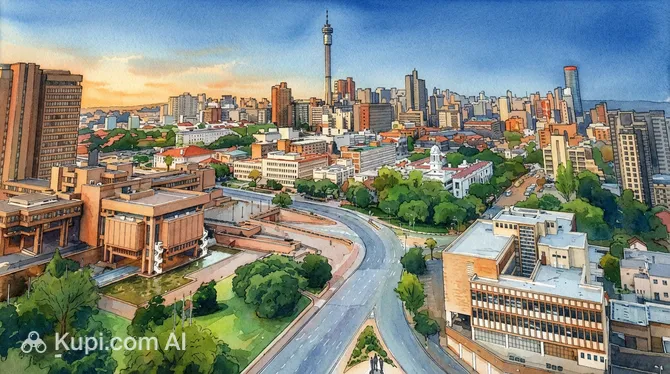
Johannesburg. Source: Kupi.Binoculars

Travelers are drawn to Johannesburg for its wide array of attractions and cultural landmarks. The Apartheid Museum is a must-visit for those seeking to understand the country's past through powerful and immersive exhibits. For a mix of history and entertainment, Gold Reef City offers a theme park experience built on an old gold mine, complete with underground tours. Additionally, the famous township of Soweto provides an essential cultural experience, showcasing the vibrant spirit and resilience of the local community.

Whether you are exploring its world-class art galleries, enjoying the trendy precincts of Maboneng and Braamfontein, or using it as a gateway to nearby wildlife reserves, Johannesburg promises an unforgettable journey. We invite you to dive into the rhythm of this extraordinary city and discover the warmth of its people.
Weather Overview

Johannesburg benefits from a subtropical highland climate, offering plenty of sunshine throughout the year. The high altitude ensures that while the sun is bright, the heat is rarely oppressive. For travelers planning their itinerary, understanding the weather in Johannesburg is helpful, as the seasons offer distinct experiences.

Summers (December through February) are warm and pleasant, with average temperatures around 21°C and highs peaking near 26°C. This is also the rainy season, featuring about 15 to 18 wet days per month, often manifesting as short, refreshing afternoon thundershowers. In contrast, the winter months of June, July, and August are remarkably dry, with almost zero precipitation and clear skies.

During winter, while daytime highs can reach a comfortable 18°C, the mornings and evenings are crisp, with minimum temperatures dropping to around 3°C to 4°C. Visitors should expect warm summers with occasional rain and sunny but cold, dry winters, making layers essential for the colder months.

Interesting Facts

Beyond the main attractions, Johannesburg holds many fascinating secrets and quirks that surprise even seasoned travelers. Here are some intriguing details about the City of Gold that reveal its unique character.
  • A City Without Water: Unusually for a major metropolis, Johannesburg was not established near a navigable river, lake, or coastline. Its location was determined entirely by the discovery of gold, which means water must be pumped uphill from distant sources to support the population.

  • Historic Inmates: The Constitution Hill Human Rights Precinct is a site of immense historical significance, famously being the only prison in the world to have incarcerated two Nobel Peace Prize winners: Nelson Mandela and Mahatma Gandhi.

  • Ottoman Architecture: You might be surprised to find a stunning piece of Ottoman architecture here; the Nizamiye Mosque is modeled after the Selimiye Mosque in Turkey and stands as the largest mosque in the Southern Hemisphere.

  • Local Lingo: If you hear locals talking about "robots," do not expect sci-fi machinery. In South Africa, and particularly in this city, "robot" is the standard term used for a traffic light.

Constitution Hill Human Rights Precinct. Source: Kupi.Binoculars

How to Get There

As the economic hub of South Africa, the city is well-connected to the rest of the world and the African continent. Most international visitors arrive by air, landing at one of the major airports serving the Gauteng province. For a detailed breakdown of all transport options, including driving routes and bus services, you can read more about how to get to Johannesburg on our dedicated page.

The primary entry point for international travelers is O.R. Tambo International Airport (JNB). It is the busiest airport on the continent and serves as a major hub for flights from around the globe. Located approximately 22 km from the city center, it offers excellent connectivity. A taxi or shuttle ride to the downtown area typically takes around 55 minutes, depending on traffic. The airport is also linked to the city by the rapid Gautrain rail system, which is a popular choice for avoiding road congestion.

Another convenient option, particularly for domestic and regional flights, is Lanseria International Airport (HLA). Situated to the northwest of the city, it is often favored by travelers heading to the northern suburbs like Sandton. The airport is roughly 32 km from the city center, with a travel time of approximately 1 hour and 10 minutes by car. While smaller than O.R. Tambo, it handles a significant volume of passengers and offers a more relaxed arrival experience.

For clarity, here is a summary of the main airports in the region:

Airport Name City Passenger Traffic Km from City
O.R. Tambo International Airport Johannesburg Very High 21.8
Lanseria International Airport Johannesburg High 31.5
Pilanesberg International Airport Sun City Unknown 129.5
Sir Seretse Khama International Airport Gaborone Medium 280.6
Polokwane Airport Polokwane Low 298.1

Main Attractions

Johannesburg is a city of remarkable depth, offering a compelling mix of historical insights, urban creativity, and outdoor leisure. From poignant museums to adrenaline-filled theme parks, the local attractions provide a comprehensive look into the soul of South Africa's economic powerhouse.

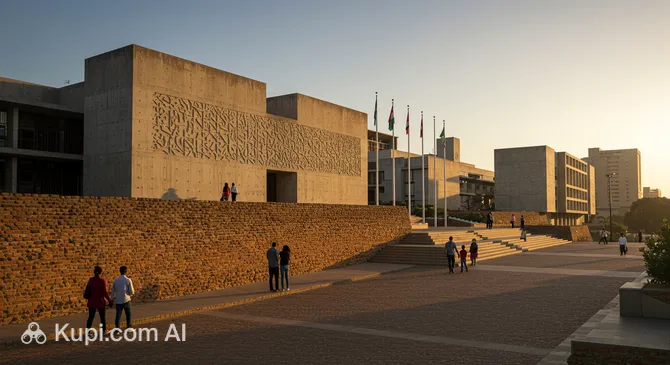
For a profound journey into the country's turbulent past, the Apartheid Museum is an essential stop. This world-class institution illustrates the rise and fall of the apartheid era through provocative film footage, photographs, and artifacts. The exhibits are designed to take visitors on an emotional journey, offering a deep understanding of the struggle for freedom and democracy in South Africa.

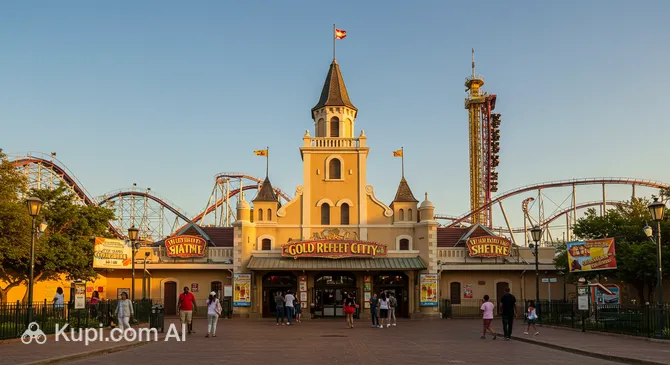
If you are looking for a combination of history and thrill, the Gold Reef City Theme Park is the perfect destination. Built on the site of an old gold mine, it offers a unique glimpse into the 19th-century gold rush with authentic underground mine tours and gold pouring demonstrations. Above ground, thrill-seekers can enjoy a variety of roller coasters and rides that cater to all ages, making it a favorite for families.

Gold Reef City Theme Park. Source: Kupi.Binoculars

To experience the city's modern artistic pulse, head to the Maboneng Precinct. Meaning "Place of Light" in Sotho, this vibrant neighborhood is a shining example of urban regeneration. It is packed with trendy restaurants, art galleries, and independent boutiques. On weekends, the area comes alive with markets and music, drawing a diverse crowd of locals and tourists eager to soak up the creative atmosphere.

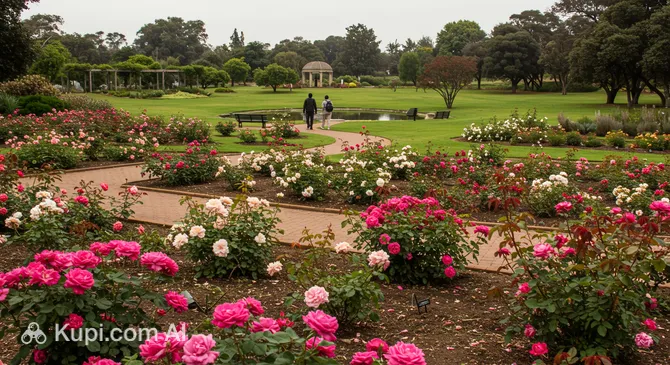
For those seeking tranquility away from the urban bustle, the Johannesburg Botanical Gardens offer a lush escape. Located near the Emmarentia Dam, this expansive green space features distinct areas, including a stunning Rose Garden and a Herb Garden. It is an ideal spot for picnics, jogging, or simply enjoying nature within the city limits.

Johannesburg Botanical Gardens. Source: Kupi.Binoculars

Finally, visitors looking for entertainment and nightlife often flock to Montecasino. Designed to replicate an ancient Tuscan village, this complex is more than just a casino; it houses theaters, cinemas, diverse restaurants, and a bird garden. The detailed architecture and ceiling painted to look like the sky create an immersive experience that lasts well into the night.

Local Cuisine

The culinary landscape of Johannesburg is a delicious reflection of its multicultural heritage, often described as a "Rainbow Cuisine." As a melting pot of African cultures, the city offers everything from traditional street food to high-end gastronomy. Meat lovers will feel right at home here, as the local food culture is heavily centered around the braai (barbecue). One cannot visit without experiencing a traditional Shisa Nyama, a Zulu term meaning "burn the meat," where you choose your cut at a butchery and have it grilled to perfection over an open fire, usually enjoyed in a vibrant, communal atmosphere.

Among the must-try dishes is Pap en Vleis, a staple consisting of maize porridge served with grilled meat and a side of Chakalaka, a spicy vegetable relish that adds a kick to any meal. Another local favorite, particularly for those on the go, is the Kota. Similar to the Durban Bunny Chow, this quarter-loaf of bread is hollowed out and stuffed with a variety of fillings like chips, sausage, cheese, and egg, making it a hearty and affordable street food classic found in townships like Soweto.

To wash down these hearty meals, locals often turn to South Africa's world-renowned beverages. While the country is famous for its wines, particularly Pinotage, Johannesburg has a thriving craft beer scene with numerous microbreweries springing up across the city. For a non-alcoholic option, Rooibos tea is a beloved indigenous drink, enjoyed hot or as a refreshing iced tea. Traditional sorghum beer, known as Umqombothi, is also available for those wishing to taste a historic brew.

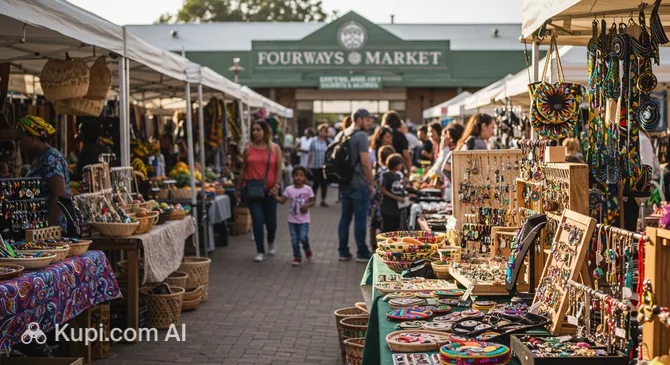
The city's food culture is best experienced at its bustling weekend markets, which are social hubs as much as they are dining destinations. The Fourways Farmers Market is a prime example, offering a picturesque setting where visitors can sample artisanal cheeses, gourmet burgers, and local preserves while sitting on hay bales under the trees. It is an excellent spot to mingle with locals and enjoy live music alongside your meal.

Fourways Farmers Market. Source: Kupi.Binoculars

For a more urban dining experience, the city offers regenerated industrial spaces that have been transformed into trendy culinary precincts. Victoria Yards is one such location, where urban farming meets artisan studios and coffee roasteries, providing a unique backdrop for a casual lunch. Conversely, for those seeking sophisticated dining with a view, The 11th Floor Restaurant offers a modern menu paired with sweeping vistas of the city skyline, showcasing the upscale side of Johannesburg's gastronomy.

Travel Tips

Welcome to the dynamic heartbeat of South Africa! To help you navigate Johannesburg’s vibrant streets with confidence and ease, we have compiled a list of essential practical advice that ensures your visit is as safe as it is memorable.

  1. Clothing and Gear: Due to the city's high altitude, the sun can be intense even on cool days, so high-SPF sunscreen and sunglasses are non-negotiable. In summer, pack lightweight clothing but always carry a raincoat or umbrella for sudden afternoon thundershowers. If visiting in winter (June–August), do not be fooled by the sunny days; mornings and evenings are surprisingly cold, so bring a warm jacket, scarf, and layers.
  2. Transportation: For most tourists, the safest and most convenient way to get around is by using ride-hailing apps like Uber or Bolt. The Gautrain is an excellent, safe high-speed rail link for travel between the airport, Sandton, and Rosebank. While renting a car offers freedom, remember that traffic flows on the left. Avoid using minibus taxis unless you are with a local guide, as the routes can be confusing.
  3. Finances: The local currency is the South African Rand (ZAR). Credit and debit cards (Visa and Mastercard) are widely accepted in restaurants, hotels, and malls. However, it is wise to carry some cash in smaller denominations for street markets and tips. A tip of 10% to 15% is standard for waitstaff, and it is customary to give a small amount (R5–R10) to "car guards" who watch your vehicle in parking lots.
  4. Health and Safety: Johannesburg has world-class private medical facilities. Pharmacies like Clicks or Dis-Chem are found in almost every major shopping mall and are well-stocked. Regarding safety, vigilance is key: avoid walking alone at night, especially in the CBD (Central Business District). Keep valuables out of sight, lock car doors while driving, and stick to populous, well-lit areas.
  5. Communication: English is the primary language of business and tourism, making communication very easy. To stay connected, purchase a local SIM card (Vodacom or MTN are popular) at the airport upon arrival; you will need your passport for the mandatory RICA registration. Wi-Fi is readily available in hotels and coffee shops, but mobile data is reliable for navigation on the go.
  6. Local Etiquette: South Africans are generally warm and polite. A friendly greeting is essential before asking a question; a simple "Hello," "Howzit" (a local casual greeting), or "Sawubona" goes a long way. Handshakes can sometimes be elaborate, involving three steps, but a standard handshake is perfectly acceptable.
  7. What to Avoid: Do not display expensive jewelry, cameras, or large amounts of cash openly in public spaces. Avoid leaving your drink unattended in bars or clubs. It is also advisable not to rely on pedestrians for directions if you are lost; instead, step into a shop or ask a security guard.
  8. Power Supply Insight: Be aware of "load shedding," which are scheduled rolling blackouts implemented to manage electricity demand. It is highly recommended to download a local app like EskomSePush to check the schedule for your area so you aren't caught in the dark without a charged phone.

Armed with these tips, you are ready to embrace the unique rhythm of Jozi. Stay alert, be open to new experiences, and enjoy the incredible warmth and diversity this bustling metropolis has to offer!

Entertainment & Nightlife

Entertainment and Nightlife:

When the sun sets over the City of Gold, Johannesburg transforms into a pulsating hub of entertainment that rivals any major global metropolis. The nightlife here is diverse, catering to everyone from jazz enthusiasts and dance music lovers to those seeking a sophisticated cocktail in a quiet lounge. The scene is decentralized, spread across various neighborhoods that each offer a distinct vibe. Sandton and Rosebank are known for their glitzy, upscale clubs and champagne bars where the city's elite gather. In contrast, Melville and the Maboneng Precinct offer a more bohemian, artistic atmosphere with live music venues, rooftop bars, and a gritty urban charm.

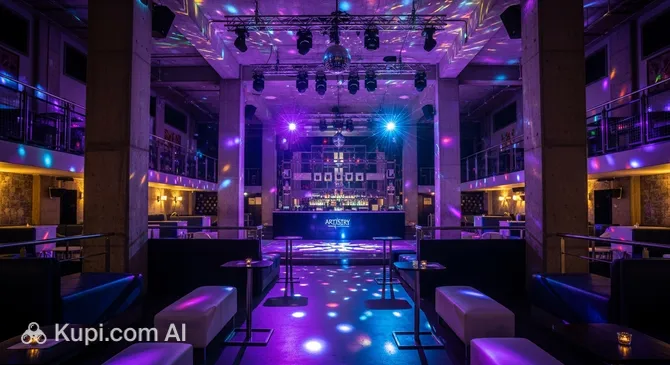
For a night immersed in culture and creativity, Artistry JHB is a standout venue. Located in the heart of the cultural district, it blends culinary excellence with live performances, serving as a platform for local musicians and artists. It is the perfect spot to experience the soulful side of the city's nightlife while enjoying a curated menu. If you prefer a more interactive and high-energy evening, Karaoke Kong offers a boutique karaoke experience. With its stylish decor and extensive song list, it provides a fun, spirited environment where you can sing your heart out with friends.

Artistry JHB. Source: Kupi.Binoculars

Music lovers looking for alternative sounds and live bands should head to Sognage. This venue has established itself as a premier destination for live gigs, hosting everything from rock bands to electronic acts, and attracting a dedicated crowd of music aficionados. For a different kind of evening, the Montecasino complex remains a favorite, offering a vast array of late-night restaurants, theaters, and gaming options all under one roof, styled like a Tuscan village.

Practical Advice for Night Owls: The party in Johannesburg typically starts late. Bars begin to fill up around 9:00 PM, while clubs hit their stride after 11:00 PM and stay open until the early hours. Dress codes vary by district; upscale venues in Sandton often require smart-casual attire (no sneakers or shorts), while Maboneng and Melville are generally more relaxed. Prices are reasonable compared to European standards, but expect to pay a premium in exclusive clubs.

Safety First: While the nightlife is vibrant, safety is paramount. It is strongly advised not to walk between venues at night, even if they seem close. The safest way to get around is by using reputable ride-hailing apps like Uber or Bolt, which offer door-to-door service. Stick to busy, well-lit establishments and avoid leaving your drinks unattended.

During the day, the entertainment options are just as plentiful. Beyond the historical sites, families can enjoy active fun at the Fourways Mall Trampoline Park or explore the city's numerous theaters and galleries. Whether you are looking for daytime thrills or nighttime beats, Johannesburg ensures your schedule is packed with excitement.

Parks & Museums

Parks and Museums

Johannesburg is frequently cited as one of the largest man-made forests in the world, surprising visitors with its abundance of verdant canopies and open spaces amidst the urban sprawl. Beyond its reputation as a business hub, the city boasts a remarkable collection of parks, nature reserves, and cultural institutions that preserve its complex history and celebrate its natural beauty.

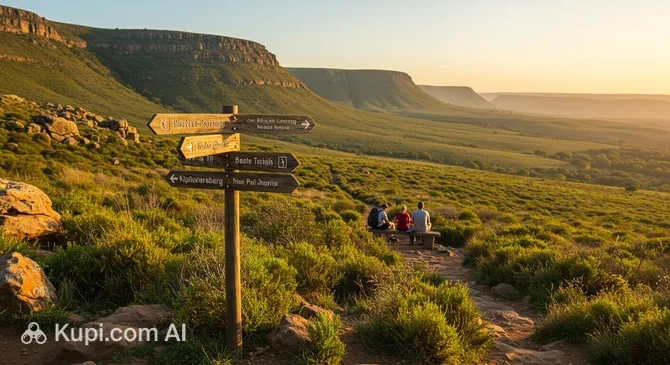
For nature lovers, Klipriviersberg Nature Reserve is a pristine escape located just south of the city center. As the largest nature reserve in the metropolitan area, it offers a network of hiking trails that wind through hills and valleys. It is a fantastic spot for wildlife enthusiasts, as you can spot zebra, wildebeest, and various antelope species roaming freely, all without leaving the city limits. The reserve is also known for its archaeological sites, adding a layer of historical intrigue to your hike.

Klipriviersberg Nature Reserve. Source: Kupi.Binoculars

Another gem is The Wilds, a declared heritage site that has been revitalized into a safe and beautiful public space. Nestled between the suburbs of Killarney and Houghton, this park features indigenous vegetation, stone pathways, and incredible views of the city skyline. It is particularly famous for its art installations, including colorful laser-cut steel sculptures of animals, making it a picturesque location for a leisurely walk or photography.

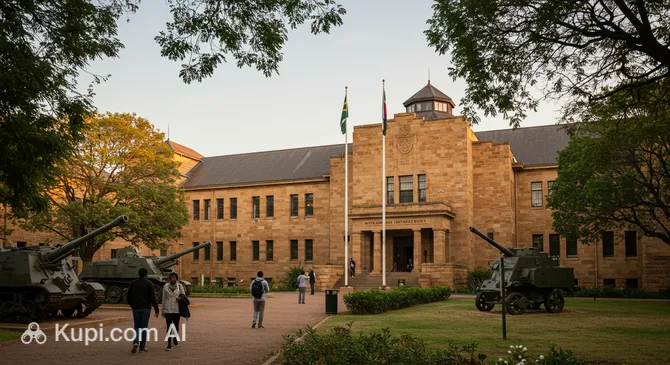
Johannesburg's museums are powerful storytellers, reflecting the nation's journey through triumph and adversity. The South African National Museum of Military History, located near the zoo, offers a comprehensive look at the country's military past. The extensive collection includes tanks, aircraft, and medals from World War I and II, as well as the Angolan Bush War. It provides a fascinating technical and human perspective on conflict, appealing to history buffs and families alike.

South African National Museum of Military History. Source: Kupi.Binoculars

To understand the pivotal moments of the struggle against apartheid, a visit to the Hector Pieterson Memorial in Soweto is essential. This moving site commemorates the 1976 Soweto Uprising and honors the students who lost their lives fighting for better education. Located just blocks away from Mandela House, where Nelson Mandela lived before his imprisonment, the museum uses photographs and oral testimonies to convey the emotional weight of that era.

For a different kind of educational experience, especially for those traveling with children, the Sci-Bono Discovery Centre in Newtown is a world-class science center. Housed in a historic electric workshop, it features hundreds of interactive exhibits that make science, technology, and mathematics fun and accessible. It is a vibrant space that encourages curiosity and hands-on learning.

In terms of architectural landmarks and local secrets, the Westcliff Stairs offer a unique challenge. Built in the 1920s by unemployed miners, these stone steps cut through the ridge of the affluent Westcliff suburb. Locals flock here for the "Westcliff incline" workout, but the real reward is the breathtaking panoramic view of the city's green belt, especially spectacular during jacaranda season when the streets are carpeted in purple blooms.

Insider Tip: If you are visiting Delta Park, look out for the Florence Bloom Bird Sanctuary within its grounds. It is a quiet haven often overlooked by casual joggers, offering excellent birdwatching opportunities in the heart of the suburbs.

Getting Around

Navigating Johannesburg requires a bit of planning, as the city is vast and spread out, making it distinct from compact "walking cities." The public transport landscape is a mix of world-class modern infrastructure and informal networks, offering different options depending on your destination, budget, and comfort level. Understanding how these systems work will help you move between the vibrant neighborhoods with ease.

The most efficient and tourist-friendly option is the Gautrain. This rapid rail link is safe, clean, and fast, connecting O.R. Tambo International Airport with key hubs like Sandton, Rosebank, and the administrative capital, Pretoria. To use the service, you must purchase a reusable Gautrain Gold Card from vending machines at any station. The system operates on a "tag-in, tag-out" basis, and credit cards can also be used directly at the turnstiles. Trains generally run from early morning until roughly 8:30 PM, so be sure to check the timetable if you are planning a late evening.

For travel within the city center and to specific suburbs like Soweto, the Rea Vaya Bus Rapid Transit (BRT) system is a reliable choice. These buses run in dedicated lanes, avoiding much of the notorious traffic congestion. Like the train, Rea Vaya is cashless; you will need to buy a smart card at major stations to tap in and out. While affordable, the network does not cover every suburb, so check the route map in advance to see if it suits your itinerary.

A ubiquitous sight on the streets is the white minibus taxi. These vehicles form the backbone of the local transport economy, transporting millions of residents daily. They operate on specific routes determined by hand signals and strictly accept cash. While they offer an authentic local experience, the system can be chaotic and confusing for visitors. It is generally recommended to use them only if you are accompanied by a local guide who can navigate the routes and etiquette safely.

For most tourists, ride-hailing apps such as Uber and Bolt remain the most popular and practical alternative. They offer the safety of tracked journeys, door-to-door convenience, and transparent pricing, which is particularly valuable for evening outings or trips to areas not served by the rail network. Car rentals are also widely available and offer great freedom, provided you are comfortable driving on the left-hand side of the road and navigating busy intersections.

If your main goal is sightseeing, the City Sightseeing Red Bus is an excellent option. This hop-on, hop-off service operates on a circular route that connects major attractions like the Apartheid Museum, Constitution Hill, and Gold Reef City. It provides a secure and stress-free way to visit the top landmarks without worrying about navigation, parking, or transfers, making it a favorite for first-time visitors.

Accommodation

Where to Stay:

Johannesburg offers a diverse spectrum of accommodation, ranging from vibrant backpacker hostels and boutique guesthouses to world-class luxury hotels. The choice of location often depends on the purpose of your visit and the atmosphere you prefer. **Sandton** is undoubtedly the most popular area for business travelers and tourists seeking high-end shopping and security, often referred to as "Africa's richest square mile." **Rosebank** is another excellent choice, offering a walkable environment with easy access to the Gautrain, trendy malls, and art galleries. For those seeking a more bohemian or artistic vibe, the neighborhoods of **Melville** and **Maboneng** provide unique guesthouses and loft-style apartments surrounded by lively street culture.

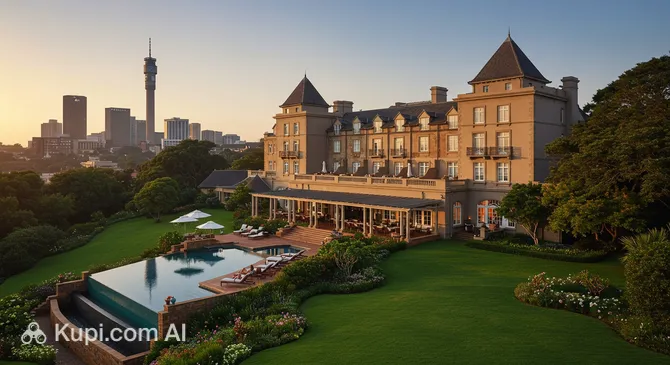
If you are looking for an indulgent experience, the city boasts several renowned properties. The Westcliff is an iconic destination, perched on a ridge with terraced gardens that offer sweeping views over the majestic green belt, reminiscent of a Mediterranean hillside village. It is a perfect sanctuary for those who want to feel removed from the city buzz while remaining central. Alternatively, travelers who enjoy leisure activities might appreciate The Fairway Hotel, Spa and Golf Resort. Located on the Randpark Golf Course, it combines modern luxury with sporting facilities, making it an ideal spot for relaxation.

The Westcliff. Source: Kupi.Binoculars

Prices in Johannesburg accommodate all budgets. You can find affordable hostels and B&Bs starting from a modest price, while five-star hotels and exclusive resorts command international rates. It is highly recommended to book your accommodation in advance, especially during the summer months (December to February) and around major holidays. Most properties can be easily booked via major online platforms or directly through their websites. When choosing your stay, always consider the proximity to transport links like the Gautrain stations to ensure safe and convenient travel throughout the city.

Nearby Cities

For those looking to explore the surroundings, Johannesburg serves as an excellent base for day trips to several interesting nearby locations:
City Population Distance (km)
Soweto 1,271,628 19
Vereeniging 1,074,000 43
Pretoria 741,651 52
Katlehong 467,890 21
Randburg 337,053 15

These nearby destinations offer a glimpse into the diverse culture and landscapes of the region. Pretoria, the administrative capital, is a must-visit for history enthusiasts and nature lovers alike, famous for the Union Buildings and its thousands of jacaranda trees that paint the city purple in spring. For a profound cultural experience, Soweto provides a vibrant atmosphere and historic sites like Vilakazi Street, the only street in the world to have housed two Nobel Prize winners. Meanwhile, those seeking leisure by the water can head to Vereeniging on the banks of the Vaal River, a popular spot for water sports and weekend getaways.

Shopping & Souvenirs

Shopping in Johannesburg is an experience that ranges from browsing high-end international designer boutiques to haggling for unique handmade crafts in bustling open-air markets. As the commercial hub of the continent, the city offers a retail therapy experience that is unmatched in diversity and scale, catering to every taste and budget. Whether you are looking for the latest fashion trends, authentic African artifacts, or precious gemstones, you will find it here.

The city's retail landscape is anchored by several key districts, with Sandton standing out as the premier destination. Often referred to as "Africa's richest square mile," it is the epicenter of luxury and sophistication. Just a short Gautrain ride away, the suburb of Rosebank offers a more pedestrian-friendly vibe, seamlessly blending modern malls with vibrant street culture and art galleries, making it a favorite among tourists who prefer a walkable environment.

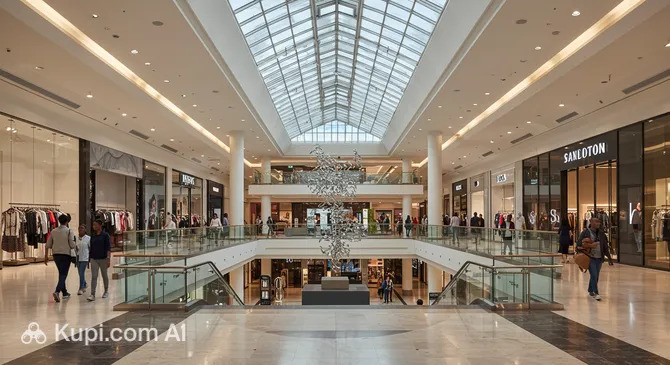
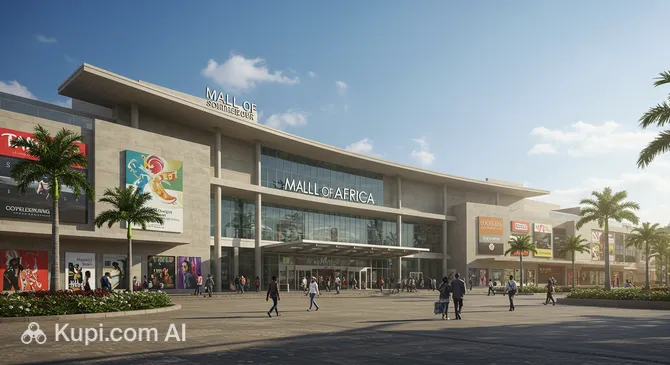
For those who prefer the convenience and variety of large shopping centers, Sandton City is the ultimate landmark. It is one of the most prestigious shopping addresses in Africa, housing hundreds of leading global brands and connecting directly to Nelson Mandela Square, known for its iconic statue and fine dining. Another spectacular retail destination is the Mall of Africa. Located in Midrand, it is one of the largest malls on the continent built in a single phase, featuring a design inspired by Africa's geological features and offering a vast array of lifestyle and fashion stores.

Sandton City. Source: Kupi.Binoculars

If you are seeking a more authentic local experience, the city's markets are treasure troves of creativity. The Rosebank Art & Craft Market is essential for visitors, offering a wide selection of African souvenirs right next to the modern malls. For a more relaxed weekend vibe, the Fourways Farmers Market provides a lovely outdoor setting where you can shop for artisanal products and local produce while enjoying live music, although it is more focused on food and lifestyle than traditional curios.

Mall of Africa. Source: Kupi.Binoculars

When it comes to souvenirs, Johannesburg is the perfect place to pick up wire art, a distinctive local craft where artists fashion intricate sculptures from galvanized wire. Other popular items include colorful Shweshwe fabric, intricate beadwork, and wooden carvings. South Africa is also renowned for its jewelry, particularly diamonds and tanzanite, which can be purchased from reputable dealers in the major shopping centers.

Most shopping malls are open seven days a week, typically from 9:00 AM to 6:00 PM or later, especially on Fridays and weekends. Payment is convenient, with major credit and debit cards widely accepted even in smaller shops, though carrying cash is advisable for street markets and tipping. Additionally, international tourists can claim a VAT refund (Value Added Tax) on goods exceeding a certain value before leaving the country, so be sure to keep your tax invoices and visit the customs counter at the airport upon departure.

Reached the end of the page?

That means the route is fully explored